

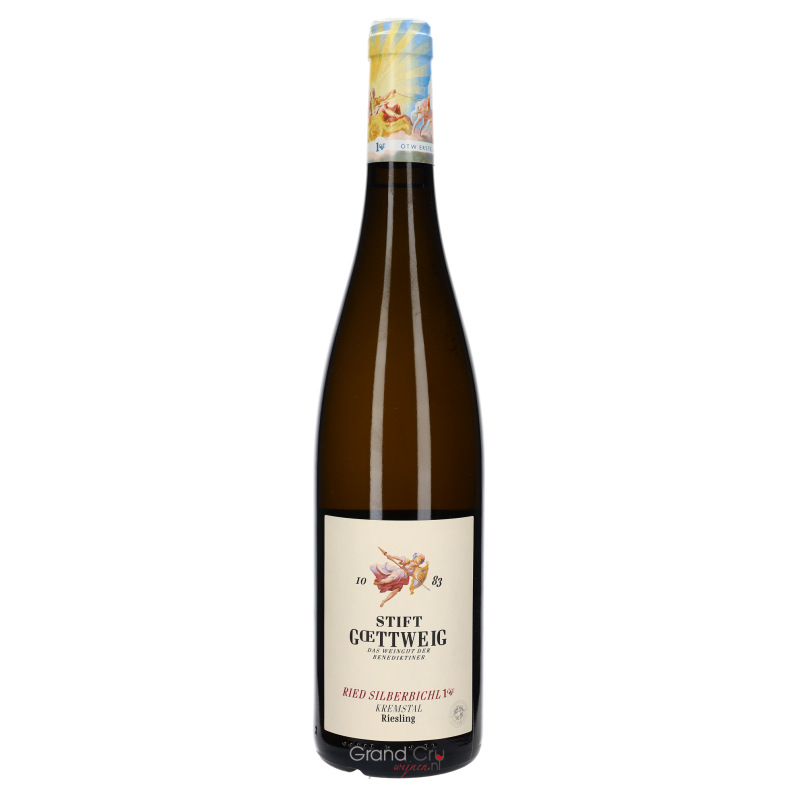
2021 Stift Göttweig Riesling Ried Silberbichl 1ÖTW
Ordering in bulk? Log in to request a quote
In stock
6 items available
Need more? You can backorder the rest.
How does this wine taste?
How full and heavy the wine feels in your mouth, like the difference between skimmed milk and cream. More alcohol, sugar and oak ageing make a wine fuller.
How much sugar you taste, from dry to sweet. Fruity is not the same as sweet: a dry wine can taste of ripe fruit.
How fresh and juicy the wine is: acidity makes your mouth water. High acidity tastes lively and refreshing, low acidity soft and round.
What we taste What you taste Click a taste for what it means
The bars follow how sommeliers taste (WSET): body, tannin, sweetness and acidity, each from low to high.
Body: full-bodied. Fuller than most white wines from Niederosterreich; 13% alcohol.
Acidity: high. from the temperate climate of Niederosterreich.
Aromas: flowers, stone fruit and tropical fruit, typical of
Nothing noted for this wine yet. What do you smell, and how long does the taste linger?
Have you tasted this wine?
Save your rating and notes.
Save your rating and notes.
Have you tasted this wine?
Log in to save your tasting note.
Log in to save your tasting note.
Log inWeingut Stift Göttweig is known as one of the oldest wineries in Austria. As a Benedictine abbey, Stift Göttweig was founded in the year 1083 by Altmann of Passau (also called Saint Altmann). Since then, the abbey has always played an important role in the development of wine production in the Wachau Valley. Stift Göttweig is located in the rolling countryside on the southern bank of the Danube opposite the city of Krems at 449 meters above sea level. Because of this location and the abbey, the winery is also called the Austrian Montecassino. The Benedictines were responsible for the administration and management until 1988, after which the property was rented out until 2005. Since 2006, winegrower Fritz Miesbauer and his team have been reliving history on the Stift Göttweig estate.
The Silberbichl where the Riesling grows for the Stift Göttweig Riesling Ried Silberbichl is a wide terrace step above the Danube meadow. The soil consists of old Danube gravel, weathered rocks covered with loess. The term "Silber" (in Dutch silver) probably originated from the presence of mica in the soil which gives a silvery sheen to the large pieces that can be found in the vineyard. "Bichl" is a variation on "Bühel" (hill). The cru Silberbichl is oriented to the southeast. Because of this special soil, 6.34 hectares in this vineyard are planted with Riesling.
After the grapes are harvested in October, the grapes are destemmed and then a strict selection takes place to use only the very best grapes for this wine. Then follows the maceration of 6 hours, after 7 months of contact with its fine lees in stainless steel tanks the wine is bottled.
The Stift Göttweig Riesling Ried Silberbichl Kremstal DAC Reserve, 1ÖTW (Erste Lage) shows fruity aromas of white peach, pear and fresh citrus fruits on the nose. Intense and lush on the palate. Mineral, lemon, green apple and stone fruit followed by a structured and long finish that leaves you wanting more.
FACT: The wine is in our conditioned Wine Warehouse and if you come to pick up the wine you will often also receive a nice discount . You will see your discount immediately when you choose 'Pick up' on the checkout page. We are located in Dordrecht almost next to the A16 with plenty of parking. Click here for our address.
You can read the full wine reviews from Parker, Suckling, Vinous and Wine Spectator via the links next to the image. A free service for our customers.
Need advice on finding the perfect wine for your dish? Click here for our exclusive Sommelier. Free for Grandcruwijnen customers.
Character
The wine
- 100%
Origin
Bottle
Wine features
James Suckling
Score
93
Stift Göttweig Riesling Kremstal Ried Silberbichl EL 2021
Tuesday, Sep 06, 2022
Color
White
Country
Austria
Region
Danube
Vintage
2021
Fresh mandarin-orange and jasmine aromas leap from the glass of this ripe and well-structured dry riesling. On the palate, quite some tannins are well-wrapped around the generous fruit now, but I wonder how well this will develop. Drink or hold.
Lorem ipsum dolor sit amet, consectetur adipiscing elit. Sed do eiusmod tempor incididunt ut labore et dolore magna aliqua...
Exclusive Content
Sign in to unlock professional wine reviews from world-renowned critics
Weingut Stift Göttweig is known as one of the oldest wineries in Austria. Stift Göttweig was founded as a Benedictine abbey in 1083 by Altmann of Passau (also known as Saint Altmann). Since that time, the Abbey has always played an important role in the development of wine production in the Wachau Valley.
On the south bank of the Danube opposite the city of Krems at 449 meters above sea level, Stift Göttweig is located amidst the rolling countryside. Because of this location and the abbey, the winery is also called the Austrian Montecassino. The Benedictines were responsible for the administration until 1988 and then the property was rented out until 2005. Since 2006, winegrower Fritz Miesbauer and his team have been reliving the history of the Stift Göttweig estate.
The atmospheric currents emanating from the Dunkelsteiner forest and the warmer Pannonian air create a special microclimate on the Göttweigerberg. The combination of these air currents and the natural humidity in the Danube region provide balanced conditions that allow the grapes to grow optimally. In addition to the special microclimate, the soil composition is also very varied. The composition of chalky clay, gravel, loess and sand in combination with the microclimate ensure that the special nuances of the terroir are reflected in the wines.
The 26 hectares of vineyards that Weingut Stift Göttweig owns are divided into different grape varieties namely: 60% Grüner Veltliner, 30% Riesling, 4% Chardonnay and 6% Pinot Noir. After the harvest, the grapes go to the wine cellar located in the aforementioned Krems where the harvest is processed into the beautiful wines that Weingut Stift Göttweig has to offer.

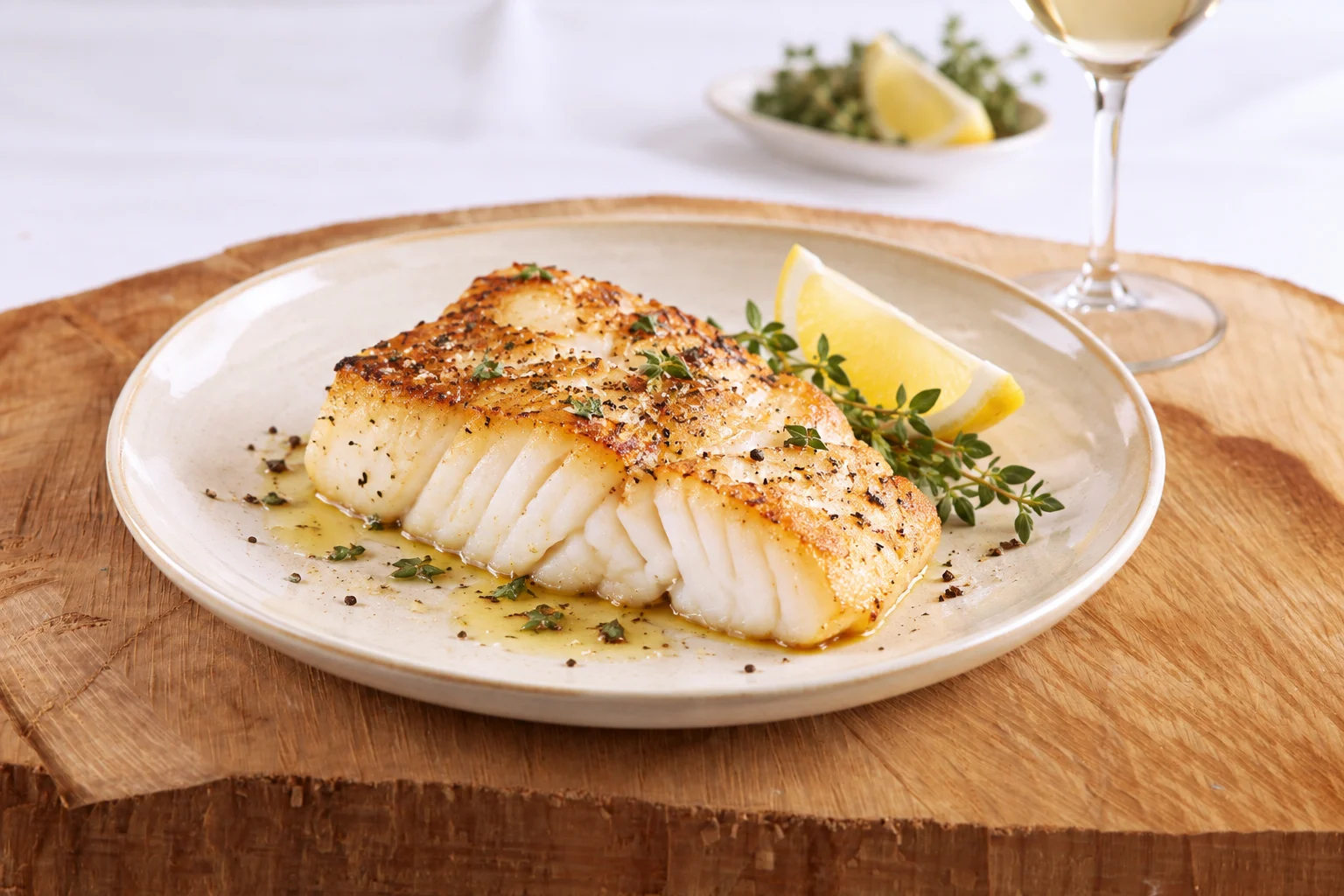
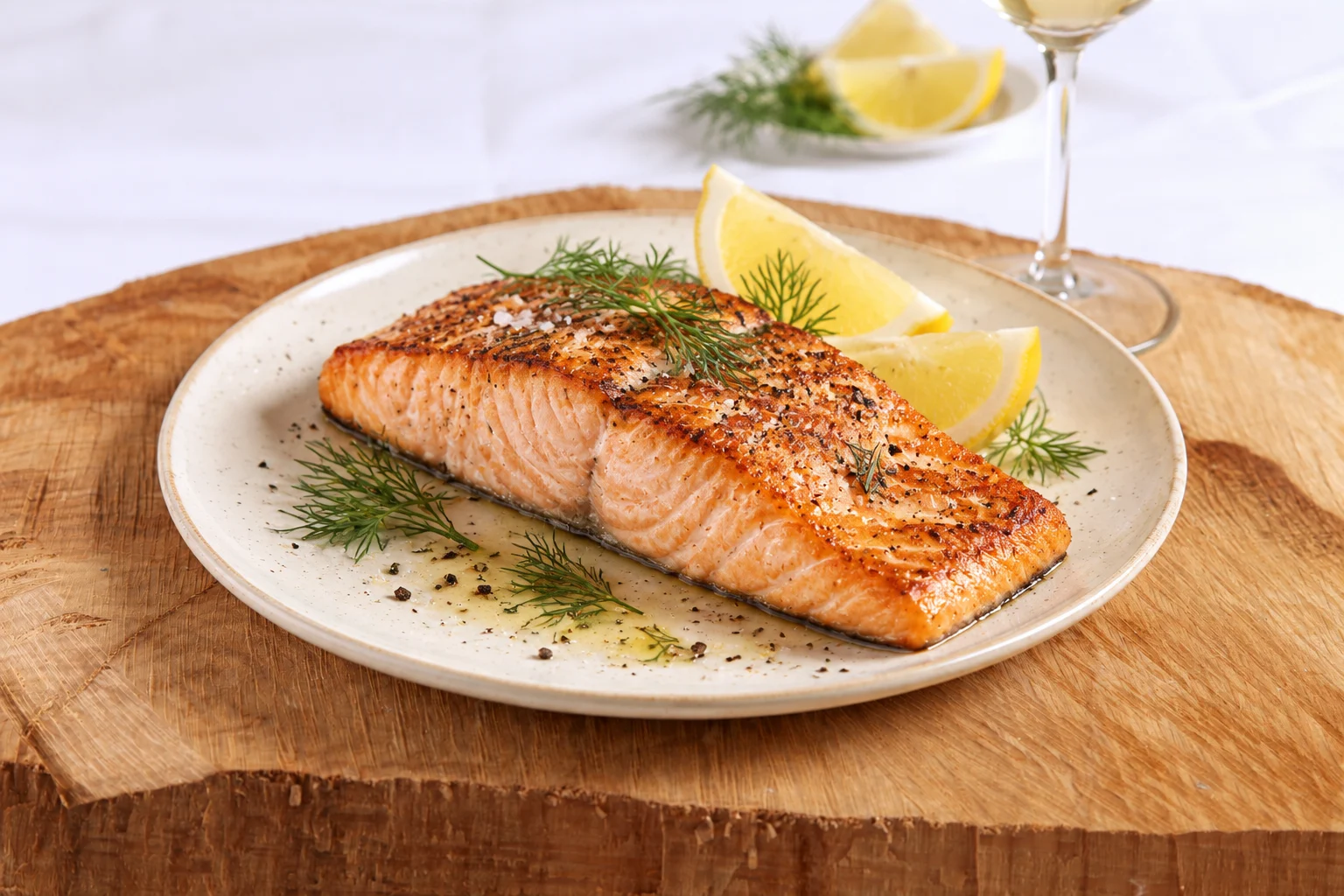
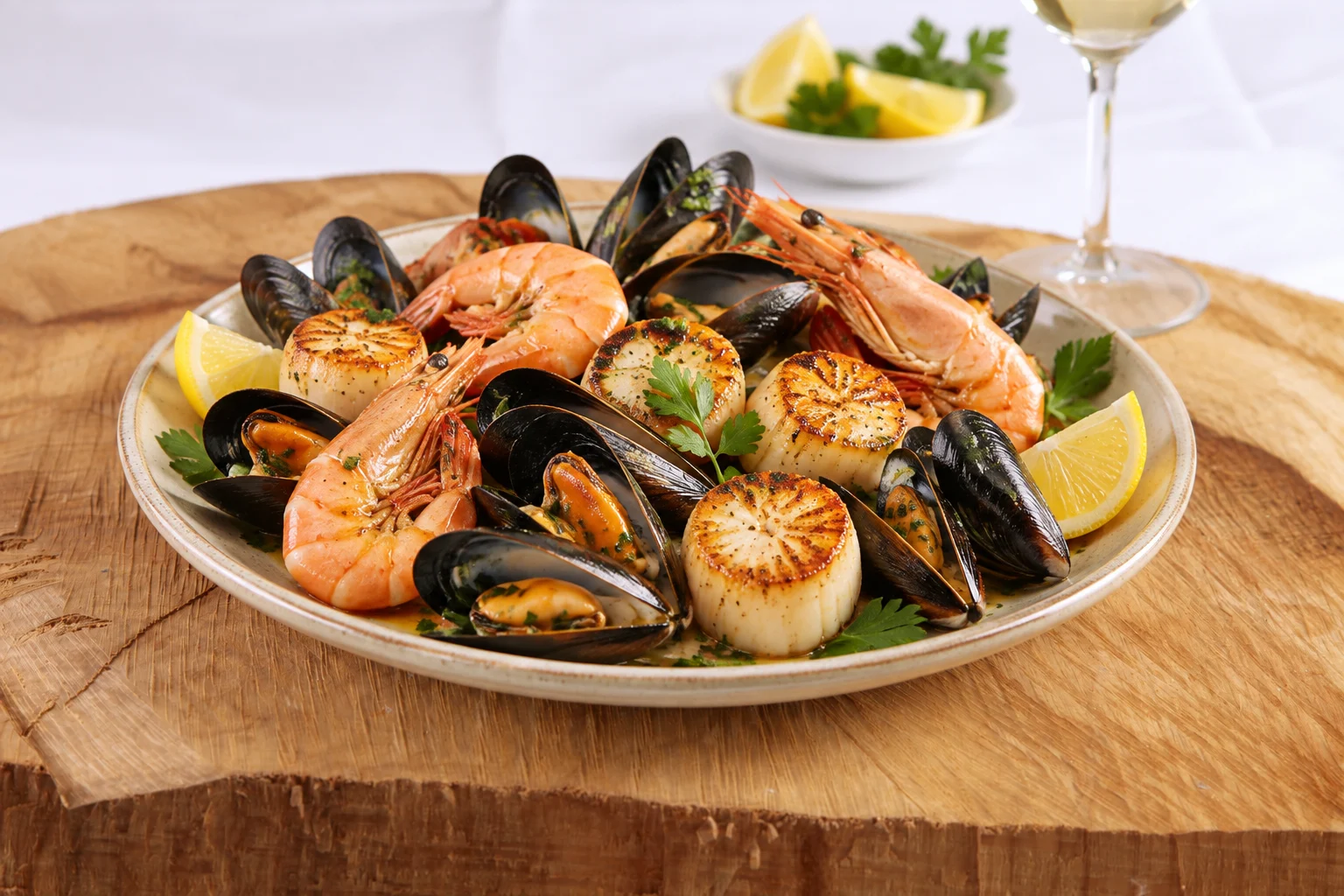
Fris en aromatisch met tonen van mandarijn, witte perzik en jasmijn, een uitgesproken mineraliteit, strakke citruszuur en fijn ingepakte tannines die zorgen voor een lange, gestructureerde afdronk. Daardoor snijdt de wijn prachtig door rijke vettigheid heen en vult hij delicate zeevruchten aan; hij maakt vette vis fris, versterkt het zilte karakter van schelpdieren en onderstreept de subtiele fruitigheid van sushi en sashimi. Kies bij voorkeur voor lichte bereidingen zoals gegrilde of lichtgebakken vis met citroen of een miso-glazuur, ceviche of ceviche-achtige citrusmarinades voor schelpdieren, en bij rauwe bereidingen houd u het simpel met sojasaus, een vleugje gember en niet te veel wasabi.
Choose a category to discover dishes that pair well with this wine.

Do you already have a dish in mind?
Let Sommy find wines to pair with your meal.
Discover Wine Trivia
Sign in to unlock fascinating facts about this wine and expand your knowledge.
Sign In