

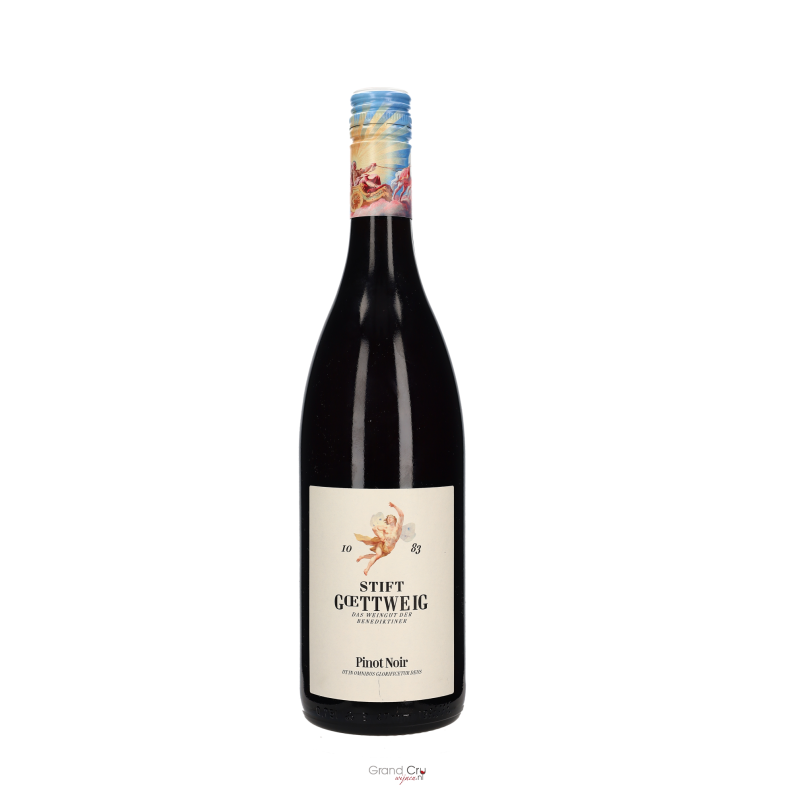
2023 Stift Göttweig Pinot Noir Göttweiger Berg
| Type of Wine | |
|---|---|
| Country | Austria |
| Region | |
| Appellation | Kremstal (Appellation) |
| Winery | |
| Vintage | 2023 |
| Grape | |
| Content (Alc) | Standard (0.75 ltr) (13.5%) |
| Drink window | 2025 - 2030 |
Ordering in bulk? Log in to request a quote
Low Stock
Only 1 left
Notities
Foto
Proefnotities
Heb je deze wijn geproefd?
Bewaar je beoordeling en aantekeningen.
Bewaar je beoordeling en aantekeningen.
Heb je deze wijn geproefd?
Log in om je proefnotitie op te slaan.
Log in om je proefnotitie op te slaan.
Log inHoe wil je je wijn beoordelen?
Max 5 MB. JPG, PNG, WebP.
Hoe smaakt het?
Klik op wat het beste past. Alles is optioneel.
Welke geuren en smaken herken je?
Klik op alles wat je herkent. Dit is optioneel.
Uiterlijk
Neus
Aroma's (neus)
Smaak
Smaken (mond)
Afdronk
Wijngegevens
Automatisch ingevuld vanuit productgegevens.
Persoonlijke gegevens
Stift Göttweig Winery is known as one of the oldest wineries in Austria. A Benedictine abbey, Stift Göttweig was founded in 1083 by Altmann of Passau (also known as Saint Altmann). Since then, the abbey has played a significant role in the development of wine production in the Wachau Valley. Stift Göttweig is situated amidst the rolling countryside on the south bank of the Danube River, opposite the city of Krems, at 449 meters above sea level. Because of this location and the abbey, the winery is also known as the Austrian Montecassino. The Benedictines were responsible for the administration and management until 1988, after which the property was leased until 2005. Since 2006, winegrower Fritz Miesbauer and his team have been re-living this history at the Stift Göttweig estate.
The Stift Göttweig Pinot Noir Göttweiger Berg benefits from the unique microclimate in which the grapes for this 100% Pinot Noir wine grow. The atmospheric currents originating from the Dunkelsteiner Forest and the warmer Pannonian air create this microclimate. The combination of these air currents and the natural humidity of the Danube region creates balanced conditions for optimal grape growth. In addition to the microclimate, the soil composition is also highly varied. The composition of chalky clay, gravel, loess, and sand, combined with the microclimate, ensures optimal development of the Pinot Noir grapes.
Once harvest time arrives in late September, the grapes undergo selection in the cellar, followed by alcoholic fermentation in stainless steel tanks. Once fermentation is complete, the wine is aged for another 13 months in oak barrels, ultimately developing into an elegant ruby-red wine. The nose reveals aromas of cherries, red berries, vanilla, and a hint of cinnamon. The palate is juicy and balanced with notes of cherry and red berries, followed by a beautifully elegant finish.
| Type of Wine | Red |
|---|---|
| Country | Austria |
| Region | Wachau |
| Appellation | Kremstal (Appellation) |
| Winery | Weingut stift Göttweig |
| Grape | Pinot Noir |
| Biological certified | No |
| Natural wine | No |
| Vegan | No |
| Vintage | 2023 |
| Drinking as of | 2025 |
| Drinking till | 2030 |
| Alcohol % | 13.5 |
| Alcohol free/low | No |
| Content | Standard (0.75 ltr) |
| Oak aging | No |
| Sparkling | No |
| Dessert wine | No |
| Closure | Screw cap |
| Tasting Profiles | Aards, Aromatisch, Bloemig, Droog, Fris, Kruidig, Licht, Mineraal, Rood fruit, Soepel |
| Drink moments | Barbecue, Borrelen, Cadeau!, Iets te vieren, Lekker luxe, Met vrienden, Open haard, Romantisch, Summer party, Terras, Voor alledag |
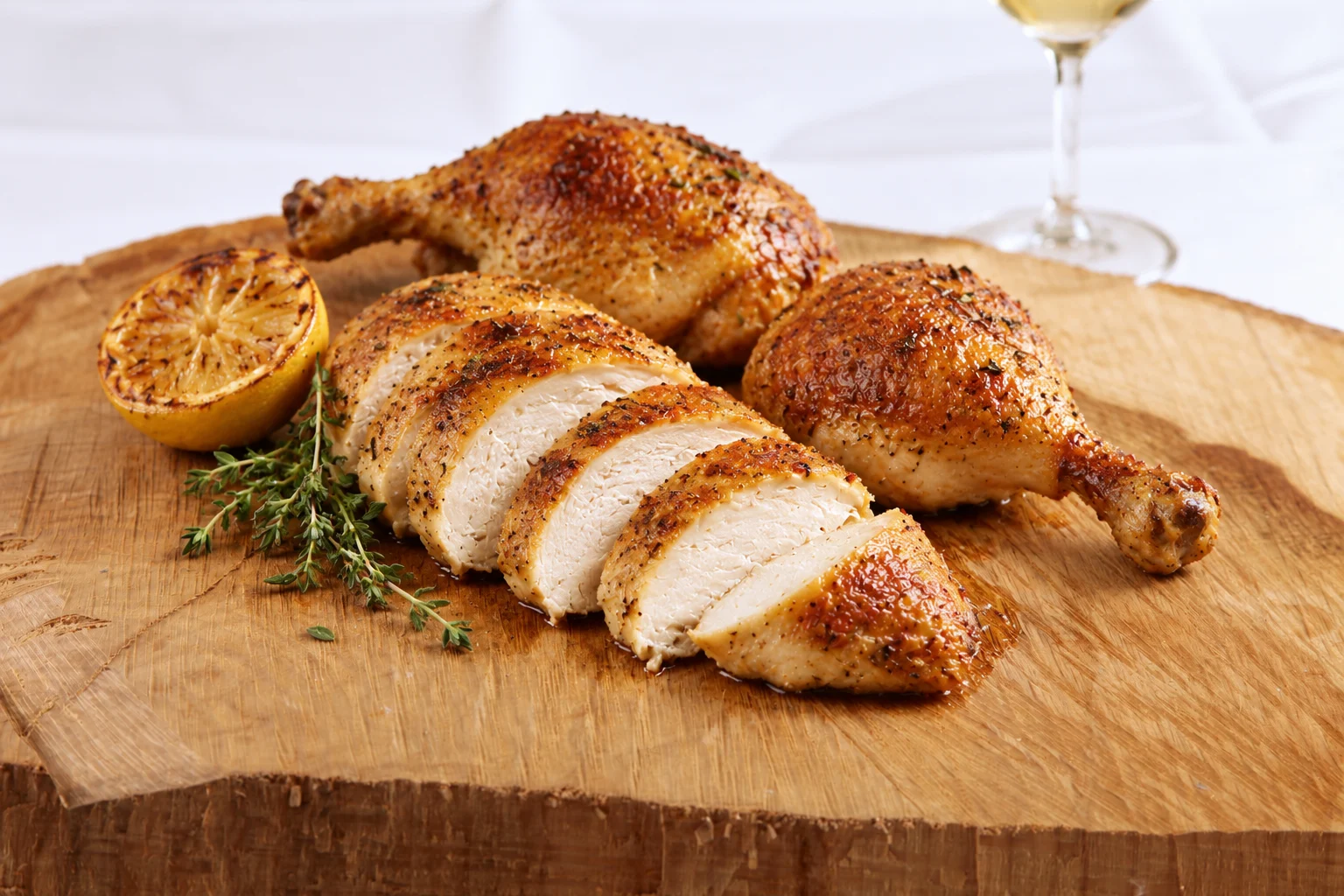
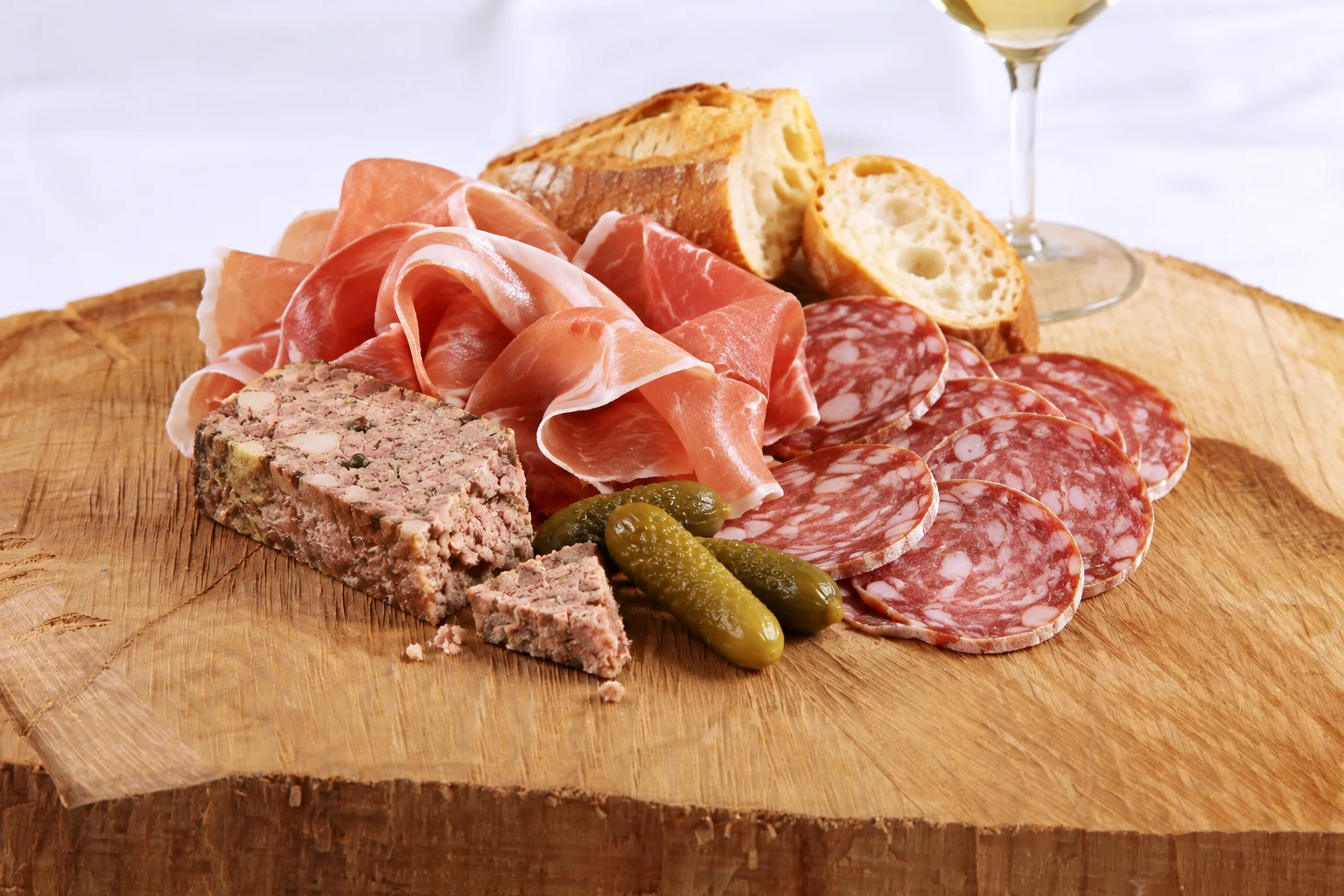
| Sommy Pairing Beschrijving | Deze elegante robijnrode Pinot Noir toont kersen en rode bessen met subtiele vanille- en kaneeltonen, een sappige middensmaak en een frisse, verfijnde afdronk. Dankzij het zachte tannine- en zuurgehalte vormt hij een perfecte partner voor gevogelte, charcuterie, frisse salades en lichte terrasgerechten tijdens een romantische avond; denk aan gegrilde kip met rozemarijn, gekruide paté of een salade met geitenkaas en geroosterde bietjes, waarbij lichte grill- of korte bakmethoden en een vleugje kruiden de fruitige elegantie van de wijn extra naar voren brengen. |
Weingut Stift Göttweig is known as one of the oldest wineries in Austria. Stift Göttweig was founded as a Benedictine abbey in 1083 by Altmann of Passau (also known as Saint Altmann). Since that time, the Abbey has always played an important role in the development of wine production in the Wachau Valley.
On the south bank of the Danube opposite the city of Krems at 449 meters above sea level, Stift Göttweig is located amidst the rolling countryside. Because of this location and the abbey, the winery is also called the Austrian Montecassino. The Benedictines were responsible for the administration until 1988 and then the property was rented out until 2005. Since 2006, winegrower Fritz Miesbauer and his team have been reliving the history of the Stift Göttweig estate.
The atmospheric currents emanating from the Dunkelsteiner forest and the warmer Pannonian air create a special microclimate on the Göttweigerberg. The combination of these air currents and the natural humidity in the Danube region provide balanced conditions that allow the grapes to grow optimally. In addition to the special microclimate, the soil composition is also very varied. The composition of chalky clay, gravel, loess and sand in combination with the microclimate ensure that the special nuances of the terroir are reflected in the wines.
The 26 hectares of vineyards that Weingut Stift Göttweig owns are divided into different grape varieties namely: 60% Grüner Veltliner, 30% Riesling, 4% Chardonnay and 6% Pinot Noir. After the harvest, the grapes go to the wine cellar located in the aforementioned Krems where the harvest is processed into the beautiful wines that Weingut Stift Göttweig has to offer.
Deze elegante robijnrode Pinot Noir toont kersen en rode bessen met subtiele vanille- en kaneeltonen, een sappige middensmaak en een frisse, verfijnde afdronk. Dankzij het zachte tannine- en zuurgehalte vormt hij een perfecte partner voor gevogelte, charcuterie, frisse salades en lichte terrasgerechten tijdens een romantische avond; denk aan gegrilde kip met rozemarijn, gekruide paté of een salade met geitenkaas en geroosterde bietjes, waarbij lichte grill- of korte bakmethoden en een vleugje kruiden de fruitige elegantie van de wijn extra naar voren brengen.
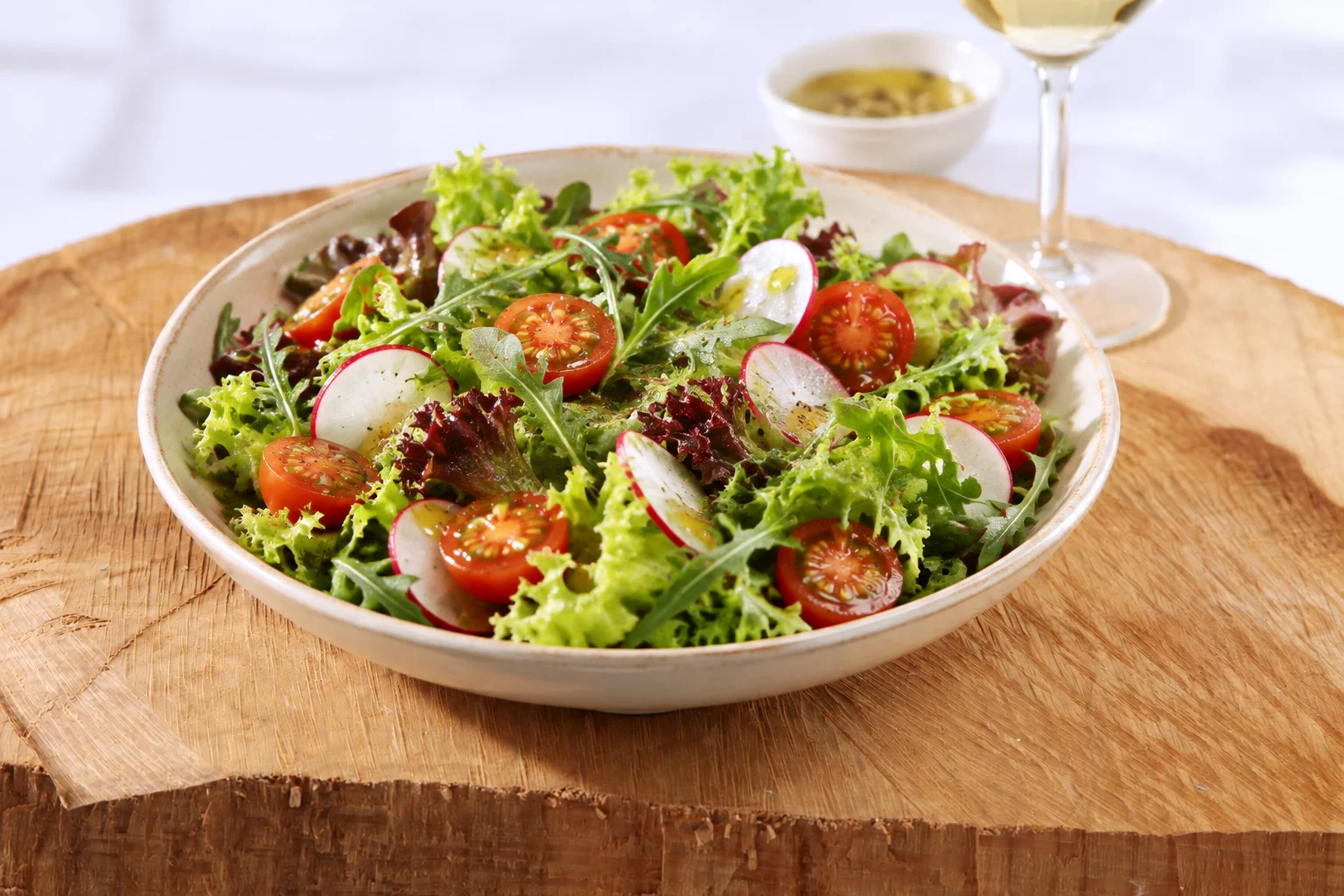
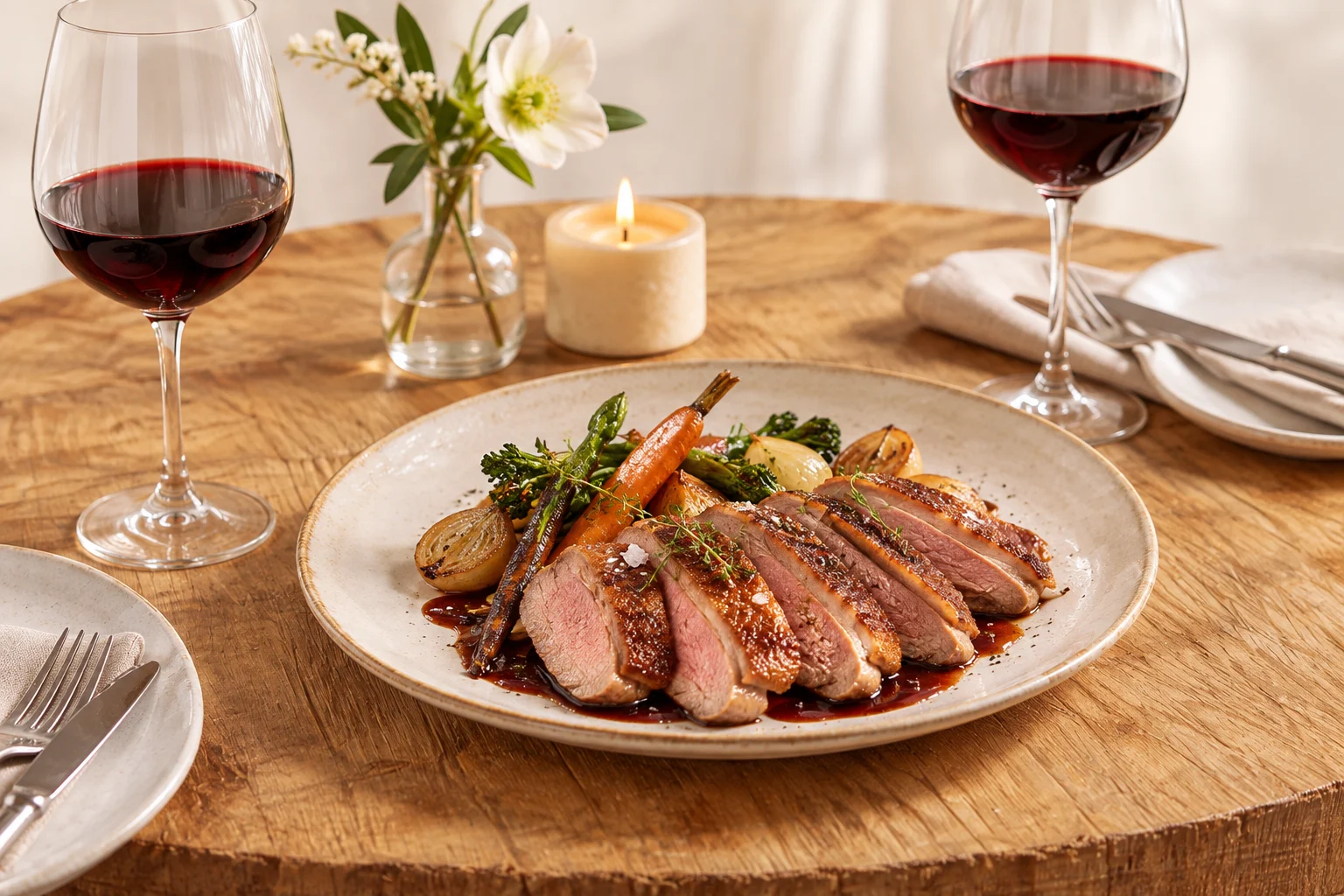
Choose a category to discover dishes that pair well with this wine.
Do you already have a dish in mind?
Let Sommy find wines to pair with your meal.
Discover Wine Trivia
Sign in to unlock fascinating facts about this wine and expand your knowledge.
Sign In