

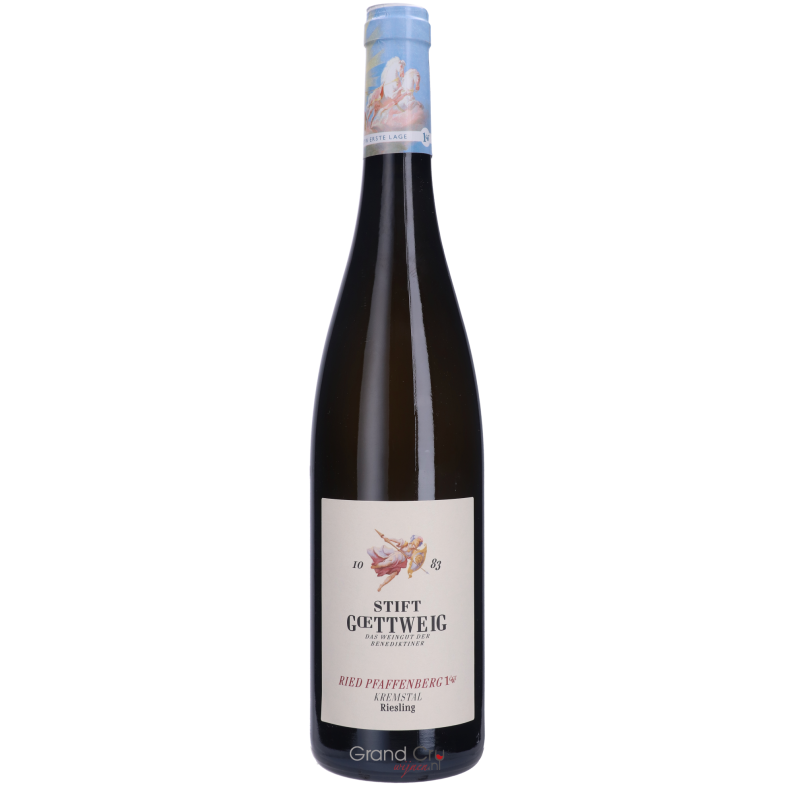
2018 Stift Göttweig Riesling Ried Pfaffenberg
Ordering in bulk? Log in to request a quote
Out of Stock
Currently unavailable
How does this wine taste?
How full and heavy the wine feels in your mouth, like the difference between skimmed milk and cream. More alcohol, sugar and oak ageing make a wine fuller.
How much sugar you taste, from dry to sweet. Fruity is not the same as sweet: a dry wine can taste of ripe fruit.
How fresh and juicy the wine is: acidity makes your mouth water. High acidity tastes lively and refreshing, low acidity soft and round.
What we taste What you taste Click a taste for what it means
The bars follow how sommeliers taste (WSET): body, tannin, sweetness and acidity, each from low to high.
Body: full-bodied. Fuller than most white wines from Niederosterreich; 13% alcohol.
Acidity: high. from the temperate climate of Niederosterreich.
Aromas: flowers, stone fruit and tropical fruit, typical of
Nothing noted for this wine yet. What do you smell, and how long does the taste linger?
Have you tasted this wine?
Save your rating and notes.
Save your rating and notes.
Have you tasted this wine?
Log in to save your tasting note.
Log in to save your tasting note.
Log inWeingut Stift Göttweig is known as one of the oldest wineries in Austria. As a Benedictine abbey, Stift Göttweig was founded in the year 1083 by Altmann van Passau (also known as Saint Altmann). Since that time, the abbey has always played an important role in the development of wine production in the Wachau Valley. Stift Göttweig is located among the rolling countryside on the south bank of the Danube opposite the town of Krems at 449 meters above sea level. Because of this location and the abbey, the winery is also called the Austrian Montecassino. The Benedictines were responsible for the administration and management until 1988, after which the property was rented out until 2005. Since 2006, winegrower Fritz Miesbauer and his team have been reliving history on the Stift Göttweig estate.
The Pfaffenberg on which the riesling grows for the Stift Göttweig Riesling Ried Pfaffenberg was first mentioned as "mons clericorum" in the 13th century. The steep south-southeast terraced site, very close to the Danube, is highly exposed to wind and temperature variations. The geological subsoil consists of weathered rocks such as Gföhler, granite, gneiss, mica and in some places amphibolite. Only a 60 cm loess layer is found in the higher soil layers. Weingut Stift Göttweig cultivated approximately 0.24 ha of Riesling on the Pfaffenberg. The Riesling grapes are hand selected when they are perfectly ripe in October. This is followed by a maceration of 6 hours. The fermentation takes place in stainless steel tanks, after which the wine is allowed to age for another 7 months on the fine lees. This wine has a very long aging potential of 20 years due to the acids naturally present in the Riesling.
The Stift Göttweig Riesling Ried Pfaffenberg displays delicate aromas of citrus, white peach and white blossom in the nose. Rich and fruity in the mouth with nice mineral notes, fresh citrus fruits and white peach. Concentrated and structured with a long finish. Ideal in combination with traditional Austrian dishes such as roast veal, but also recommended with spicy dishes from the oriental cuisine and sushi.
Character
The wine
- 100%
Origin
Bottle
Wine features
Weingut Stift Göttweig is known as one of the oldest wineries in Austria. Stift Göttweig was founded as a Benedictine abbey in 1083 by Altmann of Passau (also known as Saint Altmann). Since that time, the Abbey has always played an important role in the development of wine production in the Wachau Valley.
On the south bank of the Danube opposite the city of Krems at 449 meters above sea level, Stift Göttweig is located amidst the rolling countryside. Because of this location and the abbey, the winery is also called the Austrian Montecassino. The Benedictines were responsible for the administration until 1988 and then the property was rented out until 2005. Since 2006, winegrower Fritz Miesbauer and his team have been reliving the history of the Stift Göttweig estate.
The atmospheric currents emanating from the Dunkelsteiner forest and the warmer Pannonian air create a special microclimate on the Göttweigerberg. The combination of these air currents and the natural humidity in the Danube region provide balanced conditions that allow the grapes to grow optimally. In addition to the special microclimate, the soil composition is also very varied. The composition of chalky clay, gravel, loess and sand in combination with the microclimate ensure that the special nuances of the terroir are reflected in the wines.
The 26 hectares of vineyards that Weingut Stift Göttweig owns are divided into different grape varieties namely: 60% Grüner Veltliner, 30% Riesling, 4% Chardonnay and 6% Pinot Noir. After the harvest, the grapes go to the wine cellar located in the aforementioned Krems where the harvest is processed into the beautiful wines that Weingut Stift Göttweig has to offer.
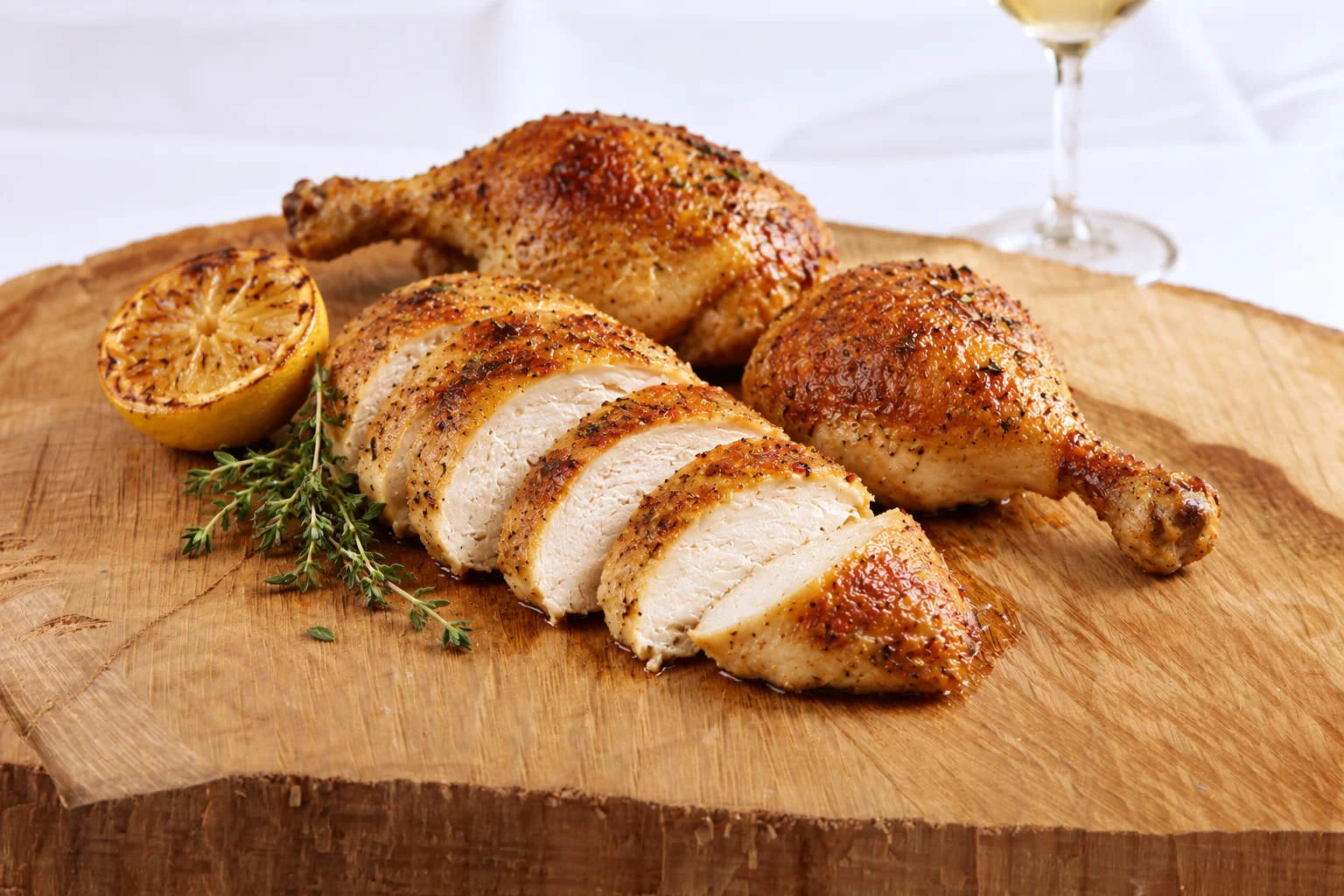
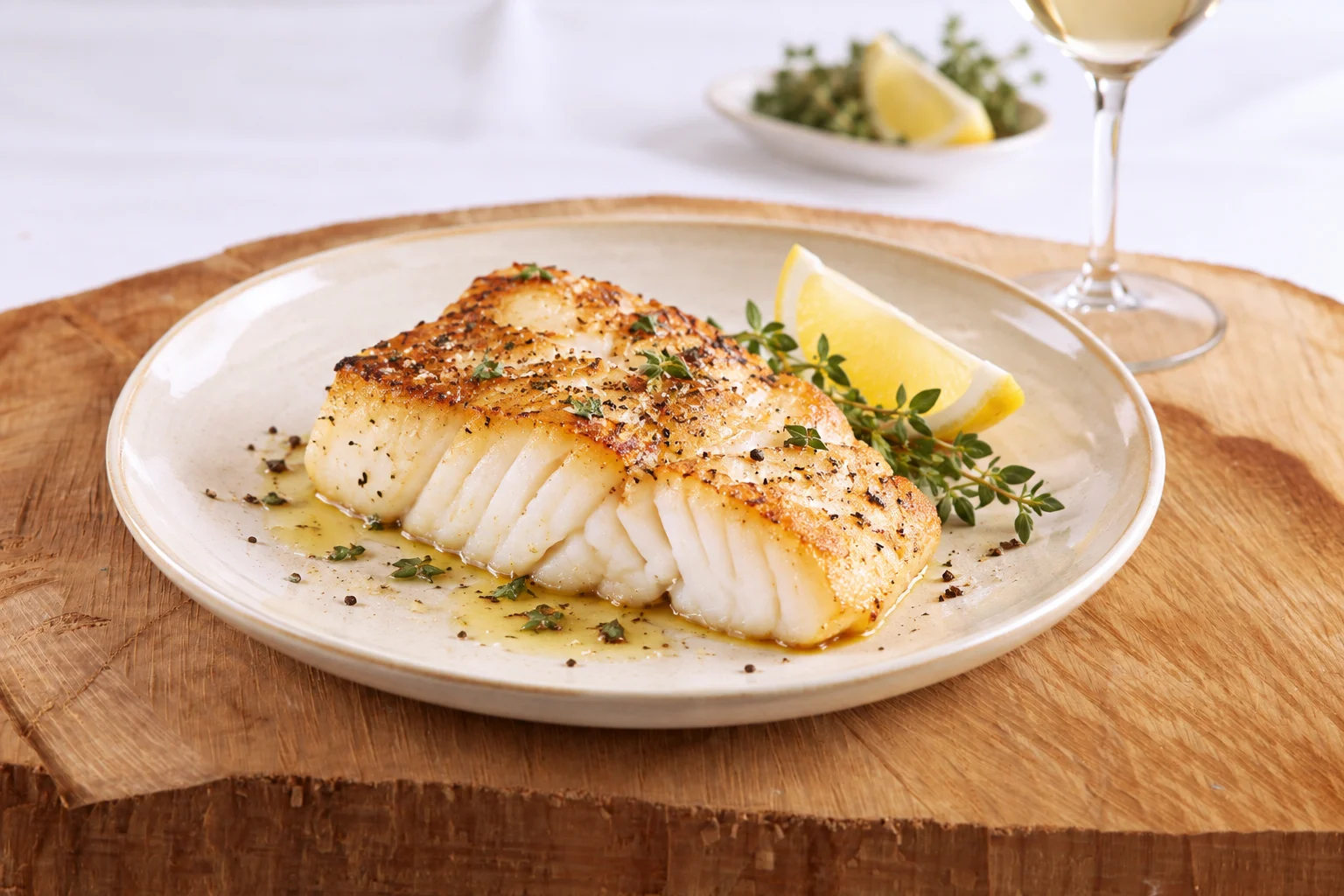
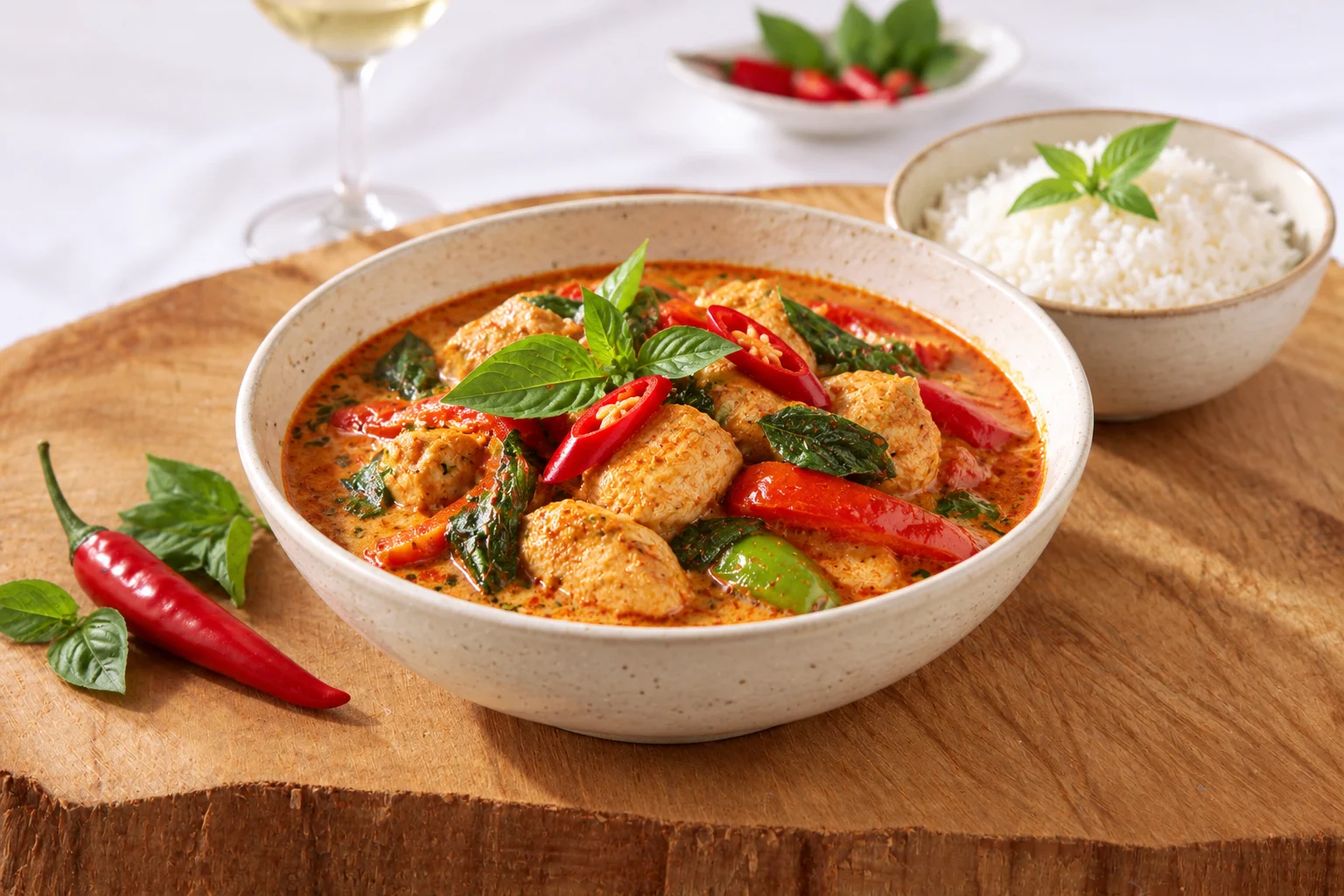
Deze Stift Göttweig Riesling Ried Pfaffenberg toont frisse citrus, witte perzik en bloemige tonen met een duidelijke minerale ondergrond, scherpe natuurlijke zuren en een geconcentreerde, lange afdronk die door rijping op de fijne droesem extra textuur krijgt. Die levendige zuurtegraad snijdt mooi door het vet van gebraden kalfsvlees en gevogelte, balanceert pittige oosterse smaken en behoudt delicatesse naast sushi en sashimi; vooral geroosterd of in de oven bereid vlees en gevogelte, licht gegrilde of in zout en citroen bereide witte vis en puur gesneden sashimi of ceviche laten de verfijnde fruitsmaken en minerale lengte van deze wijn het beste tot hun recht komen.
Choose a category to discover dishes that pair well with this wine.

Do you already have a dish in mind?
Let Sommy find wines to pair with your meal.
Discover Wine Trivia
Sign in to unlock fascinating facts about this wine and expand your knowledge.
Sign In