

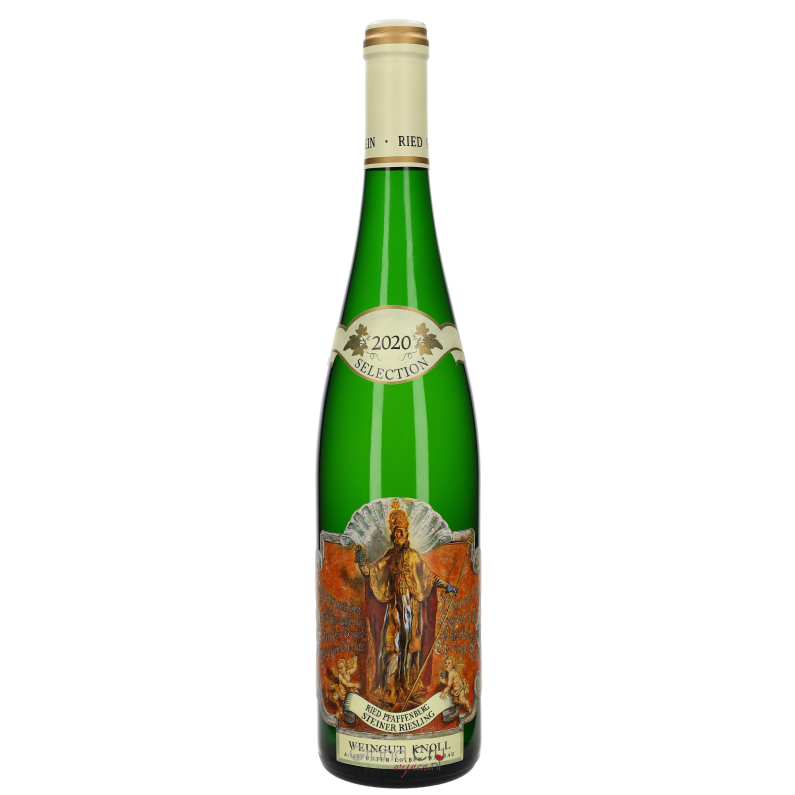
2020 Weingut Knoll Ried Pfaffenberg Steiner Kremstal Riesling
How does this wine taste?
How full and heavy the wine feels in your mouth, like the difference between skimmed milk and cream. More alcohol, sugar and oak ageing make a wine fuller.
How much sugar you taste, from dry to sweet. Fruity is not the same as sweet: a dry wine can taste of ripe fruit.
How fresh and juicy the wine is: acidity makes your mouth water. High acidity tastes lively and refreshing, low acidity soft and round.
What we taste What you taste Click a taste for what it means
The bars follow how sommeliers taste (WSET): body, tannin, sweetness and acidity, each from low to high.
Body: full-bodied. Fuller than most white wines from Niederosterreich; 13.5% alcohol.
Acidity: high. from the temperate climate of Niederosterreich.
Aromas: flowers, stone fruit and tropical fruit, typical of
Nothing noted for this wine yet. What do you smell, and how long does the taste linger?
Have you tasted this wine?
Save your rating and notes.
Save your rating and notes.
Have you tasted this wine?
Log in to save your tasting note.
Log in to save your tasting note.
Log inThe Weingut Emmerich Knoll has been among the absolute top of the Wachau and Austria for many years. The winery has been owned by the Knoll family since 1825 and has around 16 hectares of top vineyards in and around Unterloiben (including Schütt, Kreutles, Pfaffenberg, Loibnerberg and Kellerberg).
The grapes are picked by hand and undergo fermentation in stainless steel tanks and large oak barrels. The wine matures on the fine lees (sur lie) to develop extra depth and complexity. The Ried Pfaffenberg Steiner Kremstal Riesling 2020, from predominantly orthogneiss soils, is the first Pfaffenberg from Knoll to come as Kremstal DAC instead of Niederösterreich. That is why it can no longer be marketed as Kabinett. The bouquet is bright, crystal clear and as stony as it is floral, reminiscent of white peaches and crushed stones. Very pure, clear and fine. Dense but fresh and bright, this is a concentrated, complex, bone-dry, crisp, very long and mineral Pfaffenberg in a very digestible style.
About Weingut Emmerich Knoll
Located in Austria's prestigious Wachau region, Weingut Knoll is known for its high-quality wines, mainly made from the Grüner Veltliner and Riesling grape varieties. This winery is renowned for its commitment to tradition and quality, and its wines are often seen as setting the standard for the region. Read more under the Tab: Winery
Character
The wine
- 100%
Origin
Bottle
Wine features
Parker
The Wine Advocate
RP 93+
Reviewed by:
Stephan Reinhardt
Release Price:
NA
Drink Date:
2028 - 2047
The 2022 Ried Schütt Dürnsteiner Riesling Smaragd shows a spicy and rather cool nose, but it's also quite pithy. The palate is dense, juicy and rich (or even slightly sweetish) but thankfully also persistently spicy and salty, with rather fine phenolics. The wine is stimulatingly complex but also quite expansive. Isn't that what the Veltliner Schütt is for? Tasted at Schloss Dürnstein, Wachau, in September 2023.
Published: May 23, 2024
Lorem ipsum dolor sit amet, consectetur adipiscing elit. Sed do eiusmod tempor incididunt ut labore et dolore magna aliqua...
James Suckling
EMMERICH KNOLL RIESLING KREMSTAL RIED PFAFFENBERG 2020
Thursday, October 7, 2021
CountryAustria
RegionDanube
Vintage2020
CHECK PRICE
DOWNLOAD SHELFTALKER
Score
93
The expressive and exotic, floral nose makes this elegant dry riesling hard to resist. The ripeness and super-silky texture on the palate lifts it to a higher level than the great majority of Austrian 2020s. Long, succulent finish. Drink or hold.
Lorem ipsum dolor sit amet, consectetur adipiscing elit. Sed do eiusmod tempor incididunt ut labore et dolore magna aliqua...
Exclusive Content
Sign in to unlock professional wine reviews from world-renowned critics
The Weingut Knoll has been one of the absolute top of the Wachau and Austria for many years. The winery has been owned by the Knoll family since 1825 and has around 16 hectares in top vineyards in and around Unterloiben (including Schütt, Kreutles, Pfaffenberg, Loibnerberg and Kellerberg).
Knoll's main grape varieties that grow on the vineyards are Grüner Veltiner and Riesling, both accounting for about 45%. The remaining 10% is divided between the muskatelier, chardonnay, traminer and even pinot noir varieties. Of all the vines, a third are on the steep terraced vineyards where everything has to be done by hand because tractors cannot reach here. The vineyards are naturally cultivated and the wine is also made in the wine cellars in a very traditional way because fermentation and aging is done in casks or stainless steel tanks, certainly not on barriques. Weingut Knoll's wines are, as the label suggests, very traditional. In their youth, the wines are already delicious, but often still a bit closed (decanters are recommended in that case). It is advisable to let Knoll's wines mature for a while after buying them because then they show their true class. The wines are very pure and show an enormous concentration and mineral perseverance.
Knoll's wines are as baroque as the beautiful label that has adorned bottles since the 1960s. In their youth, the wines are already delicious, but often still a bit closed The wines are very pure and show an enormous concentration and mineral energy. Knoll's labels are recognizable by Saint Urbanis and have remained unchanged since the 60s, as has their top quality. This label comes from a painting made by a Wachau artist, which was bought by the Knoll family. To the left and right of Urban is a poem written in Gothic letters:
Tut mir nur den / Wein nicht taufen
Lasst ihn doch als / Heiden laufen
Nur der Durst / soll christlich sein
So erweist man / Ehr dem Wein
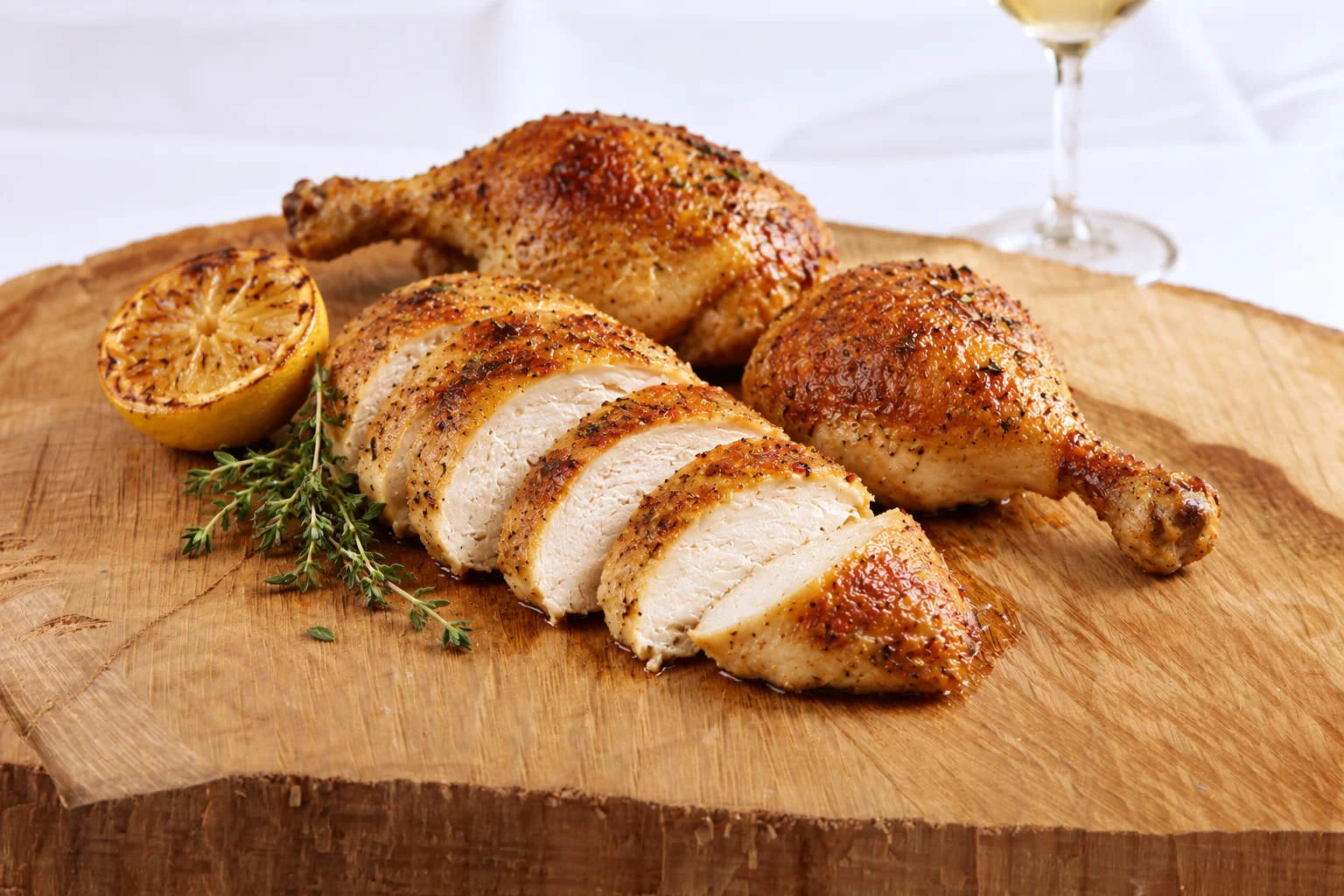
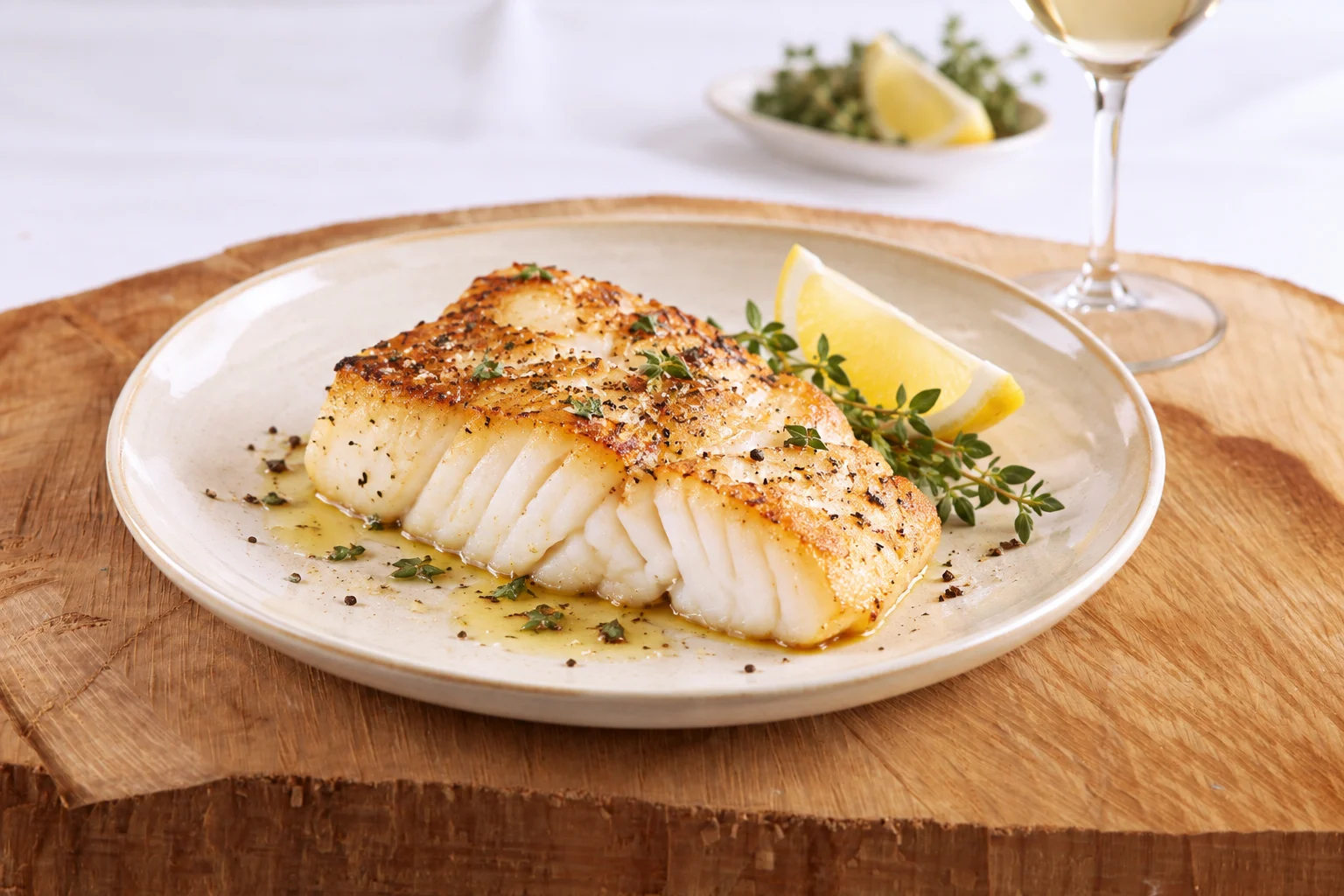
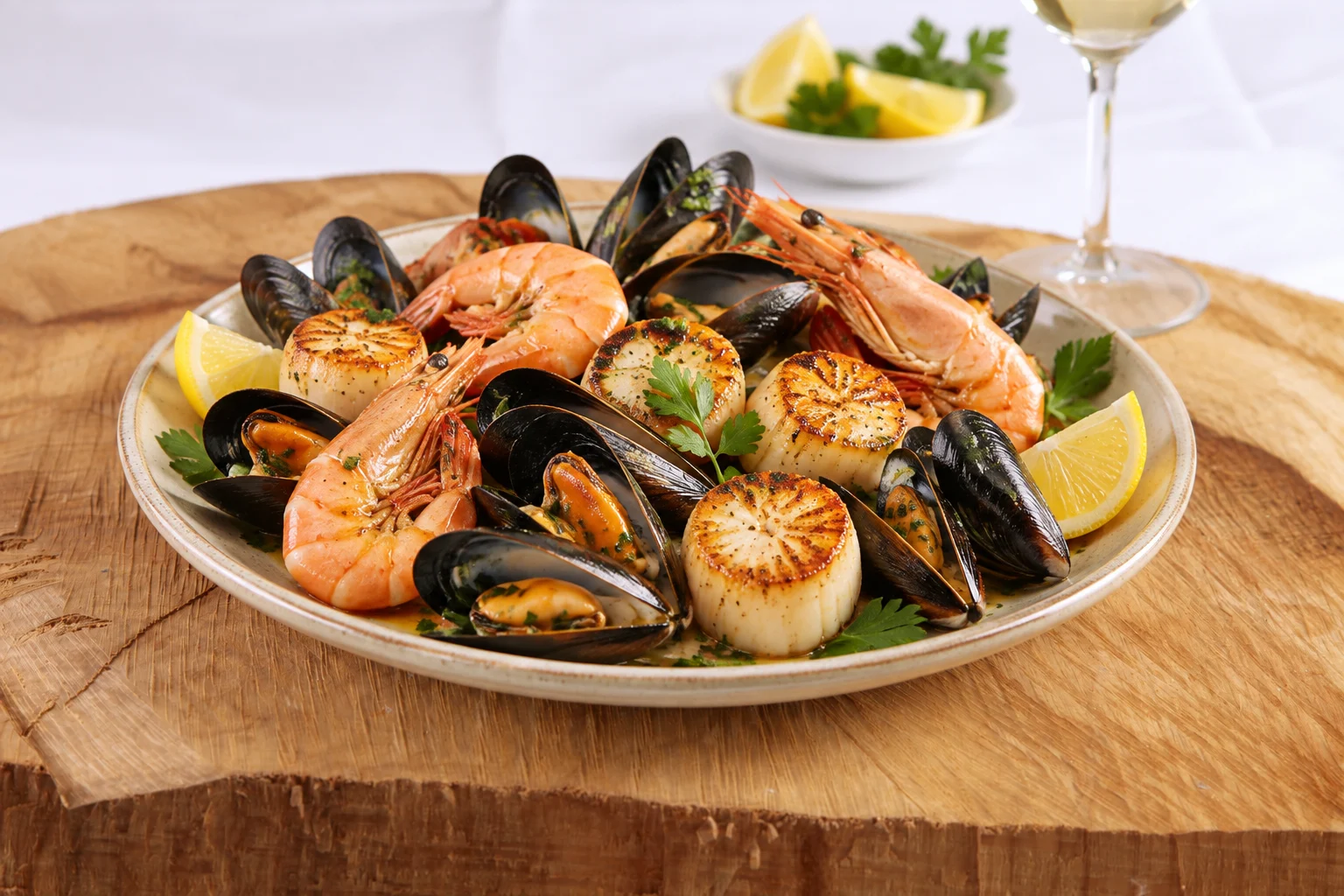
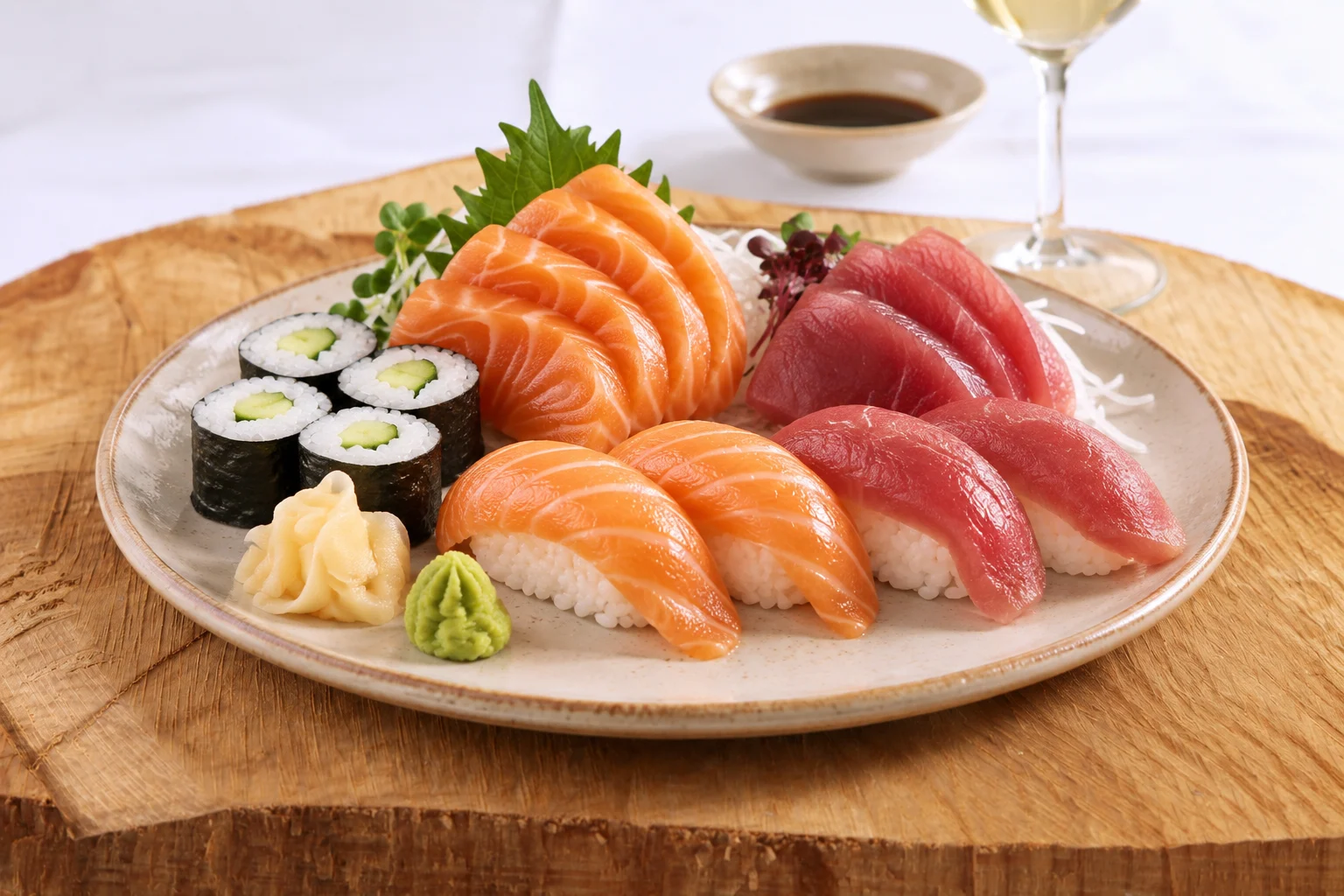
Deze knapperige, kurkdroge Riesling opent met helder steenfruit en witte perzik, delicate bloemige tonen en een uitgesproken mineraliteit, met zwoele zijdezachte textuur, sappige zuurgraad en een lange, saline afdronk. Dankzij die frisse aciditeit en minerale strakheid snijdt de wijn door rijke sauzen en benadrukt hij de zuiverheid van vis en zeevruchten, terwijl de elegante textuur goed aansluit bij veredeld gevogelte; denk aan ceviche of ceviche-achtige bereidingen, gekruide en licht gegrilde zeebaars met citroen, botergegaarde coquilles of subtiel gemarineerde sushi en sashimi, en bij kip werken zachte bereidingswijzen zoals langzaam geroosterd of in boter gebakken met verse kruiden extra goed.
Choose a category to discover dishes that pair well with this wine.
Do you already have a dish in mind?
Let Sommy find wines to pair with your meal.
Discover Wine Trivia
Sign in to unlock fascinating facts about this wine and expand your knowledge.
Sign In