2023 Dominio de Pingus Pingus Jeroboam (3 liter)
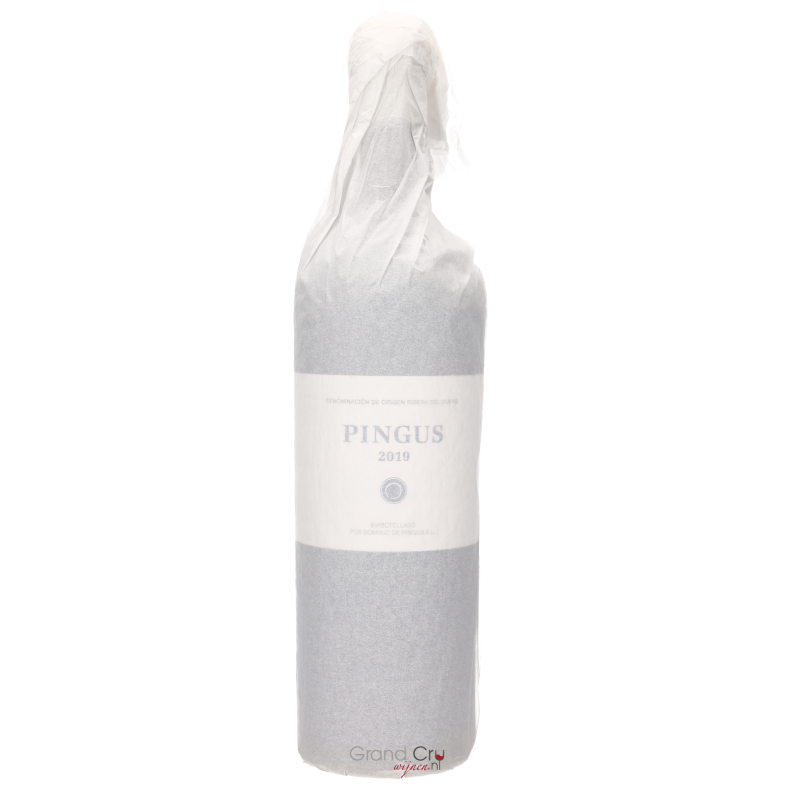
De specificaties zoals vermeld bij de wijn (o.a. wijnjaar) en in de titel zijn leidend en er kunnen geen rechten worden ontleend aan de afbeelding die wordt getoond. Lees meer in onze Frequenty asked questions
| Type of Wine | |
|---|---|
| Country | Spain |
| Region | |
| Appellation | |
| Winery | |
| Vintage | 2023 |
| Grape | |
| Content (Alc) | 3 ltr (14.5%) |
| Drink window | 2028 - 2050 |
| Available as of | Feb 1, 2026 |
Log in to request a custom quote.
Low Stock
Only 1 left
Description
The 2023 Pingus from winemaker Peter Sisseck in the Ribera del Duero region of Spain is widely acclaimed as a wine of exceptional quality and is among the most exclusive wines in the world. This vintage received a perfect score of 100 points, making it a true cult object. Produced entirely biodynamically, it beautifully expresses the character of the old Tempranillo vines on limestone and clay-rich soils.
On the palate, the 2023 Pingus offers impressive depth with aromas of violets, graphite, dark chocolate, tar, black tea, and hints of herbs like tarragon. The tannins are remarkably refined, and despite its intense structure, the wine is characterized by sublime balance and finesse. This vintage requires aging and will only reveal its full potential from 2030 onward, making it a wine for patient collectors and connoisseurs who appreciate a superior Spanish red wine.
This is a double magnum of 3 liters. Even tastier and has an even longer drinking window . Extremely scarce.
FACT: The wine is stored in our climate-controlled Wine Warehouse, and if you pick it up, you'll often receive a nice discount . You'll see your discount immediately when you select "Pick up" at checkout. We're located in Dordrecht, just off the A16 motorway, with ample parking. Click here for our address.
Specifications
| Available as of | Feb 1, 2026 |
|---|---|
| Packing information | Case |
| Type of Wine | Red |
| Country | Spain |
| Region | Castilla y Leon |
| Appellation | Ribera del Duero |
| Icons | Icon Spain & Portugal |
| Winery | Dominio de Pingus |
| Grape | Tempranillo |
| Biological certified | No |
| Natural wine | No |
| Vegan | No |
| Vintage | 2023 |
| Drinking as of | 2028 |
| Drinking till | 2050 |
| Alcohol % | 14.5 |
| Alcohol free/low | No |
| Content | 3 ltr |
| Oak aging | Yes |
| Sparkling | No |
| Dessert wine | No |
| Closure | Cork |
| Parker rating | 99 |
| Vinous rating | 98 |
| Tasting Profiles | Complex, Droog, Houtgerijpt, Krachtig, Kruidig, Rood fruit, Tannines, Vol |
| Drink moments | Indruk maken, Lekker luxe, Open haard |
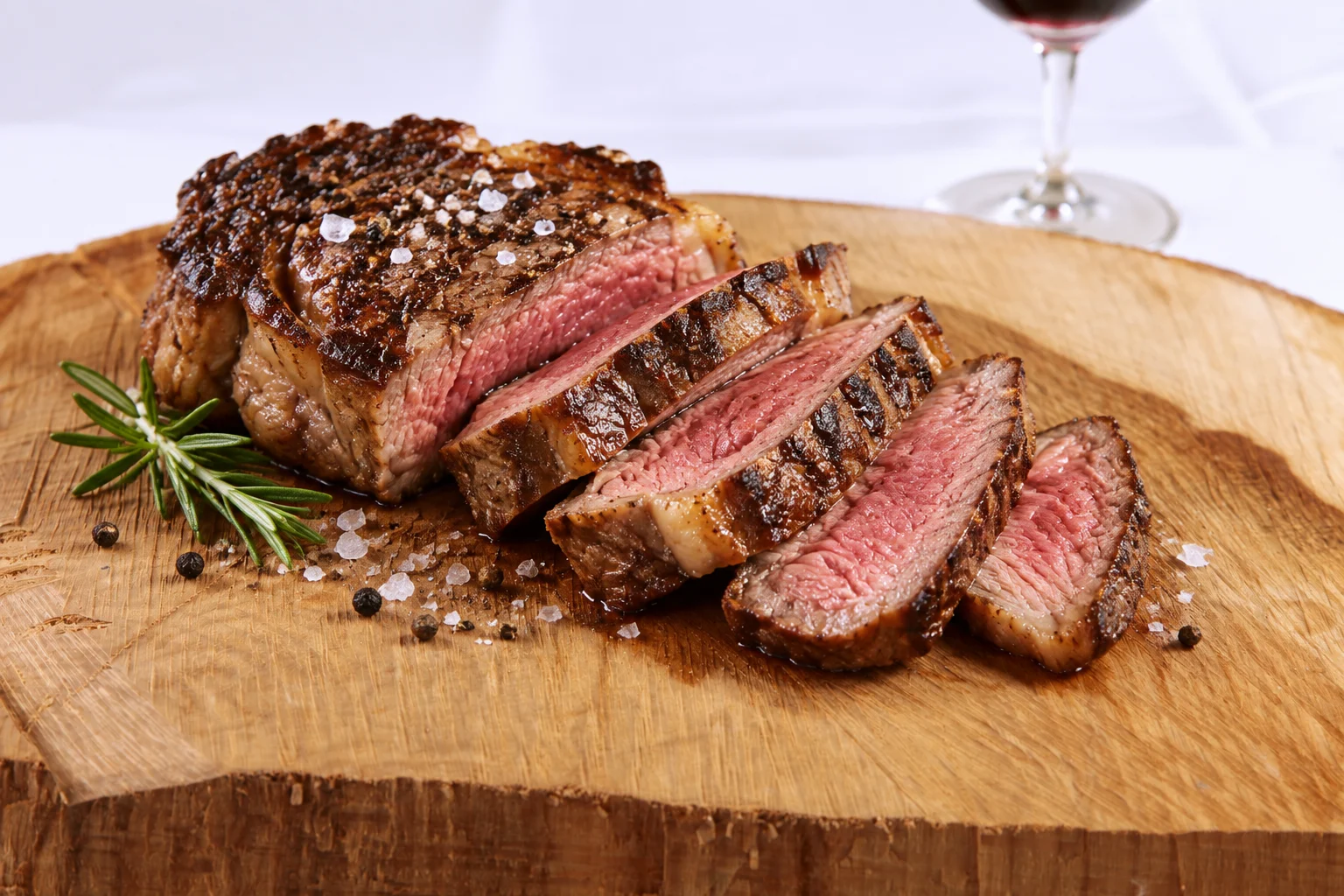
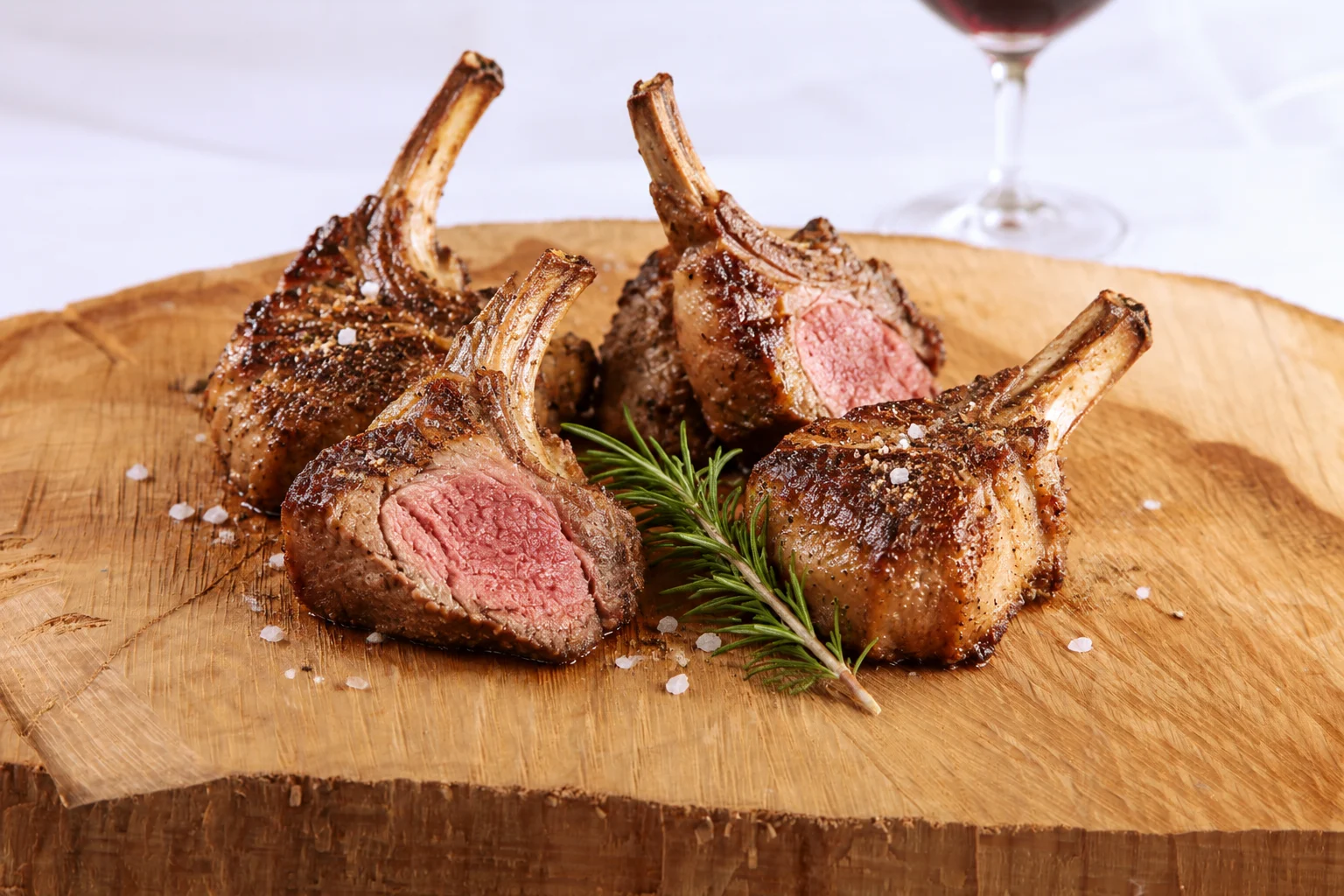
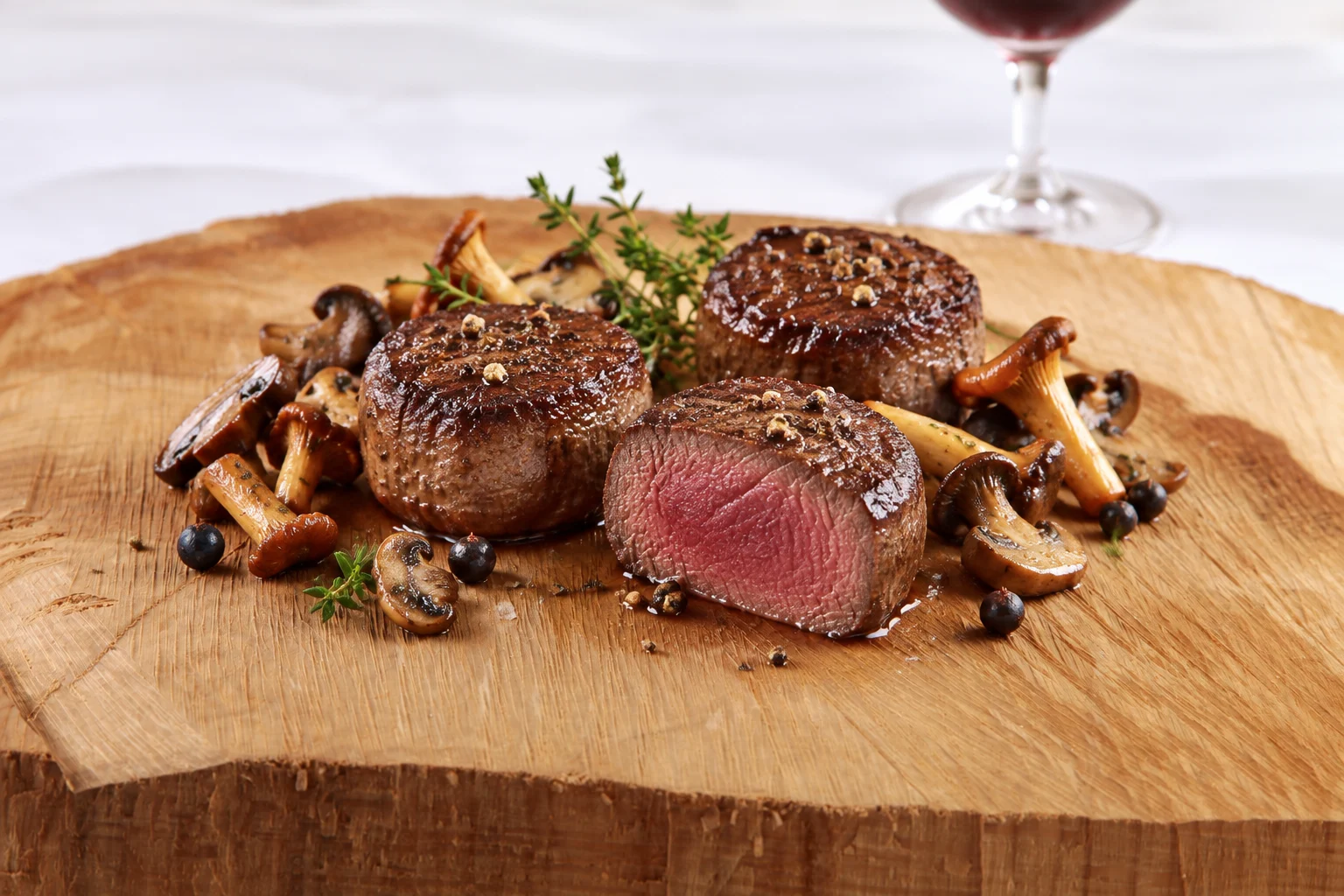
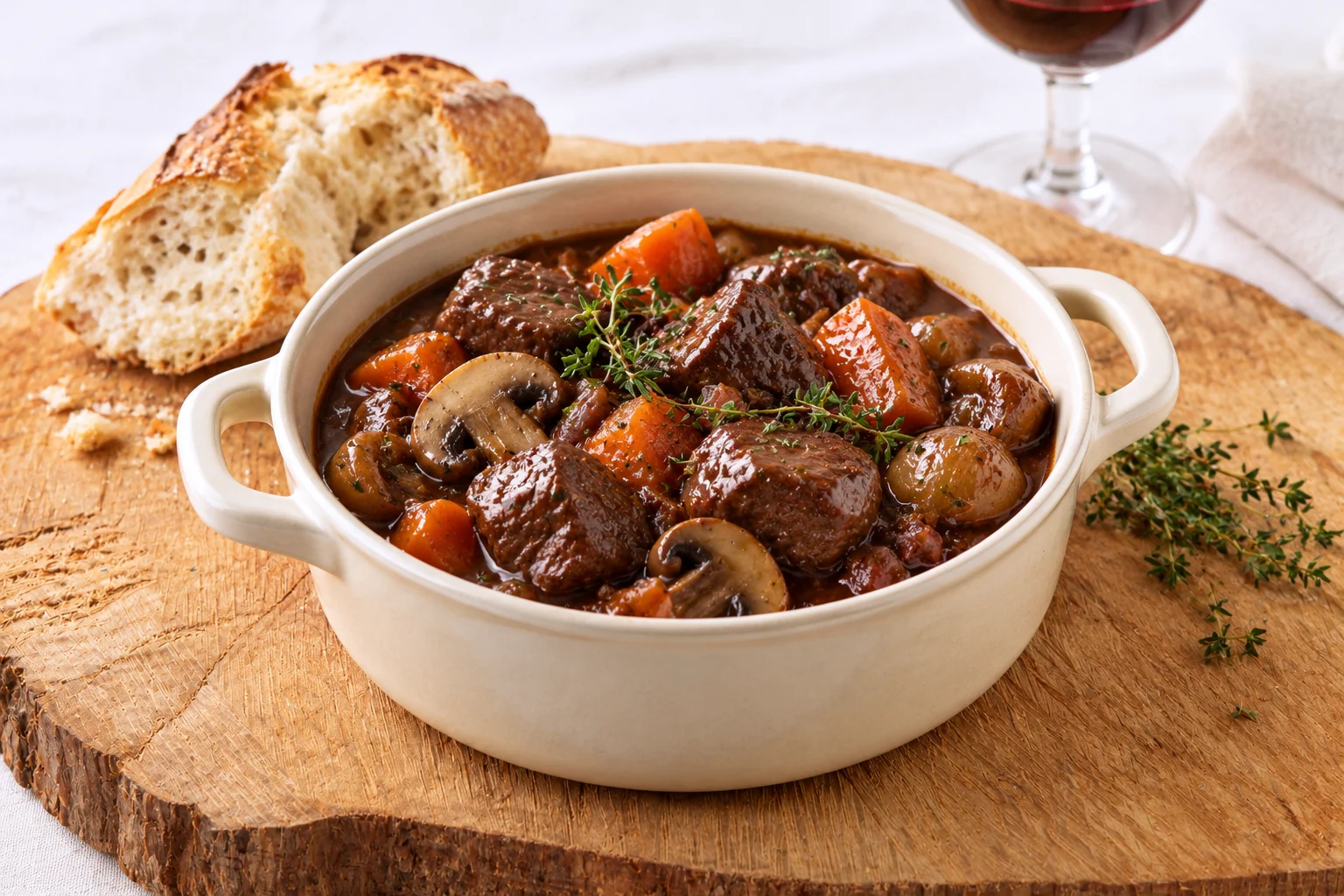
| Sommy Pairing Beschrijving | De 2023 Dominio de Pingus Pingus Jeroboam is een indrukwekkende Spaanse rode wijn met verfijnde aroma’s van viooltjes, grafiet, donkere chocolade en hints van kruiden zoals dragon. De wijn straalt kracht en elegantie uit door zijn rijke smaakprofiel en subtiele tannines, wat hem bijzonder geschikt maakt voor feestelijke gelegenheden. Deze wijn past perfect bij sappig rundvlees, bijvoorbeeld een langzaam gegaard stoofvlees of een mooi gebraden stuk, waarbij de complexe smaken van de wijn mooi tot hun recht komen. Ook gerechten zoals gegrild of rokerig vlees komen uitstekend tot hun recht, vooral wanneer het vlees met een smaakvolle marinade of kruidenkorst bereid is. Door de diepe smaken en rijke structuur is deze wijn een echte eyecatcher op een feestelijk diner en verdient het gerecht een mooie, vlezige bereiding die de kracht van de wijn versterkt. |
Professional Reviews
Parker
The Wine Advocate
RP (98-99)
Reviewed by:
Luis Gutiérrez
Release Price:
$1080
Drink Date:
2026 - 2040
I tasted the 2023 Pingus as the final blend that was about to be bottled, a little earlier this year when Peter Sisseck decided to have a shorter élevage. It's a vintage of finesse and elegance, perhaps a little less concentrated, and it's textured and super long, with very fine tannins that give it a chalky texture. It has contained ripeness, with around 14% alcohol. The quality of the tannins is amazing—they are super elegant. It does not have the power of the 2022, but it has the finesse; and in the long run, the wine should develop very nicely in bottle. This could be like the 1996 and the 2022 like the 1995?? It's not quite as fresh as the more Atlantic years but has the finesse. Only a handful of vineyards are able to do this in a year like 2023. There is no sign of heat or over-ripeness. 7,200 bottles produced. It should be bottled in May 2025.
I visited the Pingus vineyards, which I had not seen for a while. The place was difficult to recognize. So much work has been put into the vineyards that they are very different. He now has 53 hectares of vineyards in the village of La Horra, in Barroso and San Cristobal, the original Pingus lieux-dits plus a couple more, the five hectares of Pingus plus all the plots planted and purchased, used for Flor de Pingus.
He also started purchasing old vineyards used for PSI; he owns 90 hectares of the 200 used. He has also planted five hectares of Garnacha in the village of Peñaranda del Duero, as there's hardly any Garnacha in the zone.
As the 2022s were not yet bottled last year, we first tasted the bottled 2022s and later barrel samples of the 2023s and 2024s. 2022 was warm and dry but still with reserves from 2020 and 2021. It was a year to watch excess ripeness, leaving a little more yield. They started harvesting on September 5 and finished PSI on the 25th. The wines finished around 14% alcohol or even a little lower (PSI has 13.8% alcohol). The wines were bottled in late June or early July. The wines deliver beyond expectations; they are rounder and gentler wines that are more fruit-driven, peachy and ripe but with freshness with energy.
They started bottling the 2023 Flor de Pingus the same day of my visit. They are bottling the 2023s a little earlier. It was a year when he was really scared because of the accumulated drought. He noticed that the plants with an individual stick behaved better, so from that year, he started putting sticks in all the Pingus vineyards. It was warm and dry, and the wines are more fruit-driven; they are less powerful and less concentrated (from stress?), juicier and less tannic than the 2022s. The wines are more floral and fragrant, in some cases a little lighter but, in the case of the 2023 Pingus, with breathtaking elegance. They are a triumph over the very dry and adverse conditions of the year.
Finally, 2024 was a very challenging year, with big frost in April and a rainy end of the season. The wines feel a little bit like 2014, better than the 2017s. In challenging years, Pingus shows its head well above the rest.
Published: Jun 19, 2025
Lorem ipsum dolor sit amet, consectetur adipiscing elit. Sed do eiusmod tempor incididunt ut labore et dolore magna aliqua...
Vinous
(96-98)
Drinking Window
2025 - 2045
From: Duero: From Ribera to Toro via Rueda (And a Few Other Detours) (Jun 2025)
The 2023 Pingus, from old vineyards in the Burgos area of Ribera del Duero on limestone and gravel soils, was aged entirely in used oak. Aromas include black fruit, underbrush, blood orange, cherry and sour cherry. Juicy and vibrant, the palate has a calcareous, chalky texture and impressive length. Chalk shapes an expressive finish. This wine will refine beautifully in bottle.
- By Joaquín Hidalgo on June 2025
Pingus can be difficult to taste, given its price and rarity, but it is the very definition modernity and elegance in the Duero. Peter Sisseck’s philosophy is built around respect for balance in old vines and picking just as the grapes become crunchy. In the winery, Sisseck has refined his use of aging vessels and formats in pursuit of vibrant fruit, floral aromatics and supple, delicate tannins. Sisseck explained, “Precision is the most difficult word in Ribera. Tempranillo is a hard variety to manage if elegance is what you’re looking for.” A steadfast dry-farmer, Sisseck manages the Burgalesa clay soils with painstaking care, ultimately yielding a truly singular wine.
Lorem ipsum dolor sit amet, consectetur adipiscing elit. Sed do eiusmod tempor incididunt ut labore et dolore magna aliqua...
Exclusive Content
Sign in to unlock professional wine reviews from world-renowned critics
Wijnhuis
A Dane who conquered Spain with one of the most iconic wines ever: that’s how the story of Dominio de Pingus begins.
The history of Dominio de Pingus
Peter Sisseck, born in Denmark, arrived in Ribera del Duero in the early 1990s. He worked as an oenologist at Hacienda Monasterio and discovered the huge potential of the local Tinto Fino grape. In 1995 he made his first wine in a small garage in Quintanilla de Onésimo. It was named Pingus, after his Danish childhood nickname. What started as a small experiment quickly grew into a legend. When influential American wine critic Robert Parker tasted it, Pingus became world-famous overnight.
The winemaker Peter Sisseck
Sisseck is considered one of the most influential winemakers in Spain, even though he originally comes from Copenhagen. Before moving to Ribera del Duero, he gained experience in Bordeaux and California. That international background shaped his approach: respect for tradition combined with a sharp eye for detail and innovation. He works meticulously in the vineyards, strongly believes in biodynamic principles, and always sets the bar extremely high. This perfectionism explains why even his so-called ‘second wine’, Flor de Pingus, is sought after all over the world. His name is inseparable from quality and from redefining Ribera del Duero as a leading wine region.
Where does the name Pingus come from?
The name Pingus was Peter Sisseck’s childhood nickname in Denmark. Friends and family used it casually, without any special meaning. When he made his first own wine, he deliberately chose this nickname. It gave his project a personal and distinctive identity.
The vineyards and old vines
From the very beginning, Sisseck focused on old Tinto Fino vines. In Ribera del Duero these are becoming rare. Back in 1990 there were thousands of hectares of old vines, but today only a fraction remains. The vineyards for Pingus are located around the village of La Horra and consist of tiny plots. Some vines are more than 80 years old, surviving even before the phylloxera crisis. These old vines yield little fruit, but produce grapes of remarkable intensity and concentration.
The different wines of Pingus
Pingus itself comes from two special plots in La Horra: Barroso and San Cristóbal. The soils combine gravel, sand, clay, and limestone, creating a unique balance. Production is extremely limited, around 6,000 bottles a year.
Flor de Pingus is his second wine, made from sixteen plots around La Horra and Roa. Still largely old vines, complemented by younger plantings. Production is bigger, but still small compared to the demand.
Psi was launched in 2007 together with Pablo Rubio. This project is about working with local growers who own old vineyards. The idea is to make wines that stay true to Ribera del Duero’s traditions, showing balance and purity rather than just power. Psi is vinified in cement tanks and large oak casks, giving a fresher and more approachable style.
Climate and altitude in Ribera del Duero
The climate in Ribera del Duero is harshly continental. Summers are hot, winters cold, and the temperature swings between day and night are extreme. The vineyards sit high, between 700 and 920 meters. This altitude brings cooler nights, helping the grapes ripen slowly and maintain freshness. That’s why Pingus wines combine power with elegance and tension.
Interesting facts about Pingus
- The very first Pingus was literally made in a garage – a classic ‘garagiste’ story.
- Every grape for Pingus is destemmed by hand, one by one.
- Yields are extremely low: often only 11 hectoliters per hectare.
- Pingus was one of the first great names in Spain to embrace biodynamics.
- Because of its scarcity, Pingus bottles have become collectors’ items worldwide.
Order Dominio de Pingus online?
At Grandcruwijnen you can find the wines of Dominio de Pingus in our climate-controlled Wine Warehouse, ensuring perfect storage. Ordering is easy online. If you choose ‘Pick up’ at checkout, you’ll immediately see the discount for collection in Dordrecht.
Food
Spijs
De 2023 Dominio de Pingus Pingus Jeroboam is een indrukwekkende Spaanse rode wijn met verfijnde aroma’s van viooltjes, grafiet, donkere chocolade en hints van kruiden zoals dragon. De wijn straalt kracht en elegantie uit door zijn rijke smaakprofiel en subtiele tannines, wat hem bijzonder geschikt maakt voor feestelijke gelegenheden. Deze wijn past perfect bij sappig rundvlees, bijvoorbeeld een langzaam gegaard stoofvlees of een mooi gebraden stuk, waarbij de complexe smaken van de wijn mooi tot hun recht komen. Ook gerechten zoals gegrild of rokerig vlees komen uitstekend tot hun recht, vooral wanneer het vlees met een smaakvolle marinade of kruidenkorst bereid is. Door de diepe smaken en rijke structuur is deze wijn een echte eyecatcher op een feestelijk diner en verdient het gerecht een mooie, vlezige bereiding die de kracht van de wijn versterkt.
Klik op een categorie om heerlijke recepten te ontdekken die perfect combineren met deze wijn.
Heeft u al een gerecht in gedachte?
Laat onze AI-sommelier u helpen met het vinden van de ideale wijn bij uw gerecht
Start de Sommy Wijnadvies ToolThe 2023 Pingus from winemaker Peter Sisseck in the Ribera del Duero region of Spain is widely acclaimed as a wine of exceptional quality and is among the most exclusive wines in the world. This vintage received a perfect score of 100 points, making it a true cult object. Produced entirely biodynamically, it beautifully expresses the character of the old Tempranillo vines on limestone and clay-rich soils.
On the palate, the 2023 Pingus offers impressive depth with aromas of violets, graphite, dark chocolate, tar, black tea, and hints of herbs like tarragon. The tannins are remarkably refined, and despite its intense structure, the wine is characterized by sublime balance and finesse. This vintage requires aging and will only reveal its full potential from 2030 onward, making it a wine for patient collectors and connoisseurs who appreciate a superior Spanish red wine.
This is a double magnum of 3 liters. Even tastier and has an even longer drinking window . Extremely scarce.
FACT: The wine is stored in our climate-controlled Wine Warehouse, and if you pick it up, you'll often receive a nice discount . You'll see your discount immediately when you select "Pick up" at checkout. We're located in Dordrecht, just off the A16 motorway, with ample parking. Click here for our address.
| Available as of | Feb 1, 2026 |
|---|---|
| Packing information | Case |
| Type of Wine | Red |
| Country | Spain |
| Region | Castilla y Leon |
| Appellation | Ribera del Duero |
| Icons | Icon Spain & Portugal |
| Winery | Dominio de Pingus |
| Grape | Tempranillo |
| Biological certified | No |
| Natural wine | No |
| Vegan | No |
| Vintage | 2023 |
| Drinking as of | 2028 |
| Drinking till | 2050 |
| Alcohol % | 14.5 |
| Alcohol free/low | No |
| Content | 3 ltr |
| Oak aging | Yes |
| Sparkling | No |
| Dessert wine | No |
| Closure | Cork |
| Parker rating | 99 |
| Vinous rating | 98 |
| Tasting Profiles | Complex, Droog, Houtgerijpt, Krachtig, Kruidig, Rood fruit, Tannines, Vol |
| Drink moments | Indruk maken, Lekker luxe, Open haard |
| Sommy Pairing Beschrijving | De 2023 Dominio de Pingus Pingus Jeroboam is een indrukwekkende Spaanse rode wijn met verfijnde aroma’s van viooltjes, grafiet, donkere chocolade en hints van kruiden zoals dragon. De wijn straalt kracht en elegantie uit door zijn rijke smaakprofiel en subtiele tannines, wat hem bijzonder geschikt maakt voor feestelijke gelegenheden. Deze wijn past perfect bij sappig rundvlees, bijvoorbeeld een langzaam gegaard stoofvlees of een mooi gebraden stuk, waarbij de complexe smaken van de wijn mooi tot hun recht komen. Ook gerechten zoals gegrild of rokerig vlees komen uitstekend tot hun recht, vooral wanneer het vlees met een smaakvolle marinade of kruidenkorst bereid is. Door de diepe smaken en rijke structuur is deze wijn een echte eyecatcher op een feestelijk diner en verdient het gerecht een mooie, vlezige bereiding die de kracht van de wijn versterkt. |
Parker
The Wine Advocate
RP (98-99)
Reviewed by:
Luis Gutiérrez
Release Price:
$1080
Drink Date:
2026 - 2040
I tasted the 2023 Pingus as the final blend that was about to be bottled, a little earlier this year when Peter Sisseck decided to have a shorter élevage. It's a vintage of finesse and elegance, perhaps a little less concentrated, and it's textured and super long, with very fine tannins that give it a chalky texture. It has contained ripeness, with around 14% alcohol. The quality of the tannins is amazing—they are super elegant. It does not have the power of the 2022, but it has the finesse; and in the long run, the wine should develop very nicely in bottle. This could be like the 1996 and the 2022 like the 1995?? It's not quite as fresh as the more Atlantic years but has the finesse. Only a handful of vineyards are able to do this in a year like 2023. There is no sign of heat or over-ripeness. 7,200 bottles produced. It should be bottled in May 2025.
I visited the Pingus vineyards, which I had not seen for a while. The place was difficult to recognize. So much work has been put into the vineyards that they are very different. He now has 53 hectares of vineyards in the village of La Horra, in Barroso and San Cristobal, the original Pingus lieux-dits plus a couple more, the five hectares of Pingus plus all the plots planted and purchased, used for Flor de Pingus.
He also started purchasing old vineyards used for PSI; he owns 90 hectares of the 200 used. He has also planted five hectares of Garnacha in the village of Peñaranda del Duero, as there's hardly any Garnacha in the zone.
As the 2022s were not yet bottled last year, we first tasted the bottled 2022s and later barrel samples of the 2023s and 2024s. 2022 was warm and dry but still with reserves from 2020 and 2021. It was a year to watch excess ripeness, leaving a little more yield. They started harvesting on September 5 and finished PSI on the 25th. The wines finished around 14% alcohol or even a little lower (PSI has 13.8% alcohol). The wines were bottled in late June or early July. The wines deliver beyond expectations; they are rounder and gentler wines that are more fruit-driven, peachy and ripe but with freshness with energy.
They started bottling the 2023 Flor de Pingus the same day of my visit. They are bottling the 2023s a little earlier. It was a year when he was really scared because of the accumulated drought. He noticed that the plants with an individual stick behaved better, so from that year, he started putting sticks in all the Pingus vineyards. It was warm and dry, and the wines are more fruit-driven; they are less powerful and less concentrated (from stress?), juicier and less tannic than the 2022s. The wines are more floral and fragrant, in some cases a little lighter but, in the case of the 2023 Pingus, with breathtaking elegance. They are a triumph over the very dry and adverse conditions of the year.
Finally, 2024 was a very challenging year, with big frost in April and a rainy end of the season. The wines feel a little bit like 2014, better than the 2017s. In challenging years, Pingus shows its head well above the rest.
Published: Jun 19, 2025
Lorem ipsum dolor sit amet, consectetur adipiscing elit. Sed do eiusmod tempor incididunt ut labore et dolore magna aliqua...
Vinous
(96-98)
Drinking Window
2025 - 2045
From: Duero: From Ribera to Toro via Rueda (And a Few Other Detours) (Jun 2025)
The 2023 Pingus, from old vineyards in the Burgos area of Ribera del Duero on limestone and gravel soils, was aged entirely in used oak. Aromas include black fruit, underbrush, blood orange, cherry and sour cherry. Juicy and vibrant, the palate has a calcareous, chalky texture and impressive length. Chalk shapes an expressive finish. This wine will refine beautifully in bottle.
- By Joaquín Hidalgo on June 2025
Pingus can be difficult to taste, given its price and rarity, but it is the very definition modernity and elegance in the Duero. Peter Sisseck’s philosophy is built around respect for balance in old vines and picking just as the grapes become crunchy. In the winery, Sisseck has refined his use of aging vessels and formats in pursuit of vibrant fruit, floral aromatics and supple, delicate tannins. Sisseck explained, “Precision is the most difficult word in Ribera. Tempranillo is a hard variety to manage if elegance is what you’re looking for.” A steadfast dry-farmer, Sisseck manages the Burgalesa clay soils with painstaking care, ultimately yielding a truly singular wine.
Lorem ipsum dolor sit amet, consectetur adipiscing elit. Sed do eiusmod tempor incididunt ut labore et dolore magna aliqua...
Exclusive Content
Sign in to unlock professional wine reviews from world-renowned critics
A Dane who conquered Spain with one of the most iconic wines ever: that’s how the story of Dominio de Pingus begins.
The history of Dominio de Pingus
Peter Sisseck, born in Denmark, arrived in Ribera del Duero in the early 1990s. He worked as an oenologist at Hacienda Monasterio and discovered the huge potential of the local Tinto Fino grape. In 1995 he made his first wine in a small garage in Quintanilla de Onésimo. It was named Pingus, after his Danish childhood nickname. What started as a small experiment quickly grew into a legend. When influential American wine critic Robert Parker tasted it, Pingus became world-famous overnight.
The winemaker Peter Sisseck
Sisseck is considered one of the most influential winemakers in Spain, even though he originally comes from Copenhagen. Before moving to Ribera del Duero, he gained experience in Bordeaux and California. That international background shaped his approach: respect for tradition combined with a sharp eye for detail and innovation. He works meticulously in the vineyards, strongly believes in biodynamic principles, and always sets the bar extremely high. This perfectionism explains why even his so-called ‘second wine’, Flor de Pingus, is sought after all over the world. His name is inseparable from quality and from redefining Ribera del Duero as a leading wine region.
Where does the name Pingus come from?
The name Pingus was Peter Sisseck’s childhood nickname in Denmark. Friends and family used it casually, without any special meaning. When he made his first own wine, he deliberately chose this nickname. It gave his project a personal and distinctive identity.
The vineyards and old vines
From the very beginning, Sisseck focused on old Tinto Fino vines. In Ribera del Duero these are becoming rare. Back in 1990 there were thousands of hectares of old vines, but today only a fraction remains. The vineyards for Pingus are located around the village of La Horra and consist of tiny plots. Some vines are more than 80 years old, surviving even before the phylloxera crisis. These old vines yield little fruit, but produce grapes of remarkable intensity and concentration.
The different wines of Pingus
Pingus itself comes from two special plots in La Horra: Barroso and San Cristóbal. The soils combine gravel, sand, clay, and limestone, creating a unique balance. Production is extremely limited, around 6,000 bottles a year.
Flor de Pingus is his second wine, made from sixteen plots around La Horra and Roa. Still largely old vines, complemented by younger plantings. Production is bigger, but still small compared to the demand.
Psi was launched in 2007 together with Pablo Rubio. This project is about working with local growers who own old vineyards. The idea is to make wines that stay true to Ribera del Duero’s traditions, showing balance and purity rather than just power. Psi is vinified in cement tanks and large oak casks, giving a fresher and more approachable style.
Climate and altitude in Ribera del Duero
The climate in Ribera del Duero is harshly continental. Summers are hot, winters cold, and the temperature swings between day and night are extreme. The vineyards sit high, between 700 and 920 meters. This altitude brings cooler nights, helping the grapes ripen slowly and maintain freshness. That’s why Pingus wines combine power with elegance and tension.
Interesting facts about Pingus
- The very first Pingus was literally made in a garage – a classic ‘garagiste’ story.
- Every grape for Pingus is destemmed by hand, one by one.
- Yields are extremely low: often only 11 hectoliters per hectare.
- Pingus was one of the first great names in Spain to embrace biodynamics.
- Because of its scarcity, Pingus bottles have become collectors’ items worldwide.
Order Dominio de Pingus online?
At Grandcruwijnen you can find the wines of Dominio de Pingus in our climate-controlled Wine Warehouse, ensuring perfect storage. Ordering is easy online. If you choose ‘Pick up’ at checkout, you’ll immediately see the discount for collection in Dordrecht.
Spijs
De 2023 Dominio de Pingus Pingus Jeroboam is een indrukwekkende Spaanse rode wijn met verfijnde aroma’s van viooltjes, grafiet, donkere chocolade en hints van kruiden zoals dragon. De wijn straalt kracht en elegantie uit door zijn rijke smaakprofiel en subtiele tannines, wat hem bijzonder geschikt maakt voor feestelijke gelegenheden. Deze wijn past perfect bij sappig rundvlees, bijvoorbeeld een langzaam gegaard stoofvlees of een mooi gebraden stuk, waarbij de complexe smaken van de wijn mooi tot hun recht komen. Ook gerechten zoals gegrild of rokerig vlees komen uitstekend tot hun recht, vooral wanneer het vlees met een smaakvolle marinade of kruidenkorst bereid is. Door de diepe smaken en rijke structuur is deze wijn een echte eyecatcher op een feestelijk diner en verdient het gerecht een mooie, vlezige bereiding die de kracht van de wijn versterkt.
Klik op een categorie om heerlijke recepten te ontdekken die perfect combineren met deze wijn.
Heeft u al een gerecht in gedachte?
Laat onze AI-sommelier u helpen met het vinden van de ideale wijn bij uw gerecht
Start de Sommy Wijnadvies ToolDiscover Wine Trivia
Sign in to unlock fascinating facts about this wine and expand your knowledge.
Sign InDescription
The 2023 Pingus from winemaker Peter Sisseck in the Ribera del Duero region of Spain is widely acclaimed as a wine of exceptional quality and is among the most exclusive wines in the world. This vintage received a perfect score of 100 points, making it a true cult object. Produced entirely biodynamically, it beautifully expresses the character of the old Tempranillo vines on limestone and clay-rich soils.
On the palate, the 2023 Pingus offers impressive depth with aromas of violets, graphite, dark chocolate, tar, black tea, and hints of herbs like tarragon. The tannins are remarkably refined, and despite its intense structure, the wine is characterized by sublime balance and finesse. This vintage requires aging and will only reveal its full potential from 2030 onward, making it a wine for patient collectors and connoisseurs who appreciate a superior Spanish red wine.
This is a double magnum of 3 liters. Even tastier and has an even longer drinking window . Extremely scarce.
FACT: The wine is stored in our climate-controlled Wine Warehouse, and if you pick it up, you'll often receive a nice discount . You'll see your discount immediately when you select "Pick up" at checkout. We're located in Dordrecht, just off the A16 motorway, with ample parking. Click here for our address.
Specifications
| Available as of | Feb 1, 2026 |
|---|---|
| Packing information | Case |
| Type of Wine | Red |
| Country | Spain |
| Region | Castilla y Leon |
| Appellation | Ribera del Duero |
| Icons | Icon Spain & Portugal |
| Winery | Dominio de Pingus |
| Grape | Tempranillo |
| Biological certified | No |
| Natural wine | No |
| Vegan | No |
| Vintage | 2023 |
| Drinking as of | 2028 |
| Drinking till | 2050 |
| Alcohol % | 14.5 |
| Alcohol free/low | No |
| Content | 3 ltr |
| Oak aging | Yes |
| Sparkling | No |
| Dessert wine | No |
| Closure | Cork |
| Parker rating | 99 |
| Vinous rating | 98 |
| Tasting Profiles | Complex, Droog, Houtgerijpt, Krachtig, Kruidig, Rood fruit, Tannines, Vol |
| Drink moments | Indruk maken, Lekker luxe, Open haard |
| Sommy Pairing Beschrijving | De 2023 Dominio de Pingus Pingus Jeroboam is een indrukwekkende Spaanse rode wijn met verfijnde aroma’s van viooltjes, grafiet, donkere chocolade en hints van kruiden zoals dragon. De wijn straalt kracht en elegantie uit door zijn rijke smaakprofiel en subtiele tannines, wat hem bijzonder geschikt maakt voor feestelijke gelegenheden. Deze wijn past perfect bij sappig rundvlees, bijvoorbeeld een langzaam gegaard stoofvlees of een mooi gebraden stuk, waarbij de complexe smaken van de wijn mooi tot hun recht komen. Ook gerechten zoals gegrild of rokerig vlees komen uitstekend tot hun recht, vooral wanneer het vlees met een smaakvolle marinade of kruidenkorst bereid is. Door de diepe smaken en rijke structuur is deze wijn een echte eyecatcher op een feestelijk diner en verdient het gerecht een mooie, vlezige bereiding die de kracht van de wijn versterkt. |
Professional Reviews
Parker
The Wine Advocate
RP (98-99)
Reviewed by:
Luis Gutiérrez
Release Price:
$1080
Drink Date:
2026 - 2040
I tasted the 2023 Pingus as the final blend that was about to be bottled, a little earlier this year when Peter Sisseck decided to have a shorter élevage. It's a vintage of finesse and elegance, perhaps a little less concentrated, and it's textured and super long, with very fine tannins that give it a chalky texture. It has contained ripeness, with around 14% alcohol. The quality of the tannins is amazing—they are super elegant. It does not have the power of the 2022, but it has the finesse; and in the long run, the wine should develop very nicely in bottle. This could be like the 1996 and the 2022 like the 1995?? It's not quite as fresh as the more Atlantic years but has the finesse. Only a handful of vineyards are able to do this in a year like 2023. There is no sign of heat or over-ripeness. 7,200 bottles produced. It should be bottled in May 2025.
I visited the Pingus vineyards, which I had not seen for a while. The place was difficult to recognize. So much work has been put into the vineyards that they are very different. He now has 53 hectares of vineyards in the village of La Horra, in Barroso and San Cristobal, the original Pingus lieux-dits plus a couple more, the five hectares of Pingus plus all the plots planted and purchased, used for Flor de Pingus.
He also started purchasing old vineyards used for PSI; he owns 90 hectares of the 200 used. He has also planted five hectares of Garnacha in the village of Peñaranda del Duero, as there's hardly any Garnacha in the zone.
As the 2022s were not yet bottled last year, we first tasted the bottled 2022s and later barrel samples of the 2023s and 2024s. 2022 was warm and dry but still with reserves from 2020 and 2021. It was a year to watch excess ripeness, leaving a little more yield. They started harvesting on September 5 and finished PSI on the 25th. The wines finished around 14% alcohol or even a little lower (PSI has 13.8% alcohol). The wines were bottled in late June or early July. The wines deliver beyond expectations; they are rounder and gentler wines that are more fruit-driven, peachy and ripe but with freshness with energy.
They started bottling the 2023 Flor de Pingus the same day of my visit. They are bottling the 2023s a little earlier. It was a year when he was really scared because of the accumulated drought. He noticed that the plants with an individual stick behaved better, so from that year, he started putting sticks in all the Pingus vineyards. It was warm and dry, and the wines are more fruit-driven; they are less powerful and less concentrated (from stress?), juicier and less tannic than the 2022s. The wines are more floral and fragrant, in some cases a little lighter but, in the case of the 2023 Pingus, with breathtaking elegance. They are a triumph over the very dry and adverse conditions of the year.
Finally, 2024 was a very challenging year, with big frost in April and a rainy end of the season. The wines feel a little bit like 2014, better than the 2017s. In challenging years, Pingus shows its head well above the rest.
Published: Jun 19, 2025
Lorem ipsum dolor sit amet, consectetur adipiscing elit. Sed do eiusmod tempor incididunt ut labore et dolore magna aliqua...
Vinous
(96-98)
Drinking Window
2025 - 2045
From: Duero: From Ribera to Toro via Rueda (And a Few Other Detours) (Jun 2025)
The 2023 Pingus, from old vineyards in the Burgos area of Ribera del Duero on limestone and gravel soils, was aged entirely in used oak. Aromas include black fruit, underbrush, blood orange, cherry and sour cherry. Juicy and vibrant, the palate has a calcareous, chalky texture and impressive length. Chalk shapes an expressive finish. This wine will refine beautifully in bottle.
- By Joaquín Hidalgo on June 2025
Pingus can be difficult to taste, given its price and rarity, but it is the very definition modernity and elegance in the Duero. Peter Sisseck’s philosophy is built around respect for balance in old vines and picking just as the grapes become crunchy. In the winery, Sisseck has refined his use of aging vessels and formats in pursuit of vibrant fruit, floral aromatics and supple, delicate tannins. Sisseck explained, “Precision is the most difficult word in Ribera. Tempranillo is a hard variety to manage if elegance is what you’re looking for.” A steadfast dry-farmer, Sisseck manages the Burgalesa clay soils with painstaking care, ultimately yielding a truly singular wine.
Lorem ipsum dolor sit amet, consectetur adipiscing elit. Sed do eiusmod tempor incididunt ut labore et dolore magna aliqua...
Exclusive Content
Sign in to unlock professional wine reviews from world-renowned critics
Wijnhuis
A Dane who conquered Spain with one of the most iconic wines ever: that’s how the story of Dominio de Pingus begins.
The history of Dominio de Pingus
Peter Sisseck, born in Denmark, arrived in Ribera del Duero in the early 1990s. He worked as an oenologist at Hacienda Monasterio and discovered the huge potential of the local Tinto Fino grape. In 1995 he made his first wine in a small garage in Quintanilla de Onésimo. It was named Pingus, after his Danish childhood nickname. What started as a small experiment quickly grew into a legend. When influential American wine critic Robert Parker tasted it, Pingus became world-famous overnight.
The winemaker Peter Sisseck
Sisseck is considered one of the most influential winemakers in Spain, even though he originally comes from Copenhagen. Before moving to Ribera del Duero, he gained experience in Bordeaux and California. That international background shaped his approach: respect for tradition combined with a sharp eye for detail and innovation. He works meticulously in the vineyards, strongly believes in biodynamic principles, and always sets the bar extremely high. This perfectionism explains why even his so-called ‘second wine’, Flor de Pingus, is sought after all over the world. His name is inseparable from quality and from redefining Ribera del Duero as a leading wine region.
Where does the name Pingus come from?
The name Pingus was Peter Sisseck’s childhood nickname in Denmark. Friends and family used it casually, without any special meaning. When he made his first own wine, he deliberately chose this nickname. It gave his project a personal and distinctive identity.
The vineyards and old vines
From the very beginning, Sisseck focused on old Tinto Fino vines. In Ribera del Duero these are becoming rare. Back in 1990 there were thousands of hectares of old vines, but today only a fraction remains. The vineyards for Pingus are located around the village of La Horra and consist of tiny plots. Some vines are more than 80 years old, surviving even before the phylloxera crisis. These old vines yield little fruit, but produce grapes of remarkable intensity and concentration.
The different wines of Pingus
Pingus itself comes from two special plots in La Horra: Barroso and San Cristóbal. The soils combine gravel, sand, clay, and limestone, creating a unique balance. Production is extremely limited, around 6,000 bottles a year.
Flor de Pingus is his second wine, made from sixteen plots around La Horra and Roa. Still largely old vines, complemented by younger plantings. Production is bigger, but still small compared to the demand.
Psi was launched in 2007 together with Pablo Rubio. This project is about working with local growers who own old vineyards. The idea is to make wines that stay true to Ribera del Duero’s traditions, showing balance and purity rather than just power. Psi is vinified in cement tanks and large oak casks, giving a fresher and more approachable style.
Climate and altitude in Ribera del Duero
The climate in Ribera del Duero is harshly continental. Summers are hot, winters cold, and the temperature swings between day and night are extreme. The vineyards sit high, between 700 and 920 meters. This altitude brings cooler nights, helping the grapes ripen slowly and maintain freshness. That’s why Pingus wines combine power with elegance and tension.
Interesting facts about Pingus
- The very first Pingus was literally made in a garage – a classic ‘garagiste’ story.
- Every grape for Pingus is destemmed by hand, one by one.
- Yields are extremely low: often only 11 hectoliters per hectare.
- Pingus was one of the first great names in Spain to embrace biodynamics.
- Because of its scarcity, Pingus bottles have become collectors’ items worldwide.
Order Dominio de Pingus online?
At Grandcruwijnen you can find the wines of Dominio de Pingus in our climate-controlled Wine Warehouse, ensuring perfect storage. Ordering is easy online. If you choose ‘Pick up’ at checkout, you’ll immediately see the discount for collection in Dordrecht.
Food
Spijs
De 2023 Dominio de Pingus Pingus Jeroboam is een indrukwekkende Spaanse rode wijn met verfijnde aroma’s van viooltjes, grafiet, donkere chocolade en hints van kruiden zoals dragon. De wijn straalt kracht en elegantie uit door zijn rijke smaakprofiel en subtiele tannines, wat hem bijzonder geschikt maakt voor feestelijke gelegenheden. Deze wijn past perfect bij sappig rundvlees, bijvoorbeeld een langzaam gegaard stoofvlees of een mooi gebraden stuk, waarbij de complexe smaken van de wijn mooi tot hun recht komen. Ook gerechten zoals gegrild of rokerig vlees komen uitstekend tot hun recht, vooral wanneer het vlees met een smaakvolle marinade of kruidenkorst bereid is. Door de diepe smaken en rijke structuur is deze wijn een echte eyecatcher op een feestelijk diner en verdient het gerecht een mooie, vlezige bereiding die de kracht van de wijn versterkt.
Klik op een categorie om heerlijke recepten te ontdekken die perfect combineren met deze wijn.
Heeft u al een gerecht in gedachte?
Laat onze AI-sommelier u helpen met het vinden van de ideale wijn bij uw gerecht
Start de Sommy Wijnadvies ToolTrivia
Discover Wine Trivia
Sign in to unlock fascinating facts about this wine and expand your knowledge.
Sign In