

2021 Château Cos d'Estournel Blanc
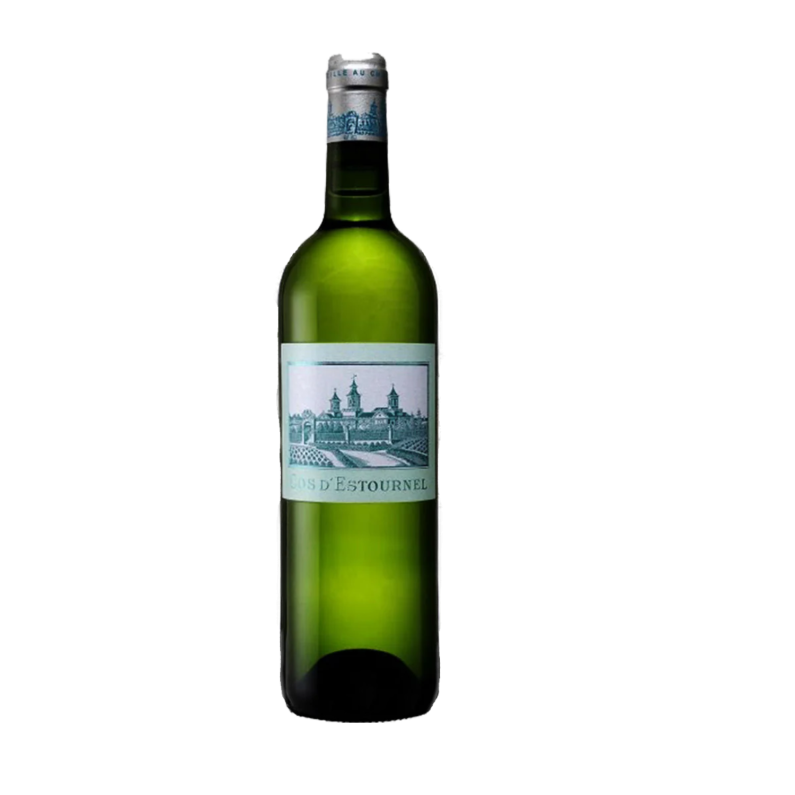
De specificaties zoals vermeld bij de wijn (o.a. wijnjaar) en in de titel zijn leidend en er kunnen geen rechten worden ontleend aan de afbeelding die wordt getoond. Lees meer in onze Frequenty asked questions
| Type of Wine | White |
|---|---|
| Country | France |
| Region | |
| Appellation | Saint-Estèphe |
| Winery | |
| Vintage | 2021 |
| Grape | , |
| Content (Alc) | Standard (0.75 ltr) (13%) |
| Drink window | 2024 - 2035 |
Ordering in bulk? Log in to request a quote
In stock
10 items available
Notities
Foto
Proefnotities
Heb je deze wijn geproefd?
Bewaar je beoordeling en aantekeningen.
Bewaar je beoordeling en aantekeningen.
Heb je deze wijn geproefd?
Log in om je proefnotitie op te slaan.
Log in om je proefnotitie op te slaan.
Log inHoe wil je je wijn beoordelen?
Max 5 MB. JPG, PNG, WebP.
Hoe smaakt het?
Klik op wat het beste past. Alles is optioneel.
Welke geuren en smaken herken je?
Klik op alles wat je herkent. Dit is optioneel.
Uiterlijk
Neus
Aroma's (neus)
Smaak
Smaken (mond)
Afdronk
Wijngegevens
Automatisch ingevuld vanuit productgegevens.
Persoonlijke gegevens
Winery Château Cos d'Estournel
Château Cos d'Estournel is a historic estate in Saint Estèphe that has pursued a distinct signature since the 19th century: intensity with precision and a clear focus on selection. The name Cos refers to the gravel hill where the vineyards are located, a location recognized early on as exceptional. In addition to the well-known red wines, white wines are also produced in small volumes, with the same rigorous approach in the vineyard and cellar. Sustainable vineyard management, low yields, and careful elevage form the basis for a white wine made not for speed, but for development. More information about this winery can be found under the Winery tab.
Region, climate and location
The wine comes from Bordeaux and is sourced from plots on the Left Bank, near Saint Estèphe. The proximity of the Gironde estuary acts as a climatic buffer and helps ensure gradual ripening. 2021 was a year of more excitement than exuberance: a more moderate growing season with less obvious ripeness than in warmer years. This is precisely what often results in a combination of bright acidity, taut aromatics, and precise structure in white wines. This cool edge is clearly present in this vintage, but packaged in a wine that feels rich and layered.
Vineyards
The plots for Château Cos d'Estournel Blanc are rigorously selected, emphasizing fresh exposure and soils that maintain tension. In this part of the Médoc, gravel, clay, and calcareous components often interact. Gravel provides drainage and heat retention, while clay retains moisture and can stabilize growth during drier periods. For white wines, the goal is a long ripening season with aromatic ripeness, without loss of acidity. In 2021, yield reduction was a key theme, which visibly enhanced the fruit's concentration.
Grape varieties and composition
The blend consists of 71 percent Sauvignon Blanc and 29 percent Sémillon. Sauvignon Blanc provides the backbone: citrus, green apple, gooseberry, and an energetic acid structure. Sémillon adds weight, roundness, and a slightly waxy texture, giving the wine breadth and a more gastronomical character. The relatively high proportion of Sémillon is important for the style: less purely on aroma, more on mouthfeel, balance, and aging potential. This type of Bordeaux Blanc is not only about freshness but also about structure and layering.
Harvest
The harvest focuses on maintaining tension. In a year like 2021, timing is crucial: too early leads to sparse acidity, while too late detracts from freshness. Therefore, harvesting is often done plot by plot and grape by grape, ensuring that Sauvignon Blanc and Sémillon are each harvested at the right time. Low yields yield small, concentrated fruit, which you can taste in the intensity and firm core. The result is a wine with clear extraction, without being heavy.
Vinification
After pressing, the juice is carefully prepared for fermentation, aiming for a clean, precise base that preserves the aromas and structure. Fermentation typically takes place in a combination of stainless steel and oak, depending on the batch and desired expression. This vintage reveals a slightly smoky, reductive note and a subtle matchstick aroma, which, with aeration, gives way to riper citrus fruit. The vinification is clearly focused on tension and structure, not on quick accessibility.
Maturation
Maturation is a key element of the profile. The wine develops texture and breadth through contact with the fine yeasts, while oak is used to support structure and complexity. This influence is noticeable as nuance, for example, as notes of new oak, marzipan, or citrus confit, but it remains integral to the overall balance. The combination of extract, acidity, and maturation creates a style that feels rich yet remains taut.
sur lie maturation
Aging on the lees contributes to the satiny mouthfeel and layered flavors. Allowing the wine to rest on the fine lees creates more volume, with a creamier texture, without losing any tension. Depending on the vintage, bâtonnage can be used to further polish the structure and better integrate the fruit. In 2021, this aligns well with the vintage's concentration: the lees provide roundness, while the acidity keeps the wine precise.
Color, smell and taste
In the glass, the color is light gold with a fresh sheen. The nose often begins with a subtle, reductive tension, followed by pear, green apple, nectarine, and gooseberry. With air, richer notes emerge, such as tangerine peel, citrus confit, and a slightly nutty nuance reminiscent of marzipan. On the palate, the wine is full-bodied, with a firm core of fruit and a distinct phenolic structure that provides grip and length. The texture is rich and enveloping, yet the acidity remains bright, keeping the wine energetic. The finish is long, tight, and slightly chewy, making this white Bordeaux distinctly gastronomic.
Development and drinking window
Château Cos d'Estournel Blanc 2021 was crafted with development in mind. In its youth, the wine can be compact and structured, benefiting from decanting or ample pouring time. With bottle aging, the structure gradually softens, and the focus shifts from fresh citrus fruit to more complex notes of ripe white fruit, nuttiness, and subtle woody spice. Based on the available tasting notes, the drinking window is broad: the wine is approachable from 2024 onwards, but more harmony is expected from around 2026. The wine can then continue to mature well into 2031 and, in optimal cellar condition, even into 2035, depending on preference for freshness or development.
Summary of professional reviews
William Kelley awarded 93 points, highlighting the satiny texture, bright acidity, and aromas of pear, nectarine, and gooseberry. Antonio Galloni scored 94 points, describing a rich, expressive style with depth, citrus confit, and a touch of new oak, partly due to low yields. James Suckling scored 97 points, highlighting structure, fruit core, and phenolic grip, advising to give the wine time and to drink it from 2026 onward. The full review texts can be found in the Professional Reviews tab.
Wine and food pairings
Turbot with fennel, orange zest and a beurre blanc works well because of the combination of creaminess and fresh tension in the wine.
Scallops with parsnip cream and a light hazelnut butter complement the texture and citrusy lift.
Guinea fowl with morels and a soft cream sauce complements the texture and the light woody notes without overpowering the dish. A vegetarian chicory tarte tatin with aged cheese and walnuts offers a beautiful interplay of bitterness, umami, and the phenolic grip of the wine.
Quail with roasted lemon and almond brings out the mandarin and nutty nuances in the wine.
Veal sweetbreads with cauliflower and a chicken stock-based jus also combine beautifully with the firm core and the long, tight finish.
If available, you'll find the official fact sheet and additional information about this fine wine in the "Attachments" tab. We'll automatically send you this information when you order this wine. The wine is stored in our climate-controlled Wine Warehouse, and if you pick it up, you'll often receive a nice discount. You'll see your discount immediately when you select "Pick up" at the checkout page. We're located in Dordrecht, right next to the A16 motorway, with ample parking. Click here for our address.
You can read the full wine reviews from Parker, Suckling, Vinous, and Wine Spectator, among others. Need advice on finding the perfect wine to pair with your dish? Click here for our exclusive Sommelier. Free for Grand Cru customers.
| Type of Wine | White |
|---|---|
| Country | France |
| Region | Bordeaux |
| Appellation | Saint-Estèphe |
| Winery | Chateau Cos d'Estournel |
| Grape | Sauvignon Blanc, Semillon |
| Biological certified | No |
| Natural wine | No |
| Vegan | No |
| Vintage | 2021 |
| Drinking as of | 2024 |
| Drinking till | 2035 |
| Alcohol % | 13 |
| Alcohol free/low | No |
| Content | Standard (0.75 ltr) |
| Oak aging | Yes |
| Sparkling | No |
| Dessert wine | No |
| Closure | Cork |
| Parker rating | 93 |
| James Suckling rating | 97 |
| Vinous rating | 94 |
| Tasting Profiles | Aromatisch, Complex, Droog, Fris, Fruitig, Groen & grassig, Krachtig, Mineraal, Rijk, Rond, Strak, Vol, Wit fruit |
| Drink moments | Barbecue, Borrelen, Cadeau!, Iets te vieren, Lekker luxe, Met vrienden, Open haard, Romantisch, Summer party, Terras, Voor alledag |
| Sommy Pairing Beschrijving | Deze Cos d’Estournel Blanc 2021 presenteert zich met heldere citrus- en groene appeltonen, rijp wit fruit zoals peer en nectarine, een subtiele mandarijn- en marsepeinnoot en een satijnachtige textuur met een strakke, licht chewy zuurgraad. Juist die combinatie van frisse energie en volle textuur maakt de wijn een ideale partner voor gevogelte, witte vis en salades omdat hij zowel zuren heeft om vetten en saus te snijden als voldoende body om romige bereidingen en rijke smaken te dragen. Gerechten zoals tarbot of coquilles met beurre blanc of een pastinaakcrème, parelhoen of kwartel met een zachte roomsaus en morieljes, of een salade met geroosterde witlof, oude kaas en walnoot profiteren extra van deze wijn; kort pocheren, licht bakken of een romige saus behouden de balans tussen de wijn en het gerecht en laten de smaaknuances het beste tot hun recht komen. |
Parker
The Wine Advocate
RP 93
Reviewed by:
William Kelley
Release Price:
NA
Drink Date:
2024 - 2035
Gently reductive aromas of pear, nectarine and gooseberry introduce the 2021 Cos d'Estournel Blanc, a medium to full-bodied, ample and satiny wine that's seamless and enveloping, with a bright spine of tangy acidity. As readers may remember, it's a blend of 71% Sauvignon Blanc and fully 29% Sémillon.
Published: Feb 08, 2024
Lorem ipsum dolor sit amet, consectetur adipiscing elit. Sed do eiusmod tempor incididunt ut labore et dolore magna aliqua...
James Suckling
Score
97
Avg Price (ex-tax)
$ 174
Château Cos d'Estournel Bordeaux Blanc 2021
Saturday, Dec 16, 2023
Color
White
Country
France
Region
Bordeaux
Vintage
2021
Download Shelftalker
Aromas of sliced pears, green apple, matchstick, and dried papaya follow through to a full body with a solid core of fruit and phenolics that give it structure and tightness. Slightly chewy at the end. Very structured. Give this time to open and show its true self. Try after 2026.
Lorem ipsum dolor sit amet, consectetur adipiscing elit. Sed do eiusmod tempor incididunt ut labore et dolore magna aliqua...
Vinous
94
Drinking Window
2024 - 2031
From: 2021 Bordeaux: L’Enfant Terrible (Feb 2024)
The 2021 Cos d'Estournel Blanc is a big wine—rich, dramatic and expressive. Low yields in 2021 created a white that is deep, layered and quite potent in feel. Tangerine peel, citrus confit, marzipan and a touch of new oak give the 2021 a decidedly flamboyant, extroverted personality.
- By Antonio Galloni on December 2023
(93-95)
Drinking Window
2024 - 2031
From: 2021 Bordeaux En Primeur: Back to Classicism (May 2022)
The 2021 Cos d'Estournel Blanc is fabulous. In fact, the 2021 is one of the finest vintages I can remember tasting. Readers will find a white of tremendous stature and sheer palate presence. Lemon oil, chamomile, pear, baked apple tart and light tropical accents are all amplified in this dramatic, racy white from Cos d'Estournel. I can't wait to taste this in bottle.
- By Antonio Galloni on April 2022
"We had a very early budbreak and then of course the frost that followed, but our location close to the Gironde River protected us," explained Technical Director Dominique Arangoits. "Flowering took less than a week, as conditions were quite favorable. We had a little bit of rain in August and then almost nothing for the month that followed." Harvest took place between September 23 and October 7. Yields were 35 hectoliters per hectare, a bit lower than normal, but not markedly so.
Lorem ipsum dolor sit amet, consectetur adipiscing elit. Sed do eiusmod tempor incididunt ut labore et dolore magna aliqua...
Exclusive Content
Sign in to unlock professional wine reviews from world-renowned critics
Château Cos d'Estournel is a winery in the Saint-Estèphe appellation in the Bordeaux region of France. It is also the name of the red wine produced by this property. The wine produced here was classified as one of fifteen Deuxièmes Crus (Second Growths) in the original Bordeaux Wine Official Classification of 1855.
Château Cos d'Estournel produces the eponymous grand vin, the second wine since the 1994 vintage, Les Pagodes de Cos from the estate's younger vines, as well as Château Marbuzet from fruit from nearby plots. The property is adjacent to Château Lafite-Rothschild in the neighboring commune of Pauillac. The name Cos refers to a "mound of pebbles" in the Gascon dialect and the name Cos d'Estournel was given in 1810 by Louis-Gaspard d'Estournel.
The estate has changed hands several times throughout its history, beginning in 1852 when it was purchased by English banker Charles Cecil Martyns. In 1869 it was sold to the Spanish Errazu family, only to be sold again 20 years later, in 1889, to the Hostein family from Bordeaux. Through his marriage to Marie-Thérèse Hostein, Louis-Victor Charmolue, who also owned Château Montrose, acquired control of Cos d'Estournel in 1894. In 1917 it was sold to Fernand Ginestet. The chateau has remained in the Ginestet family ever since, becoming part of Domaines Prats in 1970, the combined property of the Ginestet and Prats families, and controlled by Bruno Prats.
In June 2008, it was announced that Michel Reybier, the current owner of Cos d'Estournel, has purchased Napa winery Chateau Montelena. However, in November 2008, this agreement was canceled, the termination of the transaction by Chateau Montelena allegedly due to the fact that Reybier Investments had "been unable to meet its obligations". From an estate of 100 hectares, the vineyard area extends over 70 hectares (170 acres), divided into 30 parcels, mainly composed of the grape varieties 60% Cabernet Sauvignon and 40% Merlot, with a small cultivation of Cabernet Franc and Petit verdot that seems participate too little in modern production. Annual production is typically 32,000 cases.
Deze Cos d’Estournel Blanc 2021 presenteert zich met heldere citrus- en groene appeltonen, rijp wit fruit zoals peer en nectarine, een subtiele mandarijn- en marsepeinnoot en een satijnachtige textuur met een strakke, licht chewy zuurgraad. Juist die combinatie van frisse energie en volle textuur maakt de wijn een ideale partner voor gevogelte, witte vis en salades omdat hij zowel zuren heeft om vetten en saus te snijden als voldoende body om romige bereidingen en rijke smaken te dragen. Gerechten zoals tarbot of coquilles met beurre blanc of een pastinaakcrème, parelhoen of kwartel met een zachte roomsaus en morieljes, of een salade met geroosterde witlof, oude kaas en walnoot profiteren extra van deze wijn; kort pocheren, licht bakken of een romige saus behouden de balans tussen de wijn en het gerecht en laten de smaaknuances het beste tot hun recht komen.
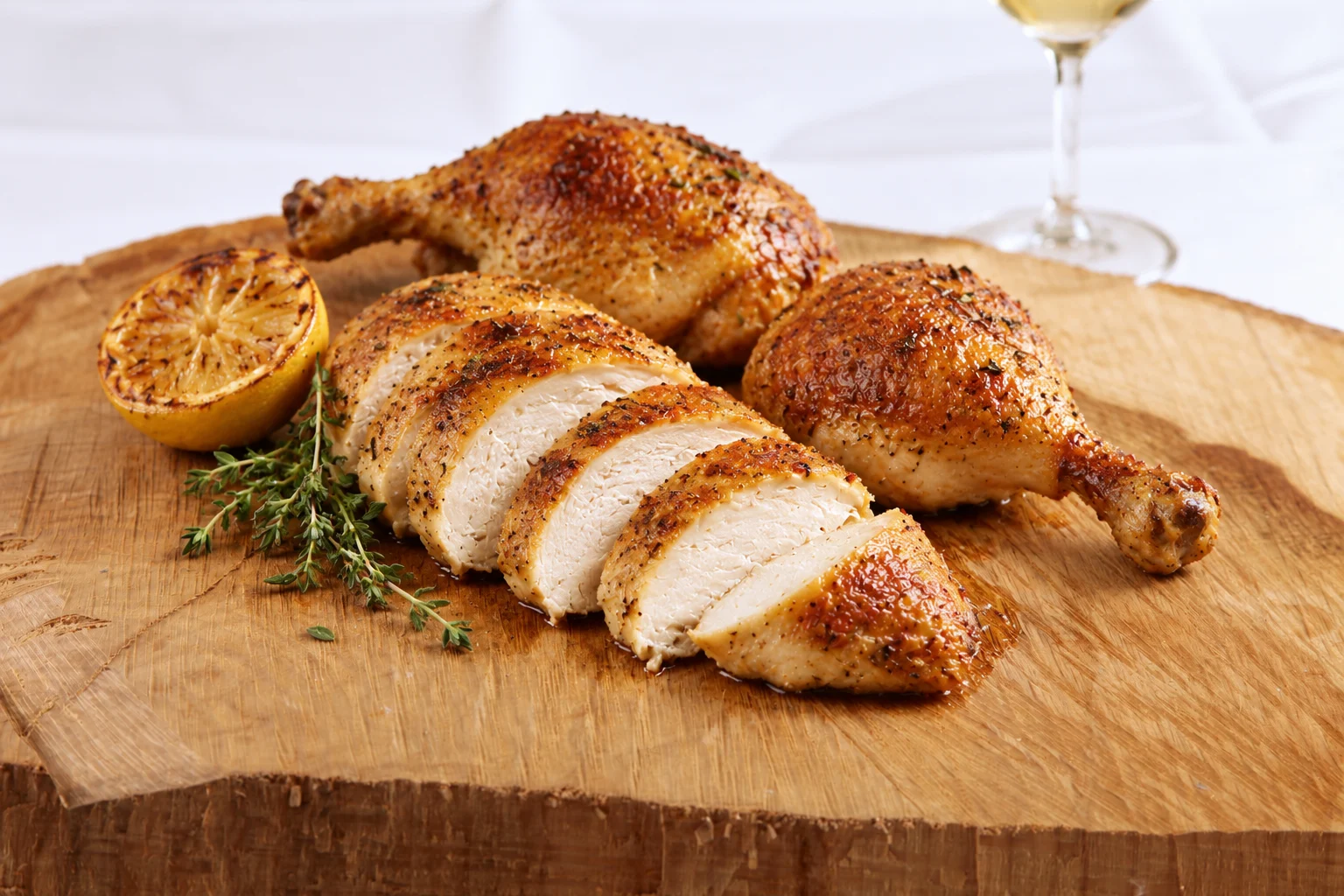
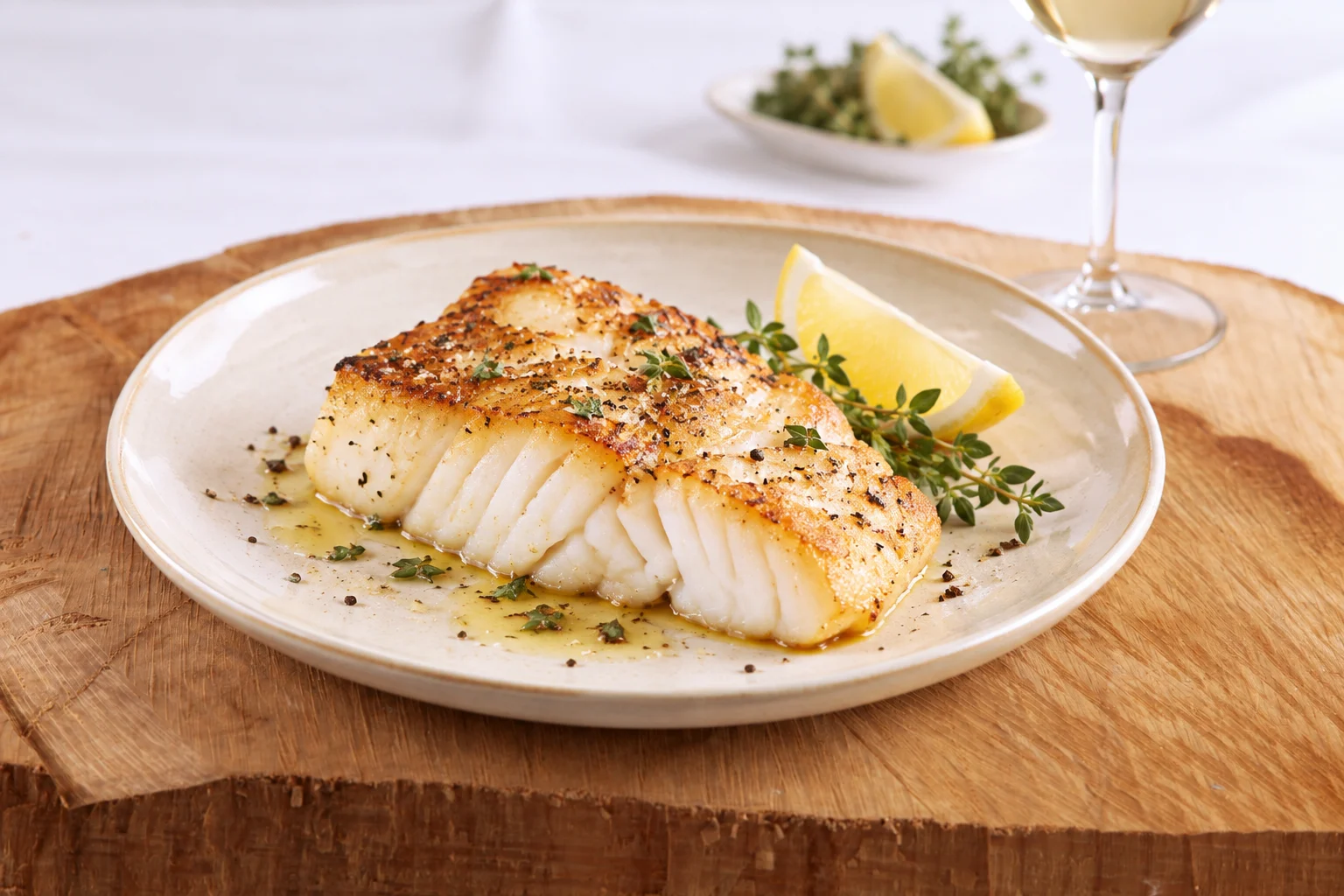
Choose a category to discover dishes that pair well with this wine.
Do you already have a dish in mind?
Let Sommy find wines to pair with your meal.
Discover Wine Trivia
Sign in to unlock fascinating facts about this wine and expand your knowledge.
Sign In