

2025 Château d'Armailhac Pauillac
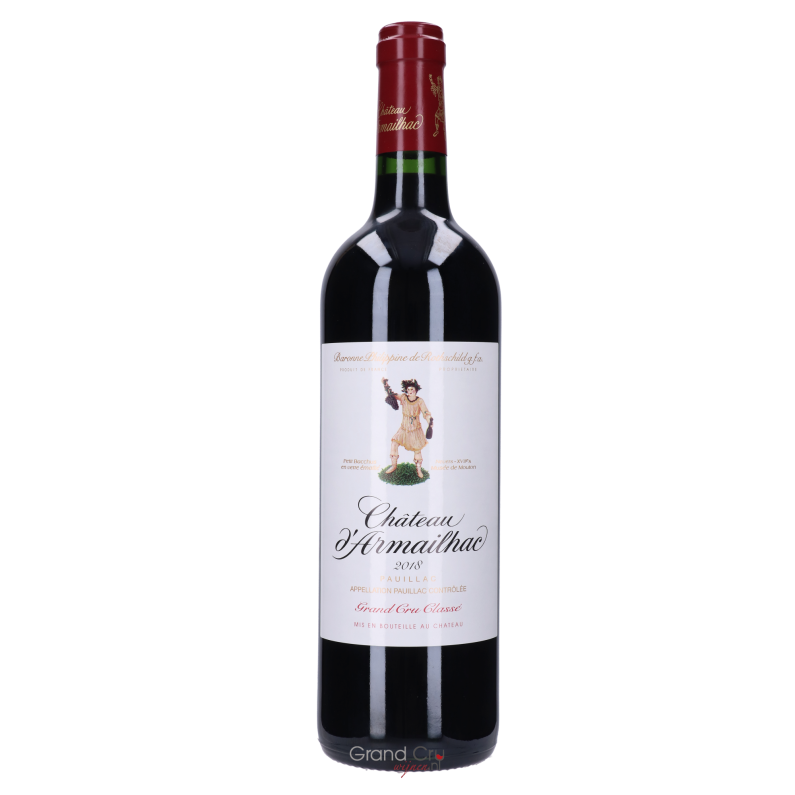
De specificaties zoals vermeld bij de wijn (o.a. wijnjaar) en in de titel zijn leidend en er kunnen geen rechten worden ontleend aan de afbeelding die wordt getoond. Lees meer in onze Frequenty asked questions
| Type of Wine | |
|---|---|
| Country | France |
| Region | |
| Appellation | Pauillac |
| Winery | |
| Vintage | 2025 |
| Grape | , , , |
| Content (Alc) | Standard (0.75 ltr) (13.5%) |
| Drink window | 2030 - 2055 |
Ordering in bulk? Log in to request a quote
Notities
Foto
Proefnotities
Heb je deze wijn geproefd?
Bewaar je beoordeling en aantekeningen.
Bewaar je beoordeling en aantekeningen.
Heb je deze wijn geproefd?
Log in om je proefnotitie op te slaan.
Log in om je proefnotitie op te slaan.
Log inHoe wil je je wijn beoordelen?
Max 5 MB. JPG, PNG, WebP.
Hoe smaakt het?
Klik op wat het beste past. Alles is optioneel.
Welke geuren en smaken herken je?
Klik op alles wat je herkent. Dit is optioneel.
Uiterlijk
Neus
Aroma's (neus)
Smaak
Smaken (mond)
Afdronk
Wijngegevens
Automatisch ingevuld vanuit productgegevens.
Persoonlijke gegevens
EXCLUSIVE - EXPECTED EARLY 2028
Winery Château d'Armailhac
Château d'Armailhac is one of the most famous Grand Cru Classés of Pauillac and is part of the portfolio of Baron Philippe de Rothschild, along with Château Mouton Rothschild and Château Clerc Milon, among others. The estate was classified as a Cinquième Grand Cru Classé in 1855 and is situated on excellent terroirs in the north of Pauillac, close to Mouton Rothschild. Under the Rothschild family, Château d'Armailhac has developed into one of the most consistent and refined Pauillacs in its price range, with a clear emphasis on elegance, terroir expression, and balance. More information about this winery can be found under the Winery tab.
Origin, terroir and vintage 2025
The vineyards of Château d'Armailhac cover approximately 80 hectares and are situated on light, deep gravel soils, ideal for Cabernet Sauvignon. These terroirs provide tension, finesse, and a typical Pauillac signature of blackcurrant, graphite, and refined spiciness.
The 2025 vintage began with a mild winter, followed by a wet spring in which April brought approximately 80% more rain than average. From May onwards, a warm and dry period set in that lasted until the end of August. Despite the drought, true hydrological stress failed to materialize and the grapes remained remarkably healthy. Small, concentrated berries provided intensity, while approximately 80 mm of rain in late August played a crucial role in the wine's final style, according to winemaker Jean-Emmanuel Danjoy. Whereas a profile similar to 2022 was initially expected, the vintage shifted towards a more classic Bordeaux expression with lower alcohol, fresh acidity, and refined balance.
Vineyards and grape varieties
The blend of Château d'Armailhac 2025 consists of 67% Cabernet Sauvignon, 21% Merlot, 10% Cabernet Franc, and 2% Petit Verdot . Cabernet Sauvignon forms the base, providing structure, freshness, and classic Pauillac precision. Merlot adds softness and ripe fruit, while Cabernet Franc ensures floral finesse and aromatic lift. Petit Verdot brings extra spiciness and depth.
The average age of the vines is approximately forty years. According to the château, the combination of different terroirs within Pauillac creates extra complexity and a wine that beautifully reflects the richness of the estate. In 2025, Cabernet Franc in particular shows remarkable strength, adding extra refinement to the blend.
Harvest, vinification and aging
The harvest took place between September 9 and 20 , historically early for Château d'Armailhac. Thanks to healthy grapes and stable conditions, the picking proceeded relatively smoothly. The small berries ensured natural concentration, although yields were lower, particularly on the better-draining plots.
The wine ages for eighteen months in French oak barrels, approximately 50% of which are new . Neal Martin notes that the wine currently displays a cooler, more restrained style than some recent vintages. With an alcohol percentage of only 13.0% and a pH of 3.70 , 2025 shows a remarkable amount of classic balance for a warm and dry year.
Style, scent and taste
Château d'Armailhac 2025 opens refined and aromatic, with dark berries, cassis, and black plums, complemented by violets, lilac, and subtle citrus accents of orange zest. In the background, graphite, pepper, tobacco, and light wood influences appear, which are beautifully integrated.
On the palate, the wine reveals itself to be refined, medium-bodied, and remarkably precise. William Kelley praises the combination of dark fruit, floral notes, and lively acidity, with a youthful, slightly chewy finish. James Suckling, on the other hand, emphasizes the polished tannins and the ripe yet still firm fruit, in which redcurrants, plums, and even subtle peach notes come to the fore.
Neal Martin describes the wine as less flamboyant than some recent vintages, but rather refined and classic in style. The slightly grainy tannins frame cassis and blackberry fruit, while peppery and slightly graphite notes become increasingly distinct towards the long finish. What stands out most is the combination of energy, freshness, and restrained elegance.
Summary of professional reviews
95-96 points – James Suckling: praises the polished tannins, refined structure, and fresh, intense finish. 91-93 points – William Kelley, Wine Advocate: highlights dark berries, violets, orange zest, and lively acidity in a concentrated yet elegant style. 91-93 points – Neal Martin, Vinous: describes the wine as cool, refined, and classic in character, with fine definition, peppery tension, and good aging potential. The full review texts can be found in the tab: Professional reviews.
Wine & Food Pairing and Discount
If available, you will find the official factsheet and additional information about this fine wine in the 'Attachments' tab. We will automatically send these to you upon ordering this wine. The wine is stored in our climate-controlled Wine Warehouse, and if you come to collect the wine, you will often receive a nice discount. You will see your discount immediately when you select 'Pick up' on the checkout page. We are located in Dordrecht, situated almost next to the A16 with ample parking. Click here for our address.
You can read full wine reviews from Parker, Suckling, Vinous, and Wine Spectator, among others. Need advice on finding the ideal wine for your dish? Click here for our exclusive Sommelier. Free for Grandcruwijnen customers. In the Food tab, you will find advice on what to look for for the right food and wine pairing, and a number of dish suggestions from our Sommelier.
| Type of Wine | Red |
|---|---|
| Country | France |
| Region | Bordeaux |
| Appellation | Pauillac |
| Winery | Chateau d'Armailhac |
| Grape | Cabernet Franc, Cabernet Sauvignon, Merlot, Petit Verdot |
| Biological certified | No |
| Natural wine | No |
| Vegan | No |
| Vintage | 2025 |
| Drinking as of | 2030 |
| Drinking till | 2055 |
| Alcohol % | 13.5 |
| Alcohol free/low | No |
| Content | Standard (0.75 ltr) |
| Oak aging | Yes |
| Sparkling | No |
| Dessert wine | No |
| Closure | Cork |
| Promotion | En Primeur, On Sale |
| Parker rating | 93 |
| James Suckling rating | 96 |
| Vinous rating | 93 |
| Tasting Profiles | Aromatisch, Complex, Donker fruit, Houtgerijpt, Krachtig, Kruidig, Rijk, Rood fruit, Tannines, Vol |
| Drink moments | Cadeau!, Iets te vieren, Met vrienden, Open haard, Romantisch |
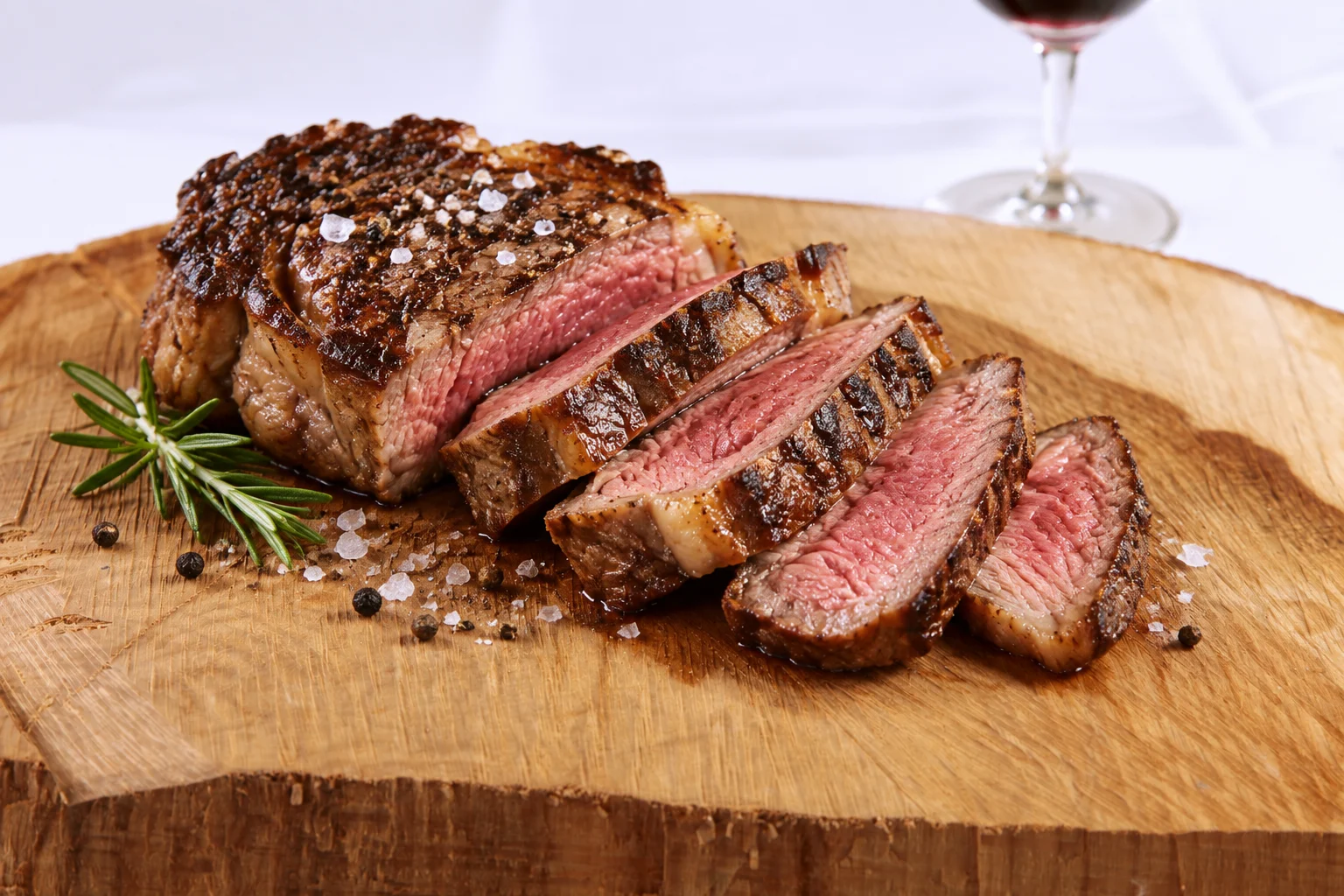
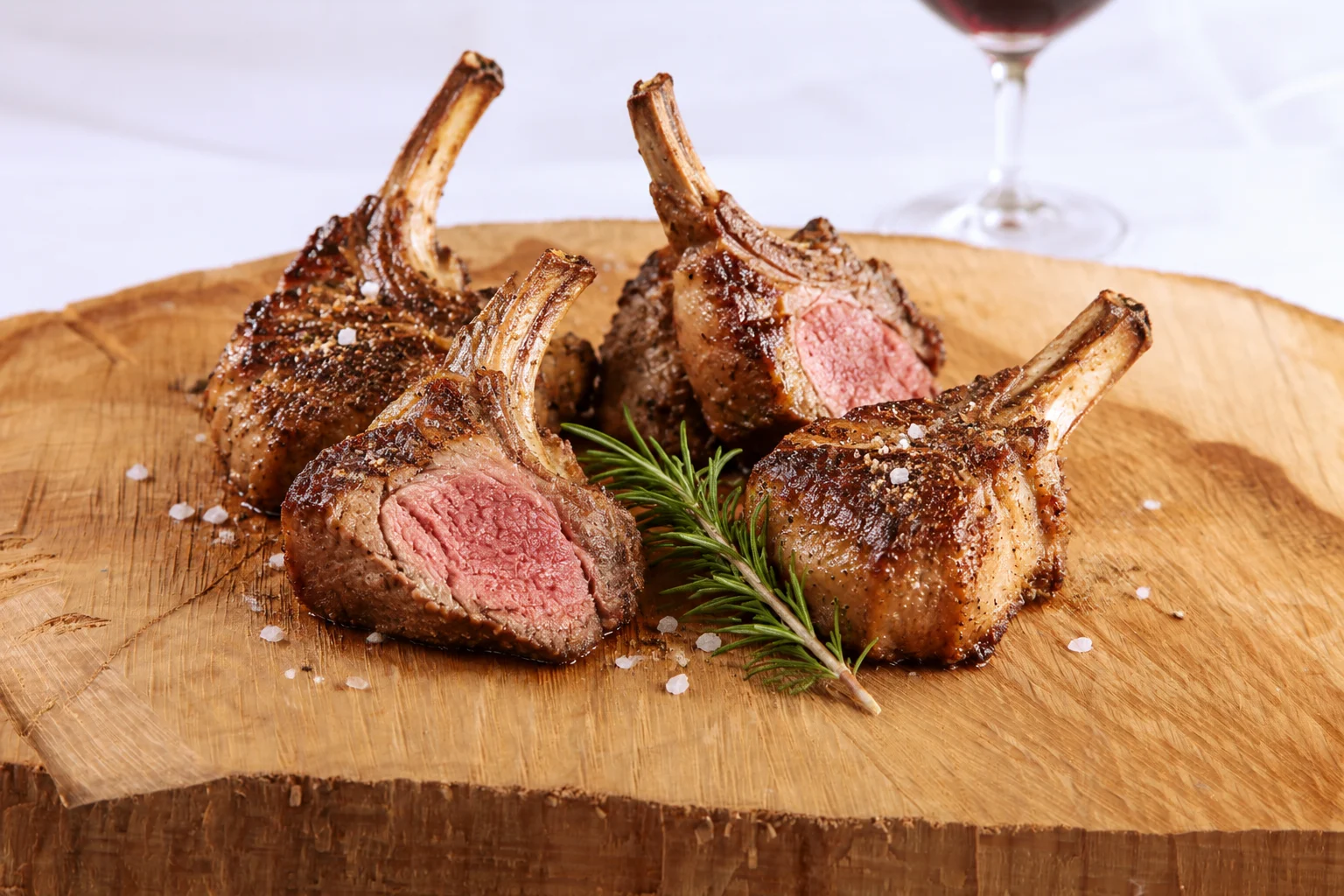
| Sommy Pairing Beschrijving | Deze Pauillac uit toont een elegant smaakpalet van zwart fruit, donkere chocolade, peper en kruidige toetsen met een bloemige ondertoon, romige textuur, rijpe maar verfijnde tannines en een lange, frisse afdronk met zoethout. Dankzij die geconcentreerde structuur en frisse zuurgraad vormt hij een ideale partner voor rundvlees, lamsgerechten en stevige kazen tijdens feestelijke of romantische diners, omdat de tannines het vet snijden en de kruidigheid de hartige smaken versterkt. Extra geslaagd zijn gegrilde of geroosterde stukken vlees zoals côte de bœuf of entrecôte, langzaam gegaarde lamsbout met rozemarijn en knoflook, of gerijpte kazen zoals Comté of oude cheddar waarmee de rijke, lange afdronk prachtig resoneert. |
Parker
A blend of 67% Cabernet Sauvignon, 21% Merlot, 10% Cabernet Franc and 2% Petit Verdot, the 2025 d'Armailhac bursts with aromas of dark berries, violets and lilac. Medium- to full-bodied, with a sweet core of fruit, tangy acids and a youthfully chewy finish, this is a comparatively structured young d'Armailac.
Lorem ipsum dolor sit amet, consectetur adipiscing elit. Sed do eiusmod tempor incididunt ut labore et dolore magna aliqua...
James Suckling
A blend of 67% Cabernet Sauvignon, 21% Merlot, 10% Cabernet Franc and 2% Petit Verdot, the 2025 d'Armailhac bursts with aromas of dark berries, violets and lilac. Medium- to full-bodied, with a sweet core of fruit, tangy acids and a youthfully chewy finish, this is a comparatively structured young d'Armailac.
Lorem ipsum dolor sit amet, consectetur adipiscing elit. Sed do eiusmod tempor incididunt ut labore et dolore magna aliqua...
Vinous
The 2025 d'Armailhac was picked between September 9 and 20 and matured in 50% new oak. This has fine definition and purity on the nose, though perhaps it does not quite grab you like some recent vintages. This plays it "cool". The palate is medium-bodied with fine, slightly grainy tannins that frame the blackberry and cassis fruit. Quite peppery on the finish, less flamboyant than some vintages, though very refined and quite long. Good potential. Maybe it has something up its sleeve?
Head Winemaker Jean-Emmanuel Danjoy commutes between Bordeaux city and Mouton-Rothschild to avoid the traffic jams, which allows him a couple of extra hours a day to work. I wonder how many hours were spent contemplating the 2025 vintage as he looked out the train window during that hot summer.
“We were expecting something quite different, as the drought was dry and warm, and that begat small berries and high phenolics. There was no hydric stress or burnt berries despite the water deficit. On the evening of August 28, we had around 80 mm of rainfall that stabilised what had been rapid sugar accretion, while acidity kept going up. The vines became rehydrated. Up until then we had expected something like the 2022, but the profile turned to something much more classic. You had the benefits of a warm, dry cycle with the best aspects of a classic vintage: low sugar and alcohol with pretty good pH. It was quite a unique growing season. We finished on September 20, which is the earliest ever, but it had been a relatively easy picking.”
Lorem ipsum dolor sit amet, consectetur adipiscing elit. Sed do eiusmod tempor incididunt ut labore et dolore magna aliqua...
Exclusive Content
Sign in to unlock professional wine reviews from world-renowned critics
A local register mentions the existence of two brothers, Dominique et Guilhem Armailhacq, who own plots of land in Pauillac. Another register mentions in 1750 a certain Dominique Armailhac, who "planted with vines" the family estate, taking advantage of the "planting frenzy" then sweeping the Médoc. The vines then covered 15 to 16 hectares (37-39 acres). serious professionalization began around 1830 using techniques such as topping up, draining, disinfection of barrels and clarification, the quality of Mouton d'Armailhacq improved considerably, to the extent that its wines sell twice as much as neighboring wines. The "first wine", the only one allowed to bear the name of the Cahteau, is distinguished from the "second wine", which is less rich and for consumption and was sold in local taverns. The Count of Ferrand founded a company, the Société Anonyme du Domaine de Mouton d'Armailhacq. The young baron Philippe de Rothschild becomes a minority shareholder and in 1933 acquires all the shares in exchange for an annuity for the Count of Ferrand. A year later, after his death, Baron Philippe becomes the actual owner of the estate. Mouton d'Armailhacq's portfolio includes Société Vinicole de Pauillac, predecessor of what is now Baron Philippe de Rothschild SA. In 1989, Baroness Philippine decides to return the original identity to Mouton d'Armailhacq, and gives it the name Château d'Armailhac.
A classified growth from 1855 under the name Mouton d'Armailhacq, the vineyard of Château d'Armailhac covers 70 hectares in the northern part of Pauillac. An extension of the Carruades de Mouton plateau, the Plateau des Levantines et de l'Obélisque, which consists of light and very deep gravelly soil, is the favored terroir of Cabernet grapes. The deep gravelly soil of the Plateau de Pibran rests on a clay-limestone base, which gives the wines of Château d'Armailhac their characteristic refinement and elegance. The light gravel bottom of the Croupe de Béhéré is up to three meters deep.
The vineyard is planted with traditional Médoc grape varieties (52% Cabernet Sauvignon, 36% Merlot, 10% Cabernet Franc, 2% Petit Verdot) on rootstocks best suited to the soil (usually Riparia-Gloire). The average age of the vineyard is 46 years, but almost 20% of the total area dates back to 1890. The plantation density is high at 10,000 vines per hectare: Château d'Armailhac preserves the old methods to ensure quality.
The current vineyard cru of 72ha belongs to Ch. Mouton Rothschild and it is the same team that takes care of the vinification under the direction of Mr Philippe Dhalluin. The very high-quality terroir consists of 80% of a ridge rich in stone (just like the neighbors Ch. Mouton Rothschild and Ch. Pontet Canet). After all, the mother house does everything it can to keep the quality as high as possible. The wine has had a very nice constitution and very nice volume in recent years. The price remains affordable, especially compared to Mouton
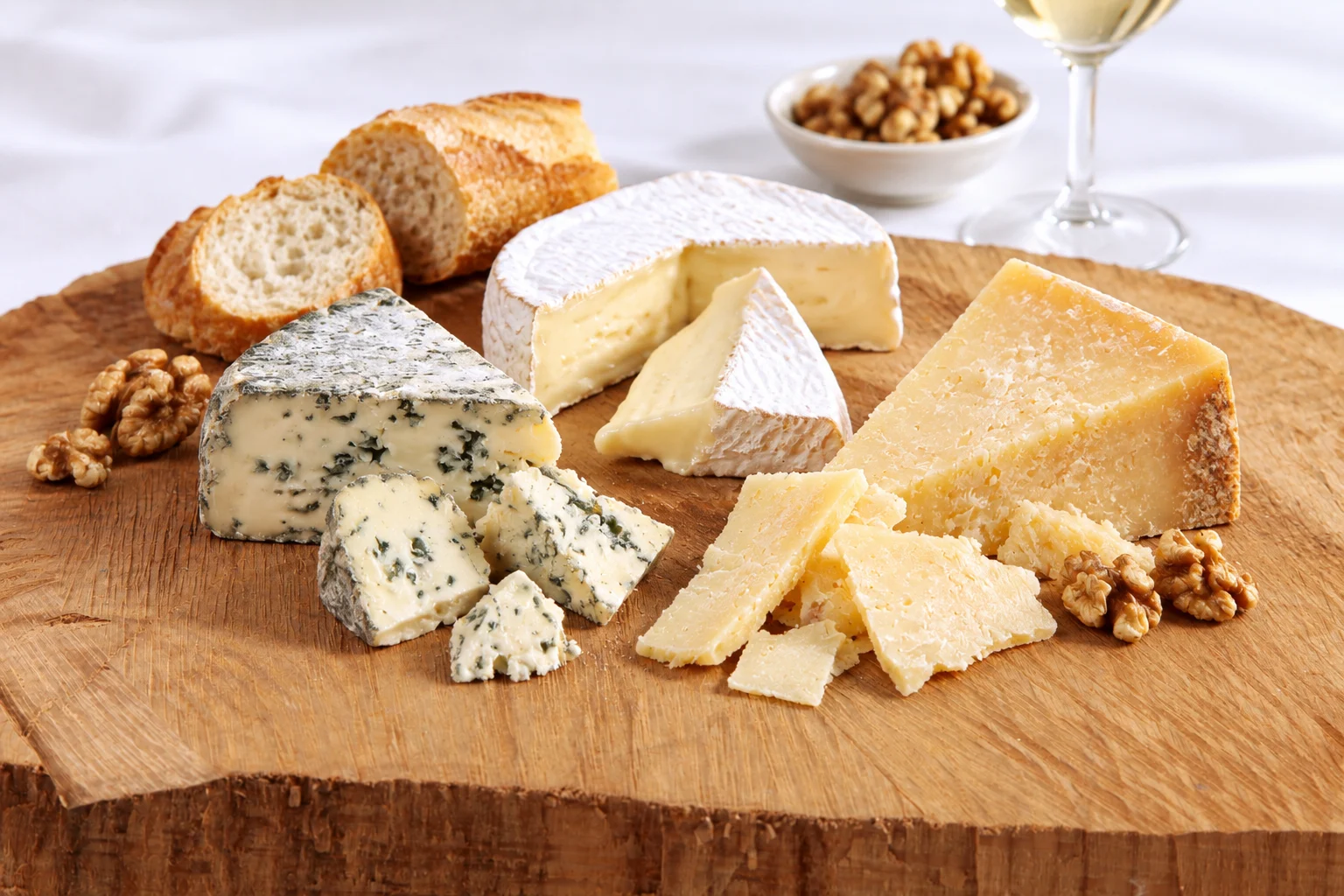
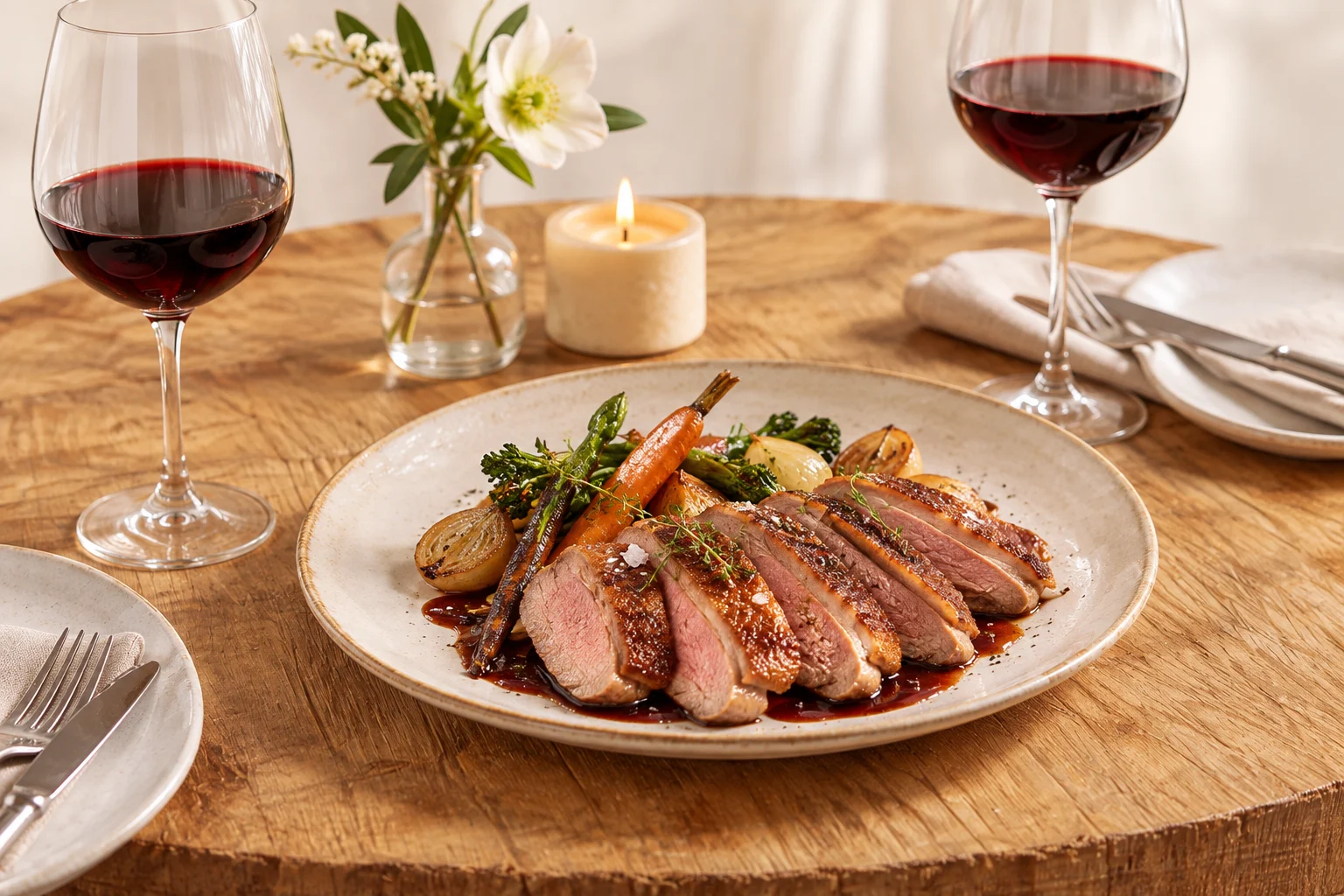
Deze Pauillac uit toont een elegant smaakpalet van zwart fruit, donkere chocolade, peper en kruidige toetsen met een bloemige ondertoon, romige textuur, rijpe maar verfijnde tannines en een lange, frisse afdronk met zoethout. Dankzij die geconcentreerde structuur en frisse zuurgraad vormt hij een ideale partner voor rundvlees, lamsgerechten en stevige kazen tijdens feestelijke of romantische diners, omdat de tannines het vet snijden en de kruidigheid de hartige smaken versterkt. Extra geslaagd zijn gegrilde of geroosterde stukken vlees zoals côte de bœuf of entrecôte, langzaam gegaarde lamsbout met rozemarijn en knoflook, of gerijpte kazen zoals Comté of oude cheddar waarmee de rijke, lange afdronk prachtig resoneert.
Choose a category to discover dishes that pair well with this wine.
Do you already have a dish in mind?
Let Sommy find wines to pair with your meal.
Discover Wine Trivia
Sign in to unlock fascinating facts about this wine and expand your knowledge.
Sign In

+ 7 more attachments