

2017 Château Cheval Blanc 1er Grand Cru Classé Saint-Emilion
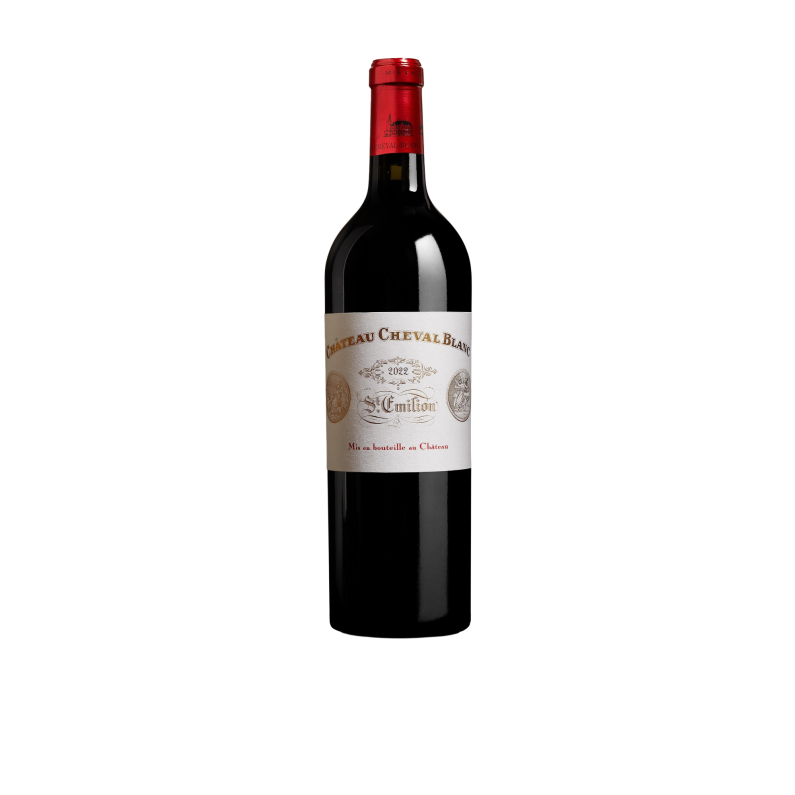
De specificaties zoals vermeld bij de wijn (o.a. wijnjaar) en in de titel zijn leidend en er kunnen geen rechten worden ontleend aan de afbeelding die wordt getoond. Lees meer in onze Frequenty asked questions
How does this wine taste?
How full and heavy the wine feels in your mouth, like the difference between skimmed milk and cream. More alcohol, sugar and oak ageing make a wine fuller.
The drying, grippy feel on your gums and tongue, as with strong tea. It comes from the skins and seeds of black grapes and from oak, and softens with age.
How much sugar you taste, from dry to sweet. Fruity is not the same as sweet: a dry wine can taste of ripe fruit.
How fresh and juicy the wine is: acidity makes your mouth water. High acidity tastes lively and refreshing, low acidity soft and round.
What we taste What you taste Click a taste for what it means
The bars follow how sommeliers taste (WSET): body, tannin, sweetness and acidity, each from low to high.
Body: powerful. Fuller than most red wines from ; 14% alcohol.
Tannin: firm. Aged in oak.
Sweetness: dry. Red wine from is almost always dry.
Acidity: fairly low. The temperate climate of .
Nothing noted for this wine yet. What do you smell, and how long does the taste linger?
Have you tasted this wine?
Save your rating and notes.
Save your rating and notes.
Have you tasted this wine?
Log in to save your tasting note.
Log in to save your tasting note.
Log inTogether with Château Pétrus and Ausone, Château Cheval Blanc is one of the legends of the Right Bank. Always possesses enormous concentration, but at the same time finesse and freshness. This cru is owned by the Belgian Albert Frère and Bernard Arnault. It is Pierre Lurton (from the Dominique Lurton branch) who vinifies the wine there (just like in Château d'Yquem). This year the vinification took place for the fifth time in the ultra-modern new chais of the architect Christian de Portzamparc. 50 specially shaped (tronconical) concrete cuvees are used for microvinification per plot. Concrete was chosen because it has good thermal insulation and a tronconical shape because it ensures a gentler extraction of the berries for better fermentation. Everything is also vinified using the principle of gravity (so the wine or berries are no longer pumped up). A gigantic investment in the service of quality!
The 2017 Cheval Blanc is a blend of 15% Cabernet Sauvignon, 29% Cabernet Franc and 56% Merlot, with an unusually high percentage of Cabernet Sauvignon. Deep garnet purple in color, the 2017 Cheval Blanc needs quite a bit of prodding to reveal notes of plum jam, redcurrant jam, kirsch and red roses, plus emerging nuances of anise, Sichuan pepper, pencil shavings and charcoal. Medium to full bodied, the palate offers impressive intensity with layer upon layer of red and black flavors, with sparks of mineral and floral notes, plus a firm line of fine-grained tannins and bold freshness to support, finishing very long and very fragrant.
FACT: The wine is stored in our conditioned Wine Warehouse and if you pick up the wine you will often receive a nice discount. You will see your discount immediately when you choose 'Collect' on the checkout page. We are located in Dordrecht with plenty of parking. Click here for our address.
Character
The wine
Origin
Bottle
Wine features
Parker
The Wine Advocate
RP 96+
Reviewed by:
Lisa Perrotti-Brown
Release Price:
NA
Drink Date:
2023 - 2055
The blend this year is 15% Cabernet Sauvignon, 29% Cabernet Franc and 56% Merlot, possessing an unusually high percentage of Cabernet Sauvignon. Deep garnet-purple colored, the 2017 Cheval Blanc needs a fair bit of coaxing to reveal notions of plum preserves, redcurrant jelly, kirsch and red roses plus emerging nuances of aniseed, Sichuan pepper, pencil lead and charcoal. Medium to full-bodied, the palate offers impressive intensity with layer upon layer of red and black flavors with sparks of minerals and floral notes plus a firm line of fine-grained tannins and bold freshness to support, finishing very long and very fragrant.
Cheval Blanc was significantly affected by the frost. They lost around 30% of the vineyard, mainly on clay soils, and it was mainly Cabernet Franc situated in the “dip or lower-lying part of the vineyard." This year is therefore unique, because there is a bit more Cabernet Sauvignon in the blend this year and more of a component from the gravel soils. On the plus side, the berries were small, and there is a high quantity of tannins. Winemaker Pierre Olivier informed me that “the late season was important to ripen the huge quantity of tannins.” Cheval Blanc finished picking on October 11th, equating to a vast picking window. In 2017, 8% of total production went into Petit Cheval and 15% of the estate’s fruit was sold in bulk, while 77% of production went into Cheval Blanc. No Petit Cheval Blanc (the new white wine) was produced.
Cheval Blanc was one of the most illustrious estates to be badly hit by the frosts, having lost around 30% of the vineyard, mainly on clay and mainly Cabernet Franc situated in the “dip" or lower-lying part of the vineyard. This year is therefore unique, because there is a bit more Cabernet Sauvignon in the blend and more of a component coming from the gravel soils. On the plus side, the berries were small and there is a high quantity of tannins. Winemaker Pierre Olivier Clouet informed me, “The late season was important to ripen the huge quantity of tannins.” Cheval Blanc finished picking on October 11, equating to a vast picking window. In 2017, 8% of total production went into Petit Cheval and 15% of the estate’s fruit was sold in bulk. 77% of production went into Cheval Blanc. No Petit Cheval Blanc (the new white wine) was produced.
On the question of the use of second generation fruit from the frosted vines, Clouet commented, "Yes, we used a part of the second generation, but that represented just 3% in volume of the blend in Cheval Blanc.” Like Canon-la-Gaffelière and Figeac, they marked each plant that was frosted. At harvest, they picked each vine only when they felt it was ripe. They then sorted those grapes with a Tribaie sorting table, which uses sugar density to sort grapes as opposed to sorting by appearance. “We vinified each frosted plot in very small vats that we rented specifically for that purpose - 20 vats of 10 hectoliters to vinify plot per plot!!!” Clouet explained. “It was huge work for just 3% in volume but we did all we could to save our crop this year to have all our vineyard to try to participate in the blend... even if at the end: the first generation represents 97% of the final blend and just 3% for the second.”
Published: Mar 16, 2020
Lorem ipsum dolor sit amet, consectetur adipiscing elit. Sed do eiusmod tempor incididunt ut labore et dolore magna aliqua...
James Suckling
CHÂTEAU CHEVAL-BLANC ST.-EMILION 2017
Friday, January 10, 2020
CountryFrance
RegionBordeaux
Vintage2017
CHECK PRICE
DOWNLOAD SHELFTALKER
Score
97
This is a special Cheval-Blanc with blackcurrants, blueberries and hints of fresh herbs, tobacco and cedar. Full-bodied, very powerful and muscular with lots of tannins. The higher percentage of cabernet sauvignon (15% instead of 5%) makes it structured. Give it time to come together. Better after 2022.
Lorem ipsum dolor sit amet, consectetur adipiscing elit. Sed do eiusmod tempor incididunt ut labore et dolore magna aliqua...
Vinous
97+
Drinking Window
2027 - 2047
From: 2017 Bordeaux – Mirror, Mirror on The Wall… (Mar 2020)
A wine of sublime elegance and finesse, the 2017 Cheval Blanc is endowed with tremendous energy, precision and cut. Red/purplish fruit, mint, sage, blood orange, star anise and exotic spice notes abound in a mid-weight, finely cut Cheval that dazzles with its energy. Technical Director Pierre-Olivier Clouet gave the 2017 26-27 days on skins. Because of severe frost damage, in 2017, the Grand Vin includes a high percentage of Cabernet Sauvignon (14%), from gravelly soils, which gives the wine very unusual flavor and structure profile. The 2017 Cheval Blanc has all the ingredients to be one of the wines of the vintage. It is class personified. Wow!
- By Antonio Galloni on December 2020
Lorem ipsum dolor sit amet, consectetur adipiscing elit. Sed do eiusmod tempor incididunt ut labore et dolore magna aliqua...
Exclusive Content
Sign in to unlock professional wine reviews from world-renowned critics
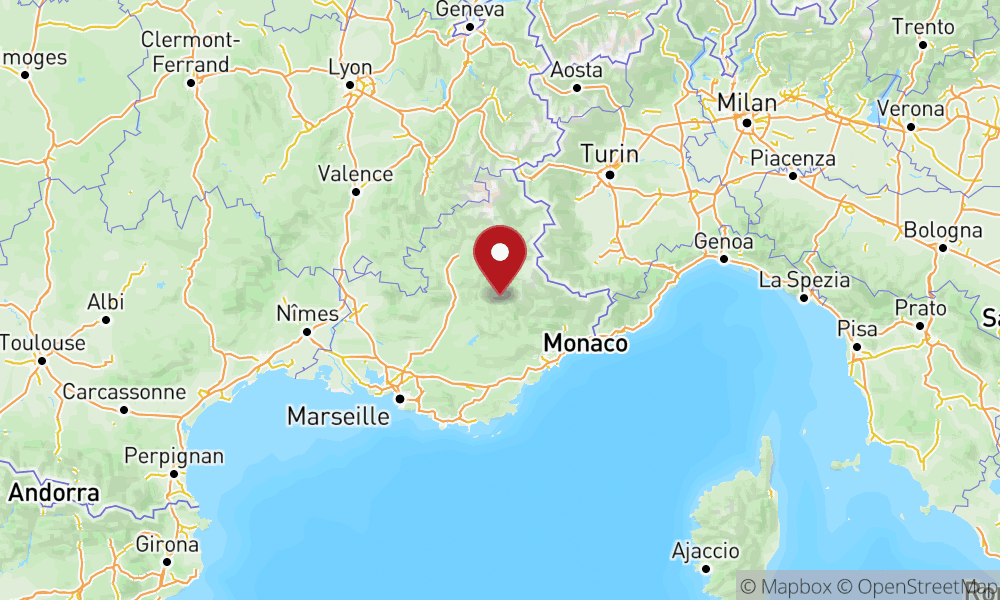
Château Cheval Blanc is located within the municipal boundaries of the picturesque village of Saint Emilion, close to the Pomerol appellation. The 37 hectare vineyard is planted with Cabernet Franc and Merlot, the first of which is also the most important.
The current Cheval Blanc owners, Bernard Arnault and Baron Albert Frere, decided in 1998 to seal their shared love of wine with the purchase of a Premier Cru Classé A: Château Cheval Blanc. Daily management is in the hands of Pierre Lurton, who comes from a very well-known family of winemakers and château owners. His presence has allowed Château Cheval Blanc to maintain its top position in Bordeaux for the past ten years.
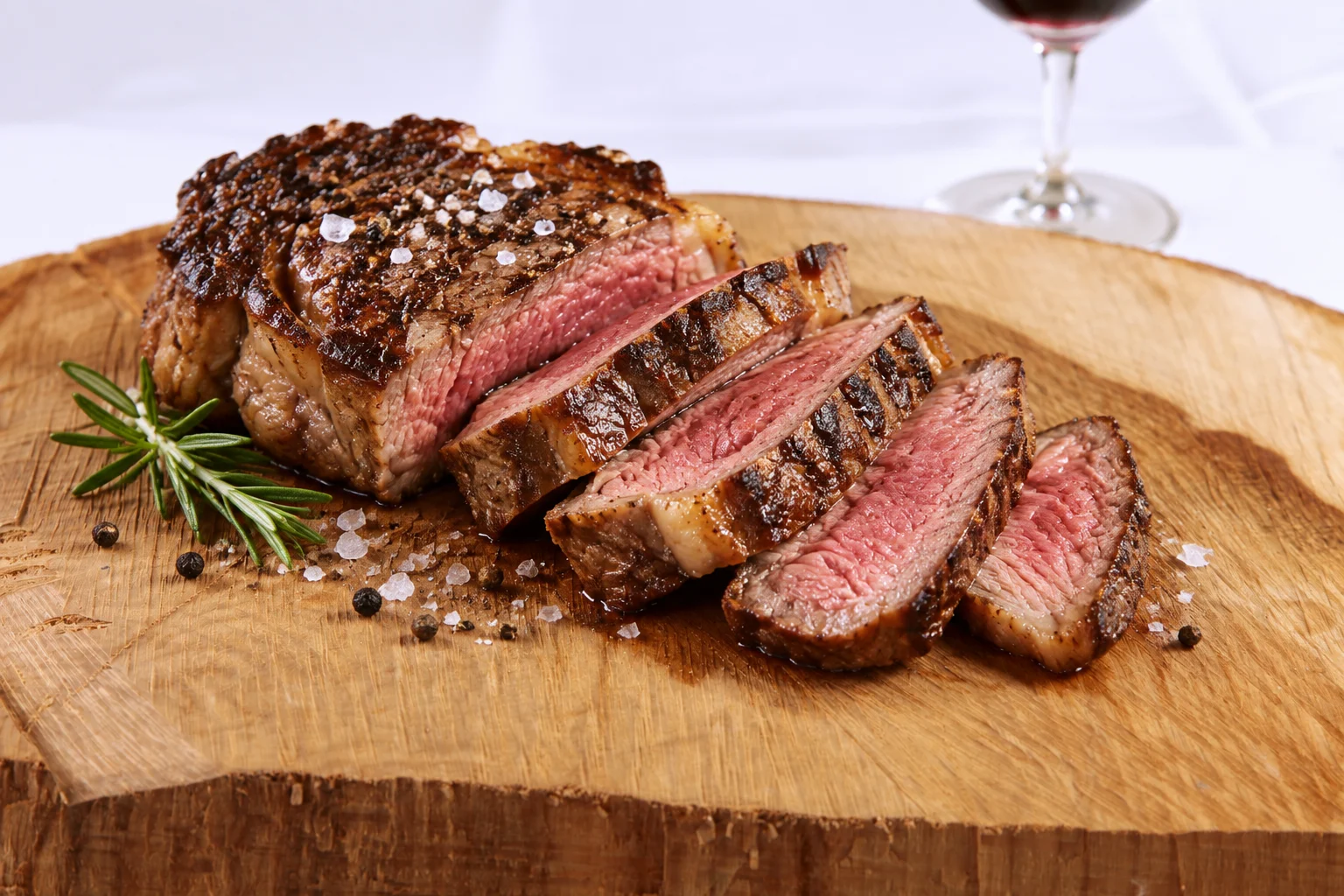
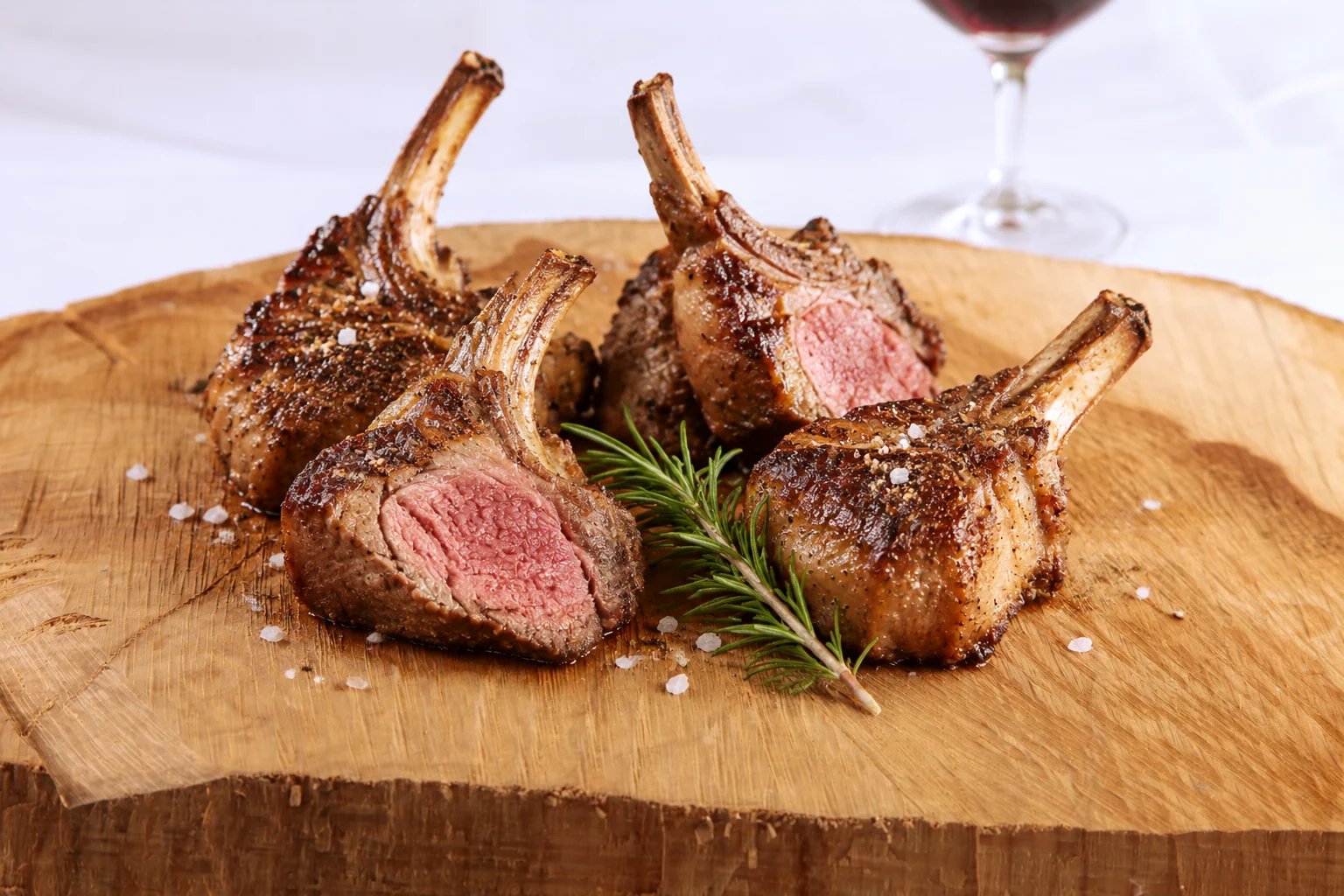
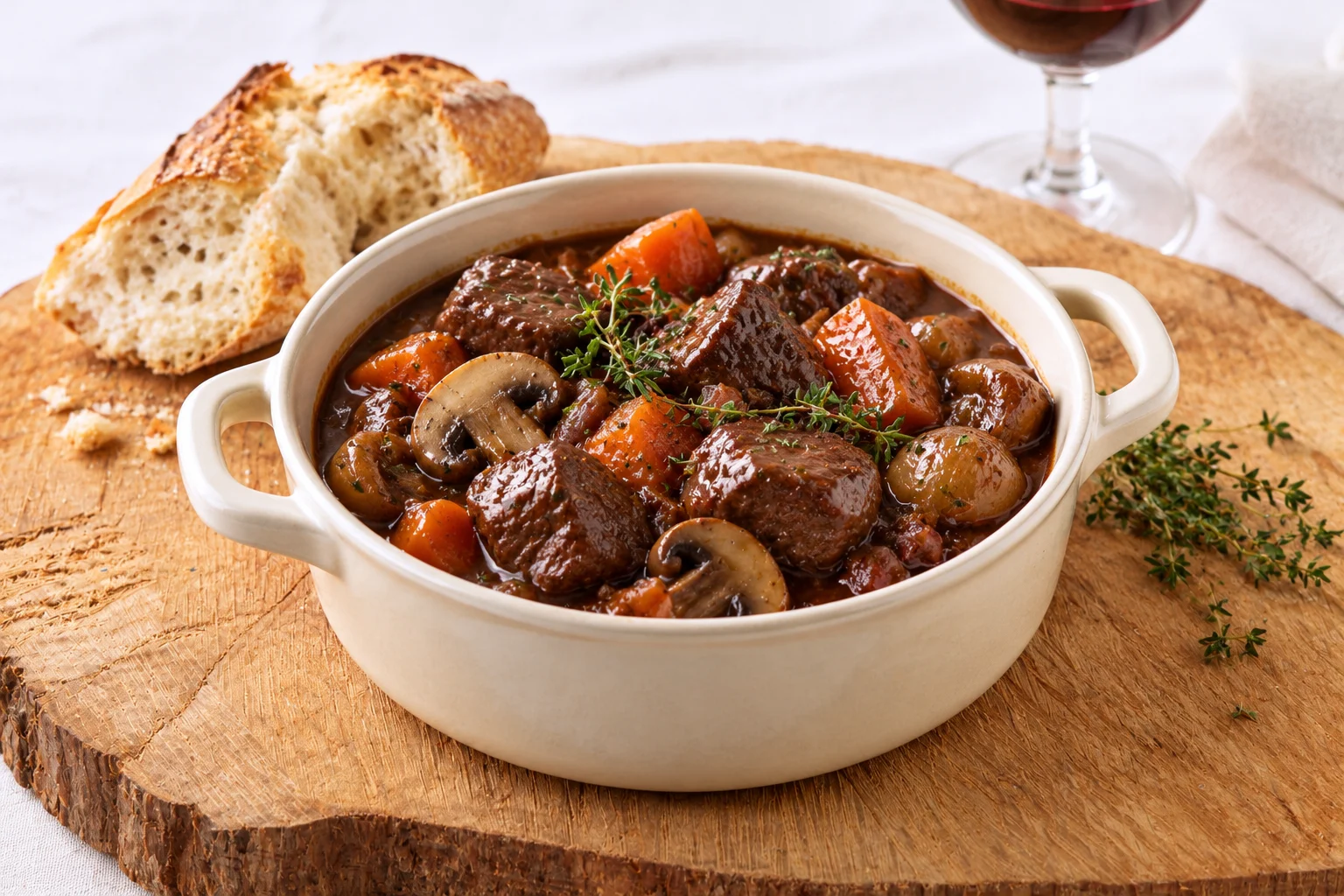
Diep granaatrood en medium tot vol van body, opent deze Cheval Blanc met geconcentreerde tonen van pruimenconfiture, zwarte en rode bessen, kirsch en rozen, met kruidige accenten van anijs en Sichuanpeper, grafiet en een langdurige mineraal-frisse afwerking ondersteund door fijne, stevige tannines. Dankzij die combinatie van rijpe fruitconcentratie, frisse zuren en een stevige tanninestructuur snijdt de wijn prachtig door het vet van rund en lam en vult hij de diepe smaken van stoofschotels en feestelijke gerechten aan; bijzonder goed werken langzaam gegaarde braises en gestoofd vlees die de tannines temmen en de fruitigheid laten schitteren, of geroosterd vlees met een krokante korst en kruidige kruidenrub om de kruidige en florale tonen te benadrukken.
Choose a category to discover dishes that pair well with this wine.
Do you already have a dish in mind?
Let Sommy find wines to pair with your meal.
Discover Wine Trivia
Sign in to unlock fascinating facts about this wine and expand your knowledge.
Sign In