

Vega Sicilia Unico Reserva Especial Release 2025 (2011,2012,2013)
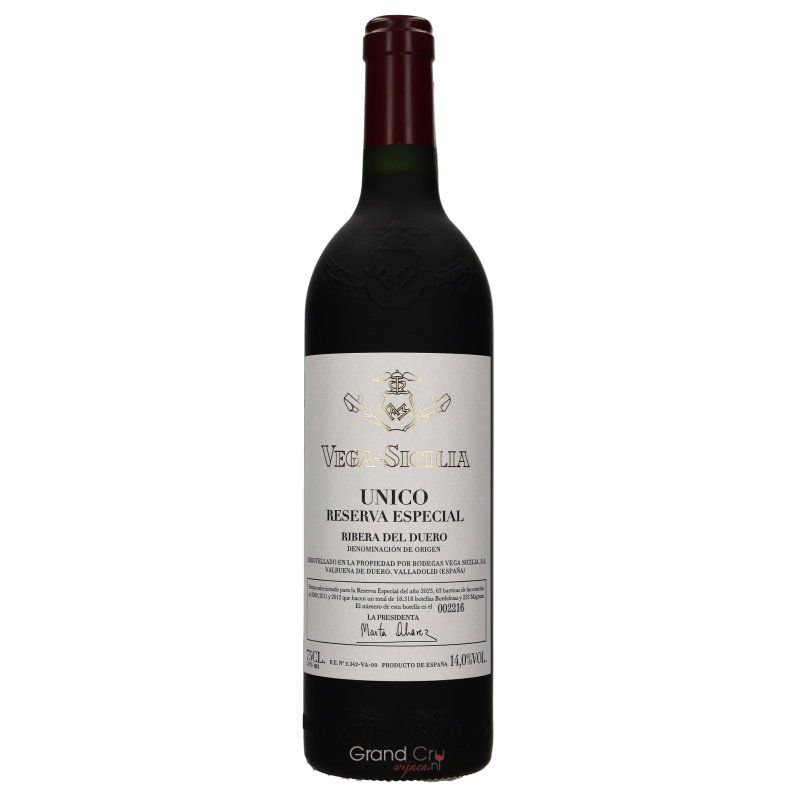
De specificaties zoals vermeld bij de wijn (o.a. wijnjaar) en in de titel zijn leidend en er kunnen geen rechten worden ontleend aan de afbeelding die wordt getoond. Lees meer in onze Frequenty asked questions
| Type of Wine | |
|---|---|
| Country | Spain |
| Region | |
| Appellation | |
| Winery | |
| Vintage | 2025 |
| Grape | , |
| Content (Alc) | Standard (0.75 ltr) (14%) |
| Drink window | 2025 - 2045 |
Ordering in bulk? Log in to request a quote
Low Stock
Only 4 left
Notities
Foto
Proefnotities
Heb je deze wijn geproefd?
Bewaar je beoordeling en aantekeningen.
Bewaar je beoordeling en aantekeningen.
Heb je deze wijn geproefd?
Log in om je proefnotitie op te slaan.
Log in om je proefnotitie op te slaan.
Log inHoe wil je je wijn beoordelen?
Max 5 MB. JPG, PNG, WebP.
Hoe smaakt het?
Klik op wat het beste past. Alles is optioneel.
Welke geuren en smaken herken je?
Klik op alles wat je herkent. Dit is optioneel.
Uiterlijk
Neus
Aroma's (neus)
Smaak
Smaken (mond)
Afdronk
Wijngegevens
Automatisch ingevuld vanuit productgegevens.
Persoonlijke gegevens
the legendary house Vega Sicilia
Vega Sicilia has been one of Spain's most iconic wine producers since the 19th century. In Ribera del Duero, the estate works exclusively with its own vineyards, many of which consist of old vines deeply rooted in calcareous clay soils. The combination of a classic aging regime, a focus on precision, and a nearly timeless approach has given the estate's wines a unique style.
The Único Reserva Especial exemplifies this philosophy. It's not a single vintage, but a carefully crafted blend of several great Único vintages. The goal is to achieve the ultimate balance, depth, and elegance that can only be achieved through long aging and perfect blending.
the build-up to the 2025 release
The 2025 Release is a blend of 2011, 2012, and 2013 vintages. According to the official assessment, the 2012 is the core vintage. This vintage is known for its power, structure, and depth. The influence of the 2013 brings tension, freshness, and a balsamic note. The 2011 contributes ripeness, nuance, and roundness. This combination creates a wine in which ripe power, tension, freshness, and complexity are perfectly fused.
Vinous emphasizes that wines with additional barrel aging are also included in the blend. This lends a refined, tertiary depth and added nuance. The total production amounts to 18,518 bottles and 261 magnums.
vinification and long maturation
Vega Sicilia uses a long aging process in a combination of large wooden barrels and barriques. The wines are left to rest for years, with each component maturing separately before being blended. This edition was bottled in May 2021, after the individual wines had already been developing for some time.
This method produces wines with a soft, silky structure and deep aromatic complexity, where power and finesse are in complete harmony.
color, smell and taste of the 2025 release
The wine displays a deep ruby red color with a slight transparency at the rim. The aroma combines multiple layers. The official descriptions mention aromas of cedar, sandalwood, soft spices, menthol, mushrooms, herbs, and ripe fruit. The Suckling rating adds notes of black currant, delicate black fruit, dark chocolate, incense, soft pepper, and a subtle, savory undertone.
The combination of these aromas creates a scent profile that is intense, deep, and remarkably layered. The wine opens with ripe cherry and cassis, followed by balsamic freshness and a subtle smoky note. Menthol and spiciness add tension, while cocoa and spices bring warmth. This complexity gradually builds in the glass.
On the palate, the almost velvety texture is immediately noticeable. The tannins are fully fused, soft, and exceptionally refined, exactly as Suckling described. The Wine Advocate's description emphasizes the silky texture, which is particularly pronounced in this edition. The fruit is compact, yet elegant and refined. Nuances of cherry, cassis, soft spices, mineral tension, and light oak notes alternate.
Vinous describes a chalky touch and subtle notes of caramel and spice. These impressions are clearly reflected in the mid-palate. The wine has a broad, round mouthfeel, yet retains a remarkable freshness thanks to the influence of the 2013 vintage.
The finish is very long, precise, and lingers for over a minute, which is consistent with the Suckling review. The combination of balsamic freshness, soft fruit, spices, subtle chocolate, and a light minerality gives it tremendous purity and length.
reviews
The Wine Advocate – 98 points (Luis Gutiérrez): Complex, elegant, silky, and with a long, salty finish. The 2012 core is perfectly complemented by the freshness of the 2013 and the nuance of the 2011.
Vinous – 98 points (Joaquín Hidalgo): Cedar, sandalwood, spices, menthol, mushrooms, and herbs. Chalky tension, subtle wood, compact layers of fruit, and a long, fresh finish. The sum of the parts delivers exceptional refinement.
James Suckling – 99 points (Zekun Shuai): Blackcurrant, incense, dark chocolate, black pepper, balsamic notes, and extremely soft, fully fused tannins. A finish that lingers for over a minute. Drink on release or age well.
Would you like to order Vega Sicilia wines online?
If available, you'll find the official fact sheet and additional information about this fine wine in the "Attachments" tab. We'll automatically send you these when you order this wine. The wine is stored in our climate-controlled Wine Warehouse, and if you pick it up, you'll often receive a nice discount. You'll see your discount immediately when you select "Pick up" at the checkout page. We're located in Dordrecht, just off the A16 motorway with ample parking. Click here for our address. You can read full wine reviews from publications like Parker, Suckling, Vinous, and Wine Spectator.
Need advice on finding the perfect wine to pair with your dish? Click here for our exclusive Sommelier. Free for Grand Cru customers.
wine and food pairings
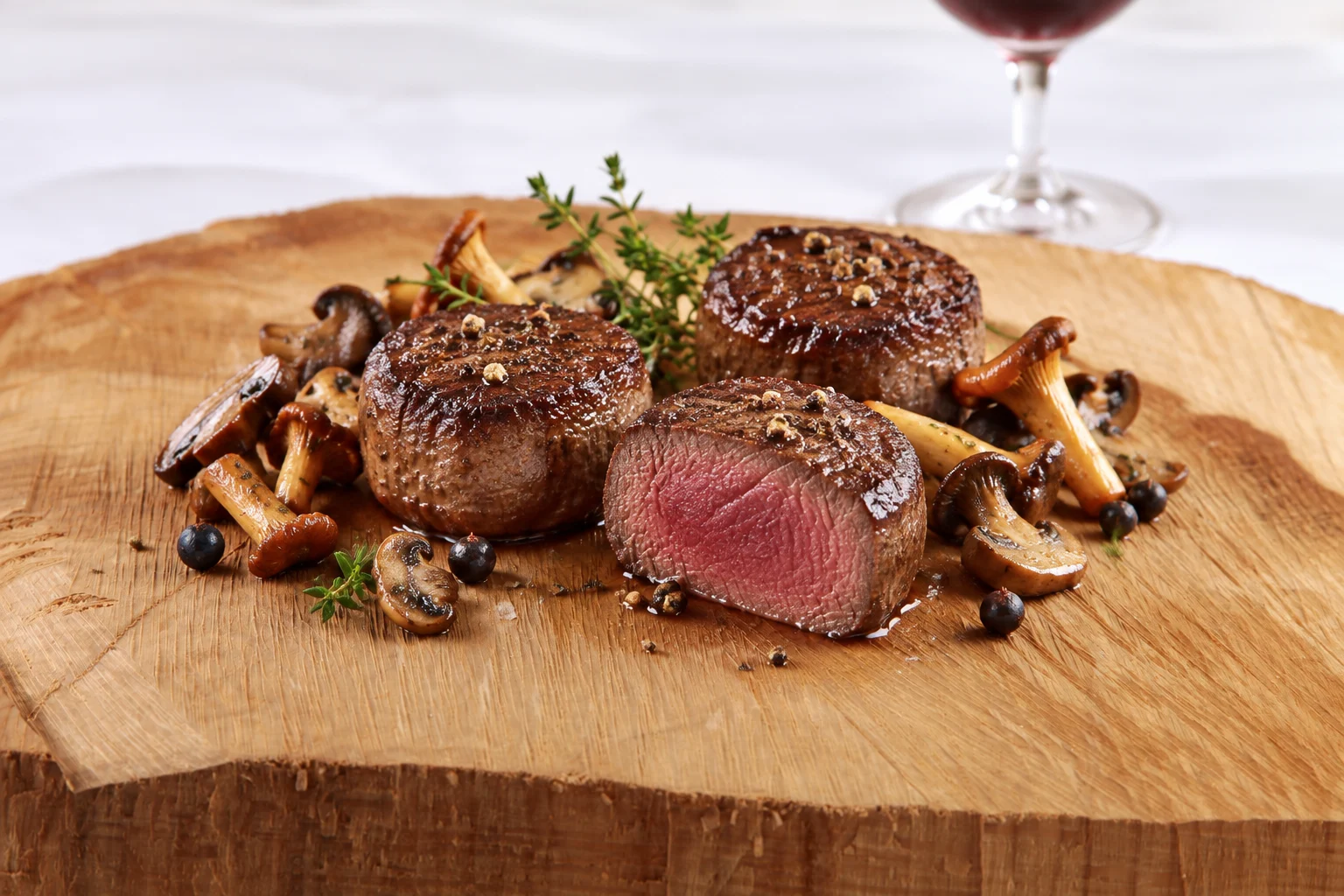
- Tenderloin with red wine jus and black garlic. The powerful structure and velvety tannins complement it beautifully.
- Venison with rosemary and roasted root vegetables. The earthy notes enhance the ripe fruit layers.
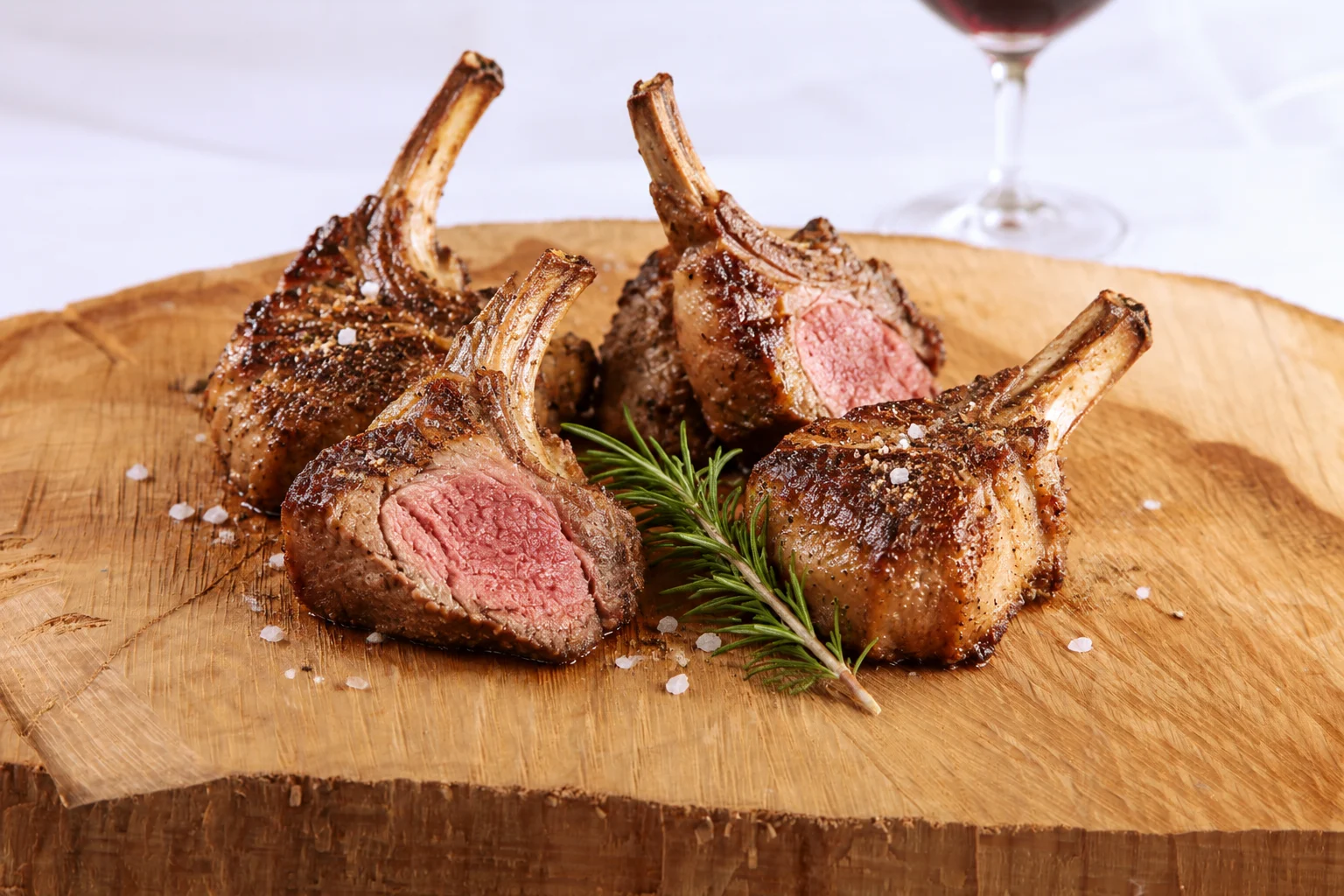
- Rack of lamb with a herb crust. The balsamic freshness of the wine elevates the dish.
- Guinea fowl with truffle and mushrooms. The wine's deep layers complement its earthy character.
- Risotto with truffle and aged cheese. The creamy texture is a perfect match with the chalky tension.
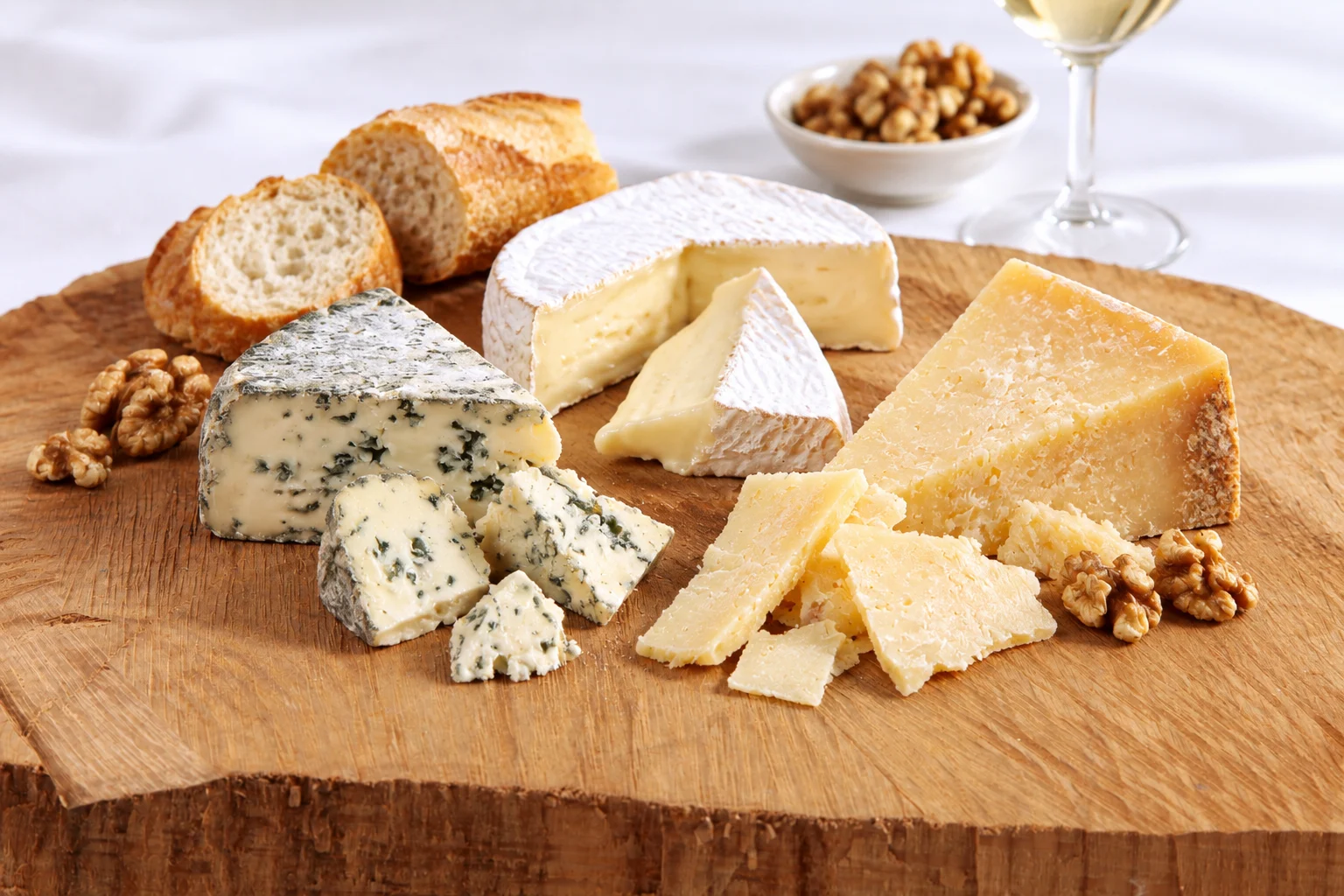
- Aged Manchego or aged Comté. The savory and nutty flavors harmonize with the long, silky finish.
| Type of Wine | Red |
|---|---|
| Country | Spain |
| Region | Castilla y Leon |
| Appellation | Ribera del Duero |
| Icons | Icon Spain & Portugal |
| Winery | Vega Sicilia |
| Grape | Cabernet Sauvignon, Tempranillo |
| Biological certified | No |
| Natural wine | No |
| Vegan | No |
| Vintage | 2025 |
| Drinking as of | 2025 |
| Drinking till | 2045 |
| Alcohol % | 14 |
| Alcohol free/low | No |
| Content | Standard (0.75 ltr) |
| Oak aging | Yes |
| Sparkling | No |
| Dessert wine | No |
| Closure | Cork |
| Parker rating | 98 |
| James Suckling rating | 99 |
| Vinous rating | 98 |
| Tasting Profiles | Aards, Complex, Donker fruit, Droog, Fris, Houtgerijpt, Krachtig, Kruidig, Licht zoet, Mineraal, Rijk, Rood fruit, Tannines, Vol |
| Drink moments | Barbecue, Borrelen, Iets te vieren, Indruk maken, Lekker luxe, Met vrienden, Open haard, Romantisch, Terras |
| Sommy Pairing Beschrijving | Deze Vega Sicilia Único Reserva Especial 2025 opent met lagen van zwarte bes, kers, ceder, sandelhout en subtiele tonen van donkere chocolade, menthol en balsamische kruiden, terwijl de zijdeachtige tannines en minerale spanning voor een lange, precieze afdronk zorgen. Dankzij die combinatie van rijp fruit, verfijnde tannines en frisse balsamische zuren vormt de wijn een perfecte partner bij rundvlees, lams- en wildgerechten, krachtige gevogeltebereidingen en rijpe kazen omdat hij zowel structuur als elegantie levert en vetten en umami moeiteloos snijdt en omarmt. Gerechtbereidingen met geroosterd of langzaam gegaard vlees, jus of reducties op basis van rode wijn, of gerechten met paddenstoelen en truffel die extra aardse tonen toevoegen, brengen de complexiteit en zijdeachtige textuur van deze Único het beste naar voren. |
Parker
The Wine Advocate
RP 98
Reviewed by:
Luis Gutiérrez
Release Price:
$980
Drink Date:
2024 - 2040
The NV Único Reserva Especial 2025 Release was produced with a blend of wines from 2011, 2012 and 2013, with 14% alcohol, a pH of 3.86 and five grams of acidity. It has the core of the 2012 vintage, possibly the higher percentage in the blend too, providing the power and structure to go along with the freshness and tension of 2013, which also contributes some balsamic characteristics, and it has less of the 2011. The wine shows extra complexity and elegance, and it has the Único nose with more nuance and subtleness. But what I like the most is the silky texture and the elegance of the tannins—as usual, they combine more developed characteristics with elegance and freshness. This is another stellar release of their non-vintage classical blend, slowly going back to the style of yesteryear. A total of 18,518 bottles and 261 magnums were produced. It was bottled in May 2021.
I tasted the wines from the Vega Sicilia group earlier on in the year and have included the Duero wines here again for context. At Vega Sicilia, they are increasing their capacity in large oak vats, which are incorporated in the first year of élevage of the wines. 2020 was challenging, with rain just before and during the harvest, and 2015 was a warm and ripe year. The non-vintage blend was produced with wine from 2011, 2012 and 2013 and showed exceptionally well. They produce between 240,000 and 325,000 bottles.
Published: Jun 19, 2025
Lorem ipsum dolor sit amet, consectetur adipiscing elit. Sed do eiusmod tempor incididunt ut labore et dolore magna aliqua...
James Suckling
Score
99
Avg Price (ex-tax)
$ 614
Vega Sicilia Ribera del Duero Reserva Especial Unico
Thursday, Aug 15, 2024
Color
Red
Country
Spain
Region
Castilla y León
Vintage
non-vintage
Download Shelftalker
This is Vega Sicilia's 2025 release. A mix of three vintages: 2011, 2012 and 2013. Blackberries, ashtray, incense, fine spices, dark chocolate and touches of black pepper and balsamic. Almost something bloody, but the highlight is really the sheer, velvety sheet of sweet, fully melted tannins, which are ultra-polished and refined. The long finish goes on well over a minute. Drink on release or hold.
Zekun Shuai
Senior Editor
Lorem ipsum dolor sit amet, consectetur adipiscing elit. Sed do eiusmod tempor incididunt ut labore et dolore magna aliqua...
Vinous
98
Drinking Window
2025 - 2040
From: Duero: From Ribera to Toro via Rueda (And a Few Other Detours) (Jun 2025)
The NV Vega Sicilia Unico Reserva Especial blends the 2011, 2012 and 2013 vintages. Additional barrel-aged wines are incorporated, furthering its development. Aromas of cedar, sandalwood, soft spice, menthol, mushrooms and herbs define the bouquet. The palate offers a chalky touch, compact fruit, subtle oak, caramel, cherry and delicate cassis. Fresh, elegant and long. This is a wine where the sum of its parts delivers exceptional refinement.
- By Joaquín Hidalgo on June 2025
At the extremely classical end of elegant Ribera del Duero, Vega Sicilia produces archetypal, long-aged wines in which careful work with oak yields reds of remarkable precision. Using estate grapes from old vines planted in margas—calcareous clay—the oenological team led by Gonzalo Iturriaga focuses on taming Ribera’s character and bringing out its most refined aspects. Vega Sicilia’s legendary Único has defined its own style within the Ribera context. It would be nearly impossible to fully understand the region’s reds without tasting multiple vintages of Único and experiencing the tertiary character that comes from six years in barrel and at least four more in bottle before release. Vega Sicilia’s Toro wine, Pintia, brings the house’s signature balance to D.O. Toro. Pintia is done in an intense, fruit-driven style with refined tannins, which is a characteristic not always found in the region.
Lorem ipsum dolor sit amet, consectetur adipiscing elit. Sed do eiusmod tempor incididunt ut labore et dolore magna aliqua...
Exclusive Content
Sign in to unlock professional wine reviews from world-renowned critics
The history of Vega Sicilia dates back to 1864 with an unprecedented revolutionary step for the time. In that year, Eloy Lecanda founded the winery and imported 18,000 cuttings of cabernet sauvignon, malbec, merlot and pinot noir from Bordeaux. He plants these cuttings on his father's finca, just east of Valladolid. A long education in barrique and wooden foeders follows. Only in 1915 did the domain itself bottle the first Valbuena and Vega Sicilia.
Vega Sicilia establishes its reputation for good in 1929 at the World Exhibition in Barcelona. There, the years 1917 and 1918 receive an award. From that moment on, the company expanded its image to its current, almost legendary dimensions.
In 1982 a new era dawned with the acquisition of the domain by the current owner, the Alvarez family. The new owner immediately starts an extensive program of investments in the vineyards and cellars, without affecting the unique character of Vega. In that year the D.O. Ribera del Duera set. After the successful acquisition of Vega Sicilia, the Alvarez family is considering further expansion. They look for the best terroirs and add a number of famous or promising wine regions to their property in a relatively short time.
This domain, the most famous in Spain, was founded by Eloy Lecanda in 1864. Throughout its history, the domain has belonged to various families, but has always preserved its uniqueness and class. It all started in 1848 when Don Toribio Lecanda, a Basque, helped Marqués de Valbuena out of financial difficulties by buying a 2000 ha property. When Don Eloy Lecanda inherited this domain from his father on July 22, 1859, he decided to do something with it. In 1864 he goes to Bordeaux and buys 18,000 vines: Cabernet Sauvignon, Carmenère, Malbec, Merlot and Pinot Noir. When he planted it on his Finca Vega Sicilia, it was an act of infatuation for many. After all, the domain mainly lived from cattle breeding, orchards and the sale and production of ceramics.
When the Lecanda family also got into financial difficulties, a new lender made its appearance: the Herrero family. 15 years later, Antonio Herrero Velázquez acquired the entire domain. In 1905, management of the domain came into the hands of Txomin Garramiola. This Basque actually worked for the Riojabodega Cosme Palacio. Since it was difficult for him to continue to supply wine to his customers in Bilbao due to the phyloxera - Bilbao was at that time the nerve center for Spanish wines, especially those of Rioja - he suggested to the sons of Antonio Herrero, who had been responsible since 1901 goods for the domain, to rent the bodega to him for a term of 10 years. Palacio took Txomin as a confidant, he would make the wine. The style of this wine would be in line with the wine that Cosme Palacio customers were used to, i.e. Rioja style: long aging in wood and bottling when the orders arrived, not before. The domain then listened to the name Bodegas de Lecanda.
When the lease expired in 1915 and the domain was renamed Hijos de Antonio Herrero, the 3 brothers were able to convince Txomin to stay on. After all, it was a matter of prestige that the wine would be made further. From 1915, Txomin was able to make its own wines, which no longer served to compensate for the shortage of Rioja at Cosme Palacio. This meant the birth of Vega Sicilia Unico and Valbuena.
At that time, the Herrero family moved in the highest Spanish circles of aristocracy and industrialists. The bodega was a heavily loss-making activity, but the other revenues from the Finca had to close this gap. It was never his intention to make Vega Sicilia a wine that would be commercialized. After all, the wine was not for sale… and only served as prestige for the Herrero family. The wine could only be bought with friendship and not with money. If someone wanted to buy a bottle without being friends with the Herreros, they asked a price that was out of all proportion at the time. This is how the myth of the most expensive wine in Spain was slowly born.
The wine enjoyed great success throughout Europe in the 1920s. In 1933 Txomin dies and in 1952 the domain is sold to Prodes, a seed factory. However, there was no longer the enthusiasm of the Herrero brothers. Until the arrival of Jesús Anadón, who remained the administrator of the domain until its sale to the current owners.
The sale to the Alvarez family in 1982 was the best thing that could have happened to Vega Sicilia. The family bought Finca Vega Sicilia as an investment - the Eulen family business is mainly engaged in industrial cleaning and security services and is one of Spain's largest groups of companies. They realized that the thread of evolution had to be picked up and have invested in this field ever since. Pablo Alvarez heads the group Vega Sicilia.
Since 1998, Xavier Ausas has been head of the technical staff as an oenologist. Today Vega Sicilia is more alive than ever!
Varieties
The entire domain covers 1000 ha. 250 ha of these are vineyards, divided among Tinto fino (200 ha), Cabernet Sauvignon, Merlot and Malbec. A meticulous system was introduced for viticulture whereby production can never exceed 22 hl/ha (max. 2 kg of grapes per stick). The grapes are never harvested below 13% alcohol. 2200 sticks per ha are planted. The oldest vines are used for the Unico, the others for the Valbuena. The latter also contains more Merlot than Cabernet Sauvignon, while the Unico is just the opposite.
The whole area has a clay-limestone soil, with some mixed zones and part alluvial with sandy soils and boulders (from the domain towards the Duero). The climate is continental with Atlantic influences. Little precipitation (never more than 500 mm). On average 2200 hours of sunshine. The proximity of the Duero ensures that the morning dew has a refreshing effect on the vineyards.
The secret of Vega Sicilia lies in a complex of factors:
- Quality of the soil
- Climate (micro and meso)
- Large percentage of very old sticks
- Very low yield, 8 to 20 hectoliters per hectare, depending on the year
- Very long aging in barrel
- Perfectionism in all aspects
Deze Vega Sicilia Único Reserva Especial 2025 opent met lagen van zwarte bes, kers, ceder, sandelhout en subtiele tonen van donkere chocolade, menthol en balsamische kruiden, terwijl de zijdeachtige tannines en minerale spanning voor een lange, precieze afdronk zorgen. Dankzij die combinatie van rijp fruit, verfijnde tannines en frisse balsamische zuren vormt de wijn een perfecte partner bij rundvlees, lams- en wildgerechten, krachtige gevogeltebereidingen en rijpe kazen omdat hij zowel structuur als elegantie levert en vetten en umami moeiteloos snijdt en omarmt. Gerechtbereidingen met geroosterd of langzaam gegaard vlees, jus of reducties op basis van rode wijn, of gerechten met paddenstoelen en truffel die extra aardse tonen toevoegen, brengen de complexiteit en zijdeachtige textuur van deze Único het beste naar voren.
Choose a category to discover dishes that pair well with this wine.
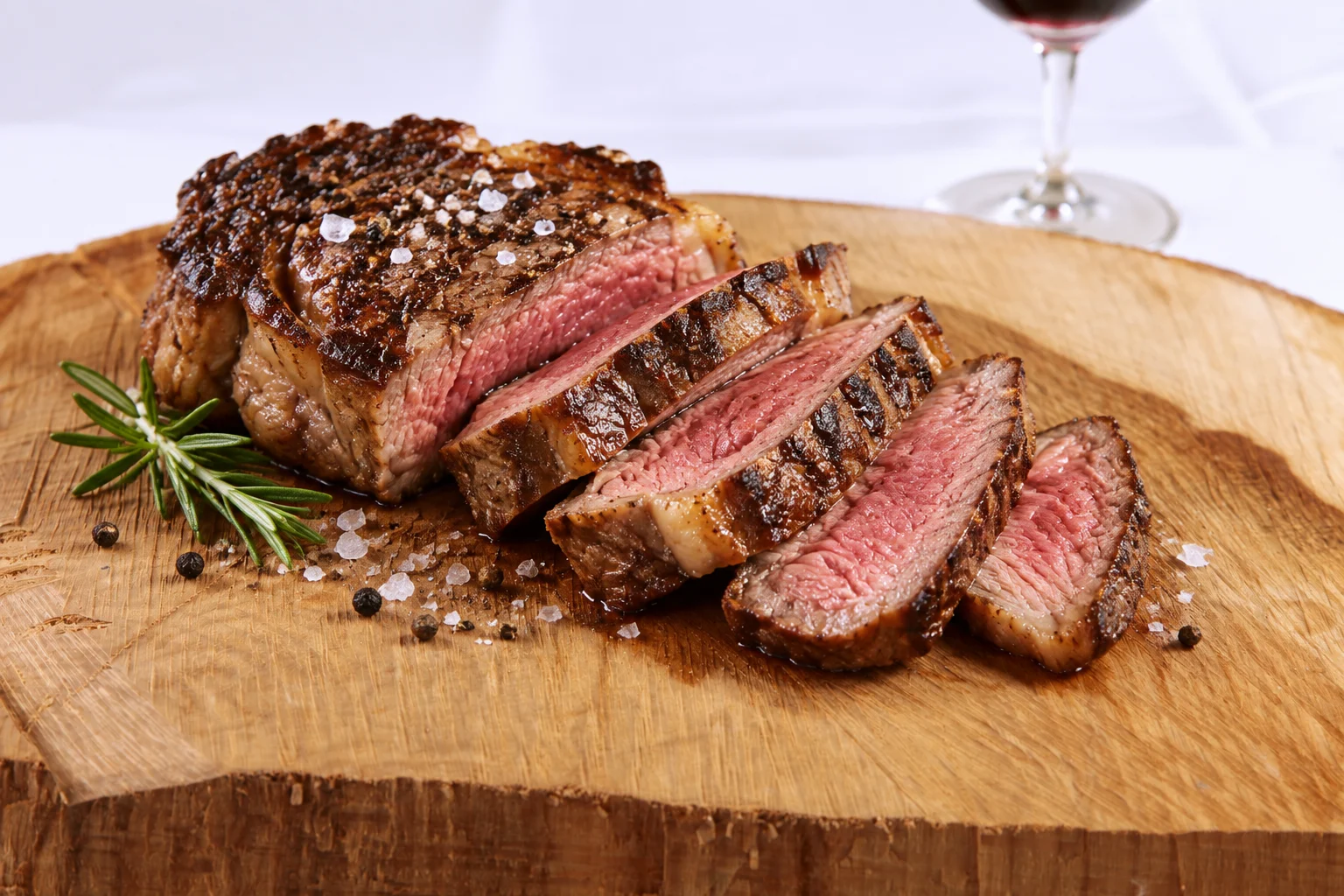
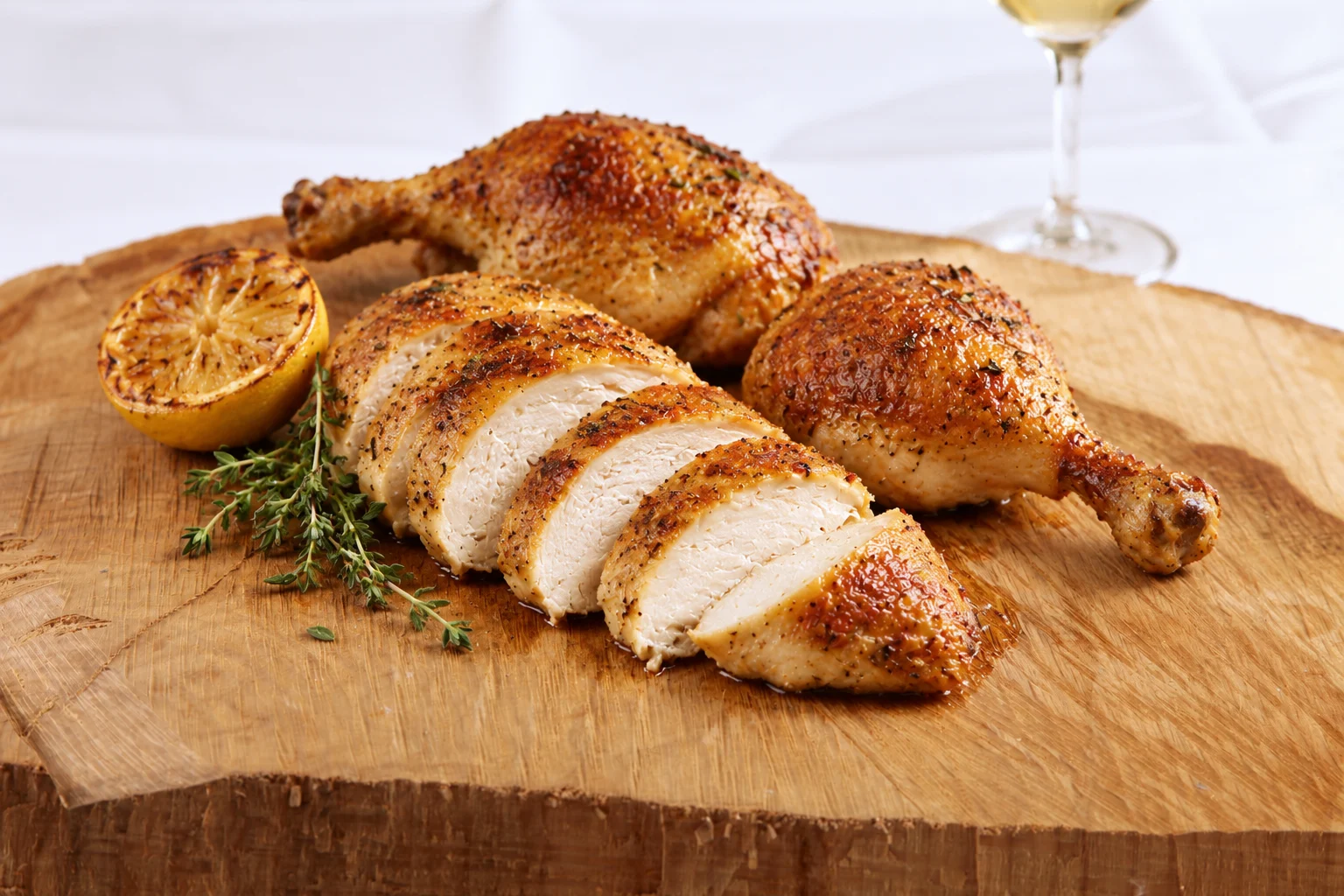
Do you already have a dish in mind?
Let Sommy find wines to pair with your meal.
Discover Wine Trivia
Sign in to unlock fascinating facts about this wine and expand your knowledge.
Sign In