

2025 Château Lascombes Margaux Grand Cru Classé

De specificaties zoals vermeld bij de wijn (o.a. wijnjaar) en in de titel zijn leidend en er kunnen geen rechten worden ontleend aan de afbeelding die wordt getoond. Lees meer in onze Frequenty asked questions
| Type of Wine | |
|---|---|
| Country | France |
| Region | |
| Appellation | |
| Winery | |
| Vintage | 2025 |
| Grape | , , , |
| Content (Alc) | Standard (0.75 ltr) (14%) |
| Drink window | 2030 - 2065 |
| Available as of | Jun 4, 2028 |
Ordering in bulk? Log in to request a quote
Notities
Foto
Proefnotities
Heb je deze wijn geproefd?
Bewaar je beoordeling en aantekeningen.
Bewaar je beoordeling en aantekeningen.
Heb je deze wijn geproefd?
Log in om je proefnotitie op te slaan.
Log in om je proefnotitie op te slaan.
Log inHoe wil je je wijn beoordelen?
Max 5 MB. JPG, PNG, WebP.
Hoe smaakt het?
Klik op wat het beste past. Alles is optioneel.
Welke geuren en smaken herken je?
Klik op alles wat je herkent. Dit is optioneel.
Uiterlijk
Neus
Aroma's (neus)
Smaak
Smaken (mond)
Afdronk
Wijngegevens
Automatisch ingevuld vanuit productgegevens.
Persoonlijke gegevens
EXCLUSIVE OFFER - AVAILABLE SPRING 2028
Château Lascombes 2025 reveals an impressively refined side of Margaux. The wine combines depth and concentration with striking elegance, where ripe fruit, floral finesse, and a precise structure come together. In an early and balanced vintage, Lascombes appears to have produced one of his most complete wines of recent years.
Château Lascombes
Château Lascombes belongs to the historic elite of Margaux and has held the status of Deuxième Grand Cru Classé since 1855. The château has a history dating back to the 17th century and boasts one of the largest and most diverse terroirs within the appellation. Thanks to the combination of deep gravel soils, clay, and limestone, Lascombes manages to create a unique style in which power and refinement come together.
While Margaux is often known for pure elegance and perfume, Lascombes traditionally displays slightly more concentration and depth. Under the recent quality-oriented direction, the emphasis is increasingly on precision, terroir expression, and balance. You can find more information about the château under the Winery tab.
Origin and growing season in Margaux
The 2025 growing season proceeded early and was remarkably homogeneous. A mild winter without extreme weather conditions was followed by a warm, dry spring that ensured rapid and uniform development of the vines. Flowering was homogeneous and indicated relatively limited yields early on, resulting in extra concentration in the grapes.
From June onwards, Margaux faced persistent drought and two heatwaves. Nevertheless, the vines remained remarkably vital thanks to deep water reserves in the soil. At the end of August, rain showers brought back just enough cooling and freshness to keep ripening in balance. According to the château, precisely that moment created a rare combination of fruit expression and “graceful power,” in other words, strength combined with refinement.
Grapes and vinification
The Château Lascombes 2025 blend consists of 60% Cabernet Sauvignon, 35% Merlot, and 5% Cabernet Franc and Petit Verdot, sourced from the château's historic terroirs. Cabernet Sauvignon forms the backbone of the wine, providing structure, length, and classic Margaux finesse, while Merlot ensures roundness and texture.
The harvest took place between September 8 and 25, carried out manually in multiple passes to pick each plot at exactly optimal ripeness. Vinification was deliberately gentle via infusion rather than aggressive extraction. Daily tastings determined the duration of maceration, which varied between twenty and thirty days. For aging, Lascombes opts for a combination of barriques, large wooden barrels, and amphorae, adding extra refinement and precision.
Style and taste profile
Château Lascombes 2025 looks set to become a Margaux in which power and elegance come together exceptionally beautifully. Expect aromas of ripe blackcurrant, cassis, and dark red fruit, complemented by violets, subtle spices, and refined oak notes. The wine displays great aromatic precision without becoming heavy.
On the palate, Lascombe combines concentration with refined texture. The Merlot provides a silky, enveloping core, while Cabernet Sauvignon ensures tension, structure, and length. What seems to make this vintage special is the balance between ripeness and freshness. The tannins are ripe and refined, while the energy is retained. A wine with clear aging potential, but also striking harmony.
A new phase for Lascombes
Château Lascombes' recent direction revolves increasingly around precision and terroir expression. Less emphasis on extraction, more focus on elegance and balance. The 2025 seems to convincingly underscore this development. Thanks to limited yields of around 25 hl/ha, small berries, and meticulous plot selection, this vintage displays everything that makes great Margaux so appealing: refinement, tension, and depth in a single glass.
| Available as of | Jun 4, 2028 |
|---|---|
| Type of Wine | Red |
| Country | France |
| Region | Bordeaux |
| Appellation | Margaux |
| Winery | Chateau Lascombes |
| Grape | Cabernet Franc, Cabernet Sauvignon, Merlot, Petit Verdot |
| Biological certified | No |
| Natural wine | No |
| Vegan | No |
| Vintage | 2025 |
| Drinking as of | 2030 |
| Drinking till | 2065 |
| Alcohol % | 14 |
| Alcohol free/low | No |
| Content | Standard (0.75 ltr) |
| Oak aging | Yes |
| Sparkling | No |
| Dessert wine | No |
| Closure | Cork |
| Promotion | On Sale |
| Parker rating | 94 |
| James Suckling rating | 97 |
| Vinous rating | 97 |
| Tasting Profiles | Aards, Complex, Donker fruit, Droog, Houtgerijpt, Krachtig, Rijk, Strak, Tannines |
| Drink moments | Barbecue, Borrelen, Cadeau!, Iets te vieren, Indruk maken, Lekker luxe, Met vrienden, Open haard, Romantisch, Summer party, Terras |
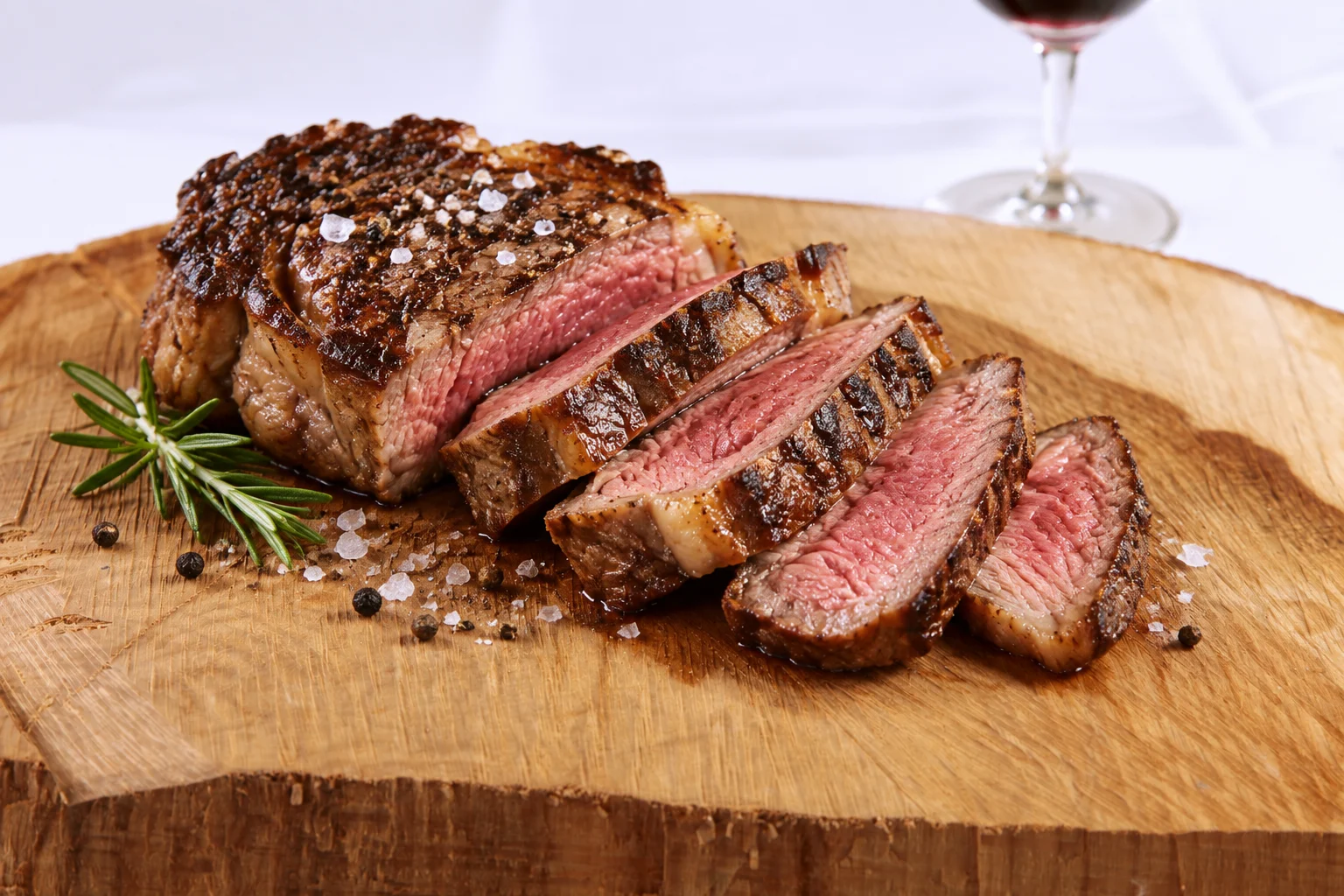
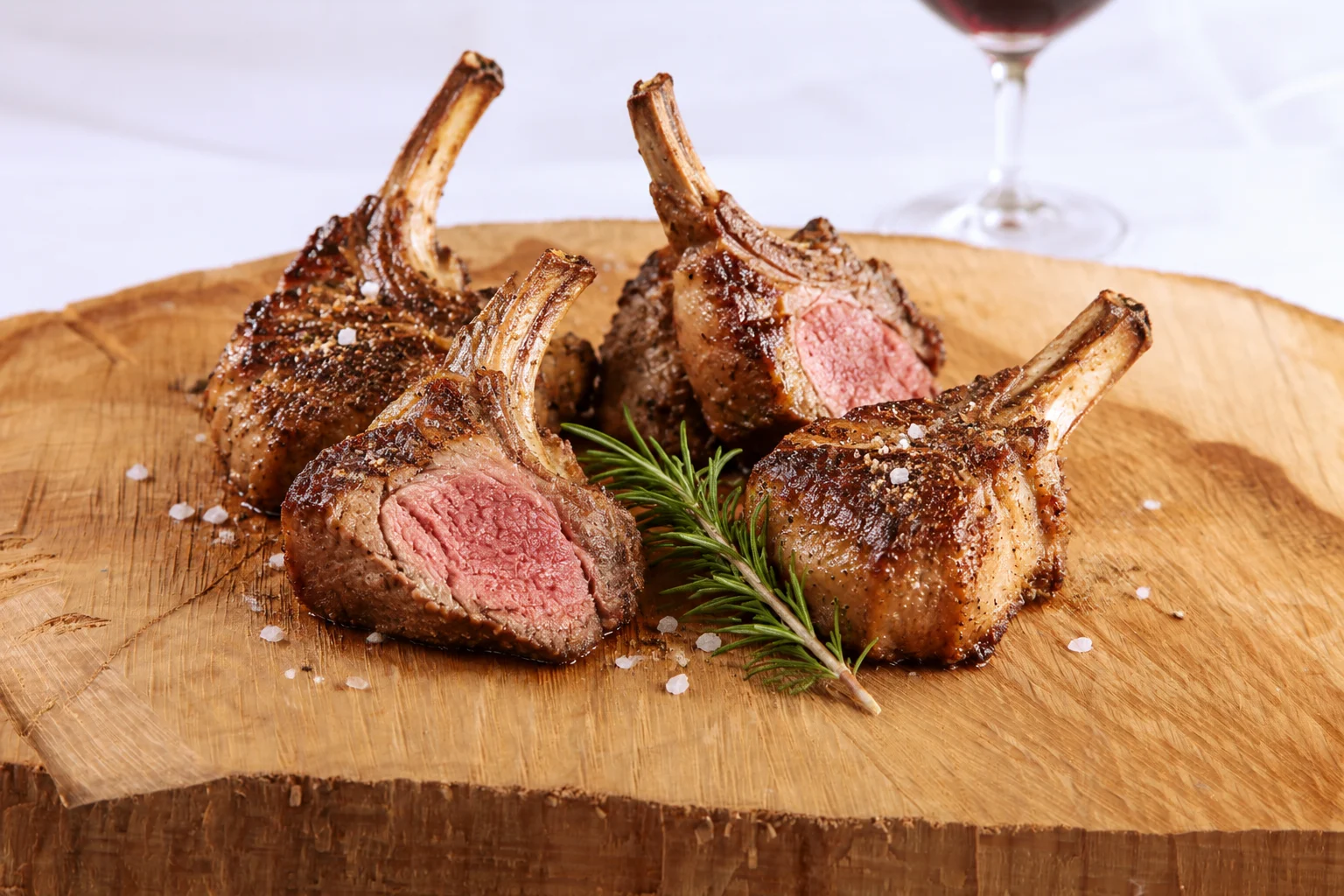
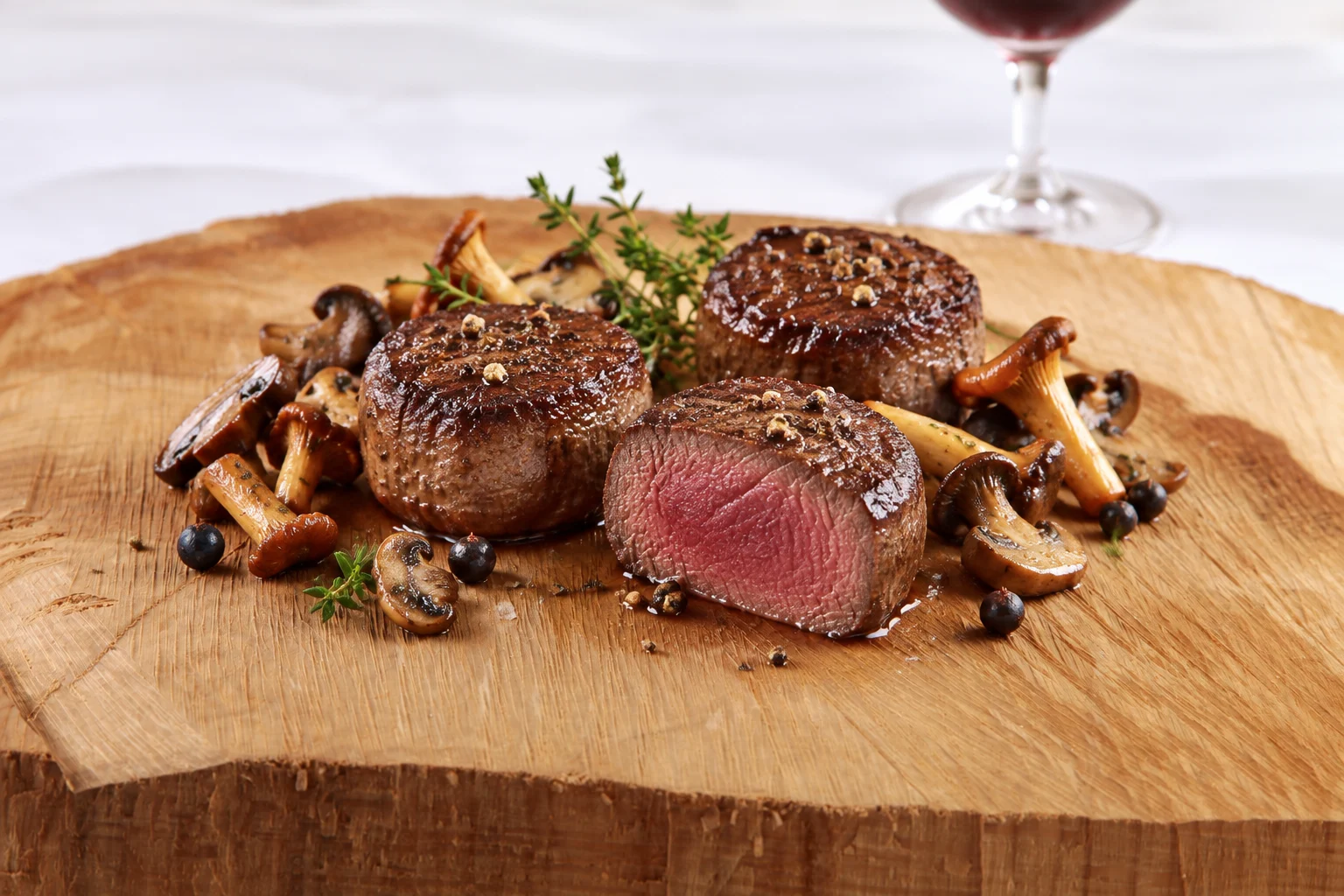
| Sommy Pairing Beschrijving | Diep granaatpaarse en weelderige Lascombes 2022 toont inktachtig donker fruit met tonen van kruidnagel en chocolade en een duidelijke laag van Frans eiken, gebalanceerd door zachte contouren dankzij de dominante Cabernet Sauvignon met Merlot-smooring. Deze krachtige, tanninerijke en geurige stijl past uitstekend bij rundvlees, lam, wild en rijpe kazen omdat de structuur het vet en de rijke smaken snijdt en de eik en kruidigheid mooi harmoniëren met geroosterde en gekruide bereidingen. Kies voor een peperkorstbiefstuk of gegrilde entrecote, langzaam gegaarde lamsbout of gestoofde schouder en bij wild bijvoorbeeld een rosé gebakken hertenbiefstuk met jeneverbessen, en serveer bij voorkeur ook rijpe harde kazen zoals oude cheddar of Comté voor maximale samenhang. |
Parker
RP (92-94) A blend of 60% Cabernet Sauvignon, 35% Merlot and 5% Cabernet France and Petit Verdot, the 2025 Lascombes unwinds in the glass with notes of inky berries, pencil shavings and a subtle hint of violet. Medium- to full-bodied, dense and concentrated, with a layered, muscular profile and ripe tannins that assert themselves on the finish, its broad shoulders are derived from low yields (25 hectoliters per hectare) rather than extraction, as Heinz and his team capped fermentation temperatures at 25 degrees Celsius and handled the wines gently after alcoholic fermentation was complete.
Reviewed by: William Kelley
Published: Apr 30, 2026
Lorem ipsum dolor sit amet, consectetur adipiscing elit. Sed do eiusmod tempor incididunt ut labore et dolore magna aliqua...
James Suckling
(96-97) Extremely sophisticated and refined, with fine tannins and a long finish. Medium-bodied, polished and pretty. Currant, blackberry and cherry undertones. Seriously crafted. One of the best ever.
Château Lascombes Margaux 2025
Tuesday, Apr 21, 2026
James Suckling - Senior Editor
Lorem ipsum dolor sit amet, consectetur adipiscing elit. Sed do eiusmod tempor incididunt ut labore et dolore magna aliqua...
Vinous
(95-97+) The 2025 Lascombes marks another hugely important step forward for this reborn château. Silky yet quite powerful, the 2025 is seamless in the glass. Dark Cabernet Sauvignon fruit opens first, followed by hints of graphite, new leather, incense, tobacco and scorched earth. The long, sculpted finish is dramatic in its beauty, shaped by clean mineral notes and refined, persistent tannins. This is truly impressive, and Axel Heinz's best Lascombes yet. Tasted three times.
Drinking Window: 2035 - 2065
- By Antonio Galloni on April 2026
(93-95) The 2025 Lascombes was cropped at 25 hl/ha between 8 and 25 September. This has a focused and quite opulent bouquet, but everything is very well controlled, as if there is a tight leash on the aromatics of black plum, iodine and violets. The palate is medium-bodied with slightly chalky tannins on the entry that counter the density of black fruit. Really impressive minéralité in this Margaux with a pleasing strictness towards the almost Pauillac-like finish. This certainly bears the signature of winemaker Axel Heinz, much more precise and tensile compared with vintages a decade ago.
Drinking Window: 2032 - 2055
- By Neal Martin on May 2026
Axel Heinz and his team have completely overhauled the style of Lascombes since he joined the Margaux estate as CEO in 2023. “The vintage is defined by the dramatic shift towards cooler conditions in early September that changed it from a more extreme 2022 to something more classic and refined. The rain came too late to modify the potential yield, which is lower than in 2024,” remarked Heinz. “We were able to sacrifice some phenolic ripeness and pick based on aromatic ripeness. The grapes had a high level of freshness and good concentration due to their small size. You had to be careful during vinification and stop at the right time. The Cabernets are quite structured, so we had to civilise the tannins and include a little less in the blend.”
Lorem ipsum dolor sit amet, consectetur adipiscing elit. Sed do eiusmod tempor incididunt ut labore et dolore magna aliqua...
Exclusive Content
Sign in to unlock professional wine reviews from world-renowned critics
History
The oldest known owner of Lascombes is the knight Antoine de Lascombes, who was born in 1625. In the 17th century, the domain was united with that of the Counts of Dufort. In the 18th century, Jean-François de Lascombes made quality improvements. After the Château passed into various hands, a certain Miss Hue became the owner. He sold it to the lawyer Chaix dEst Ange in 1867, who had the current building erected. Legendary Alexis Lichine bought Château Lascombes in 1952. He completely restructured the vineyard and winery, putting Lascombes back on the map. Later Lichine sold the Château to the British brewery Bass-
Charrington. The international investment company Colony Capital has been the owner since 2001 (including Hilton, Raffles, Accor and Carrefour). A fresh breeze is blowing and all sails have been added to restore the quality of the second cru. The new Lascombes team is led by general manager Dominique Befve (ex Lafite, Duhart-Milon and LEvangile) and Michel Rolland is an advisory oenologist.
Vineyard
The Château Lascombes vineyard has an area of 84 hectares and is planted with 35 year old vines of the Merlot (50%), Cabernet Sauvignon (45%) and Petit Verdot (5%) varieties. The soil is very different in composition, with three main types:
Lime clay and pebble sand for the merlot;
Silica and sand for the Cabernet Sauvignon;
Sandy soil for the petit verdot.
The vineyard was also overhauled from 2001. An individual soil study was made of each plot, which led to a restructuring of the plantings. Now the right grape varieties with the best lower stems are on the most suitable top and bottom soil. For example, 12 hectares were grubbed with cabernet sauvignon and replaced by merlot. This does mean that merlot has a more important share in the blend and that Lascombes distinguishes itself within the AOC Margaux. Leaf management gets all the attention. From the 2009 vintage, leaves were removed on the east side of the vines in June and July and on the west side at the end of August, while a green harvest took place at the end of June. The yield was reduced considerably: only 22 hl / ha in 2002, 36 hl / ha in 2003, 44 hl / ha in 2004, 40 hl / ha in 2005 and 36 hl / ha in 2006. The second wine is called Chevalier de Lascombes (formerly Château Ségonne). There is also a small amount of 3rd wine called Haut Médoc de Lascombes.
Harvest and vinification
During the harvest, a hundred pickers are deployed, who deposit the grapes in crates of 10 kilos. The equipment of the winery has been completely modernized with a four-story cuvier, which eliminates the need to pump. Before and after distortion, the grapes are selected by 30 people on perforated vibrating tables. No sulfur is put on the grapes. The selected grapes go in stainless steel trays on a conveyor belt to the 2nd floor, where they are crushed and cold soaked at 6-8 ° C for 7-10 days to extract color, fruit and aromatic complexity. Dry ice (carbon dioxide snow) is added for this. Then alcoholic fermentation at 28 ° C follows at 8 for a month
wooden, 24 stainless steel and some concrete tanks. In addition, the pump is pumped gently daily. The temperature during the soaking is 30 ° C. Microbullage is not done.
Cellar
We enter the spectacular first-year basement, which is shrouded in fluorescent blue halogen light. Malolactic fermentation takes place here at 21 ° C on French barriques, 80% of which are new every year. During the 4-month education on the fine lie, the lie is kept floating by rotating the barrels using the Oxoline system, which also prevents oxidation of the wine. Then the wine is crossed for the first time and then blended, all with gravity. The wine from 2009 is still in the underground second-year cellar. After bottling, the wine matures for another 6 months in the bottle, before going to trade. On balance, the wine is in cask for 18-20 months, crossing it every 3 months using compressed air, again to avoid pumping. At the end of the tour, we enter the treasure room, where large sizes of bottles from years gone by are located. The oldest is from 1881.
Diep granaatpaarse en weelderige Lascombes 2022 toont inktachtig donker fruit met tonen van kruidnagel en chocolade en een duidelijke laag van Frans eiken, gebalanceerd door zachte contouren dankzij de dominante Cabernet Sauvignon met Merlot-smooring. Deze krachtige, tanninerijke en geurige stijl past uitstekend bij rundvlees, lam, wild en rijpe kazen omdat de structuur het vet en de rijke smaken snijdt en de eik en kruidigheid mooi harmoniëren met geroosterde en gekruide bereidingen. Kies voor een peperkorstbiefstuk of gegrilde entrecote, langzaam gegaarde lamsbout of gestoofde schouder en bij wild bijvoorbeeld een rosé gebakken hertenbiefstuk met jeneverbessen, en serveer bij voorkeur ook rijpe harde kazen zoals oude cheddar of Comté voor maximale samenhang.
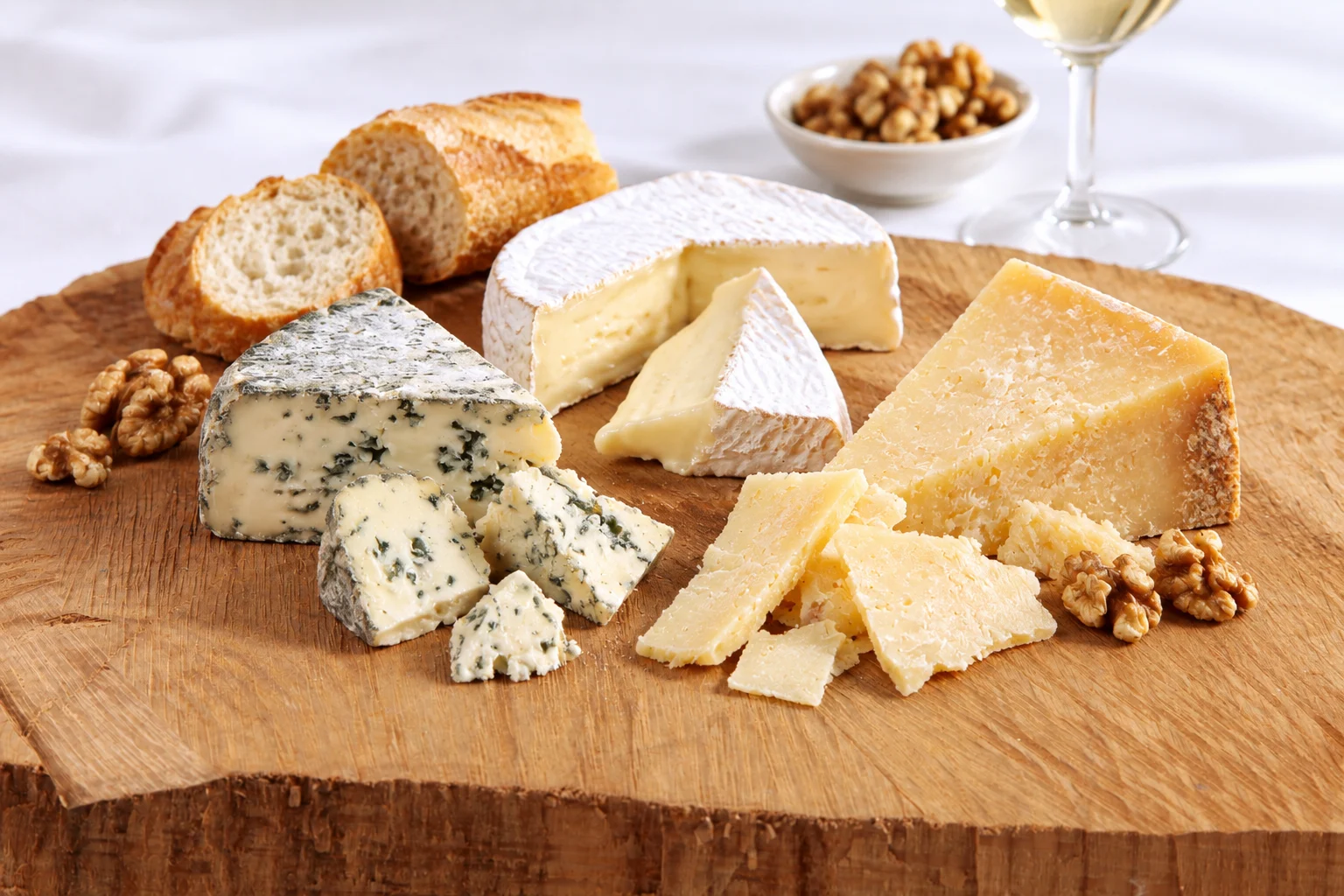
Choose a category to discover dishes that pair well with this wine.
Do you already have a dish in mind?
Let Sommy find wines to pair with your meal.
Discover Wine Trivia
Sign in to unlock fascinating facts about this wine and expand your knowledge.
Sign In