

2023 Château d'Armailhac Pauillac
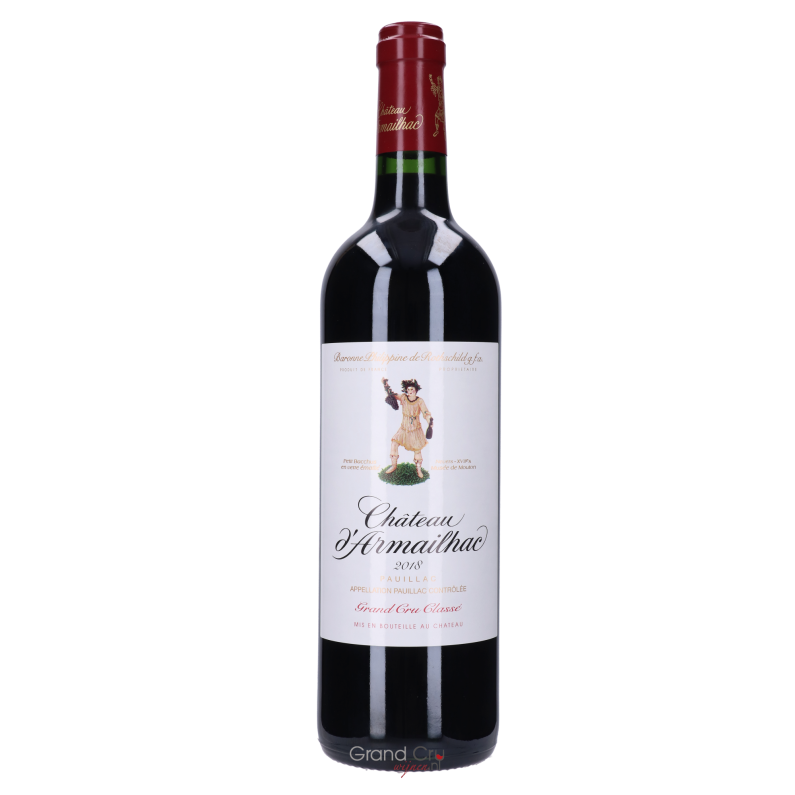
De specificaties zoals vermeld bij de wijn (o.a. wijnjaar) en in de titel zijn leidend en er kunnen geen rechten worden ontleend aan de afbeelding die wordt getoond. Lees meer in onze Frequenty asked questions
How does this wine taste?
How full and heavy the wine feels in your mouth, like the difference between skimmed milk and cream. More alcohol, sugar and oak ageing make a wine fuller.
The drying, grippy feel on your gums and tongue, as with strong tea. It comes from the skins and seeds of black grapes and from oak, and softens with age.
How much sugar you taste, from dry to sweet. Fruity is not the same as sweet: a dry wine can taste of ripe fruit.
How fresh and juicy the wine is: acidity makes your mouth water. High acidity tastes lively and refreshing, low acidity soft and round.
What we taste What you taste Click a taste for what it means
The bars follow how sommeliers taste (WSET): body, tannin, sweetness and acidity, each from low to high.
Body: powerful. Fuller than most red wines from ; 14.5% alcohol.
Tannin: firm. Aged in oak.
Sweetness: dry. Red wine from is almost always dry.
Acidity: medium. The temperate climate of Médoc.
Nothing noted for this wine yet. What do you smell, and how long does the taste linger?
Have you tasted this wine?
Save your rating and notes.
Save your rating and notes.
Have you tasted this wine?
Log in to save your tasting note.
Log in to save your tasting note.
Log inChâteau d'Armailhac belongs to Château Mouton Rothschild, and the same team handles the vinification there, led by Mr. Philippe Dhalluin. The high-quality terroir consists of 80% stony hills (similar to its neighbors Château Mouton Rothschild and Château Pontet Canet). The parent company is committed to maintaining the highest possible quality. In recent years, the wine has developed a beautiful constitution and excellent volume.
This beautiful 2023 Château d'Armailhac Pauillac (Grand Cru Classé) is a blend of 70% Cabernet Sauvignon, 15% Merlot, 13% Cabernet Franc, and 2% Petit Verdot. The 2023 d'Armailhac is a dark and intense red wine with a crimson hue, releasing aromas of red fruit accompanied by light and subtle floral notes, as well as delicate hints of candy, harmoniously blending with black cherry. Soft and precise, it displays refined, elegant tannins along with freshness and beautiful balance. This impression lingers, accompanied by pleasant notes of spice and pepper, followed by ripe fruit aromas that linger on the finish.
Ratings: 94 Jane Anson, 94 Markus del Monego, 93-95 The Wine Independent (L. Perrotti-Brown), 93-94 James Suckling, 93-94 Alexandre Ma, 93 Falstaff Magazine, 93 Jean-Marc Quarin, 92-93 Wine Advocate, 91-93 Vinous (N. Martin), 90-92 Vinous (A. Galloni)
FACT: In the "Attachments" tab, you'll find the official fact sheet for this fine wine. We'll automatically send it to you when you order it. The wine is stored in our climate-controlled Wine Warehouse, and if you pick it up, you'll often receive a nice discount . You'll see your discount immediately when you select "Pick up" at checkout. We're located in Dordrecht, just off the A16 motorway, with ample parking. Click here for our address.
Character
The wine
Origin
Bottle
Wine features
Parker
The Wine Advocate
RP (92-93)
Reviewed by:
William Kelley
Release Price:
NA
Drink Date:
N/A
The 2023 d'Armailhac is an attractive effort, bursting with aromas of cherries, raspberries, licorice and cigar wrapper. Medium to full-bodied, fleshy and succulent, with a pretty core of fruit, sweet powdery tannins and lively acids, it's a blend of 70% Cabernet Sauvignon, 15% Merlot, 13% Cabernet Franc and 2% Petit Verdot—which is a rather high percentage of Cabernet Sauvignon for this address.
Published: Apr 26, 2024
Lorem ipsum dolor sit amet, consectetur adipiscing elit. Sed do eiusmod tempor incididunt ut labore et dolore magna aliqua...
James Suckling
CHÂTEAU D'ARMAILHAC PAUILLAC 2023
Monday, April 22, 2024
CountryFrance
RegionBordeaux
Vintage2023
CHECK PRICE
DOWNLOAD SHELFTALKER
Score
93-94
There’s a powdery and open texture to this red. Full-bodied and layered with a pretty and weightless texture. Blackcurrants and blueberries and an orange-peel undertone. Velvety texture at the end. 70% cabernet sauvignon, 15% merlot, 13% cabernet franc and 2% petit verdot.
Lorem ipsum dolor sit amet, consectetur adipiscing elit. Sed do eiusmod tempor incididunt ut labore et dolore magna aliqua...
Vinous
(90-92)
Drinking Window
2028 - 2043
From: Bordeaux at the Crossroads: 2023 En Primeur (April 2024)
The 2023 d’Armailhac is a plump, juicy wine that very much captures the generous side of the year. Succulent red plum, spice, new leather, rose petal and pomegranate are nicely amplified. Armailhac can have a slight edginess in its tannin profile, but today, that is not especially evident. This is a very sexy, almost opulent d'Armailhac, despite having the most Cabernet Sauvignon ever in the blend.
- By Antonio Galloni on April 2024
(91-93)
Drinking Window
2027 - 2042
From: The Dalmatian Vintage: Bordeaux 2023 (Apr 2024)
The 2023 d'Armailhac was picked from September 7 to 30 and aged in 50% new oak. It contains the highest percentage of Cabernet Sauvignon to date. Its tightly wound bouquet demands encouragement from the glass, perhaps just missing the panache that elevated the previous vintage. You could argue that this seems more “serious.” The palate is medium-bodied with grainy tannins and a firm backbone. It’s a little pepperier than previous vintages, closing with a streamlined finish. Give this two or three years in bottle.
- By Neal Martin on April 2024
Lorem ipsum dolor sit amet, consectetur adipiscing elit. Sed do eiusmod tempor incididunt ut labore et dolore magna aliqua...
94/100
"High Cabernet, as is the story of the vintage on the Left Bank. A wine that also continues the new story of Armailhac following serious investment in vineyards and cellar, and technical director Lucie Lauilhé. Bright and vivid from the first moment, layered cassis, crushed mint, liqourice root, crushed rocks, an excellently precise, structed and textured Armailhac. Love it. Harvest September 7 to 30. 80ha in production, 50% new oak barrels for ageing." – Jane Anson
Lorem ipsum dolor sit amet, consectetur adipiscing elit. Sed do eiusmod tempor incididunt ut labore et dolore magna aliqua...
Exclusive Content
Sign in to unlock professional wine reviews from world-renowned critics
- Cinquième Grand Cru Classé en 1855
A local register mentions the existence of two brothers, Dominique et Guilhem Armailhacq, who own plots of land in Pauillac. Another register mentions in 1750 a certain Dominique Armailhac, who "planted with vines" the family estate, taking advantage of the "planting frenzy" then sweeping the Médoc. The vines then covered 15 to 16 hectares (37-39 acres). serious professionalization began around 1830 using techniques such as topping up, draining, disinfection of barrels and clarification, the quality of Mouton d'Armailhacq improved considerably, to the extent that its wines sell twice as much as neighboring wines. The "first wine", the only one allowed to bear the name of the Cahteau, is distinguished from the "second wine", which is less rich and for consumption and was sold in local taverns. The Count of Ferrand founded a company, the Société Anonyme du Domaine de Mouton d'Armailhacq. The young baron Philippe de Rothschild becomes a minority shareholder and in 1933 acquires all the shares in exchange for an annuity for the Count of Ferrand. A year later, after his death, Baron Philippe becomes the actual owner of the estate. Mouton d'Armailhacq's portfolio includes Société Vinicole de Pauillac, predecessor of what is now Baron Philippe de Rothschild SA. In 1989, Baroness Philippine decides to return the original identity to Mouton d'Armailhacq, and gives it the name Château d'Armailhac.
A classified growth from 1855 under the name Mouton d'Armailhacq, the vineyard of Château d'Armailhac covers 70 hectares in the northern part of Pauillac. An extension of the Carruades de Mouton plateau, the Plateau des Levantines et de l'Obélisque, which consists of light and very deep gravelly soil, is the favored terroir of Cabernet grapes. The deep gravelly soil of the Plateau de Pibran rests on a clay-limestone base, which gives the wines of Château d'Armailhac their characteristic refinement and elegance. The light gravel bottom of the Croupe de Béhéré is up to three meters deep.
The vineyard is planted with traditional Médoc grape varieties (52% Cabernet Sauvignon, 36% Merlot, 10% Cabernet Franc, 2% Petit Verdot) on rootstocks best suited to the soil (usually Riparia-Gloire). The average age of the vineyard is 46 years, but almost 20% of the total area dates back to 1890. The plantation density is high at 10,000 vines per hectare: Château d'Armailhac preserves the old methods to ensure quality.
The current vineyard cru of 72ha belongs to Ch. Mouton Rothschild and it is the same team that takes care of the vinification under the direction of Mr Philippe Dhalluin. The very high-quality terroir consists of 80% of a ridge rich in stone (just like the neighbors Ch. Mouton Rothschild and Ch. Pontet Canet). After all, the mother house does everything it can to keep the quality as high as possible. The wine has had a very nice constitution and very nice volume in recent years. The price remains affordable, especially compared to Mouton
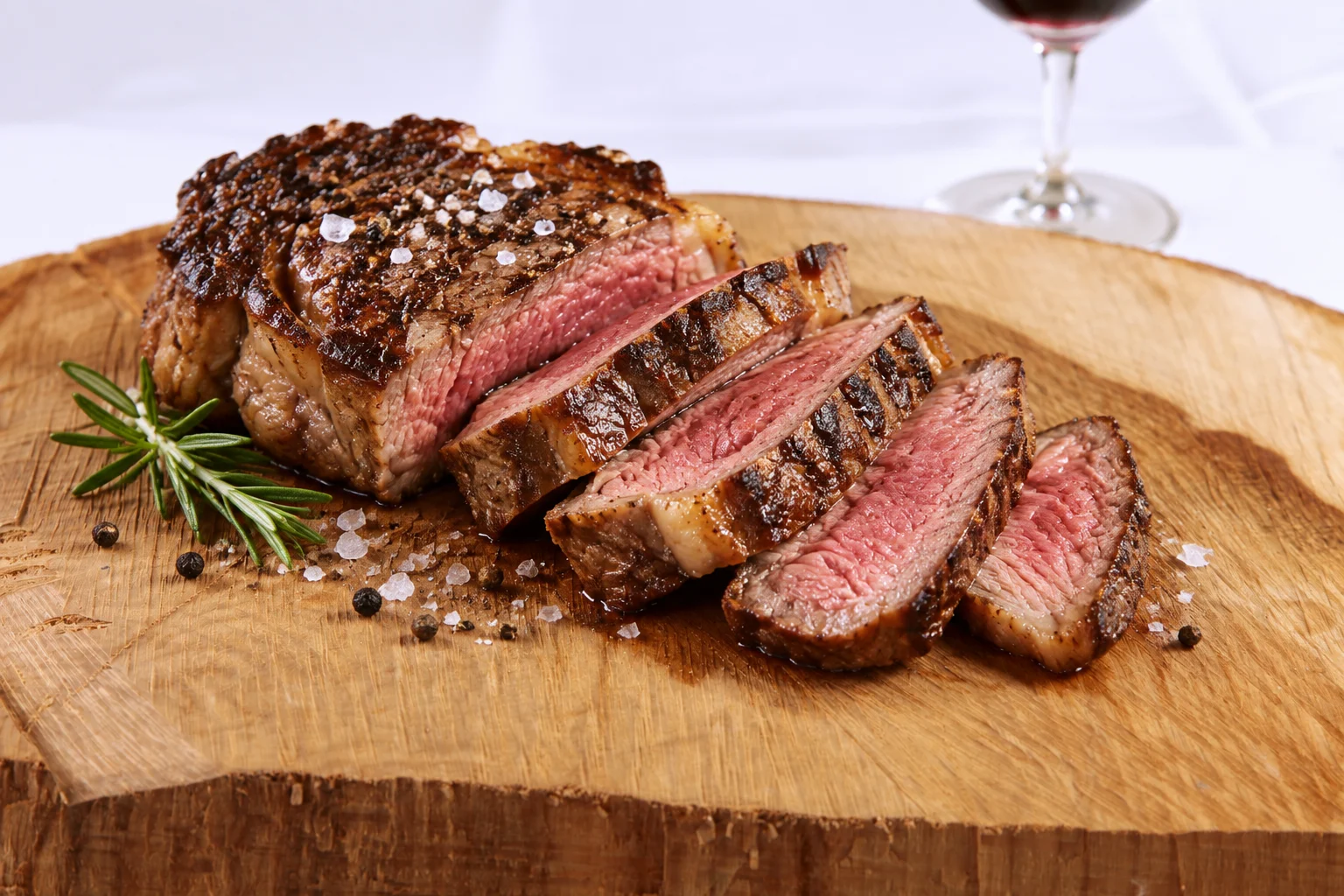
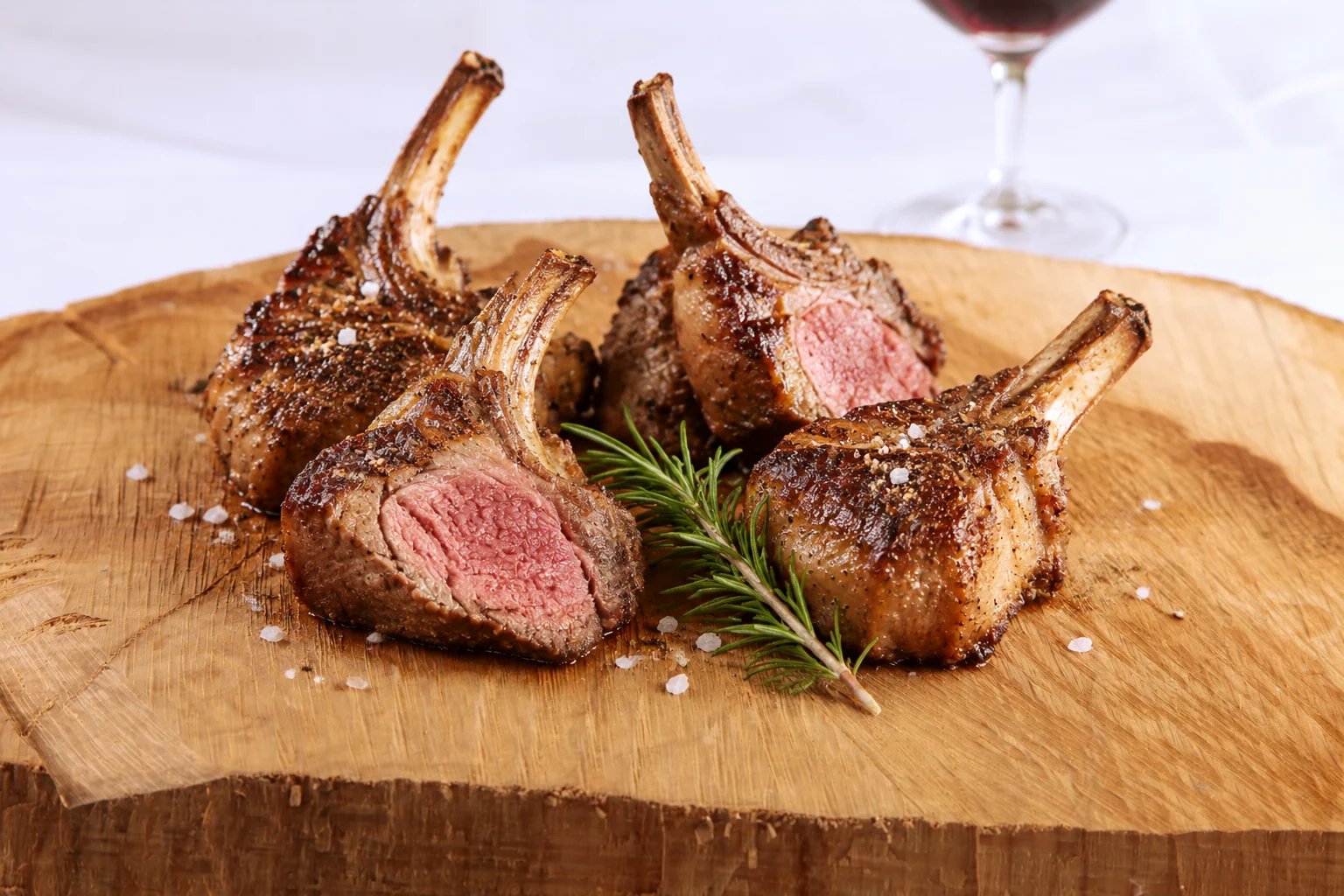
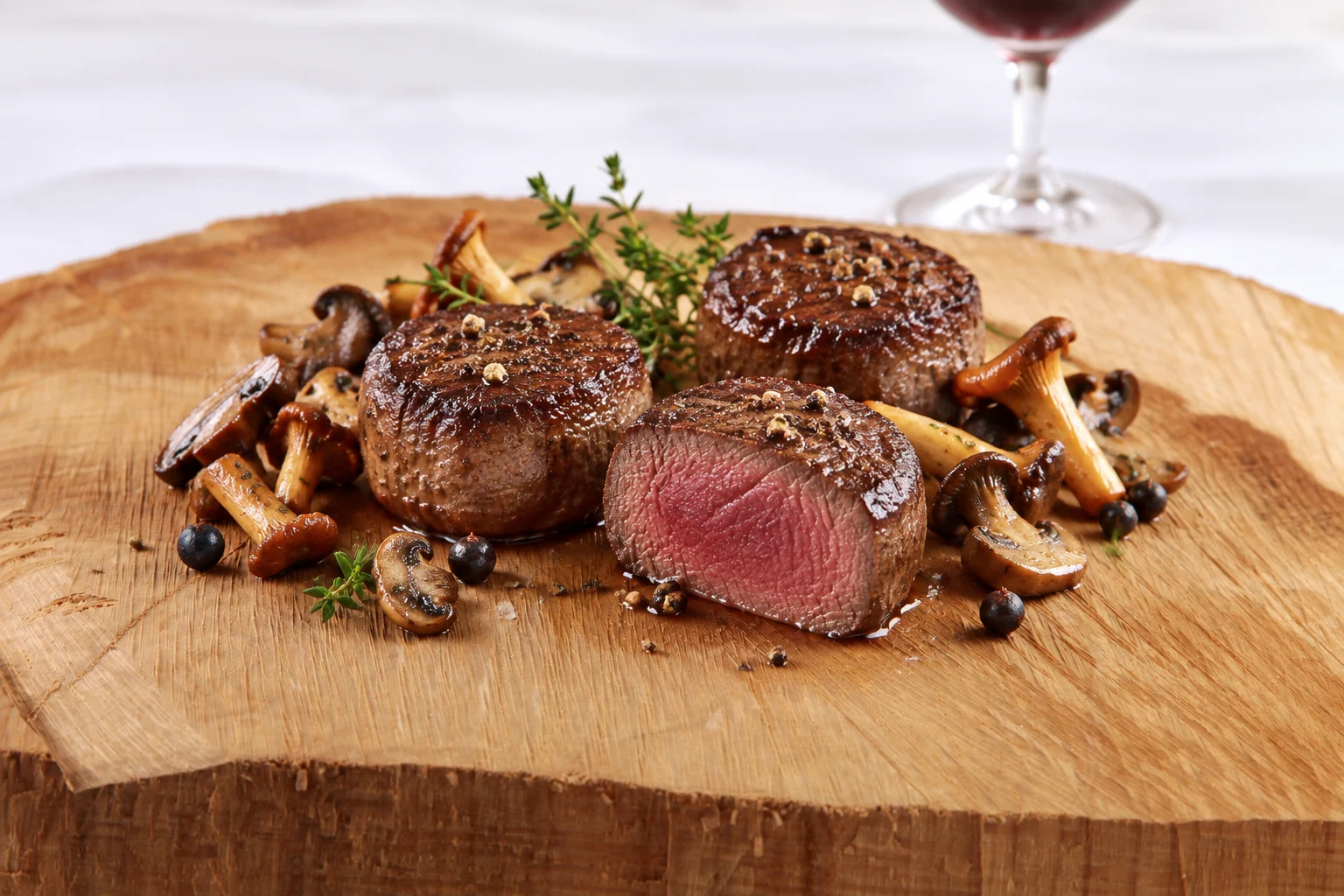
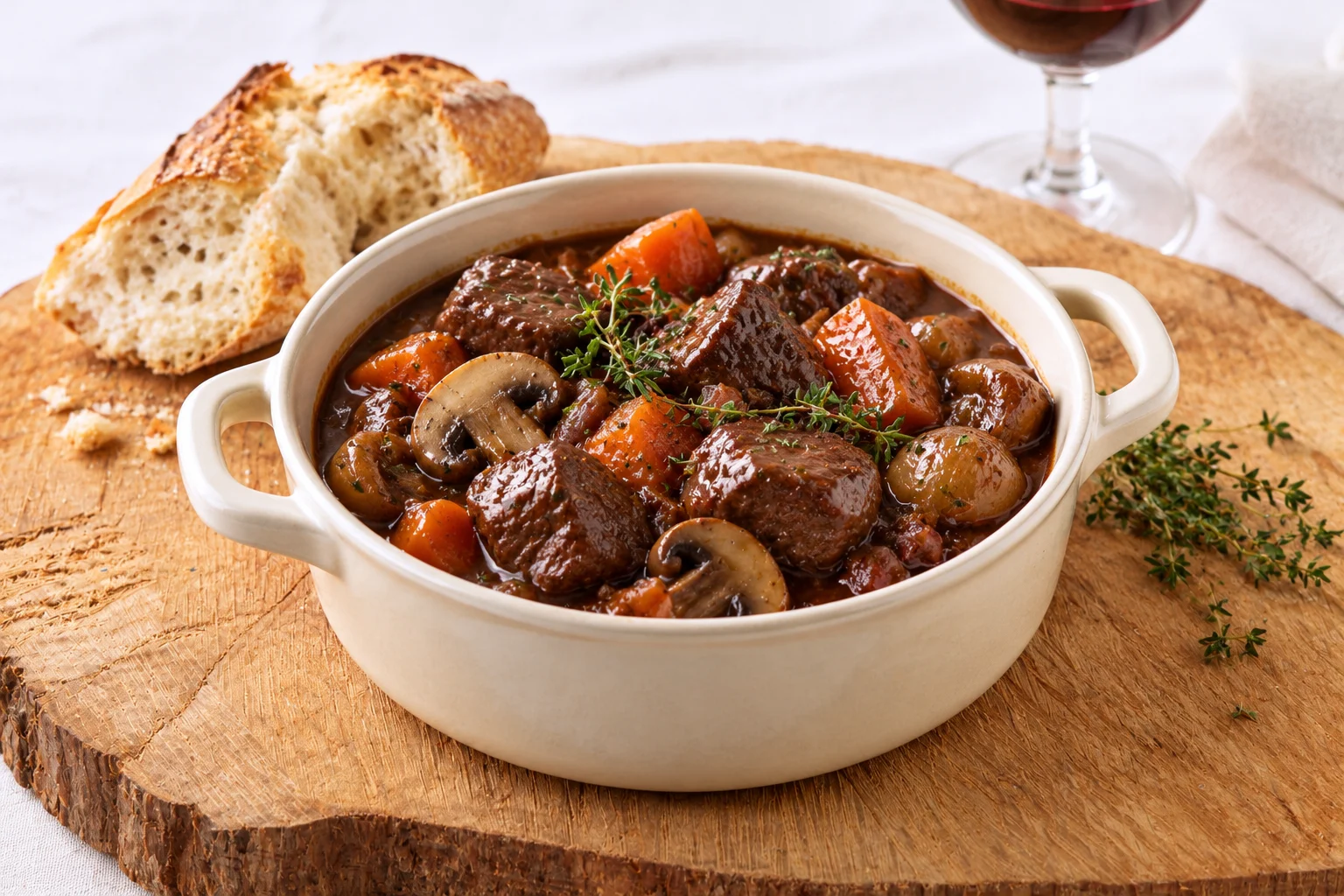
Deze Pauillac toont rijp zwart en rood fruit zoals zwarte bes, kers en pruim, omlijst door subtiele bloemige tonen, cacao, specerijen en elegante, poederachtige tannines met frisse zuren. Dankzij het stevige Cabernet-gestuurde lijf, de sappige zuren en fijne tannines vormt hij een perfecte tegenhanger voor rundvlees, lam, wild en rijke stoofschotels: de wijn snijdt door vet en bindt smaken, terwijl zijn kruiden- en cacaotonen de hartige umami versterken. Kies voor gegrild of langzaam gegaard vlees, bijvoorbeeld entrecote op de grill, langzaam gestoofd lamsbout of een klassiek boeuf bourguignon; gerechten met een beetje reductie of geroosterde kruiden halen het beste uit deze wijn.
Choose a category to discover dishes that pair well with this wine.
Do you already have a dish in mind?
Let Sommy find wines to pair with your meal.
Discover Wine Trivia
Sign in to unlock fascinating facts about this wine and expand your knowledge.
Sign In