

2019 Markus Molitor Juffer Sonnenuhr Riesling Auslese ** (White Capsule)

| Type of Wine | White |
|---|---|
| Country | Germany |
| Region | |
| Winery | |
| Vintage | 2019 |
| Grape | |
| Content (Alc) | Standard (0.75 ltr) (12%) |
| Drink window | 2025 - 2050 |
Out of Stock
Currently unavailable
Notify me when this product is back in stock
Notities
Foto
Proefnotities
Heb je deze wijn geproefd?
Bewaar je beoordeling en aantekeningen.
Bewaar je beoordeling en aantekeningen.
Heb je deze wijn geproefd?
Log in om je proefnotitie op te slaan.
Log in om je proefnotitie op te slaan.
Log inHoe wil je je wijn beoordelen?
Max 5 MB. JPG, PNG, WebP.
Hoe smaakt het?
Klik op wat het beste past. Alles is optioneel.
Welke geuren en smaken herken je?
Klik op alles wat je herkent. Dit is optioneel.
Uiterlijk
Neus
Aroma's (neus)
Smaak
Smaken (mond)
Afdronk
Wijngegevens
Automatisch ingevuld vanuit productgegevens.
Persoonlijke gegevens
Weingut Markus Molitor and the Mosel tradition
Weingut Markus Molitor is considered one of the leading producers in the Mittelmosel region. Markus took over the family business at a young age and expanded it into an estate with an impressive number of top vineyards along the Mosel and in the Saar. His goal is clear: to produce Riesling that expresses the character of each vineyard as purely as possible. The wines are made traditionally, with hand harvesting, low yields, and spontaneous fermentation. The estate uses a distinctive capsule system, with the white capsule representing a dry style. This makes it easy for enthusiasts and sommeliers to choose precisely the desired style from the wide selection.
The Brauneberger Juffer-Sonnenuhr vineyard and its unique terroir
Brauneberger Juffer-Sonnenuhr is one of the most prestigious Grand Cru vineyards on the Mosel. The steep slopes lie high above the river and face south. The soil consists of brownish slate that retains and reflects heat, allowing the Riesling grapes to ripen perfectly. This terroir is known for wines with great finesse, crystal-clear minerality, and a remarkably silky texture. The combination of the steep slope, slate, and cool Mosel climate produces wines with tension, nervousness, and often an almost weightless length. Juffer-Sonnenuhr produces Riesling that is both delicate and highly concentrated.
The style and grape varieties of Markus Molitor
Riesling is by far the most important grape at Weingut Markus Molitor, supplemented by Pinot Blanc, Pinot Noir, and a small number of other varieties. The house's style is clear and precise. The wines are remarkably pure, with a combination of ripe fruit and a powerful yet refined acidity. Each wine is intended to express a specific vineyard, with clear differences between plots. In years like 2019, the wines stand out for their laser-like precision and crystalline mineral character. The designations, from Kabinett to Auslese and beyond, are clearly recognizable in style and concentration, without the wines becoming heavy or ponderous.
The 2019 Brauneberger Juffer-Sonnenuhr Auslese ** white capsule
The 2019 Brauneberger Juffer-Sonnenuhr Auslese** with a white capsule is a dry Riesling from an exceptional vintage. The double star indicates a selection of exceptionally ripe grapes with high concentration, while the white capsule indicates that the wine was vinified dry. The growing season began with a mild, wet winter, followed by a warm, sunny, and dry summer. Thanks to deep roots and densely planted plots, the vines continued to find sufficient water. Rainfall in late July and early August arrived just in time to support ripening. Warm days and cool nights in September ensured perfect aroma development and a pronounced acidity. A highly selective harvest in October allowed for grapes with high extraction yet great freshness for this Auslese.
Harvest, vinification and sur lie maturation
The grapes for this wine were harvested entirely by hand between late September and late October. A large, experienced team was able to selectively harvest each plot, selecting only the healthiest and most ripe bunches. After a gentle pressing, slow, spontaneous fermentation with natural yeasts followed. The wine then matured extensively on its fine yeast in large oak foudres. This extended sur lie aging imparts extra texture, tension, and refinement without sacrificing freshness. The result is a highly concentrated yet delicately structured Riesling with an impressive balance between power and elegance.
Color, smell and taste of the 2019 Auslese **
In the glass, the wine displays a clear, deep straw yellow color with golden reflections. The nose is refined and intense, with floral notes, blossom honey, ripe yellow fruit, and a fine, smoky slate impression. Everything comes together seamlessly in a fragrance that is both round and crystalline. On the palate, the wine is crystalline and very precise. The structure is filigree, with a pure, refined texture typical of Juffer-Sonnenuhr on brown slate. The palate combines ripe stone fruit, subtle spices, and a salty minerality with a nervy, lively acidity. The wine feels both concentrated and weightless. The finish is long, complex, and exceptionally light, with a lingering mineral and floral aftertaste. For those with patience, the wine can easily age well beyond 2040.
Would you like to order Markus Molitor wines online?
If available, you'll find the official fact sheet and additional information about this fine wine in the "Attachments" tab. We'll automatically send you these when you order this wine. The wine is stored in our climate-controlled Wine Warehouse, and if you pick it up, you'll often receive a nice discount. You'll see your discount immediately when you select "Pick up" at the checkout page. We're located in Dordrecht, just off the A16 motorway with ample parking. Click here for our address. You can read full wine reviews from publications like Parker, Suckling, Vinous, and Wine Spectator.
Need advice on finding the perfect wine to pair with your dish? Click here for our exclusive Sommelier. Free for Grand Cru customers.
Wine and food pairing advice for the 2019 Brauneberger Juffer-Sonnenuhr Auslese **
Sea bass ceviche with lime and coriander
The wine's vibrant acidity and mineral tension complement the fresh citrus and salty notes of the dish perfectly.
Sea bream tartare with apple and cucumber
The crisp fruit and light spiciness in the wine support the refined structure of the fish and the fresh vegetable profile.
Veal sweetbreads with cauliflower cream and roasted hazelnuts
The concentrated yet weightless texture of the Auslese provides a nice counterbalance to the creamy and nutty character of the dish.
Goat cheese on toasted bread with honey and thyme
The salty and creamy notes of the cheese are beautifully lifted by the vibrant acidity and floral aromas of the wine.
Risotto with green asparagus and lemon
The creamy texture of the risotto and the fresh green asparagus match perfectly with the mineral length and citrus accent in the wine.
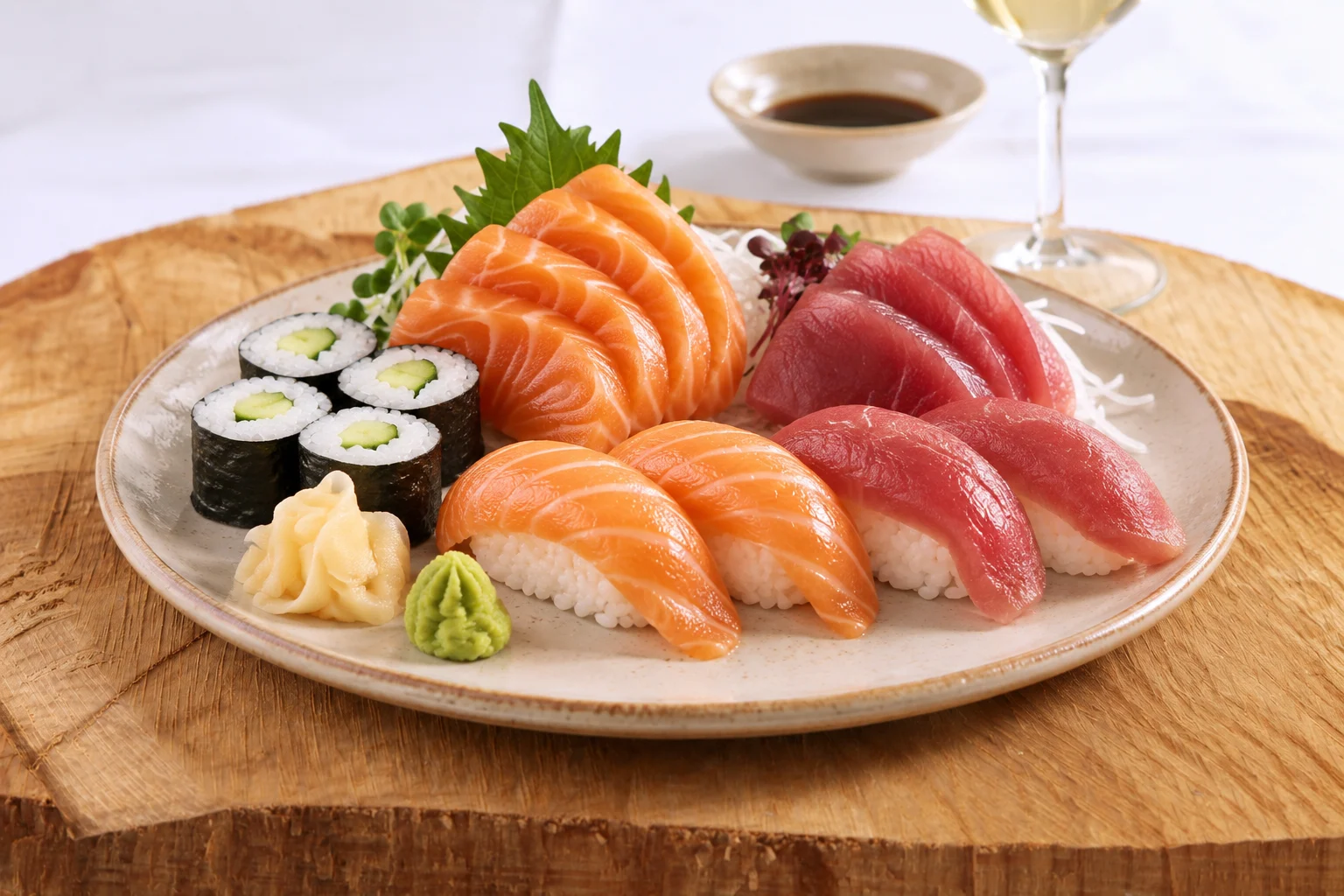
Sushi with white fish, sesame and yuzu
The precision and clarity of the Riesling enhance the pure fish flavours, while the acidity and minerality elegantly support the yuzu aromas.
| Type of Wine | White |
|---|---|
| Country | Germany |
| Region | Moezel |
| Winery | Markus Molitor |
| Grape | Riesling |
| Biological certified | No |
| Natural wine | No |
| Vegan | No |
| Vintage | 2019 |
| Drinking as of | 2025 |
| Drinking till | 2050 |
| Alcohol % | 12 |
| Alcohol free/low | No |
| Content | Standard (0.75 ltr) |
| Oak aging | No |
| Sparkling | No |
| Dessert wine | No |
| Closure | Cork |
| Parker rating | 95 |
| Tasting Profiles | Bloemig, Complex, Droog, Mineraal, Steenfruit, Wit fruit |
| Drink moments | Cadeau!, Indruk maken, Lekker luxe |
| Sommy Pairing Beschrijving | Deze Auslese toont florale tonen met bloesemhoning en rijp geel steenfruit, een kristalheldere, ziltige leisteenmineraliteit en een filigraine, nervige zuurgraad die resulteert in een lange, gewichtloze afdronk. De frisse zuren en precieze mineraliteit snijden door romige en vette smaken van bijvoorbeeld zwezerik of geitenkaas, tillen citrus in ceviche en yuzu in sushi naar een hoger plan en onderstrepen de delicate textuur van witte vis en schelp- en schaaldieren. Bereidingen zoals ceviche of tartaar, licht searen of stomen van vis, en langzaam geroosterde of zacht gebakken bereidingen met een vleugje citroen of geroosterde noten werken bijzonder goed met deze wijn. |
Parker
The Wine Advocate
RP 95
Reviewed by:
Stephan Reinhardt
Release Price:
NA
Drink Date:
2025 - 2055
The 2019 Brauneberger Juffer-Sonnenuhr Auslese ** (White Capsule) is deep, fine, very elegant and intense on the overall floral nose that is seamless, round and concentrated, with blossom honey and finely flinty aromas highlighting the perfectly ripe fruit aromas. Crystalline and filigreed on the pure and highly refined palate, this is a fascinating, precise and balanced JSU Auslese with the typical texture and finesse for this unique grand cru vineyard on brownish slate. The wine is vital and nervy and reveals a persistent structure and a long and complex yet weightless finish. Tasted in May 2021.
After a stunning 2018 vintage, 2019 is another top vintage for Markus Molitor, who holds numerous grand cru sites in the Middle Mosel between Traben-Trarbach and Bernkastel plus, just recently, the Thörnicher Ritsch as well as in the Saar Valley. Molitor's 2019 Rieslings are bright, precise, laser-sharp and super clear. They exhibit ripe and aromatic fruit and precise terroir flavors that make all the wines incredibly distinctive. You can't mix up the sites, if you are trained enough, and certainly you also can't mix up the predicates, which are clearly defined, even though a classic Kabinett in modern times is always a downgraded Spätlese or even Auslese, if the category is related to must weight and not to style alone. Only a few of the top three-starred 2019 Auslesen contain botrytized grapes, and even the Beerenauslesen are crystalline clear and piquant and by far not as rich and sweet as this category is often interpreted.
After a mild and wet winter, warm, dry and sunny weather in April ensured rapid budding of the vines. And excellent conditions for flowering in early to mid-June were in place, setting the stage for a good vintage.
The friendly spring weather was followed by one of the warmest summers on record, with abundant sunshine hours and extremely low rainfall. Due to the low level of pruning (low yields) as well as the dense planting of the plots (deep rooting), Molitor reports that "the long drought during the summer could not harm the ripening process of the grapes. Various vineyards in our extensive portfolio of sites were also favored by rains and were thus able to show an excellent water balance in the soil for this year of low rainfall."
Occasional sunburn on the berries had to be accepted as a natural yield reduction, and ample rainfall at the end of July and beginning of August came at just the right time to support and advance the ripening phase of the grapes.
"The development of the acid structure and must weights raised hopes for a classic Mosel Riesling vintage," Molitor reports. "The combination of warm, sunny days and cool nights at the beginning of fall in mid-September provided ideal harvest conditions and resulted in excellent aroma development in the berries. At this point, we were able to harvest physiologically ripe, healthy grapes with high extract levels and immense concentration for our dry and off-dry wines."
This was followed at the beginning of October by a "warm, humid weather period," which resulted in "highly ripe grape material being attacked by botrytis," which was "ideal for our noble sweet specialties."
Due to highly selective hand-picking by a huge and experienced vineyard team, all quality levels could be harvested between September 20 and October 28. The gentle processing of the grapes and musts, the slow spontaneous fermentation and long lees aging in large oak foudres until September of the following year resulted in substantial, very concentrated, stimulatingly mineral as well as finessed wines with ripe, yet fine yellow fruit aromas. The aging capacity of the Rieslings as well as the Pinot Blancs and Chardonnay is again tremendous.
The 2017 Pinot Noirs are all full-bodied, deep and concentrated yet sometimes seem to be a little bit too extracted for my personal taste. Some of the wines are pretty oak-dominated in the first hours, even days, so the right handing is crucial for appreciating the wines that start a bit hard but will smooth out after years in the bottle. For now, I prefer the 2016s to the 2017s and can't wait for the 2018s, which will be released later this year or, even more probably, in spring next year.
Published: Jun 10, 2021
Lorem ipsum dolor sit amet, consectetur adipiscing elit. Sed do eiusmod tempor incididunt ut labore et dolore magna aliqua...
Exclusive Content
Sign in to unlock professional wine reviews from world-renowned critics
Markus Molitor is a German winemaker based in the Mosel, Germany. The winery is known for producing high-quality Rieslings, and Markus Molitor is considered one of the most innovative winemakers in the region.
History by Markus Molitor
The Molitor family has a deep-rooted history in winemaking that spans many generations. Markus Molitor represents the eighth generation of the Molitor legacy. The family's involvement in wine growing in the Moselle goes back to the 18th century. Markus Molitor officially took over the family estate in 1984 at the age of 20. Located in the Mosel wine region, the estate features steep vineyards along the Mosel River, a characteristic feature of the region. The Mosel is known for its steep, terraced vineyards. The slopes ensure optimal sunlight exposure and are an integral part of the unique terroir of the wines produced in this region.
Production by Markus Molitor
Markus Molitor has consciously chosen to focus on the Riesling grape variety, which is particularly well suited to the cool climate and slate soils of the Mosel. Riesling is known for its expressive aromatics, acidity and ability to reflect the terroir. Under the leadership of Markus Molitor, the estate underwent significant expansion and modernization. New vineyards were acquired and existing ones were carefully managed to ensure the highest quality fruit. Markus Molitor produces a wide range of Rieslings covering the Prädikat levels, which indicates the ripeness of the grapes at harvest. The portfolio includes dry styles (Trocken), semi-dry and sweet wines, which emphasize the versatility of Riesling. The estate is known for its emphasis on wines from one specific vineyard. These wines highlight the distinctive characteristics of specific vineyards, known as "Grosses Gewächs" or "Erste Lage." Markus Molitor's dedication to quality and the unique expression of the terroir has earned the estate international fame. The wines are sought after by collectors and enthusiasts for their authenticity and age-worthy characteristics. Markus Molitor respects traditional winemaking methods, including careful manual harvesting and gentle processing of the grapes. At the same time, he applies modern techniques to further improve the quality of the wines.
Deze Auslese toont florale tonen met bloesemhoning en rijp geel steenfruit, een kristalheldere, ziltige leisteenmineraliteit en een filigraine, nervige zuurgraad die resulteert in een lange, gewichtloze afdronk. De frisse zuren en precieze mineraliteit snijden door romige en vette smaken van bijvoorbeeld zwezerik of geitenkaas, tillen citrus in ceviche en yuzu in sushi naar een hoger plan en onderstrepen de delicate textuur van witte vis en schelp- en schaaldieren. Bereidingen zoals ceviche of tartaar, licht searen of stomen van vis, en langzaam geroosterde of zacht gebakken bereidingen met een vleugje citroen of geroosterde noten werken bijzonder goed met deze wijn.
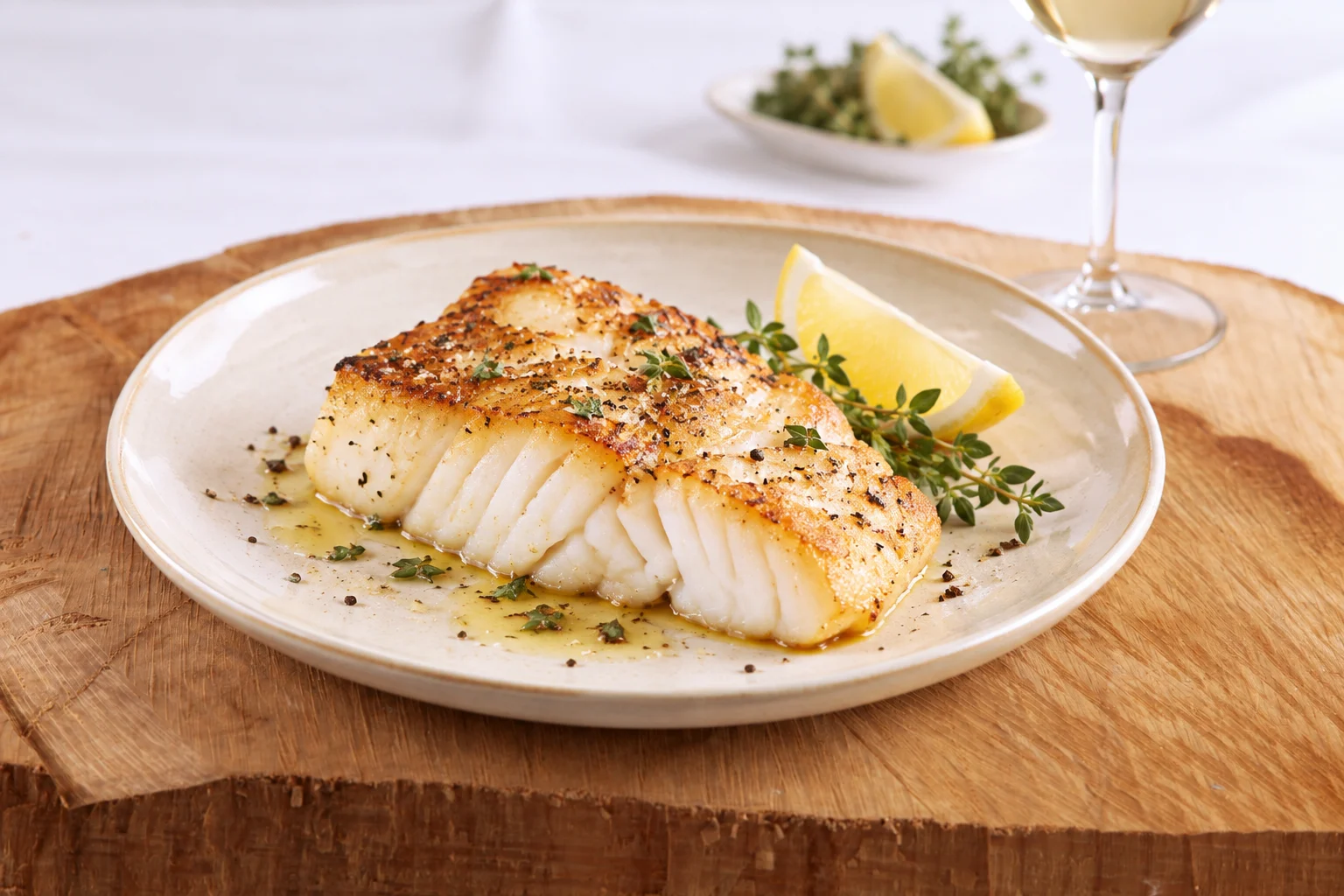
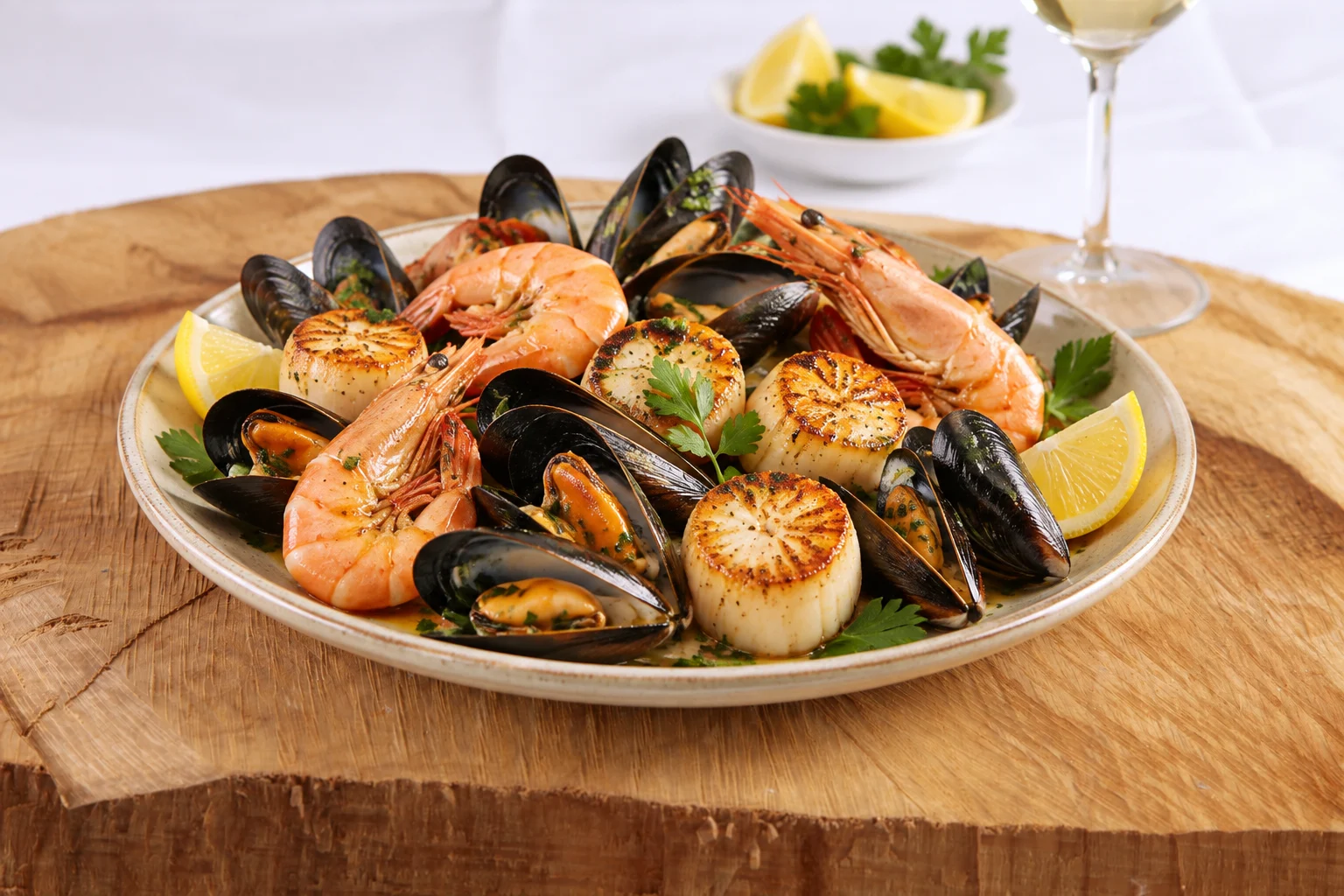
Choose a category to discover dishes that pair well with this wine.
Do you already have a dish in mind?
Let Sommy find wines to pair with your meal.
Discover Wine Trivia
Sign in to unlock fascinating facts about this wine and expand your knowledge.
Sign In