

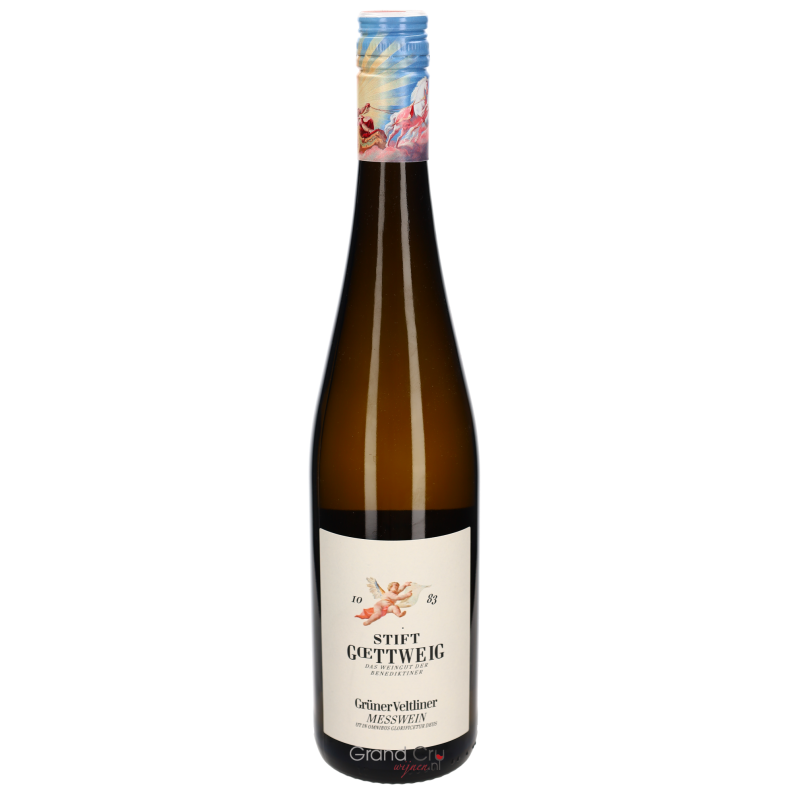
2025 Stift Göttweig Grüner Veltliner Messwein
Ordering in bulk? Log in to request a quote
In stock
6 items available
Need more? You can backorder the rest.
How does this wine taste?
How full and heavy the wine feels in your mouth, like the difference between skimmed milk and cream. More alcohol, sugar and oak ageing make a wine fuller.
How much sugar you taste, from dry to sweet. Fruity is not the same as sweet: a dry wine can taste of ripe fruit.
How fresh and juicy the wine is: acidity makes your mouth water. High acidity tastes lively and refreshing, low acidity soft and round.
What we taste What you taste Click a taste for what it means
The bars follow how sommeliers taste (WSET): body, tannin, sweetness and acidity, each from low to high.
Body: medium-bodied. Fuller than most white wines from Niederosterreich; 11.5% alcohol.
Acidity: high. from the temperate climate of Niederosterreich.
Aromas: green notes, spice and orchard fruit, typical of
Nothing noted for this wine yet. What do you smell, and how long does the taste linger?
Have you tasted this wine?
Save your rating and notes.
Save your rating and notes.
Have you tasted this wine?
Log in to save your tasting note.
Log in to save your tasting note.
Log inWeingut Stift Göttweig is known as one of the oldest wineries in Austria. As a Benedictine abbey, Stift Göttweig was founded in the year 1083 by Altmann of Passau (also called Saint Altmann). Since then, the abbey has always played an important role in the development of wine production in the Wachau Valley. Stift Göttweig is located in the rolling countryside on the southern bank of the Danube opposite the city of Krems at 449 meters above sea level. Because of this location and the abbey, the winery is also called the Austrian Montecassino. The Benedictines were responsible for the administration and management until 1988, after which the property was rented out until 2005. Since 2006, winegrower Fritz Miesbauer and his team have been reliving history on the Stift Göttweig estate.
The Stift Göttweig Grüner Veltliner Messwein, or sacramental wine in Dutch, has been used for centuries in the Benedictine abbey of Stift Göttweig during mass services and during the Eucharistic celebrations. The Grüner Veltliner grapes that are grown around the abbey are vinified as a light, dry wine. In order to be called sacramental wine, the wine must meet a number of conditions, from the environmentally friendly approach in the vineyards to the care and processing of the grapes and wine, the "Reinheitsgebot", or purity law of the church must be obeyed. Messwein can also not be produced without the permission of the bishop, and it must be natural without additives. With an average of 12% alcohol (this can vary depending on the harvest year), the Messwein is a light one, which makes this sacramental wine very easy and accessible.
The Messwein is a dry, fresh and fruity white wine with the classic grüner veltliner spiciness. In the nose lemon, lime, and freshly ground pepper. Fresh and expressive in the mouth with aromas of citrus fruits, red apple, and rosewood ending with an elegant aftertaste.
The Grüner Veltliner Messwein from Stift Göttweig is a light, fresh and pure wine. As the name suggests, this is a “mess wine”, which means that it is produced according to strict guidelines: low alcohol content, pure fruit, no additives. This wine is particularly refreshing, with notes of green apple, citrus and a light spiciness (white pepper), carried by lively acidity. Its restrained character and pure style make it very suitable for light, fresh dishes.
1. Salad with apple, cucumber and lemon vinaigrette
The freshness of the apple and cucumber reflects the green notes of the wine, while the acidity of the vinaigrette complements the fresh profile. A light, vegetable salad ensures that the wine is not overpowered.
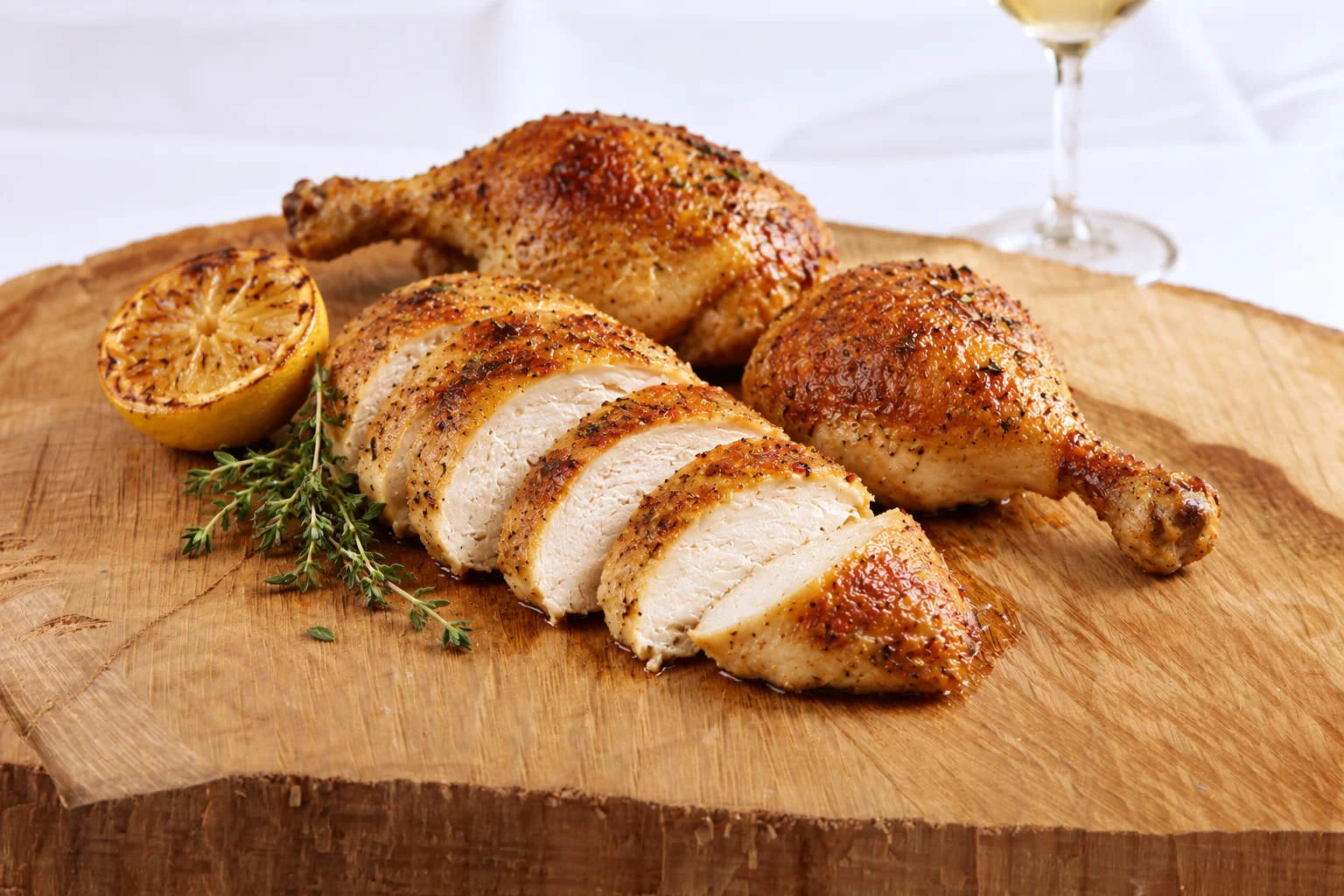
2. Roasted chicken fillet with lemon and parsley
Chicken is mild in taste and forms a good base for the refined acidity and spiciness of the wine. The addition of lemon enhances the freshness, while parsley provides an aromatic bridge with the green tones in the wine.
3. Potato salad with chives, gherkin and mustard dressing
The light acidity in the dressing complements the lively acidity in the wine, while the chives and gherkin enhance the fresh, spicy character of the Grüner Veltliner. This is a classic Austrian-inspired side dish that pairs well with this style of wine.
4. Boiled white asparagus with boiled egg and butter sauce
The subtle bitterness of the asparagus is nicely balanced by the soft acidity of the wine. The egg adds structure without overwhelming the wine, and a light butter sauce rounds it all out without making it too heavy.
5. Soft goat cheese with whole wheat bread and honey
The fresh acidity of the wine cuts nicely through the creamy character of the cheese, while the light spiciness provides a pleasant contrast with the floral sweetness of honey. This combination is both simple and refined.
6. Vegetable wok with bean sprouts, bell pepper and ginger
A light Asian inspired vegetable dish with a fresh, slightly spicy touch combines well with the aromatic freshness of the wine. As long as no dominant sauces are used, the harmony is preserved.
Why These Combinations Work Well
The Grüner Veltliner Messwein is light, dry and delicate in structure. Dishes with fresh vegetables, mild proteins such as chicken or egg, and light spiciness complement it well. Heavier or creamy dishes could overpower the wine, so simplicity, freshness and balance are key. By choosing ingredients such as apple, cucumber, lemon, asparagus, chives and chicken, you enhance the character of the wine without overshadowing it.
FACT: In the tab 'Attachments' you will find the official fact sheet of this beautiful wine. We will automatically send you this when you order this wine. The wine is in our conditioned Wine Warehouse and if you come to pick up the wine you will often also receive a nice discount . You will see your discount immediately when you choose 'Pick up' on the checkout page. We are located in Dordrecht almost next to the A16 with plenty of parking. Click here for our address.
Need advice on finding the perfect wine for your dish? Ask our Sommelier for advice - Free for our customers -
Character
The wine
- 100%
Origin
Bottle
Wine features
Weingut Stift Göttweig is known as one of the oldest wineries in Austria. Stift Göttweig was founded as a Benedictine abbey in 1083 by Altmann of Passau (also known as Saint Altmann). Since that time, the Abbey has always played an important role in the development of wine production in the Wachau Valley.
On the south bank of the Danube opposite the city of Krems at 449 meters above sea level, Stift Göttweig is located amidst the rolling countryside. Because of this location and the abbey, the winery is also called the Austrian Montecassino. The Benedictines were responsible for the administration until 1988 and then the property was rented out until 2005. Since 2006, winegrower Fritz Miesbauer and his team have been reliving the history of the Stift Göttweig estate.
The atmospheric currents emanating from the Dunkelsteiner forest and the warmer Pannonian air create a special microclimate on the Göttweigerberg. The combination of these air currents and the natural humidity in the Danube region provide balanced conditions that allow the grapes to grow optimally. In addition to the special microclimate, the soil composition is also very varied. The composition of chalky clay, gravel, loess and sand in combination with the microclimate ensure that the special nuances of the terroir are reflected in the wines.
The 26 hectares of vineyards that Weingut Stift Göttweig owns are divided into different grape varieties namely: 60% Grüner Veltliner, 30% Riesling, 4% Chardonnay and 6% Pinot Noir. After the harvest, the grapes go to the wine cellar located in the aforementioned Krems where the harvest is processed into the beautiful wines that Weingut Stift Göttweig has to offer.

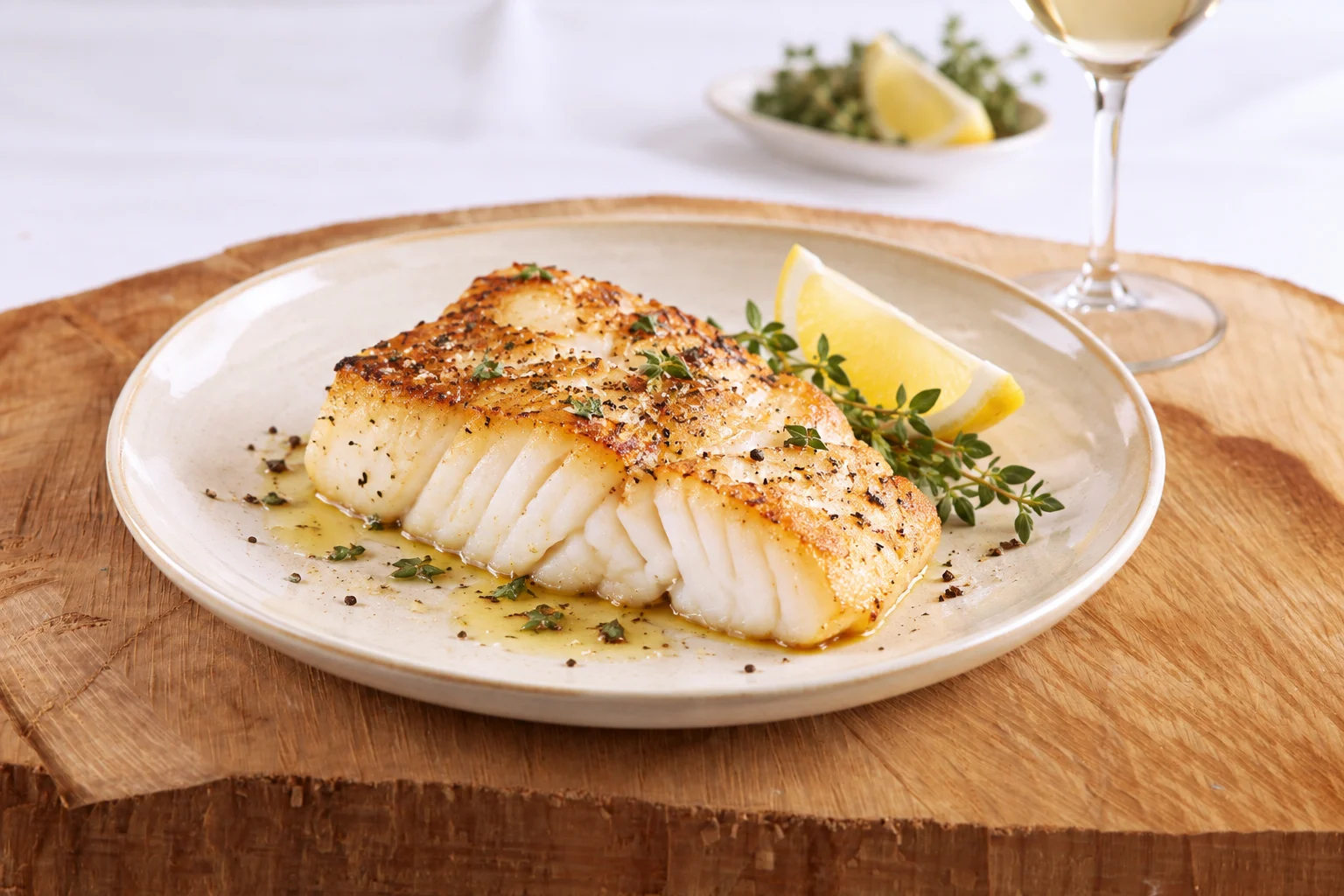
Deze frisse, droge Grüner Veltliner toont citrus (citroen en limoen), groene appel, een lichte rozenhoutfrisheid en die karakteristieke witte peperkruidigheid met een elegante, zuivere afdronk. Dankzij zijn levendige zuren, lichte body en subtiele kruidigheid snijdt hij door romige texturen heen zonder te overheersen en vormt hij een verfrissende tegenhanger bij gevogelte, witte vis, zachte kazen, salades en vegetarische gerechten. Werk met eenvoudige bereidingen zoals gegrilde of geroosterde kip met citroen en verse kruiden, kort gegrilde of gestoomde vis met een lichte vinaigrette of minerale salades en zachte geitenkaas met honing; zulke frisse, niet te zware technieken laten de wijn tot zijn recht komen.
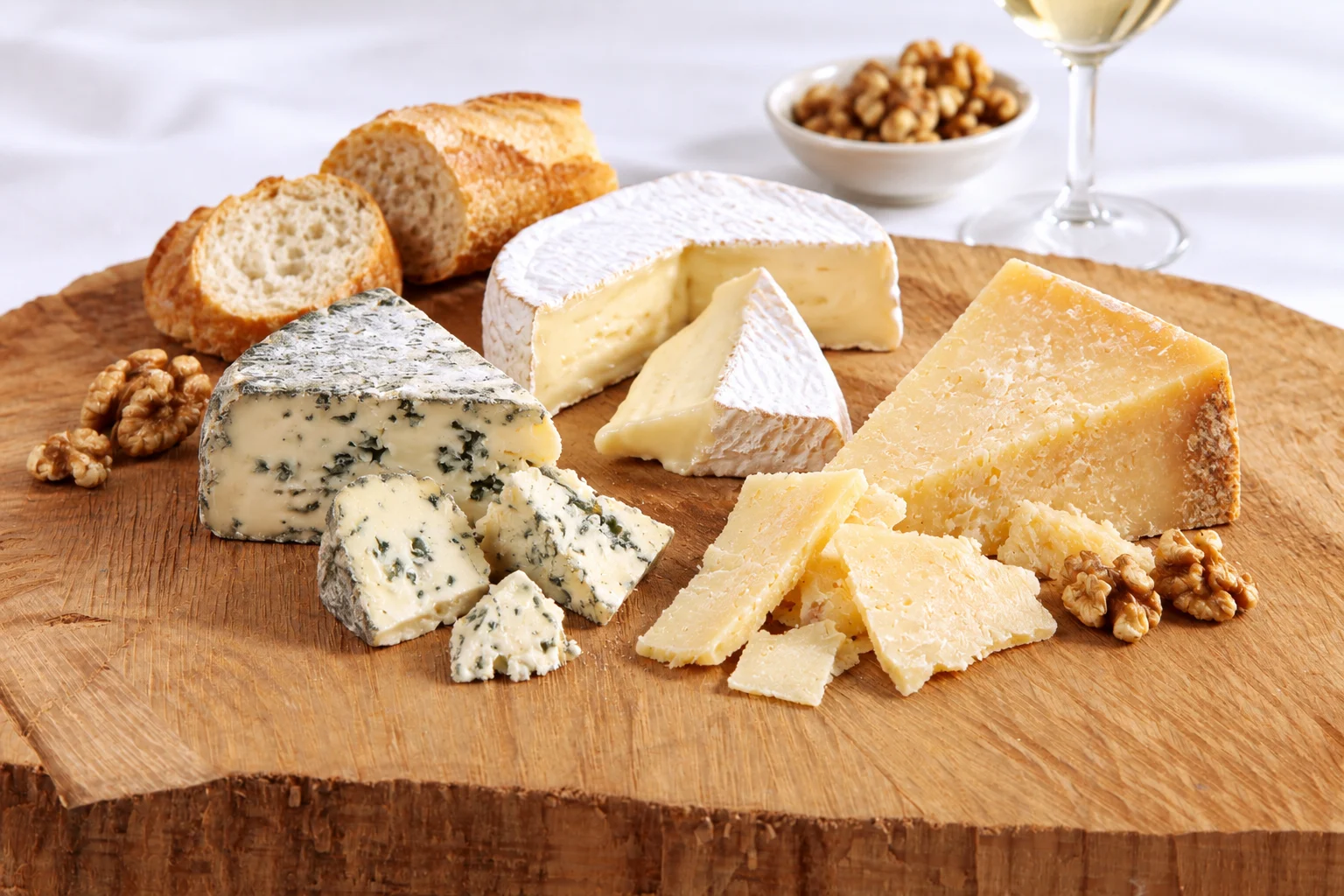
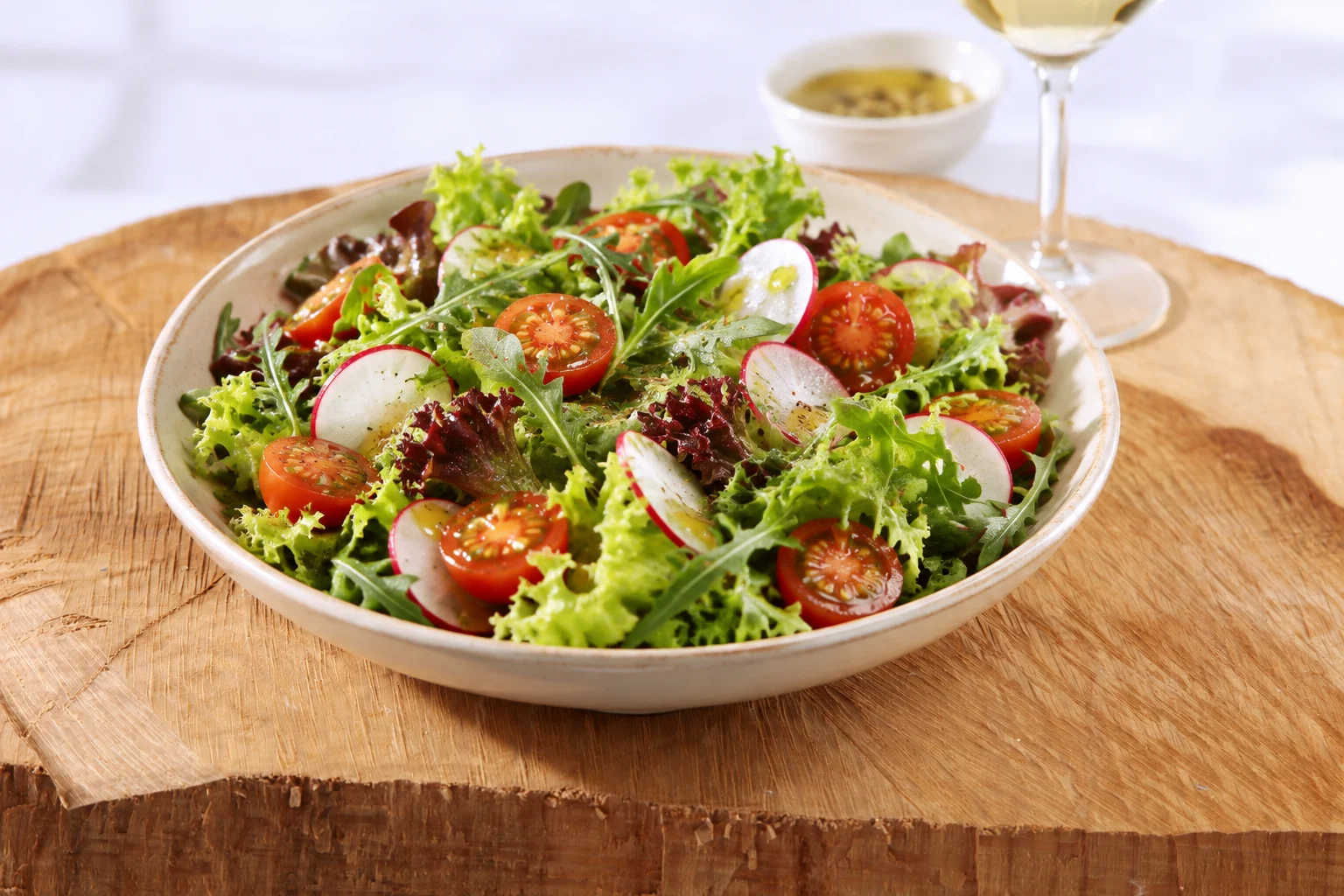
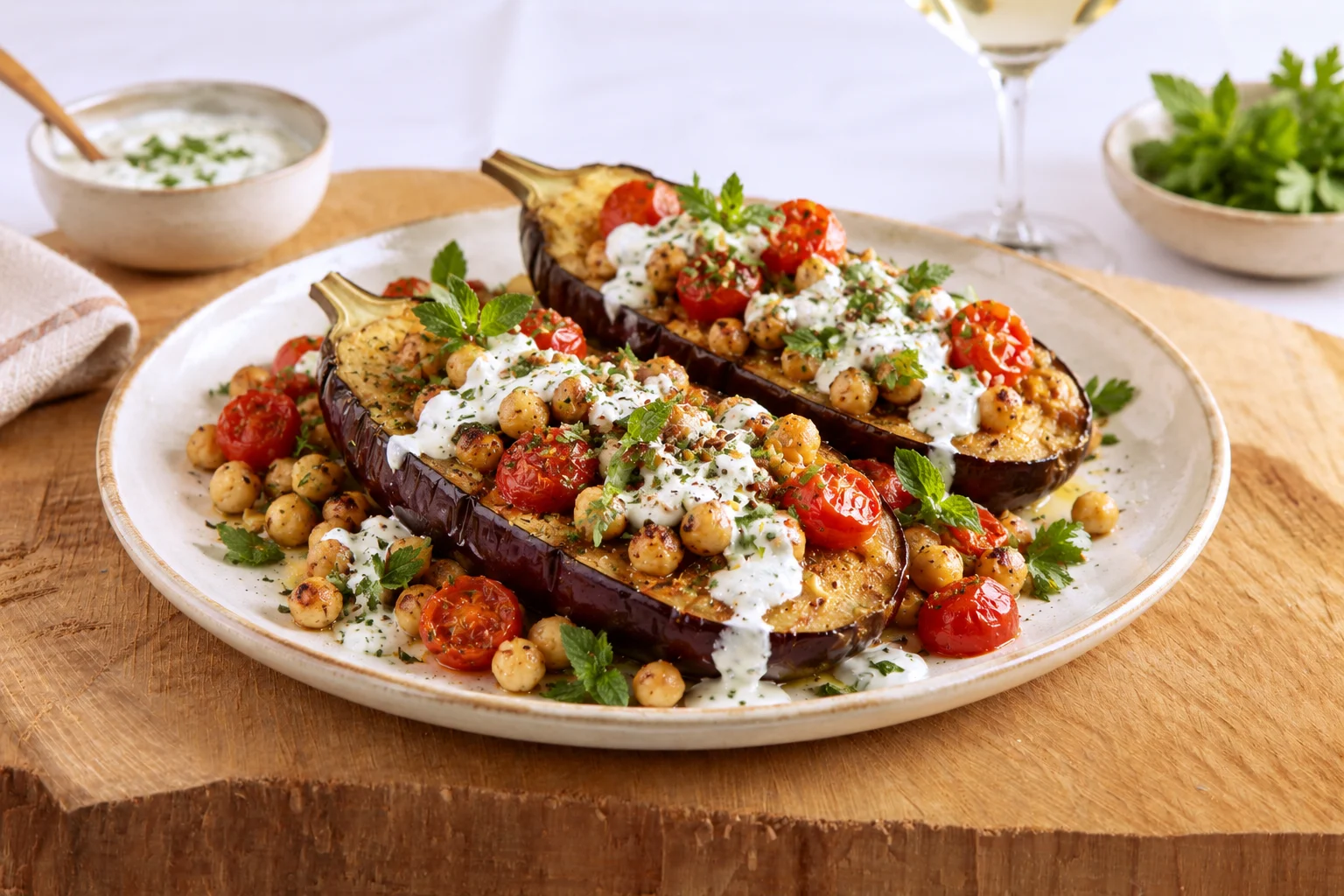
Choose a category to discover dishes that pair well with this wine.
Do you already have a dish in mind?
Let Sommy find wines to pair with your meal.
Discover Wine Trivia
Sign in to unlock fascinating facts about this wine and expand your knowledge.
Sign In