

2024 Telmo Rodriguez El Transistor
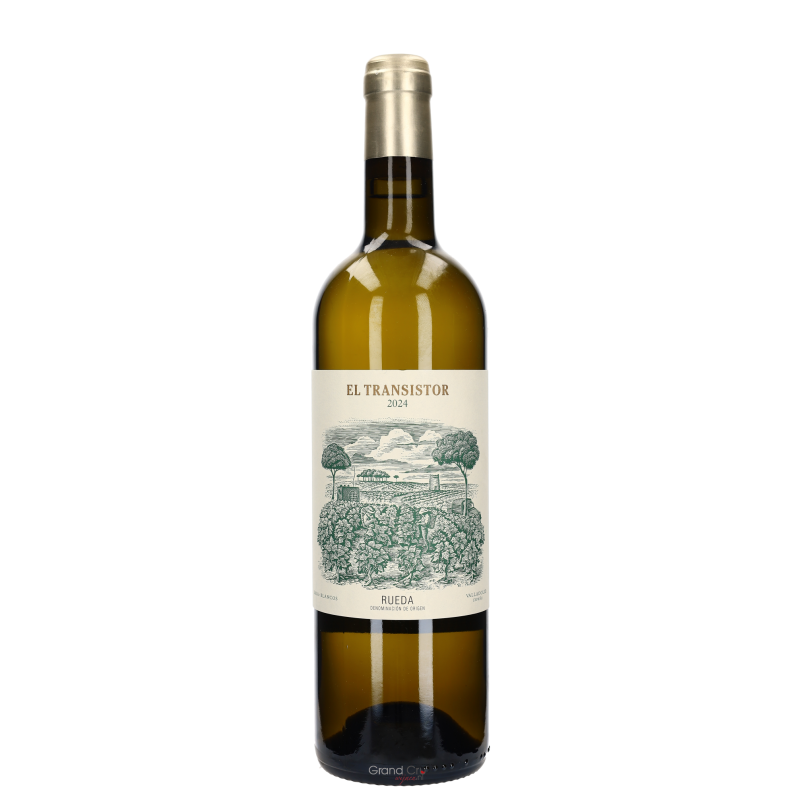
| Type of Wine | White |
|---|---|
| Country | Spain |
| Region | |
| Appellation | Rueda |
| Winery | |
| Vintage | 2024 |
| Grape | |
| Content (Alc) | Standard (0.75 ltr) (13.5%) |
| Drink window | 2025 - 2030 |
Ordering in bulk? Log in to request a quote
Low Stock
Only 3 left
Backorder Information
It is possible to order this article in backorder. This is possible with items that we can generally have in stock again in 3-5 working days. You can simply order it, but it is important to mention that we only send the order when it is complete.
Notities
Foto
Proefnotities
Heb je deze wijn geproefd?
Bewaar je beoordeling en aantekeningen.
Bewaar je beoordeling en aantekeningen.
Heb je deze wijn geproefd?
Log in om je proefnotitie op te slaan.
Log in om je proefnotitie op te slaan.
Log inHoe wil je je wijn beoordelen?
Max 5 MB. JPG, PNG, WebP.
Hoe smaakt het?
Klik op wat het beste past. Alles is optioneel.
Welke geuren en smaken herken je?
Klik op alles wat je herkent. Dit is optioneel.
Uiterlijk
Neus
Aroma's (neus)
Smaak
Smaken (mond)
Afdronk
Wijngegevens
Automatisch ingevuld vanuit productgegevens.
Persoonlijke gegevens
Telmo Rodriguez is considered one of Spain's leading winemakers. From his home in Rioja, he began restoring forgotten indigenous grape varieties and old vineyards throughout Spain in the 1990s. El Transistor is his expression of the Verdejo grape, native to Rueda. This wine was born from his desire to create a nuanced, pure, and terroir-driven Verdejo, in contrast to the often aromatic, fruit-driven style of the region. The name "El Transistor" refers to the radios placed in the vineyards to keep wild animals at bay.
The grapes for El Transistor come from some of the oldest vineyards around the village of La Seca in Rueda. The vines are planted in poor, chalky, and gravelly soils, which result in low yields and high grape concentration. The climate is distinctly continental: hot summers, cold winters, and large temperature variations between day and night. These conditions contribute to the wine's aromatic precision and vibrant acidity.
El Transistor was vinified using only indigenous yeasts. Fermentation took place in a combination of oak barrels (barriques and large foudres) and concrete cuvees. The wine then aged for six to seven months on the fine lees in these various barrels. The choice of spontaneous fermentation, oak, and concrete gives the wine structure, texture, and subtle complexity, without overpowering the grape character.
Telmo's El Transistor has a clear, pale yellow color. Its aroma is refined and restrained, with notes of citrus, ripe apple, fennel, and white flowers. Instead of the familiar expressive fruitiness of Verdejo, this wine is subtle, mineral, and spicy. On the palate, the wine is dry, clean, and elegant, with a good balance between soft texture and lively acidity. The flavor is complex and layered, with a spicy and slightly salty undertone in the long finish.
The El Transistor is a Verdejo that deviates from the norm. No excessive fruit, but restrained complexity and finesse. It's a wine with depth, balance, and gastronomic versatility. Perfect for the serious lover of dry white wines with character, but also an interesting choice for the sommelier seeking an alternative to white Burgundy or Chenin Blanc. This Verdejo is both a pleasure to drink now and a wine with aging potential.
FACT: In the "Attachments" tab, you'll find the official fact sheet for this fine wine. We'll automatically send it to you when you order it. The wine is stored in our climate-controlled Wine Warehouse, and if you pick it up, you'll often receive a nice discount . You'll see your discount immediately when you select "Pick up" at checkout. We're located in Dordrecht, just off the A16 motorway, with ample parking. Click here for our address.
You can read the full wine reviews from Parker, Suckling, Vinous, and Wine Spectator, among others, via the links next to the image. This is a free service for our customers.
Need advice on finding the perfect wine to pair with your dish? Click here for our exclusive Sommelier. Free for Grand Cru customers.
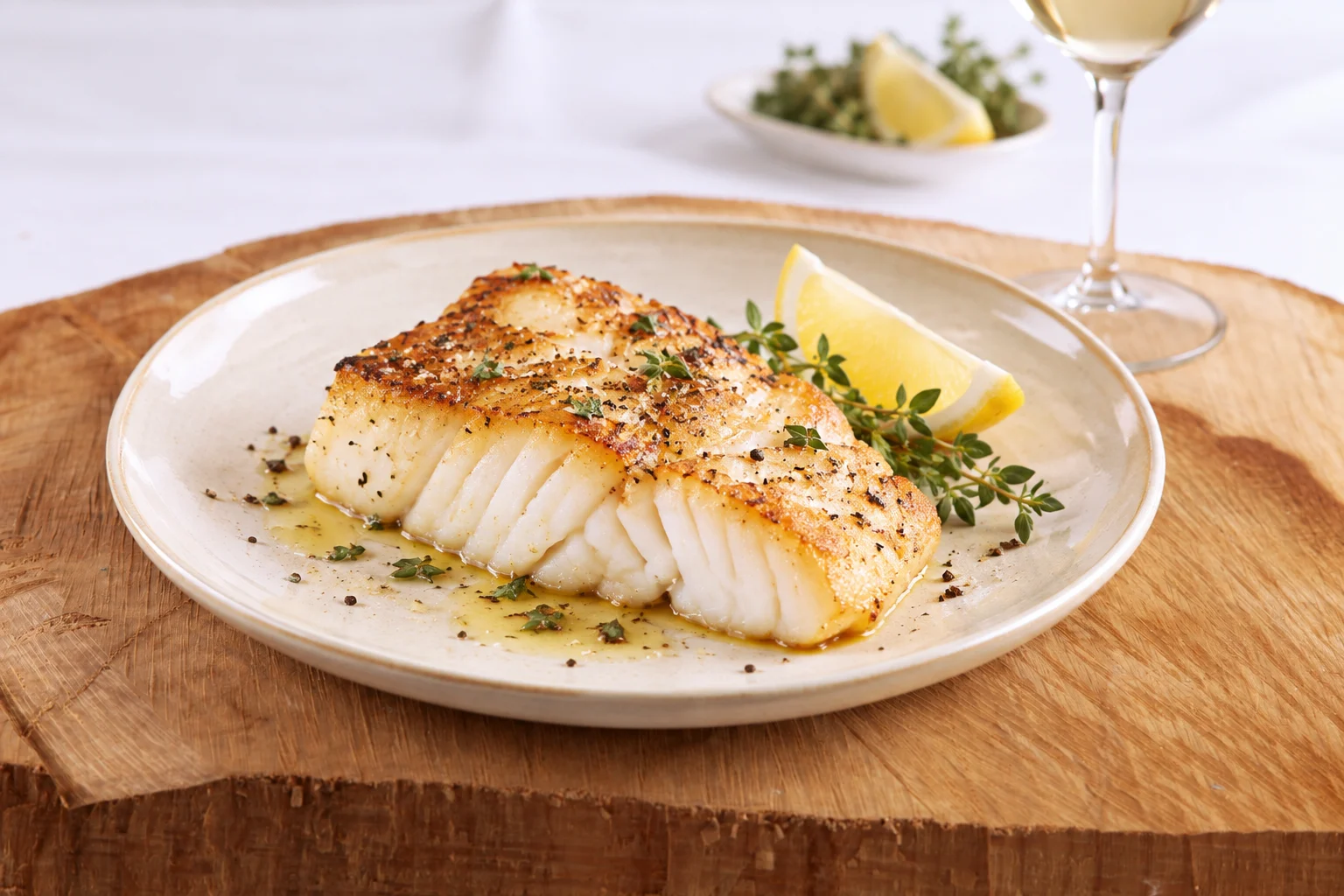
Grilled sea bass with lemon-herb rub
The wine cuts beautifully through the fat of the fish and enhances the fresh citrus notes.Vitello tonnato (veal with tuna mayonnaise)
The tender texture of the meat and the creamy sauce are elegantly refreshed by the acidity and mineral structure of the wine.Lentil salad with roasted pumpkin and feta
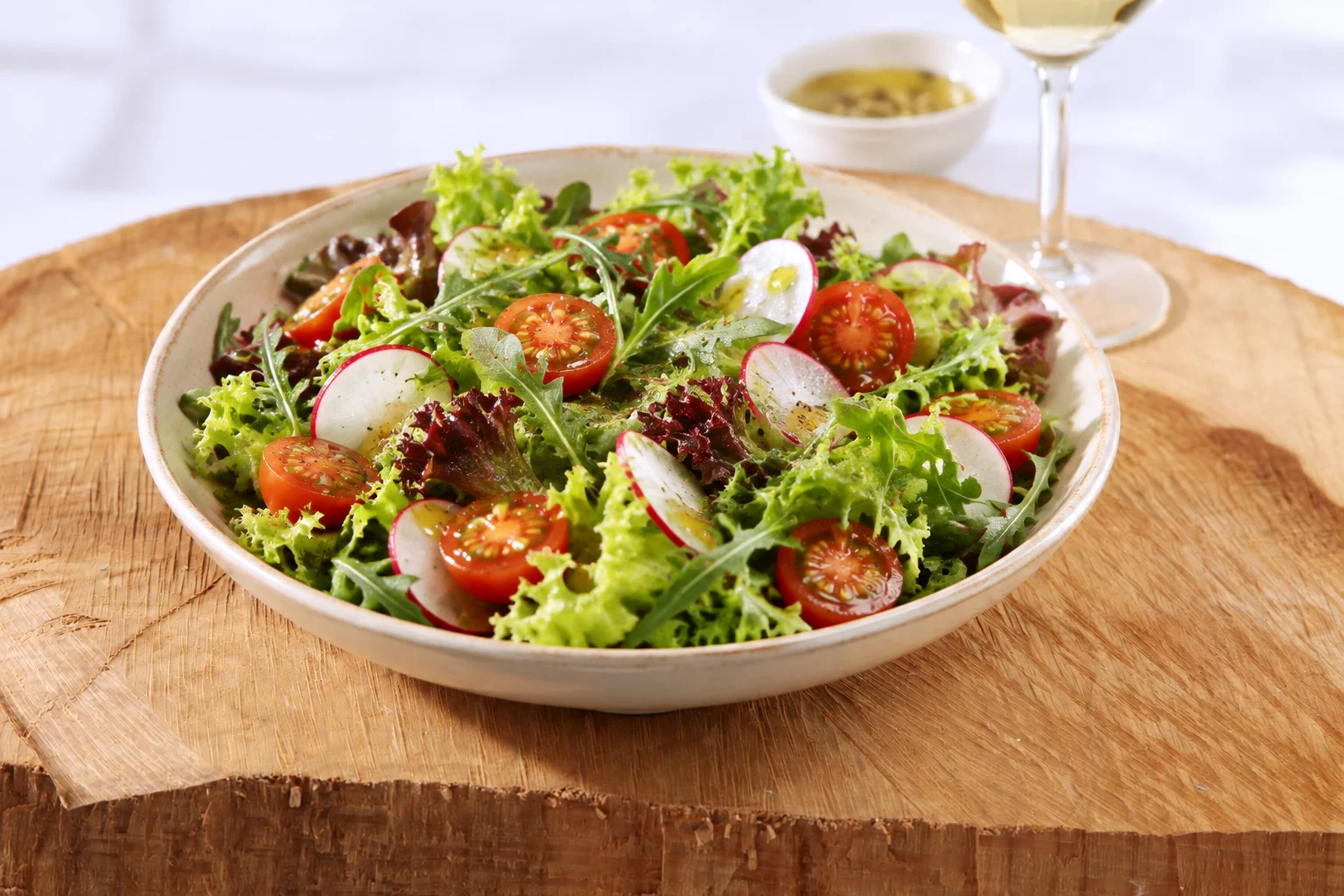
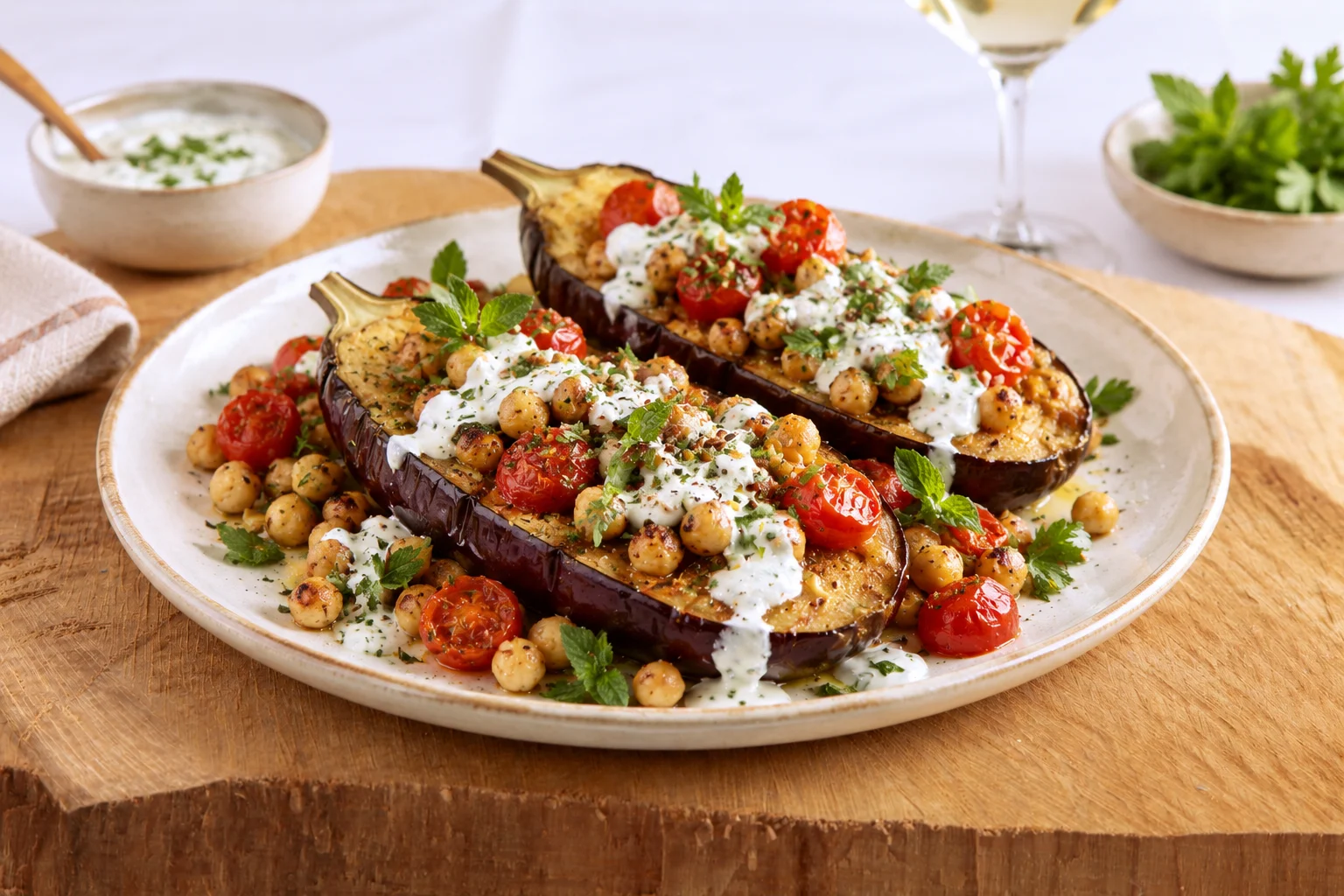
The combination of savoury, earthy flavours and soft acidity perfectly complements the subtle and spicy profile of this Verdejo.Vegetable tempura with yuzu dip
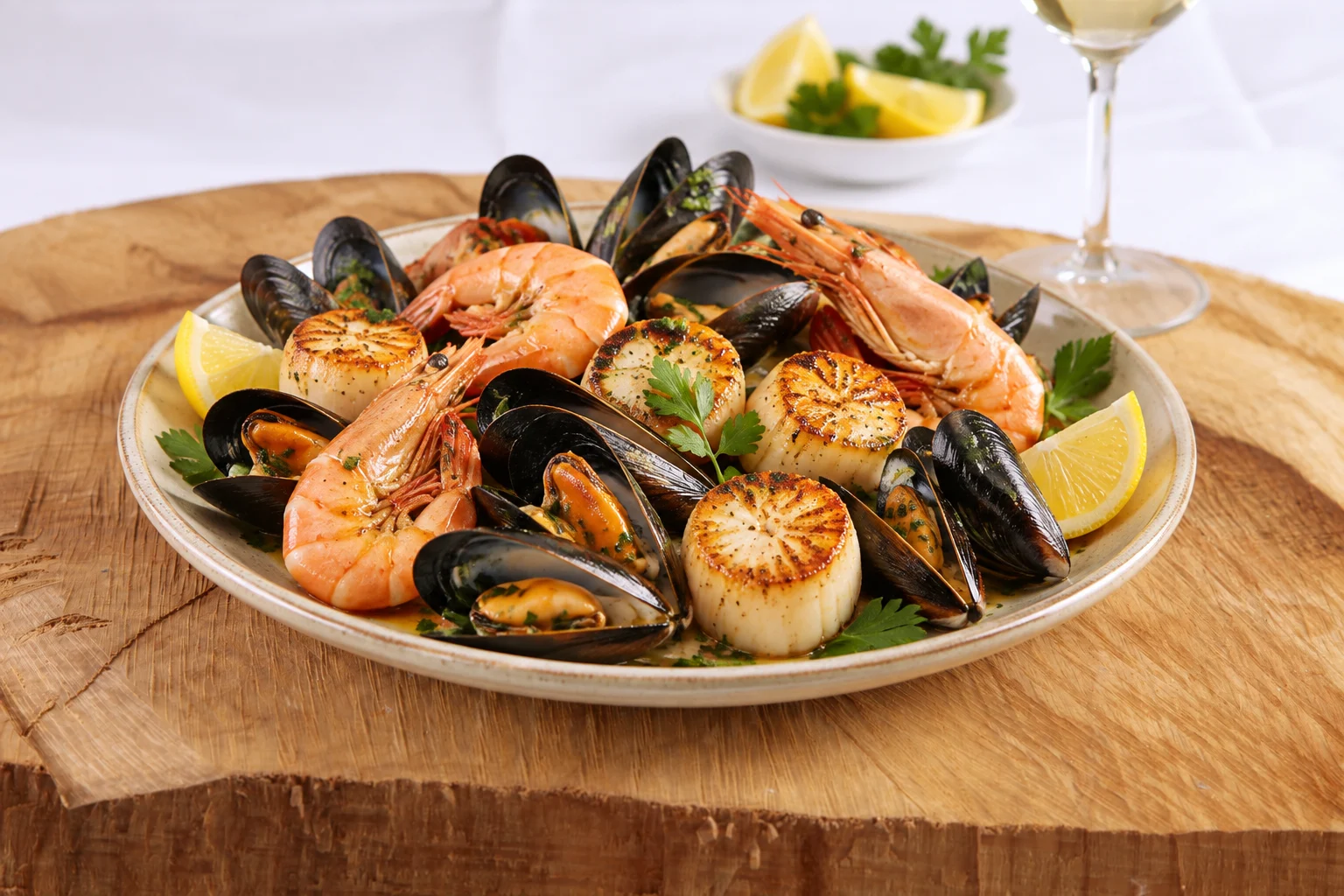
The crispy texture of the tempura and the citrusy dip are delicately supported by the dry and fresh style of the wine.Scallops with fennel butter sauce
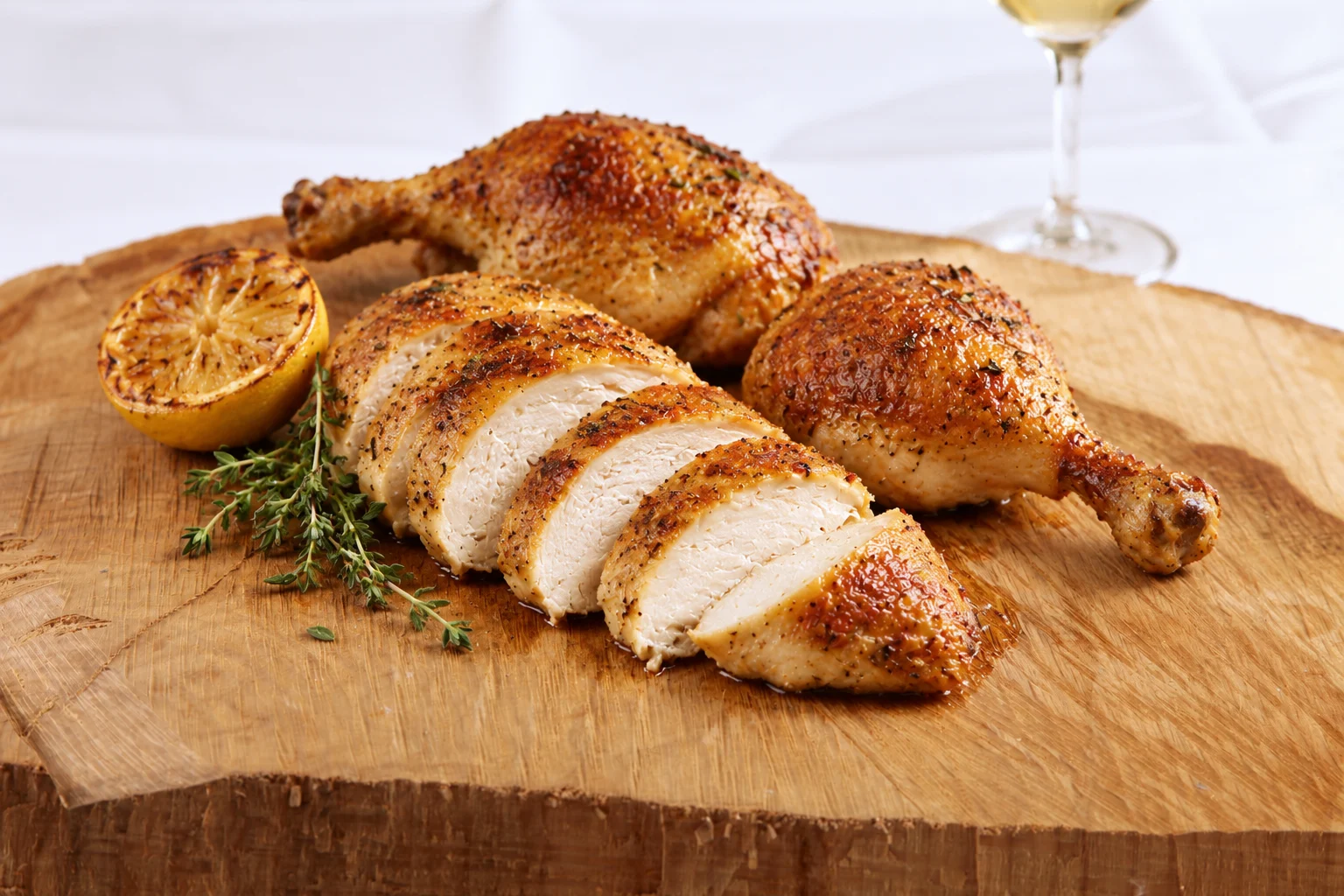
The sweet, soft scallops and the aniseed note of the fennel are counterbalanced by the acidity and salty character of the wine.Chicken fillet with mascarpone-saffron sauce and almond shavings
The creamy sauce and nutty elements are brightened by the fine acidity and structure of this characterful white wine.
| Type of Wine | White |
|---|---|
| Country | Spain |
| Region | Castilla y Leon |
| Appellation | Rueda |
| Winery | Telmo Rodriguez |
| Grape | Verdejo |
| Biological certified | No |
| Natural wine | No |
| Vegan | No |
| Vintage | 2024 |
| Drinking as of | 2025 |
| Drinking till | 2030 |
| Alcohol % | 13.5 |
| Alcohol free/low | No |
| Content | Standard (0.75 ltr) |
| Oak aging | Yes |
| Sparkling | No |
| Dessert wine | No |
| Closure | Cork |
| Promotion | Tier Price |
| Parker rating | 92 |
| Tasting Profiles | Bloemig, Complex, Droog, Kruidig, Mineraal, Wit fruit |
| Drink moments | Lekker luxe, Met vrienden, Terras |
| Sommy Pairing Beschrijving | Deze El Transistor 2024 toont een zuivere, droge Verdejostijl met frisse citrustonen en rijpe appel, subtiele venkel- en kruidige balsamico‑nuances, een fijne minerale inslag en een ziltige, elegante afdronk. Daardoor snijdt hij mooi door vette vis en romige sauzen, brengt hij frisheid bij coquilles, vitello tonnato en kip met zachte crèmes en complimenteert hij geroosterde of gegrilde bereidingen, lichte tempura’s en hartige salades met geroosterde groenten. |
Parker
The Wine Advocate
RP 92
Reviewed by:
Luis Gutiérrez
Release Price:
$35
Drink Date:
2024 - 2029
The serious Verdejo white 2023 El Transistor was produced with the grapes from one of the oldest vineyards in the village of La Seca, where they get some 15,000 bottles. It fermented with indigenous yeasts in oak barrels and foudres of different sizes and concrete vats, where it matured for six to seven months. It's paler than Basa, subtler, less varietal and more herbal, savory and balsamic. It has 13% alcohol with a pH of 3.4 and 5.8 grams of acidity and is dry, gentle and balanced. It follows the path of the 2022. 10,427 bottles produced. It was bottled in April 2024.
Telmo Rodríguez makes wines in Ribera del Duero, Rueda and Toro in the Duero zone. They are betting hard on Ribera del Duero and have just planted (in April 2024) a new nine-hectare vineyard in the village of Fuentemolinos and are hoping to get their winery going in the village of Sotillo de la Ribera.
Published: Jun 13, 2024
Lorem ipsum dolor sit amet, consectetur adipiscing elit. Sed do eiusmod tempor incididunt ut labore et dolore magna aliqua...
Exclusive Content
Sign in to unlock professional wine reviews from world-renowned critics
Winemaker Telmo Rodriguez is labeled as one of the young lions of the Spanish wine industry. He studied at the University of Bordeaux and later in the Rhône with the famous August Clape. He was the winemaker of La Granja Senora De Remelluri, his father's bodega in Rioja. He left there to become what some would call a flying winemaker. However, Telmo prefers to call itself a 'driving winemaker'. he lives in Madrid and drives his car to the areas where he makes wine. In a short time his wines have found a place on the international playing field. One example: in Tom Stevenson's Wine Report 2008, Telmo is included among the top 10 producers from Spain. We once again spoke extensively with Telmo Rodriguez. That is always a pleasure. If you sit down with him you always learn something or he gives food for thought. What makes this 'conscience of the Spanish wine world' so special? When Telmo completed his studies in Bordeaux and then had internships with people like Chave (Hermitage), Clape (Cornas) and Dürrbach (Trévallon) he came back to Spain. There he saw other Spaniards who had studied in France bringing French grape varieties and customs to Spain. For example, there was more and more wire guidance, while the Spanish system had always been free-standing sticks. Telmo concluded that he wanted to focus on the old qualities of Spain such as freestanding sticks, indigenous grape varieties and field blends. In addition, he was the first in Spain to introduce modern labels and he opposes the rigid Spanish wine laws.
Free standing sticks
Spain used to be a country of bush vines: the sticks were so far apart per area and per vineyard that they could each get enough water. If you place your sticks far apart with wire articulation, the stick will grow far and become much too large. With wire articulation, you therefore need many more sticks per hectare. However, the problem is that there is not enough water for this and you therefore have to irrigate, in areas that often already suffer from a shortage of water. In addition, the grapes hang more in the shade with free-standing sticks, which gives less chance of 'burning' and leads to less stewed fruit and fresher acids. The only downside to free-standing canes is that more manual work is involved in vineyard management and harvesting. Telmo works almost exclusively with bush vines.
Native grape varieties
It was clear to Telmo that there are so many good indigenous varieties in Spain that importing 'the big five' (Chardonnay, Sauvignon Blanc, Merlot, Cabernet and Syrah) from France was not necessary at all. He was one of the first to produce good Rueda from Verdejo and Viura, he embraced Mencia and Godello in Valdeorras, Monastrell in Alicante, Moscatel in Malaga, Garnacha in Cebreros…. In the mid-1990s he was still considered crazy with this philosophy, but now everyone is following him.
Field blends
There used to be many vineyards in Spain with various grape varieties mixed together, also called 'field blends'. It is often argued against field blends that the varieties (that are picked together) are not all ripe at the same time. It speaks for the fact that diversity and disease resistance increase and that it promotes complexity. Telmo now has two vineyards with field blends in production. In Rioja he makes it Las Beatas (named after the vineyard, first vintage awarded with 97 points by Parker) and in Valdeorras Las Caborcas. Beautiful, original wines!
Spanish wine laws
Telmo was the first to remove the word Reserva from a Rioja in 1995. In his words: 'I ask my wines how long they want to stay in the wood'. One year grapes can easily handle a 12-month aging in wood, but not in another year. There was consternation about Las Beatas: the Consecho initially did not want to approve the wine made with a field blend as Rioja… while there was a time when all Rioja was made that way! Consecho did not push this to the extreme and ultimately fortunate for them, given the enormously high international appreciation.
Deze El Transistor 2024 toont een zuivere, droge Verdejostijl met frisse citrustonen en rijpe appel, subtiele venkel- en kruidige balsamico‑nuances, een fijne minerale inslag en een ziltige, elegante afdronk. Daardoor snijdt hij mooi door vette vis en romige sauzen, brengt hij frisheid bij coquilles, vitello tonnato en kip met zachte crèmes en complimenteert hij geroosterde of gegrilde bereidingen, lichte tempura’s en hartige salades met geroosterde groenten.
Choose a category to discover dishes that pair well with this wine.
Do you already have a dish in mind?
Let Sommy find wines to pair with your meal.
Discover Wine Trivia
Sign in to unlock fascinating facts about this wine and expand your knowledge.
Sign In