

2024 Château Duhart-Milon Pauillac Grand Cru Classé
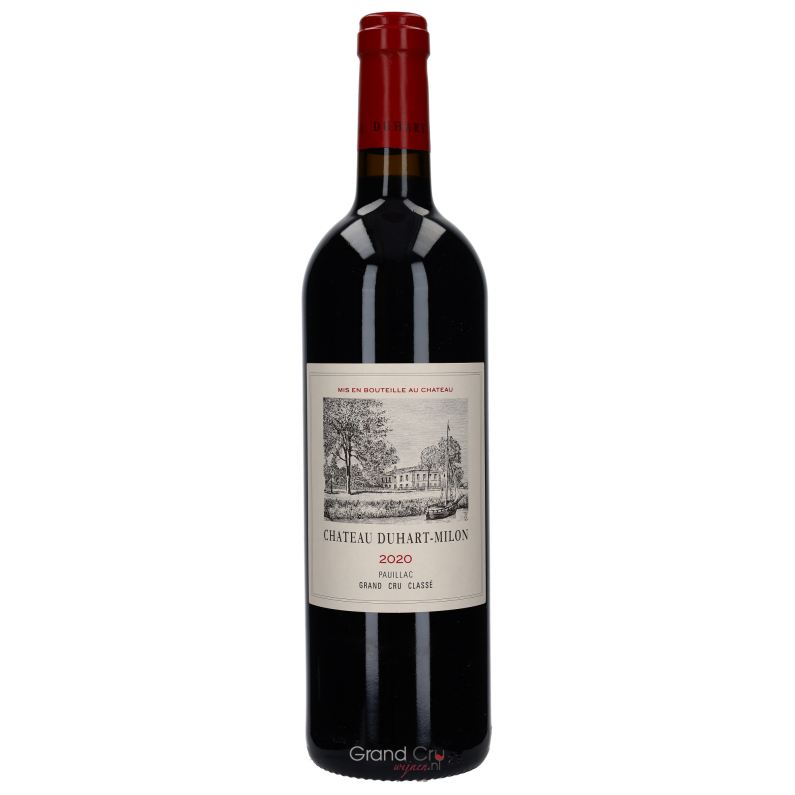
De specificaties zoals vermeld bij de wijn (o.a. wijnjaar) en in de titel zijn leidend en er kunnen geen rechten worden ontleend aan de afbeelding die wordt getoond. Lees meer in onze Frequenty asked questions
Expected March-May 2027
Ordering in bulk? Log in to request a quote
How does this wine taste?
How full and heavy the wine feels in your mouth, like the difference between skimmed milk and cream. More alcohol, sugar and oak ageing make a wine fuller.
The drying, grippy feel on your gums and tongue, as with strong tea. It comes from the skins and seeds of black grapes and from oak, and softens with age.
How much sugar you taste, from dry to sweet. Fruity is not the same as sweet: a dry wine can taste of ripe fruit.
How fresh and juicy the wine is: acidity makes your mouth water. High acidity tastes lively and refreshing, low acidity soft and round.
What we taste What you taste Click a taste for what it means
The bars follow how sommeliers taste (WSET): body, tannin, sweetness and acidity, each from low to high.
Body: full-bodied. Like most red wines from ; 13.5% alcohol.
Tannin: firm. Aged in oak.
Sweetness: dry. Red wine from is almost always dry.
Acidity: medium. The temperate climate of .
Nothing noted for this wine yet. What do you smell, and how long does the taste linger?
Have you tasted this wine?
Save your rating and notes.
Save your rating and notes.
Have you tasted this wine?
Log in to save your tasting note.
Log in to save your tasting note.
Log inEXCLUSIVE OFFER VALID UNTIL 31/12/2026-EXPECTED SPRING 2027
Duhart-Milon is one of the most prestigious châteaux in the Pauillac appellation. In 1855, the château was included in the famous classification of Médoc wines. The château is now part of the Domaines Barons de Rothschild (Lafite) group. The history of Château Duhart Milon dates back to the early 18th century, when the owner of Château Lafite, Marquis Nicolas-Alexandre de Ségur, used the wines of Milon as his 'second wine'. Around 1840, the château, by then called Duhart-Milon, already possessed 40 hectares of vineyards of the highest quality. After a difficult period in the middle of the last century, Duhart-Milon became the property of the Rothschild family. A new period of great prosperity dawned.
Château Duhart Milon is located in the Pauillac appellation, to the west of Château Lafite-Rothschild. The château currently has over 70 hectares of vineyards. The soil is very typical of the region and contains a mixture of fine gravel, sand, and limestone. Combined with the mild climate, this is an ideal location for Cabernet Sauvignon, which is the most important grape here. In addition, the château uses Merlot and Cabernet Franc. The average age of the vines is over 30 years.
The close collaboration with neighbor Château Lafite-Rothschild has led to a tremendous boost in quality. Typical characteristics include: low yields, manual harvesting, classic vinification, and a great sensitivity to the individual character of a vintage. This results in very high-quality wines that reflect the special character of the Pauillac appellation: a combination of power, elegance, and a unique aging potential. The wine ages in oak barrels sourced from the estate's own cooperage. Vinification for this wine takes place through controlled fermentation in tanks before aging in barriques. Depending on the vintage, this aging lasts 10 to 18 months.
The Duhart-Milon is a blend of the typical Pauillac composition of 78% Cabernet Sauvignon and 22% Merlot and is deep purple-red in color, transitioning to garnet to brownish-red. It has a powerful, richly nuanced aroma with notes of black cherry, blackberry, and cedar, and a beautiful touch of oak. Full, firm on the palate, very smooth texture, and a complex fruity taste with earthy notes, playful tannins, freshness from the Cabernet, and an impressive length. The wine is at its best when the Merlot has fully ripened, as this gives the wine those Merlot tannins, acidity, and vegetal notes that provide extra complexity. The vineyard borders that of Château Lafite Rothschild (same owners), and Lafite's refined elegance is almost always present in Duhart-Milon, along with spicy oak, vanilla, and tobacco notes. The cellars are located at the Pauillac waterfront. Of the vats used there, 33% to 40% are new.
FUN FACT: In the 'Attachments' tab, you will find the official factsheet for this fine wine. We will automatically send this to you upon ordering this wine. The wine is stored in our climate-controlled Wine Warehouse, and if you come to collect the wine, you will often receive a nice discount . You will see your discount immediately when you select 'Pick up' on the checkout page. We are located in Dordrecht, almost next to the A16, with ample parking. Click here for our address.
You can read the full wine reviews from Parker, Suckling, Vinous, and Wine Spectator, among others, via the links next to the image. A free service for our customers.
Need advice on finding the ideal wine for your dish? Click here for our exclusive Sommelier. Free for Grandcruwijnen customers.
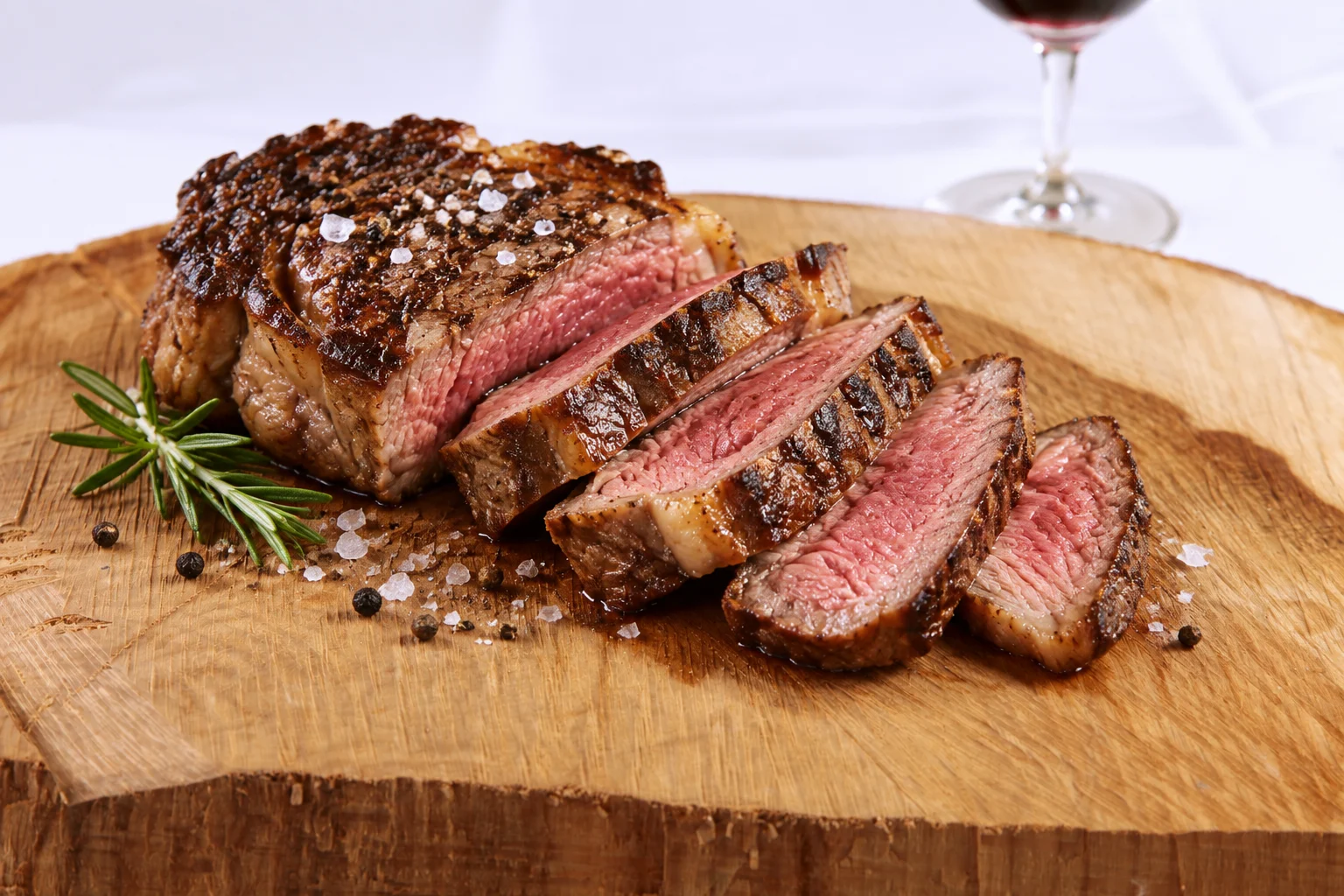
1. Entrecote with red wine jus and roasted vegetables
Why this pairs well: The firm tannins of this Pauillac call for a protein-rich dish. Entrecote offers fat and umami that soften the tannins, while a sauce based on red wine and roasted vegetables underscores the earthy notes in the wine. The roasted flavors complement the oak usage in the wine beautifully.
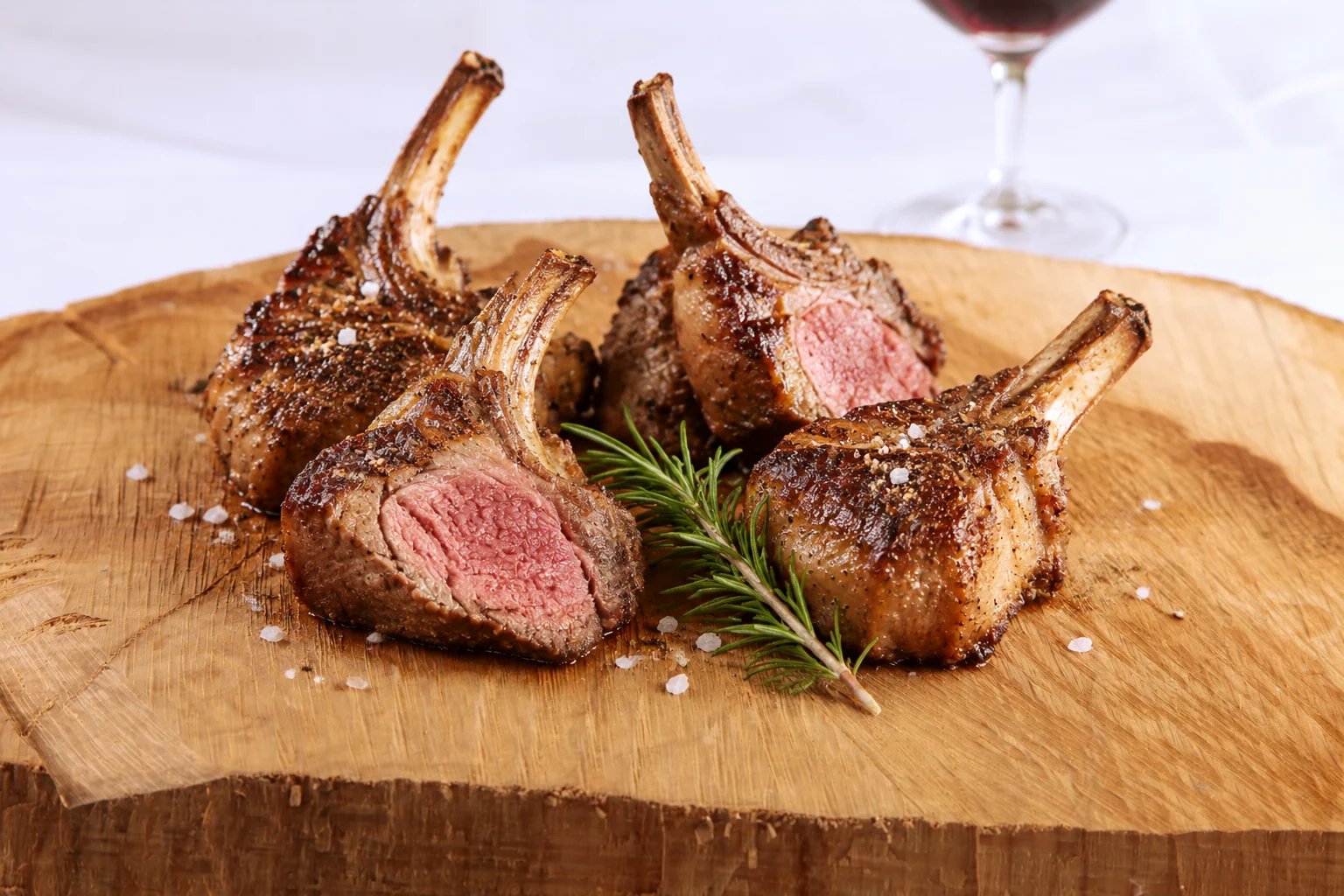
2. Rack of lamb with rosemary and garlic
Why this pairs well: Lamb is a classic match with Pauillac. The spicy marinade accentuates the spiciness in the wine, while the juicy, slightly fatty meat beautifully balances the wine's structure. The combination brings out both the fruitiness and the mineral notes of the wine.
3. Risotto with mushrooms and Parmesan
Why this pairs: Mushrooms add umami, which opens up the wine and makes it more accessible. The creaminess of the risotto contrasts pleasantly with the tannins, and the cheese brings a salty complexity that pairs well with the ripe fruit notes and the use of oak in the wine.
4. Beef stew with bay leaf and cloves
Why this pairs well: Slow-cooked beef allows the wine's structure to shine through without overpowering it. The deep, spicy flavors from the stew bring out the wine's complexity, while the juiciness keeps everything in balance.
5. Wood pigeon with blackcurrant compote and parsnip purée
Why this works: This combination plays on the dark fruit notes and the gamey character of the wine. The berry compote enhances the cassis profile of the Pauillac, while the earthy parsnip accentuates the mineral undertones.
6. Veal tongue in Madeira sauce with truffle potatoes
Why this pairs: The silky texture of veal tongue pairs beautifully with the refinement of the wine, while the powerful Madeira sauce reflects its robust character. Truffle potato adds a luxurious earthy touch that perfectly complements the complexity of this Grand Cru Classé.
Character
The wine
Origin
Bottle
Wine features
Parker
The Wine Advocate
RP (90-93)
Reviewed by:
William Kelley
Release Price:
NA
Drink Date:
N/A
A blend of 78% Cabernet Sauvignon and 22% Merlot, the 2024 Duhart-Milon was cropped at 32 hectoliters per hectare, and it was here that the Lafite team concluded the harvest. Offering up aromas of cassis and red berries mingled with hints of violets, pen ink, licorice and toasty oak, it's medium to full-bodied, supple and fleshy, with a round, integrated, charming profile, concluding with a moderately persistent finish.
Published: Apr 23, 2025
Lorem ipsum dolor sit amet, consectetur adipiscing elit. Sed do eiusmod tempor incididunt ut labore et dolore magna aliqua...
James Suckling
Score
93-94
Château Duhart-Milon Rothschild Pauillac 2024
Friday, Apr 25, 2025
Color
Red
Country
France
Region
Bordeaux
Vintage
2024
A lighter vintage that highlights finesse rather than power or concentration. Fresh blue fruit with a medium body and fine-grained tannins. Fresh but supple in a refined, medium-long finish. 78% cabernet sauvignon and 22% merlot.
Lorem ipsum dolor sit amet, consectetur adipiscing elit. Sed do eiusmod tempor incididunt ut labore et dolore magna aliqua...
Vinous
(90-92)
Drinking Window
2029 - 2047
From: Event Horizon: Bordeaux 2024 Primeur (May 2025)
The 2024 Duhart-Milon was picked between September 24 and October 8 and matured in 50% new oak. The aromatics take their time to coalesce. It's a little herbaceous at first although that ebbs away to reveal quite pure blackcurrant, raspberry and Morello scents. The palate is medium-bodied with grainy tannins, a mixture of red and black fruit and a dab of licorice toward the finish that just tapers slightly. Overall, this is a decent Pauillac in an old-school style that I approve of.
- By Neal Martin on April 2025
(91-93)
Drinking Window
2030 - 2042
From: 2024 Bordeaux En Primeur: The Razor’s Edge (Apr 2025)
The 2024 Duhart-Milon opens with strong Cabernet Sauvignon inflections. Blue-toned fruit, lavender, spice and dried herbs open first, all framed by brisk acids and supporting tannins that lend shape. The 2024 includes 14% press wines, about the norm here. This is a very promising Duhart.
- By Antonio Galloni on April 2025
Lorem ipsum dolor sit amet, consectetur adipiscing elit. Sed do eiusmod tempor incididunt ut labore et dolore magna aliqua...
Exclusive Content
Sign in to unlock professional wine reviews from world-renowned critics
- Quatrième Grand Cru Classé en 1855
Château Duhart-Milon (formerly known as Duhart-Milon-Rothschild), located in the Pauillac district of Bordeaux, is classified as a "4eme Cru Classé" according to the 1855 Bordeaux classification.
Château Duhart-Milon is owned by Lafite Rothschild. Both wineries are under the same management, with oenologist Christophe Congé and business manager Louis Caillard.
The estate of Château Duhart-Milon is located on the western side of Lafite Rothschild. The vineyard consists of approximately 75 hectares of land and is planted with Merlot (33%) and Cabernet Sauvignon (67%) vines. In total, the production of this winery is about 30,000 cases per year.
De 2024 Château Duhart-Milon Pauillac toont een verfijnd profiel van zwarte bessen en cassis, rode bessen en viooltjes, met subtiele tonen van ceder, laurier, licorice en een zachte toast van nieuw eiken, medium- tot fullbody met fijne, korrelige tannines en een elegante zuurgraad. Dankzij die stevige maar verfijnde tannines en het donkere fruit past hij prachtig bij rundvlees, lamsgerechten, rijke stoofschotels en gerijpte kazen; het vet en umami van een entrecote of een mals lamsrack verzachten de tannines, terwijl langzaam gegaarde stoven en paddenstoelenrisotto de aardse en kruidige lagen van de wijn versterken. Bereidingen met een rodewijnjus, rozemarijn en knoflook of langzaam gestoofd vlees met laurier en kruidnagel laten de complexiteit het beste spreken, net als gerechten met een lichte houtgerijpte of truffelachtige toets die de eikeninvloed van de wijn complementeren.
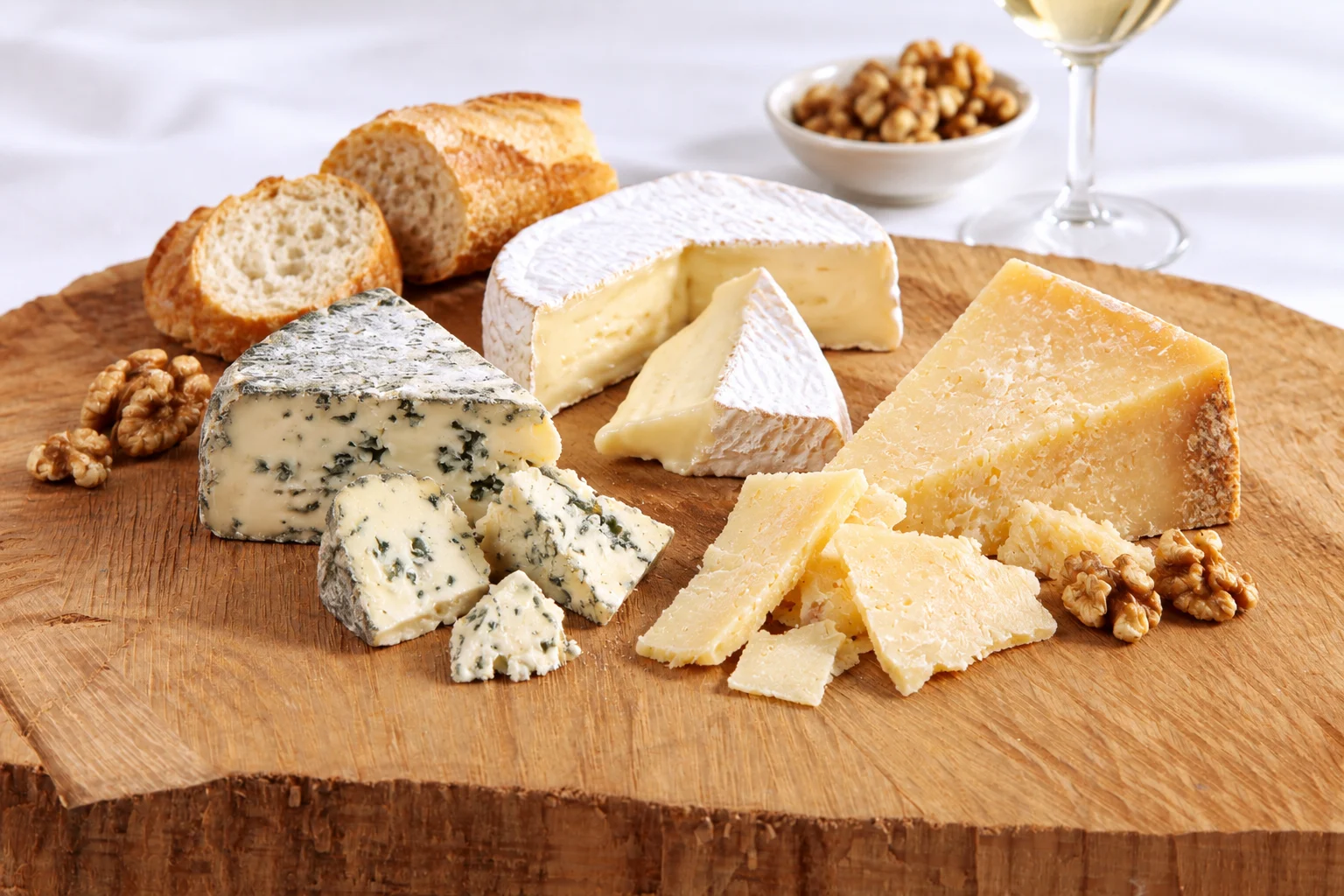
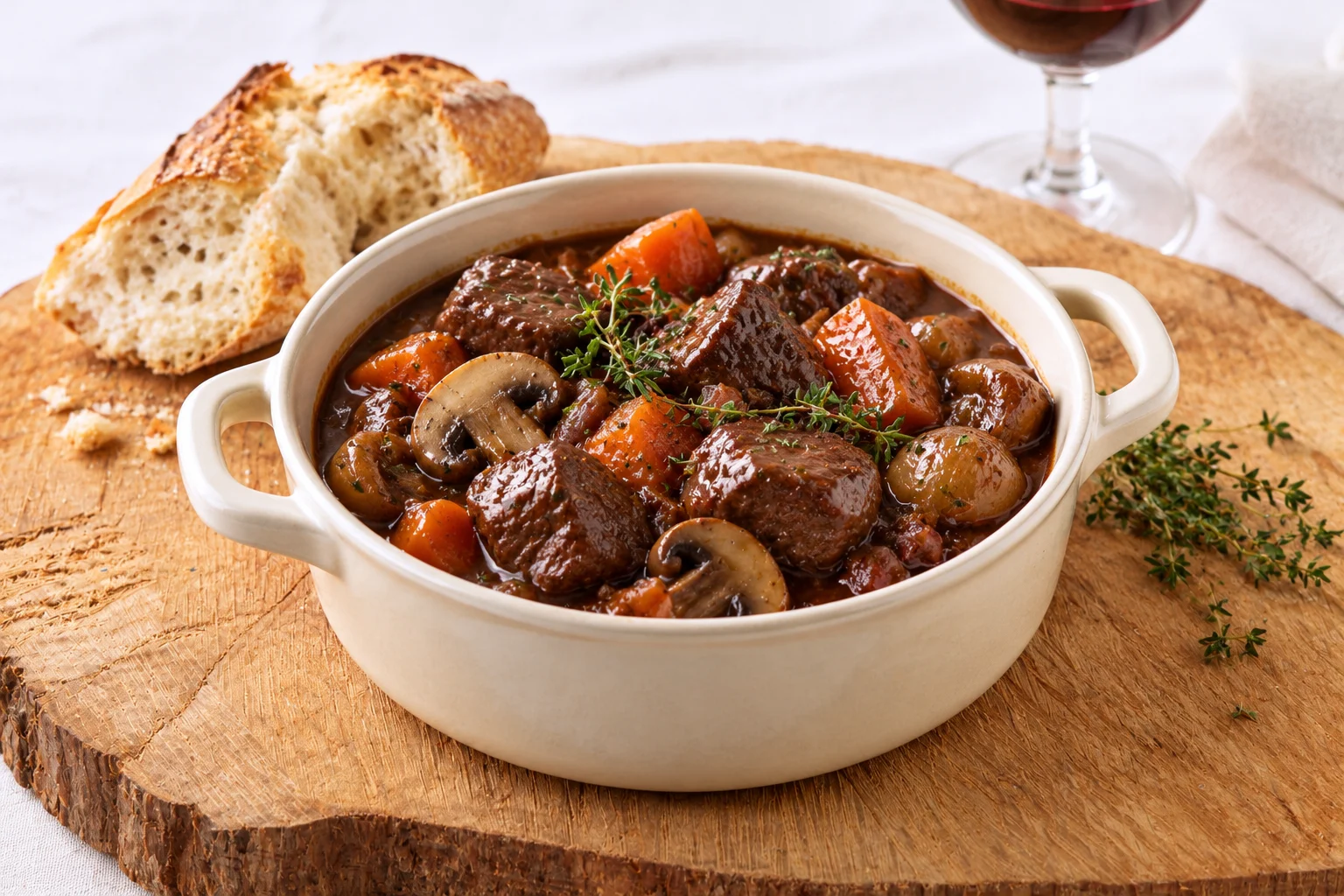
Choose a category to discover dishes that pair well with this wine.
Do you already have a dish in mind?
Let Sommy find wines to pair with your meal.
Discover Wine Trivia
Sign in to unlock fascinating facts about this wine and expand your knowledge.
Sign In