


2023 Telmo Rodriguez Las Beatas

De specificaties zoals vermeld bij de wijn (o.a. wijnjaar) en in de titel zijn leidend en er kunnen geen rechten worden ontleend aan de afbeelding die wordt getoond. Lees meer in onze Frequenty asked questions
| Type of Wine | |
|---|---|
| Country | Spain |
| Region | |
| Appellation | Rioja Alta |
| Winery | |
| Vintage | 2023 |
| Grape | , , |
| Content (Alc) | Standard (0.75 ltr) (14%) |
| Drink window | 2026 - 2042 |
Out of Stock
Currently unavailable
Notify me when this product is back in stock
Notities
Foto
Proefnotities
Heb je deze wijn geproefd?
Bewaar je beoordeling en aantekeningen.
Bewaar je beoordeling en aantekeningen.
Heb je deze wijn geproefd?
Log in om je proefnotitie op te slaan.
Log in om je proefnotitie op te slaan.
Log inHoe wil je je wijn beoordelen?
Max 5 MB. JPG, PNG, WebP.
Hoe smaakt het?
Klik op wat het beste past. Alles is optioneel.
Welke geuren en smaken herken je?
Klik op alles wat je herkent. Dit is optioneel.
Uiterlijk
Neus
Aroma's (neus)
Smaak
Smaken (mond)
Afdronk
Wijngegevens
Automatisch ingevuld vanuit productgegevens.
Persoonlijke gegevens
The 2023 Telmo Rodriguez Las Beatas is one of the most exclusive and fascinating wines of Rioja. Sourced from an exceptional vineyard of just 1.9 hectares in the northwest of Rioja Alavesa, this wine demonstrates just how terroir-driven modern Rioja can be. Las Beatas is not a wine focused on power or extraction, but on precision, complexity, and the unique expression of a historic vineyard. With a production of only 1,525 bottles, this wine is one of Telmo Rodríguez's rarest cuvées.
Telmo Rodríguez and the search for unique vineyards
Telmo Rodríguez is regarded as one of Spain's most influential winemakers. For decades, he has dedicated himself to the preservation of old vineyards, local grape varieties, and historic terroirs. His project in Rioja revolves around restoring the region's original identity, taking center stage with individual vineyards rather than long aging or brand-oriented blends.
Las Beatas forms the absolute flagship of this work. The vineyard is considered by Telmo Rodríguez to be one of the most exceptional locations in Rioja Alavesa and is often compared to the great terroirs of Burgundy for its ability to produce a unique and recognizable expression year after year.
An exceptional vineyard in Rioja Alavesa
Las Beatas is located in the northwesternmost part of Rioja Alavesa and covers only 1.9 hectares. The vineyard consists of ten terraced levels with varying exposures to the east, south, and northwest. Old vines are combined here with younger plantings.
The soil is particularly complex. Miocene conglomerates alternate with sandstone and marl from the late Tertiary. This combination provides an exceptional capacity to retain water and make it gradually available to the vines. It is precisely this natural balance that makes the vineyard so special and ensures that the vines can maintain consistent ripening even during warm years.
In the vineyard, eight to possibly even nine local grape varieties are planted together, a historical practice that used to be much more common in Rioja but is rarely found today.
2023 vintage and vinification
The 2023 vintage experienced a dry spring followed by significant rainfall in June, ensuring sufficient water reserves became available for the warm summer months. Despite the high temperatures and intense sunshine, the vineyard remained remarkably stable thanks to the unique soil composition.
The August heat peaks caused no delays in ripening, allowing the grapes to develop slowly and evenly. Rain at the end of the growing season subsequently ensured extra freshness and aromatic precision. The harvest began on October 2 and was carried out in phases to pick each grape variety at the optimal moment.
After vinification, the wine matured exclusively in a single 1,200-liter wooden foudre in the cool, historic cellar of Bodega Lanzaga. As a result, the influence of wood remains minimal, and the expression of the vineyard takes center stage.
Scent, taste and style
Las Beatas 2023 presents an exceptionally refined and layered aromatic profile. Ripe red and dark fruits are supported by floral nuances, Mediterranean herbs, spices, and subtle earthy notes. As the wine develops in the glass, ever-new layers emerge.
On the palate, the wine combines concentration with remarkable precision. The structure is deep but never heavy, with refined tannins and a lively acidity that provide tension and length. The different grape varieties each contribute their own dimension to the whole, resulting in a wine that feels simultaneously complex, energetic, and harmonious.
What stands out most is the balance between power and finesse. Despite the warm growing season, the wine retains an impressive freshness and elegance. The finish is long, mineral, and exceptionally persistent.
The wine is being released on allocation, which is not surprising considering only 1,500 bottles are being produced. Since the wine has been on the market, it has consistently received extremely high scores:
2011 - 97 RP
2012- 98 RP
2013 - 98 RP
2015 - 100 RP
2016 - 99 RP
2016 - 100 James Suckling
2017 - 98+ RP
2018 - 98+ RP
2019 - 99 RP
2020 - 99 RP
2022 - 99 RP
| Type of Wine | Red |
|---|---|
| Country | Spain |
| Region | Rioja |
| Appellation | Rioja Alta |
| Icons | Icon Spain & Portugal |
| Winery | Telmo Rodriguez |
| Grape | Garnacha, Graciano, Tempranillo |
| Biological certified | Yes |
| Natural wine | No |
| Vegan | No |
| Vintage | 2023 |
| Drinking as of | 2026 |
| Drinking till | 2042 |
| Alcohol % | 14 |
| Alcohol free/low | No |
| Content | Standard (0.75 ltr) |
| Oak aging | Yes |
| Sparkling | No |
| Dessert wine | No |
| Closure | Cork |
| Parker rating | 99 |
| Vinous rating | 99 |
| Tasting Profiles | Aards, Complex, Donker fruit, Droog, Houtgerijpt, Krachtig, Mineraal, Rijk, Rood fruit, Tannines, Vol |
| Drink moments | Indruk maken, Lekker luxe |
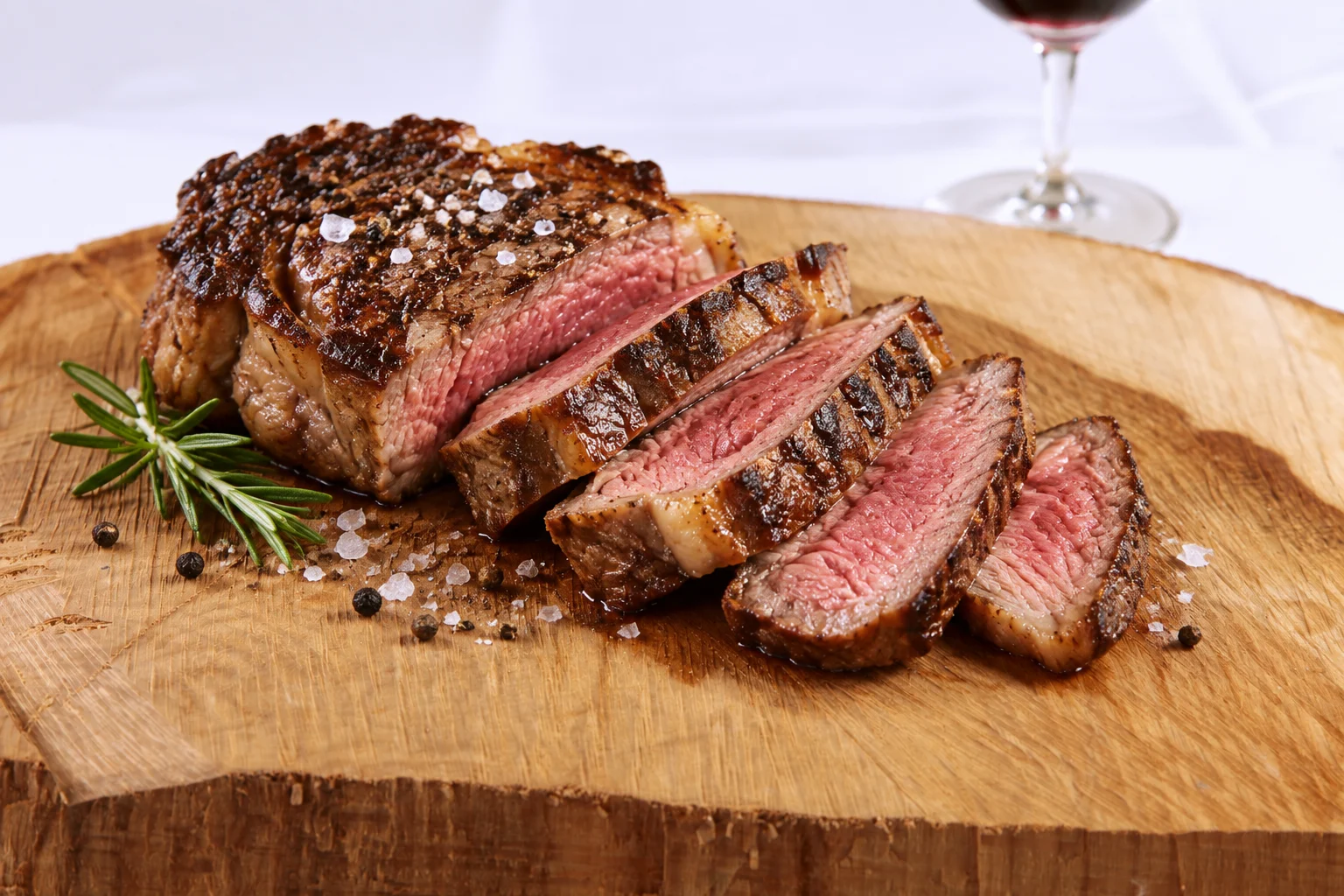
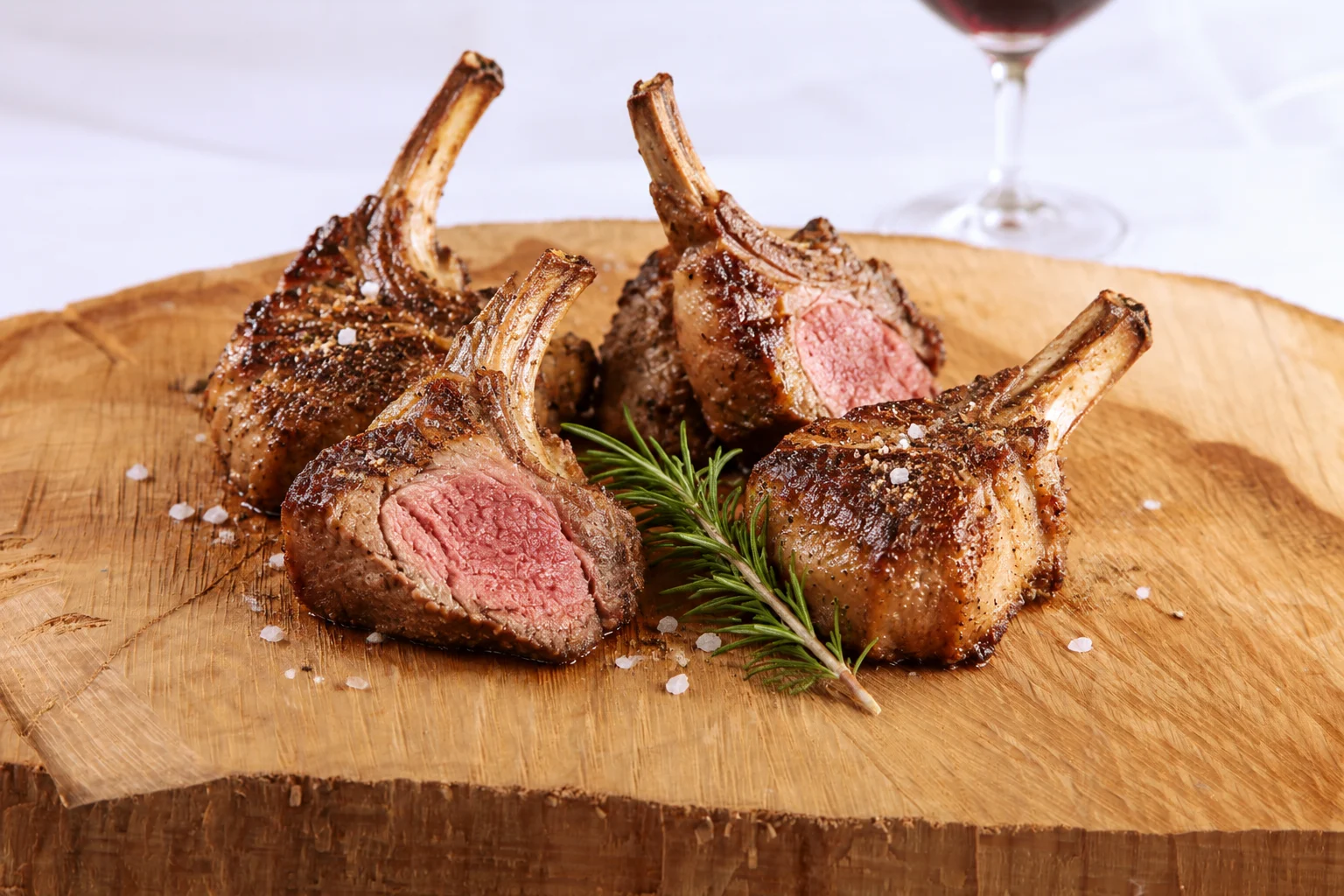
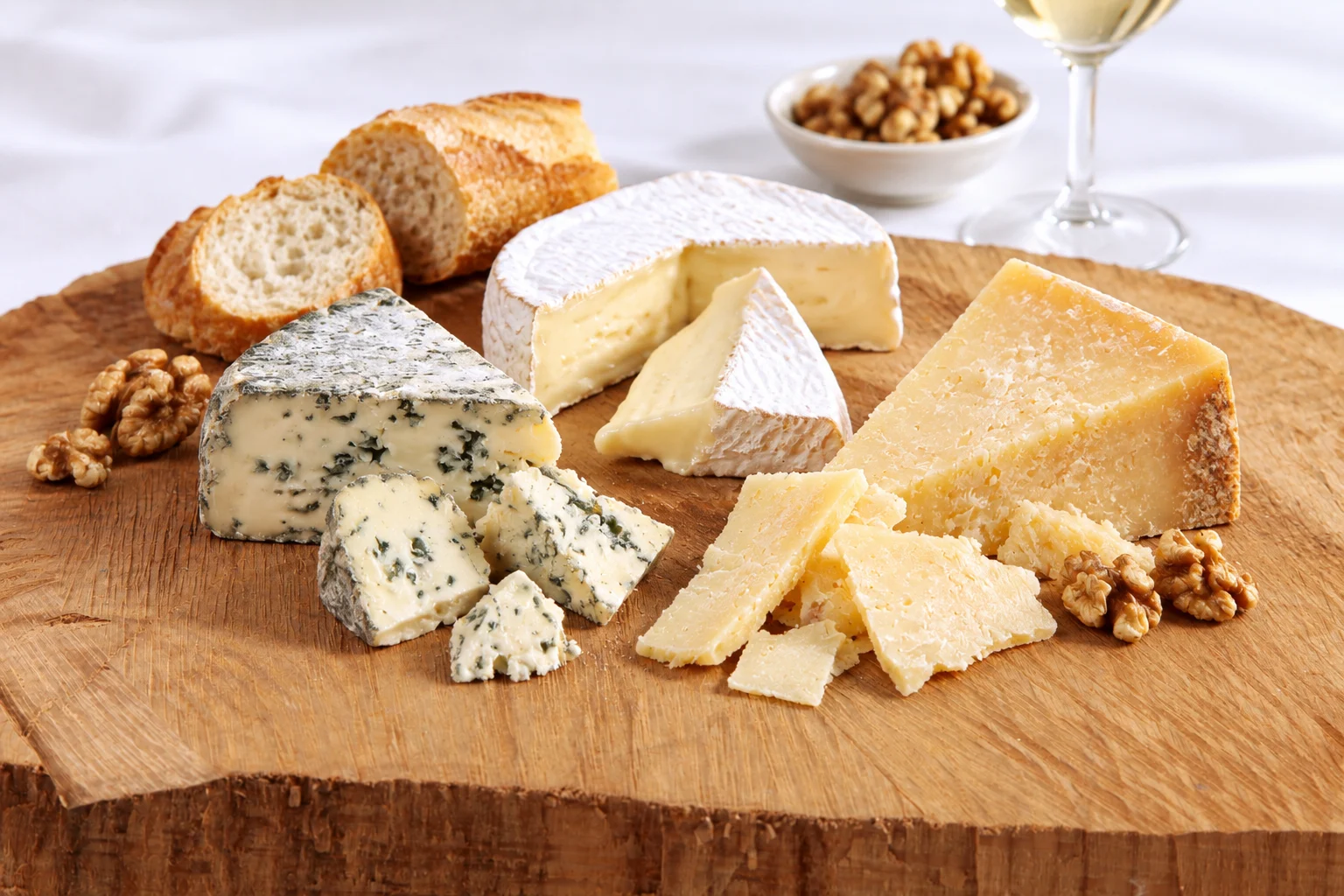
| Sommy Pairing Beschrijving | De 2021 Telmo Rodriguez Las Beatas toont een fijne mineraliteit met bloemige toetsen van viooltje en lavendel, rijp donker fruit en een subtiele eikenhoutspice die door de mooie zuurgraad en rijpe tannines in balans wordt gehouden. Daardoor sluit hij prachtig aan bij rundvlees en lam, omdat de tannines en zuren vet en umami verzachten, bij charcuterie doordat het kruidige en gerijpte vlees de houten en hartige tonen complimenteert, en bij kazen en het borrelterras doordat de wijn frisheid en complexiteit toevoegt zonder te overheersen. Specifiek werken gegrilde of vuurgegaarde steaks, langzaam gegaard lamsbout met rozemarijn, rijk gevulde stoofschotels en stevig gerijpte kazen extra goed, evenals plankjes met diverse gedroogde en gerookte vleeswaren. |
Parker
Rating
99
Release Price
$200 - 220
Drink Date
2022 - 2035
Reviewed by
Luis Gutiérrez
Issue Date
23rd Jun 2022
Source
June 2022 Week 3, The Wine Advocate
The 2019 Las Beatas comes from a dry year marked by low yields because of poor flower setting of Tempranillo, and they picked the grapes from Labastida at the same time as the ones from Lanciego, which isn't normally the case. The grapes were healthy, in small and loose clusters. They waited for the ripeness of the grapes from Las Beatas, so they waited a little longer, which resulted in a concentrated wine with marked acidity, 14% alcohol and a pH of 3.72. The field blend of grapes fermented in a 3,000-liter open-top oak vat with indigenous yeasts, and the wine matured in a 1,200-liter oak foudre for 14 to 16 months. This feels young and tender, more expressive than Tabuérniga, more fragile, tridimensional, different from the single-vineyard wines from Rioja. The palate is medium to full-bodied, with velvety tannins and a delicate finish. It grows in the glass. It should develop beautifully in bottle. 1,506 bottles were filled in May 2021.
Telmo Rodríguez and Pablo Eguzkiza have fermented their 2021s from Galicia in the new winery in Valdeorras, Ribera del Duero. It is still a work in progress, and there will be new stuff from Rioja in a few more years. The main wines across the portfolio feel very consolidated now.
Lorem ipsum dolor sit amet, consectetur adipiscing elit. Sed do eiusmod tempor incididunt ut labore et dolore magna aliqua...
Vinous
99
Drinking Window
2026 - 2047
From: 2022, 2023 and 2024: The Rioja Renaissance (Apr 2026)
There are vineyards that are visually striking and others whose identity lies in the grapes they yield; Las Beatas combines both. Three terraces of old vines in Labastida define one of Rioja’s most distinctive reds. A field blend of up to nine co-planted varieties, the 2022 Las Beatas was aged briefly in 1,200L foudre. Violet, herbs, peach and a sanguine nuance rise first, then the wine evolves continuously in the glass. Expressive and layered, the palate is delicate and agile, with light chalk and youthful energy, while remaining both ethereal and serious. Still early in bottle, its magic lies in its singularity. A wine autonomous within Rioja.
- By Joaquín Hidalgo on April 2026
Telmo Rodríguez and his partner, Pablo Eguzkiza, are among the clearest thinkers shaping the future of Rioja. Through Lanzaga, Cosecheros de Labastida and Granja Remelluri, the pair offers a vision of Rioja grounded in a deep sense of place. Their reds display finely judged aging and extraction, reflecting a philosophy that filters the present through the lens of the past. They aim to recapture the character of the wines made before the devastation of phylloxera. Among their many site-specific interpretations, the restorations of Las Beatas and Tabúerniga stand out. Rodríguez and Eguzkiza’s latest project, Cosecheros de Labastida, highlights individual grower perspectives, with each label bearing a unique name and style. Profits are shared, and the concept is clear: to return creative agency to today’s harvesters, echoing the spirit of past generations.
Lorem ipsum dolor sit amet, consectetur adipiscing elit. Sed do eiusmod tempor incididunt ut labore et dolore magna aliqua...
Exclusive Content
Sign in to unlock professional wine reviews from world-renowned critics
Winemaker Telmo Rodriguez is labeled as one of the young lions of the Spanish wine industry. He studied at the University of Bordeaux and later in the Rhône with the famous August Clape. He was the winemaker of La Granja Senora De Remelluri, his father's bodega in Rioja. He left there to become what some would call a flying winemaker. However, Telmo prefers to call itself a 'driving winemaker'. he lives in Madrid and drives his car to the areas where he makes wine. In a short time his wines have found a place on the international playing field. One example: in Tom Stevenson's Wine Report 2008, Telmo is included among the top 10 producers from Spain. We once again spoke extensively with Telmo Rodriguez. That is always a pleasure. If you sit down with him you always learn something or he gives food for thought. What makes this 'conscience of the Spanish wine world' so special? When Telmo completed his studies in Bordeaux and then had internships with people like Chave (Hermitage), Clape (Cornas) and Dürrbach (Trévallon) he came back to Spain. There he saw other Spaniards who had studied in France bringing French grape varieties and customs to Spain. For example, there was more and more wire guidance, while the Spanish system had always been free-standing sticks. Telmo concluded that he wanted to focus on the old qualities of Spain such as freestanding sticks, indigenous grape varieties and field blends. In addition, he was the first in Spain to introduce modern labels and he opposes the rigid Spanish wine laws.
Free standing sticks
Spain used to be a country of bush vines: the sticks were so far apart per area and per vineyard that they could each get enough water. If you place your sticks far apart with wire articulation, the stick will grow far and become much too large. With wire articulation, you therefore need many more sticks per hectare. However, the problem is that there is not enough water for this and you therefore have to irrigate, in areas that often already suffer from a shortage of water. In addition, the grapes hang more in the shade with free-standing sticks, which gives less chance of 'burning' and leads to less stewed fruit and fresher acids. The only downside to free-standing canes is that more manual work is involved in vineyard management and harvesting. Telmo works almost exclusively with bush vines.
Native grape varieties
It was clear to Telmo that there are so many good indigenous varieties in Spain that importing 'the big five' (Chardonnay, Sauvignon Blanc, Merlot, Cabernet and Syrah) from France was not necessary at all. He was one of the first to produce good Rueda from Verdejo and Viura, he embraced Mencia and Godello in Valdeorras, Monastrell in Alicante, Moscatel in Malaga, Garnacha in Cebreros…. In the mid-1990s he was still considered crazy with this philosophy, but now everyone is following him.
Field blends
There used to be many vineyards in Spain with various grape varieties mixed together, also called 'field blends'. It is often argued against field blends that the varieties (that are picked together) are not all ripe at the same time. It speaks for the fact that diversity and disease resistance increase and that it promotes complexity. Telmo now has two vineyards with field blends in production. In Rioja he makes it Las Beatas (named after the vineyard, first vintage awarded with 97 points by Parker) and in Valdeorras Las Caborcas. Beautiful, original wines!
Spanish wine laws
Telmo was the first to remove the word Reserva from a Rioja in 1995. In his words: 'I ask my wines how long they want to stay in the wood'. One year grapes can easily handle a 12-month aging in wood, but not in another year. There was consternation about Las Beatas: the Consecho initially did not want to approve the wine made with a field blend as Rioja… while there was a time when all Rioja was made that way! Consecho did not push this to the extreme and ultimately fortunate for them, given the enormously high international appreciation.
De 2021 Telmo Rodriguez Las Beatas toont een fijne mineraliteit met bloemige toetsen van viooltje en lavendel, rijp donker fruit en een subtiele eikenhoutspice die door de mooie zuurgraad en rijpe tannines in balans wordt gehouden. Daardoor sluit hij prachtig aan bij rundvlees en lam, omdat de tannines en zuren vet en umami verzachten, bij charcuterie doordat het kruidige en gerijpte vlees de houten en hartige tonen complimenteert, en bij kazen en het borrelterras doordat de wijn frisheid en complexiteit toevoegt zonder te overheersen. Specifiek werken gegrilde of vuurgegaarde steaks, langzaam gegaard lamsbout met rozemarijn, rijk gevulde stoofschotels en stevig gerijpte kazen extra goed, evenals plankjes met diverse gedroogde en gerookte vleeswaren.
Choose a category to discover dishes that pair well with this wine.
Do you already have a dish in mind?
Let Sommy find wines to pair with your meal.
Discover Wine Trivia
Sign in to unlock fascinating facts about this wine and expand your knowledge.
Sign In