

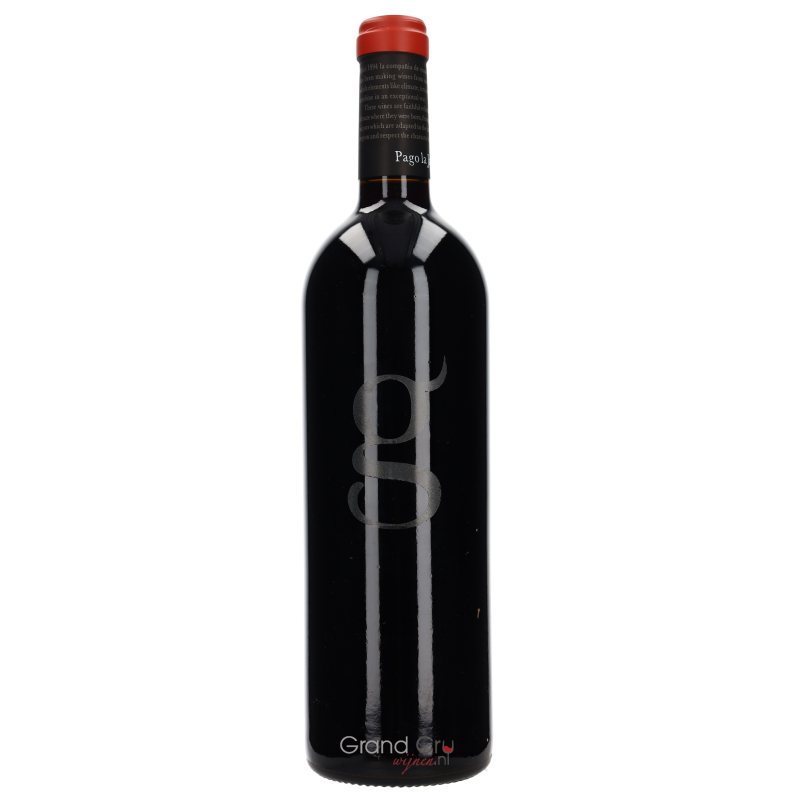
2022 Telmo Rodriguez Pago la Jara
| Type of Wine | |
|---|---|
| Country | Spain |
| Region | |
| Appellation | |
| Winery | |
| Vintage | 2022 |
| Grape | |
| Content (Alc) | Standard (0.75 ltr) (14%) |
| Drink window | 2026 - 2034 |
Ordering in bulk? Log in to request a quote
Low Stock
Only 5 left
Notities
Foto
Proefnotities
Heb je deze wijn geproefd?
Bewaar je beoordeling en aantekeningen.
Bewaar je beoordeling en aantekeningen.
Heb je deze wijn geproefd?
Log in om je proefnotitie op te slaan.
Log in om je proefnotitie op te slaan.
Log inHoe wil je je wijn beoordelen?
Max 5 MB. JPG, PNG, WebP.
Hoe smaakt het?
Klik op wat het beste past. Alles is optioneel.
Welke geuren en smaken herken je?
Klik op alles wat je herkent. Dit is optioneel.
Uiterlijk
Neus
Aroma's (neus)
Smaak
Smaken (mond)
Afdronk
Wijngegevens
Automatisch ingevuld vanuit productgegevens.
Persoonlijke gegevens
Winery
Compañía de Vinos Telmo Rodríguez is one of Spain's most influential wine projects. Telmo Rodríguez is known for its search for historic vineyards and forgotten terroirs, where authenticity and provenance always take center stage. Instead of representing a single region, the team works with exceptional vineyards spread across Spain. Pago La Jara is one of the house's most exclusive projects and is produced in very limited quantities. The wine demonstrates just how refined and terroir-driven Toro can be when old vines, low yields, and careful vineyard management come together. You can find more information about this winery in the Winery tab.
Origin and terroir
Pago La Jara is located in Toro, one of the oldest wine regions in Spain. The wine comes from four small plots within the historic Pago La Jara vineyard. The soil consists of poor sandy and gravelly soils that naturally limit yields. Many vines are old and deeply rooted, allowing them to find sufficient water and nutrients even during dry summers. Toro's continental climate is characterized by warm days and cool nights, resulting in a combination of ripe fruit and the preservation of freshness.
Grapes and vineyard management
The wine is made primarily from Tinta de Toro, the local variant of Tempranillo. In addition, the vineyard contains small quantities of Albillo Mayor, a traditional white grape that was historically often planted among the red vines. Yields are particularly low, resulting in high concentration and aromatic intensity. The grapes are harvested by hand and carefully selected. The emphasis is on preserving the identity of the vineyard and creating a wine that clearly reflects its origins.
Vinification and aging
After the harvest, the grapes are fermented in large wooden vats of approximately 3,000 liters. This fermentation method ensures gentle extraction and the preservation of aromatic finesse. Subsequently, the wine ages for about 18 months in large wooden foudres and carefully selected oak barrels. During this period, the wine undergoes sur lie aging, which adds extra depth, texture, and complexity. Through the use of large wooden barrels, the influence of the wood remains subtle and the character of the vineyard remains central.
Color, smell and taste
The wine has a deep dark red color with purple reflections. On the nose, aromas of ripe black fruit, dark cherries, blackberries, and black olives dominate. Additionally, refined notes of violets, Mediterranean herbs, forest floor, and subtle earthy nuances are present. On the palate, the wine is powerful yet remarkably precise. The structure is full and layered, with ripe tannins providing length and elegance. Despite its concentration, the wine retains a striking freshness, ensuring it never feels heavy. The finish is long, mineral, and complex.
Style and character
Pago La Jara is among the most refined wines of Toro. While the region is sometimes known for powerful and muscular wines, Telmo Rodríguez opts for balance, precision, and terroir expression. The wine combines ripe fruit and concentration with freshness, tension, and finesse, creating a style that is both impressive and elegant. The wine displays power without excess and develops beautifully with additional bottle aging.
Volume
The 2022 vintage in Toro produced healthy grapes with excellent aromatic concentration. Thanks to low yields and old vines, a wine with great depth and structure could be produced. In 2022, the style of Pago La Jara remains true to its reputation: powerful yet refined, with a clear focus on balance and terroir. The wine is impressive even when young, but will continue to develop over the next fifteen to twenty years.
Food and wine pairings
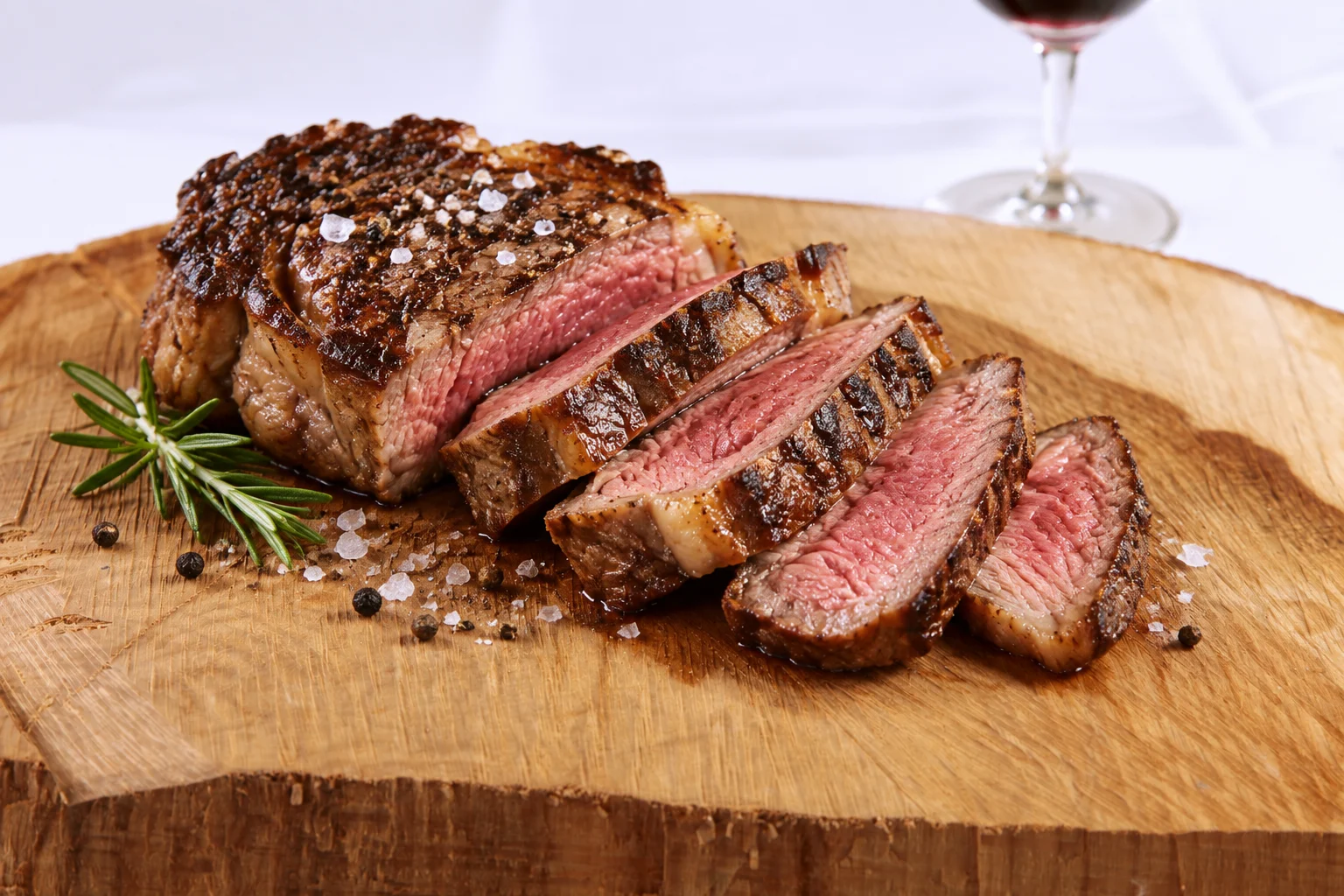
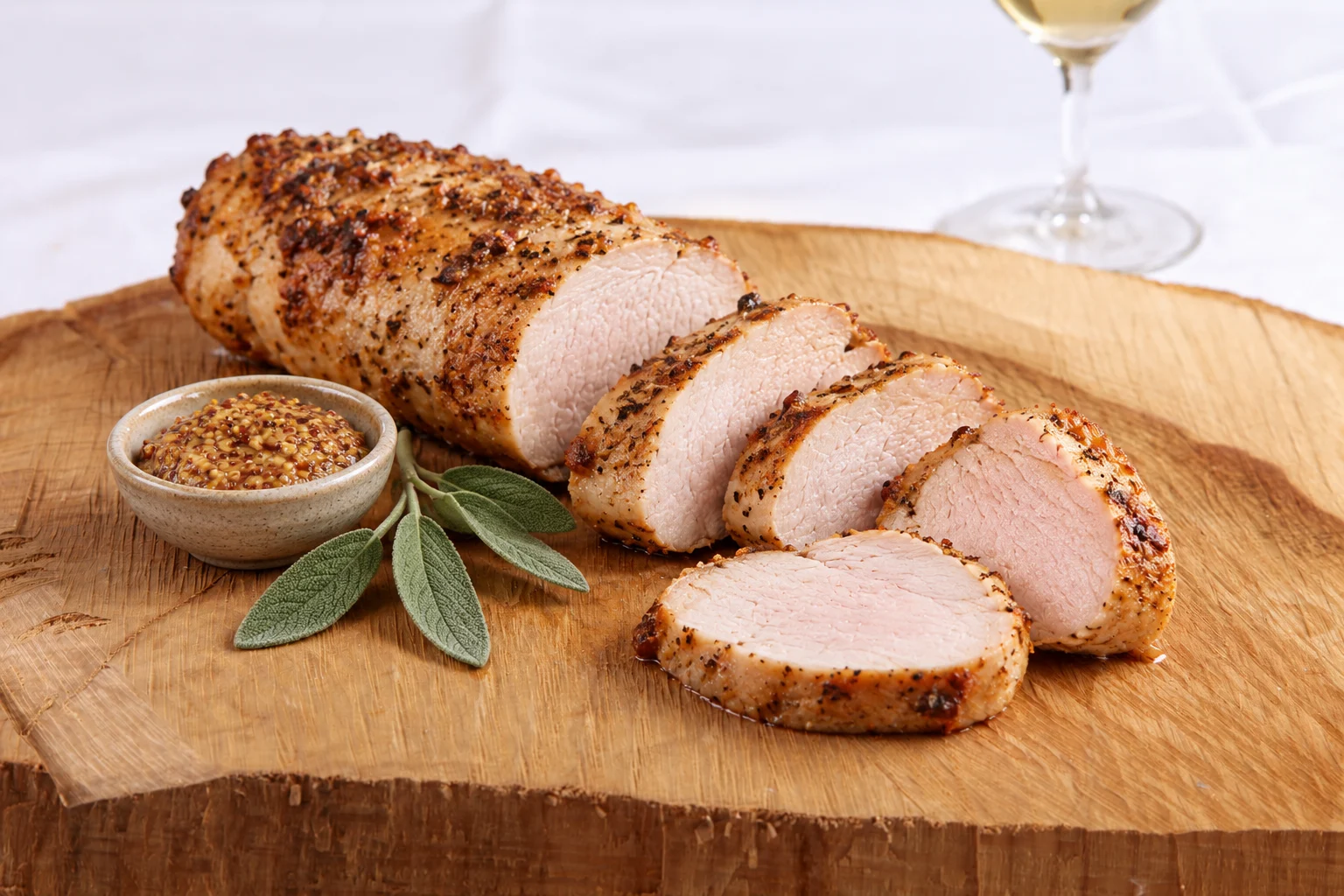
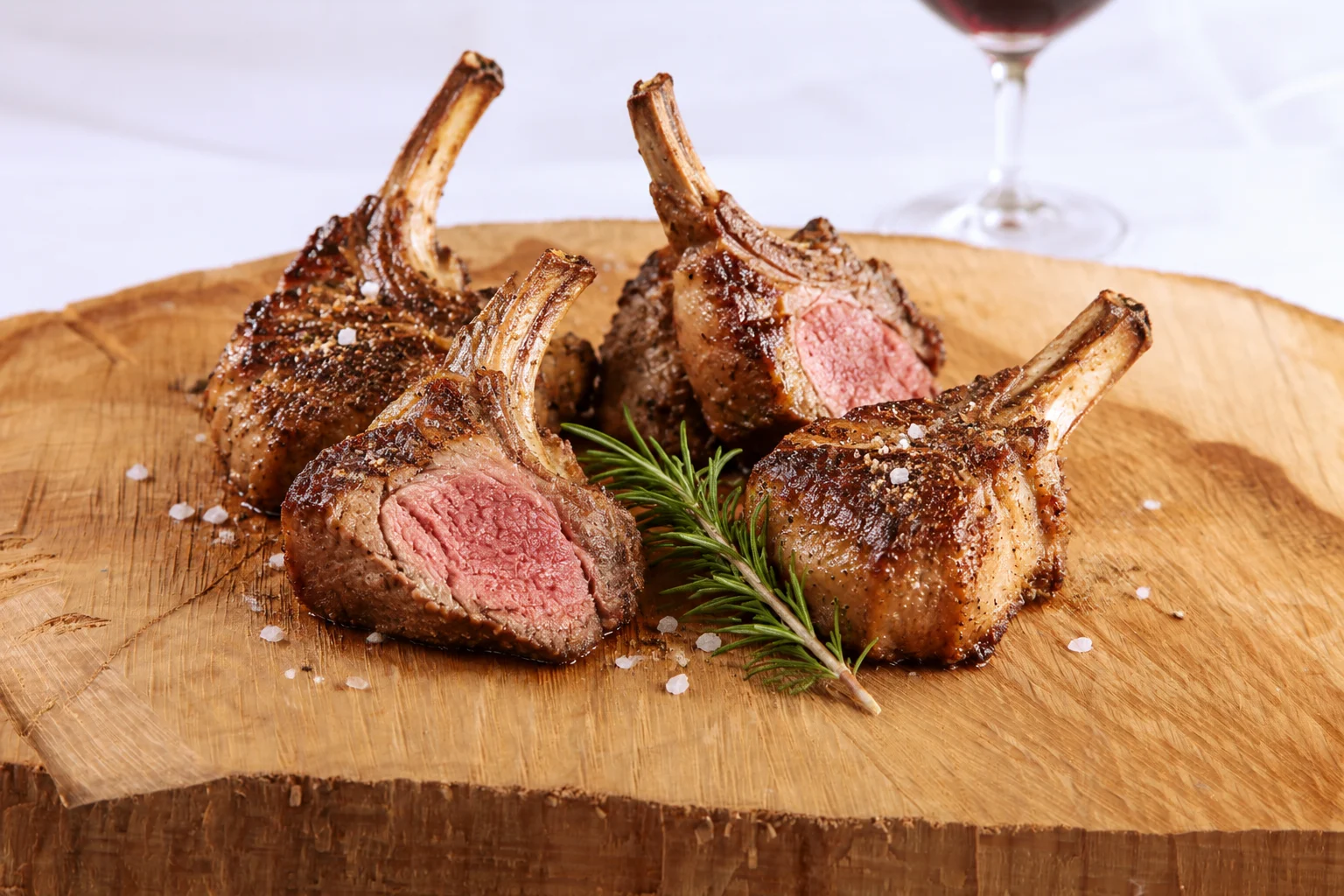
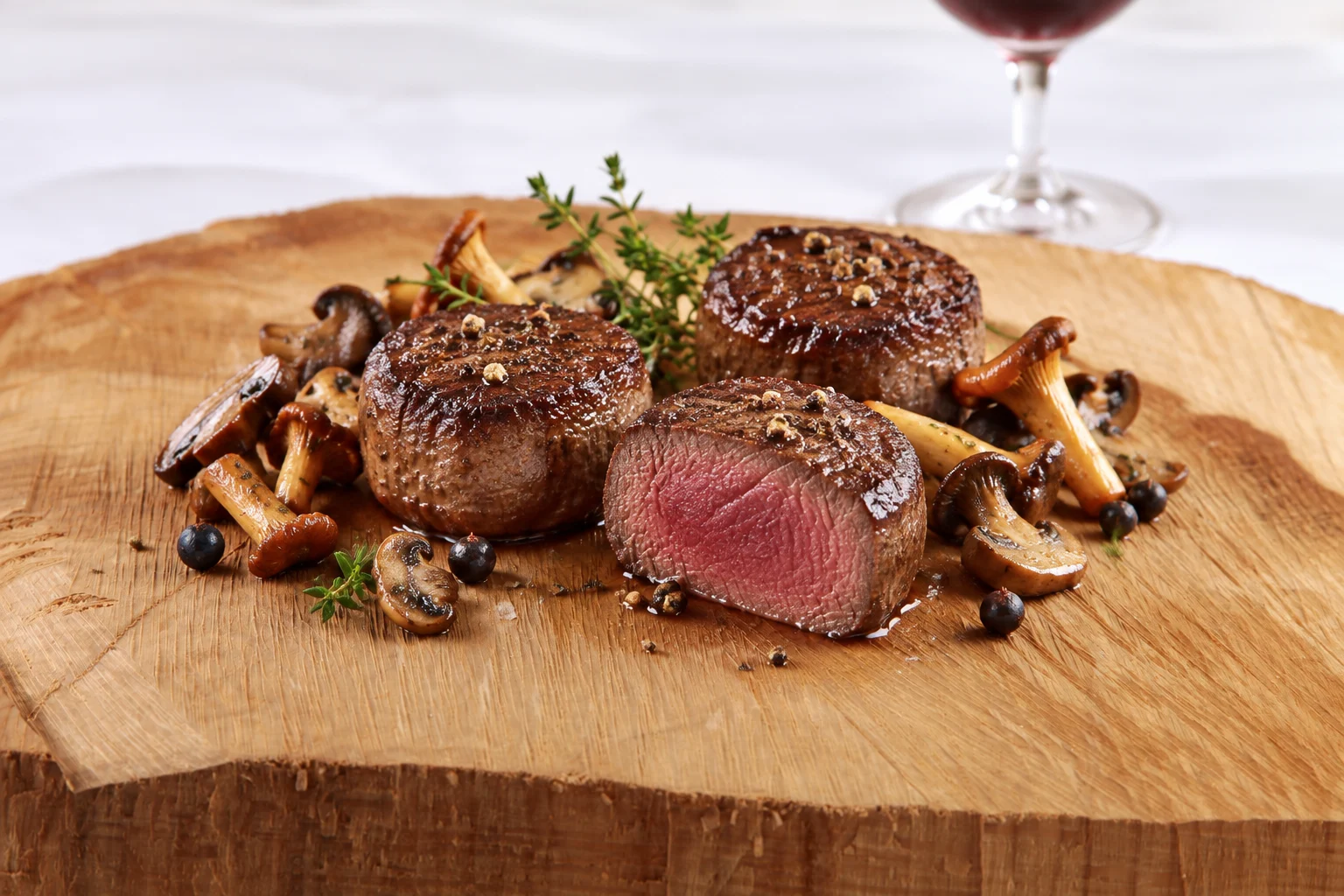
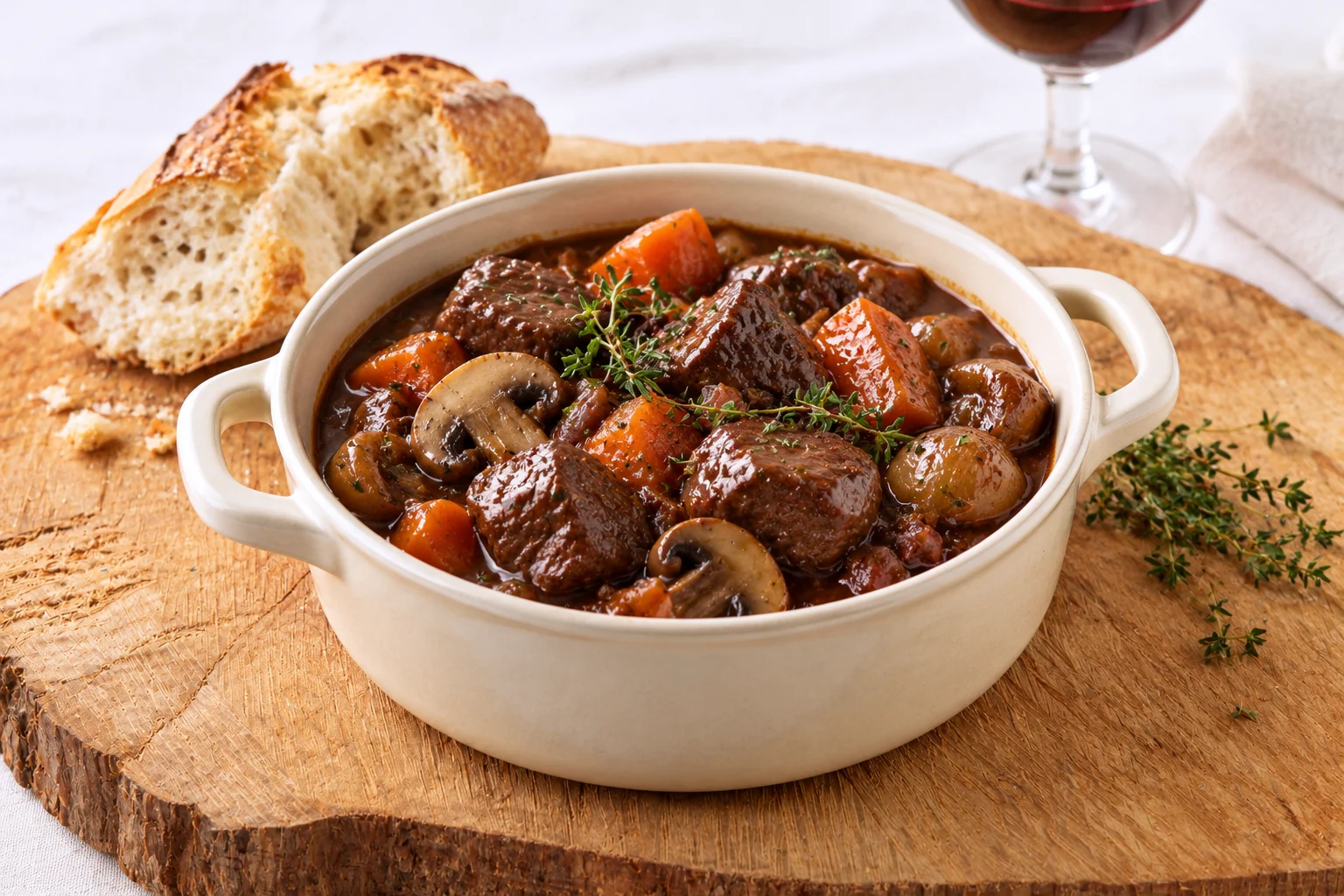
This wine pairs excellently with grilled beef, Iberico pork, lamb dishes, and game. Dishes with mushrooms, truffles, or slow-cooked stews also complement the wine's depth beautifully. Moreover, thanks to its freshness and refined tannins, it remains elegant alongside rich dishes.
Wine & Food and Discount
If available, you will find the official factsheet and additional information about this fine wine in the 'Attachments' tab. We will automatically send these to you upon ordering this wine. The wine is stored in our climate-controlled Wine Warehouse, and if you come to collect the wine, you will often receive a nice discount. You will see your discount immediately when you select 'Pick up' on the checkout page. We are located in Dordrecht, situated almost next to the A16 with ample parking. Click here for our address.
You can read full wine reviews from Parker, Suckling, Vinous, and Wine Spectator, among others. Need advice on finding the ideal wine for your dish? Click here for our exclusive Sommelier. Free for Grandcruwijnen customers. In the Food tab, you will find advice on what to look for for the right food and wine pairing, and a number of dish suggestions from our Sommelier.
| Type of Wine | Red |
|---|---|
| Country | Spain |
| Region | Castilla y Leon |
| Appellation | Toro |
| Winery | Telmo Rodriguez |
| Grape | Tempranillo |
| Biological certified | No |
| Natural wine | No |
| Vegan | No |
| Vintage | 2022 |
| Drinking as of | 2026 |
| Drinking till | 2034 |
| Alcohol % | 14 |
| Alcohol free/low | No |
| Content | Standard (0.75 ltr) |
| Oak aging | Yes |
| Sparkling | No |
| Dessert wine | No |
| Closure | Cork |
| Parker rating | 96 |
| James Suckling rating | 94 |
| Tasting Profiles | Aards, Complex, Donker fruit, Krachtig, Mineraal, Tannines |
| Drink moments | Iets te vieren, Indruk maken, Lekker luxe |
| Sommy Pairing Beschrijving | Deze Pago La Jara 2022 toont rijp zwart fruit zoals bramen en donkere kersen, viooltjes en mediterrane kruiden met aardse en minerale tonen, stevige maar verfijnde tannines en een prettige frisse spanning. Daardoor sluit hij prachtig aan bij gegrild of langzaam gegaard rundvlees, Iberico of lamsvlees en paddenstoelengerechten omdat de concentratie van het fruit en de structuur de rijke smaken en vetten mooi snijden en aanvullen; extra geslaagd wordt het met gegrild vlees van het vuur voor een rokerige toets of met langzaam gestoofde stukken en truffel- of paddenstoelensauzen die de aardse complexiteit van de wijn versterken. |
Parker
The Wine Advocate
RP 96
Reviewed by:
Luis Gutiérrez
Release Price:
$75
Drink Date:
2024 - 2032
The 2019 Pago La Jara from Toro comes from an extremely dry year that was saved by some rain before the harvest. The resulting wine has "only" 14% alcohol and better freshness than anticipated. It has a bright and deep color and a perfumed nose, elegant but keeping the Toro richness. It's medium to full-bodied, terrifically balanced and with very good freshness, still young but with the harmony and components to develop nicely in bottle. Impressive, transcending the year. 1,816 bottles were filled in June 2021.
Telmo Rodríguez and his partner Pablo Eguzkiza keep working in different regions, although still quite focused in Galicia, reducing the volumes for entry-level wines and going for more serious wines, moving away from generic varietal bottlings and going more for site-designated wines. I tasted the fine wine portfolio that has just been released, different vintages depending on the place, looking at the very small details of each.
2022 was a very warm year, and the wines from Rueda were saved by some rain in mid-September that slowed the ripening and achieved fresh wines. In Valdeorras, they have discontinued the Gaba do Xil red and replaced the white with a single-vineyard bottling from the O Barreiro lieu-dit, also reducing volumes. Here, they are releasing mostly 2020s, except for the younger white from 2022. They are both warm years with an early harvest that resulted in ripe wines, with the complication of lots of fungal diseases in 2020 that decimated the crop. In Galicia, the organic certification is complex when you have neighbors, so they are still in a transition moment.
In Rioja, the current vintage is also (mostly) 2020, a challenging year with mildew, but they were lucky to escape the hail that didn't hit Lanciego but affected the vineyards in Labastida (Tabuérniga and Beatas were affected). The harvest was earlier than in 2019, but they still started the sixth of October with the terraces of Tabuérniga. Pablo Eguzkiza told me it was a strange year for Tempranillo, when Graciano ripened earlier than Tempranillo.
Published: Jul 31, 2023
Lorem ipsum dolor sit amet, consectetur adipiscing elit. Sed do eiusmod tempor incididunt ut labore et dolore magna aliqua...
James Suckling
COMPAÑIA DE VINOS TELMO RODRIGUEZ TORO PAGO LA JARA 2019
Monday, October 9, 2023
CountrySpain
RegionCastilla y León
Vintage2019
CHECK PRICE
DOWNLOAD SHELFTALKER
Score
94
Blackberries, fresh mushrooms, chalk and white pepper on the nose but always subtle and fresh. Full-bodied and chewy with lots of chalky tannins. Very typical for Toro. Old vine character. Give this three or four years to soften but already fascinating. Drink or hold.
Lorem ipsum dolor sit amet, consectetur adipiscing elit. Sed do eiusmod tempor incididunt ut labore et dolore magna aliqua...
Exclusive Content
Sign in to unlock professional wine reviews from world-renowned critics
Winemaker Telmo Rodriguez is labeled as one of the young lions of the Spanish wine industry. He studied at the University of Bordeaux and later in the Rhône with the famous August Clape. He was the winemaker of La Granja Senora De Remelluri, his father's bodega in Rioja. He left there to become what some would call a flying winemaker. However, Telmo prefers to call itself a 'driving winemaker'. he lives in Madrid and drives his car to the areas where he makes wine. In a short time his wines have found a place on the international playing field. One example: in Tom Stevenson's Wine Report 2008, Telmo is included among the top 10 producers from Spain. We once again spoke extensively with Telmo Rodriguez. That is always a pleasure. If you sit down with him you always learn something or he gives food for thought. What makes this 'conscience of the Spanish wine world' so special? When Telmo completed his studies in Bordeaux and then had internships with people like Chave (Hermitage), Clape (Cornas) and Dürrbach (Trévallon) he came back to Spain. There he saw other Spaniards who had studied in France bringing French grape varieties and customs to Spain. For example, there was more and more wire guidance, while the Spanish system had always been free-standing sticks. Telmo concluded that he wanted to focus on the old qualities of Spain such as freestanding sticks, indigenous grape varieties and field blends. In addition, he was the first in Spain to introduce modern labels and he opposes the rigid Spanish wine laws.
Free standing sticks
Spain used to be a country of bush vines: the sticks were so far apart per area and per vineyard that they could each get enough water. If you place your sticks far apart with wire articulation, the stick will grow far and become much too large. With wire articulation, you therefore need many more sticks per hectare. However, the problem is that there is not enough water for this and you therefore have to irrigate, in areas that often already suffer from a shortage of water. In addition, the grapes hang more in the shade with free-standing sticks, which gives less chance of 'burning' and leads to less stewed fruit and fresher acids. The only downside to free-standing canes is that more manual work is involved in vineyard management and harvesting. Telmo works almost exclusively with bush vines.
Native grape varieties
It was clear to Telmo that there are so many good indigenous varieties in Spain that importing 'the big five' (Chardonnay, Sauvignon Blanc, Merlot, Cabernet and Syrah) from France was not necessary at all. He was one of the first to produce good Rueda from Verdejo and Viura, he embraced Mencia and Godello in Valdeorras, Monastrell in Alicante, Moscatel in Malaga, Garnacha in Cebreros…. In the mid-1990s he was still considered crazy with this philosophy, but now everyone is following him.
Field blends
There used to be many vineyards in Spain with various grape varieties mixed together, also called 'field blends'. It is often argued against field blends that the varieties (that are picked together) are not all ripe at the same time. It speaks for the fact that diversity and disease resistance increase and that it promotes complexity. Telmo now has two vineyards with field blends in production. In Rioja he makes it Las Beatas (named after the vineyard, first vintage awarded with 97 points by Parker) and in Valdeorras Las Caborcas. Beautiful, original wines!
Spanish wine laws
Telmo was the first to remove the word Reserva from a Rioja in 1995. In his words: 'I ask my wines how long they want to stay in the wood'. One year grapes can easily handle a 12-month aging in wood, but not in another year. There was consternation about Las Beatas: the Consecho initially did not want to approve the wine made with a field blend as Rioja… while there was a time when all Rioja was made that way! Consecho did not push this to the extreme and ultimately fortunate for them, given the enormously high international appreciation.
Deze Pago La Jara 2022 toont rijp zwart fruit zoals bramen en donkere kersen, viooltjes en mediterrane kruiden met aardse en minerale tonen, stevige maar verfijnde tannines en een prettige frisse spanning. Daardoor sluit hij prachtig aan bij gegrild of langzaam gegaard rundvlees, Iberico of lamsvlees en paddenstoelengerechten omdat de concentratie van het fruit en de structuur de rijke smaken en vetten mooi snijden en aanvullen; extra geslaagd wordt het met gegrild vlees van het vuur voor een rokerige toets of met langzaam gestoofde stukken en truffel- of paddenstoelensauzen die de aardse complexiteit van de wijn versterken.
Choose a category to discover dishes that pair well with this wine.
Do you already have a dish in mind?
Let Sommy find wines to pair with your meal.
Discover Wine Trivia
Sign in to unlock fascinating facts about this wine and expand your knowledge.
Sign In