

2023 Pago de Carraovejas

How does this wine taste?
How full and heavy the wine feels in your mouth, like the difference between skimmed milk and cream. More alcohol, sugar and oak ageing make a wine fuller.
The drying, grippy feel on your gums and tongue, as with strong tea. It comes from the skins and seeds of black grapes and from oak, and softens with age.
How much sugar you taste, from dry to sweet. Fruity is not the same as sweet: a dry wine can taste of ripe fruit.
How fresh and juicy the wine is: acidity makes your mouth water. High acidity tastes lively and refreshing, low acidity soft and round.
What we taste What you taste Click a taste for what it means
The bars follow how sommeliers taste (WSET): body, tannin, sweetness and acidity, each from low to high.
Body: powerful. Like most red wines from ; 14.5% alcohol.
Tannin: firm. Aged in oak.
Sweetness: dry. Red wine from is almost always dry.
Acidity: medium. The warm climate of .
Nothing noted for this wine yet. What do you smell, and how long does the taste linger?
Have you tasted this wine?
Save your rating and notes.
Save your rating and notes.
Have you tasted this wine?
Log in to save your tasting note.
Log in to save your tasting note.
Log inThe Pago de Carraovejas is an almost Bordeaux-like wine and is incomparable to other Ribera del Duero wines. The 2022 vintage is a blend of the three varieties present on the estate: 92% Tempranillo, 5% Cabernet Sauvignon, and 3% Merlot. The wine is very complex and beautifully proportioned. Nothing dominates, and upon smelling and tasting, various layers reveal themselves over time. Cedar, Asian spices, violets, tapenade, and blackberry aromas on the nose. On the palate, fruit with soft wood tannins and a subtle vanilla note from aging in American oak. The taste is medium- to full-bodied and very balanced, with fine, firm tannins and a silky texture. In terms of style, this wine is comparable to an Aalto from its good years, which is not surprising given that Aalto's former winemaker and director, Javier Zaccagnini, worked closely with Pago de Carraovejas. Javier Zaccagnini was also the owner of Ossian , which is currently part of the Pago de Carraovejas group. In addition to Pago de Carraovejas, the current Alma Carraovejas group also has Ossian, Vina Mein, and Emilio Rojo in its portfolio.
Pago de Carraovejas is the truest reflection of the valley from which it derives its name. The Tempranillo, Cabernet Sauvignon, and Merlot vines are spread across various slopes of the Carraovejas Valley, situated in a wilderness at an altitude of over 900 meters. The vineyards are planted on tertiary soil. Loamy limestone emerges on the surface, with the presence of clay, sandstone, and gypsum with the characteristic white tint. It is a rugged soil that subjects the vines to an attempt to control the yield themselves and give their best. These are soils that force the vines to regulate themselves and perform at their best. The vineyards are distributed from the middle zones up to over 900 meters; from the gentle undulation descending to the stream, to plots with a gradient of more than 30%. South-facing and north-facing slopes, each with its own personality, sketch the profile of the Carraovejas Valley. The grapes for Pago de Carraovejas were harvested by hand after an initial selection of bunches in the vineyard. Subsequently, a double selection was made in the winery: first by bunch and then by berry. Gravity is used during production to ensure maximum respect for the raw material. During the fermentation process, indigenous yeasts and lactic acid bacteria from the estate were used. The wine aged for 12 months in French and American oak barrels.
Did you know: In addition to Ossian , the Pago Carraojevas group has also included the beautiful Viña Mein winery located in Galicia. Great wines made with a sea influence. At the end of 2020, Milsetentayseis La Peña (wines from very old Pre-Phylloxera vines) and the iconic wines (always between 95-100 Parker points) of Emilio Rojo were added to the group (Alma Carraovejas). The latest addition came in mid-2021, which now belongs to the Bodega Marañones group from the Sierra de Gredos. In the Tab: Attachment, you will find the official factsheet for this fine wine. We will automatically send it to you upon ordering this wine. The wine is stored in our climate-controlled Wine Warehouse, and if you come to pick up the wine, you will often receive a nice discount. You will see the possible discount immediately if you select Pick Up on the Checkout page. We are located almost next to the highway with ample parking. Click here for the address.

Character
The wine
Origin
Bottle
Wine features
Parker
The Wine Advocate - RP 92
Reviewed by: Luis Gutiérrez
2026 - 2032
The 2022 Pago de Carraovejas wants to be the expression of the valley that names the wine. It was produced with 93% Tempranillo, 4% Cabernet Sauvignon and 3% Merlot in a very warm and dry and challenging year when the wine achieved a whopping 15.5% alcohol after spending 12 months in 226- and 600-liter French and American oak barrels. It's dark, aromatic and heady, juicy and a little decadent, with ripe flavors and fine tannins, clearly reflecting the conditions of the year. 700,000 bottles produced. It was bottled in the spring of 2024.
Pago de Carraovejas, the main and original wine project from the Ruiz Aragoneses family from Segovia, is more and more aware of the need to protect the environment, and they have started a number of initiatives to do so, trying to be more sustainable. They keep their 160 hectares of vineyards and a production of 800,000 bottles. 2022 was very challenging, and 2023 was more balanced.
Published: Jun 19, 2025
Lorem ipsum dolor sit amet, consectetur adipiscing elit. Sed do eiusmod tempor incididunt ut labore et dolore magna aliqua...
James Suckling
Score: 92
Vintage: 2023
Freshly cut vanilla, dark cherries and ripe plums on the nose, with a touch of blue flowers. Medium to full body with firm, fine-grained tannins and a juicy, medium-long finish. Drink now or hold.
Zekun Shuai
Senior Editor
Lorem ipsum dolor sit amet, consectetur adipiscing elit. Sed do eiusmod tempor incididunt ut labore et dolore magna aliqua...
Vinous
94
Drinking Window
2025 - 2040
From: Duero: From Ribera to Toro via Rueda (And a Few Other Detours) (Jun 2025)
The 2022 Pago de Carraovejas blends Tempranillo with 4% Cabernet Sauvignon and 3% Merlot. In recent vintages, the contributions of Cabernet Sauvignon and Merlot have gradually decreased to emphasize Tempranillo. The wine was aged for one year in oak barrels. It displays precise fruit expression, delicate violet hint and subtle herbal touch. Juicy, structured and dense without excessive tannin tightness, this is a well-crafted Ribera offering depth and tension.
- By Joaquín Hidalgo on June 2025
After decades as a leading restaurateur in Segovia, José María Ruiz launched Pago de Carraovejas in Peñafiel in 1987. His son, Pedro Ruiz, now leads the operation as part of the larger Alma Carraovejas group (with additional wineries in Nieva, Galicia and Gredos). The estate features its own restaurant and various amenities for visitors. Winemaking is overseen by Almudena Calvo, who has modernized the house style, moving away from the ripe, structured reds of the past to a more balanced, fruit-forward expression by the 2020-2022 vintages. This shift is most evident in the main Pago de Carraovejas red, though the parcel bottlings—Anejón and Cuesta Las Liebres—maintain a more traditional structure.
Lorem ipsum dolor sit amet, consectetur adipiscing elit. Sed do eiusmod tempor incididunt ut labore et dolore magna aliqua...
Exclusive Content
Sign in to unlock professional wine reviews from world-renowned critics
Pago de Carraovejas originally started with the first nine hectares and this has already become a reference winery in the heart of the Ribera del Duero. It all started more than three decades ago, when Pago de Carraovejas was founded in response to a dream of José María Ruiz to create a great wine in one of the areas that had the greatest potential at the time.
José María's history in the wine world had already begun several years earlier, in 1971, when he appeared as a representative of Spain at the 'First Global Contest for Sommeliers' in Milan. That experience was the beginning of his desire to open his own restaurant and make his own wines. Although he was still fully involved in the catering world since the opening of the renowned Restaurante José María in Segovia in 1982, he remained determined to launch his project for a small wine cellar that would produce wines of the best quality for his restaurant.
This is how the history of Pago de Carraovejas began when he opened the wine cellar in Peñafiel in 1987, specifically in the hills of Carraovejas. The location of these first nine hectares was chosen because they were an important historical center for Ribera del Duero wines and in one of the areas with the greatest potential for Spanish wines due to their location, soil and climate. This was the start of a project that has already produced more than thirty volumes.
The scope of what started as an ambitious dream has expanded tremendously over the years since the company was founded. In 2007, a new era began when José María's son Pedro Ruiz joined the project. This new leadership brought with it a fresh business perspective that, faced with the exponential growth of Pago de Carraovejas, decided to take on new challenges in sustainability and use them as criteria that would determine the company's activities; innovation as a driving force for progress and development; and enotourism as a means to open the project to all their customers with transparency and integrity.

Pedro Ruiz's leadership also marked the beginning of a new era under the concept of Alma Carraovejas (Soul of Carraovejas) that entails the search for unique landscapes that will help fulfill the dream of restoring and caring for unique legacies on the field of wine. -creating for future generations. The Alam Carraovejas group has a number of very famous wineries under its wing and only the best is good enough. Ossian, Maranones, Emilio Rojo, Vina Mein are wine houses belonging to the group. Top international houses. Visiting the winery is an absolute experience with the impressive wine cellar but also the Michelin-star restaurant AMBIVIUM which is in the top of the best Restaurants in Spain.

Pago de Carraovejas has unique wines, each with its own unique, extremely fascinating personality. The wines have very expressive aromas, intense color, fleshy, powerful and exuberant taste that manifests each of the characteristics of each variety. In recent years, this bodega has made a huge boost and is now one of the top houses in the Ribera del Duero.


Nice to know, but Jose Maria Ruiz serves the house wine in his restaurant in Segovia under the name "Autor" and this is a special version of the Pago de Carraovejas wines and it is only available in his restaurant. The restaurante José Maria is located on the Plaza Mayor in the city of Segovia in Spain and is managed on a daily basis by Rocío Ruiz, Pedro's sister.


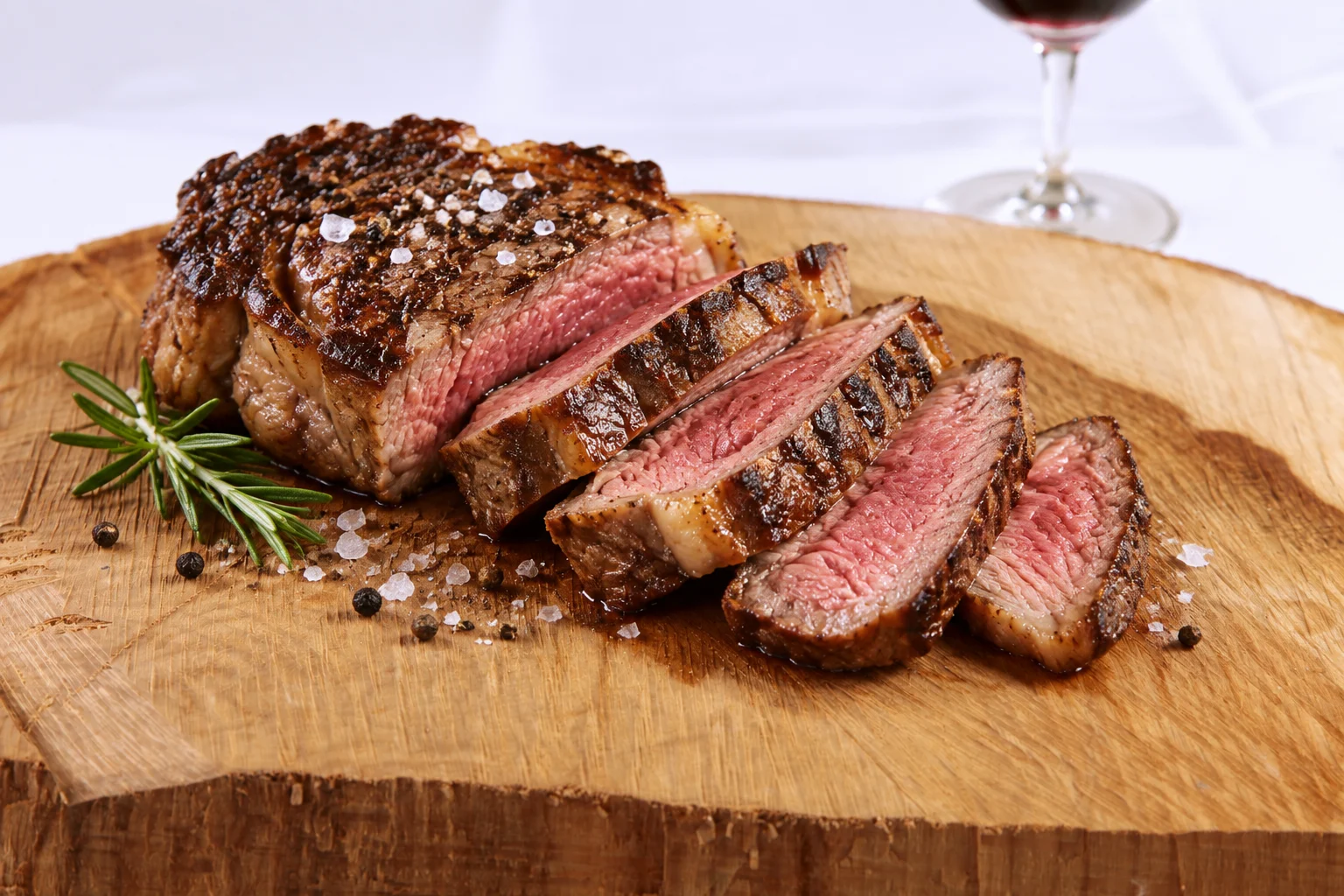
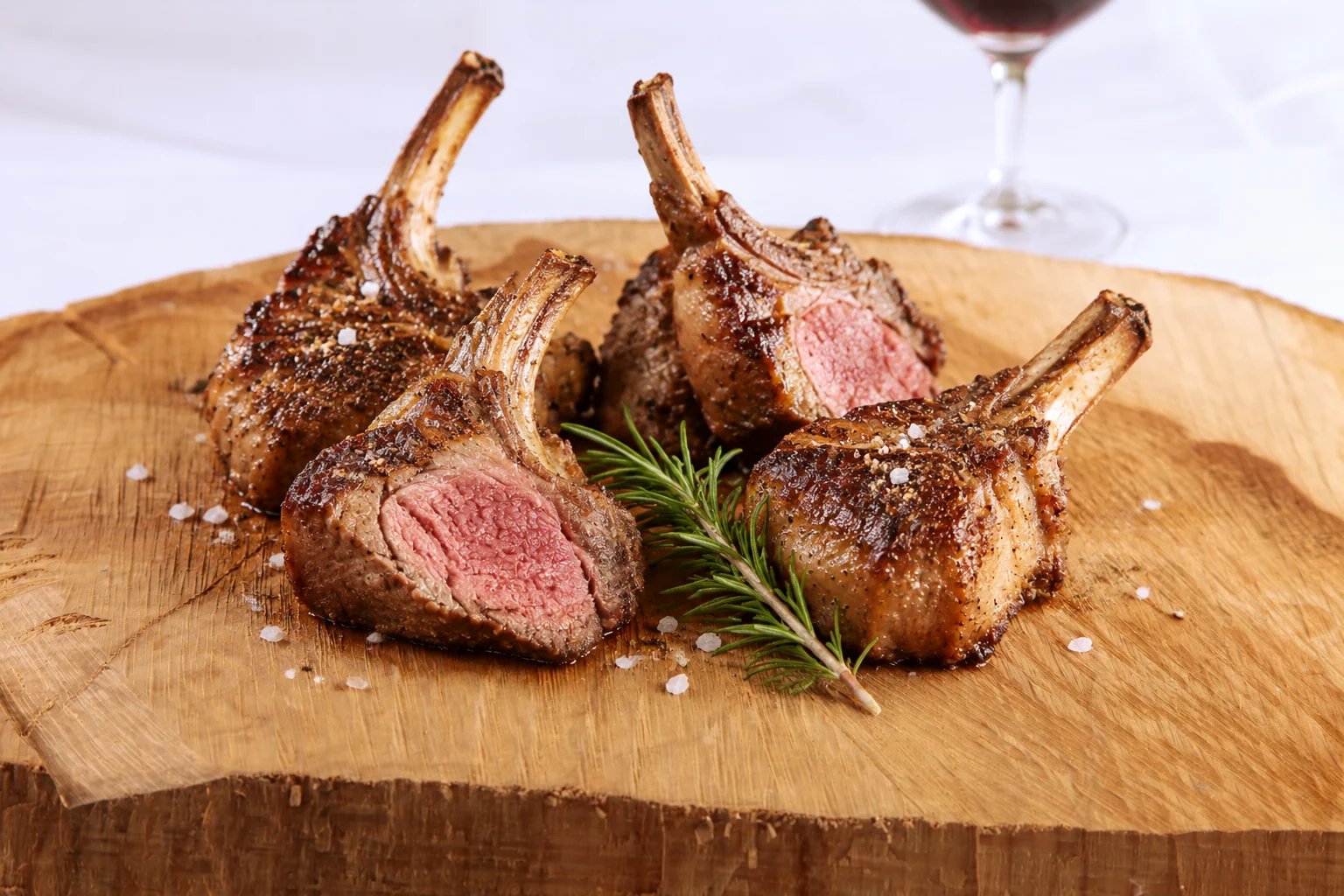
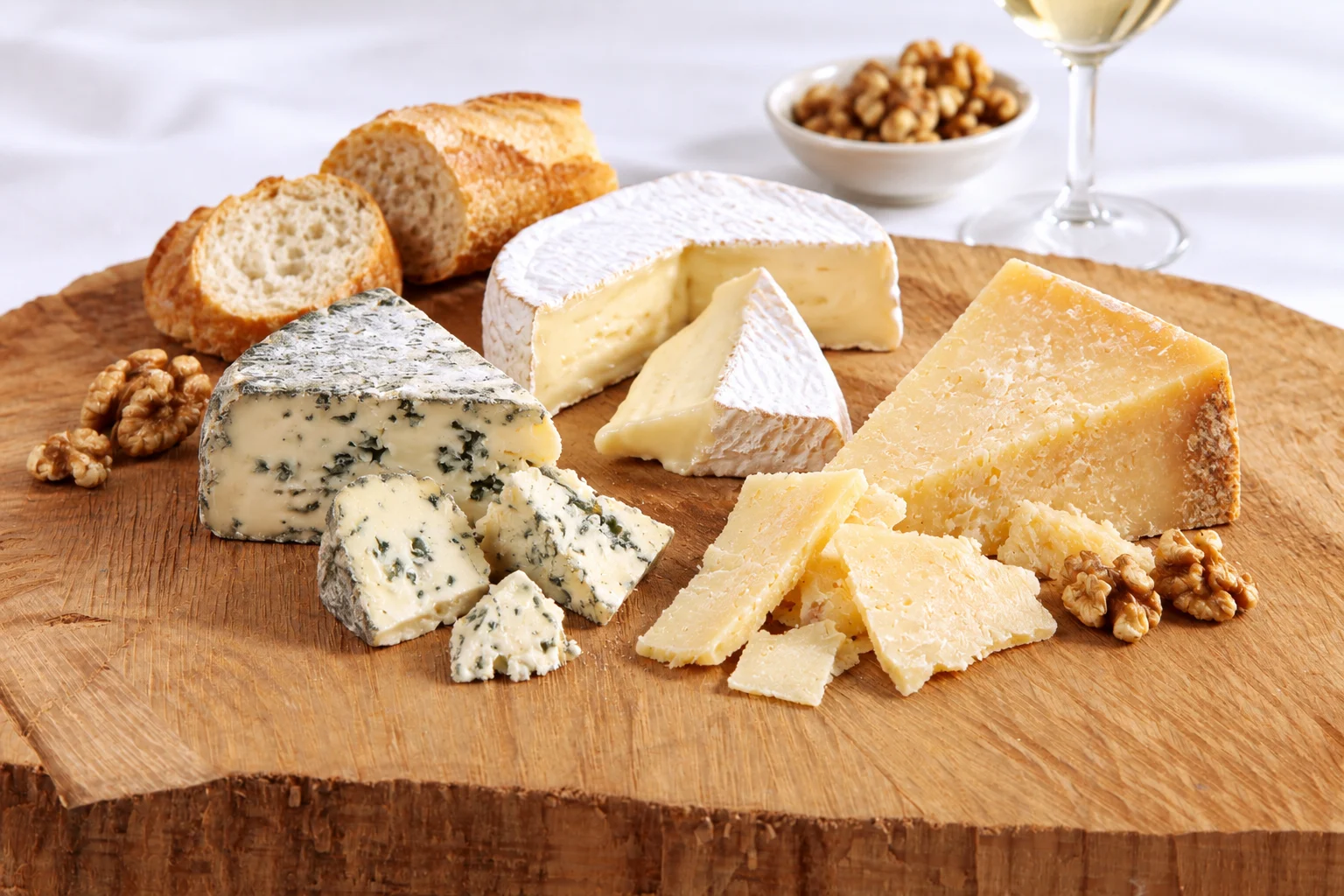
De 2023 Pago de Carraovejas toont rijp donker fruit van bramen en pruim, verfijnde vanille- en cederhouttonen, subtiele viooltjes en een fijne, zijdeachtige tanninestructuur met een sappige zuurgraad. Door die stevige fruitbasis, het elegante hout en de strakke tannines vormt hij een perfecte partner voor rundvlees, lam, stevige kazen en hartige stoofschotels omdat de wijn zowel tegen vet en umami kan opboksen als de smaken van langzaam gegaard vlees complimenteert. Gerechten met gegrild of langzaam gestoofd vlees, bijvoorbeeld een langzaam gegaarde sukadelap, herb-crusted lamsbout of gerijpte manchego bij het afrijpen, versterken de kruidigheid en het romige hout van de wijn en maken de combinatie bijzonder harmonieus.
Choose a category to discover dishes that pair well with this wine.
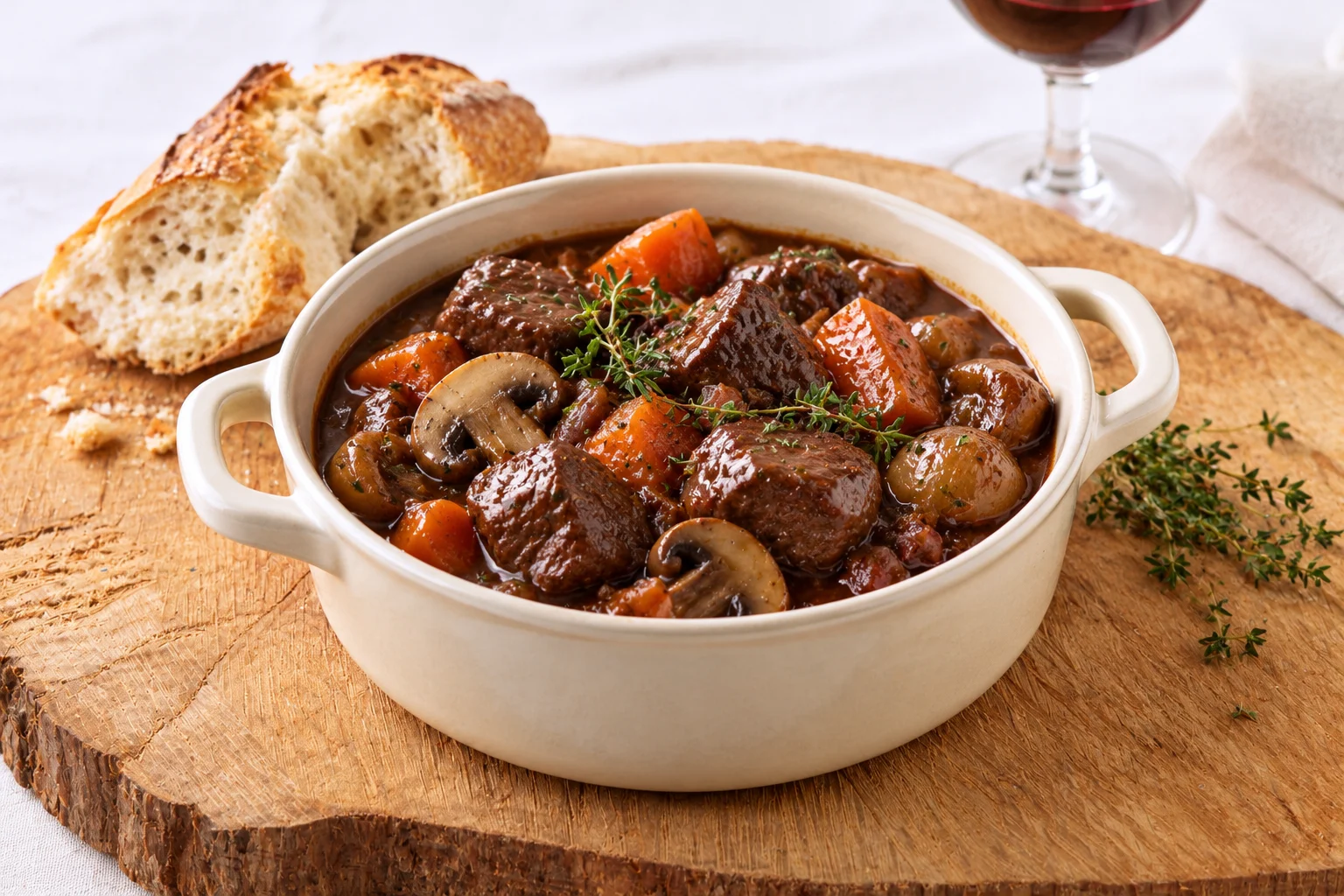
Do you already have a dish in mind?
Let Sommy find wines to pair with your meal.
Discover Wine Trivia
Sign in to unlock fascinating facts about this wine and expand your knowledge.
Sign In