Country
Germany
Region
Mosel
Vintage
2020
Score
95
Super-complex wild-berry and herb bouquet. Very concentrated for a Kabinett and enormous mineral energy at the sleek and very vibrant finish. Drink or hold. Screw cap.

We could not find any products matching the term
We are happy to help you, please don't hesitate to contact us.
Go to customer serviceCheckout using your account
Checkout as a new customer
Creating an account has many benefits:
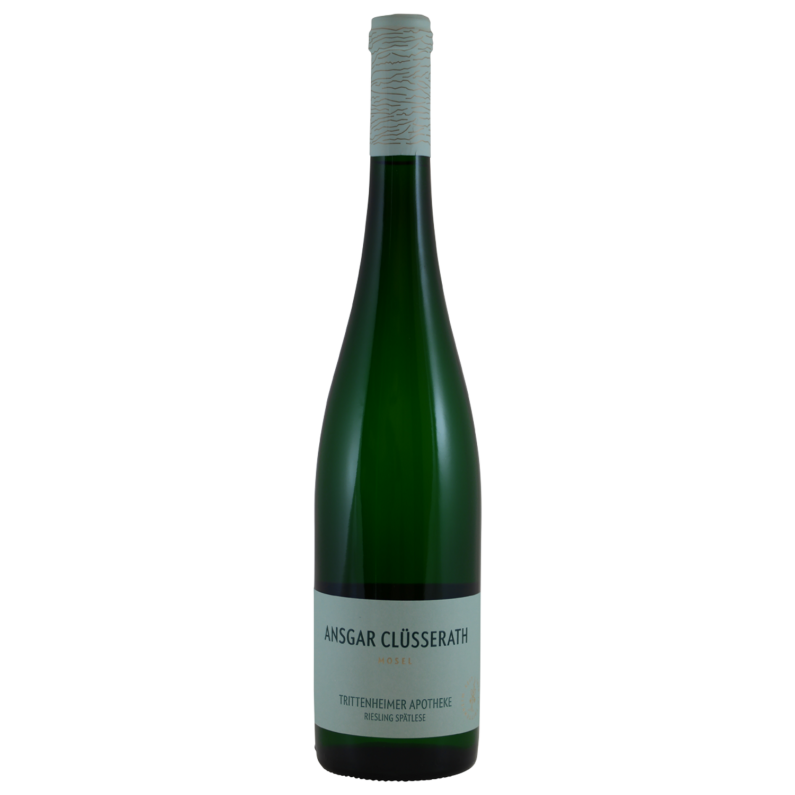
De specificaties zoals vermeld bij de wijn (o.a. wijnjaar) en in de titel zijn leidend en er kunnen geen rechten worden ontleend aan de afbeelding die wordt getoond. Lees meer in onze Frequenty asked questions
| Type of Wine | White |
|---|---|
| Country | Germany |
| Region | |
| Winery | |
| Vintage | 2023 |
| Grape | |
| Content (Alc) | Standard (0.75 ltr) (8.5%) |
| Drink window | 2024 - 2040 |
Ordering in bulk? Log in to request a quote
Low Stock
Only 4 left
It is possible to order this article in backorder. This is possible with items that we can generally have in stock again in 3-5 working days. You can simply order it, but it is important to mention that we only send the order when it is complete.
Heb je deze wijn geproefd?
Bewaar je beoordeling en aantekeningen.
Bewaar je beoordeling en aantekeningen.
Heb je deze wijn geproefd?
Log in om je proefnotitie op te slaan.
Log in om je proefnotitie op te slaan.
Log inHoe wil je je wijn beoordelen?
Max 5 MB. JPG, PNG, WebP.
Klik op wat het beste past. Alles is optioneel.
Klik op alles wat je herkent. Dit is optioneel.
Automatisch ingevuld vanuit productgegevens.
Philipp Wittmann (responsible for the cellar and exports) and his father, Günther (vineyards), and mother, Elisabeth (sales), have built a fantastic winery in Westhofen, Rheinhessen. Since 1990, they have been operating organically, and later biodynamically. The guiding principle for their wines is therefore: terroir expression through healthy soil. A low yield per hectare, hand-selection of the best grapes, and very slow vinification with natural yeasts without the addition of sulfites in large wooden vats do the rest. The house is "the benchmark" for Rheinhessen and has become a benchmark for German white wines in general. This is evident from the enormous number of international awards their wines have received, both high and low. For example, Philipp has twice been named Germany's best white winemaker by the prestigious Eichelmann winery: in 2003 and 2013. In 2014, he received the same title from Gault Millau. Philipp is married to Eva Clüsserath who owns her own wine estate in the Mosel and that is where this Ansgar-Clüsserath Trittenheimer Apotheke comes from.
The grapes grow in the Trittenheimer Apotheke vineyard, an extremely steep vineyard nestled in a sharp bend in the Mosel River. The soil consists of blue, weathered slate on a stony subsoil. This slate warms up during the day and radiates heat to the vines at night. This allows the grapes to ripen slowly and evenly, maintaining a good balance of ripeness, delicate acidity, and minerality. The vines must penetrate deep into the soil to find water and nutrients. This unique soil gives the wine a distinctive, almost saline minerality. Some of the vines are over 100 years old.
The grapes are harvested later than those for Riesling Kabinett, making them riper and higher in sugar. During harvest, the grapes are hand-selected, followed by a gentle pressing. The juice is fermented in large, traditional vats. A few months of lye aging gives the wine a round, creamy texture, beautifully balanced with a fresh minerality. The nose reveals primarily ripe fruit (peach, apricot), lovely floral notes, spice, and a mineral touch. On the palate, a beautiful interplay of (fruity) sweetness and acidity, along with a delightfully palatable alcohol. The finish is long and elegant, with a distinct minerality. A wine with great aging potential.
| Type of Wine | White |
|---|---|
| Country | Germany |
| Region | Moezel |
| Winery | Weingut Wittmann |
| Grape | Riesling |
| Biological certified | No |
| Natural wine | No |
| Vegan | No |
| Vintage | 2023 |
| Drinking as of | 2024 |
| Drinking till | 2040 |
| Alcohol % | 8.5 |
| Alcohol free/low | No |
| Content | Standard (0.75 ltr) |
| Oak aging | No |
| Sparkling | No |
| Dessert wine | Yes |
| Closure | Cork |
| Parker rating | 93 |
| James Suckling rating | 95 |
| Tasting Profiles | Bloemig, Fris, Licht zoet, Mineraal, Rond, Steenfruit |
| Drink moments | Borrelen, Lekker luxe, Terras |
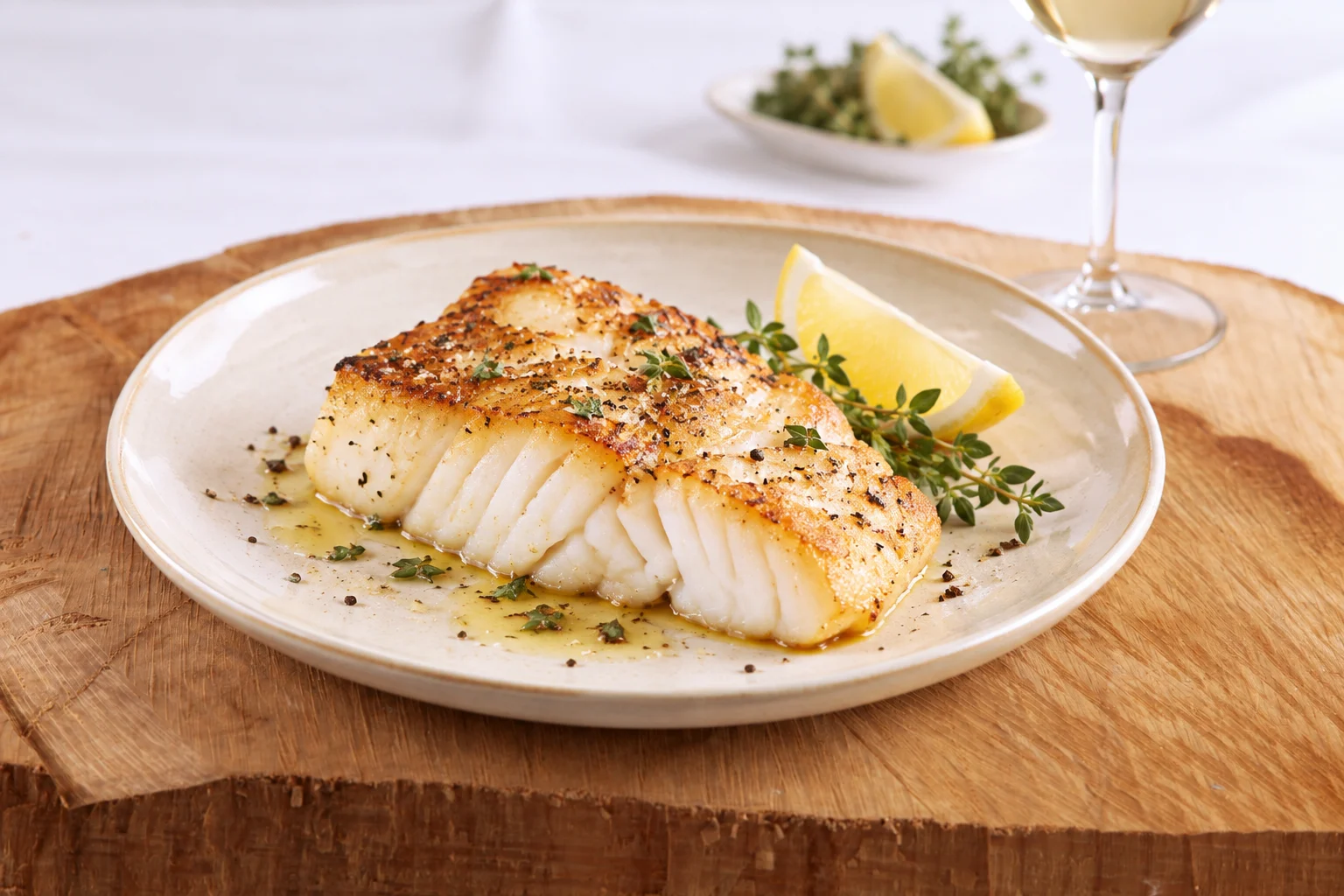
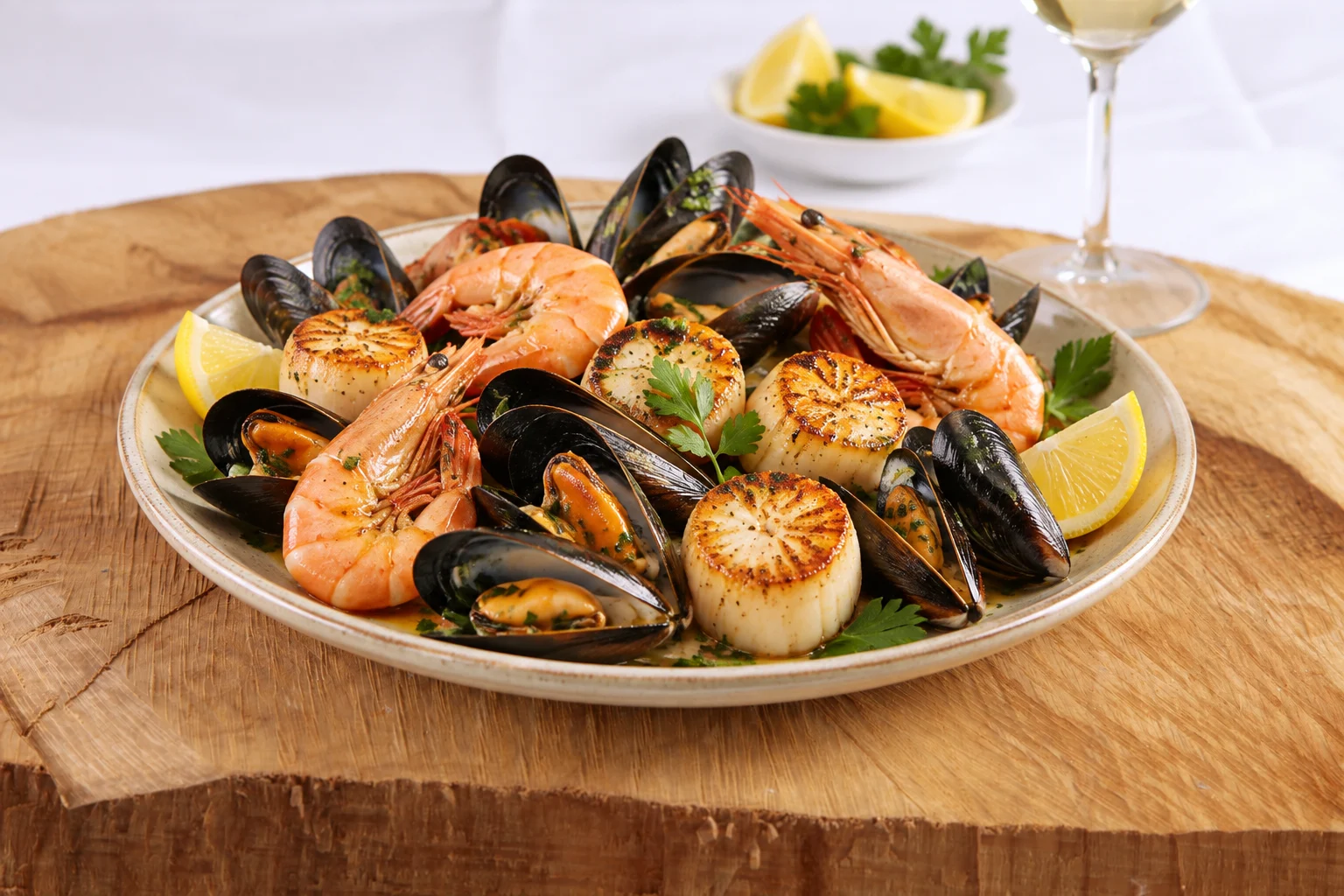
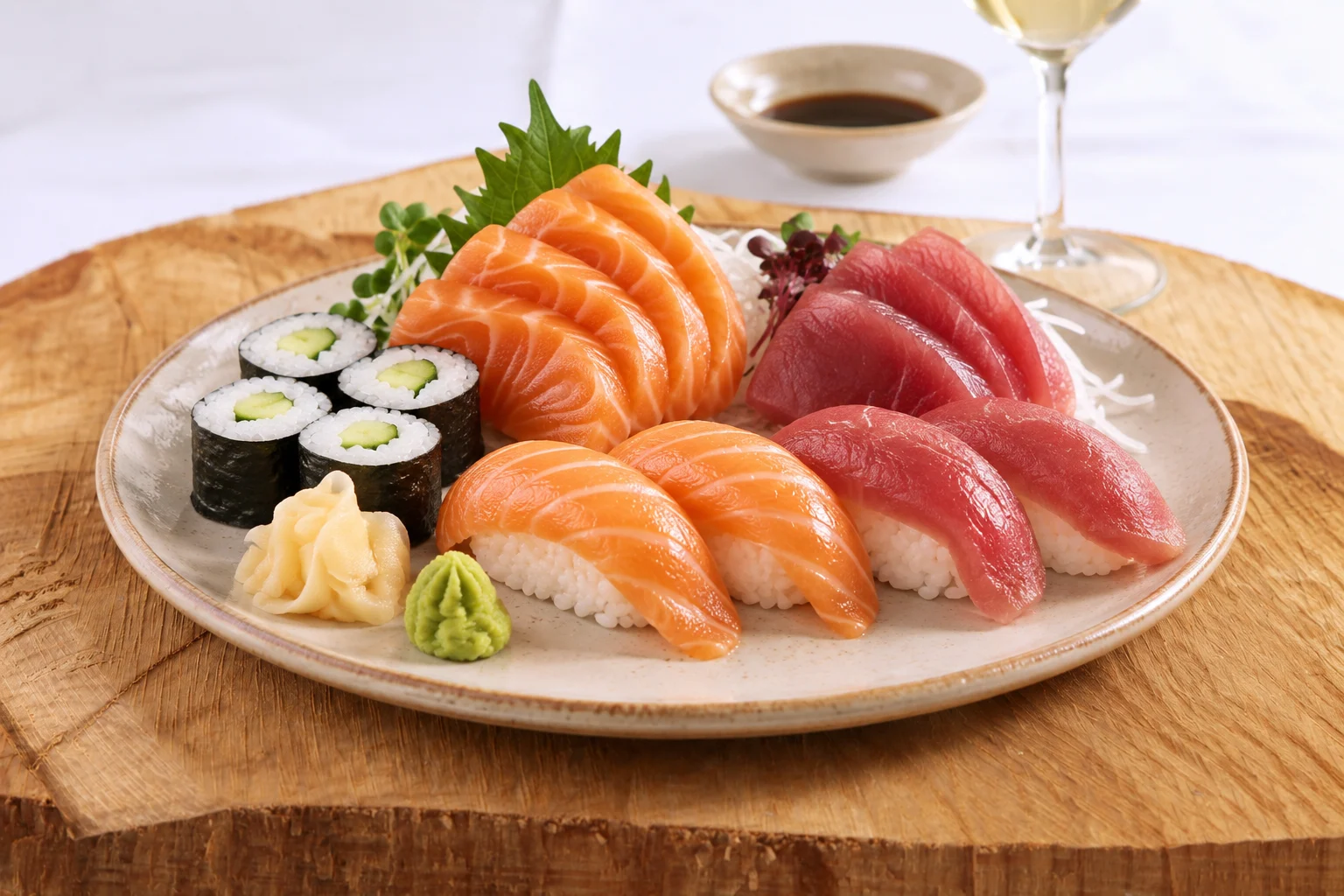
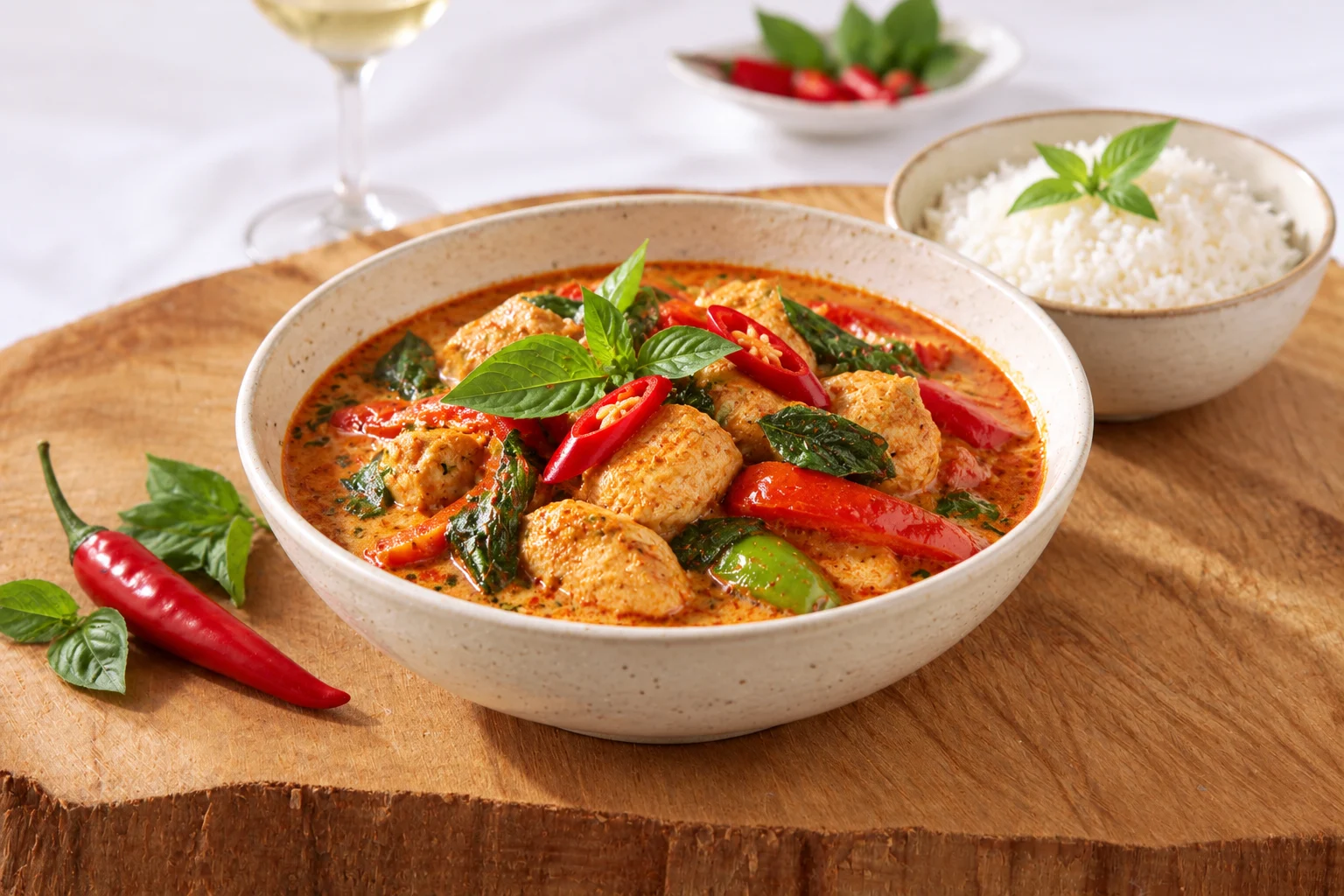
| Sommy Pairing Beschrijving | Deze Riesling Spätlese toont rijp steenfruit zoals perzik en abrikoos, fijne bloemige en kruidige tonen, een opvallende ziltige mineraliteit en een levendige zoet-zuurbalans met elegante, lichte alcohol en romige textuur. Daardoor snijdt de frisse zuurgraad door vet van witte vis en schelpdieren, vult de milde restzoetheid pittige Aziatische smaken aan en onderstreept de mineraliteit de delicate smaken van sushi en sashimi. Extra geslaagd zijn bereidingen als ceviche of tartaar met citrus, gegrilde of licht geroosterde vis met een yoghurtsaus en tempura of licht pittige wokschotels waarbij de wijn de warmte tempert zonder de smaken te overstemmen. |
Rating
93
Release Price
NA
Drink Date
2020 - 2050
Reviewed by
Stephan Reinhardt
Issue Date
13th Aug 2020
Source
August 2020 Week 2, The Wine Advocate
The 2019 Trittenheimer Apotheke Riesling Kabinett is bright, pure and flinty on the refined, floral and slate-scented nose. On the palate, this is another picture-book Kabinett from Eva Clüsserath, and it is among the finest you can buy (and afford). The wine is filigreed, piquant and tensioned but always clear and bright as a mountain stream and so frisky and buoyant. A fabulous wine! Tasted as a sample in May 2020.
Eva Clüsserath's current vintage on sale is the 2018, which offers excellent values, as always. The wines show remarkable elegance and purity and are neither weighty nor too powerful but smooth, openhearted and true reflections of the particular terroir. The dry wines are more opulent due to the exceptional sunny vintage, but surprisingly, the predicates, especially from the Apotheke, are superb and include everything from Kabinett to Beerenauslese but no TBA and certainly no Eiswein.
The vintage on the horizon is 2019, and it's also exceptional here. Again, the Prädikatswein—from Kabinett to BA—are gorgeous and made for a long life. They are based on healthy grapes because there was no botrytis cinerea, although there were several rainfalls during the harvest period, which started in early October. However, wind followed and the grapes dried immediately afterward. Even the Auslesen are not based on botrytis. The grapes were "rather overripe," as Eva explains. She even selected Auslesen in the Neumagener Rosengärtchen (very concentrated compared to the lithe style the year before) and, rare enough, the Dhroner Hofberg. Although the harvest period lasted only three weeks and was finished on October 20, nearly everything that was possible was selected. "We went two or three times through every plot to select perfect grapes for different styles," Eva explains. Even though the warm period in mid-October was dangerous, in the end, it didn't force her team to run like restless chickens. "We always need about three weeks to get everything in," she says, knowing that at the end she gets help from her husband Philipp Wittmann's harvest team from Rheinhessen, which certainly gives her more possibilities since she can react much more effectively with regard to the weather conditions. Also, the dry 2019 Rieslings and the feinherb from the Piesporter Goldtröpfchen are superb again and prove the greatness of the vintage.
Lorem ipsum dolor sit amet, consectetur adipiscing elit. Sed do eiusmod tempor incididunt ut labore et dolore magna aliqua...
Lorem ipsum dolor sit amet, consectetur adipiscing elit. Sed do eiusmod tempor incididunt ut labore et dolore magna aliqua...
Sign in to unlock professional wine reviews from world-renowned critics
Located in Westhofen in the Rheinhessen wine region, Weingut Wittmann produces biodynamic wines with terroir expression and extreme precision. The Wittmanns and their ancestors have been wine growers in Westhofen since the 17th century. The experience of some 350 volumes of more than 15 generations is great in the priceless heritage of the family. Time and rest are essential ingredients for making a good wine. And this is exactly what the wines get in abundance in the vaulted cellar, built in 1829. Winemaker Philipp Wittmann watches over his wines, under constant temperature and humidity conditions, while maturing in 80 wooden barrels. The oldest of these barrels is from the year 1890 and has already housed many great vintages. Each barrel contains the harvest of 1 single vineyard plot.
Star winemaker Philipp Wittmann (responsible for the cellar and export), together with father Günther (vineyards) and mother Elisabeth (sales), have built a fantastic wine company in Westhofen, Rheinhessen. Since 1990, work has been done biologically and later biologically dynamically. The starting point for the wines is therefore: terroir expression through healthy soil. A low yield per hectare, manual selection of the best grapes and a very slow vinification with natural yeasts without the addition of sulfite on large wooden feeds do the rest. The house is 'the standard' for Rheinhessen and now also a standard for German white in general. This is evident from the enormous flow of international valuations that the wines receive, both higher and lower. For example, Philipp has already twice been named the best white winemaker in Germany by the authoritative Eichelmann in 2003 and 2013. In 2014 he received the same title from Gault Millau. Philipp is married to Eva Clüsserath who owns her own wine estate in the Moselle. Philipp is said to hate August: he has to divide his Grosse Gewächse. This is especially annoying because the demand is increasing and the supply is small. So he actually has too little for everyone. Not surprising, given that his GGs earn up to 96 points from Parker, he was crowned Germany's best white winemaker twice by Eichelmann, winemaker of the year at Gault Millau in 2014, and at Schlemmer Atlas in 2015 and annually in Mainz during the GG tasting as one of the very best!
Wittmann has consistently opted for quality, which means that he only releases the finest fruit from his vineyards as GG. The rest goes in the Westhofener and even the Riesling Trocken is partly made with this noble fruit.
Deze Riesling Spätlese toont rijp steenfruit zoals perzik en abrikoos, fijne bloemige en kruidige tonen, een opvallende ziltige mineraliteit en een levendige zoet-zuurbalans met elegante, lichte alcohol en romige textuur. Daardoor snijdt de frisse zuurgraad door vet van witte vis en schelpdieren, vult de milde restzoetheid pittige Aziatische smaken aan en onderstreept de mineraliteit de delicate smaken van sushi en sashimi. Extra geslaagd zijn bereidingen als ceviche of tartaar met citrus, gegrilde of licht geroosterde vis met een yoghurtsaus en tempura of licht pittige wokschotels waarbij de wijn de warmte tempert zonder de smaken te overstemmen.
Choose a category to discover dishes that pair well with this wine.
Let Sommy find wines to pair with your meal.
Sign in to unlock fascinating facts about this wine and expand your knowledge.
Sign In