

2022 Château Cos d'Estournel Blanc
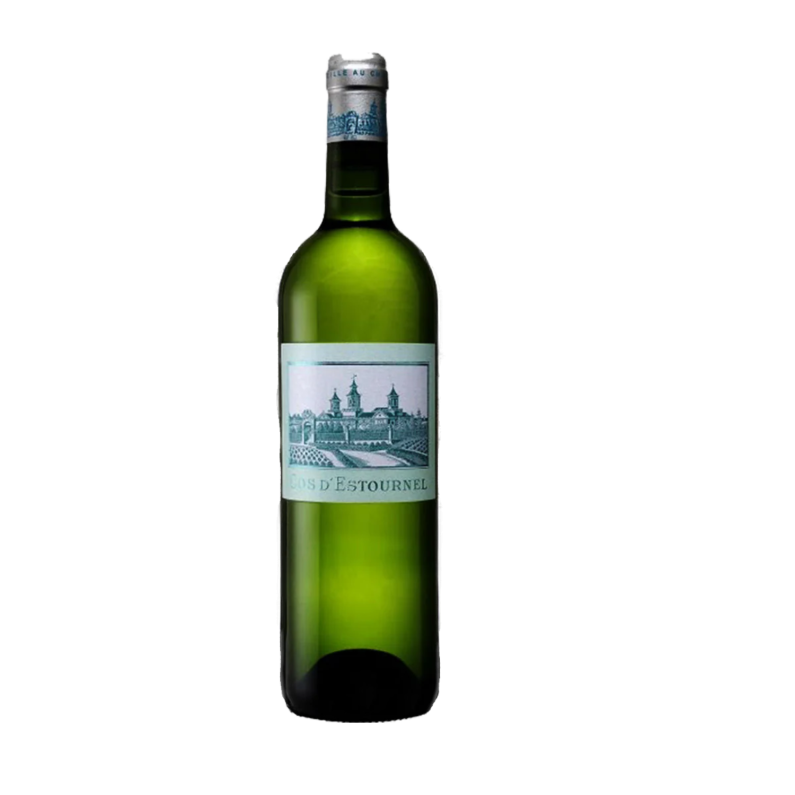
De specificaties zoals vermeld bij de wijn (o.a. wijnjaar) en in de titel zijn leidend en er kunnen geen rechten worden ontleend aan de afbeelding die wordt getoond. Lees meer in onze Frequenty asked questions
How does this wine taste?
How full and heavy the wine feels in your mouth, like the difference between skimmed milk and cream. More alcohol, sugar and oak ageing make a wine fuller.
How much sugar you taste, from dry to sweet. Fruity is not the same as sweet: a dry wine can taste of ripe fruit.
How fresh and juicy the wine is: acidity makes your mouth water. High acidity tastes lively and refreshing, low acidity soft and round.
What we taste What you taste Click a taste for what it means
The bars follow how sommeliers taste (WSET): body, tannin, sweetness and acidity, each from low to high.
Body: full-bodied. 13% alcohol.
Nothing noted for this wine yet. What do you smell, and how long does the taste linger?
Have you tasted this wine?
Save your rating and notes.
Save your rating and notes.
Have you tasted this wine?
Log in to save your tasting note.
Log in to save your tasting note.
Log inCharacter
The wine
Origin
Bottle
Wine features
Parker
The Wine Advocate
RP 93
Reviewed by:
Yohan Castaing
Release Price:
NA
Drink Date:
2028 - 2037
A blend of 74% Sauvignon Blanc and 26% Sémillon, the 2022 Cos d'Estournel Blanc wafts from the glass with aromas of spices, ripe orchard fruits, boxwood and herbs. Medium to full-bodied, concentrated and layered, it's framed by delicate dry extracts and a phenolic, elegant bitterness enhanced by oaky notes, culminating in a long, saline and ethereal finish.
Published: Mar 06, 2025
Lorem ipsum dolor sit amet, consectetur adipiscing elit. Sed do eiusmod tempor incididunt ut labore et dolore magna aliqua...
James Suckling
CHÂTEAU COS D'ESTOURNEL BORDEAUX BLANC 2023
Wednesday, May 15, 2024
Country: France
Region: Bordeaux
Vintage: 2023
Score
97-98
This shows real precision and sophistication. Tight and dense palate that is concentrated but not heavy, with intensity and minerality. Sea salt and white pepper at the end. This is really at the top level of dry white Bordeaux now. 70% sauvignon blanc and 30% semillon.
Lorem ipsum dolor sit amet, consectetur adipiscing elit. Sed do eiusmod tempor incididunt ut labore et dolore magna aliqua...
Vinous
94
Drinking Window
2025 - 2034
From: 2022 Bordeaux in Bottle: Living in the Present (Jan 2025)
The 2022 Cos d'Estournel Blanc is a blend of 74% Sauvignon Blanc and 26% Sémillon. Rich and creamy on the palate, the 2022 Cos Blanc offers up a striking mix of orchard fruit, chamomile, tangerine oil, mint and spice. Vinification and aging in barrel emphasizes the wine's inherent oiliness and weight. This is a serious, structured white for the dinner table.
- By Antonio Galloni on January 2025
(92-94)
Drinking Window
2025 - 2030
From: 2022 Bordeaux En Primeur: Balance Imbalance (May 2023)
The 2022 Cos d’Estournel Blanc is gorgeous. Rich and layered, the 2022 deftly balances the natural intensity of the year with notable texture. Lemon confit, marzipan, white flowers, mint, tangerine oil and white pepper are some of the many notes that emerge over time. More than anything else, it is the wine’s balance that is of note.
- By Antonio Galloni on April 2023
“Things were pretty normal up until the end of March,” Technical Director Dominique Arangoïts told me at Cos d’Estournel. “Intense heat started in May. Flowering began in the middle of the month. By June we were in a water deficit, something that is extremely rare so early in the season. We had some hail in our northernmost parcels. The rest of the year was very hot and dry, but with cool nights at the end that allowed the vines to breathe. Harvest ran from August 29 to September 13 for the white and September 7 to 23 for the reds.”
(91-93)
Drinking Window
2025 - 2042
From: You’re Unbelievable: Bordeaux 2022 (May 2023)
The 2022 Cos d'Estournel Blanc, a blend of 74% Sauvignon Blanc and 26% Semillon, matured entirely in one to three-year-old barrels. This has a more harmonious bouquet than the Pagodes Blanc, with fine depth and freshness. The palate is well-balanced with fine acidity. The 2022 is bright with lime and orange zest notes, gently building toward a lightly spiced and pleasing finish. This joyful Cos d'Estournel Blanc should provide at least a decade's drinking pleasure.
- By Neal Martin on May 2023
Lorem ipsum dolor sit amet, consectetur adipiscing elit. Sed do eiusmod tempor incididunt ut labore et dolore magna aliqua...
Exclusive Content
Sign in to unlock professional wine reviews from world-renowned critics
- Deuxième Grand Cru Classé en 1855
Château Cos d'Estournel is a winery in the Saint-Estèphe appellation in the Bordeaux region of France. It is also the name of the red wine produced by this property. The wine produced here was classified as one of fifteen Deuxièmes Crus (Second Growths) in the original Bordeaux Wine Official Classification of 1855.
Château Cos d'Estournel produces the eponymous grand vin, the second wine since the 1994 vintage, Les Pagodes de Cos from the estate's younger vines, as well as Château Marbuzet from fruit from nearby plots. The property is adjacent to Château Lafite-Rothschild in the neighboring commune of Pauillac. The name Cos refers to a "mound of pebbles" in the Gascon dialect and the name Cos d'Estournel was given in 1810 by Louis-Gaspard d'Estournel.
The estate has changed hands several times throughout its history, beginning in 1852 when it was purchased by English banker Charles Cecil Martyns. In 1869 it was sold to the Spanish Errazu family, only to be sold again 20 years later, in 1889, to the Hostein family from Bordeaux. Through his marriage to Marie-Thérèse Hostein, Louis-Victor Charmolue, who also owned Château Montrose, acquired control of Cos d'Estournel in 1894. In 1917 it was sold to Fernand Ginestet. The chateau has remained in the Ginestet family ever since, becoming part of Domaines Prats in 1970, the combined property of the Ginestet and Prats families, and controlled by Bruno Prats.
In June 2008, it was announced that Michel Reybier, the current owner of Cos d'Estournel, has purchased Napa winery Chateau Montelena. However, in November 2008, this agreement was canceled, the termination of the transaction by Chateau Montelena allegedly due to the fact that Reybier Investments had "been unable to meet its obligations". From an estate of 100 hectares, the vineyard area extends over 70 hectares (170 acres), divided into 30 parcels, mainly composed of the grape varieties 60% Cabernet Sauvignon and 40% Merlot, with a small cultivation of Cabernet Franc and Petit verdot that seems participate too little in modern production. Annual production is typically 32,000 cases.
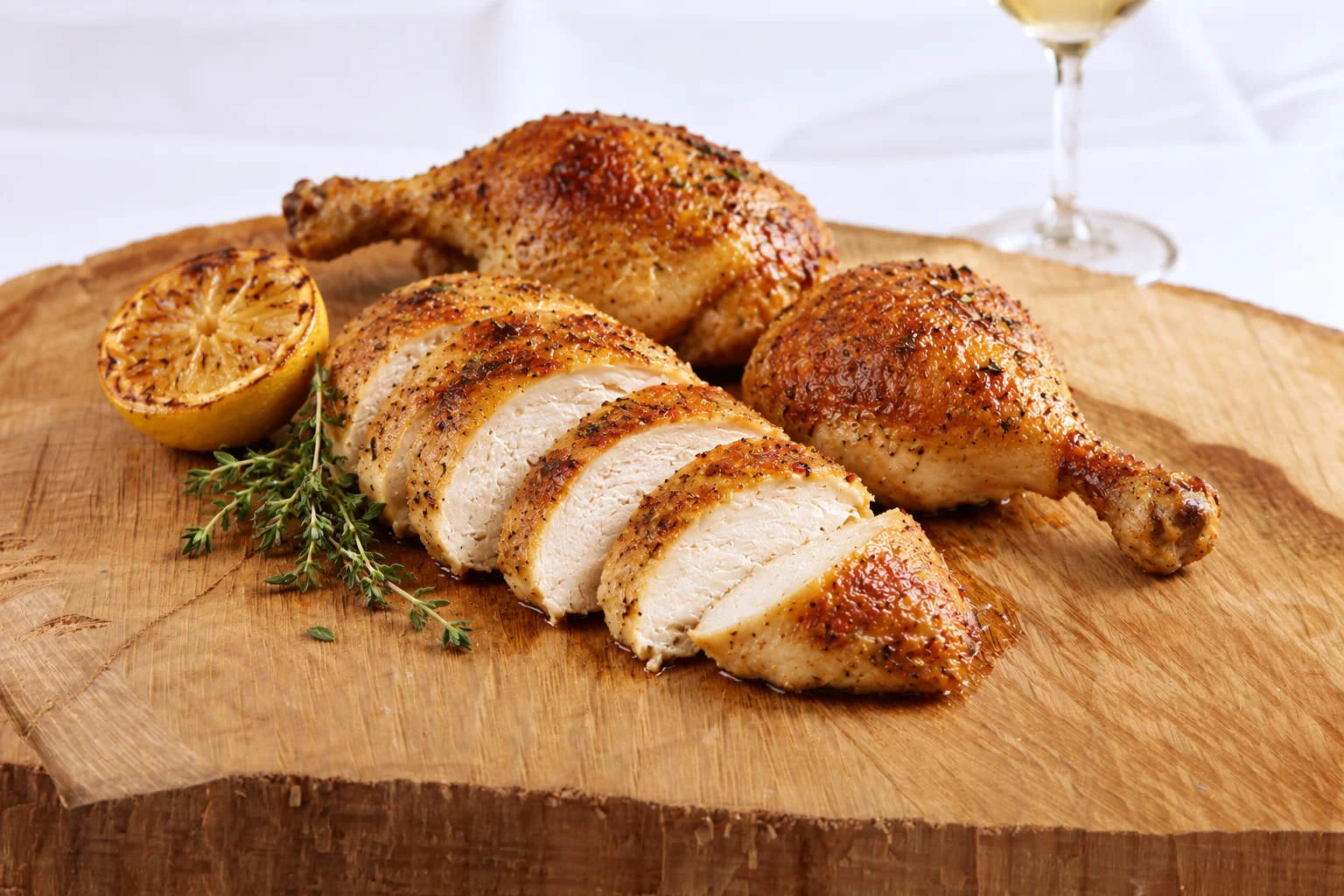
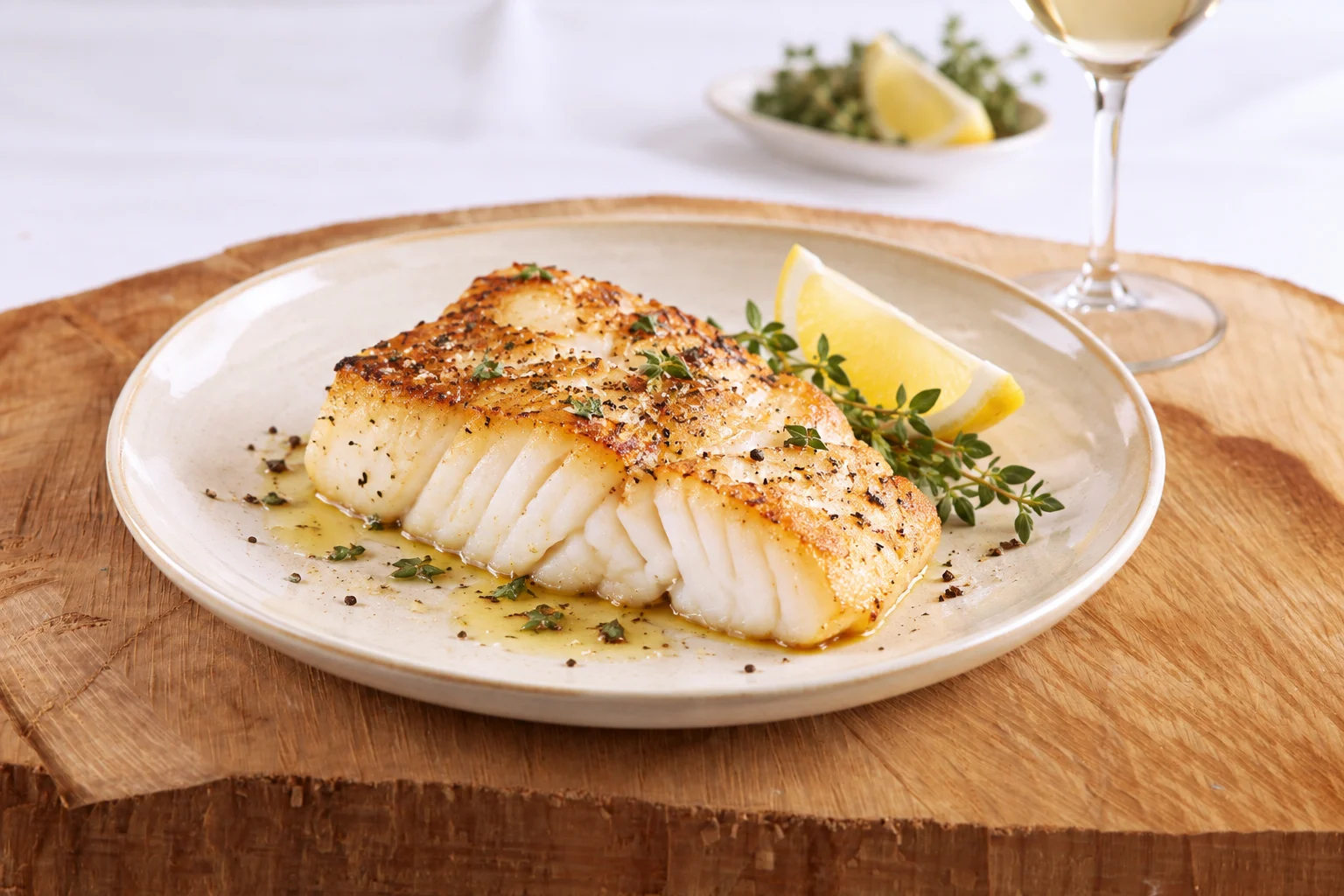
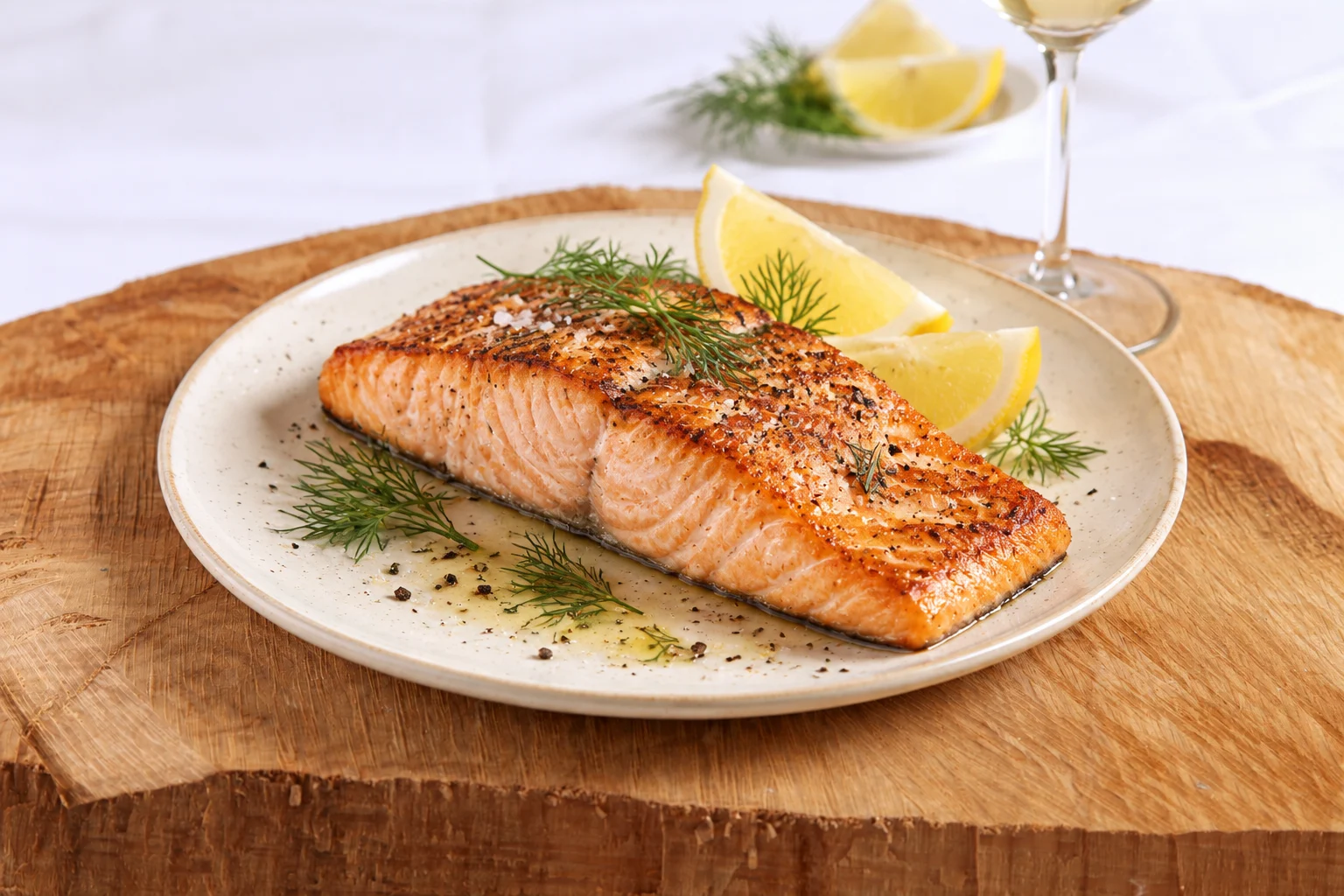
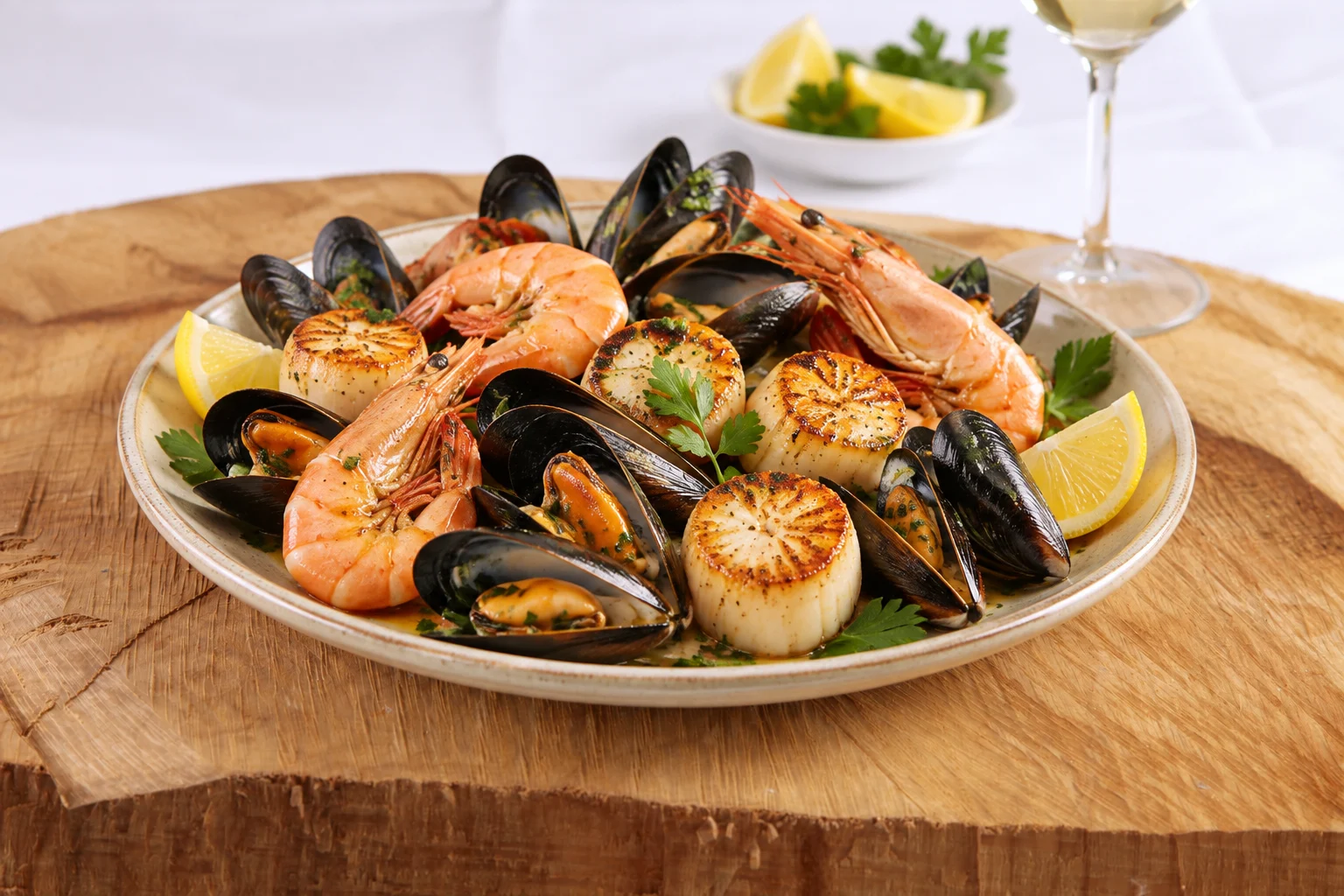
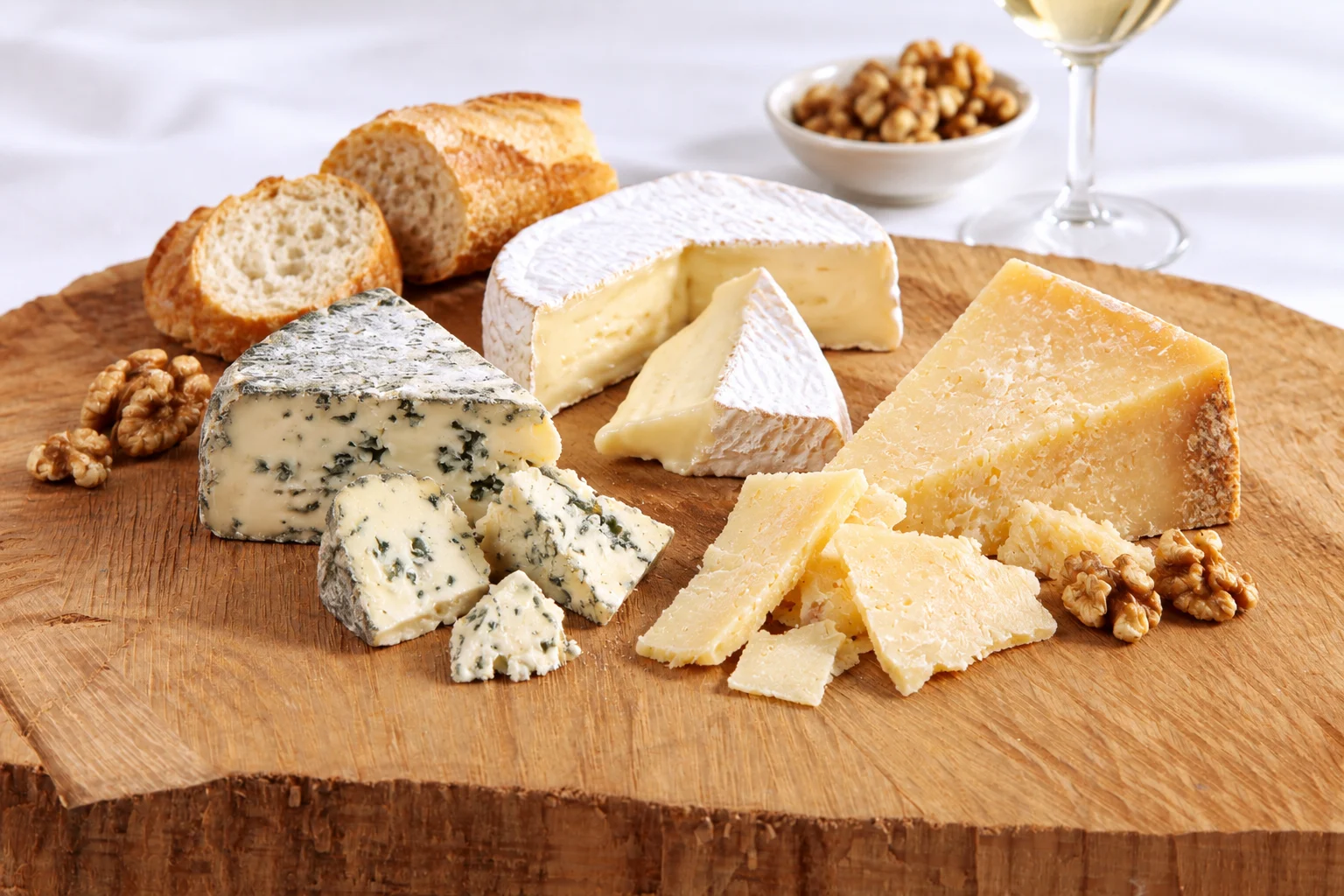
Deze 2022 Cos d'Estournel Blanc toont rijke aroma’s van rijpe appel en mandarijnzest met marsepeinachtige Sémillon-rijping, kruidige tonen van witte peper en kruiden, subtiele houtinvloeden en een ziltige, elegante bitterheid die de medium-volle textuur draagt. Daardoor werkt hij uitstekend bij gevogelte, witte en vette vis, schelpdieren en kazen omdat de frisse zuren en minerale ziltigheid vettere gerechten reinigen, terwijl de romige houtlagering mooi aansluit op sauzen en smeuïge structuren; denk aan gebraden parelhoen of kip met een licht romige citroen-beurre blanc, gegrilde zeebaars of dorade met citroen en tijm, of gebakken coquilles en tonijn tataki met een vleugje citrus en kruiden.
Choose a category to discover dishes that pair well with this wine.
Do you already have a dish in mind?
Let Sommy find wines to pair with your meal.
Discover Wine Trivia
Sign in to unlock fascinating facts about this wine and expand your knowledge.
Sign In