

2021 Waterkloof Circumstance Cabernet Sauvignon
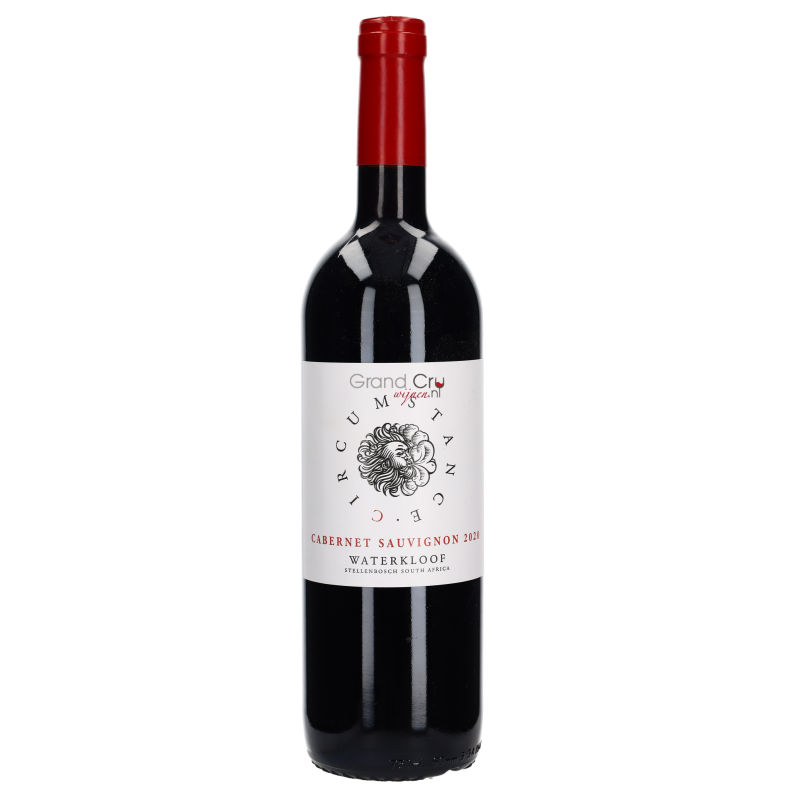
De specificaties zoals vermeld bij de wijn (o.a. wijnjaar) en in de titel zijn leidend en er kunnen geen rechten worden ontleend aan de afbeelding die wordt getoond. Lees meer in onze Frequenty asked questions
| Type of Wine | |
|---|---|
| Country | |
| Region | |
| Appellation | |
| Winery | |
| Vintage | 2021 |
| Grape | |
| Content (Alc) | Standard (0.75 ltr) (14%) |
| Drink window | 2024 - 2030 |
Ordering in bulk? Log in to request a quote
Low Stock
Only 3 left
Notities
Foto
Proefnotities
Heb je deze wijn geproefd?
Bewaar je beoordeling en aantekeningen.
Bewaar je beoordeling en aantekeningen.
Heb je deze wijn geproefd?
Log in om je proefnotitie op te slaan.
Log in om je proefnotitie op te slaan.
Log inHoe wil je je wijn beoordelen?
Max 5 MB. JPG, PNG, WebP.
Hoe smaakt het?
Klik op wat het beste past. Alles is optioneel.
Welke geuren en smaken herken je?
Klik op alles wat je herkent. Dit is optioneel.
Uiterlijk
Neus
Aroma's (neus)
Smaak
Smaken (mond)
Afdronk
Wijngegevens
Automatisch ingevuld vanuit productgegevens.
Persoonlijke gegevens
Waterkloof, founded by Frenchman Paul Boutinot, is located in the Helderberg ward, within the Stellenbosch district. The vineyards are situated just a few kilometers from the Atlantic Ocean. Paul and his right-hand man, Christiaan Loots, cultivate organic and biodynamic practices, and the vineyards are only accessed by horses, not tractors. In just a few years, Waterkloof has built a strong reputation. Upon entering the farm, you'll see cows, pigs, sheep, goats, chickens, and horses, which we use for manure, weed control, and many other purposes. The soils are chemical-free and kept healthy by using plant extracts, fungi, and bacteria from our own natural compost. By healthier soils, we mean vines with roots that dig deeper than 5 meters, which truly expresses the terroir.
A cross between Cabernet Franc and Sauvignon Blanc, Cabernet Sauvignon is the world's most famous red wine grape and is hailed as the king of red wines for its superb structure. With its small, thick-skinned berries, it is rich in color and tannins. The vineyard used for Circumstance Cabernet Sauvignon is located on the northwestern slopes of Schapenberg, at an altitude of approximately 270 and 300 meters above sea level, just 5 kilometers from the Atlantic Ocean. Strong southeasterly winds help control growth and crop yield. Soils are of decomposed granite origin with fine sandy/loam topsoil and medium-sized stones, which aid both drainage and moisture retention. Production was approximately 3 tons/ha.
At Waterkloof, we pride ourselves on not spraying chemical herbicides or pesticides in our vineyards. We produce our own compost and biodynamic preparations, which we then apply with our workhorses, as opposed to heavy tractors. These practices create loose, vibrant soil where the vines can spread their roots freely, absorbing everything they need from our rich and complex soil. We believe that biodynamic farming and winemaking contribute to terroir-driven wines that are truly made in the vineyard.
Harvesting is done according to taste, and considerable time is spent in the vineyards to observe how the flavors develop. The grapes are destemmed, hand-sorted, and gravity-fed into wooden fermenters. Natural fermentation begins spontaneously, utilizing the wild yeasts present on the fruit.
During fermentation, punchdowns (twice daily) were used to ensure gentle and slow extraction of color and tannins. The wines remain on the skins for 30 days to help integrate the tannins and stabilize the color. The skins are separated from the juice by gravity flow. The wine underwent malolactic fermentation in barrel and was then aged for 21 months in new (9%), second-, and third-year French oak.
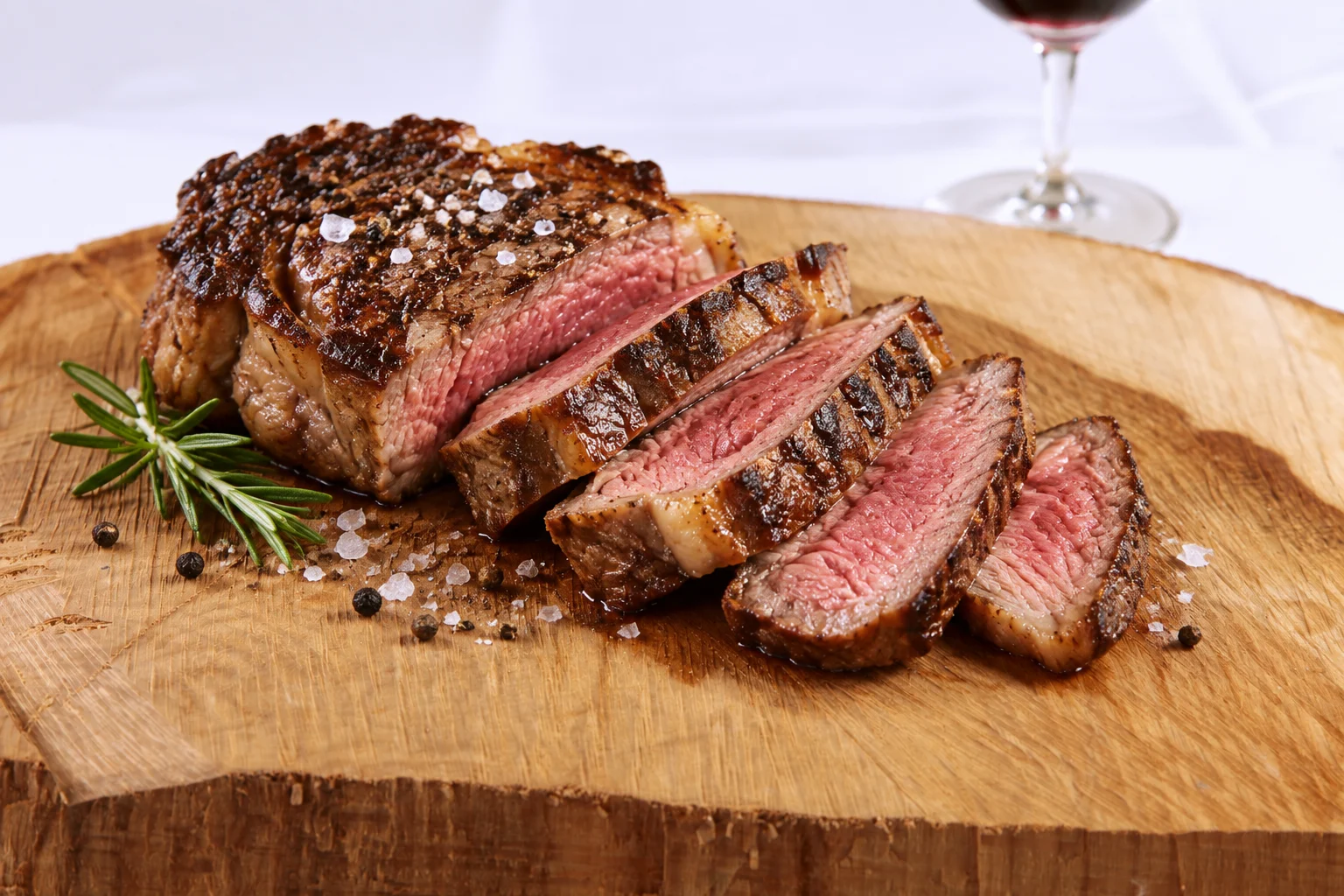
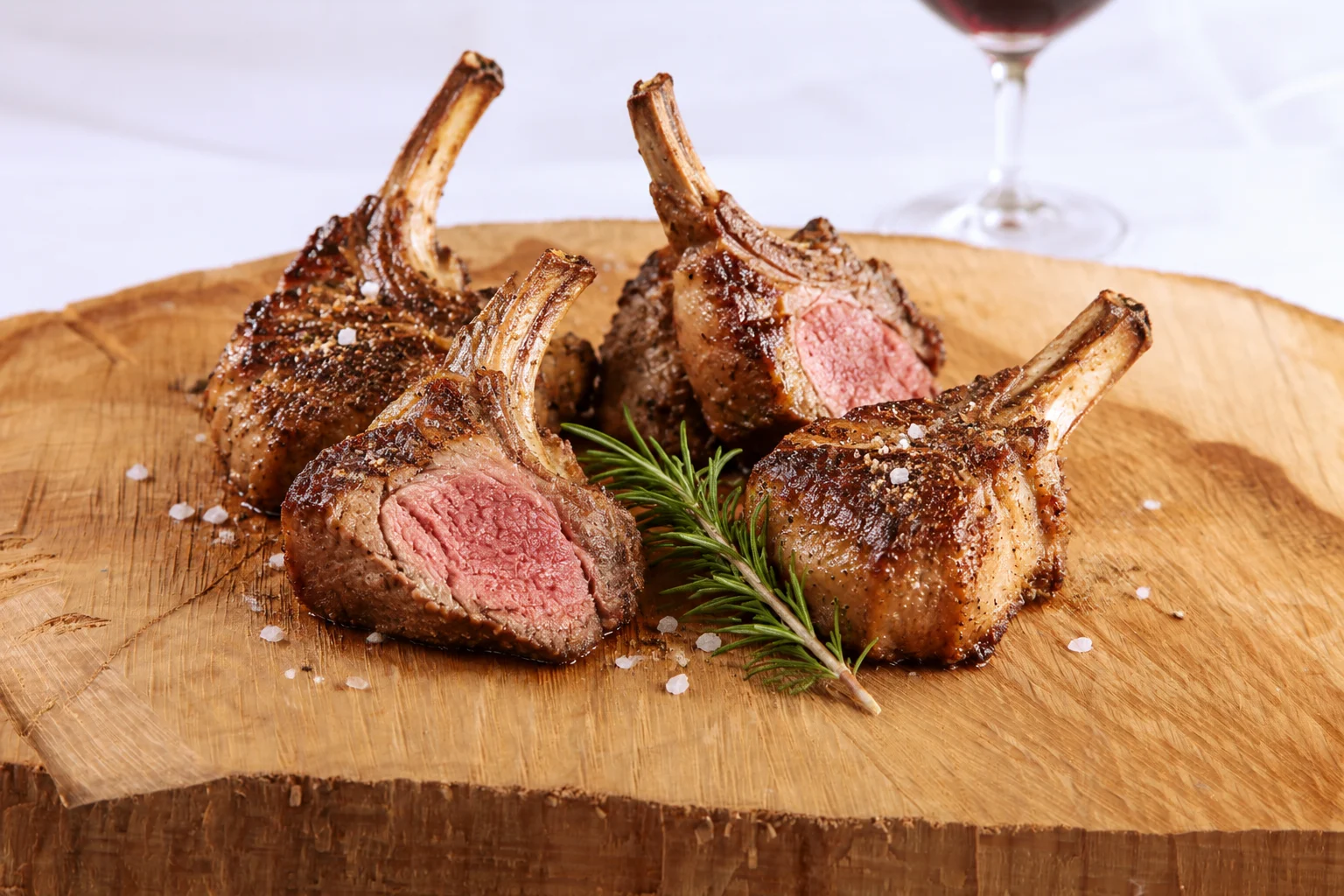
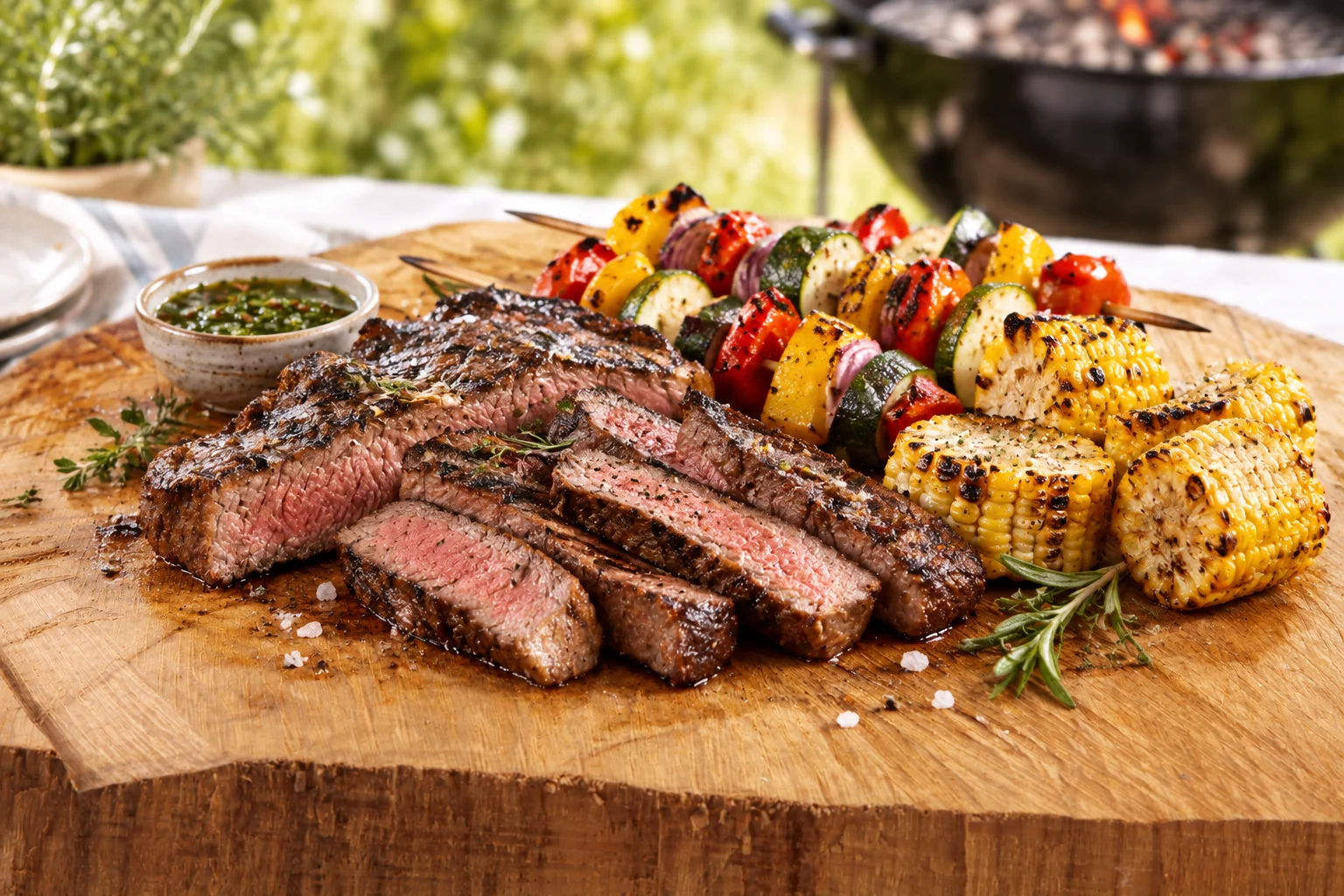
This Circumstance is a distinctly cool-climate Cabernet Sauvignon (Bordeaux!) with prominent notes of red berries, balanced by a hint of cumin. The palate displays great focus with exceptionally refined tannins and great length. This Circumstance Cabernet Sauvignon is a perfect companion for a variety of dishes, such as T-bone steak on the braai (barbecue) or slow-cooked lamb shank.
FACT: In the tab: Attachment, you'll find the official fact sheet for this fine wine. We'll automatically send it to you when you order this wine. The wine is stored in our climate-controlled Wine Warehouse, and if you pick it up, you'll also receive a nice discount.
| Type of Wine | Red |
|---|---|
| Country | South Africa |
| Region | Western Cape |
| Appellation | Stellenbosch |
| Winery | Waterkloof |
| Grape | Cabernet Sauvignon |
| Biological certified | No |
| Natural wine | No |
| Vegan | No |
| Vintage | 2021 |
| Drinking as of | 2024 |
| Drinking till | 2030 |
| Alcohol % | 14 |
| Alcohol free/low | No |
| Content | Standard (0.75 ltr) |
| Oak aging | Yes |
| Sparkling | No |
| Dessert wine | No |
| Closure | Cork |
| Tasting Profiles | Complex, Houtgerijpt, Kruidig, Rood fruit, Strak, Tannines |
| Drink moments | Barbecue, Iets te vieren, Met vrienden |
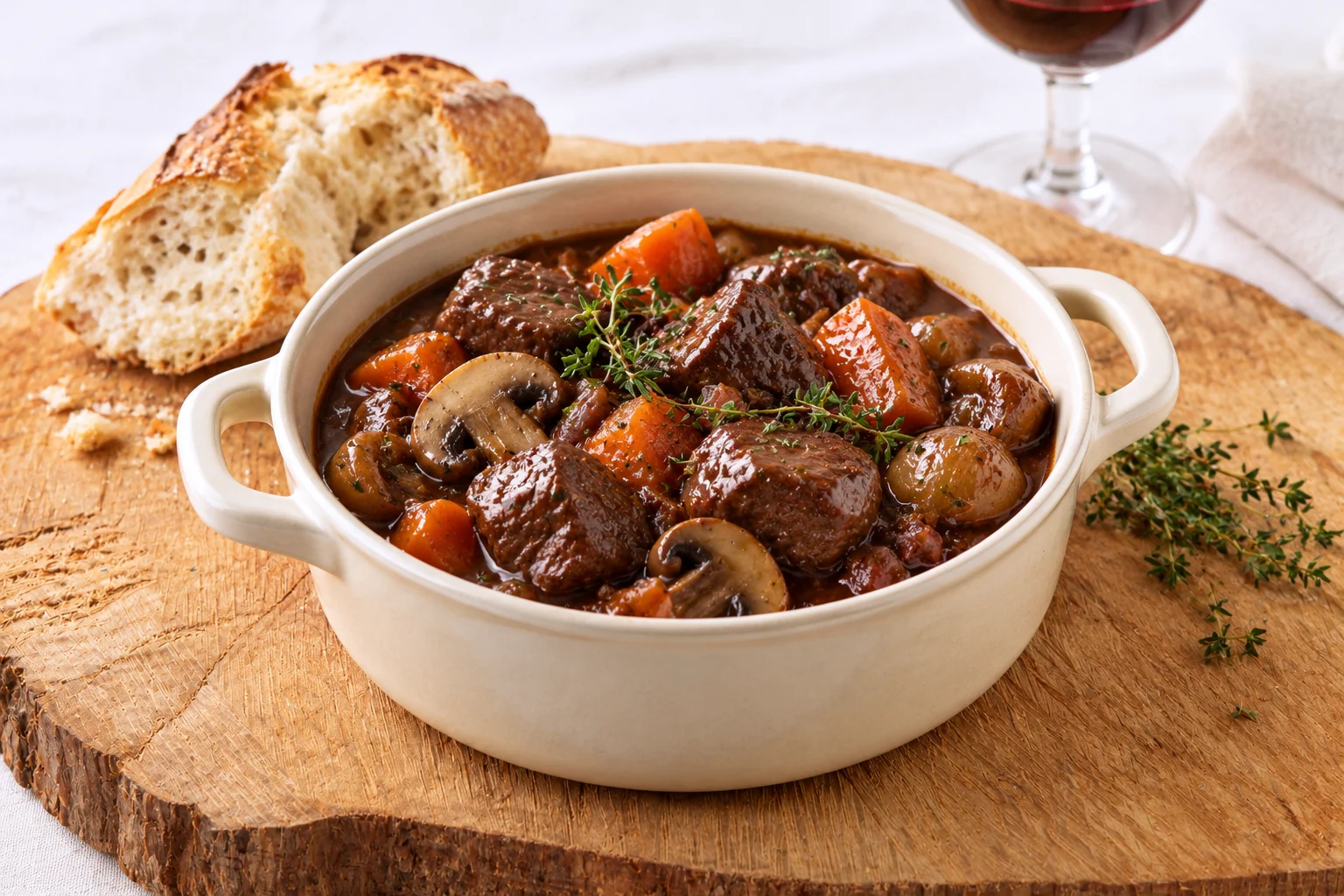
| Sommy Pairing Beschrijving | Deze koelklimaat Cabernet Sauvignon toont frisse rode bessennoten met een kruidige ondertoon van komijn, verfijnde tannines en een lange, elegante afdronk. De frisse zuren en gestructureerde tannines snijden mooi door het vlezig vet van rund en lam en versterken de hartige, geroosterde smaken van stoofschotels en barbecue. Vooral een kolen- of houtskoolgegrilde T‑bone op de braai, langzaam gegaarde lamsschenkel of langzaam gestoofde runderstoof met een reductie van de braadjus brengt de beste balans tussen de wijn en het gerecht. |
Founded by the Frenchman Paul Boutinot, Waterkloof is located in the 'ward' Helderberg, within the Stellenbosch district. The vineyards are located a few kilometers from the Atlantic Ocean. Paul and his right-hand man, Christiaan Loots, work in an organic and biodynamic way and the vineyards are only entered with horses, no tractors. In just a few years, Waterkloof has built up a strong reputation. When you enter the farm you will see the cows, pigs, sheep, goats, chickens and horses that we use for their manure, weed control and many other purposes. The soils are free of chemicals and are kept healthy by using plant extracts, fungi and bacteria from our own natural compost. By healthier soils we mean vines with roots that dig deeper than 5 meters, which really expresses the terroir.
These traditional methods, combined with a breezy southwest vineyard, make for a balanced and naturally low yielding vine that produces intense flavours. The vineyards are located about 5 kilometers from the sea and are planted at an altitude between 270 and 300 meters above sea level. The soils are of sandstone origin with medium sized stones, which aid in drainage and also moisture retention. The vineyards are on average 21 years old.
The winemaking philosophy is the same for all of Waterkloof's premium white wines. They follow a traditional, minimalistic approach, which means we interfere with the winemaking process as little as possible. This allows the flavors prevalent in that particular vineyard to be reflected in the wine. To achieve this, all grapes are harvested for taste, hand-picked, hand-sorted and finally pressed whole bunch in a modern press, so that they can extract the purest juice in the gentlest possible way. The juice is then naturally settled for 24 hours. Because no chemicals are sprayed into the vineyard, the wild yeast can be used to ferment the juice in used 600 liter oak barrels. This leads to a longer fermentation process with a slow release of aromas and a more textured palate. The natural fermentation process took 6 months, after which the wine is allowed to mature for another 2-4 months. No acid or enzymes are added during the winemaking process, with just light filtration and a small minimalistic addition of sulfur as a preservative prior to bottling.
Deze koelklimaat Cabernet Sauvignon toont frisse rode bessennoten met een kruidige ondertoon van komijn, verfijnde tannines en een lange, elegante afdronk. De frisse zuren en gestructureerde tannines snijden mooi door het vlezig vet van rund en lam en versterken de hartige, geroosterde smaken van stoofschotels en barbecue. Vooral een kolen- of houtskoolgegrilde T‑bone op de braai, langzaam gegaarde lamsschenkel of langzaam gestoofde runderstoof met een reductie van de braadjus brengt de beste balans tussen de wijn en het gerecht.
Choose a category to discover dishes that pair well with this wine.
Do you already have a dish in mind?
Let Sommy find wines to pair with your meal.
Discover Wine Trivia
Sign in to unlock fascinating facts about this wine and expand your knowledge.
Sign In