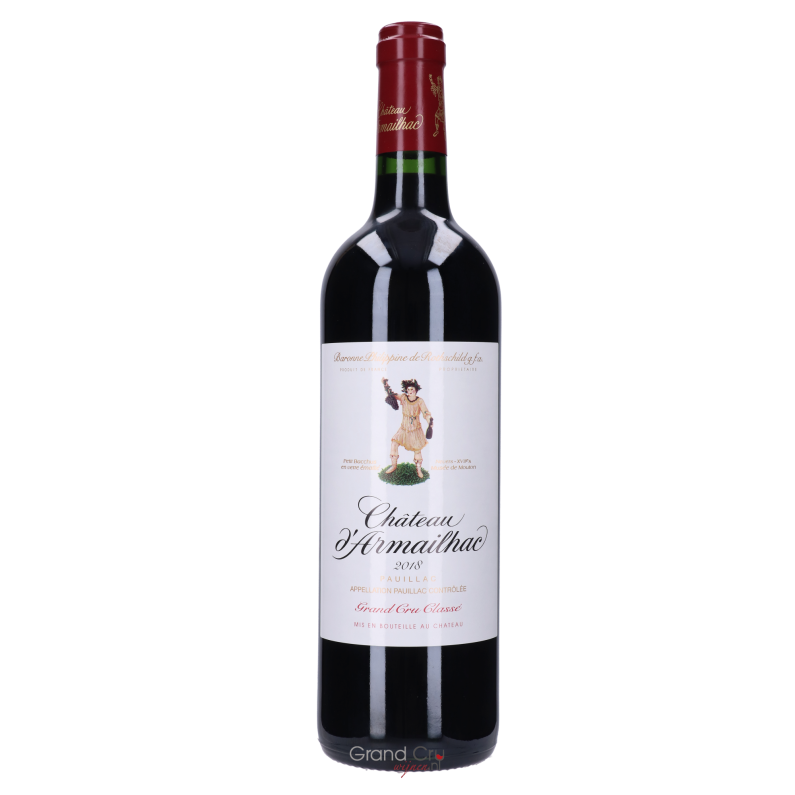
2019 Château d'Armailhac Pauillac
De specificaties zoals vermeld bij de wijn (o.a. wijnjaar) en in de titel zijn leidend en er kunnen geen rechten worden ontleend aan de afbeelding die wordt getoond. Lees meer in onze Frequenty asked questions
| Type of Wine | |
|---|---|
| Country | France |
| Region | |
| Appellation | Pauillac |
| Winery | |
| Vintage | 2019 |
| Grape | , , , |
| Content (Alc) | Standard (0.75 ltr) (14.5%) |
| Drink window | 2025 - 2050 |
Ordering in bulk? Log in to request a quote
In stock
6 items available
Notities
Foto
Proefnotities
Heb je deze wijn geproefd?
Bewaar je beoordeling en aantekeningen.
Heb je deze wijn geproefd?
Log in om je proefnotitie op te slaan.
Log inHoe wil je je wijn beoordelen?
Max 5 MB. JPG, PNG, WebP.
Hoe smaakt het?
Klik op wat het beste past. Alles is optioneel.
Welke geuren en smaken herken je?
Klik op alles wat je herkent. Dit is optioneel.
Uiterlijk
Neus
Aroma's (neus)
Smaak
Smaken (mond)
Afdronk
Wijngegevens
Automatisch ingevuld vanuit productgegevens.
Persoonlijke gegevens
Château d'Armailhac belongs to Château Mouton Rothschild and it is the same team that takes care of the vinification under the leadership of Mr Philippe Dhalluin. The very high-quality terroir consists of 80% of a ridge rich in stone (just like its neighbors Ch. Mouton Rothschild and Ch. Pontet Canet). After all, the mother house does everything it can to keep the quality as high as possible. The wine has had a very nice constitution and very nice volume in recent years.
This beautiful Pauillac is a blend of 62% Cabernet Sauvignon , 27% Merlot , 9% Cabernet Franc and 2% Petit Verdot . In the glass, d'Armailhac has a deep garnet purple color. The very expressive nose has notes of ripe black fruit, cassis, blackberries and roasted coffee. After a warm, soft and almost creamy start, an immense middle taste follows with lots of fine crispy fruit that envelop the fine tannins. The whole is fine, sensual and balanced and supported by a dosed wood layer. The finale, which is long and very tasty, has notes of ripe fruit, chocolate and cocoa. Highly recommended! A delicious red wine with great aging potential. Keeping this wine a little longer will certainly benefit it! According to James Suckling "The Greatest ever"
FACT: In the 'Attachments' tab you will find the official fact sheet of this beautiful wine. We will send this to you automatically when you order this wine. The wine is stored in our conditioned Wine Warehouse and if you pick up the wine you will often receive a nice discount. You will see your discount immediately when you choose 'Collect' on the checkout page. We are located in Dordrecht with plenty of parking. Click here for us
| Type of Wine | Red |
|---|---|
| Country | France |
| Region | Bordeaux |
| Appellation | Pauillac |
| Winery | Chateau d'Armailhac |
| Grape | Cabernet Franc, Cabernet Sauvignon, Merlot, Petit Verdot |
| Biological certified | No |
| Natural wine | No |
| Vegan | No |
| Vintage | 2019 |
| Drinking as of | 2025 |
| Drinking till | 2050 |
| Alcohol % | 14.5 |
| Alcohol free/low | No |
| Content | Standard (0.75 ltr) |
| Oak aging | Yes |
| Sparkling | No |
| Dessert wine | No |
| Closure | Cork |
| Parker rating | 93 |
| James Suckling rating | 94 |
| Vinous rating | 93 |
| Tasting Profiles | Complex, Donker fruit, Houtgerijpt, Kruidig, Rijk, Tannines |
| Drink moments | Iets te vieren, Indruk maken, Lekker luxe |
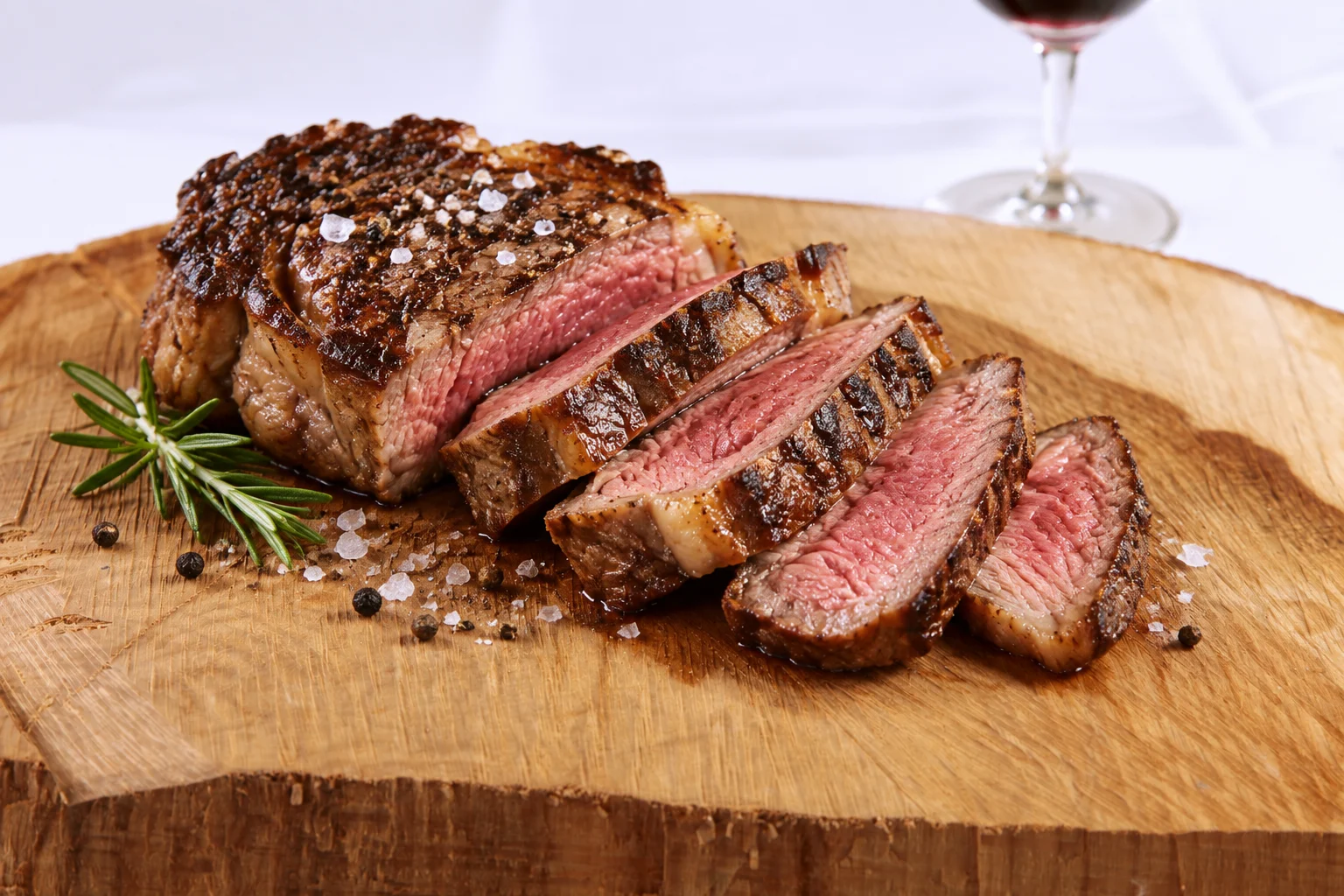
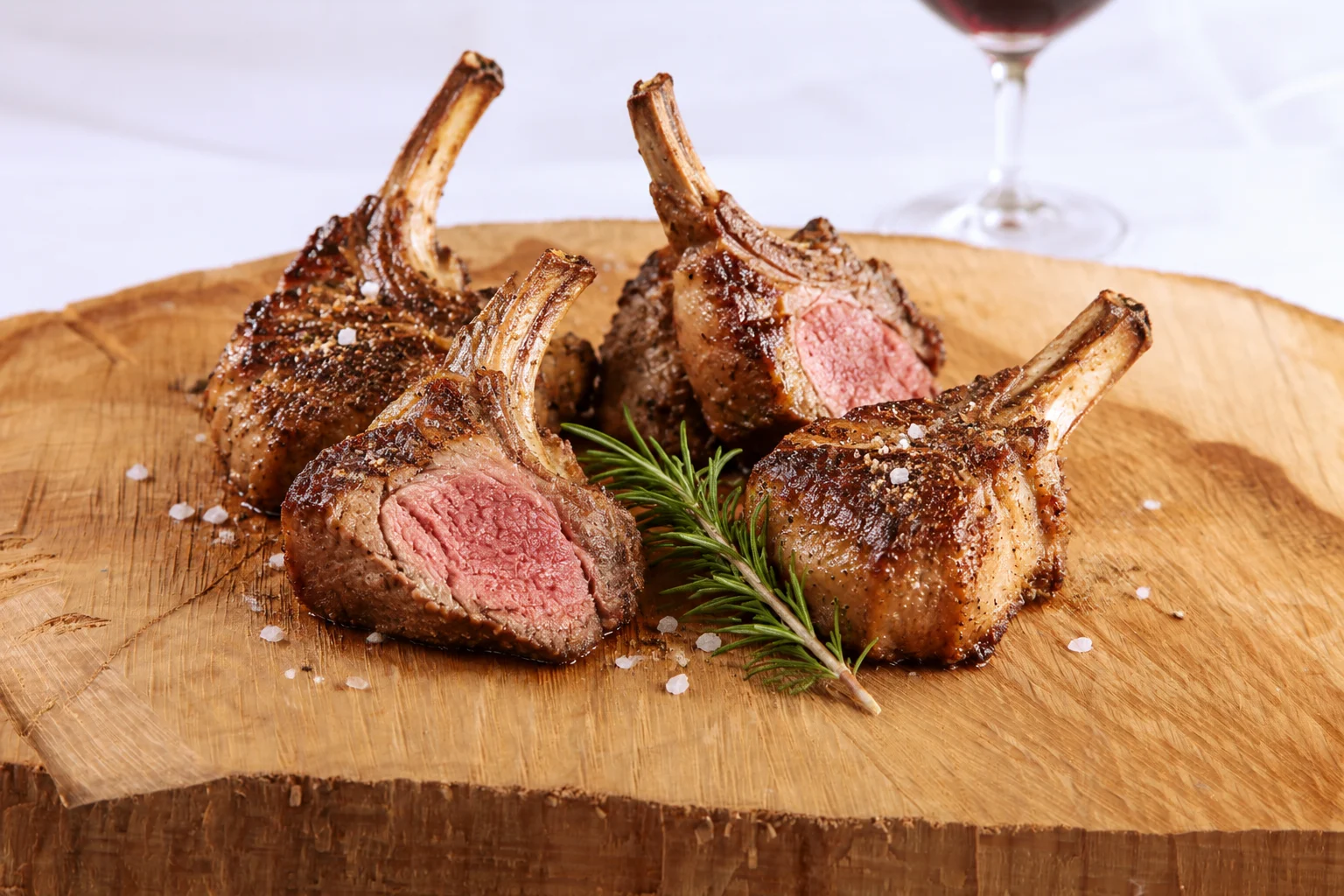
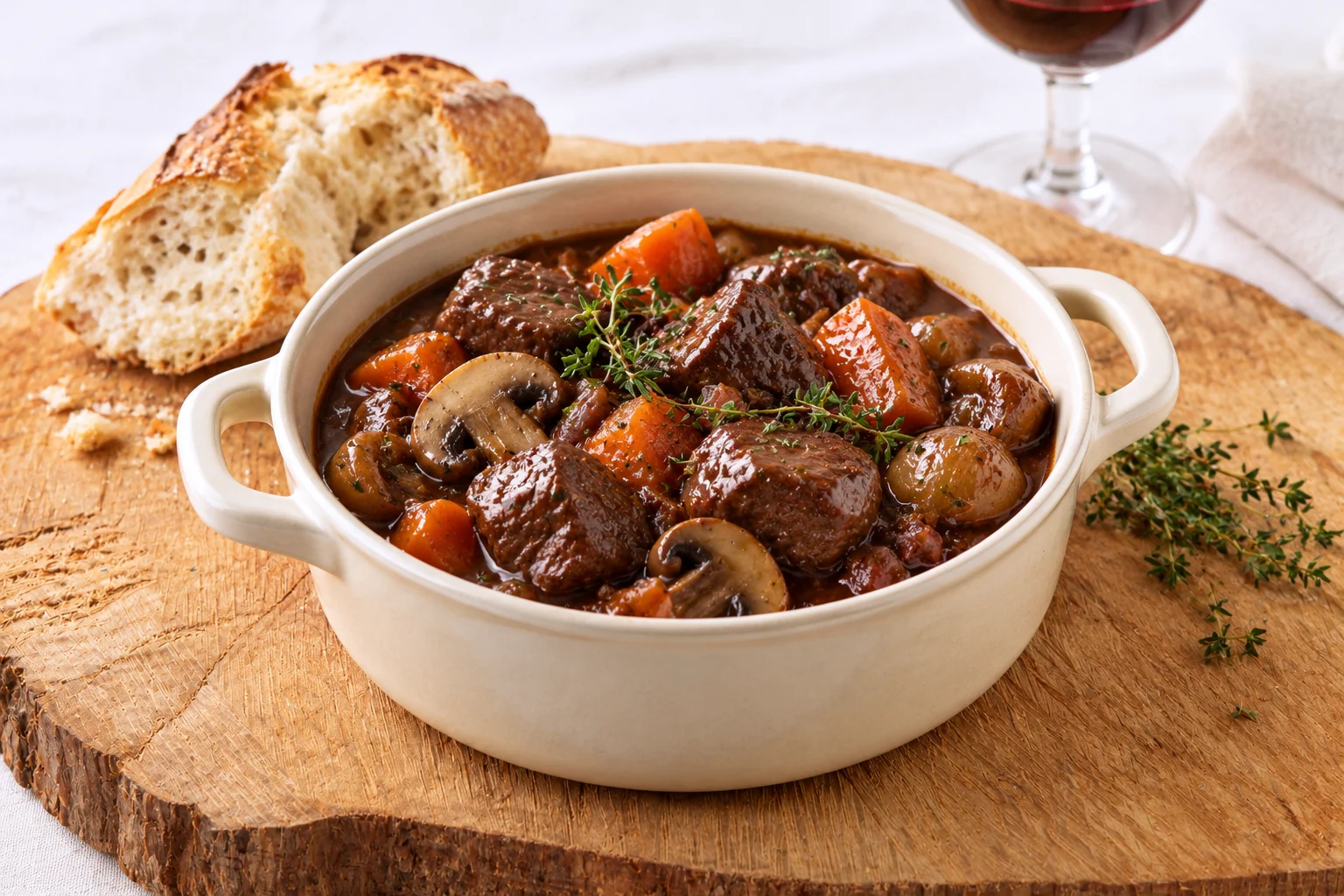
| Sommy Pairing Beschrijving | Deze Pauillac presenteert een koele, elegante neus van viooltjes, cassis en bramen met subtiele tonen van zoete aarde, tabak en zwarte peper, medium tot vol van body met een sappig fruitlichaam en fijn, poederig taninewerk dat een lange, kalkachtige finale draagt. Daardoor werkt de wijn uitstekend bij rundvlees, lamsgerechten, stoofschotels en barbecue omdat het rijpe donker fruit en de stevige structuur het vet en de umami van geroosterd of langzaam gegaard vlees in balans brengt en de kruidigheid en rokerigheid van de gerechten versterkt. Bereidingswijzen die extra goed samengaan zijn een gegrilde côte de boeuf met een eenvoudige zout- en zwartepepperrub, langzaam gestoofde runderwangen in rode wijn of een geroosterde lamsbout met rozemarijn en knoflook, waarbij weinig zoete sauzen worden gebruikt zodat de verfijnde tannines en specerijen van de wijn blijven spreken. |
Parker
Rating
93
Release Price
NA
Drink Date
2025 - 2050
Reviewed by
William Kelley
Issue Date
7th Apr 2022
Source
April 2022 Week 1, The Wine Advocate
More classically proportioned than the exuberant 2018, the 2019 D'Armailhac wafts from the glass with aromas of violets, blackberries and cassis complemented by subtle hints of licorice, sweet soil tones and warm spices. Medium to full-bodied, velvety and perfumed, it's fleshy and enveloping, with an ample core of succulent fruit and beautifully polished, powdery tannins.
Lorem ipsum dolor sit amet, consectetur adipiscing elit. Sed do eiusmod tempor incididunt ut labore et dolore magna aliqua...
James Suckling
Lorem ipsum dolor sit amet, consectetur adipiscing elit. Sed do eiusmod tempor incididunt ut labore et dolore magna aliqua...
Wine Spectator
This juicy red sports dark plum, fig and boysenberry fruit backed by an equally strong wave of bramble and sweet tobacco notes. The cast-iron spine pins down the finish, so give this a little time to integrate fully. Best from 2023 through 2038. — JM
Lorem ipsum dolor sit amet, consectetur adipiscing elit. Sed do eiusmod tempor incididunt ut labore et dolore magna aliqua...
Vinous
93
Drinking Window
2026 - 2048
From: Omne Trium Perfectum: Bordeaux 2019s in Bottle (Feb 2022)
The 2019 d'Armailhac requires a few minutes to open up. It has an intense bouquet of blackberry and small black cherries, iodine and crushed violet, plus a faint hint of tobacco (less than last year). The palate is medium-bodied with crunchy black fruit, this 2019 having gained some backbone during its barrel maturation. Solid grip and flavors of black pepper and mint toward the chalky finish. This is excellent, but it will need longer in bottle than I originally envisaged.
- By Neal Martin on December 2021
Lorem ipsum dolor sit amet, consectetur adipiscing elit. Sed do eiusmod tempor incididunt ut labore et dolore magna aliqua...
Exclusive Content
Sign in to unlock professional wine reviews from world-renowned critics
A local register mentions the existence of two brothers, Dominique et Guilhem Armailhacq, who own plots of land in Pauillac. Another register mentions in 1750 a certain Dominique Armailhac, who "planted with vines" the family estate, taking advantage of the "planting frenzy" then sweeping the Médoc. The vines then covered 15 to 16 hectares (37-39 acres). serious professionalization began around 1830 using techniques such as topping up, draining, disinfection of barrels and clarification, the quality of Mouton d'Armailhacq improved considerably, to the extent that its wines sell twice as much as neighboring wines. The "first wine", the only one allowed to bear the name of the Cahteau, is distinguished from the "second wine", which is less rich and for consumption and was sold in local taverns. The Count of Ferrand founded a company, the Société Anonyme du Domaine de Mouton d'Armailhacq. The young baron Philippe de Rothschild becomes a minority shareholder and in 1933 acquires all the shares in exchange for an annuity for the Count of Ferrand. A year later, after his death, Baron Philippe becomes the actual owner of the estate. Mouton d'Armailhacq's portfolio includes Société Vinicole de Pauillac, predecessor of what is now Baron Philippe de Rothschild SA. In 1989, Baroness Philippine decides to return the original identity to Mouton d'Armailhacq, and gives it the name Château d'Armailhac.
A classified growth from 1855 under the name Mouton d'Armailhacq, the vineyard of Château d'Armailhac covers 70 hectares in the northern part of Pauillac. An extension of the Carruades de Mouton plateau, the Plateau des Levantines et de l'Obélisque, which consists of light and very deep gravelly soil, is the favored terroir of Cabernet grapes. The deep gravelly soil of the Plateau de Pibran rests on a clay-limestone base, which gives the wines of Château d'Armailhac their characteristic refinement and elegance. The light gravel bottom of the Croupe de Béhéré is up to three meters deep.
The vineyard is planted with traditional Médoc grape varieties (52% Cabernet Sauvignon, 36% Merlot, 10% Cabernet Franc, 2% Petit Verdot) on rootstocks best suited to the soil (usually Riparia-Gloire). The average age of the vineyard is 46 years, but almost 20% of the total area dates back to 1890. The plantation density is high at 10,000 vines per hectare: Château d'Armailhac preserves the old methods to ensure quality.
The current vineyard cru of 72ha belongs to Ch. Mouton Rothschild and it is the same team that takes care of the vinification under the direction of Mr Philippe Dhalluin. The very high-quality terroir consists of 80% of a ridge rich in stone (just like the neighbors Ch. Mouton Rothschild and Ch. Pontet Canet). After all, the mother house does everything it can to keep the quality as high as possible. The wine has had a very nice constitution and very nice volume in recent years. The price remains affordable, especially compared to Mouton

Deze Pauillac presenteert een koele, elegante neus van viooltjes, cassis en bramen met subtiele tonen van zoete aarde, tabak en zwarte peper, medium tot vol van body met een sappig fruitlichaam en fijn, poederig taninewerk dat een lange, kalkachtige finale draagt. Daardoor werkt de wijn uitstekend bij rundvlees, lamsgerechten, stoofschotels en barbecue omdat het rijpe donker fruit en de stevige structuur het vet en de umami van geroosterd of langzaam gegaard vlees in balans brengt en de kruidigheid en rokerigheid van de gerechten versterkt. Bereidingswijzen die extra goed samengaan zijn een gegrilde côte de boeuf met een eenvoudige zout- en zwartepepperrub, langzaam gestoofde runderwangen in rode wijn of een geroosterde lamsbout met rozemarijn en knoflook, waarbij weinig zoete sauzen worden gebruikt zodat de verfijnde tannines en specerijen van de wijn blijven spreken.
Choose a category to discover dishes that pair well with this wine.
Do you already have a dish in mind?
Let Sommy find wines to pair with your meal.
Discover Wine Trivia
Sign in to unlock fascinating facts about this wine and expand your knowledge.
Sign In