

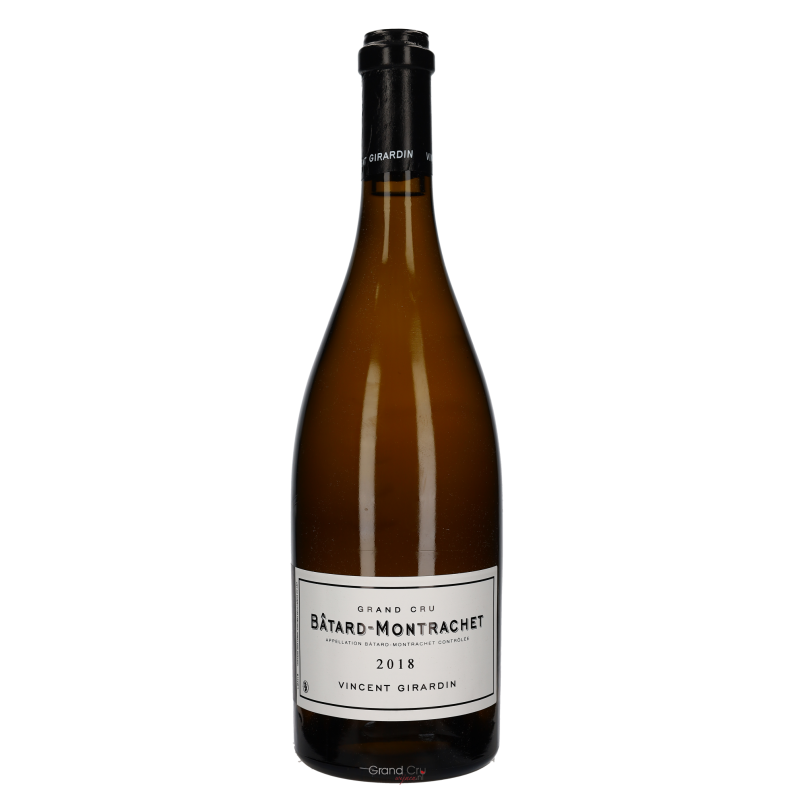
2018 Vincent Girardin Bâtard-Montrachet Grand Cru
| Type of Wine | White |
|---|---|
| Country | France |
| Region | |
| Appellation | |
| Winery | |
| Vintage | 2018 |
| Grape | |
| Content (Alc) | Standard (0.75 ltr) (13.5%) |
| Drink window | 2023 - 2041 |
Ordering in bulk? Log in to request a quote
Low Stock
Only 3 left
Notities
Foto
Proefnotities
Heb je deze wijn geproefd?
Bewaar je beoordeling en aantekeningen.
Bewaar je beoordeling en aantekeningen.
Heb je deze wijn geproefd?
Log in om je proefnotitie op te slaan.
Log in om je proefnotitie op te slaan.
Log inHoe wil je je wijn beoordelen?
Max 5 MB. JPG, PNG, WebP.
Hoe smaakt het?
Klik op wat het beste past. Alles is optioneel.
Welke geuren en smaken herken je?
Klik op alles wat je herkent. Dit is optioneel.
Uiterlijk
Neus
Aroma's (neus)
Smaak
Smaken (mond)
Afdronk
Wijngegevens
Automatisch ingevuld vanuit productgegevens.
Persoonlijke gegevens
The Vincent Girardin House and its modern transformation
Vincent Girardin is one of the most famous names in Meursault and the Côte de Beaune. The house was founded in 1982, when the young Vincent Girardin forged his own path as a winemaker. In 1990, the négociant-maison was established, with its own vineyards as a solid foundation. From the outset, the goal was to produce high-quality wines from carefully selected grapes rather than buying musts or finished wines. This ensured control and consistency, something that still forms the foundation of the house.
A major change occurred in 2002, when winemaker Eric Germain took over the cellar and vineyard. He brought with him a renewed philosophy, focused on precision, finesse, and the pursuit of wines that are not only immediately compelling but also capable of aging beautifully. Since the takeover by the Compagnie des Vins d'Autrefois in 2011, this approach has been further strengthened. The élevage period became longer, the use of new oak was drastically reduced, and bâtonnage was almost completely eliminated. Simultaneously, biodynamic principles were increasingly adopted in the vineyards.
This attention to detail has led to a significant increase in quality. The style is now clear, refined, and strongly focused on terroir. Wines once considered too modern or too rich are now tight, mineral, and perfectly balanced. The 2018 Bâtard-Montrachet Grand Cru is a prime example of this evolution.
The terroir of Bâtard-Montrachet Grand Cru
Bâtard-Montrachet is one of the most prized Grand Crus of the Côte de Beaune. Situated between the villages of Puligny-Montrachet and Chassagne-Montrachet, the vineyard is renowned for wines that offer both power and finesse. The soil consists of limestone and clay, a combination that produces both richness and tension. Chardonnay thrives here in a rare harmony between ripeness, structure, and mineral depth.
The plots used for this cuvée are ideally situated, with perfect orientation and good drainage. This allows the grapes to fully ripen without losing their freshness. The balance of warmth, soil structure, and altitude ensures that Bâtard-Montrachet produces wines that are powerful, concentrated, yet silky in character.
The Chardonnay grape on one of the best terroirs in the world
Chardonnay achieves an impressive level of complexity in Bâtard-Montrachet. The grape combines citrus aromas with rich white fruit, floral nuances, and subtle spice. The higher clayey parts of the soil lend volume and creaminess, while the limestone adds mineral tension. The 2018 vintage beautifully showcases this combination, with a wine that is both layered and clear.
The warm year allowed the grapes to reach optimal ripeness, resulting in broad and ripe aromas. At the same time, the location and the work in the vineyards maintained sufficient acidity. For lovers of grand white Burgundy, this is a vintage that offers both depth and immediate drinking pleasure.
Vinification and maturation of the 2018
Under the direction of Eric Germain, the 2018 Bâtard-Montrachet Grand Cru was vinified according to the house's renewed philosophy. The grapes are harvested by hand and carefully sorted. After a gentle pressing, fermentation follows in oak barrels, with a much smaller proportion of new wood than in previous years. This allows the wood to remain supportive rather than dominant.
The wine then matures extensively on the lees, without heavy bâtonnage. This preserves the wine's precision and freshness, while its texture gradually deepens. The combination of minimal intervention and long aging makes the wine both powerful and pure. The final style is structured, layered, and complete, with an impressive balance between richness and tension.
Color, aroma, and taste of Bâtard-Montrachet 2018
In the glass, the wine displays a bright, golden yellow color with greenish reflections. The nose opens complex and generous, with aromas of citrus oil, warm bread notes, frangipane, pear, and floral accents. Subtle smoky notes also contribute to the depth.
On the palate, the wine is full, satiny, and broad, with the clear structure typical of Bâtard-Montrachet. Layers of ripe fruit are supported by vibrant acidity. Despite its power and intensity, the texture remains elegant and refined. The wine is muscular but never heavy, and the finish is long, deep, and layered. The balance between power, tension, and refinement makes this 2018 particularly compelling.
Development and maturation potential
Because this is a young Grand Cru, the emphasis is now primarily on its rich and layered youthful expression. However, the fresh acidity, high concentration, and deep structure all indicate that this wine will develop beautifully. For a vintage with such powerful layers of fruit, the tension has been remarkably well preserved. The wine can age for several decades and further develop in complexity, subtlety, and balance.
For enthusiasts who already appreciate a more mature profile, waiting a few years is ideal, but those who enjoy the energy of a young Bâtard-Montrachet can already appreciate the attention it gives.
Would you like to order Vincent Girardin wines online?
If available, you'll find the official fact sheet and additional information about this fine wine in the "Attachments" tab. We'll automatically send you this information when you order this wine. The wine is stored in our climate-controlled Wine Warehouse, and if you pick it up, you'll often receive a nice discount. You'll see your discount immediately when you select "Pick up" at the checkout page. We're located in Dordrecht, right next to the A16 motorway, with ample parking.
You can read the full wine reviews from Parker, Suckling, Vinous, and Wine Spectator, among others.
Need advice on finding the perfect wine to pair with your dish? Click here for our exclusive Sommelier. Free for Grand Cru customers.
Wine and food pairings
- Lobster with herb butter. The rich, creamy texture complements the wine's broad texture perfectly.
- Turbot with a light butter sauce. The mild character of the fish enhances its finesse and length.
- Guinea fowl with mushroom sauce. The earthy notes combine beautifully with the breadth of the Chardonnay.
- Lemon and Parmesan risotto. The freshness and creaminess complement the tension and complexity.
- A soft Brie de Meaux. Its creamy texture harmonizes with the wine's satiny texture.
| Type of Wine | White |
|---|---|
| Country | France |
| Region | Bourgogne |
| Appellation | Puligny-Montrachet |
| Icons | Icon France |
| Winery | Vincent Girardin |
| Grape | Chardonnay |
| Biological certified | No |
| Natural wine | No |
| Vegan | No |
| Vintage | 2018 |
| Drinking as of | 2023 |
| Drinking till | 2041 |
| Alcohol % | 13.5 |
| Alcohol free/low | No |
| Content | Standard (0.75 ltr) |
| Oak aging | Yes |
| Sparkling | No |
| Dessert wine | No |
| Closure | Cork |
| Parker rating | 95 |
| Tasting Profiles | Aards, Complex, Fris, Rijk, Rond, Wit fruit |
| Drink moments | Iets te vieren, Lekker luxe, Romantisch |
| Sommy Pairing Beschrijving | Deze Bâtard-Montrachet 2018 toont een complex palet van rijp wit en geel fruit zoals peer en citrus, warme brioche- en amandeltonen, subtiele bloemige en rokerige nuances en een minerale, zijdezachte structuur met levendige zuren. Daardoor vormt hij een ideale metgezel bij kreeft of andere schaaldieren met kruidenboter, bij tarbot of parelhoen met een lichte botersaus of paddenstoelensaus, en bij romige risotto of zachte Brie, omdat de rijkdom en romigheid van de gerechten precies worden ondersteund door de volle textuur van de wijn terwijl de frisse zuren en mineraliteit het geheel verlevendigen. Extra geslaagd zijn zachte bereidingen zoals pocheren of licht langsbakken, sauzen op botervinaigrette‑ of lichte roombasis en een finishing met citroen of verse kruiden die de frisse kant van de wijn accentueren. |
Parker
The Wine Advocate
RP 95
Reviewed by:
William Kelley
Release Price:
NA
Drink Date:
2026 - 2050
The 2018 Bâtard-Montrachet Grand Cru is fabulous, unwinding to reveal complex aromas of citrus oil, warm bread, frangipane, pear, white flowers and smoke. Full-bodied, satiny and layered, it's ample and muscular, with a seamless, elegant profile despite its scale, and lively girdling acids. Long and penetrating, it derives from an ideally located parcel.
Reputations, once formed, are hard to shake, and one of my recurring professional challenges is to attempt to change them. Times passes, personnel move on, and approaches evolve; but stereotypes persist. So all I can do is repeat that the wines produced under the Vincent Girardin label today are superb and that I'm happy to have some in my own cellar. Readers will remember the history: Vincent Girardin debuted as a winemaker in 1982, creating his négociant maison in 1990 with his family domaine holdings at its core, distinguished by insisting on purchasing grapes as opposed to must or finished wines. When Girardin's expanding holdings became too much to handle, Eric Germain—brother of Jean-François Germain, who presides over Meursault reference-point Domaine Henri Germain—was brought in to supervise winemaking in 2002.
Germain, as he puts it, harbored the ambition "to make not merely good wine but instead great wine," and also wines that could age. He presided over a wholesale change in winemaking practices that has continued to progress since the maison's purchase by the Compagnie des Vins d’Autrefois in 2011. Wines that were once oaky and somewhat exaggerated are now taut, incisive and beautifully differentiated by site. There's much more attention to detail in the vineyards—fully 21 hectares of which are now owned—and they are increasingly being converted to biodynamic farming. Élevage is longer. And Germain uses much less new oak and little bâtonnage. So, this is now a very serious source for high-quality white Burgundy, and the reflex to dismiss this producer as "commercial" is entirely misplaced. While the fact that Germain enjoyed considerable success in 2017 is almost to be expected, the true measure of the quality of what is being done here is the success of the 2018s: seamless, structured and complete, they display all of the year's merits and none of its weaknesses. Everything reviewed here therefore comes warmly recommended.
Published: Jan 14, 2021
Lorem ipsum dolor sit amet, consectetur adipiscing elit. Sed do eiusmod tempor incididunt ut labore et dolore magna aliqua...
Exclusive Content
Sign in to unlock professional wine reviews from world-renowned critics
Vincent Girardin is a wine producer from Burgundy. He is known for producing high quality wines, mostly whites. The estate was founded by Vincent himself in the 1980's. Over the years, Girardin has built a reputation for its commitment to traditional vinification and producing wines that reflect the terroir of Burgundy.
History of Vincent Girardin
Vincent Girardin began his wine journey in the 1980's when he took over his family's estate in Santenay, a commune in the Côte de Beaune region of Burgundy, France. He started with a small plot of vines and gradually expanded his holdings over the years. Girardin's dedication to quality and his passion for winemaking led to the creation of Domaine Vincent Girardin. Vincent Girardin quickly gained a reputation for producing exceptional white Burgundy wines, particularly from the famous Meursault, Puligny-Montrachet and Chassagne-Montrachet appellations. Vincent Girardin's focus on this grape variety demonstrated his skill in creating elegant and expressive wines that reflected the unique characteristics of each vineyard.
Over time, Vincent Girardin acquired additional vineyards and expanded his portfolio to include both white and red wines. The estate's holdings cover several terroirs within the Côte de Beaune and Côte de Nuits, allowing for a wide range of wines. Vincent Girardin's winemaking philosophy emphasizes traditional methods, including careful vineyard management and limited intervention during the winemaking process. The goal is to allow the different characteristics of each vineyard to shine through in the final wines.
Production by Vincent Girardin
Vincent Girardin's production focused on making high quality wines, mainly from Burgundy in France. The estate owned and managed vineyards in several prestigious appellations within the Côte de Beaune and Côte de Nuits, such as Meursault, Puligny-Montrachet, Chassagne-Montrachet, Santenay and others. These wines often showed off the characteristics of the individual terroirs, highlighting the nuances of the specific vineyards.
In addition to white wines, the estate also produced red wines. The production process at Vincent Girardin emphasized traditional winemaking techniques, including careful vineyard management, hand harvesting of grapes and a gentle approach to fermentation and maturation. The use of oak barrels for aging, a common practice in Burgundy, was likely part of the winemaking process to give the wines complexity and subtle oak notes.
Deze Bâtard-Montrachet 2018 toont een complex palet van rijp wit en geel fruit zoals peer en citrus, warme brioche- en amandeltonen, subtiele bloemige en rokerige nuances en een minerale, zijdezachte structuur met levendige zuren. Daardoor vormt hij een ideale metgezel bij kreeft of andere schaaldieren met kruidenboter, bij tarbot of parelhoen met een lichte botersaus of paddenstoelensaus, en bij romige risotto of zachte Brie, omdat de rijkdom en romigheid van de gerechten precies worden ondersteund door de volle textuur van de wijn terwijl de frisse zuren en mineraliteit het geheel verlevendigen. Extra geslaagd zijn zachte bereidingen zoals pocheren of licht langsbakken, sauzen op botervinaigrette‑ of lichte roombasis en een finishing met citroen of verse kruiden die de frisse kant van de wijn accentueren.
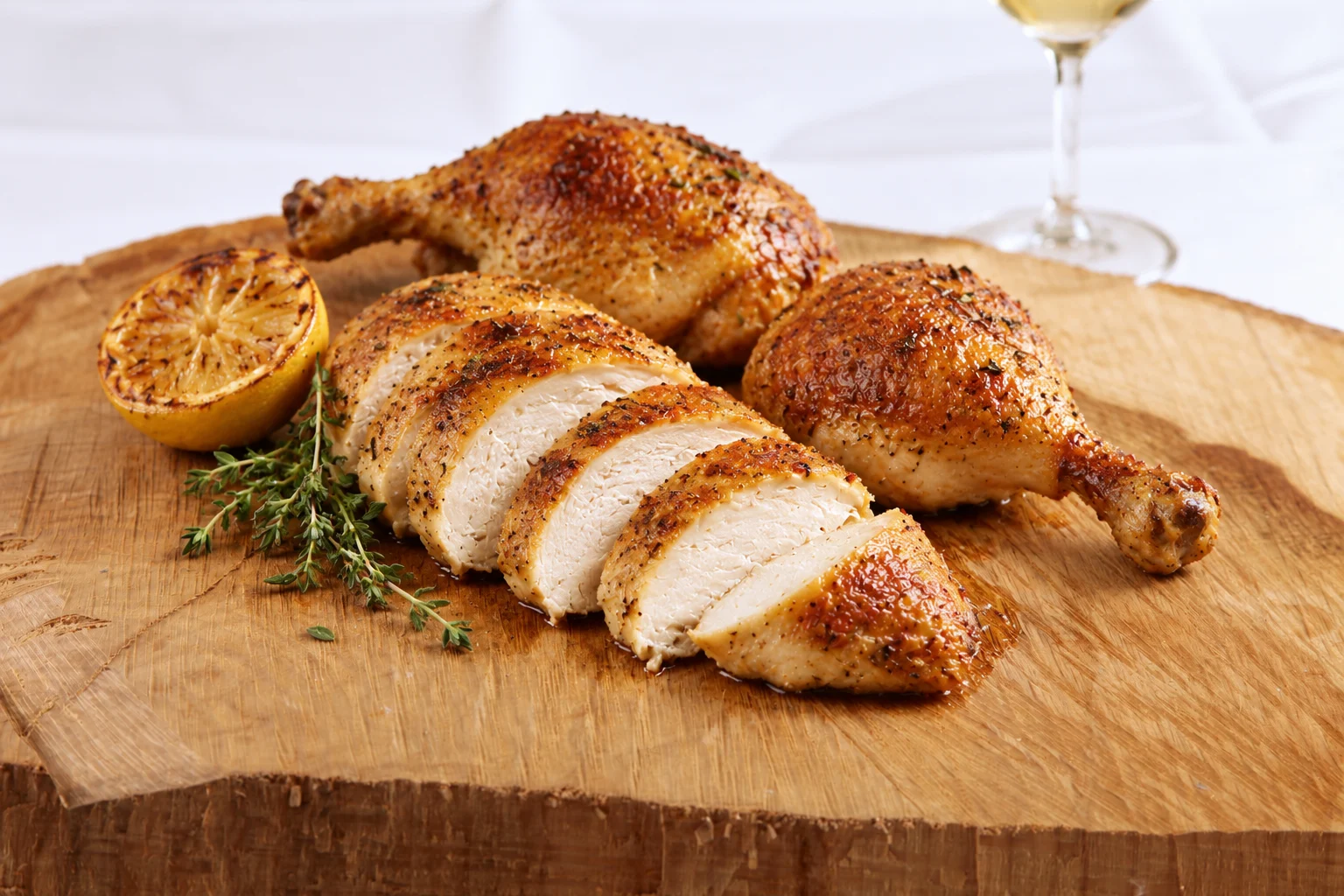
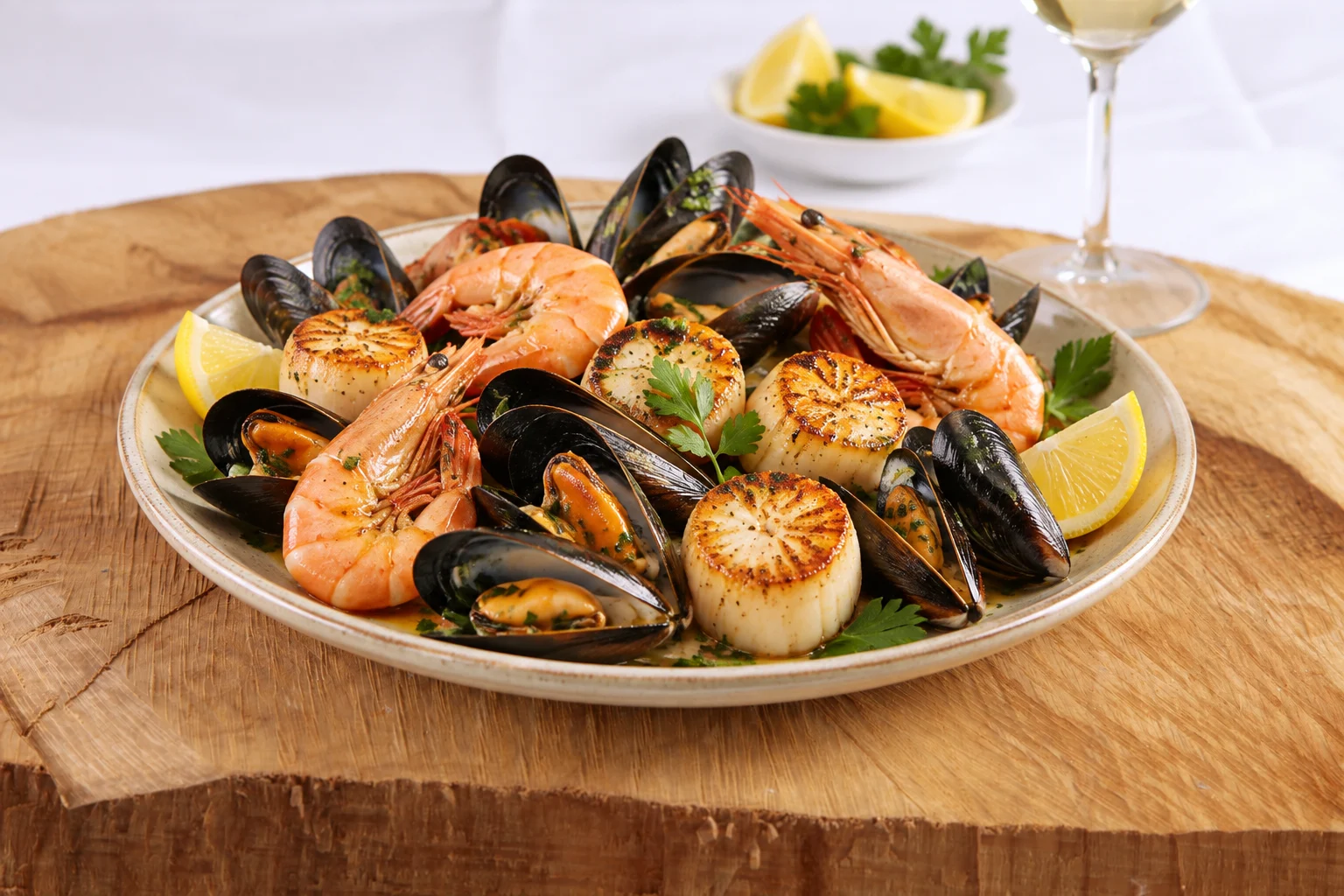
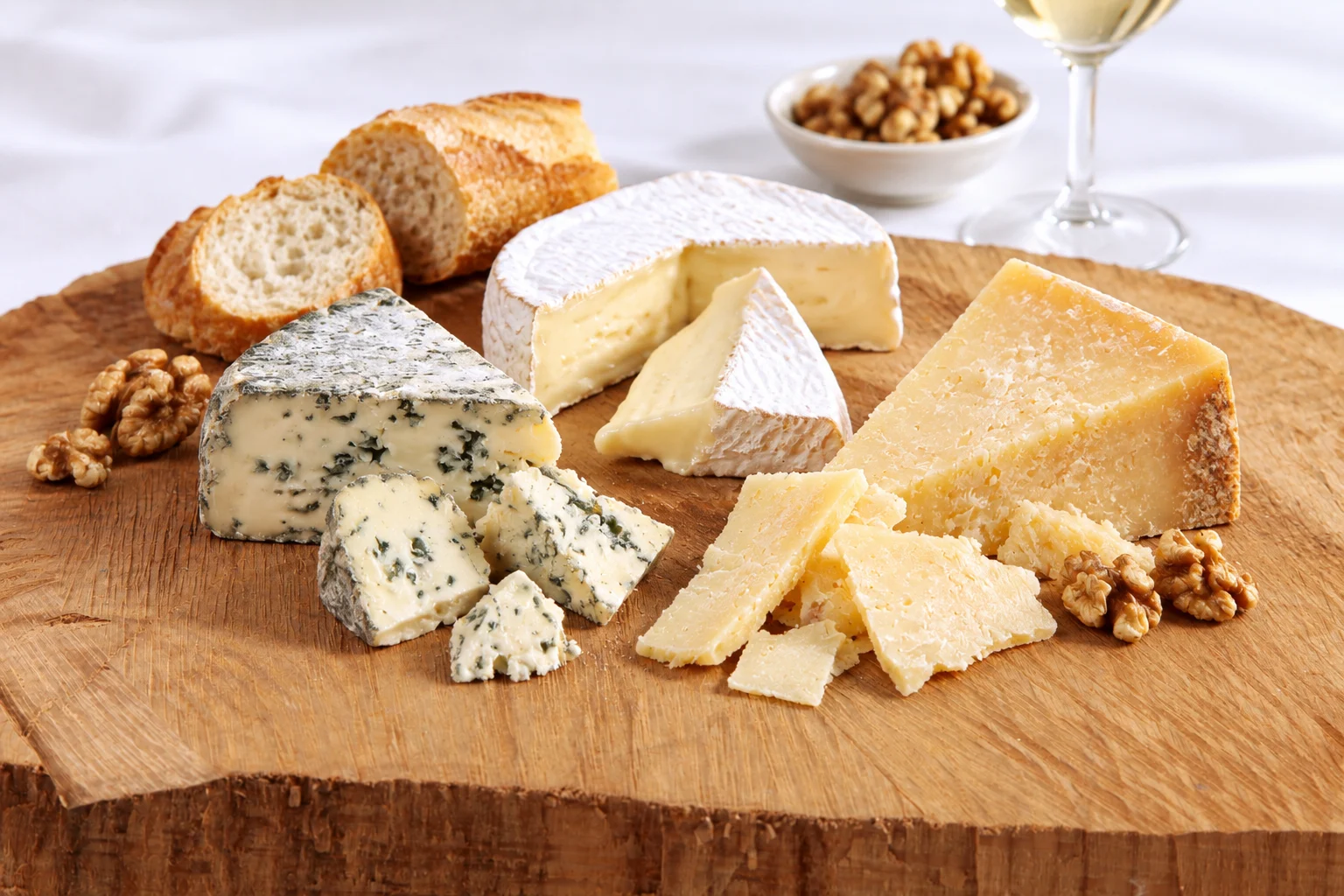
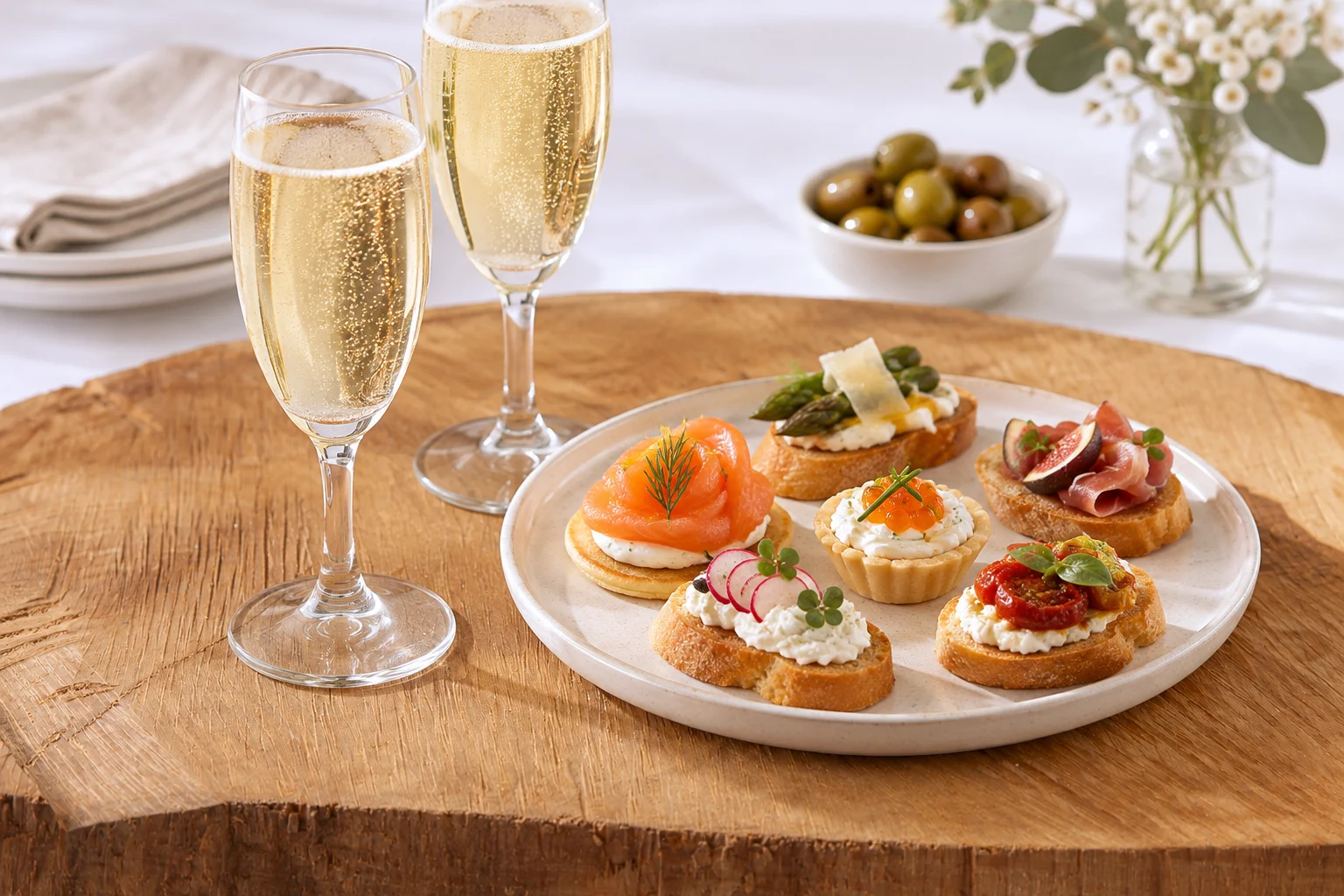
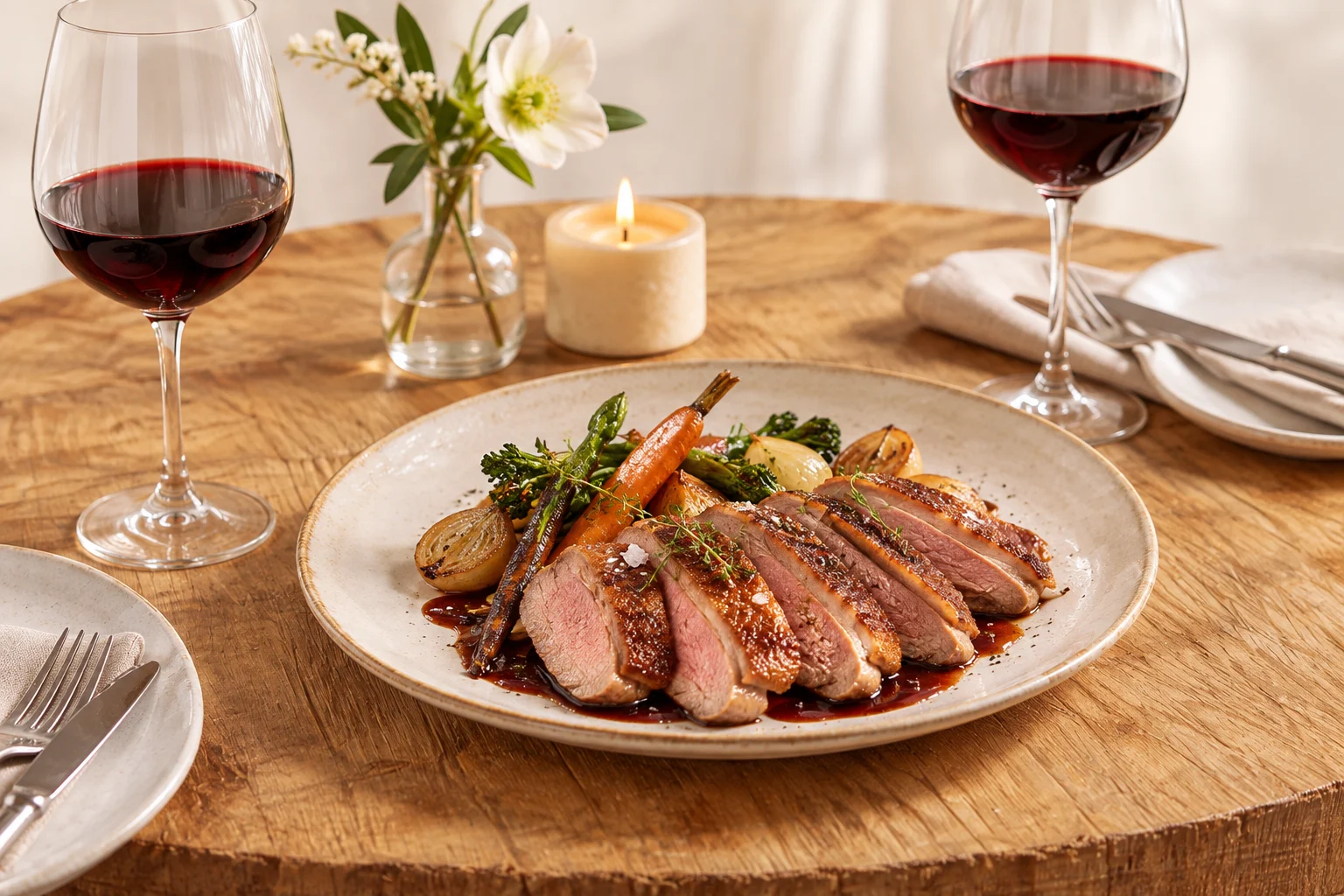
Choose a category to discover dishes that pair well with this wine.
Do you already have a dish in mind?
Let Sommy find wines to pair with your meal.