

2009 Champagne Dom Perignon Rosé

De specificaties zoals vermeld bij de wijn (o.a. wijnjaar) en in de titel zijn leidend en er kunnen geen rechten worden ontleend aan de afbeelding die wordt getoond. Lees meer in onze Frequenty asked questions
| Type of Wine | |
|---|---|
| Country | France |
| Region | |
| Appellation | Champagne |
| Winery | |
| Vintage | 2009 |
| Grape | , |
| Content (Alc) | Standard (0.75 ltr) (12.5%) |
| Drink window | 2023 - 2048 |
Ordering in bulk? Log in to request a quote
Low Stock
Only 1 left
Notities
Foto
Proefnotities
Heb je deze wijn geproefd?
Bewaar je beoordeling en aantekeningen.
Bewaar je beoordeling en aantekeningen.
Heb je deze wijn geproefd?
Log in om je proefnotitie op te slaan.
Log in om je proefnotitie op te slaan.
Log inHoe wil je je wijn beoordelen?
Max 5 MB. JPG, PNG, WebP.
Hoe smaakt het?
Klik op wat het beste past. Alles is optioneel.
Welke geuren en smaken herken je?
Klik op alles wat je herkent. Dit is optioneel.
Uiterlijk
Neus
Aroma's (neus)
Smaak
Smaken (mond)
Afdronk
Wijngegevens
Automatisch ingevuld vanuit productgegevens.
Persoonlijke gegevens
Dom Pérignon Rosé and the style of the house
Dom Pérignon Rosé is produced only in select vintages and occupies a distinct category within the house. It's a Champagne that combines the power of Pinot Noir with the finesse of Chardonnay, and its distinctive style often reveals a different expression than white Dom Pérignon. The house uses long aging on lees and chooses a high proportion of still red wine in its rosé, which contributes to its color, structure, and aromatic depth.
The house's vision focuses on tension, precision, and layering. Rosé is a means to achieve a broader, more complex expression. The 2009 vintage fits perfectly within this approach. It's a warm, ripe vintage that, in the rosé, expresses itself in a full, rich, and almost opulent style.
The vineyards and origin of the grapes
This rosé uses grapes from some of the finest villages in the Montagne de Reims and the Marne. The still red wine used in the blend comes from vineyards in Hautvillers, Aÿ, and Bouzy. These villages are known for Pinot Noir with powerful aromas, ripe tannins, and a pronounced red fruit character. The Chardonnay comes from cooler, chalky plots, which bring tension and refinement.
The blend consists of 56 percent Pinot Noir and 44 percent Chardonnay. Approximately 15 percent of the total blend is still red wine. This gives the rosé its structure, depth, and ripe color.
The 2009 harvest year, vinification and maturation
The 2009 vintage was warm and sunny, with a humid spring followed by a dry summer. The grapes ripened fully while retaining sufficient freshness, resulting in Champagne with a soft, ripe texture and an expressive profile. Harvesting took place under excellent conditions.
The wine matured for thirteen years on the lees, a long period during which the mousse could refine and the structure further deepen. Disgorgement took place in March 2022, and a dosage of five grams per liter was added. This ensures the wine remains recognizably dry and elegant, yet with sufficient roundness to support its rich style.
The cellar master described this vintage as generous and soft. This is in keeping with the character of the year, where ripe fruit and warm aromas play a central role. The wine is already approachable upon release, yet has sufficient structure for further aging. According to the reviews, it can develop well beyond 2040.
Color, aroma and taste of the 2009 Dom Pérignon Rosé
The color is deep salmon pink with a warm, almost coppery glow. The nose opens broadly, with aromas of ripe cherries, dark berries, and warm notes of dried white flowers. With a little more air, nuances of blood orange, dried herbs, and light toast appear, followed by sweeter notes of pastry and delicate spices. Subtle smoky notes and a hint of licorice add depth, entirely in line with the impressions from the reviews, which describe the wine as rich, ripe, and aromatically distinct.
On the palate, the wine is full, soft, and rounded. Ripe red fruit notes are supported by a fine mousse and a lush texture. The structure is broad thanks to the presence of still Pinot Noir, which manifests itself in light tannins and a hint of spice. The warm vintage creates an almost velvety mouthfeel, while the fresh undertone of Chardonnay provides tension and balance. The palate reveals notes of kirsch, orange, mint, and dried flowers, aromas that develop over time.
The finish is full and long-lasting, with a chalky texture and a juicy structure. The interplay of ripe red fruit, subtle smoke, and a salty minerality gives the wine depth and precision. While the wine already has considerable charm, its texture suggests that further bottle aging could add complexity.
Reviews
The Wine Advocate – 95 points (Yohan Castaing): Dark berries, licorice, dried flowers, toast, and a chalky, lingering finish. Ripe, rich, and powerful, with delicate smoky notes.
Review – 98 points (Antonio Galloni): Kirsch, blood orange, mint, spices, and dried flowers. Rich, sensual, and highly layered, with soft, rounded contours.
Would you like to order Dom Pérignon wines online?
If available, you'll find the official fact sheet and additional information about this fine wine in the "Attachments" tab. We'll automatically send you these when you order this wine. The wine is stored in our climate-controlled Wine Warehouse, and if you pick it up, you'll often receive a nice discount. You'll see your discount immediately when you select "Pick up" at the checkout page. We're located in Dordrecht, just off the A16 motorway with ample parking. Click here for our address. You can read full wine reviews from publications like Parker, Suckling, Vinous, and Wine Spectator.
Need advice on finding the perfect wine to pair with your dish? Click here for our exclusive Sommelier. Free for Grand Cru customers.
Wine and food pairings
- Lobster with soft herb butter. The rich texture of the rosé perfectly complements the sweet shellfish meat.
- Thin veal fillet with orange and a light jus. The wine enhances the citrus aroma and adds a touch of tension to the dish.
- Scallops with saffron cream and fresh herbs. The refined mousse and mineral undertones bring balance and length.
- Smoked duck breast with figs and thyme. The wine embraces the smoky and sweet notes while maintaining elegance.
- Beetroot and Parmesan risotto. The creamy texture and earthy flavors complement the wine's fruity style.
- Lightly aged goat cheese with nuts and honey. The rosé adds freshness and depth to the soft, creamy texture.
| Type of Wine | Rosé |
|---|---|
| Country | France |
| Region | Champagne |
| Appellation | Champagne |
| Icons | Icon France |
| Winery | Moet Chandon |
| Grape | Chardonnay, Pinot Noir |
| Biological certified | No |
| Natural wine | No |
| Vegan | No |
| Vintage | 2009 |
| Drinking as of | 2023 |
| Drinking till | 2048 |
| Alcohol % | 12.5 |
| Alcohol free/low | No |
| Content | Standard (0.75 ltr) |
| Oak aging | Yes |
| Sparkling | Yes |
| Dessert wine | No |
| Closure | Cork |
| Parker rating | 95 |
| James Suckling rating | 97 |
| Vinous rating | 98 |
| Tasting Profiles | Bloemig, Complex, Donker fruit, Mineraal, Rijk, Rood fruit |
| Drink moments | Iets te vieren, Indruk maken, Lekker luxe |
| Sommy Pairing Beschrijving | Rijke lagen van rijpe kers en rood fruit, bloedappelsien, kirsch en zachte brioche- en toasttonen met subtiele kruidigheid en fijn tannineprofiel geven deze 2009 Dom Pérignon Rosé een weelderige, romige textuur en een krijtachtige, lange afdronk. Daardoor werkt hij prachtig bij zowel verfijnde schaal- en schelpdieren of kreeft met zachte kruidenboter of saffraanroom, als bij licht gerookte eendenborst met vijgen, of bij romige risotto met rode biet en gerijpte kazen, omdat de frisse zuren van de chardonnay-spanning de rijkdom en zoetheid temperen terwijl het stille pinot-deel structuur en diepte toevoegt. Bereidingen die extra goed aansluiten zijn kort aangebakken coquilles of kreeft geserveerd met een romige saus, zacht rosé van de eendenborst licht aangegrild met een zoete vijgensaus, of een romige risotto en rijpe kazen met honing en noten om de fruitige en kruidige nuances te versterken. |
Parker
The Wine Advocate
RP 95
Reviewed by:
Yohan Castaing
Release Price:
NA
Drink Date:
2023 - 2040
In comparison to the charming, pure 2008 Dom Pérignon Rosé, the 2009 Dom Pérignon Rosé possesses a ripe, dense bouquet with aromas of dark berries, licorice, dried white flowers, toast and pastry, enhanced by delicate, racy smoky hints. Full-bodied, broad and rich, it’s dense and phenolic due to the approximately 15% still red wine sourced from grapes planted in the villages of Hautvilliers, Aÿ and Bouzy, culminating in a protracted, sapid and chalky finish. Although already thoroughly enjoyable, it should age well over the next 10 years. This blend of 56% Pinot Noir and 44% Chardonnay was disgorged in March 2022 with a dosage of five grams per liter.
The latest rendition of the Dom Pérignon Rosé Champagne, the 2009, was released a few weeks ago. Traditionally, the rosé iteration of Dom Pérignon makes its debut after the release of its white counterpart. The 2009 Dom Pérignon Rosé matured for 13 years on the lees before being disgorged in March 2022 with a dosage of five grams per liter. A blend of 56% Pinot Noir and 44% Chardonnay, it derives from a warm year that yielded mature grapes, leading to Champagnes that are both robust and refined. Described as "generous and soft" by Vincent Chaperon, Dom Pérignon’s cellar master, the 2009 vintage began with a damp, rainy spring and transitioned into a hot, dry summer, setting the stage for a favorable harvest under excellent auspices.
Published: Oct 19, 2023
Lorem ipsum dolor sit amet, consectetur adipiscing elit. Sed do eiusmod tempor incididunt ut labore et dolore magna aliqua...
James Suckling
Score
97
Avg Price (ex-tax)
$ 443
Dom Pérignon Champagne Rosé Vintage 2009
Wednesday, Jul 05, 2023
Color
Sparkling
Country
France
Region
Champagne
Vintage
2009
Download Shelftalker
Peaches, fresh crushed strawberries and roses on the nose. Full-bodied and generous. Fine tannins that frame the wine beautifully and set it up for a fresh finish. Some fruit tea and cedar undertones. Enticing finish with hints of bitterness. Savory. Drink or hold.
Lorem ipsum dolor sit amet, consectetur adipiscing elit. Sed do eiusmod tempor incididunt ut labore et dolore magna aliqua...
Vinous
98
Drinking Window
2025 - 2049
From: 2025 Champagne: New Releases (Apr 2025)
The 2009 Dom Pérignon Rosé is a sexy, racy wine that captures all the radiance of the year. Kirsch, blood orange, mint, spice and dried flowers unfurl in the glass. Soft, plush contours wrap it all together. Readers will find a Dom Pérignon Rosé endowed with tremendous textural depth and resonance. The 2009 is a total hedonistic turn-on. That's all there is to it.
- By Antonio Galloni on April 2025
Chef de Caves Vincent Chaperon once again presented a range of vins clairs to start the tasting, each accompanied by detailed maps of the corresponding plots. Last year, I toured several vineyard sites with the entire viticultural team. Chef de Caves Richard Geoffroy, Chaperon’s predecessor and mentor, rarely showed vins clairs. I don’t remember him ever mentioning a vineyard in all the years I tasted with him. Not once. That is not a criticism, it’s simply a reflection of how different generations of Chefs de Caves think about their roles. Chaperon has also decided to start bottling Dom Pérignon in years where quality is high but volumes are low, because he wants to document each vintage. That is another departure from the past. The 2017 Dom Pérignon, the last vintage vinified by Geoffroy, will be a tiny release that is projected to last in the market for just a few months. Chaperon has bottled Dom Pérignon in every vintage from 2018 to 2024, except for 2023. More importantly, there is a new feeling of energy at Dom Perignon today that is palpable.
98
Drinking Window
2024 - 2034
From: Champagne: The 2024 Spring Preview and Fall Additions (Dec 2024)
The 2009 Dom Pérignon Rosé is tremendous. Rich, creamy and ample, the 2009 impresses with its sheer radiance, the signature of the year. Kirsch, orange peel, mint, spice and cedar all build in the glass. Silky, plush contours wrap it all together. The 2009 is a pretty overt Rosé, but the energy and brightness of Champagne are never far away.
- By Antonio Galloni on March 2024
98
Drinking Window
2023 - 2039
From: Champagne: 2023 New Releases (Nov 2023)
The 2009 Dom Pérignon Rosé marks a return to a richer style of Rosé following the more ethereal 2008 Rosé. Sweet red cherry, blood orange, spice and pomegranate all build in a creamy, sensual DP Rosé that hits all the right spots. Over the last few years, Chef de Caves Vincent Chaperon and his team have lowered the still Pinot portion of the Rosé down to about 10% from a high of 28% or so, reached around 2004 and 2005. In 2009, the Rosé gains considerable textural presence from the generosity of the year. It is a superb Champagne. I preferred it to the 2008, which was also part of this tasting.
- By Antonio Galloni on March 2023
Lorem ipsum dolor sit amet, consectetur adipiscing elit. Sed do eiusmod tempor incididunt ut labore et dolore magna aliqua...
Exclusive Content
Sign in to unlock professional wine reviews from world-renowned critics
Moët & Chandon is one of the largest and, last but not least, the most famous Champagne houses in the world. Moët & Chandon was founded in 1743. Dom Perignon and Brut Imperial are two of the champagne house's best-known labels. Moët & Chandon has built up a very good reputation for its consistent quality and recurring style. The holding company LVMH (Louis Vuitton Moët Hennessy) owns the champagne house.
Moët & Chandon Champagne is now one of the largest producers of sparkling wines in the world. The company has 34,041 hectares in Champagne, 48,000 hectares in Burgundy, and 120,000 hectares in Bordeaux and California. Only 13% of these are privately owned; the rest are vineyards owned by owners under contract. In Champagne, 39% of the vineyards are Pinot Noir, 32% Pinot Meunier and 29% Chardonnay. Of the Champagne's vineyards, 1150 hectares, the majority (of course) have grand cru or premier cru status. In short: the best quality. Grapes come from all areas of Champagne: the Vallée de la Marne, Montagne de Reims, Aube and Côtes de Blancs.
Moët & Chandon aims to offer the same taste and quality for the Impérial wines every year. That is why the blend of wines is different every year! In this way, influences of the vintage are eliminated. To get that taste the same every year, basic wines are used. The grapes of each plot at the disposal of the company are vinified separately. This is done in press houses near the vineyards, one of which has recently opened in Epernay, with a capacity of 356,000 hectolitres. In total, after the harvest, the company can dispose of 6000 bits of wine from one year; those 6000 'little' bits are combined with 100-150 base wines. Add to that the wines they have leftover from older years, which can also be used for blends, and you now understand what a gigantic task the nine winemakers of the company have. It usually takes about four to five months for the final blend to be tuned for an Imperial! The nine winemakers are also helped by measuring equipment and chemical analyses.
MEET is the best-selling and best-known champagne worldwide. Every one and a half seconds, a bottle of Moët & Chandon Impérial Brut is uncorked somewhere in the world. Not surprising, even completely deserved, when you taste the consistently excellent quality. The Impérial Brut is composed of about 150 different wines, extracted from chardonnay, pinot noir, and pinot meunier, and all parts of Champagne. It is champagne without a vintage because the assembly also contains an important part of vins de réserve - beautifully matured wines from older years. Imperial Brut refers to the pleasant
dry taste (Brut) and the long-standing preference of Emperor Napoleon for the champagne of Moët & Chandon (Impérial).
Rijke lagen van rijpe kers en rood fruit, bloedappelsien, kirsch en zachte brioche- en toasttonen met subtiele kruidigheid en fijn tannineprofiel geven deze 2009 Dom Pérignon Rosé een weelderige, romige textuur en een krijtachtige, lange afdronk. Daardoor werkt hij prachtig bij zowel verfijnde schaal- en schelpdieren of kreeft met zachte kruidenboter of saffraanroom, als bij licht gerookte eendenborst met vijgen, of bij romige risotto met rode biet en gerijpte kazen, omdat de frisse zuren van de chardonnay-spanning de rijkdom en zoetheid temperen terwijl het stille pinot-deel structuur en diepte toevoegt. Bereidingen die extra goed aansluiten zijn kort aangebakken coquilles of kreeft geserveerd met een romige saus, zacht rosé van de eendenborst licht aangegrild met een zoete vijgensaus, of een romige risotto en rijpe kazen met honing en noten om de fruitige en kruidige nuances te versterken.
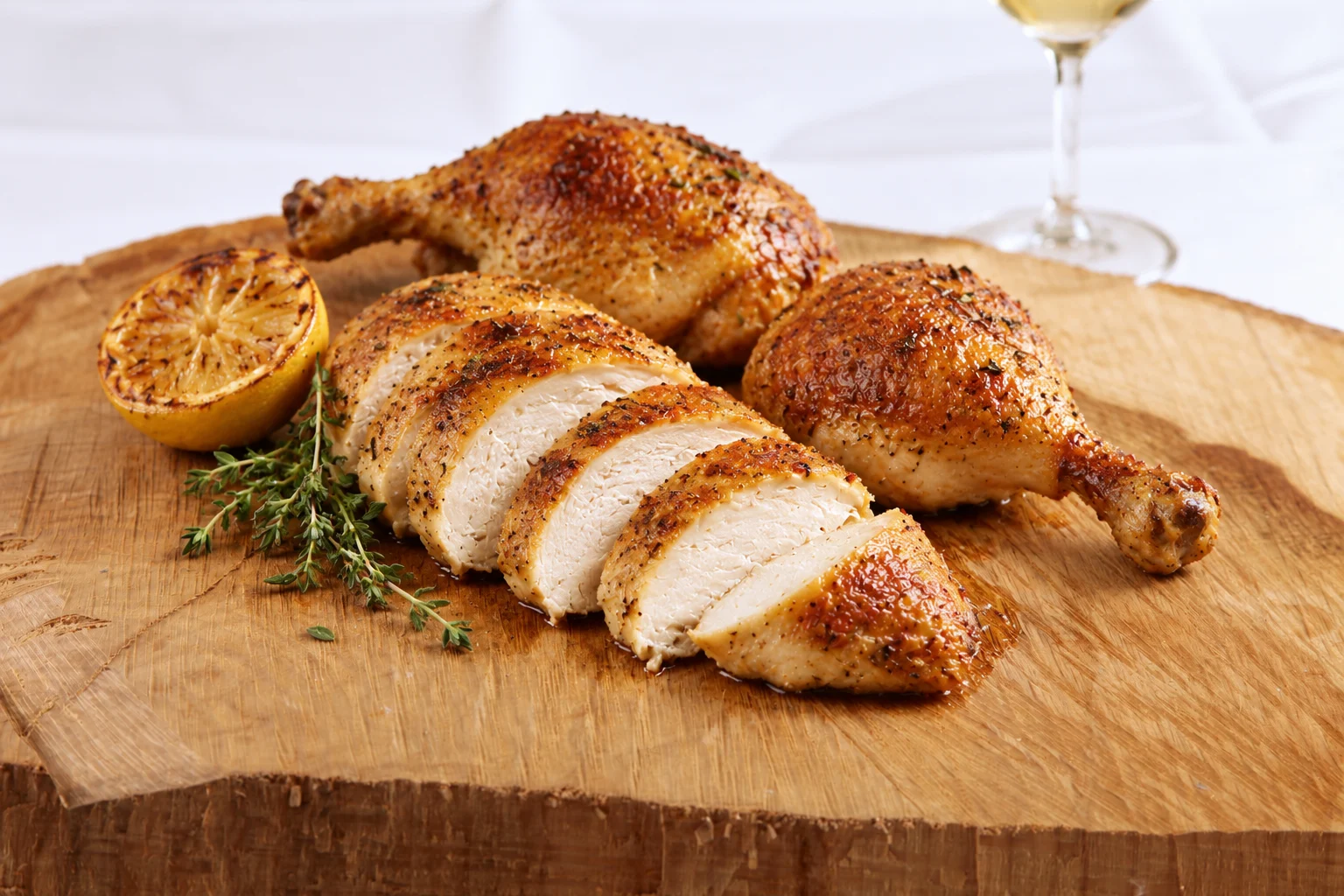
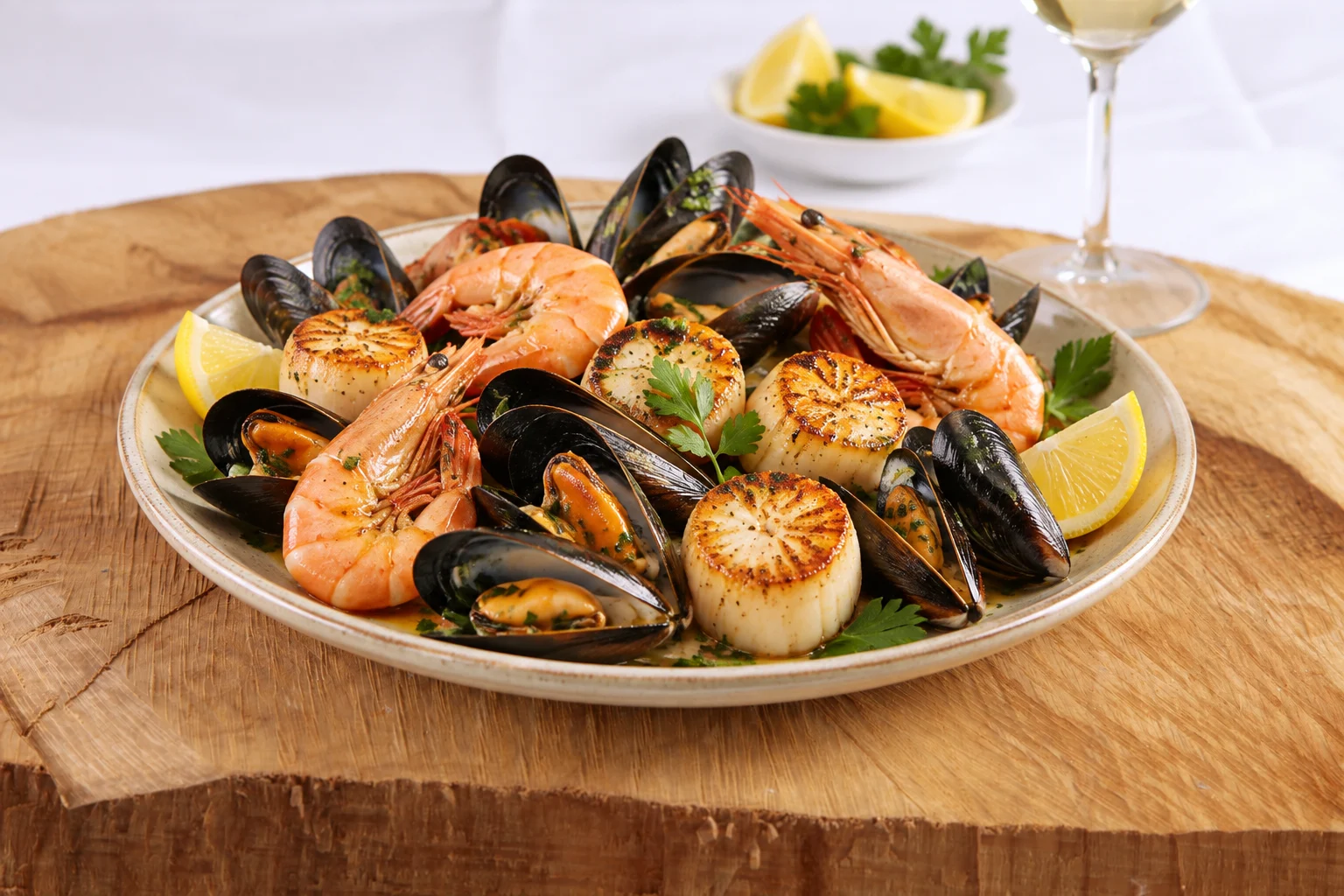
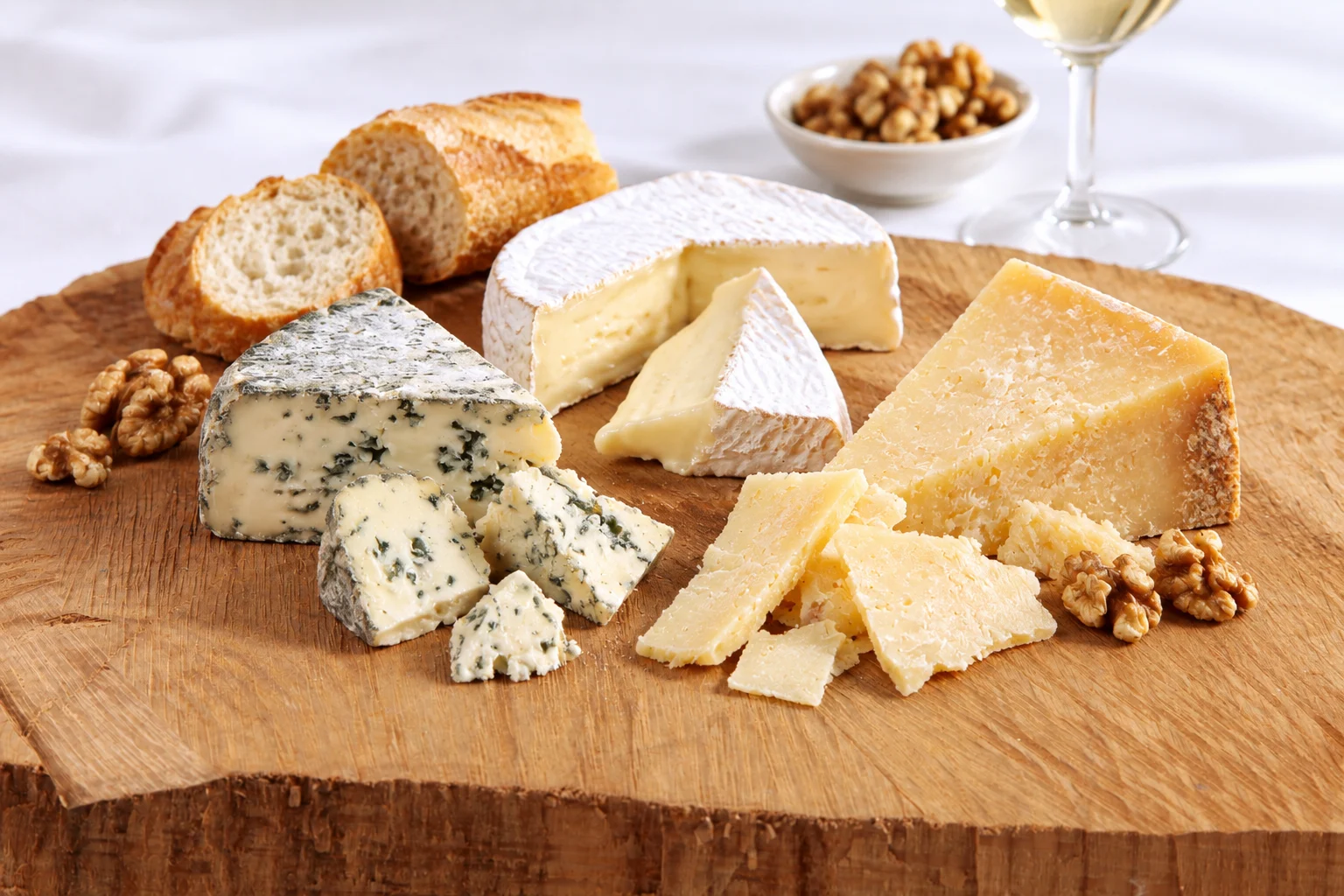
Choose a category to discover dishes that pair well with this wine.
Do you already have a dish in mind?
Let Sommy find wines to pair with your meal.
Discover Wine Trivia
Sign in to unlock fascinating facts about this wine and expand your knowledge.
Sign In