

2024 Pierre-Yves Colin-Morey Chassagne Montrachet Abbaye de Morgeot 1er Cru
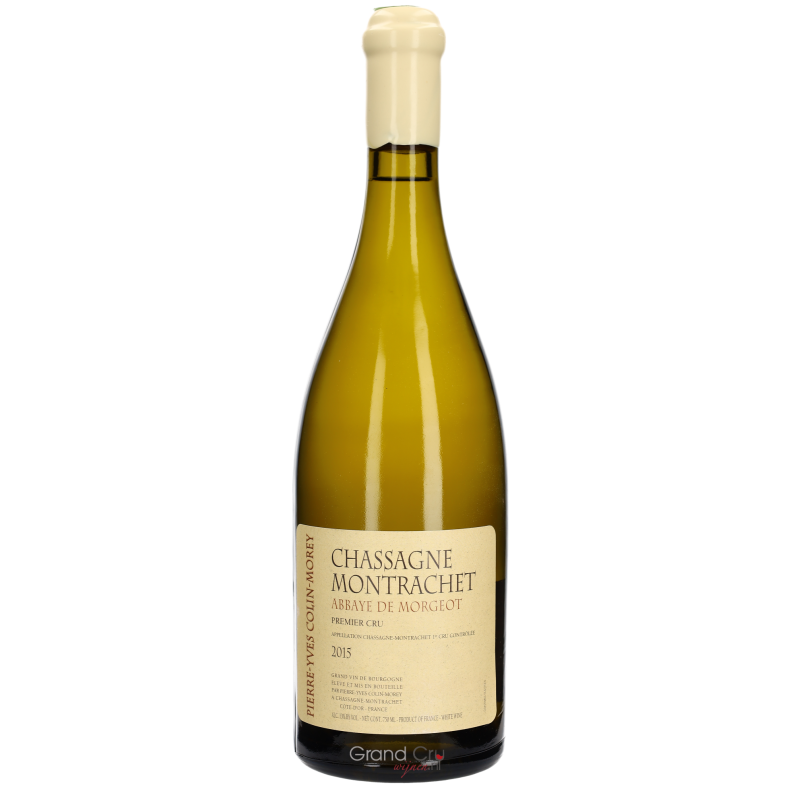
De specificaties zoals vermeld bij de wijn (o.a. wijnjaar) en in de titel zijn leidend en er kunnen geen rechten worden ontleend aan de afbeelding die wordt getoond. Lees meer in onze Frequenty asked questions
- 100%
- Cellar wine - 1 more years to mature
- Serve at 10-12°C
- Perfect with Gevogelte
Available as of Nov 11, 2026
Ordering in bulk? Log in to request a quote
In stock
6 items available
- 100%
- Cellar wine - 1 more years to mature
- Serve at 10-12°C
- Perfect with Gevogelte
Available as of Nov 11, 2026
How does this wine taste?
How full and heavy the wine feels in your mouth, like the difference between skimmed milk and cream. More alcohol, sugar and oak ageing make a wine fuller.
How much sugar you taste, from dry to sweet. Fruity is not the same as sweet: a dry wine can taste of ripe fruit.
How fresh and juicy the wine is: acidity makes your mouth water. High acidity tastes lively and refreshing, low acidity soft and round.
What we taste What you taste Click a taste for what it means
The bars follow how sommeliers taste (WSET): body, tannin, sweetness and acidity, each from low to high.
Body: full-bodied. Like most white wines from Côte de Beaune; 13% alcohol.
Acidity: fairly high. from the fairly cool climate of .
Aromas: stone fruit, tropical fruit and orchard fruit, typical of
Nothing noted for this wine yet. What do you smell, and how long does the taste linger?
Have you tasted this wine?
Save your rating and notes.
Save your rating and notes.
Have you tasted this wine?
Log in to save your tasting note.
Log in to save your tasting note.
Log inThe greatest discovery of the last ten years in the field of white Burgundies is probably Pierre-Yves Colin. In 2001 Pierre-Yves started as a micro négociant in “haute couture” wines. At that time he also worked for his father, the well-known and respectable winegrower Marc Colin from Saint-Aubin. But Pierre-Yves wanted to make even better wines and was not given these opportunities by his father (according to Pierre Yves). Eventually this resulted in a break and from 2005 Pierre-Yves was able to fully focus on his own company. The vast majority of the wine comes from his own grapes. In addition, Colin also annually obtains grapes from a few fellow producers whom he knows well personally. The work in the vineyard and the harvesting takes place under the supervision of Pierre Yves and his team, so that he has complete control over the quality. His enormous drive, almost bordering on the obsessive, to make only the best possible.
The grapes come from our own vineyards and are picked entirely by hand and selected very strictly. The wine is made in a very natural way, is not racked, but very lightly filtered. Bâtonnage during vinification is not an issue. Pierre Yves believes that this is manipulation of the wine. The wine matures for 14-18 months in used oak barrels of approx. 2-3 years old. The barrels are not toasted, but minimally burned to protect the wood.
The Chassagne-Montrachet 1er Cru Abbaye de Morgeot is one of Pierre Yves' top wines. The Burgundy unfolds in the glass with a stylish bouquet of beeswax, Anjou pear, petroleum, white flowers and subtle spices. In the mouth the wine is medium to full, pure and spicy with a tight, beautifully concentrated core and a penetrating and salty finish. A collector's item.
ABOUT MORGEOT VINEYARD
The Morgeot vineyard is one of the most important and renowned Premier Cru vineyards in Burgundy, located in the Chassagne-Montrachet appellation in the Côte de Beaune. Chassagne-Montrachet is known for both white and red wines, but the white wines – made from Chardonnay – are the most internationally appreciated. Morgeot plays a key role in this, with the complex and rich wines that come from this special terroir.
Morgeot is located in the southern part of the Chassagne-Montrachet appellation and includes several “lieux-dits” (specific parcels within the vineyard) that together form the Premier Cru classification. The terroir of Morgeot is characterized by a chalky subsoil, with clay and limestone as the main components of the topsoil. This soil composition is perfect for growing Chardonnay grapes, as it provides a unique combination of minerality, freshness and concentration in the wines.
The Morgeot vineyard has a long history dating back to the Middle Ages when the area was part of a monastery run by Cistercian monks. The Morgeot monastery had a great influence on the wine growing in this area, and the vineyard derives its name from it. The vineyards were planted and cultivated by the monks, and their influence on the wine growing in Burgundy is still felt today.
While Chassagne-Montrachet is known for both red and white wines, Morgeot is primarily known for its white Chardonnay wines. These wines are known for their robust structure and rich flavors, with aromas of ripe fruits such as peach and apricot, along with buttery and nutty notes typical of Burgundian Chardonnay. In addition, they often display mineral notes that are a clear reflection of the chalky terroir.
The white wines from Morgeot tend to be slightly fuller and more powerful than those from other Premier Cru vineyards in Chassagne-Montrachet, making them particularly attractive to lovers of rich, complex Burgundy wines.
Red wines
Although less common, red wines (made from Pinot Noir) are also produced in Morgeot. These red wines are generally robust, with notes of red fruits such as cherries and raspberries, but they also have an earthy undertone that characterizes them. Due to the clay in the soil, the red wines have a full structure and firm tannins.
Character
The wine
- 100%
Origin
Bottle
Wine features
Parker
The Wine Advocate
RP (90-92)
Reviewed by:
Kristaps Karklins
Release Price:
NA
Drink Date:
N/A
Expanding aromatically with notes of Anjou pear, white flowers and freshly baked bread, the 2024 Chassagne-Montrachet 1er Cru Abbaye de Morgeot is medium- to full-bodied, saline and incisive, with ample chalky extract and lively acidity.
Pierre-Yves Colin, together with his two sons—Mathis, who joined the domaine in 2020, and Clément, who followed in 2023—are typically among the earliest to pick. In 2024, however, mindful of the importance of capturing the optimal harvest date, they picked considerably later than many of their neighbors, beginning on September 19 and continuing through the end of the month. Yields averaged around 40 hectoliters per hectare, except in the Hautes-Côtes de Beaune, where they were roughly half that. At harvest, grapes registered between 11.7% and 12.7% potential alcohol. The 2024 vintage has emerged with wines that are clearly articulated by their respective terroirs, marked by tension and a subtle reductive edge. They are scheduled to be bottled in June 2026, after nearly two years of élevage, a regimen that should render them well suited to a broad drinking window.
Pierre-Yves works with 17 hectares, 13 of which are estate-owned. When he purchases fruit from the remaining four hectares, it is—with few exceptions—sourced from vineyards that his team cultivates and harvests themselves, applying the same rigor and accountability as to their own vines.
Depending on the vintage, the grapes are typically—though not every year—crushed and subjected to long pressing cycles lasting four to five hours, extracting firmly yet slowly. Vinification and maturation then proceed in barrel, with approximately 95% of the volume raised in larger 350-liter barrels (depending on the size of the cuvée, it is worth noting) from Tonnelleries François Frères and Chassin, of which between one-fifth and one-quarter are renewed annually. With increased cellar space, Pierre-Yves has now extended the élevage of his lesser appellations to match that of his top cuvées, maturing them for 22 months on the lees and racking to tank for the first time only one month prior to bottling. There is no lees-stirring, no fining and no filtration.
It is also worth recalling that since relocating to his new, significantly colder cellars in Chassagne-Montrachet’s industrial zone, his wines retain higher levels of free sulfur dioxide for any given addition, so less is being used, with the first additions made after the completion of malolactic fermentation—though in certain years, such as 2015 and 2019, malolactic was blocked in 20% to 25% of the barrels of each cuvée—and the final additions occurring roughly six months before bottling. All wines are sealed with natural cork.
Published: Feb 26, 2026
Lorem ipsum dolor sit amet, consectetur adipiscing elit. Sed do eiusmod tempor incididunt ut labore et dolore magna aliqua...
Vinous
(90-92)
Drinking Window
2027 - 2039
From: Burgundy 2024: One Battle After Another (Jan 2026)
The 2024 Chassagne-Montrachet Abbaye de Morgeot 1er Cru has a well-defined nose, muted at first then opening with orchard fruit, linen and Golden Delicious scents, a hint of chalk in the background. The palate is taut and fresh. This has a silver thread of acidity, a little sharpness towards the citric finish with a welcome touch of bitterness on the aftertaste. Very fine.
- By Neal Martin, January 2026
“It was a difficult and challenging vintage," Pierre-Yves Colin told me at his winery in Chassagne-Montrachet. “From the beginning, it was difficult to plough the soil because the grass was growing so much. We had to do a lot of hoeing, much of it by hand in April and May. That was a huge amount of work, so we needed many more people in the vineyard than usual. Since the summer was so wet, it was quite difficult to manage the mildew. In a vintage like that, the mildew seems more resistant, almost impossible to control. We start every season organic, but we accept the use of different, more efficient products if we have to. We delayed the harvest twice after analysing the fruit, and finally started on September 14 in Meursault. It was quite quick as the yields were low, around nine days in total, finishing up in the Hautes-Côtes on September 22. In the end, we cropped at 45 hl/ha. The vinification was normal, with nothing special except that the texture of the fruit plus the crop size meant everything had to be whole-bunch pressed. That is not the case every year. Most of the aging took place in 350-liter barrels, and the wines are on lees at the moment. The white wines in this vintage represent an old-school style of Burgundy. We used around 20 to 25% new oak, less than in historic vintages. I think they are more terroir wines than vintage wines. We have a new bottling machine with nitrogen protection, so nowadays, the free sulpher dioxide is between 25 and 30 mg/L.”
Much sought after by superstar rappers and wine-lovers alike, these 2024s are scintillating at their best. The readjusted use of sulfur that I have detailed in previous Burgundy reports predicates less reductive renditions of wines that were once notoriously closed and demanded hours’ decanting. Recent vintages feel, for want of a better word, “liberated” from a winemaking regimen—as such, they articulate the individualities of their respective terroirs. His 2024s come highly recommended, though with small yields they are going to be strictly allocated.
Lorem ipsum dolor sit amet, consectetur adipiscing elit. Sed do eiusmod tempor incididunt ut labore et dolore magna aliqua...
Exclusive Content
Sign in to unlock professional wine reviews from world-renowned critics
Pierre-Yves Colin-Morey is a winemaker known for his exceptional wines from Burgundy. Pierre-Yves, born in 1972, is the son of Marc Colin, a leading winemaker in Burgundy. Pierre-Yves initially worked with his father at Domaine Marc Colin, but in 2005 he decided to set up his own domain.
History of Pierre Yves Colin Morey
He is the son of Marc Colin, a well-known winemaking family in the village of St. Aubin. Pierre-Yves is a very talented winemaker who has been responsible for vinification on his parents' estate for quite some time. In 2001 he started his own domain and further perfected winemaking. Pierre-Yves, for example, is a fierce opponent of bâtonnage, the constant stirring of fermenting must. He also likes to work with demi-muids, barrels of 500 and 600 liters instead of the usual 225 liter barrels. The barrels are not toasted, there is only a light roast for protection, so that the pores can close.
Production by Pierre Yves Colin Morey
The greatest discovery of the last ten years in the field of white Burgundy is probably Pierre-Yves Colin. In 2001, Pierre-Yves started as a micro négociant in “haute couture” wines. At that time he also worked for his father, the well-known and respectable winegrower Marc Colin from Saint-Aubin. But Pierre-Yves wanted to make even better wines and his father did not give him those opportunities (according to Pierre Yves). Ultimately this resulted in a break and from 2005 Pierre-Yves could fully focus on his own company. The vast majority of the wine comes from our own grapes. In addition, Colin also purchases grapes every year from several fellow producers whom he personally knows well. The work in the vineyard and harvesting takes place under the supervision of Pierre Yves and his team, so that he has full control over the quality. His enormous drive, almost bordering on obsessive, to make only the best possible (whether it is a Bourgogne Blanc or his Montrachet) largely explains his success. Kegs or cuves that for one reason or another do not meet his high standards are sold to the trade, even though he has to make a significant financial commitment. In the cellar, Pierre Yves opts for a long education. Naturally, the wines ferment on their own (natural) yeasts. They are then aged for a long time in wooden barrels with a capacity of 350 liters. The wines mature for about 14 to 20 months on their fine lees (no batonnage takes place). Pierre Yves is a firm believer in a long upbringing. To prevent premature oxidation, the wines are given sulfite in small doses and the extent to which it has been absorbed by the wine is measured after a few weeks. Only the very best (untreated) corks are used and the bottles are closed with wax capsules.
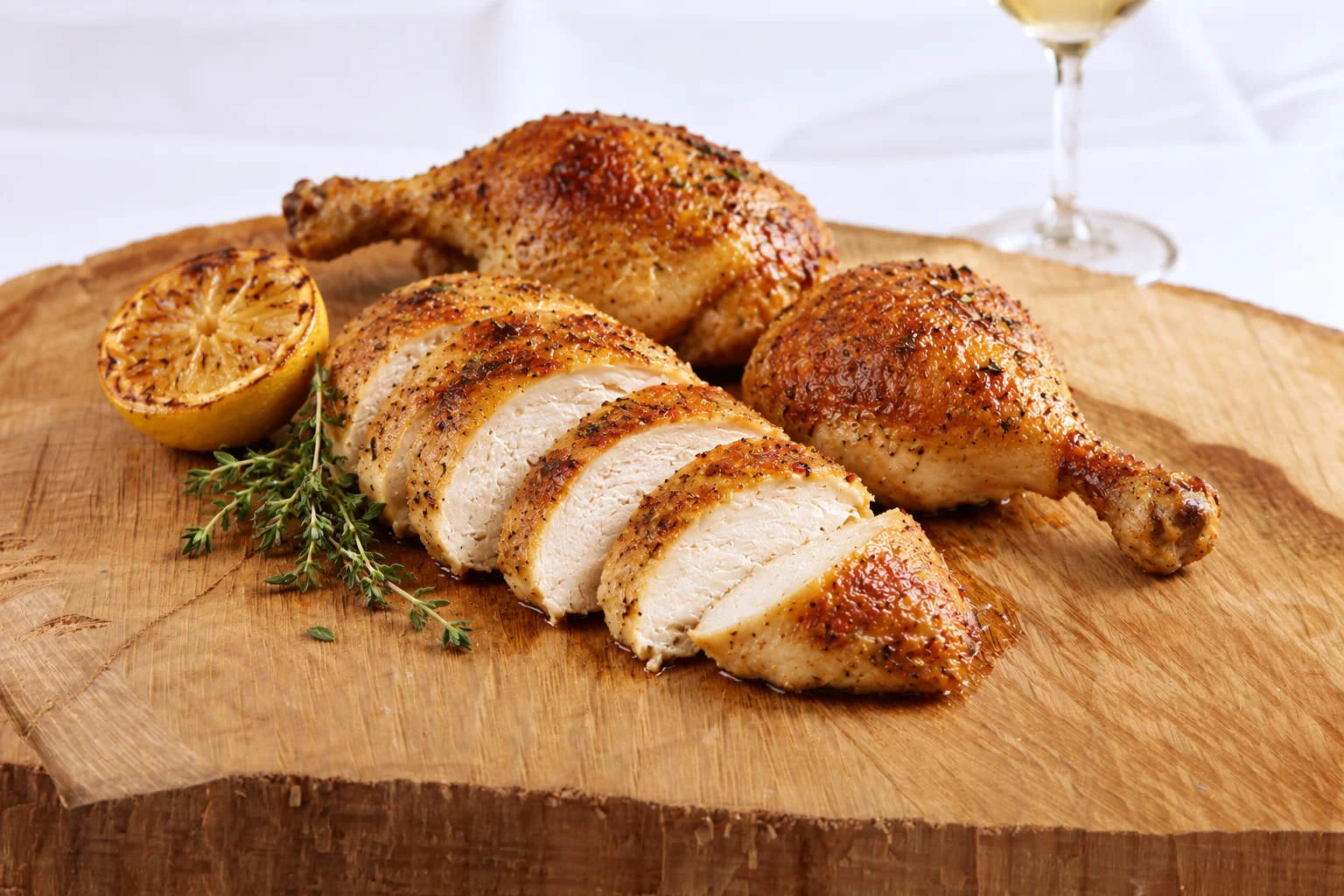
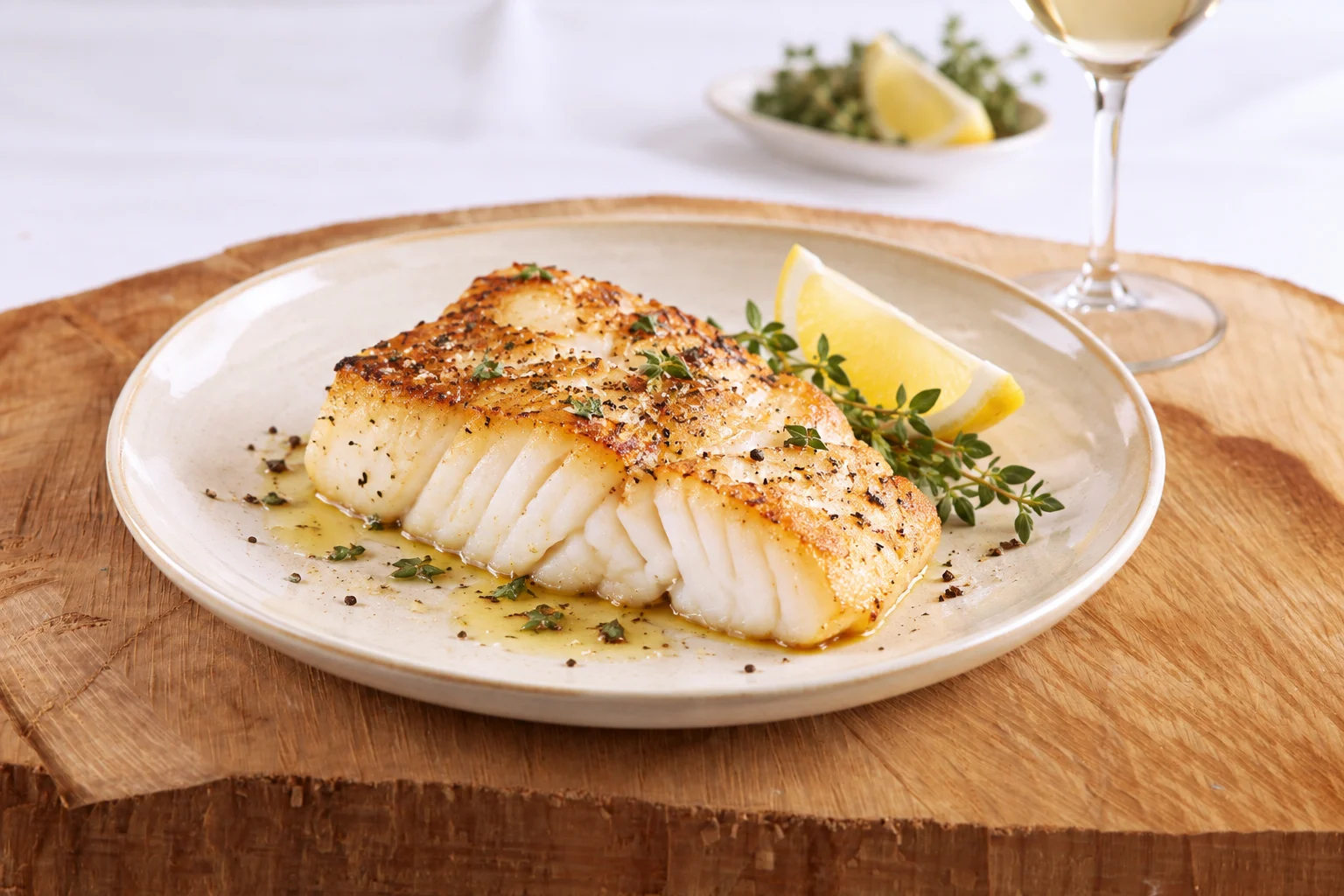
De 2024 Chassagne-Montrachet 1er Cru Abbaye de Morgeot toont aroma's van Anjoupeer, witte bloemen en versgebakken brood met een kalkachtige mineraliteit, levendige zuren en een zilte, licht citrusachtige afdronk die door een subtiel bittertje wordt afgerond. Door die frisse zuurgraad en minerale structuur snijdt de wijn heerlijk door romige sauzen, legt hij een mooie verbinding met de zilte smaak van schelpdieren en zeebaars en behoudt hij finesse naast gevogelte en paddenstoelen. Serveer hem bijvoorbeeld bij licht gebakken coquilles met beurre blanc, gegrilde zeebaars met citroen en verse kruiden of kip in een lichte roomsaus en bij een romige paddenstoelenrisotto voor optimale harmonie.
Choose a category to discover dishes that pair well with this wine.
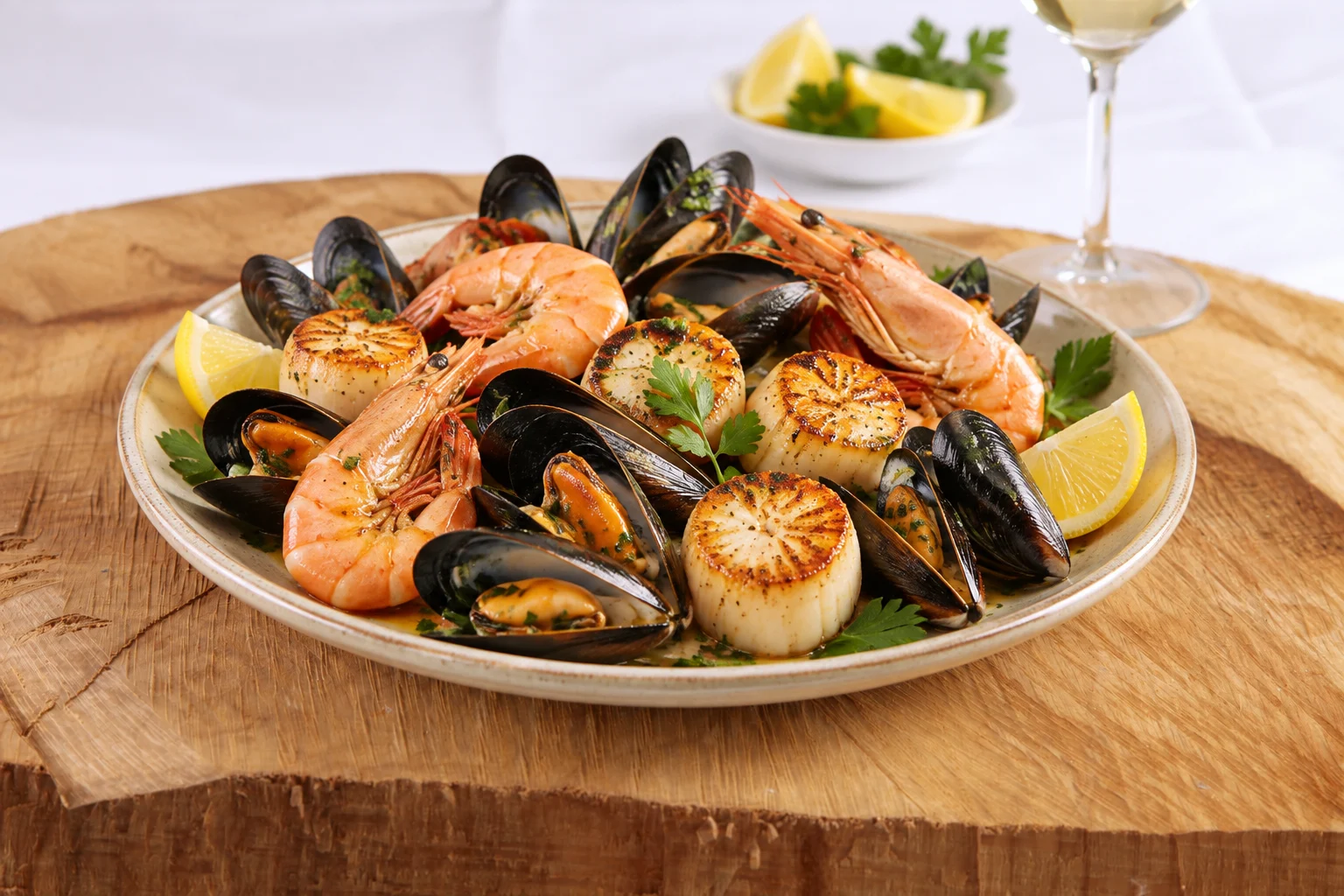
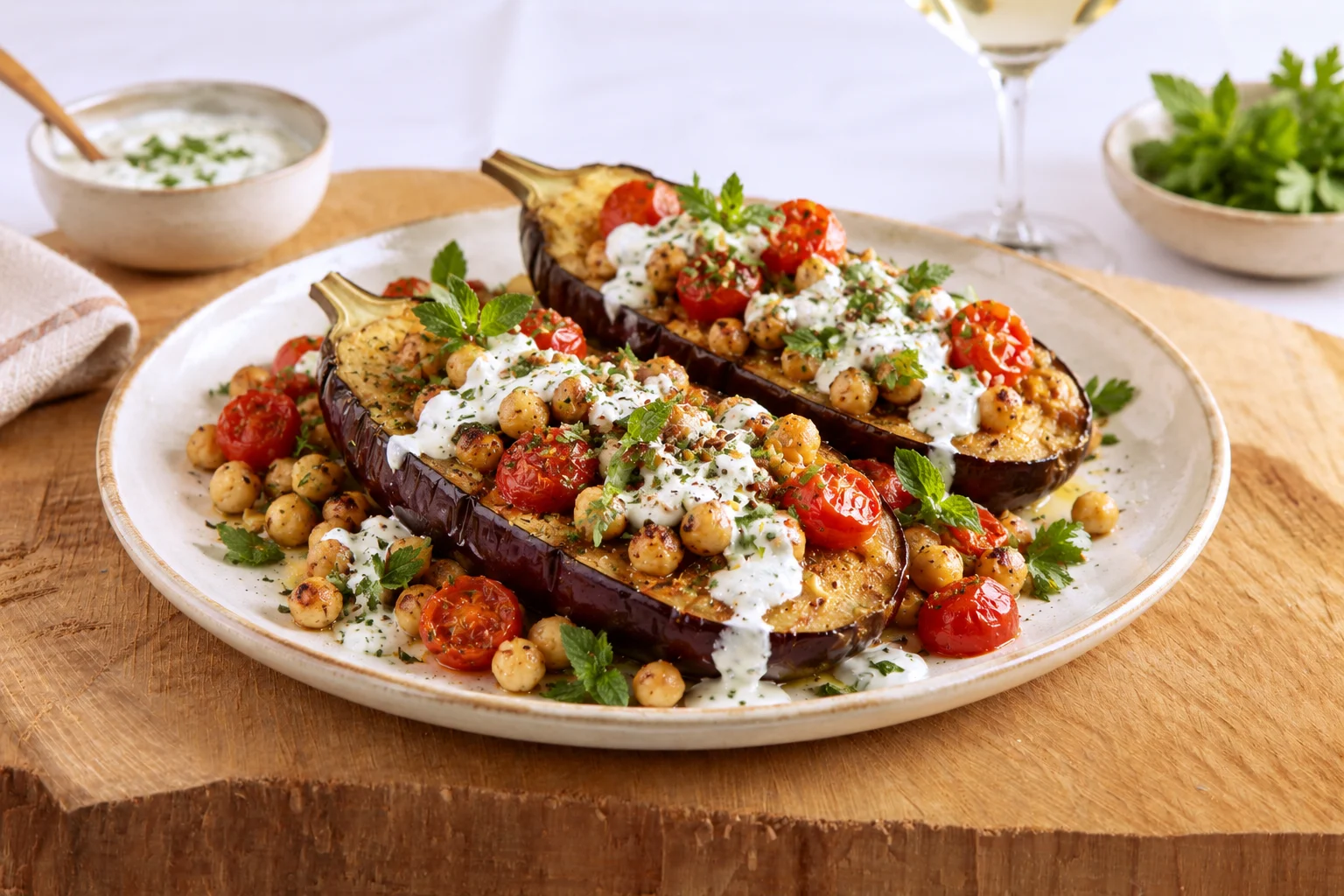
Do you already have a dish in mind?
Let Sommy find wines to pair with your meal.
Discover Wine Trivia
Sign in to unlock fascinating facts about this wine and expand your knowledge.
Sign In