

2018 Champagne Dom Perignon in Giftbox
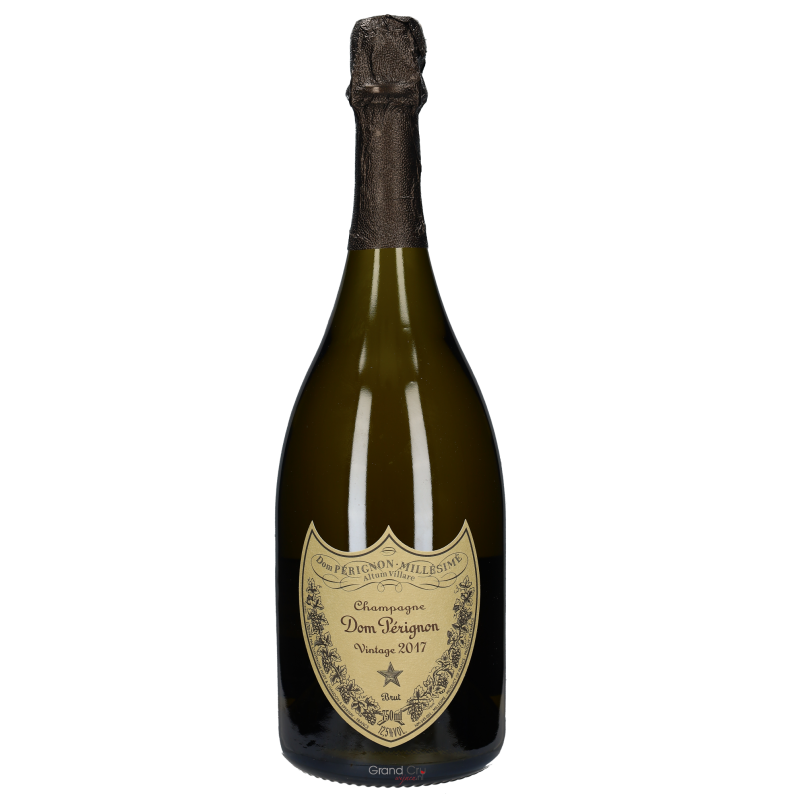
De specificaties zoals vermeld bij de wijn (o.a. wijnjaar) en in de titel zijn leidend en er kunnen geen rechten worden ontleend aan de afbeelding die wordt getoond. Lees meer in onze Frequenty asked questions
| Type of Wine | White |
|---|---|
| Country | France |
| Region | |
| Appellation | Champagne |
| Winery | |
| Vintage | 2018 |
| Grape | , |
| Content (Alc) | Standard (0.75 ltr) (12.5%) |
| Drink window | 2027 - 2042 |
Ordering in bulk? Log in to request a quote
Out of Stock
Currently unavailable
Backorder Information
It is possible to order this article in backorder. This is possible with items that we can generally have in stock again in 3-5 working days. You can simply order it, but it is important to mention that we only send the order when it is complete.
Notities
Foto
Proefnotities
Heb je deze wijn geproefd?
Bewaar je beoordeling en aantekeningen.
Bewaar je beoordeling en aantekeningen.
Heb je deze wijn geproefd?
Log in om je proefnotitie op te slaan.
Log in om je proefnotitie op te slaan.
Log inHoe wil je je wijn beoordelen?
Max 5 MB. JPG, PNG, WebP.
Hoe smaakt het?
Klik op wat het beste past. Alles is optioneel.
Welke geuren en smaken herken je?
Klik op alles wat je herkent. Dit is optioneel.
Uiterlijk
Neus
Aroma's (neus)
Smaak
Smaken (mond)
Afdronk
Wijngegevens
Automatisch ingevuld vanuit productgegevens.
Persoonlijke gegevens
Dom Pérignon is Moët & Chandon's prestige cuvée and is considered one of the most iconic names in Champagne. The house works exclusively with vintages and strives to capture the character of each vintage in a distinctive, refined style. Under the leadership of Chef de Cave Vincent Chaperon, the emphasis is on precision, in-vine selection, and controlled, reductive vinification. In recent decades, significant investments have also been made in sustainable viticulture and biodiversity. More information about this winery can be found under the "Winery" tab.
2017 Dom Pérignon Vintage
The 2017 is a special vintage in Dom Pérignon's recent history. Due to strict selection during the harvest and low volumes, this is one of the smallest releases ever. Yet, it is not a modest wine. On the contrary, the 2017 displays distinct structure and depth, with the house's clear signature: power combined with precision and tension.
Grape varieties, composition and vineyards
The blend consists of 61% Chardonnay and 39% Pinot Noir. Dom Pérignon has approximately 900 hectares of vineyards, located primarily in Grand Cru and Premier Cru villages, with plots on the best mid-slopes. Selection varies annually and is fully tailored to the character of the vintage. In 2017, a strict selection process was implemented due to challenges during the growing season, resulting in a smaller but highly concentrated production. The wine was degorged in March 2024 with a dosage of 5 grams per liter.
Vinification and maturation
Vinification is reductive, with minimal oxygen uptake and complete malolactic fermentation in stainless steel tanks. The base wines are aged extensively on the lees before bottling. Dom Pérignon is known for its controlled style, focusing on a balance between concentration, tension, and ripeness. The relatively low dosage underscores the freshness and precision of this vintage.
Color, smell and taste
In the glass, the 2017 reveals a deep golden yellow with a fine, creamy mousse. The nose opens with orange peel, dried apricot, and toasted brioche, followed by notes of hazelnut, cocoa, dried flowers, and a characteristic smoky reduction. On the palate, the wine is full-bodied and concentrated, with a rich core of ripe fruit and a creamy texture. At the same time, vibrant acidity and subtly bitter, structural phenolics create tension and length. The finish is long, powerful, and resonant, with an impressive balance between breadth and precision.
Vintage and storage potential
The 2017 combines maturity with structure and has been awarded 95+ points by Kristaps Karklins for Wine Advocate and 97 points by Antonio Galloni (Vinous) by international press. The various drinking windows run from 2026 to around 2042, highlighting its aging potential. Despite its accessibility in its youth, this vintage possesses sufficient backbone to continue to develop in the coming decades.
If available, you'll find the official fact sheet and additional information about this fine wine in the "Attachments" tab. We'll automatically send you this information when you order this wine. The wine is stored in our climate-controlled Wine Warehouse, and if you pick it up, you'll often receive a nice discount. You'll see your discount immediately when you select "Pick up" at the checkout page. We're located in Dordrecht, right next to the A16 motorway, with ample parking. Click here for our address.
You can read the full wine reviews from Parker, Suckling, Vinous, and Wine Spectator, among others. Need advice on finding the perfect wine to pair with your dish? Click here for our exclusive Sommelier. Free for Grand Cru customers. In the "Food" tab, you'll find advice on what to consider for the perfect wine-food pairing and several dish suggestions from our Sommelier.
| Type of Wine | White |
|---|---|
| Country | France |
| Region | Champagne |
| Appellation | Champagne |
| Winery | Moet Chandon |
| Grape | Chardonnay, Pinot Noir |
| Biological certified | No |
| Natural wine | No |
| Vegan | No |
| Vintage | 2018 |
| Drinking as of | 2027 |
| Drinking till | 2042 |
| Alcohol % | 12.5 |
| Alcohol free/low | No |
| Content | Standard (0.75 ltr) |
| Oak aging | Yes |
| Sparkling | Yes |
| Dessert wine | No |
| Closure | Cork |
| Parker rating | 94 |
| James Suckling rating | 99 |
| Vinous rating | 98 |
| Tasting Profiles | Bloemig, Complex, Rond, Soepel, Steenfruit, Wit fruit |
| Drink moments | Cadeau!, Iets te vieren, Lekker luxe |
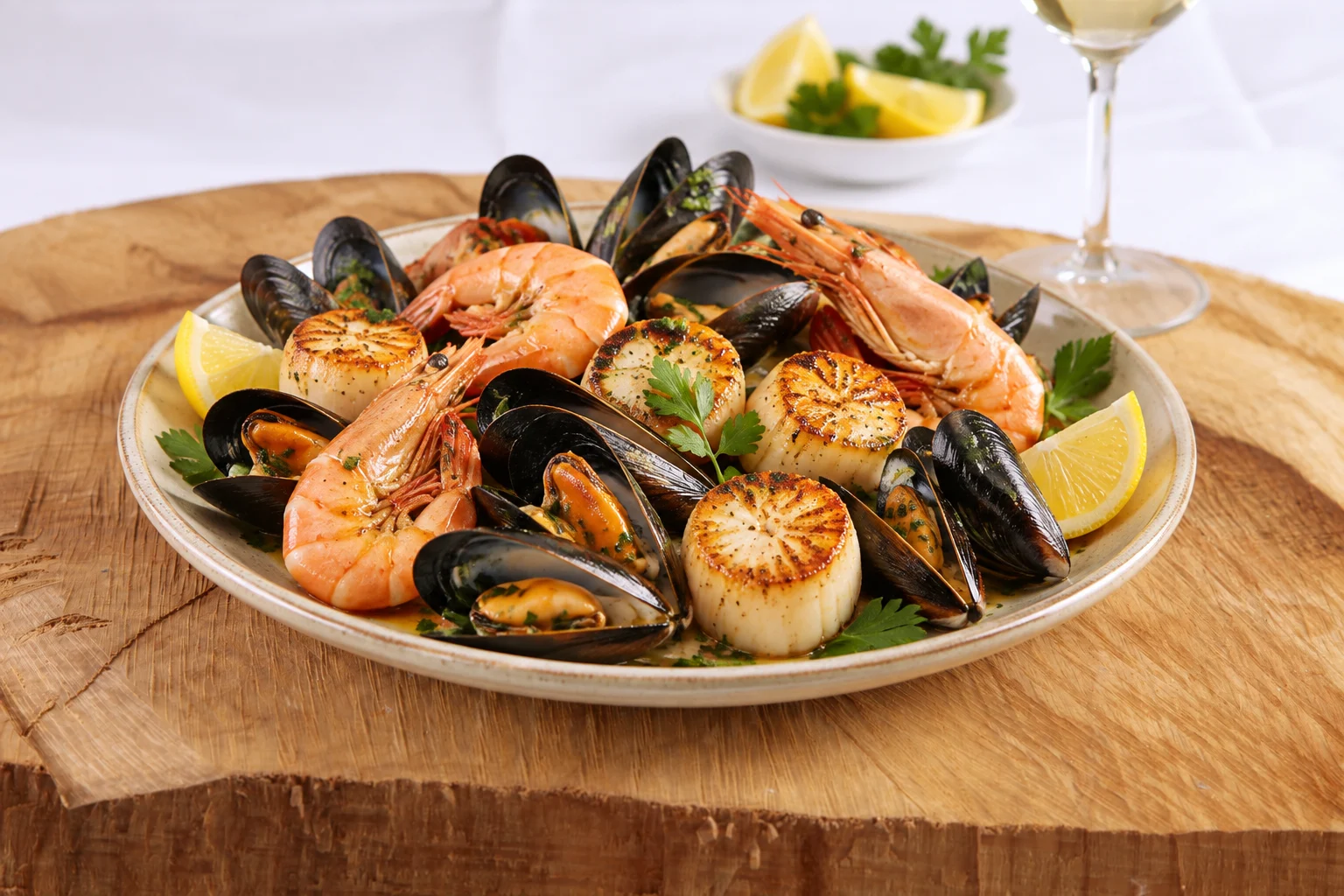
| Sommy Pairing Beschrijving | De 2018 Dom Pérignon toont rijp steenfruit zoals abrikoos en nectarine, frisse citrusaccenten van clementine en citroen, florale toetsen en subtiele kruidigheid van kardemom, aangevuld met briocheachtige, versgebakken broodtonen en een zijdezachte mousse. Deze combinatie van rijpheid, romige textuur en verfijnde zuren maakt de Champagne uitermate geschikt bij gevogelte, witte vis en schelpdieren omdat hij zowel de rijke smaken omhult als de frisheid behoudt die gerechten met zeevruchten en delicate sauzen in balans houdt. Gerechtbereidingen met een lichte roostertoets zoals gebrande coquilles, gegrilde tarbot of kreeft met beurre blanc, en zacht gevogelte met een romige of licht gekruide saus tillen de subtiele fruitigheid en briochetonen van de wijn naar een hoger niveau. |
Parker
The Wine Advocate
RP 94
Reviewed by:
Kristaps Karklins
Release Price:
NA
Drink Date:
2027 - 2042
The 2018 Dom Pérignon, born of a dry, solar year and an August harvest, is a lighter-footed, less concentrated rendition when considered alongside the 2017. It opens with a moderately complex bouquet of clementine, fresh apricot and cardamom, mingling with notes of nectarine, iris and freshly baked bread, offering rather little in the way of reductive character. On the palate, it is medium- to full-bodied, ample and enveloping, with a sweet, fleshy core of fruit and a pillowy mousse. Its acids are ripe—and softer than those of the 2017, yet racy—carrying the wine toward a long, delicately phenolic finish. Even if it starts its life somewhat less expressive, as it evolves on its fruit and the extract derived from its ripe skins, it may well, in time, render my initial assessment on the conservative side. A blend of 54% Chardonnay and 46% Pinot Noir, it was disgorged in March 2024 and finished with a dosage of about seven grams per liter.
With its instantly recognizable label and global presence, Dom Pérignon is one of Champagne’s most powerful brands; it is also one of the world’s most notable examples of a wine that combines quality and consistency with considerable quantity.
Today, the wines are produced under the direction of Vincent Chaperon, who became cellar master in 2019, succeeding Richard Geoffroy. A native of Bordeaux, Chaperon studied agronomy with a specialization in viticulture in Montpellier, an institution from which Moët & Chandon has long recruited talent, eventually bringing him on board in 2000. After five years in the firm, he joined Geoffroy’s team, working closely with him until taking over the reins. While his work stretches back nearly two decades, Chaperon regards the 2018 vintage as his true first—marking a transitional year between the two chefs de cave.
Today, Dom Pérignon owns and cultivates 900 hectares of vineyards, which on average supply around 70% of the grapes used in its blends, with the remainder sourced from their suppliers. Two-thirds of the estate’s holdings are situated in grand cru villages—14 of Champagne’s 17—as well as across 15 premier crus. While Champagne’s classification system is based on entire communes—unlike Burgundy, which classifies vineyards themselves—the significance lies in the placement of their vines: primarily mid-slope, in prime locations. Certain vineyards boasting the most favorable pedoclimatic conditions—situated in villages such as Chouilly, Cramant, Verzenay, Le Mesnil-sur-Oger, Avize, Mareuil-sur-Aÿ, Aÿ, Sillery, Oger, Bouzy, Hautvillers, Verzy and Dizy, amounting to some 350 hectares—feature more frequently in the blends than others. It is nevertheless rare for the house to draw upon more than half of the 900 hectares theoretically available to it. Selections vary widely with each vintage’s conditions, so such figures should be understood as indicative rather than definitive.
Since 2002, Dom Pérignon has been produced in nearly every vintage, with the exceptions of 2007, 2011, 2014 and 2016. This reflects a decision to embrace the personality of each vintage, however challenging the growing season. This is exemplified by the forthcoming 2017 release—the smallest vintage by volume in the maison’s history, yet one that has nevertheless turned out very well in bottle. Whereas the 2017 is expected to remain on the market for some three months, the forthcoming 2018—born of an abundant harvest and with a somewhat less concentrated profile—was produced in quintuple the quantity. While some skeptics may argue that releasing wines so often carries obvious commercial motivation, the wines have largely vindicated the approach—and in the past 20 years, there have been far fewer weak vintages than in the past, even if some are obviously stronger than others.
Viticultural practices—once rather conventional and reliant on chemicals, as was the case across much of Champagne for decades—began to shift in the late 1990s, with a meaningful acceleration over the past decade. Roughly 25 years ago the house began phasing out herbicides, and since 2014, none have been used on estate’s productive vineyards. The only exceptions are co-planted parcels incorporating very young vines, but they will not contribute to the blends until they are at least 10 years of age. And when replanting is carried out, it relies on the estate’s own massal selections.
At present, fully organic farming—without certification—is practiced on approximately 100 hectares, monitoring both quality and impact on yield. Yet, like many in Champagne, Chaperon questions the long-term consequences of the large doses of copper copper hydroxide and sulfur use that organic farming tends to require. Lightweight tractors are increasingly deployed, and for the past seven years, cover crops of varying functions—such as radish for soil decompaction and others for nutrition—have been systematically sown and rotated seasonally.
In keeping with Geoffroy’s approach, Chaperon has leaned toward picking riper fruit, choosing to harvest late by the standards of the region and targeting 11% potential alcohol to build concentration, flesh and depth into the vins clairs. He regards Chardonnay as virtually limitless (for now, that is), but it is Pinot Noir that troubles him, as it can evolve rapidly and risk heaviness. For a cuvée produced in the millions, this represents boldness and a willingness to take risks.
If the decades from the 1960s to the 1990s marked the era of enological dominance, the past 20 years have brought viticulture decisively to the fore—a rebalancing that rightly recognizes the vineyard as the true origin of characterful wines. Though the results of their most recent efforts remain to be seen, the house continues to grapple with the challenge of managing such large vineyard holdings without reliance on chemical treatments, especially in demanding vintages.
As readers will know, the winemaking at Dom Pérignon is quite reductive, with oxygen uptake controlled at every stage. From the end of fermentation to bottling, exposure to oxygen is almost nonexistent, enabling the use of far lower doses of sulfur dioxide than some cynics might assume. In practice, sulfites are employed only at settling of juices and at disgorgement. Vinification of the vins clairs takes place in large stainless steel tanks on the lees with full malolactic fermentation, the house relying on proprietary yeast strains—identified from their own fields and propagated in a laboratory—for both primary fermentation and prise de mousse.
All wines age extensively sur lattes before disgorgement. Depending on the intended Plénitude, bottles are sealed either with crown caps lined with plastic—introduced in the late 1990s to replace less reliable cork liners—or with cork, which is reserved for Plénitude 2 and Plénitude 3. Chaperon believes (as did Ruinart’s Frédéric Panaïotis) that cork closures better preserve the wines’ vibrancy and subtly reductive character over long aging and that they are best suited to the house’s late-disgorgement program, originally known as Oenothèque.
Dom Pérignon continues to deliver wines that are elegantly muscular, textural yet precise. While they fully embrace the character of each vintage, they are unmistakably cut from the same cloth and tend to offer a decidedly broad and long enjoyment period. The dosage has gradually been reduced—from around eight grams not so long ago to approximately five grams per liter in most recent releases—which, to my palate, gives them the edge over their predecessors in terms of energy and aromatic definition.
Published: Dec 11, 2025
Lorem ipsum dolor sit amet, consectetur adipiscing elit. Sed do eiusmod tempor incididunt ut labore et dolore magna aliqua...
James Suckling
Score
99
Avg Price (ex-tax)
$ 208
Dom Pérignon Champagne 2018
Tuesday, Jul 15, 2025
Color
Sparkling
Country
France
Region
Champagne
Vintage
2018
Download Shelftalker
Very floral aromas with jasmine, honeysuckle, lemons and subtle apples. Lavender as well. The medium-bodied palate has super-integrated bubbles, a touch of fine phenolics and a racy, lively finish. Weightless and refined for the vintage. The aftertaste includes ginger, dried apples, lychees, bitter lemons and minerals. 54% chardonnay and 46% pinot noir. Dosage 4.5 g/L. Mid-2026 release. A new style for Dom Perignon? Drink now.
James Suckling
Senior Editor
Lorem ipsum dolor sit amet, consectetur adipiscing elit. Sed do eiusmod tempor incididunt ut labore et dolore magna aliqua...
Wine Spectator
96
$250
Moët & Chandon
Brut Champagne Dom Pérignon 2013
Vivid acidity and a chalky underpinning make a crystalline frame for finely detailed notes of ripe melon, mandarin orange, toasted brioche and candied ginger in this harmonious Champagne, which is expressive and expansive on the palate, but with a sense of finesse and restraint. Long and creamy on the mineral-laced finish. Drink now through 2037.
Alison Napjus
Senior Editor and Tasting Director, New York
Lorem ipsum dolor sit amet, consectetur adipiscing elit. Sed do eiusmod tempor incididunt ut labore et dolore magna aliqua...
Vinous
98
Drinking Window
2028 - 2058
From: Champagne: The 2026 Spring Preview (May 2026)
The 2018 Dom Pérignon is explosive, bright and so vibrant in the glass. Medium in body, with layers of understated depth, the 2018 dazzles from start to finish. Lemon peel, chalk, mint and white pepper all open with a bit of coaxing. Readers will find a Dom Pérignon of unreal precision and class.
- By Antonio Galloni, May 2026
Dom Pérignon fans have plenty to look forward to, as the maison will be releasing wines from several important vintages soon. My enthusiasm for the 2018 and 2017, on which I first reported last year, is unchanged. If anything, the 2017 has improved since then. Turning to the P2 series, the 2008 is truly spectacular. It takes all the qualities of the original release and dials them up an extra touch. Chef de Caves Vincent Chaperon and his team are doing an incredible job reimagining Dom Pérignon for the future, starting with an ambitious project to rebuild ecosystems in the vineyards. I was able to see much of this work on my most recent visit, and it is impressive to say the least.
Lorem ipsum dolor sit amet, consectetur adipiscing elit. Sed do eiusmod tempor incididunt ut labore et dolore magna aliqua...
Exclusive Content
Sign in to unlock professional wine reviews from world-renowned critics
Moët & Chandon is one of the largest and, last but not least, the most famous Champagne houses in the world. Moët & Chandon was founded in 1743. Dom Perignon and Brut Imperial are two of the champagne house's best-known labels. Moët & Chandon has built up a very good reputation for its consistent quality and recurring style. The holding company LVMH (Louis Vuitton Moët Hennessy) owns the champagne house.
Moët & Chandon Champagne is now one of the largest producers of sparkling wines in the world. The company has 34,041 hectares in Champagne, 48,000 hectares in Burgundy, and 120,000 hectares in Bordeaux and California. Only 13% of these are privately owned; the rest are vineyards owned by owners under contract. In Champagne, 39% of the vineyards are Pinot Noir, 32% Pinot Meunier and 29% Chardonnay. Of the Champagne's vineyards, 1150 hectares, the majority (of course) have grand cru or premier cru status. In short: the best quality. Grapes come from all areas of Champagne: the Vallée de la Marne, Montagne de Reims, Aube and Côtes de Blancs.
Moët & Chandon aims to offer the same taste and quality for the Impérial wines every year. That is why the blend of wines is different every year! In this way, influences of the vintage are eliminated. To get that taste the same every year, basic wines are used. The grapes of each plot at the disposal of the company are vinified separately. This is done in press houses near the vineyards, one of which has recently opened in Epernay, with a capacity of 356,000 hectolitres. In total, after the harvest, the company can dispose of 6000 bits of wine from one year; those 6000 'little' bits are combined with 100-150 base wines. Add to that the wines they have leftover from older years, which can also be used for blends, and you now understand what a gigantic task the nine winemakers of the company have. It usually takes about four to five months for the final blend to be tuned for an Imperial! The nine winemakers are also helped by measuring equipment and chemical analyses.
MEET is the best-selling and best-known champagne worldwide. Every one and a half seconds, a bottle of Moët & Chandon Impérial Brut is uncorked somewhere in the world. Not surprising, even completely deserved, when you taste the consistently excellent quality. The Impérial Brut is composed of about 150 different wines, extracted from chardonnay, pinot noir, and pinot meunier, and all parts of Champagne. It is champagne without a vintage because the assembly also contains an important part of vins de réserve - beautifully matured wines from older years. Imperial Brut refers to the pleasant
dry taste (Brut) and the long-standing preference of Emperor Napoleon for the champagne of Moët & Chandon (Impérial).
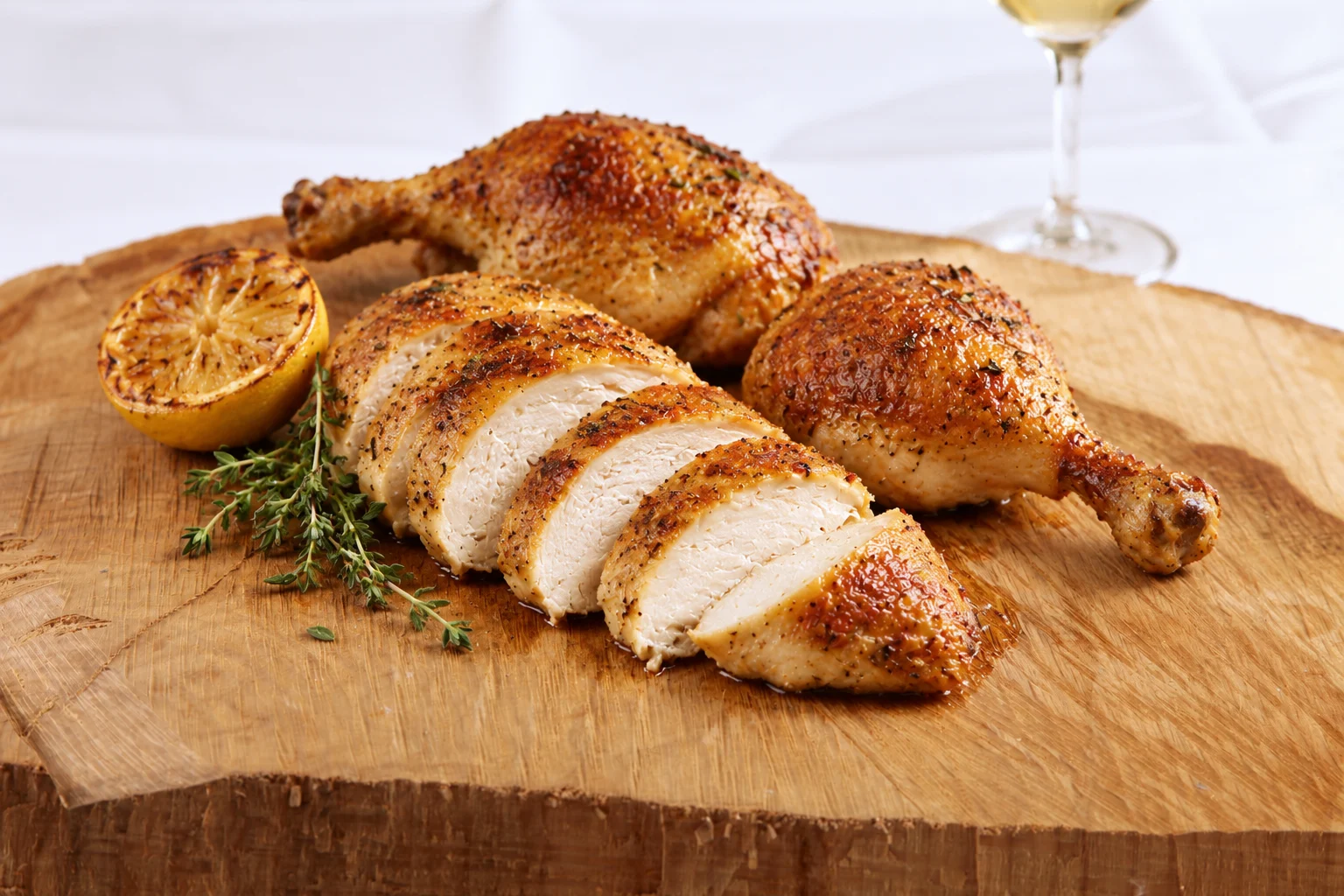
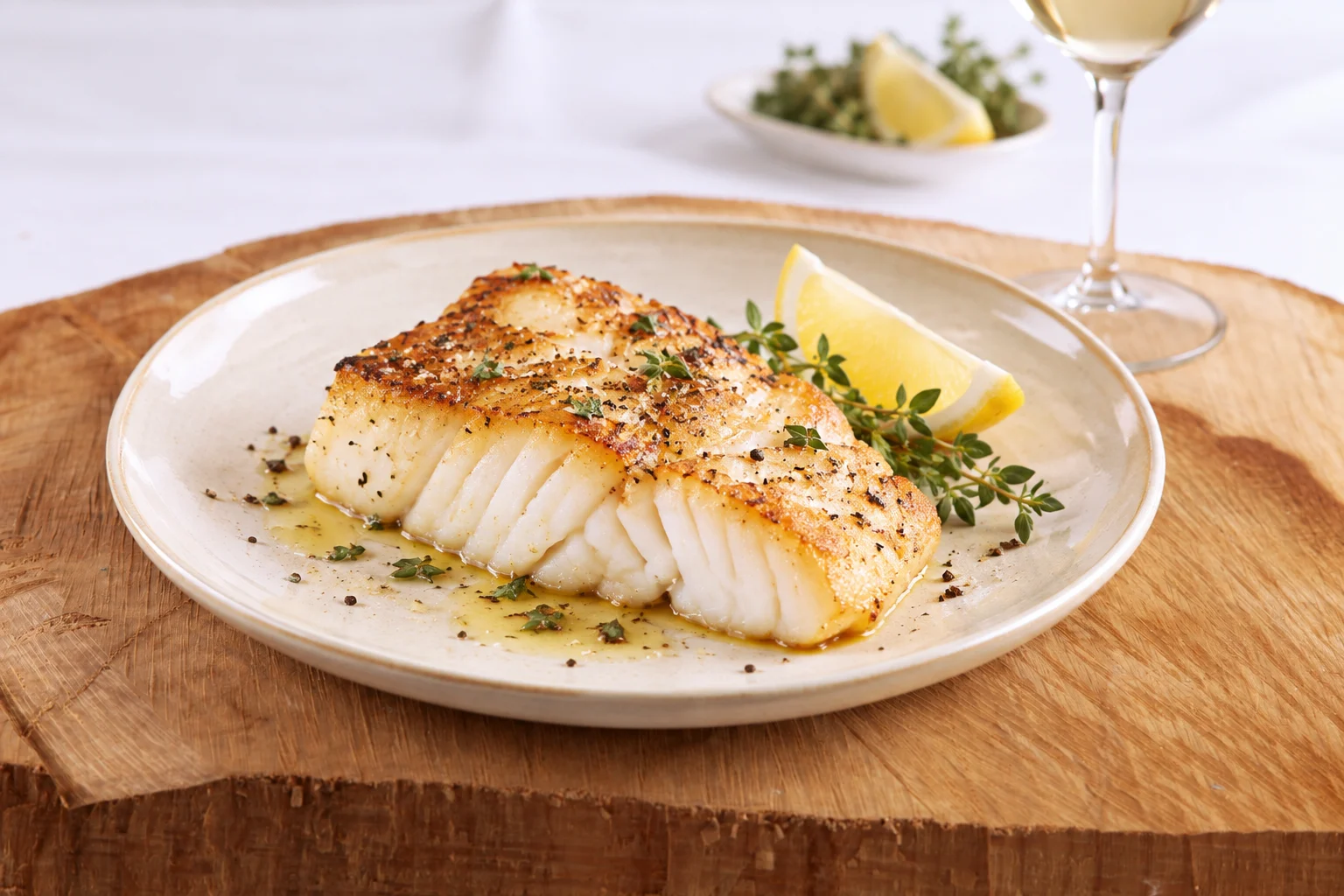
De 2018 Dom Pérignon toont rijp steenfruit zoals abrikoos en nectarine, frisse citrusaccenten van clementine en citroen, florale toetsen en subtiele kruidigheid van kardemom, aangevuld met briocheachtige, versgebakken broodtonen en een zijdezachte mousse. Deze combinatie van rijpheid, romige textuur en verfijnde zuren maakt de Champagne uitermate geschikt bij gevogelte, witte vis en schelpdieren omdat hij zowel de rijke smaken omhult als de frisheid behoudt die gerechten met zeevruchten en delicate sauzen in balans houdt. Gerechtbereidingen met een lichte roostertoets zoals gebrande coquilles, gegrilde tarbot of kreeft met beurre blanc, en zacht gevogelte met een romige of licht gekruide saus tillen de subtiele fruitigheid en briochetonen van de wijn naar een hoger niveau.
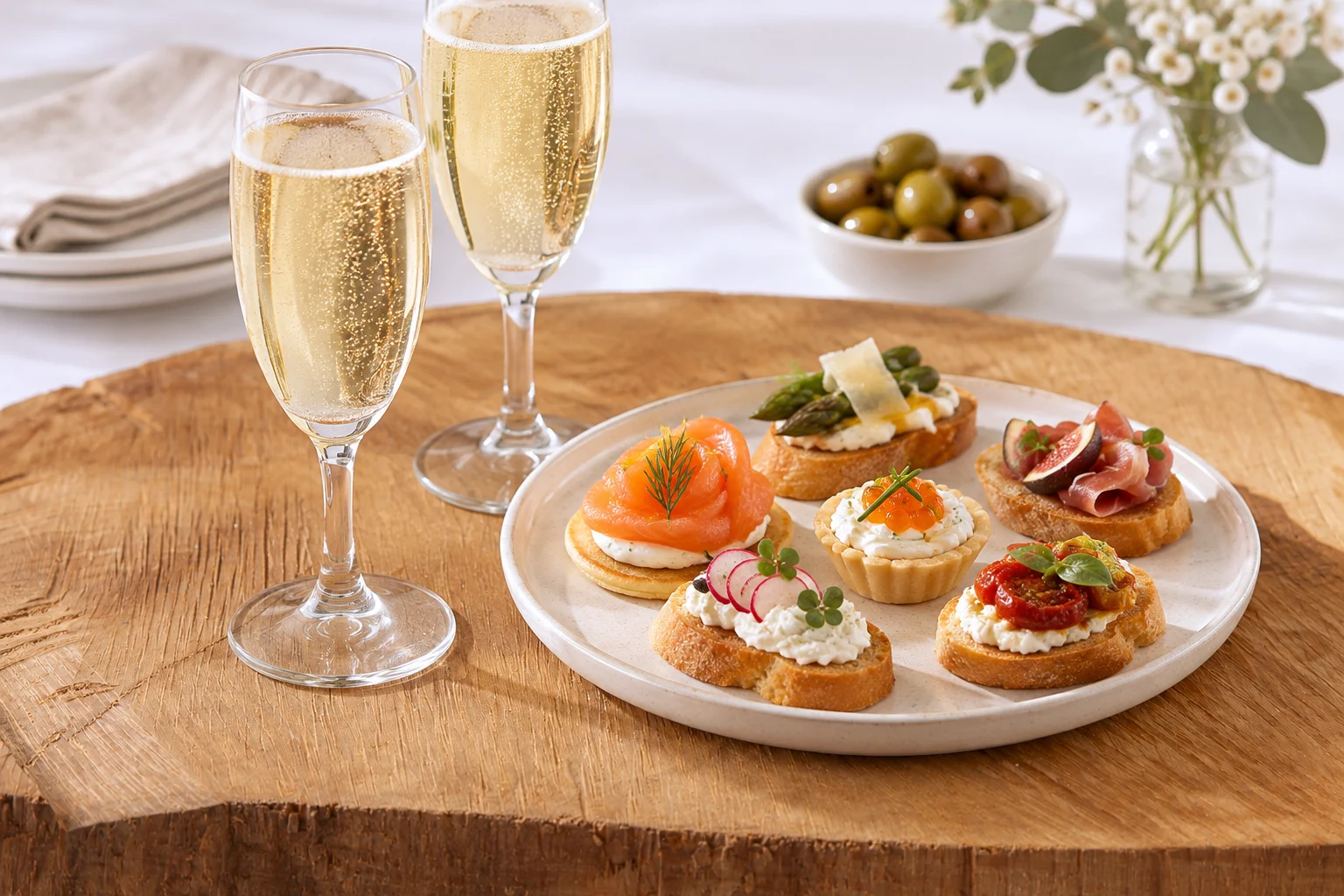
Choose a category to discover dishes that pair well with this wine.
Do you already have a dish in mind?
Let Sommy find wines to pair with your meal.
Discover Wine Trivia
Sign in to unlock fascinating facts about this wine and expand your knowledge.
Sign In