

2017 Chateau Musar Bekaa Valley White Magnum
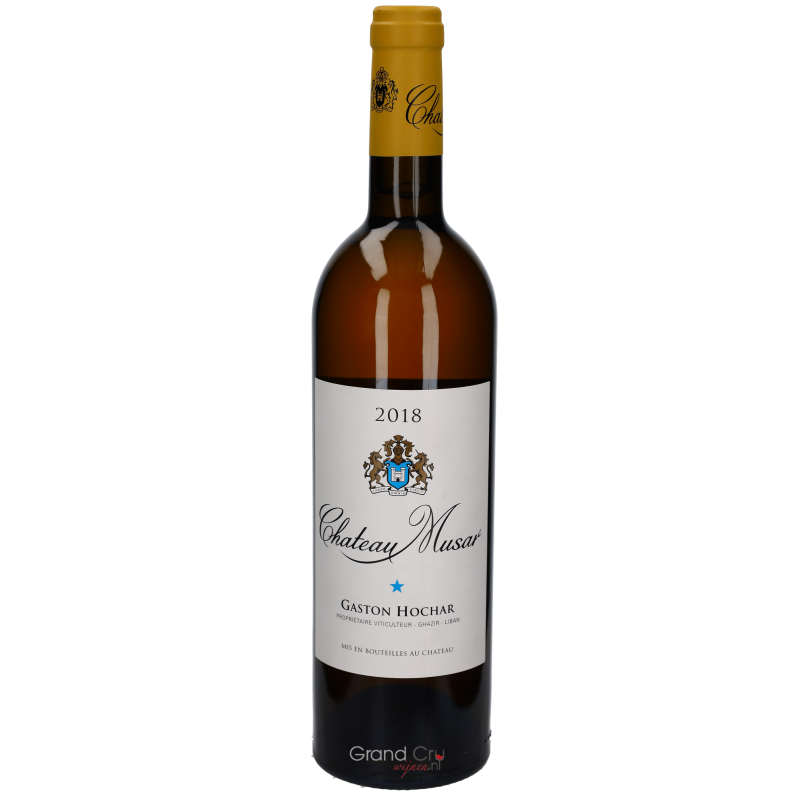
De specificaties zoals vermeld bij de wijn (o.a. wijnjaar) en in de titel zijn leidend en er kunnen geen rechten worden ontleend aan de afbeelding die wordt getoond. Lees meer in onze Frequenty asked questions
| Type of Wine | White |
|---|---|
| Country | Lebanon |
| Region | |
| Winery | |
| Vintage | 2017 |
| Grape | , |
| Content (Alc) | Magnum (1.5 ltr) (12%) |
| Drink window | 2025 - 2055 |
| Available as of | Sep 30, 2026 |
Ordering in bulk? Log in to request a quote
Notities
Foto
Proefnotities
Heb je deze wijn geproefd?
Bewaar je beoordeling en aantekeningen.
Bewaar je beoordeling en aantekeningen.
Heb je deze wijn geproefd?
Log in om je proefnotitie op te slaan.
Log in om je proefnotitie op te slaan.
Log inHoe wil je je wijn beoordelen?
Max 5 MB. JPG, PNG, WebP.
Hoe smaakt het?
Klik op wat het beste past. Alles is optioneel.
Welke geuren en smaken herken je?
Klik op alles wat je herkent. Dit is optioneel.
Uiterlijk
Neus
Aroma's (neus)
Smaak
Smaken (mond)
Afdronk
Wijngegevens
Automatisch ingevuld vanuit productgegevens.
Persoonlijke gegevens
Chateau Musar White 2017 Magnum is one of the most exceptional white wines from the Middle East. This iconic wine from the Bekaa Valley in Lebanon is made from the indigenous Obaideh and Merwah grape varieties, some of whose vines are tens to even more than a hundred years old. In magnum format (1.5 liters), this wine develops even more slowly and harmoniously, giving it exceptional aging potential and making it perfect for special occasions.
Chateau Musar: a wine icon from Lebanon
Chateau Musar has been one of the world's most legendary wineries for decades. Under the leadership of the visionary Serge Hochar, the estate grew into a cult producer that continues to fascinate enthusiasts worldwide. The white Musar is perhaps the house's most unique wine. It is made from the centuries-old grape varieties Obaideh (60%) and Merwah (40%), varieties found exclusively in the mountains of Lebanon and forming an important part of the country's wine historical heritage.
The vineyards are situated on the slopes of Mount Lebanon in the Bekaa Valley at an altitude of approximately 1,200 meters. The combination of warm days, cool nights, and calcareous soils results in grapes with great tension, freshness, and concentration.
Volume 2017
The growing season began with above-average rain and snow, ensuring excellent replenishment of water reserves. Due to a cool spring, bud development was delayed by approximately ten days. A late frost day in April ultimately resulted in a lower yield than expected, but precisely this limited harvest produced grapes with great concentration and character. According to Chateau Musar itself, 2017 ranks among the most promising white vintages of recent years.
The Obaideh was harvested on September 19 and the Merwah on September 27. Both grapes fermented separately for nine months in new French oak barrels from the Nevers forest. The wines were then blended and bottled in the summer of 2018. As is customary at Chateau Musar, a long period of bottle aging followed before the wine was released.
Tasting note Chateau Musar White 2017 Magnum
The Chateau Musar White 2017 has a bright light yellow color. The aroma is complex and refined, with notes of ripe apple, grapefruit, orange blossom, fresh hay, vanilla, and subtle spiciness. As the wine opens up, notes of peach, basil, caramelized apple, and a light touch of honey emerge.
On the palate, the wine is powerful yet elegant, with impressive concentration, lively acidity, and a long, mineral finish. As the bottle continues to age, aromas of nuts, beeswax, dried citrus, and complex tertiary notes develop, reminiscent of great white Burgundies, without ever losing its own character.
Magnum: even greater aging potential
The 1.5-liter magnum bottle offers ideal conditions for slow maturation. Due to the more favorable wine-to-oxygen ratio, the wine develops more gradually, allowing aromas to integrate even more subtly and preserving freshness for longer. For Chateau Musar White, this is a particularly attractive size, as this wine can age effortlessly for decades.
Drinking window
Chateau Musar is known worldwide for its exceptionally long-lasting white wines. While most white wines are meant to be drunk relatively young, the white Musars often only fully develop after many years. During aging, increasingly complex aromas of honey, beeswax, dried citrus, nuts, and spices emerge, while the wine remains remarkably vibrant.
The 2017 is already impressive, but it must be properly decanted. Chill the wine beforehand to approximately 12°C and, when pouring, preferably place the decanter in a wine cooler or ice water to maintain the ideal temperature. Thanks to the magnum format, the wine develops even more slowly and refinedly. Under optimal cellar conditions, this Chateau Musar White Magnum can be effortlessly stored until at least 2055, with further aging certainly not ruled out.
| Available as of | Sep 30, 2026 |
|---|---|
| Type of Wine | White |
| Country | Lebanon |
| Region | Bekaa-vallei |
| Winery | Chateau Musar |
| Grape | Chardonnay, Semillon |
| Biological certified | No |
| Natural wine | No |
| Vegan | No |
| Vintage | 2017 |
| Drinking as of | 2025 |
| Drinking till | 2055 |
| Alcohol % | 12 |
| Alcohol free/low | No |
| Content | Magnum (1.5 ltr) |
| Oak aging | Yes |
| Sparkling | No |
| Dessert wine | No |
| Closure | Cork |
| Tasting Profiles | Aromatisch, Complex, Houtgerijpt, Mineraal, Rijk, Steenfruit |
| Drink moments | Iets te vieren, Indruk maken, Lekker luxe |
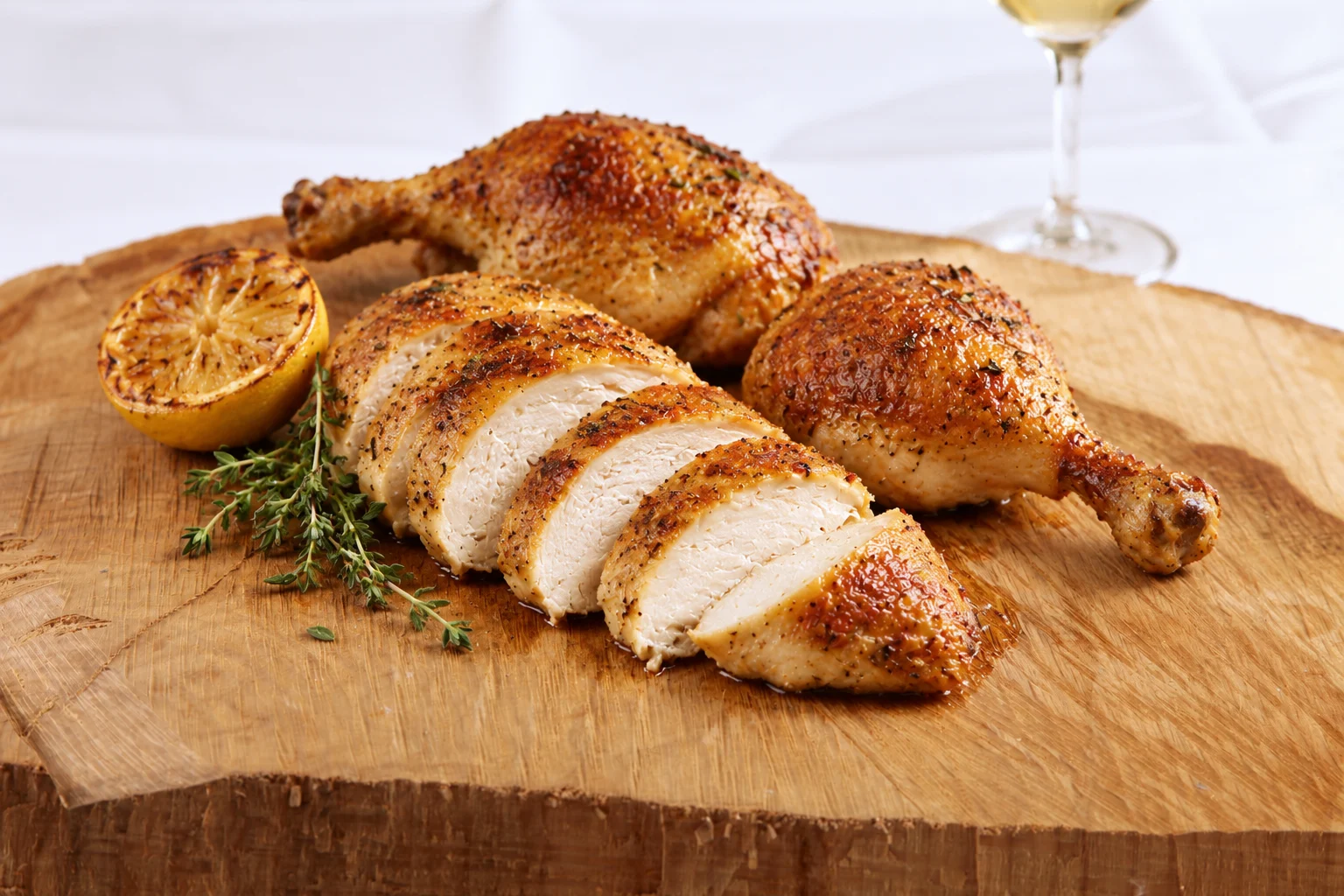
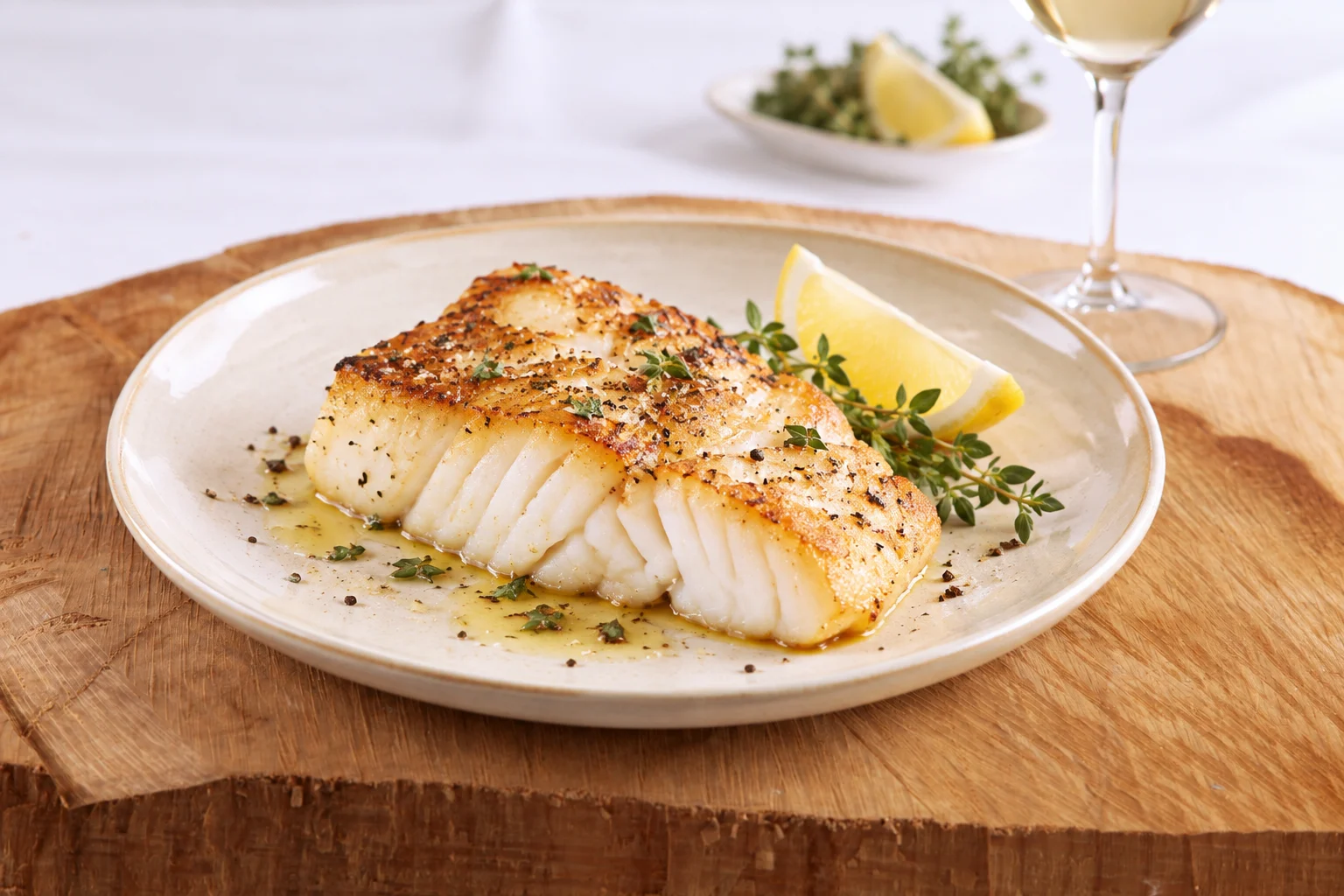
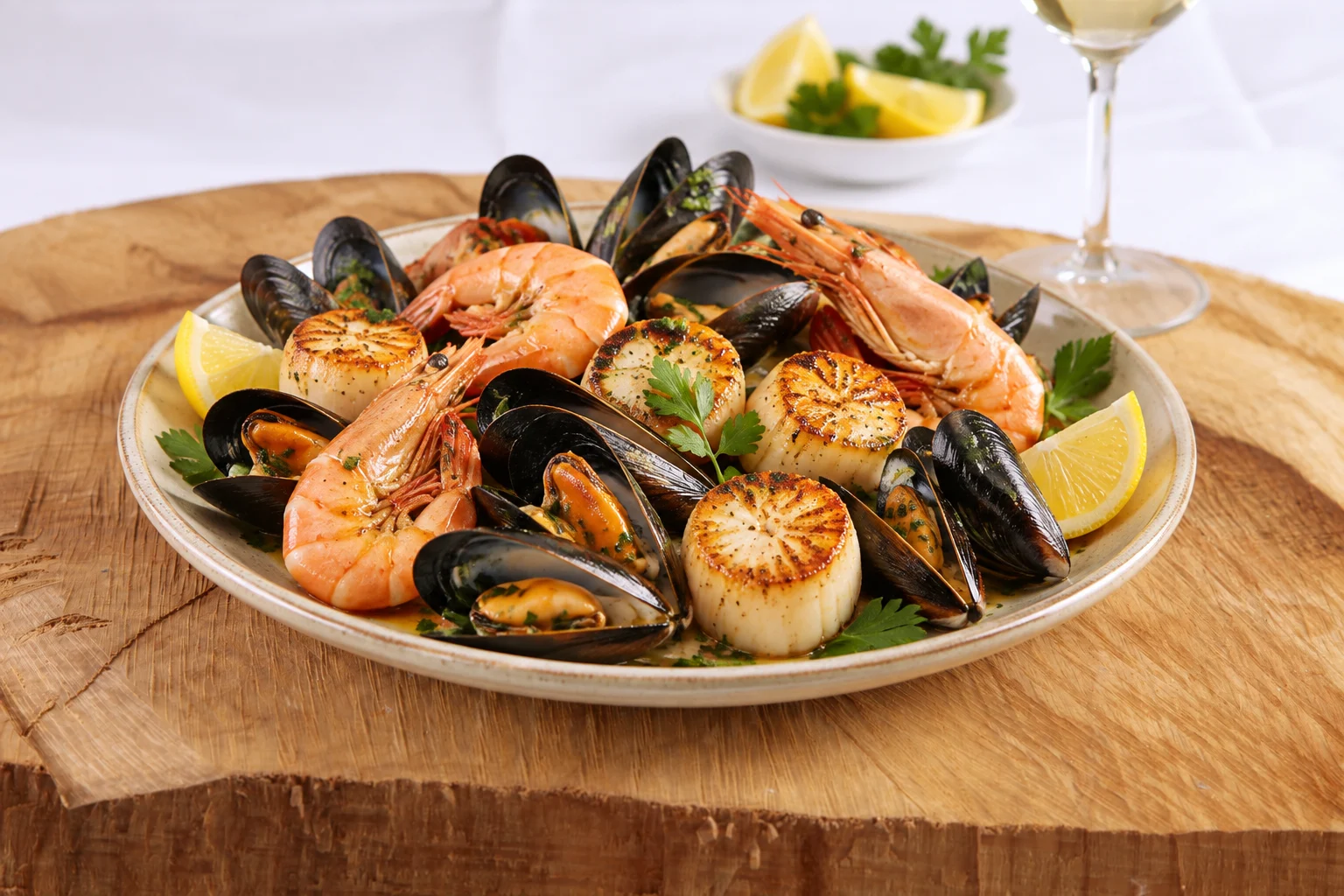
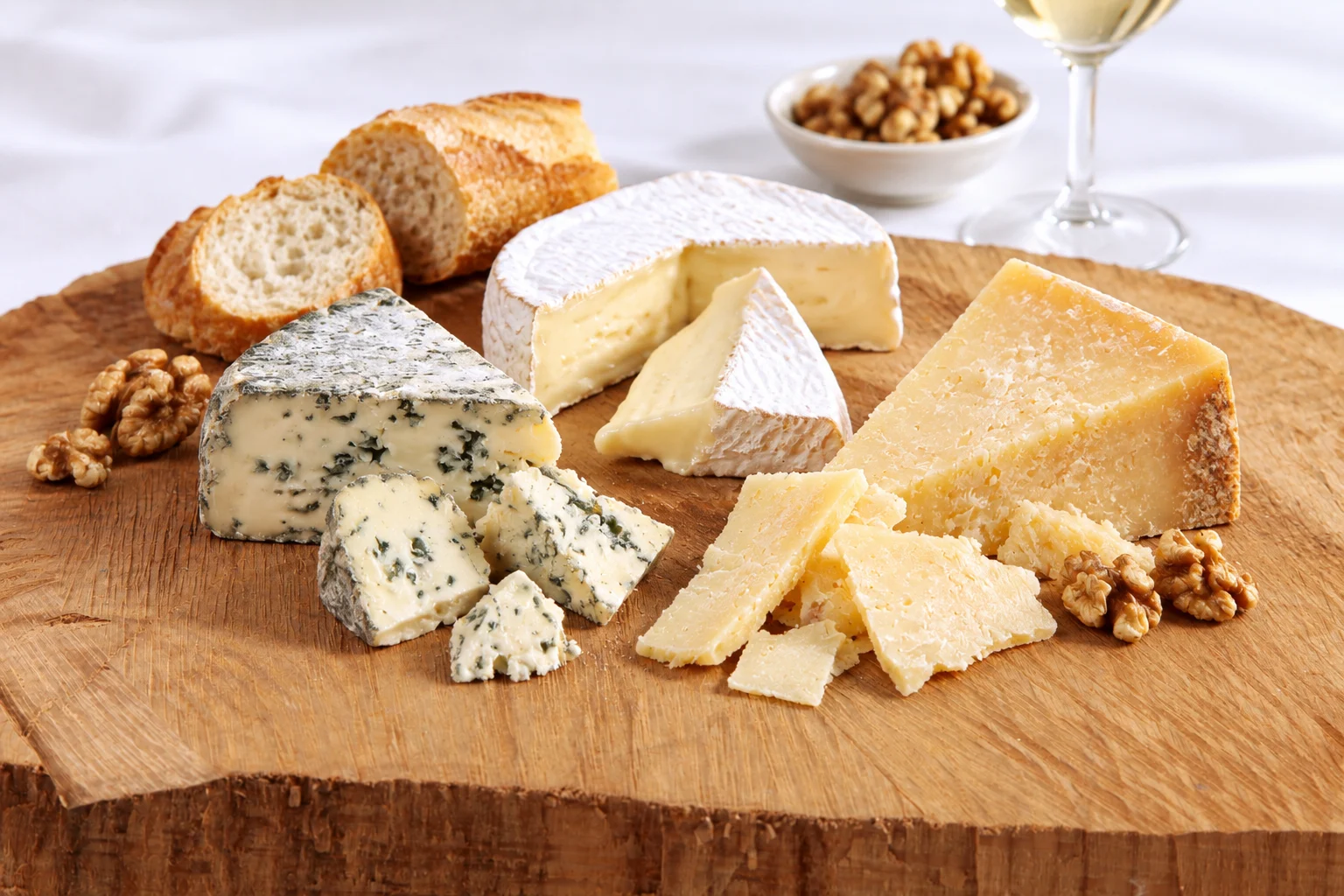
| Sommy Pairing Beschrijving | Deze 2017 Chateau Musar White Magnum toont een complex smaakpalet van rijpe appel en perzik, frisse grapefruit en citruszuren, ondersteund door tonen van sinaasappelbloesem, vanille, bijenwas en een lange minerale afdronk. Door die levendige zuren, geconcentreerde textuur en subtiele eikage combineert hij uitstekend met gevogelte, witte vis, schelpdieren en rijke kazen; lichte tot medium bereidingen zoals gegrilde zeebaars met citroen en kruidige boter, licht gekruide kip van de grill of coquilles voorgebakken in een romige saus accentueren de fruitigheid terwijl langzaam geroosterde kip of een romige fromage fraîche het hout en de honingtonen prachtig naar voren halen. |
Winemaking in Lebanon is far from a modern phenomenon. In the Beqaa Valley, evidence of wine production dates back to the Bronze Age, with the Phoenicians being among the earliest to cultivate vineyards. The famous Bacchus Temple in Baalbek also stands as a testament to the Roman's involvement in winemaking in the region.
Château Musar: a legacy of winemaking in Lebanon
The Beqaa Valley is an ideal location for grape cultivation. The valley is about eight kilometers wide and situated between two mountain ranges at an elevation of approximately 1,000 meters. This high altitude creates a unique microclimate where the intense heat of the day is offset by cool nights, allowing the grapes to retain their fruity aromas. Additionally, meltwater from the mountains ensures a reliable water supply, while the soil—comprising loam, pebbles, and gray limestone—provides a healthy environment for the vines.
Despite the ongoing conflict in the region, winemaking has persisted. The only exceptions were during the years 1976 and 1984, when war prevented wine production. Grapes had to be transported nearly 100 kilometers through conflict zones to reach the winery, located just north of Beirut.
The revival of Lebanese winemaking because of Château Musar
After a long hiatus due to Islamic rule, which imposed a ban on alcohol production for over a thousand years, winemaking in Lebanon was revived by Jesuit priests in 1857. In 1930, Gaston Hochar founded Château Musar during the French mandate period. He sourced grapes from the Beqaa Valley and established a winery and cellar on the western slopes of Mount Lebanon, in Ghazir, just north of Beirut. Hochar received guidance from French professors in setting up his winery.
The Influence of Serge Hochar
Gaston Hochar's son, Serge, played a pivotal role in bringing Château Musar to global recognition. After training at Château Langoa-Barton in Bordeaux, Serge Hochar developed his own philosophy of winemaking. He favored a unique blend, combining the firm and robust structure of Cabernet Sauvignon with the fruit-forward character of Rhône varietals such as Carignan and Cinsault—a blend rarely seen elsewhere.
Serge Hochar was committed to natural winemaking techniques, using wild yeasts, avoiding fining and filtering, and famously describing his wines as "wines without makeup." The red wines from Château Musar are aged for an average of 12 months in French oak barrels that are not toasted, followed by several years of cellar aging. The final blend is determined purely by taste, with each vintage offering distinct characteristics.
The unique style of Château Musar wines
The red Château Musar is an exceptional and traditional wine, often considered old-fashioned in style. Its color is never truly dark, usually exhibiting a brownish hue, with notes of spices and a subtle herbal quality in both aroma and flavor. These wines have remarkable aging potential, with Serge Hochar recommending they be enjoyed at their peak after 15 years. Each vintage reflects its own personality, and the wines are renowned for their distinctive character and ability to age gracefully.
Château Musar continues to be celebrated worldwide for its commitment to tradition and unique winemaking approach.
Deze 2017 Chateau Musar White Magnum toont een complex smaakpalet van rijpe appel en perzik, frisse grapefruit en citruszuren, ondersteund door tonen van sinaasappelbloesem, vanille, bijenwas en een lange minerale afdronk. Door die levendige zuren, geconcentreerde textuur en subtiele eikage combineert hij uitstekend met gevogelte, witte vis, schelpdieren en rijke kazen; lichte tot medium bereidingen zoals gegrilde zeebaars met citroen en kruidige boter, licht gekruide kip van de grill of coquilles voorgebakken in een romige saus accentueren de fruitigheid terwijl langzaam geroosterde kip of een romige fromage fraîche het hout en de honingtonen prachtig naar voren halen.
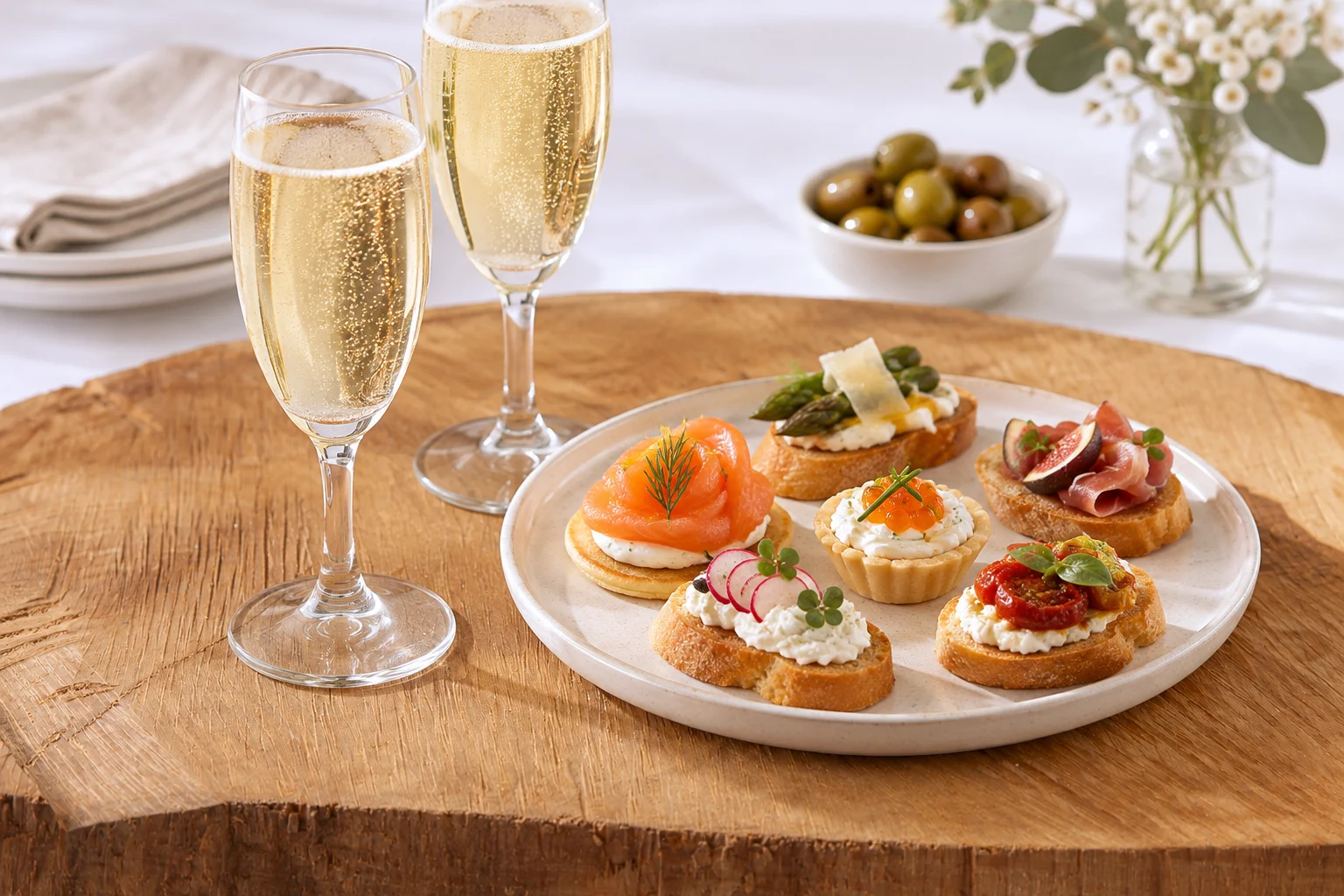
Choose a category to discover dishes that pair well with this wine.
Do you already have a dish in mind?
Let Sommy find wines to pair with your meal.
Discover Wine Trivia
Sign in to unlock fascinating facts about this wine and expand your knowledge.
Sign In