

2016 Pingus Flor de Pingus
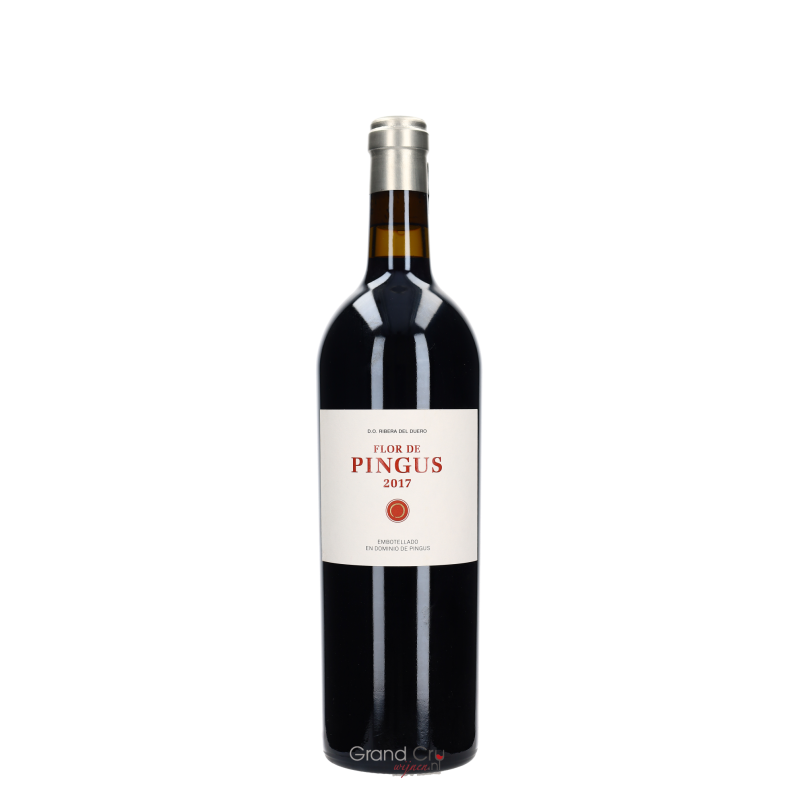
De specificaties zoals vermeld bij de wijn (o.a. wijnjaar) en in de titel zijn leidend en er kunnen geen rechten worden ontleend aan de afbeelding die wordt getoond. Lees meer in onze Frequenty asked questions
- 100%
- Enjoy now or cellar until 2034
- Serve at 16-18°C
- Perfect with Rundvlees
Available as of Nov 18, 2026
Ordering in bulk? Log in to request a quote
In stock
6 items available
- 100%
- Enjoy now or cellar until 2034
- Serve at 16-18°C
- Perfect with Rundvlees
Available as of Nov 18, 2026
Nothing noted for this wine yet. What do you smell, and how long does the taste linger?
Have you tasted this wine?
Save your rating and notes.
Save your rating and notes.
Have you tasted this wine?
Log in to save your tasting note.
Log in to save your tasting note.
Log in100% Tinto Fino. Vinification and élevage 20 months on new French oak The wine Flor de Pingus is the 2nd wine of the legendary Pingus. The Flor de Pingus of the famous winemaker Peter Sisseck comes from 16 different plots around La Horra and Roa. The plots for these wines are located in the heart of Ribera del Duero, at an altitude between 700 and 850 meters and, as befits this top wine, cultivated organically, so no poison or fertilizers. Z
Very deep and young in color. Sultry, ripe fruit (blueberry, blackberry) and beautiful tones of coffee, cocoa and leather and already surprisingly balanced for its age. The wine is very deep and young in color. Sultry, packs of ripe red berry type blueberry, blackberry. Furthermore coffee, fine smoky wood touch in limited measure, cocoa and leather. Concentrated attack with a lot of everything. Ripe tannin structure. Decant in its first 5 years of life. Pour into a large wine glass at 18°C.
FACT: The wine is in our conditioned Wine Warehouse and if you come to pick up the wine you will often also receive a nice discount . You will see your discount immediately when you choose 'Pick up' on the checkout page. We are located in Dordrecht almost next to the A16 with plenty of parking. Click here for our address.
Character
The wine
- 100%
Origin
Bottle
Wine features
Parker
I also tasted the unbottled 2016 Flor de Pingus before, so a revisit now, some 15 months after it was bottled, was due. There is great freshness in these 2016s, with a character that reminded me of orange peel, citrus and floral. There is great balance in the palate, and the tannins are velvety within the faintly rustic character of the zone; keeping the style of the zone, that texture is what Peter Sisseck calls "three-dimensional" tannins—very clean and focused, long and tasty and ending with great freshness. They were able to harvest early with proper ripeness and tons of freshness; in fact, that year they finished harvesting when some had not even started in the zone... In the future, they will include some Garnacha in the blend of Flor de Pingus (starting with 2018 with a very small percentage), as they have planted some vines selected from old vineyards in the region. They now have 35 hectares from four parajes in the village of La Horra for this wine, and in 2016, they produced 105,000 bottles. It was bottled in June 2018.
I had a calm and slow tasting of three vintages of the three wines produced by Peter Sisseck, giving the wines time in the glass to open up and express themselves. 2016, 2017 and 2018 are very different vintages. 2016 saw a good crop with lots of freshness, and the wines have great precision and elegance. 2017 was a dry and warm year marked by frost that made them lose between 25% and 40% of their grapes (they could buy other grapes to compensate the volume of PSI). And 2018 was a year with good rains in the winter, a classical year with high yields (the effect of the frost) and a warm summer that resulted in a very good year. The question is still up in the air if 2018 has the magic of a year like 2016 or not, but it's closer in style to 2016.
Published: Dec 30, 2019
Lorem ipsum dolor sit amet, consectetur adipiscing elit. Sed do eiusmod tempor incididunt ut labore et dolore magna aliqua...
James Suckling
Score
96
Avg Price (ex-tax)
$ 127
Dominio de Pingus Ribera del Duero Flor de Pingus 2016
Friday, Jun 28, 2019
Color
Red
Country
Spain
Region
Castilla y León
Vintage
2016
Download Shelftalker
Chalky and intense with so much blackberry character. Some smoke, too. Full body. Firm and chewy with lots of fruit, but a tight and linear finish. Chewy and intense. Needs a year or two to open, but already a joy. Better after 2021.
Lorem ipsum dolor sit amet, consectetur adipiscing elit. Sed do eiusmod tempor incididunt ut labore et dolore magna aliqua...
Vinous
95
Drinking Window
2024 - 2034
From: The Vast Bounty of Central Spain (Feb 2021)
Deep violet. Smoke- and spice-accented dark berries and cherry on the highly perfumed nose. Lively bitter cherry, blueberry and violet pastille flavors stain the palate, showing fine definition and a supporting spine of tangy acidity. Opens up and deepens on the strikingly long, incisive finish, which features gently chewy tannins and lingering florality.
- By Josh Raynolds, October 2020
Peter Sisseck’s influence on Ribera del Duero’s worldwide reputation cannot be overstated. His Pingus is now considered to be one of Spain’s and the world’s greatest red wines, with a price to match. It’s always a pleasure, not to mention a rare occurrence, to be able to drink Pingus, but the good news is that his two other bottlings, Flor de Pingus and PSI, which he makes from purchased grapes, are more readily available and, in the context of the region’s best wines, real values. Flor de Pingus has been steadily increasing in reputation and demand, and while it isn’t cheap, compared to wines of similar quality from the great winegrowing regions of the world, it delivers solid value. As for the PSI, it’s simply an outstanding example of Ribera del Duero for a very fair price. Plus, readers will be able find it fairly easily. Sisseck has been dialing the oak treatment way back for all of his wines over the last decade, and current releases show more finesse and precision than those of 25 years ago, when he set up this bodega.
Lorem ipsum dolor sit amet, consectetur adipiscing elit. Sed do eiusmod tempor incididunt ut labore et dolore magna aliqua...
Exclusive Content
Sign in to unlock professional wine reviews from world-renowned critics
A Dane who conquered Spain with one of the most iconic wines ever: that’s how the story of Dominio de Pingus begins.
The history of Dominio de Pingus
Peter Sisseck, born in Denmark, arrived in Ribera del Duero in the early 1990s. He worked as an oenologist at Hacienda Monasterio and discovered the huge potential of the local Tinto Fino grape. In 1995 he made his first wine in a small garage in Quintanilla de Onésimo. It was named Pingus, after his Danish childhood nickname. What started as a small experiment quickly grew into a legend. When influential American wine critic Robert Parker tasted it, Pingus became world-famous overnight.
The winemaker Peter Sisseck
Sisseck is considered one of the most influential winemakers in Spain, even though he originally comes from Copenhagen. Before moving to Ribera del Duero, he gained experience in Bordeaux and California. That international background shaped his approach: respect for tradition combined with a sharp eye for detail and innovation. He works meticulously in the vineyards, strongly believes in biodynamic principles, and always sets the bar extremely high. This perfectionism explains why even his so-called ‘second wine’, Flor de Pingus, is sought after all over the world. His name is inseparable from quality and from redefining Ribera del Duero as a leading wine region.
Where does the name Pingus come from?
The name Pingus was Peter Sisseck’s childhood nickname in Denmark. Friends and family used it casually, without any special meaning. When he made his first own wine, he deliberately chose this nickname. It gave his project a personal and distinctive identity.
The vineyards and old vines
From the very beginning, Sisseck focused on old Tinto Fino vines. In Ribera del Duero these are becoming rare. Back in 1990 there were thousands of hectares of old vines, but today only a fraction remains. The vineyards for Pingus are located around the village of La Horra and consist of tiny plots. Some vines are more than 80 years old, surviving even before the phylloxera crisis. These old vines yield little fruit, but produce grapes of remarkable intensity and concentration.
The different wines of Pingus
Pingus itself comes from two special plots in La Horra: Barroso and San Cristóbal. The soils combine gravel, sand, clay, and limestone, creating a unique balance. Production is extremely limited, around 6,000 bottles a year.
Flor de Pingus is his second wine, made from sixteen plots around La Horra and Roa. Still largely old vines, complemented by younger plantings. Production is bigger, but still small compared to the demand.
Psi was launched in 2007 together with Pablo Rubio. This project is about working with local growers who own old vineyards. The idea is to make wines that stay true to Ribera del Duero’s traditions, showing balance and purity rather than just power. Psi is vinified in cement tanks and large oak casks, giving a fresher and more approachable style.
Climate and altitude in Ribera del Duero
The climate in Ribera del Duero is harshly continental. Summers are hot, winters cold, and the temperature swings between day and night are extreme. The vineyards sit high, between 700 and 920 meters. This altitude brings cooler nights, helping the grapes ripen slowly and maintain freshness. That’s why Pingus wines combine power with elegance and tension.
Interesting facts about Pingus
- The very first Pingus was literally made in a garage – a classic ‘garagiste’ story.
- Every grape for Pingus is destemmed by hand, one by one.
- Yields are extremely low: often only 11 hectoliters per hectare.
- Pingus was one of the first great names in Spain to embrace biodynamics.
- Because of its scarcity, Pingus bottles have become collectors’ items worldwide.
Order Dominio de Pingus online?
At Grandcruwijnen you can find the wines of Dominio de Pingus in our climate-controlled Wine Warehouse, ensuring perfect storage. Ordering is easy online. If you choose ‘Pick up’ at checkout, you’ll immediately see the discount for collection in Dordrecht.
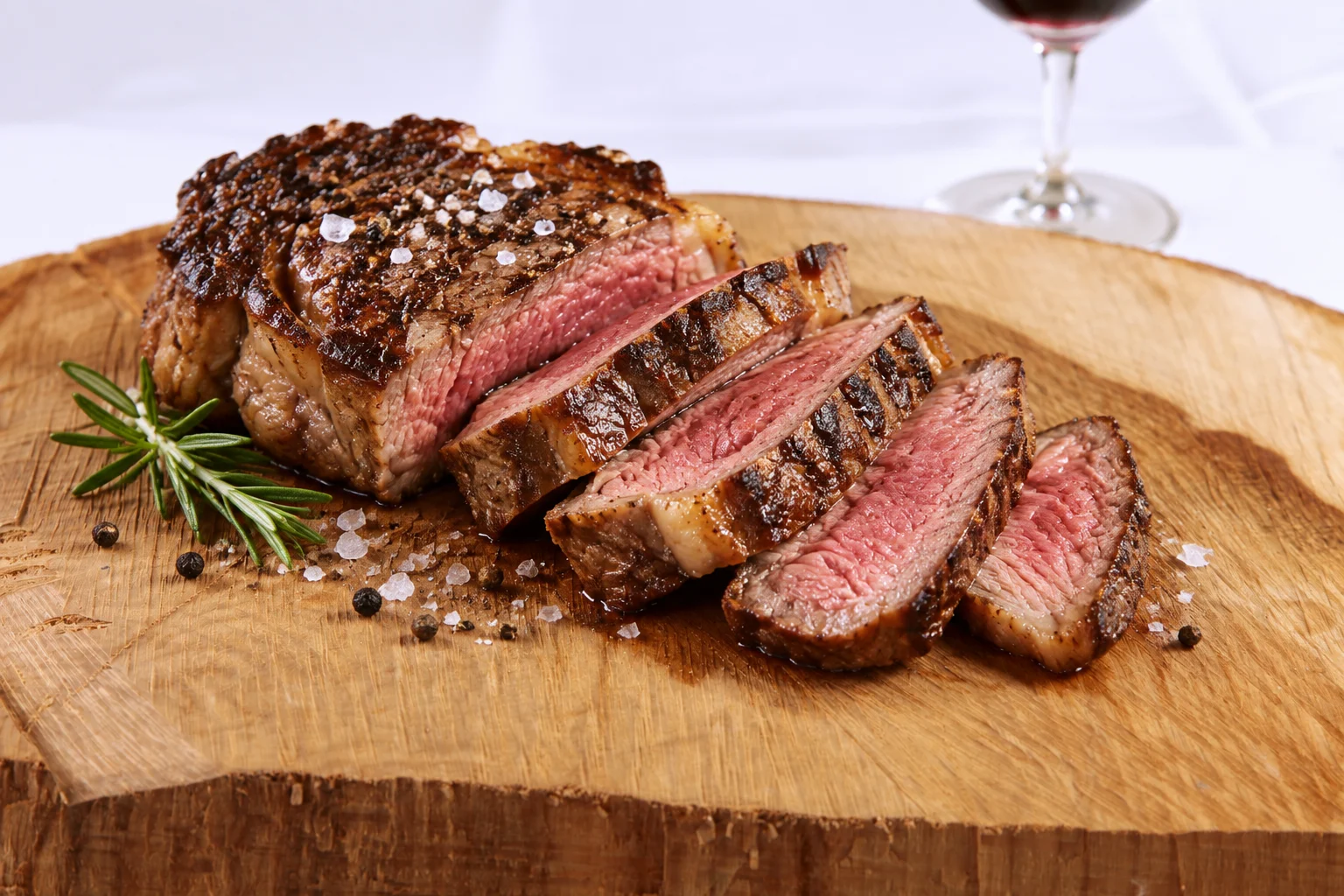
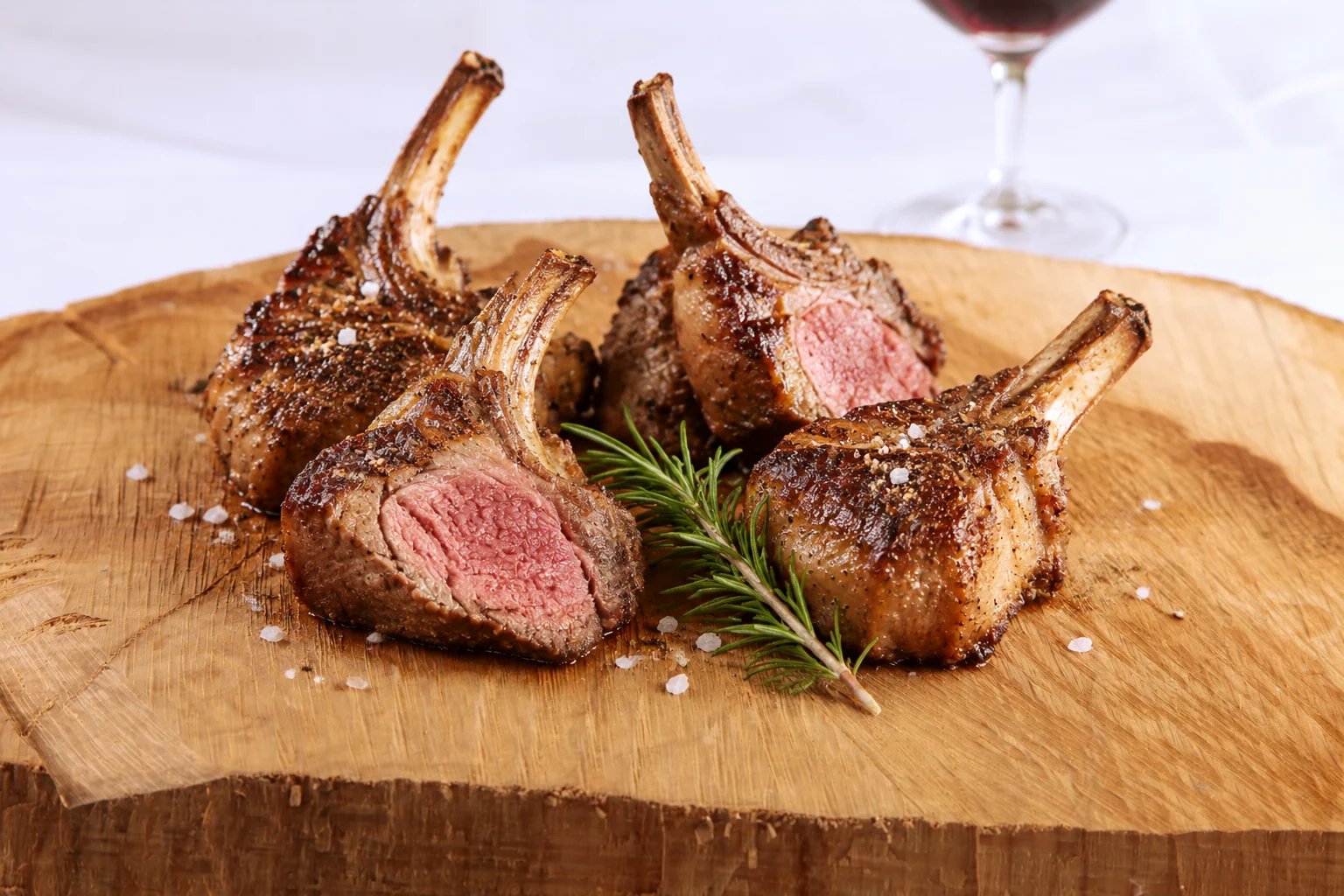
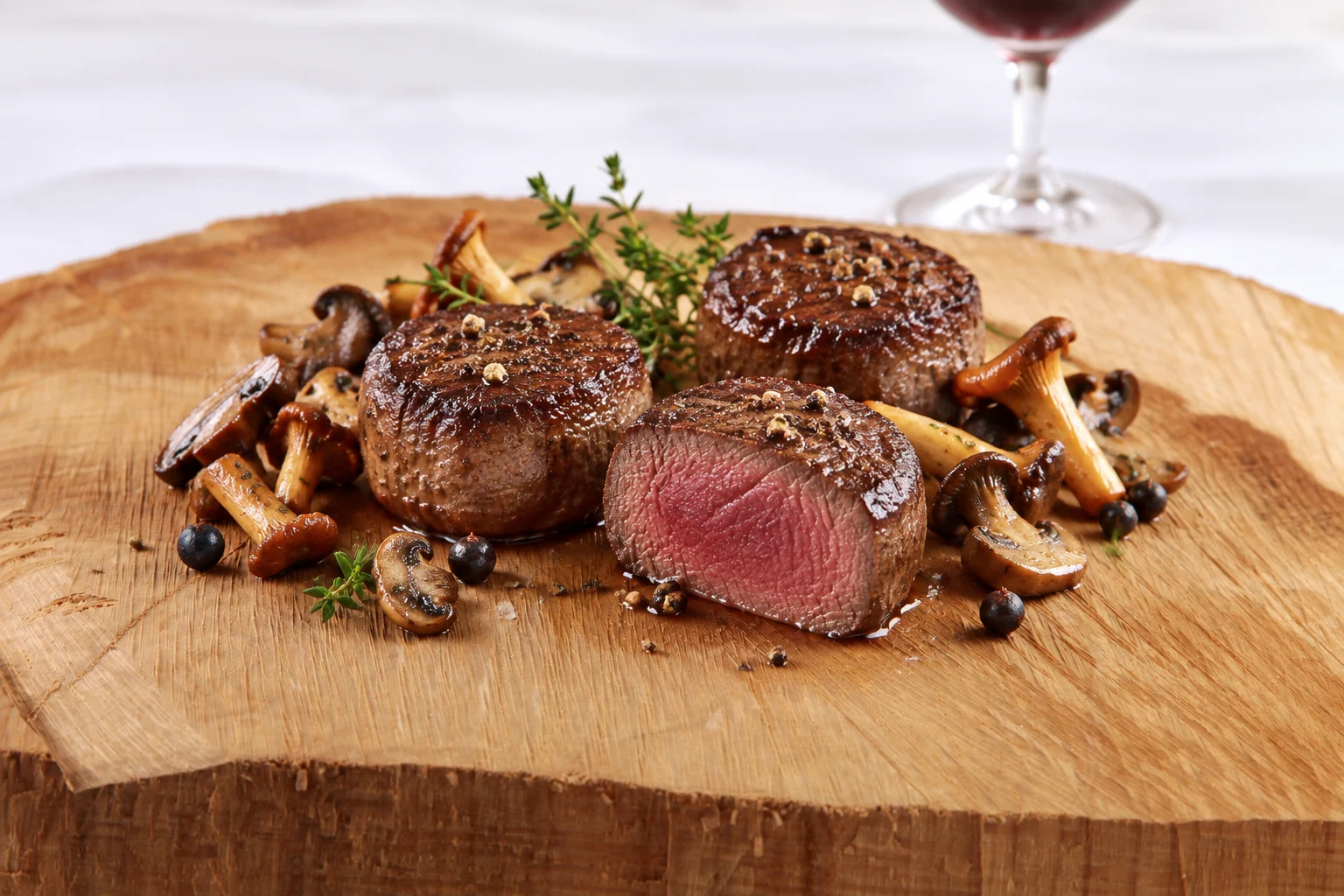
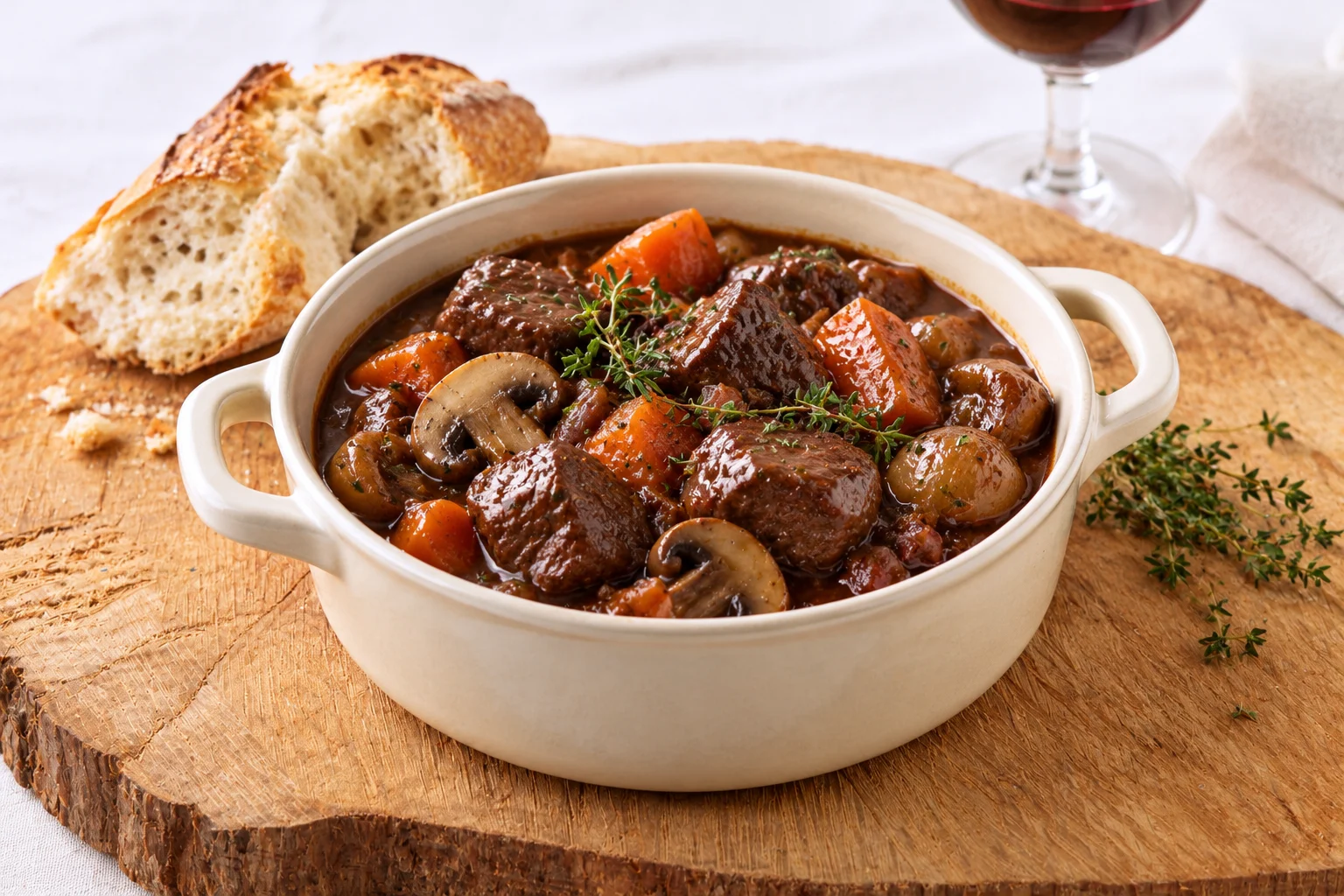
De 2016 Flor de Pingus toont een geconcentreerd smaakpalet van zwarte bessen, kersen en bosvruchten, omkaderd door viooltjes, subtiele kruidigheid, een rokerige toets en levendige, kalkachtige zuren met fluweelachtige maar duidelijke tannines. Door die combinatie van rijp fruit, frisse zuurstructuur en verfijnde tannines past hij uitstekend bij geroosterd of langzaam gegaard rood vlees en wild omdat de zuren en kruiden het vet doorsnijden en de tannines de vleesstructuur complementeren, en hij komt bijzonder goed tot zijn recht bij bereidingen als langzaam gegaarde sukadelappen of runderribben, rosé of kruidig geroosterd lamsvlees met rozemarijn, of gebraden fazant en paddenstoelenragout waarin de geconcentreerde sappen en jus de wijn extra laten openen.
Choose a category to discover dishes that pair well with this wine.
Do you already have a dish in mind?
Let Sommy find wines to pair with your meal.
Discover Wine Trivia
Sign in to unlock fascinating facts about this wine and expand your knowledge.
Sign In