

2010 Tenuta San Guido Bolgheri Sassicaia
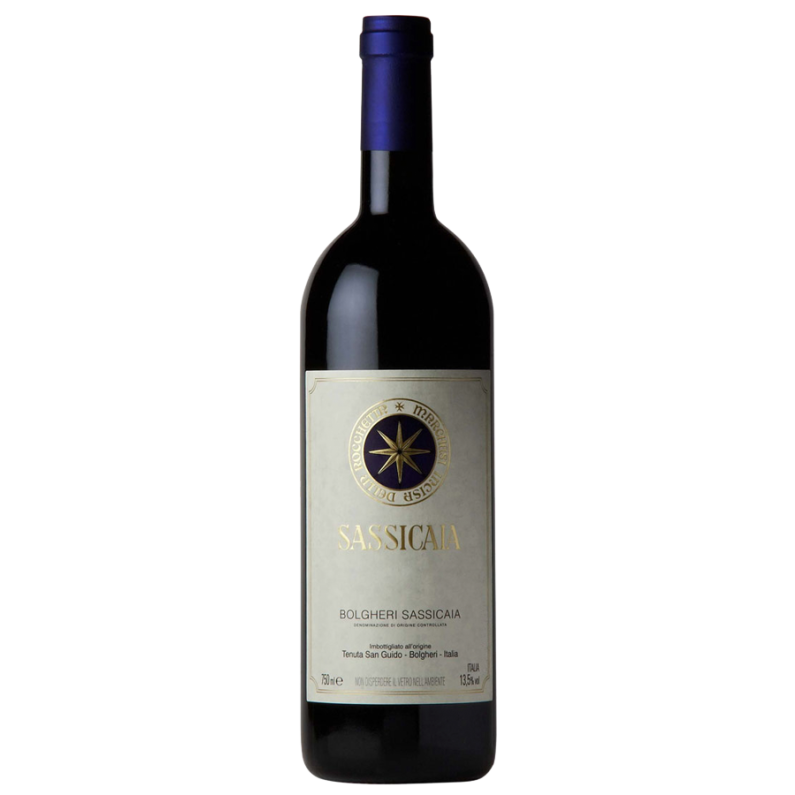
De specificaties zoals vermeld bij de wijn (o.a. wijnjaar) en in de titel zijn leidend en er kunnen geen rechten worden ontleend aan de afbeelding die wordt getoond. Lees meer in onze Frequenty asked questions
How does this wine taste?
How full and heavy the wine feels in your mouth, like the difference between skimmed milk and cream. More alcohol, sugar and oak ageing make a wine fuller.
The drying, grippy feel on your gums and tongue, as with strong tea. It comes from the skins and seeds of black grapes and from oak, and softens with age.
How much sugar you taste, from dry to sweet. Fruity is not the same as sweet: a dry wine can taste of ripe fruit.
How fresh and juicy the wine is: acidity makes your mouth water. High acidity tastes lively and refreshing, low acidity soft and round.
What we taste What you taste Click a taste for what it means
The bars follow how sommeliers taste (WSET): body, tannin, sweetness and acidity, each from low to high.
Body: full-bodied. Like most red wines from ; 14% alcohol.
Tannin: firm. Aged in oak.
Sweetness: dry. Red wine from is almost always dry.
Acidity: fairly high. The warm climate of .
Nothing noted for this wine yet. What do you smell, and how long does the taste linger?
Have you tasted this wine?
Save your rating and notes.
Save your rating and notes.
Have you tasted this wine?
Log in to save your tasting note.
Log in to save your tasting note.
Log inIn the 1920s, as a student in Pisa, Marquis Mario Incisa della Rocchetta already dreamed of creating a 'noble' wine. Like most Italian aristocrats of that time, he had a pronounced predilection for fine Bordeaux wines. After moving to their estate in Tenuta San Guido on the Mediterranean coast with his wife, Clarice, he experimented with different French grape varieties. His conclusion was unequivocal: 'the bouquet I was looking for', I found in the Cabernet. A wine with Cabernet Sauvignon as its main component meant a radical change from the traditional Tuscan and Piedmontese Sangiovese and Nebbiolo varieties. No one had ever considered making a wine on Italian soil according to the Bordeaux approach, and certainly not in an area that had (so far) no foothold in the wine universe.
Apart from the bouquet of the Cabernet Sauvignon, the decision to plant the vine at Tenuta San Guido was influenced by the strong similarities between the Tuscan village and the Graves region in Bordeaux. 'Graves' is the French word for 'gravel'. Sassicaia, which means 'stone-strewn ground' in the Tuscan dialect, thus owes its name to the soil conditions of Tenuta San Guido. A small number of cases were stored in the cellars of Castiglioncello each year. The Marquis discovered that as the years passed, the quality of the wine improved rapidly. As is often the case with wines of great provenance, what was initially considered a defect eventually turns out to be one of the great qualities with the passing of time. His friends and family soon urged him to persevere in his passion and to further perfect this revolutionary style of winemaking. In 1965 he planted two additional vineyards with Cabernet Sauvignon and Cabernet Franc.
Today, Sassicaia is known as one of the most prominent red wines of all of Italy. Together with Ornellaia from Tenuta dell'Ornellaia, it is the most sought-after wine of Tuscany! A striking detail is the fact that part of the vineyards of Tenuta dell'Ornellaia come from Tenuta San Guido. Tenuta dell'Ornellaia, once founded by Ludovico Antinori (the brother of Piero Antinori and both cousins of Mario Incisa della Rocchetta), bought its first vineyards from the Marquis (!) In the meantime, world famous, Tenuta San Guido is now part of the group 'Primum Familiae Vini', which stands for 'the best wine families'. Other members include Bodegas y Viñedos Vega-Sicilia, Antinori, Château Mouton-Rothschild and Perrin & Fils from Château de Beaucastel.
FACT: The wine is in our conditioned Wine Warehouse and if you come to pick up the wine you will often also receive a nice discount. You will see your discount immediately when you choose 'Pick up' on the checkout page. We are located in Dordrecht with plenty of parking. Click here for our address.
Character
The wine
Origin
Bottle
Wine features
James Suckling
Score
94
Avg Price (ex-tax)
$ 406
Tenuta San Guido Bogheri-Sassicaia Sassicaia 2010
Friday, Jun 07, 2013
Color
Country
Italy
Region
Tuscany
Vintage
2010
Download Shelftalker
The 2010 Sassicaia was just released and it's an outstanding bottle. I think that people are going to love this newest Sass. The red is very aromatic with currant, dried berry, cocoa bean, and hints of wood. It's full-bodied, with intense yet very polished tannins and a long finish. It's very refined and beautiful with a tangy finish. The Cabernet Franc comes through here at the finish. Lively. Hard not to drink now.
Lorem ipsum dolor sit amet, consectetur adipiscing elit. Sed do eiusmod tempor incididunt ut labore et dolore magna aliqua...
Vinous
96
Drinking Window
2020 - 2040
From: On the Tuscan Coast: New Releases (Oct 2015)
The 2010 Sassicaia is just beginning to show the first signs of aromatic development. Sweet tobacco, mint, pine, dried cherries and licorice open up in the glass, but only with great reluctance. The 2010 remains a wine of striking precision and nuance, but it also has an element of classical austerity that is especially apparent today. Readers should be in no rush to drink the 2010.
- By Antonio Galloni, July 2015
Tenuta San Guido fans will find much to admire in these new releases. The entry-level Le Difese and mid-tier Guidalberto are both strong (something that is not always the case), while the 2012 Sassicaia looks like it will drink well early relative to its historical track record. Sassicaia remains the most classic of the big Tuscan wines, with an emphasis on aromatic freshness and acidity that is the result of picking earlier than is common in most neighboring properties. I was quite impressed with the wines I tasted on my most recent visit a few months ago.
Lorem ipsum dolor sit amet, consectetur adipiscing elit. Sed do eiusmod tempor incididunt ut labore et dolore magna aliqua...
Exclusive Content
Sign in to unlock professional wine reviews from world-renowned critics
Tenuta San Guido was founded in the 1940s by Marchese Mario Incisa della Rocchetta. The marchese was inspired by the wines of Bordeaux, especially those made from Cabernet Sauvignon and Cabernet Franc. In 1944 he planted these varieties in the Bolgheri, an area not traditionally associated with wine production at the time.
Terroir of Tenuta San Guido
The estate is located in Maremma on the Tuscan coast. The Tyrrhenian Sea provides a unique microclimate that is favorable for grape growing. Tenuta San Guido covers over 2,500 hectares, of which approximately 90 hectares (approximately 222 hectares) are devoted to vineyards. The vineyards are planted with Cabernet Sauvignon, Cabernet Franc, Merlot and other varieties. The soil of Tenuta San Guido, located between 60 and 400 meters above sea level, is partly clayey with diverse morphological characteristics, including limestone-rich areas with Alberese, Gabbro and stone. The climate is unique, with hills from Bibbona to Castagneto offering protection from northeasterly winds. In summer the sea cools the vineyards, creating a microclimate that is characteristic of Tenuta San Guido.
Sassicaia
Sassicaia is the "flagship" of Tenuta San Guido and is considered the first Super Tuscan. It gained international fame and played a crucial role in defining Italian wines. The first vintage Sassicaia was produced in 1968, but was initially intended for private consumption. It wasn't until 1978 that Sassicaia was released commercially. Sassicaia is made primarily from Cabernet Sauvignon, with a small percentage of Cabernet Franc. The name "Sassicaia" comes from the Italian word "sassi", which means stones, as the vineyards are characterized by stony soils. The wine is known for its elegance, complexity and storage potential. It often receives high scores from critics and is highly sought after by collectors. Sassicaia played a crucial role in the recognition and elevation of Italian wines.
Production of Tenuta San Guido
In winemaking at Tenuta San Guido, the emphasis is on quality and traditional techniques. The estate strives to express the unique terroir of the Bolgheri region in its wines. Sassicaia is largely Cabernet Sauvignon with a smaller percentage of Cabernet Franc. Sassicaia is known for its elegance, complexity and potential. Sassicaia production varies from harvest year to harvest year, depending on factors such as weather conditions and quality. The exact number of bottles produced annually may fluctuate and specific production figures may not be readily available. Tenuta San Guido also produces other wines such as the Guidalberto, which is a blend of Cabernet Sauvignon and Merlot. Guidalberto is the estate's second wine and offers a more accessible and earlier drinking style than the Sassicaia. Finally, we have the Le Difese, a blend of Cabernet Sauvignon and Sangiovese. Le Difese is a more accessible and fruity wine, designed for earlier consumption.
Tenuta San Guido's olive oil?
In addition to its wines, Tenuta San Guido is known for the production of high-quality olive oil. The estate is located in Maremma (Tuscany) and many wineries in the region often have olive groves next to vineyards. They probably grow traditional Tuscan olive varieties such as Frantoio, Leccino and Moraiolo. The characteristics of the region's soil and climate, which contribute to the unique terroir of their wines, can also influence the flavor profile of their olive oil. The estate probably uses traditional and careful methods in the cultivation and harvesting of olives. The extraction process, usually carried out by cold pressing, is designed to preserve the quality and flavor of the olives. Like their approach to wine production, olive oil production can be limited, with an emphasis on quality over quantity.
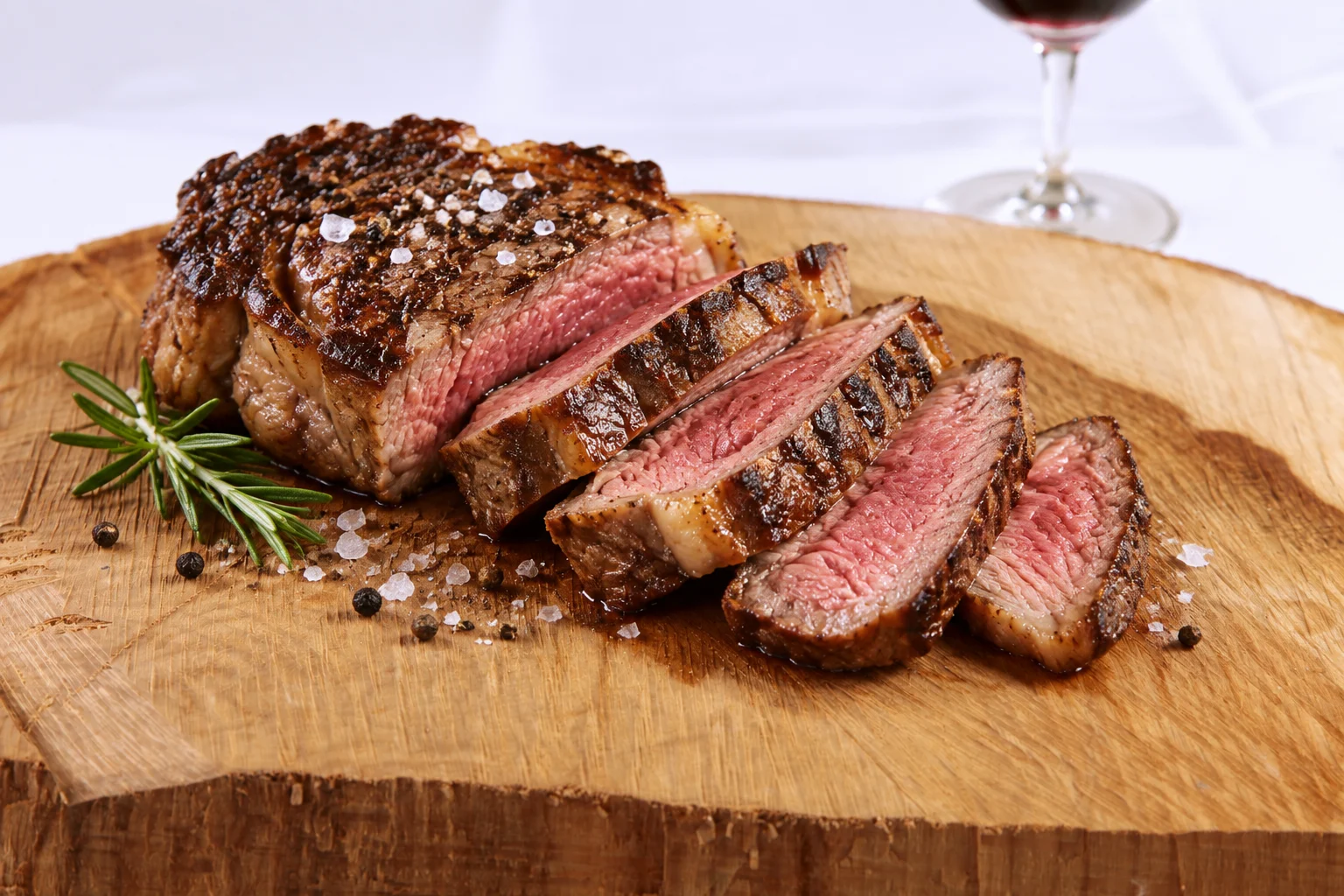
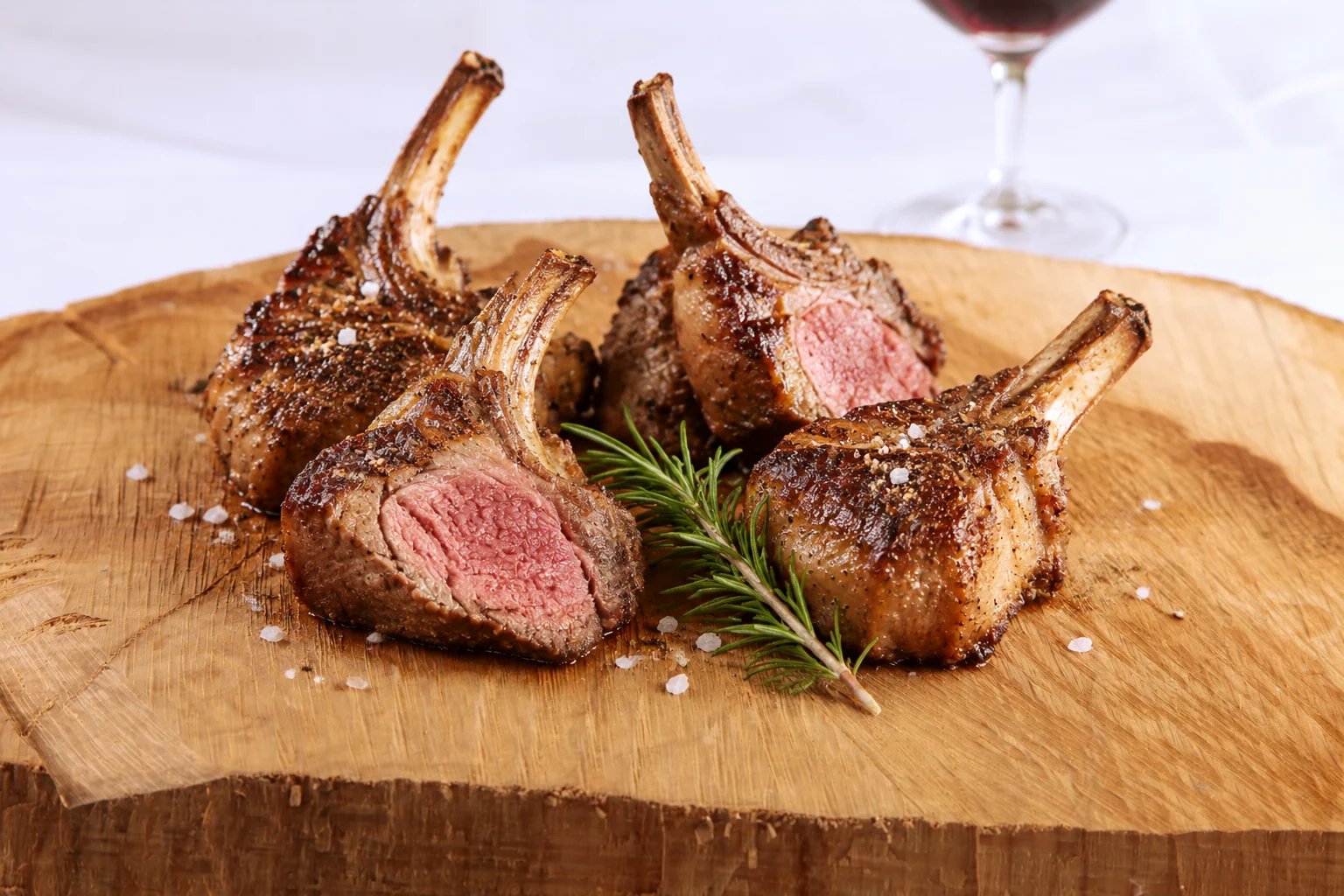
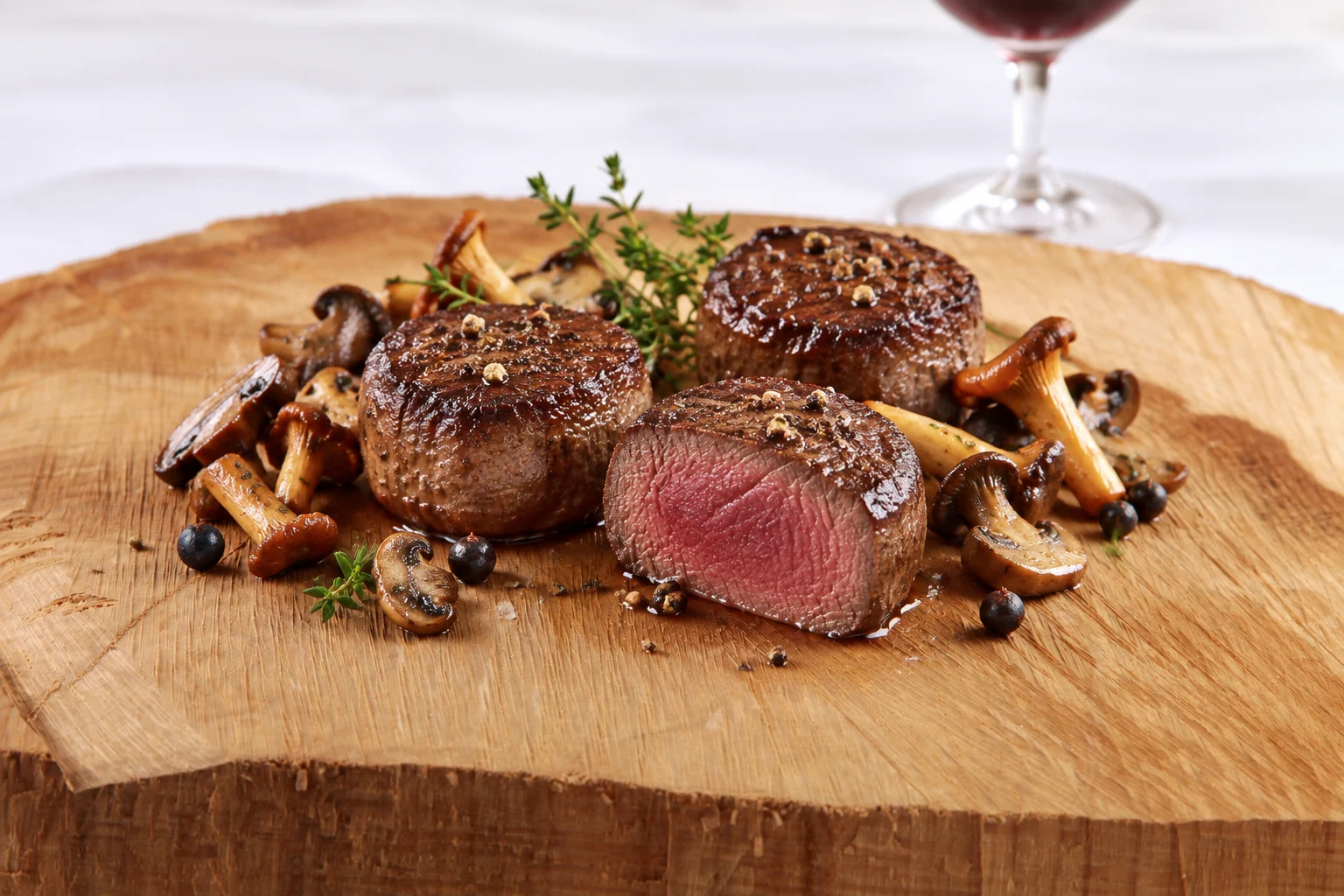
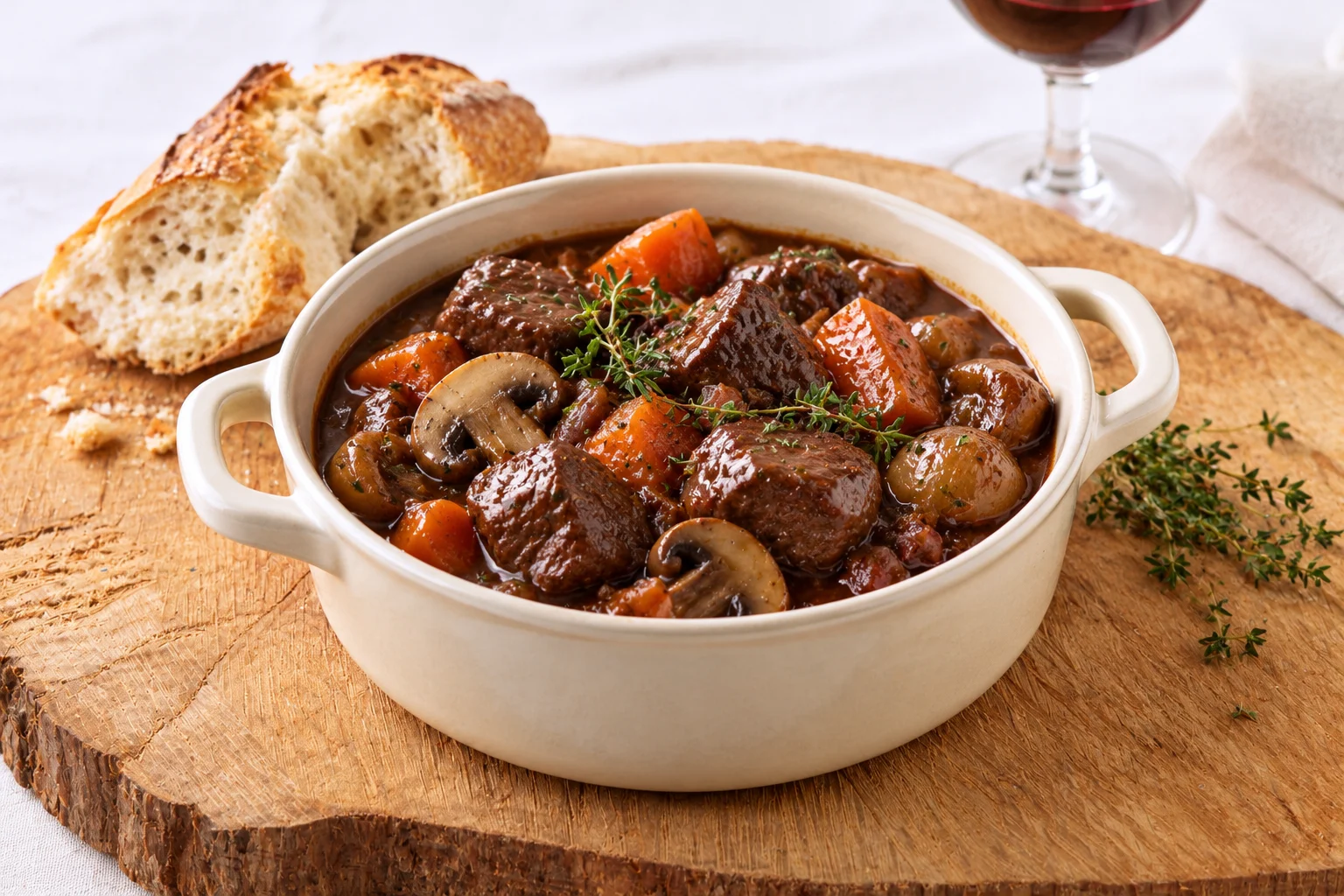
De 2010 Sassicaia toont geconcentreerd zwart en rood besfruit met gedroogde kers, ceder, cacao en zoete tabak, aangevuld door frisse munt- en dennenachtige accenten, gepolijste tannines en een lange, precieze afdronk. Door die stevige structuur en verfrissende zuurgraad snijdt de wijn mooi door het vet van lamsrack, rundvlees en rijke stoofschotels, terwijl de aardse en kruidige tonen een natuurlijke aansluiting vinden bij wild, paddenstoelen en truffel. Bereidingen die extra goed werken zijn medium-rare gegrild of geroosterd vlees met rozemarijn en knoflook en langzaam gegaarde stoofvleesgerechten of wildragouts waarin de saus geconcentreerd is, zodat de wijn zowel met het vlees als met de jus kan samensmelten.
Choose a category to discover dishes that pair well with this wine.
Do you already have a dish in mind?
Let Sommy find wines to pair with your meal.
Discover Wine Trivia
Sign in to unlock fascinating facts about this wine and expand your knowledge.
Sign In