

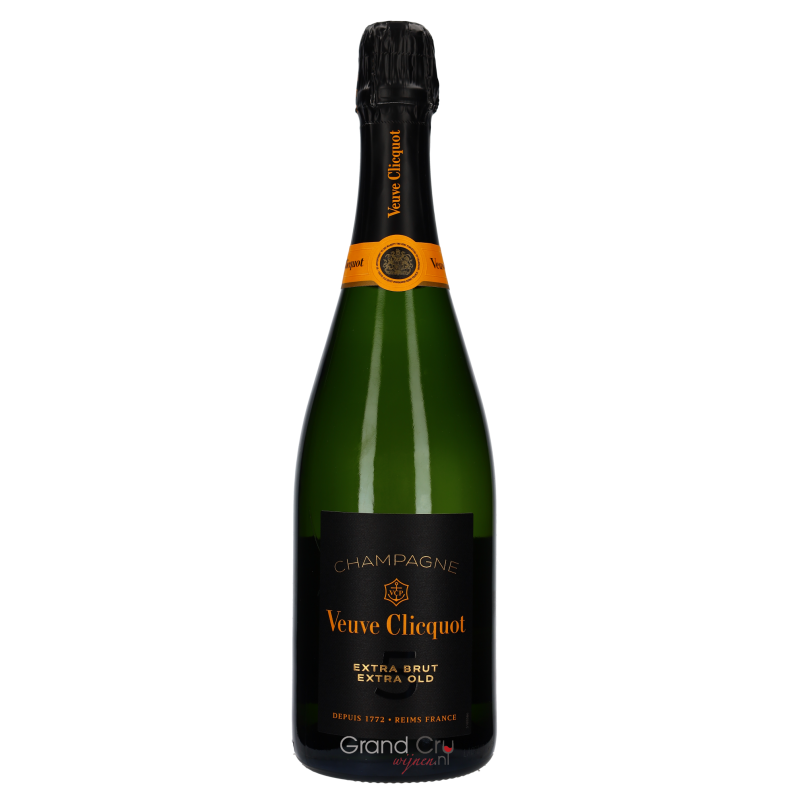
Champagne Veuve Clicquot Extra Brut Extra Old 5ème Cuvée
| Type of Wine | White |
|---|---|
| Country | France |
| Region | |
| Winery | |
| Grape | , Pinot Meunier, |
| Content (Alc) | Standard (0.75 ltr) (12%) |
Notities
Foto
Proefnotities
Heb je deze wijn geproefd?
Bewaar je beoordeling en aantekeningen.
Bewaar je beoordeling en aantekeningen.
Heb je deze wijn geproefd?
Log in om je proefnotitie op te slaan.
Log in om je proefnotitie op te slaan.
Log inHoe wil je je wijn beoordelen?
Max 5 MB. JPG, PNG, WebP.
Hoe smaakt het?
Klik op wat het beste past. Alles is optioneel.
Welke geuren en smaken herken je?
Klik op alles wat je herkent. Dit is optioneel.
Uiterlijk
Neus
Aroma's (neus)
Smaak
Smaken (mond)
Afdronk
Wijngegevens
Automatisch ingevuld vanuit productgegevens.
Persoonlijke gegevens
Complex Champagne based on old reserve wines with tension, depth, and a strikingly dry style.
About Veuve Clicquot
Veuve Clicquot is one of the historic houses from Reims, known for its consistent style and strong focus on structure and Pinot Noir. The reserve wines play an important role within the house and form the basis for this special cuvée.
Extra Brut Extra Old No. 5
The Extra Brut Extra Old Nº5 is composed of seven carefully selected reserve wines from the years 1996, 2008, 2010, 2012, 2013, 2014, and 2015. In doing so, this cuvée consciously deviates from the classic non-vintage concept. Instead of young base wines, the emphasis lies entirely on aging and development.
The blend consists of 50% Pinot Noir, 30% Chardonnay, and 20% Meunier. Pinot Noir provides structure and length, while Chardonnay brings tension and freshness. Meunier adds roundness and accessibility without sacrificing precision.
Vinification of the Veuve Clicquot Extra Brut Extra Old Nº5
This cuvée is characterized by double aging. First, the individual reserve wines age in tanks on their fine lees. This imparts extra texture and aromatic depth. This is followed by a second aging in the bottle, during which the wine undergoes a minimum of three years of sur lie aging until disgorgement.
This approach ensures a clear combination of freshness and development. The low dosage of approximately 3 grams per liter underscores this character and allows the structure to speak for itself.
Tasting Notes Extra Brut Extra Old No. 5
In the glass, light golden yellow with a fine, persistent mousse. The nose opens with fresh citrus such as grapefruit and lemon, followed by dried fruits such as almond and hazelnut. Subsequently, distinct ripening notes emerge: brioche, lightly toasted bread, and a subtle floral touch of linden blossom and lemon verbena.
On the palate, tight and lively, with a distinct salinity and fresh acidity. Citrus once again plays a leading role, with notes of lime, yuzu, and grapefruit zest. This is complemented by lightly roasted nuts, white pepper, and a hint of ginger. The texture is precise and slightly creamy, with a long, dry, and clean finish.
Structure and storage potential
The combination of old reserve wines, low dosage, and long aging gives this Champagne a distinct structure and balance. The wine is already very drinkable but has sufficient concentration and freshness to develop further. A storage potential of more than 15 years is realistic.
Food and wine pairings
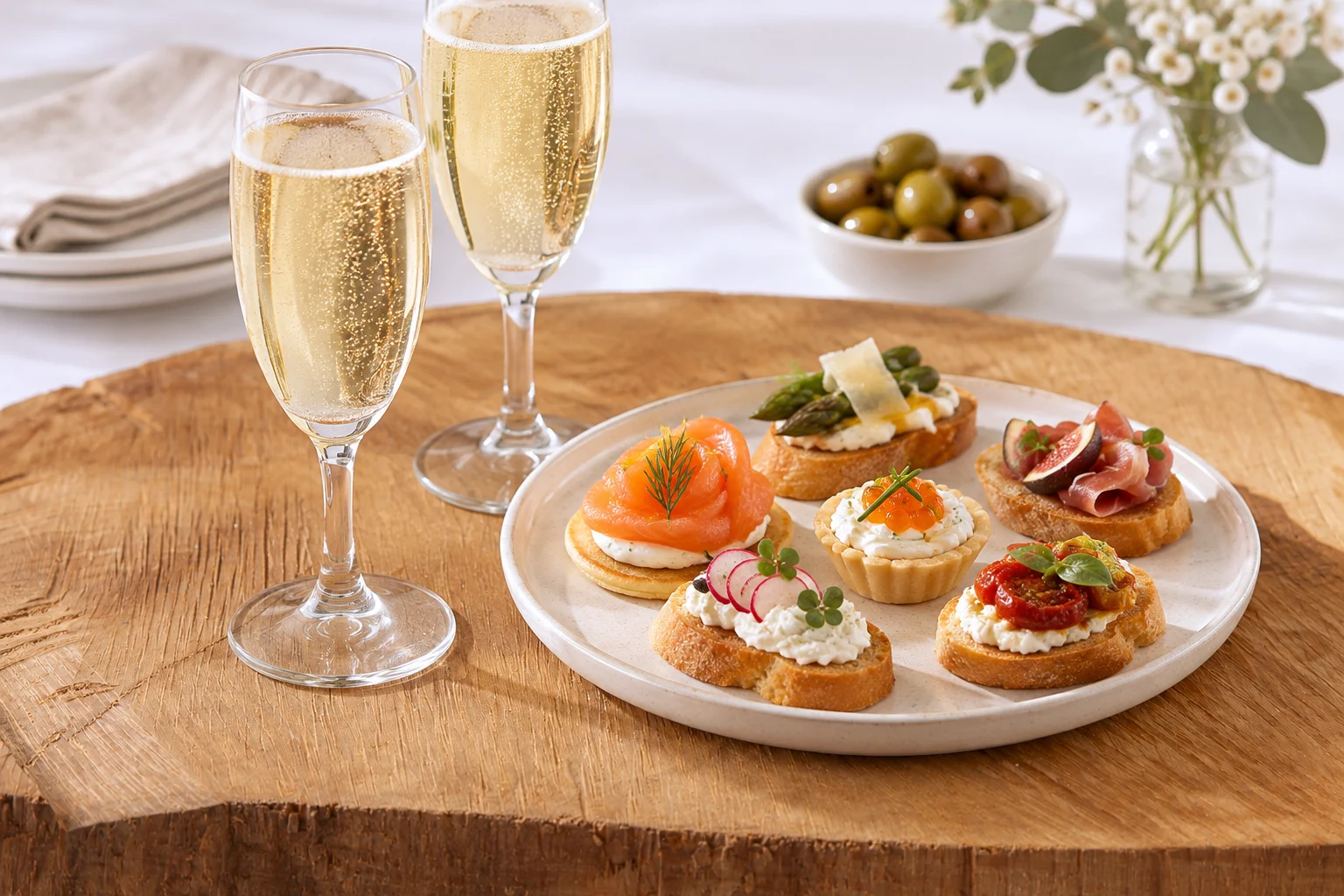
Thanks to its dry and gastronomic style, this is a Champagne that is excellent for pairing with food. Think of oysters, shellfish, and raw fish, but also dishes with umami such as tartare or light Asian preparations.
This wine also comes into its own with refined, creamy dishes, such as risotto or poultry with a subtle sauce. The fresh acidity and salinity provide balance, while the aging offers sufficient depth.
| Type of Wine | White |
|---|---|
| Country | France |
| Region | Champagne |
| Winery | Veuve Clicquot Ponsardin |
| Grape | Chardonnay, Pinot Meunier, Pinot Noir |
| Biological certified | No |
| Natural wine | No |
| Vegan | No |
| Alcohol % | 12 |
| Alcohol free/low | No |
| Content | Standard (0.75 ltr) |
| Oak aging | Yes |
| Sparkling | Yes |
| Dessert wine | No |
| Closure | Cork |
| Tasting Profiles | Complex, Droog, Fris, Krachtig, Mineraal, Rijk, Strak, Wit fruit |
| Drink moments | Barbecue, Borrelen, Cadeau!, Iets te vieren, Indruk maken, Lekker luxe, Met vrienden, Open haard, Romantisch, Summer party, Terras, Voor alledag |
| Sommy Pairing Beschrijving | Deze Champagne toont een strak, complex smaakbeeld van grapefruit, limoen en yuzu met gedroogde vruchten en noten van amandel en hazelnoot, ondersteund door brioche en geroosterde tonen, een fijne ziltigheid, witte peper en een precieze, licht romige textuur met een lange droge afdronk. Door de frisse zuren en ziltige mineraliteit snijdt hij uitstekend door vet en romigheid, waardoor hij de hartige tonen van charcuterie en rijpere kazen accentueert en tegelijk de delicate frisheid biedt die feestelijke en terrasgerechten zoals oesters, ceviche of lichte Aziatische bereidingen nodig hebben. Kies voor oesters naturel of ceviche met limoen, tartaar of tuna tataki licht gegrild, een romige citroenrisotto of gevogelte met een subtiele jus om de combinatie met deze Extra Brut Extra Old Nº5 echt te laten schitteren. |
Champagne with a story that never gets old. Veuve Clicquot is so much more than a yellow label.
History of Veuve Clicquot
The story starts in 1772, when Philippe Clicquot founded his champagne house in Reims. But true fame came later, thanks to Barbe-Nicole Ponsardin. She married François Clicquot, who sadly passed away at a young age. At just 27 years old, she took control of the house. In an era where women rarely ran businesses, she made her mark. She became known as “La Veuve Clicquot” – the Widow Clicquot – and grew into an icon of the champagne world.
Under her leadership, the modern method of making champagne bright and sparkling was refined. She introduced the technique of remuage, where bottles are slowly turned so that the sediment collects in the neck. A simple yet brilliant idea that made champagne famous around the world.
Vineyards and location
Veuve Clicquot owns more than 390 hectares of vineyards in Champagne. That’s special, as many houses buy most of their grapes. The vineyards are spread across the best cru villages, including Bouzy, Verzenay and Le Mesnil-sur-Oger. Pinot Noir, Chardonnay and Meunier are the main grapes here. Together they shape the house style: powerful, fresh and structured.
Most of the vineyards are planted with Pinot Noir. It gives the wines their recognizable depth and character. Chardonnay adds freshness and finesse, while Meunier brings a touch of fruitiness.
Climate and terroir
Champagne sits in the north of France. Summers are cool, winters are mild, and the climate can be unpredictable. Perfect for grapes that shouldn’t get too ripe. The soil is mainly chalk and limestone, which offers great drainage and a mineral edge in the wines. Combined with the changing seasons, this results in grapes with tension and freshness – exactly what champagne needs.
Fun facts about Veuve Clicquot
- The famous “Yellow Label” was introduced in 1877 and became the instant signature of the house.
- Veuve Clicquot was the first champagne exported worldwide, from Russia to the United States.
- In 2010, 168 bottles of 19th century Veuve Clicquot were found in the Baltic Sea – still drinkable and remarkably fresh.
- The house owns one of the largest chalk cellars in Reims, endless tunnels where millions of bottles quietly age.
Order Veuve Clicquot champagne online?
At Grandcruwijnen you’ll find a wide range of Veuve Clicquot. All bottles are stored safely in our conditioned Wine Warehouse. When you order online, your champagne is shipped straight from these perfect conditions. Prefer to pick up in Dordrecht? You’ll immediately see a discount when choosing ‘Afhalen’ at checkout.
Deze Champagne toont een strak, complex smaakbeeld van grapefruit, limoen en yuzu met gedroogde vruchten en noten van amandel en hazelnoot, ondersteund door brioche en geroosterde tonen, een fijne ziltigheid, witte peper en een precieze, licht romige textuur met een lange droge afdronk. Door de frisse zuren en ziltige mineraliteit snijdt hij uitstekend door vet en romigheid, waardoor hij de hartige tonen van charcuterie en rijpere kazen accentueert en tegelijk de delicate frisheid biedt die feestelijke en terrasgerechten zoals oesters, ceviche of lichte Aziatische bereidingen nodig hebben. Kies voor oesters naturel of ceviche met limoen, tartaar of tuna tataki licht gegrild, een romige citroenrisotto of gevogelte met een subtiele jus om de combinatie met deze Extra Brut Extra Old Nº5 echt te laten schitteren.
Choose a category to discover dishes that pair well with this wine.
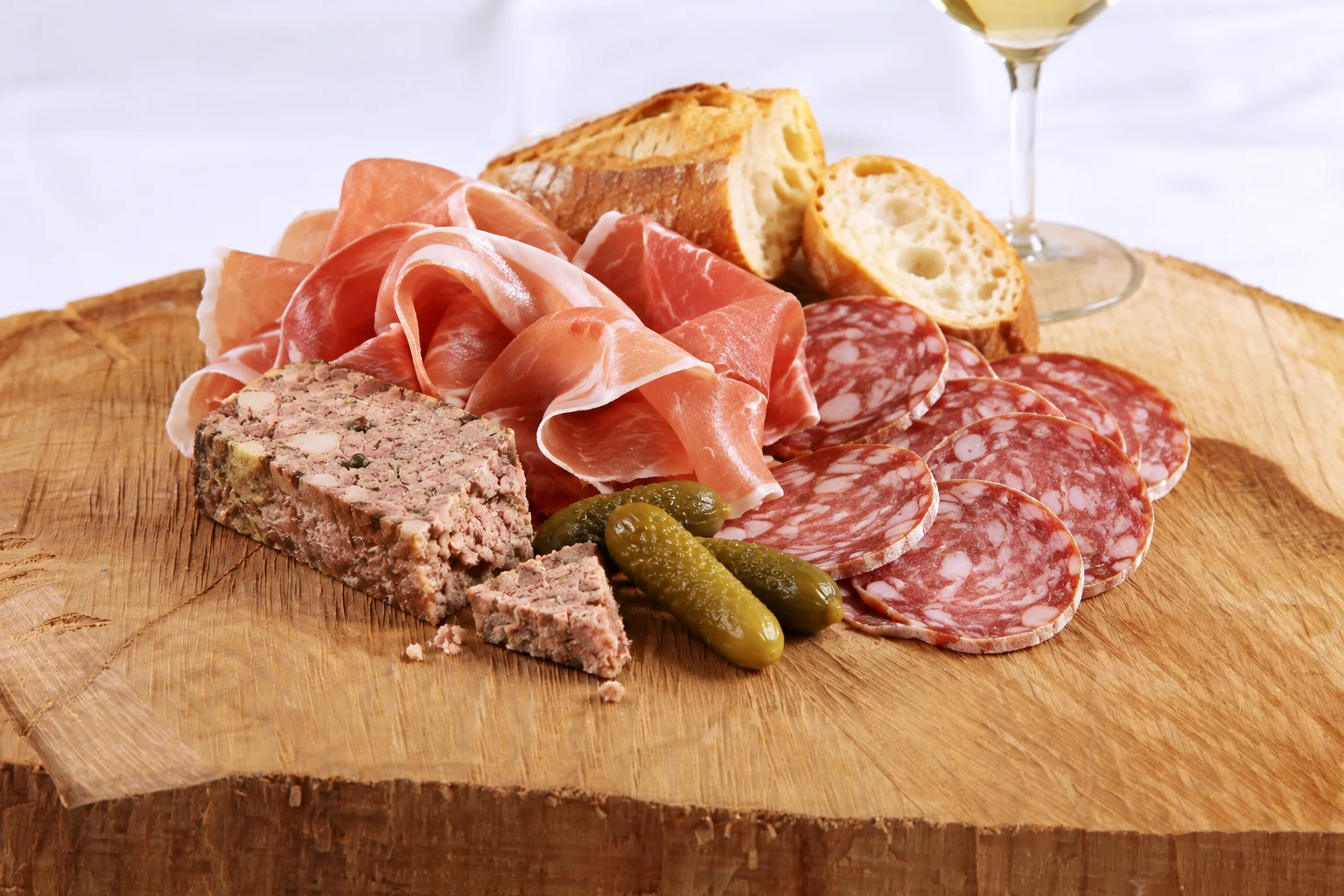
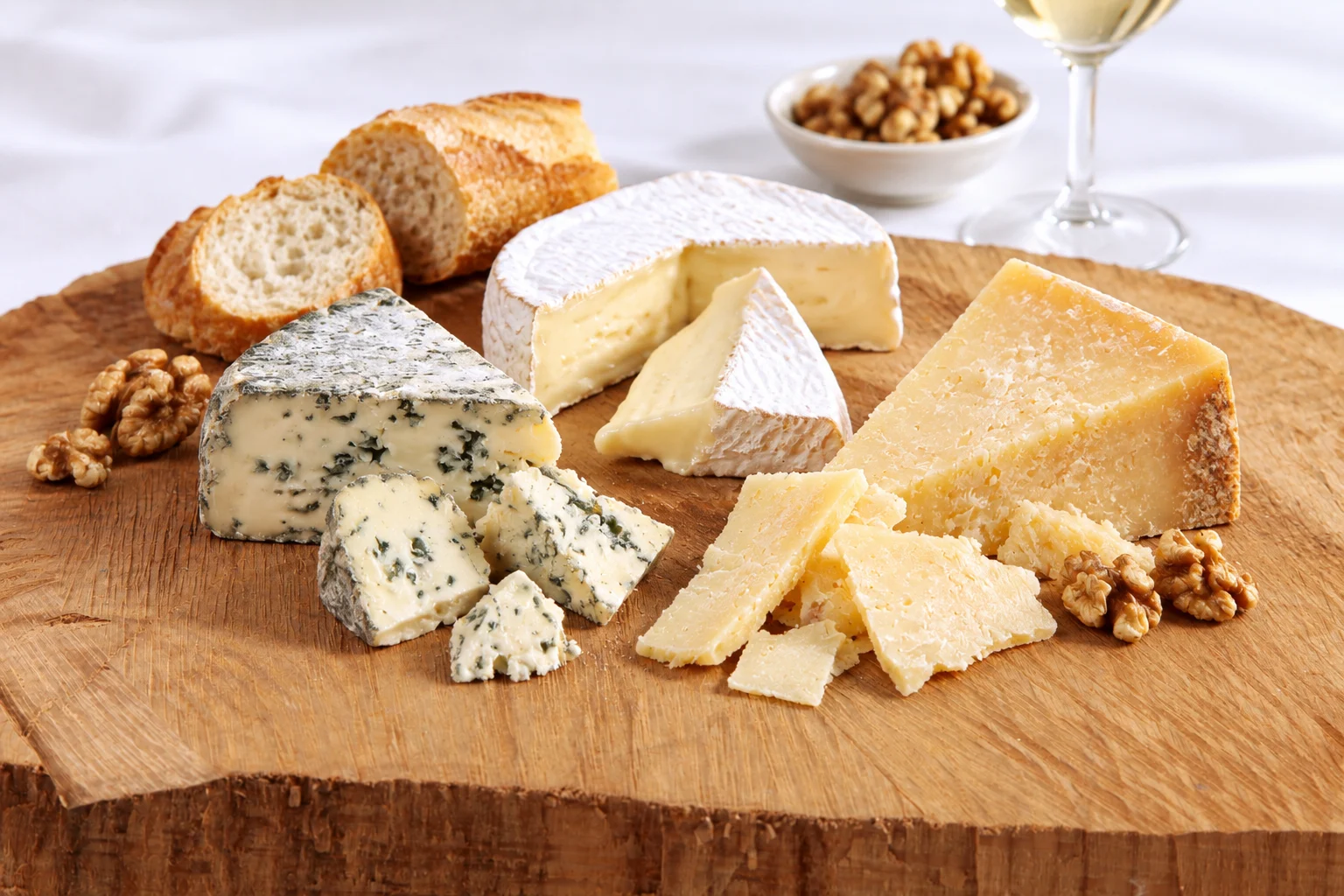
Do you already have a dish in mind?
Let Sommy find wines to pair with your meal.
Discover Wine Trivia
Sign in to unlock fascinating facts about this wine and expand your knowledge.
Sign In