

2025 Cos d'Estournel Pagodes de Cos

De specificaties zoals vermeld bij de wijn (o.a. wijnjaar) en in de titel zijn leidend en er kunnen geen rechten worden ontleend aan de afbeelding die wordt getoond. Lees meer in onze Frequenty asked questions
| Type of Wine | |
|---|---|
| Country | France |
| Region | |
| Appellation | Saint-Estèphe |
| Winery | |
| Vintage | 2025 |
| Grape | , , , |
| Content (Alc) | Standard (0.75 ltr) (13%) |
| Drink window | 2029 - 2045 |
| Available as of | Mar 31, 2028 |
Ordering in bulk? Log in to request a quote
Notities
Foto
Proefnotities
Heb je deze wijn geproefd?
Bewaar je beoordeling en aantekeningen.
Bewaar je beoordeling en aantekeningen.
Heb je deze wijn geproefd?
Log in om je proefnotitie op te slaan.
Log in om je proefnotitie op te slaan.
Log inHoe wil je je wijn beoordelen?
Max 5 MB. JPG, PNG, WebP.
Hoe smaakt het?
Klik op wat het beste past. Alles is optioneel.
Welke geuren en smaken herken je?
Klik op alles wat je herkent. Dit is optioneel.
Uiterlijk
Neus
Aroma's (neus)
Smaak
Smaken (mond)
Afdronk
Wijngegevens
Automatisch ingevuld vanuit productgegevens.
Persoonlijke gegevens
EXCLUSIVE - EXPECTED END OF 2027
Winery Château Cos d'Estournel
Château Cos d'Estournel is one of the great names of Saint-Estèphe and was classified as a Deuxième Grand Cru Classé in 1855. The estate is situated on the famous hill of Cos, near the Gironde, and is recognizable by its striking pagodas. These refer to Louis-Gaspard d'Estournel, who traded his wines outside France early on and gave the château a distinct identity. Since 2000, the estate has been owned by Michel Reybier. Pagodes de Cos is considered the second wine, but is emphatically regarded by the château as a distinct wine with its own terroir. More information about this winery can be found under the Winery tab.
Region, climate and location
Pagodes de Cos comes from Saint-Estèphe, in the north of the Médoc. The vineyards are situated on deep gravel soils with clay influences, close to the Gironde. This location ensures natural ventilation and protection against extreme weather conditions. The combination of gravel and clay provides structure, ripeness, and freshness, with Merlot playing a notably important role in this wine. The 2025 vintage was characterized by early vine development. After a relatively dry winter, rain around Easter provided a significant replenishment of water reserves. This was followed by a warm, dry summer, with periods of rain in July and late August that came at exactly the right time. The harvest began early and proceeded under good conditions. For Pagodes de Cos, the slightly later-ripening soils were particularly important, as they were able to quietly reach full ripeness in this early year.
Vineyards and grape varieties
The blend of Pagodes de Cos 2025 consists of 62% Merlot, 35% Cabernet Sauvignon, 2% Cabernet Franc, and 1% Petit Verdot. Merlot thus clearly forms the core of this vintage, giving the wine its round texture, juicy fruit, and tension. Cabernet Sauvignon provides structure, length, and classic Médoc precision, while Cabernet Franc and Petit Verdot add subtle but significant accents in aromatics, color, and spiciness.
Pagodes de Cos comes from an in-house selection within the estate, with vines averaging about forty years old. The château calls Pagodes de Cos its “other Grand Vin,” because the wine is not simply approached as a residual selection, but as its own expression of the terroir. The 2025 analysis shows 13.61% alcohol, a pH of 3.62, and 20% new oak. This indicates ripeness, but also balance and freshness.
Harvest, vinification and aging
The harvest of Cos d'Estournel began historically early in 2025. For the estate's various red wines, picking ran from early to mid-September, depending on the grape variety and plot. The early ripening made it possible to harvest grapes at full phenolic ripeness without overripeness. Vinification at Cos d'Estournel is carried out with extreme precision per plot, allowing each batch to be assessed individually. For Pagodes de Cos, the emphasis in 2025 is on fruit purity, gentle extraction, and the preservation of tension. Aging with 20% new wood provides structure and refinement without dominating the fruit. As a result, the wine remains open, juicy, and recognizably Saint-Estèphe.
Color, smell and taste
Pagodes de Cos 2025 opens with a deep, dark fruit expression. On the nose, blackberries, cassis, black cherries, and plums come to the fore, complemented by violets, iris, liquorice, and a light touch of toasted wood. The Merlot gives a generous, ripe impression, while Cabernet Sauvignon tightly defines the wine. On the palate, the wine is juicy, concentrated, and velvety in texture. The fruit is dark and ripe but remains lively due to a distinct fresh core. The tannins are present but polished and well-integrated. Alongside the black fruit, notes of spices, hazelnut, graphite, and a subtle earthy nuance emerge. What stands out most is the combination of intensity and drinkability. The wine has the depth and seriousness of Saint-Estèphe but feels more accessible than the Grand Vin. The finish is long, slightly brackish, and mouth-watering, carried by the tension and precision of the Merlot in this vintage.
Summary of professional reviews
94-95 points – James Suckling: praises the juicy, velvety style, with dark fruit, spices, hazelnut, and polished tannins. 92-94 points – Antonio Galloni, Vinous: emphasizes the power, density, and concentration of this vintage. 92-94 points – Neal Martin, Vinous: describes the wine as floral and fragrant, with violets, iris, and black fruit. 91-93 points – William Kelley, Wine Advocate: sees a fine development with blackberries, cassis, licorice, and subtle wood. The full review texts can be found in the tab: Professional reviews.
Wine & Food and Discount
If available, you will find the official factsheet and additional information about this fine wine in the 'Attachments' tab. We will automatically send these to you upon ordering this wine. The wine is stored in our climate-controlled Wine Warehouse, and if you come to collect the wine, you will often receive a nice discount. You will see your discount immediately when you select 'Pick up' on the checkout page. We are located in Dordrecht, situated almost next to the A16 with ample parking. Click here for our address.
You can read full wine reviews from Parker, Suckling, Vinous, and Wine Spectator, among others. Need advice on finding the ideal wine for your dish? Click here for our exclusive Sommelier. Free for Grandcruwijnen customers. In the Food tab, you will find advice on what to look for for the right food and wine pairing, and a number of dish suggestions from our Sommelier.
| Available as of | Mar 31, 2028 |
|---|---|
| Type of Wine | Red |
| Country | France |
| Region | Bordeaux |
| Appellation | Saint-Estèphe |
| Winery | Chateau Cos d'Estournel |
| Grape | Cabernet Franc, Cabernet Sauvignon, Merlot, Petit Verdot |
| Biological certified | No |
| Natural wine | No |
| Vegan | No |
| Vintage | 2025 |
| Drinking as of | 2029 |
| Drinking till | 2045 |
| Alcohol % | 13 |
| Alcohol free/low | No |
| Content | Standard (0.75 ltr) |
| Oak aging | Yes |
| Sparkling | No |
| Dessert wine | No |
| Closure | Cork |
| Promotion | On Sale |
| Parker rating | 92 |
| James Suckling rating | 95 |
| Vinous rating | 94 |
| Tasting Profiles | Complex, Donker fruit, Droog, Fruitig, Houtgerijpt, Krachtig, Rijk, Rond, Rood fruit, Tannines, Vol |
| Drink moments | Barbecue, Iets te vieren, Indruk maken, Lekker luxe, Met vrienden, Open haard, Romantisch, Summer party, Terras |
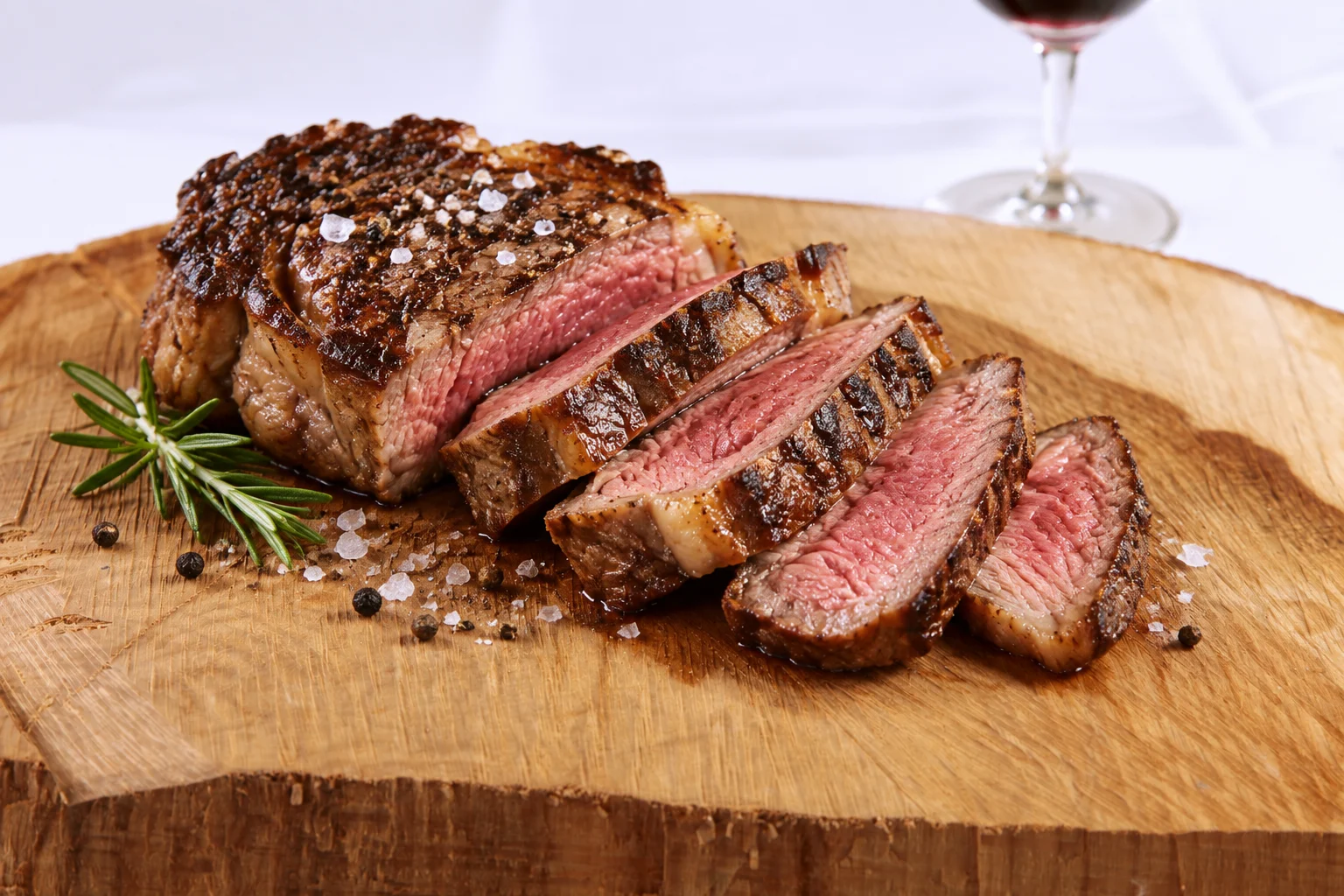
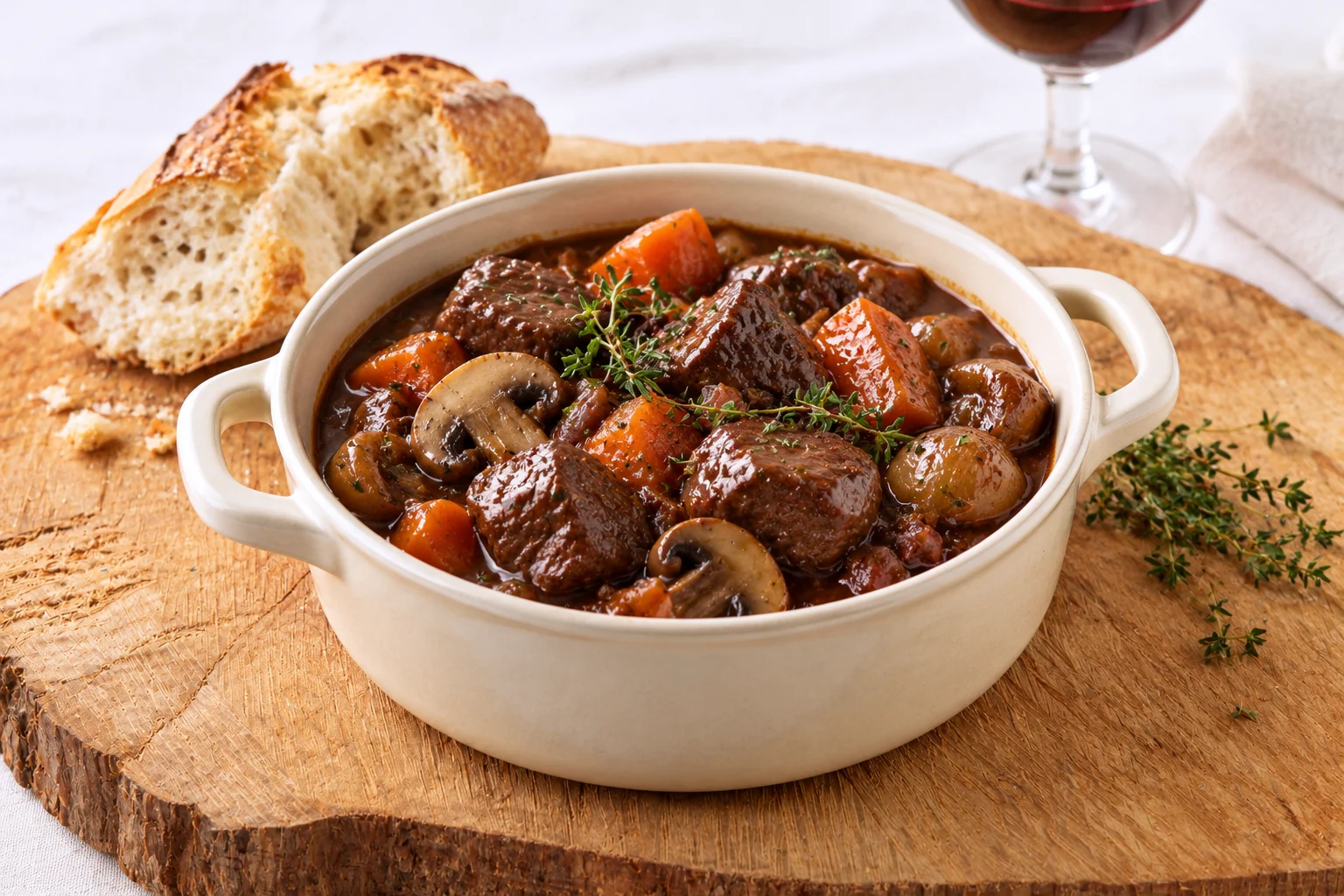
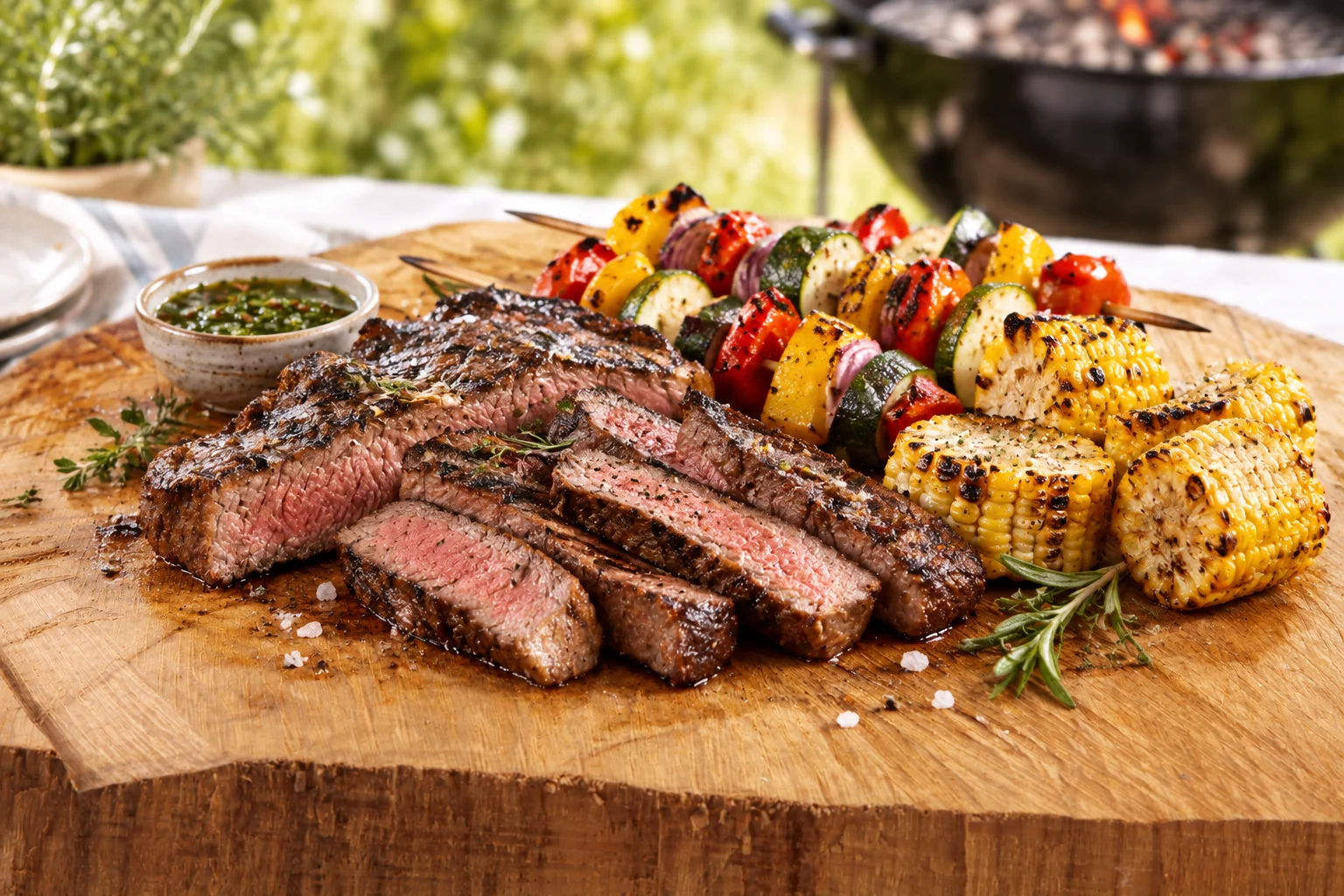
| Sommy Pairing Beschrijving | De Pagodes de Cos presenteert zich met rijpe framboos en ander rood fruit, een frisse eucalyptusachtige kruidigheid, verfijnde tannines en een subtiele aardse ondertoon die de elegante structuur en aromatische intensiteit benadrukt. Daardoor vormt deze wijn een ideale partner voor rundvlees, stoofschotels en barbecue omdat het rijpe fruit de vleessmaken opvangt, de tannines vetten snijden en de minerale en kruidige tonen complexiteit toevoegen; gestoofd of langzaam gegaard vlees met rozemarijn of een rijke rodewijnjus, gegrilde entrecote met een licht gerookte rub of langzaam gegrilde lamsschouder werken bijzonder goed, net als gerechten met umami zoals truffelpasta of paddenstoelenragout die de diepte van de wijn versterken. |
Parker
The Wine Advocate
RP (91-93)
Reviewed by:
William Kelley
Release Price:
NA
Drink Date:
N/A
The 2025 Les Pagodes de Cos is shaping up beautifully, wafting from the glass with notes of blackberries, cassis and licorice framed by a touch of toasty oak. Medium- to full-bodied, fleshy and supple, with good mid-palate density, sweet tannins and a lively core of fruit, it's a blend of 62% Merlot, 35% Cabernet Sauvignon and the rest Petit Verdot and Cabernet Franc.
Published: Apr 30, 2026
Lorem ipsum dolor sit amet, consectetur adipiscing elit. Sed do eiusmod tempor incididunt ut labore et dolore magna aliqua...
James Suckling
Score
94-95
Pagodes de Cos St.-Estèphe 2025
Monday, Apr 27, 2026
Color
Red
Country
France
Region
Bordeaux
Vintage
2025
Download Shelftalker
A juicy and velvety second wine of Cos, with spices and hazelnuts that highlight the dark fruit in this wine. It’s medium- to full-bodied with juicy fruit and a flavorful finish. Shows structure, but is integrated and polished. 55% cabernet sauvignon, 34% merlot and 11% cabernet franc.
James Suckling
Senior Editor
Lorem ipsum dolor sit amet, consectetur adipiscing elit. Sed do eiusmod tempor incididunt ut labore et dolore magna aliqua...
Vinous
(92-94)
Drinking Window
2031 - 2050
From: Hot Body, Cold Blood: 2025 Bordeaux En Primeur (May 2026)
The 2025 Les Pagodes de Cos is fragrant and floral on the nose, with violet and iris petals, and light iodine aromas infusing the black fruit. The palate is medium-bodied, with silky tannins on the entry, very harmonious, with blue fruit and black pepper towards the sensual finish. This will require three or four years in bottle but should mature well over 15 to 18 years.
- By Neal Martin on May 2026
“Dry and hot conditions arrived in early April,” winemaker Dominique Arangoïts told me, “which meant that vines could adapt to the situation and preserve water by making smaller leaves and berries. We had some rain in the quantity and at the time that we needed. The first was between April 19 and 21, when there was 115 mm of rain. Flowering took place in incredible conditions, while warm temperatures in June accelerated precocity. There was 25 mm of rain on July 21 at the beginning of véraison so we could avoid blockage. It was dry until the end of August, and there was rain between August 28 and 31. After that, we did not have hot temperatures. We commenced picking on September 3, the earliest since 1982. This vintage combines a dry year and ripe tannins with cooler-toned elements such as lower alcohol—the Cos d’Estournel is 13.25% with a pH around 3.68. We cropped at 29 hl/ha, the same as in 2024 but for different reasons.”
(92-94)
Drinking Window
2028 - 2040
From: 2025 Bordeaux En Primeur: Le Freak (Apr 2026)
The 2025 Les Pagodes de Cos is a huge, somber wine. Blackberry, gravel, licorice, chocolate, incense and cloves hit the palate with serious intensity. Ample and quite dense, the 2025 is super concentrated from start to finish. It's going to need a few years to shed some of its considerable baby fat. This is a gorgeous Pagodes.
- By Antonio Galloni on April 2026
Lorem ipsum dolor sit amet, consectetur adipiscing elit. Sed do eiusmod tempor incididunt ut labore et dolore magna aliqua...
Exclusive Content
Sign in to unlock professional wine reviews from world-renowned critics
Château Cos d'Estournel is a winery in the Saint-Estèphe appellation in the Bordeaux region of France. It is also the name of the red wine produced by this property. The wine produced here was classified as one of fifteen Deuxièmes Crus (Second Growths) in the original Bordeaux Wine Official Classification of 1855.
Château Cos d'Estournel produces the eponymous grand vin, the second wine since the 1994 vintage, Les Pagodes de Cos from the estate's younger vines, as well as Château Marbuzet from fruit from nearby plots. The property is adjacent to Château Lafite-Rothschild in the neighboring commune of Pauillac. The name Cos refers to a "mound of pebbles" in the Gascon dialect and the name Cos d'Estournel was given in 1810 by Louis-Gaspard d'Estournel.
The estate has changed hands several times throughout its history, beginning in 1852 when it was purchased by English banker Charles Cecil Martyns. In 1869 it was sold to the Spanish Errazu family, only to be sold again 20 years later, in 1889, to the Hostein family from Bordeaux. Through his marriage to Marie-Thérèse Hostein, Louis-Victor Charmolue, who also owned Château Montrose, acquired control of Cos d'Estournel in 1894. In 1917 it was sold to Fernand Ginestet. The chateau has remained in the Ginestet family ever since, becoming part of Domaines Prats in 1970, the combined property of the Ginestet and Prats families, and controlled by Bruno Prats.
In June 2008, it was announced that Michel Reybier, the current owner of Cos d'Estournel, has purchased Napa winery Chateau Montelena. However, in November 2008, this agreement was canceled, the termination of the transaction by Chateau Montelena allegedly due to the fact that Reybier Investments had "been unable to meet its obligations". From an estate of 100 hectares, the vineyard area extends over 70 hectares (170 acres), divided into 30 parcels, mainly composed of the grape varieties 60% Cabernet Sauvignon and 40% Merlot, with a small cultivation of Cabernet Franc and Petit verdot that seems participate too little in modern production. Annual production is typically 32,000 cases.
De Pagodes de Cos presenteert zich met rijpe framboos en ander rood fruit, een frisse eucalyptusachtige kruidigheid, verfijnde tannines en een subtiele aardse ondertoon die de elegante structuur en aromatische intensiteit benadrukt. Daardoor vormt deze wijn een ideale partner voor rundvlees, stoofschotels en barbecue omdat het rijpe fruit de vleessmaken opvangt, de tannines vetten snijden en de minerale en kruidige tonen complexiteit toevoegen; gestoofd of langzaam gegaard vlees met rozemarijn of een rijke rodewijnjus, gegrilde entrecote met een licht gerookte rub of langzaam gegrilde lamsschouder werken bijzonder goed, net als gerechten met umami zoals truffelpasta of paddenstoelenragout die de diepte van de wijn versterken.
Choose a category to discover dishes that pair well with this wine.
Do you already have a dish in mind?
Let Sommy find wines to pair with your meal.
Discover Wine Trivia
Sign in to unlock fascinating facts about this wine and expand your knowledge.
Sign In