

2024 Stift Göttweig Grüner Veltliner Ried Gottschelle 1ÖTW
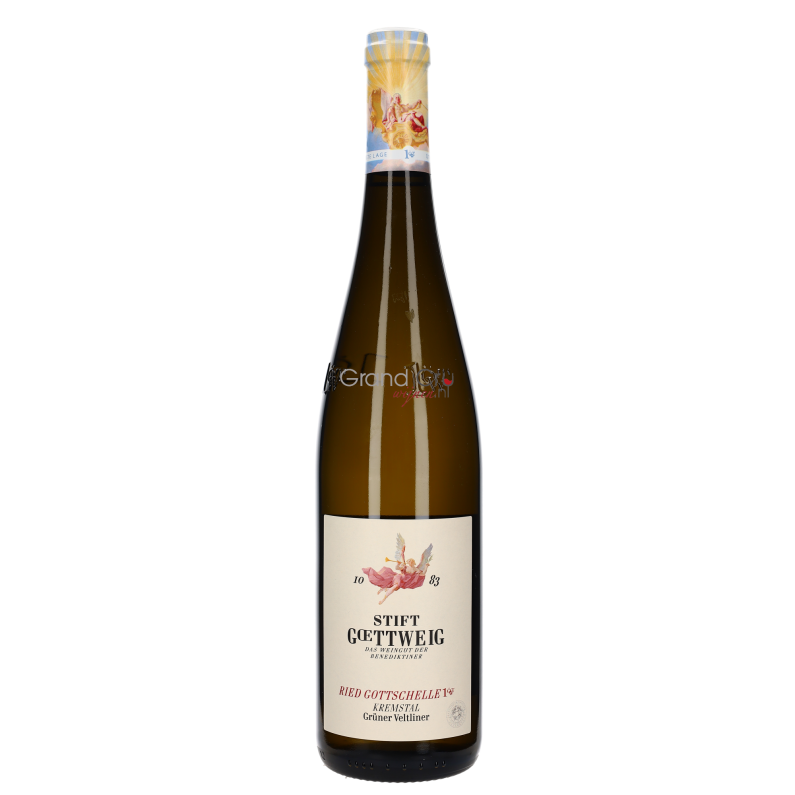
De specificaties zoals vermeld bij de wijn (o.a. wijnjaar) en in de titel zijn leidend en er kunnen geen rechten worden ontleend aan de afbeelding die wordt getoond. Lees meer in onze Frequenty asked questions
How does this wine taste?
How full and heavy the wine feels in your mouth, like the difference between skimmed milk and cream. More alcohol, sugar and oak ageing make a wine fuller.
How much sugar you taste, from dry to sweet. Fruity is not the same as sweet: a dry wine can taste of ripe fruit.
How fresh and juicy the wine is: acidity makes your mouth water. High acidity tastes lively and refreshing, low acidity soft and round.
What we taste What you taste Click a taste for what it means
The bars follow how sommeliers taste (WSET): body, tannin, sweetness and acidity, each from low to high.
Body: full-bodied. Fuller than most white wines from Niederosterreich; 13% alcohol.
Acidity: high. from the temperate climate of Niederosterreich.
Aromas: green notes, spice and orchard fruit, typical of
Nothing noted for this wine yet. What do you smell, and how long does the taste linger?
Have you tasted this wine?
Save your rating and notes.
Save your rating and notes.
Have you tasted this wine?
Log in to save your tasting note.
Log in to save your tasting note.
Log inWeingut Stift Göttweig is known as one of the oldest wineries in Austria. Founded as a Benedictine abbey in 1083 by Altmann of Passau (also known as Saint Altmann), the abbey has always played an important role in the development of wine production in the Wachau Valley. Stift Göttweig is situated amidst the rolling landscape on the south bank of the Danube, opposite the city of Krems, at 449 meters above sea level. Due to this location and the abbey, the winery is sometimes referred to as the Austrian Montecassino. The Benedictines were responsible for the administration and management until 1988, after which the property was leased until 2005. Since 2006, winemaker Fritz Miesbauer and his team have been reliving history at the Stift Göttweig estate.
The name Gottschelle likely refers to the word "goetschen," a local word for the sharp edge of a mountain ridge. The vineyard was first mentioned in the year 1341. The soil of Ried Gottschelle consists of gravel, limestone, and loess deposits, which have a particularly positive effect on the Grüner Veltliner grapes grown here. Weingut Stift Göttweig cultivates 3.69 hectares of old Grüner Veltliner in this vineyard, ranging in age from 15 to 35 years. As soon as the grapes are perfectly ripe, they are selected and harvested entirely by hand, ensuring that only the very best grapes from Ried Gottschelle end up as the exceptional Stift Göttweig Grüner Veltliner Ried Gottschelle. Once the selection has taken place, pressing and alcoholic fermentation on the lees begin, after which the wine is allowed to age for another 7 months in large wooden barrels.
The 2023 Grüner Veltliner Ried Gottschelle 1ÖTW is an elegant and layered wine from the Kremstal, sourced from an Erste Lage (1ÖTW) vineyard with loess-rich soils. The wine combines ripe white fruit with delicate spiciness (white pepper), lively acidity, and subtle minerality. These characteristics make it versatile at the table, particularly with dishes that require a balance between freshness, texture, and refinement.
1. Veal Wiener schnitzel with potato salad
The soft, crispy texture of a classic schnitzel is beautifully complemented by the fresh acidity of the wine. The Grüner Veltliner cuts effortlessly through the fat of the fried breading and keeps the whole dish light and invigorating.
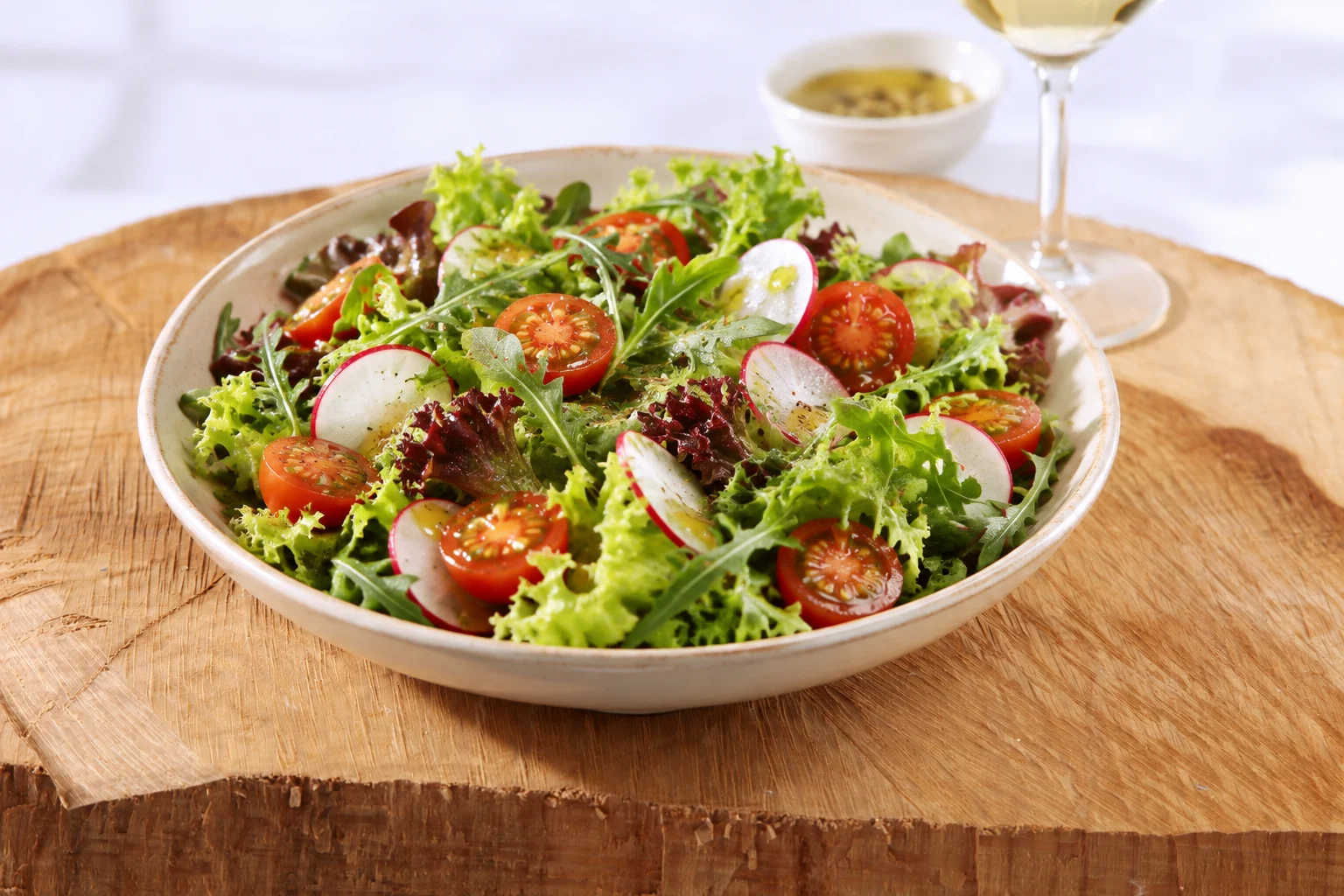
2. Green asparagus salad with egg and mustard and tarragon vinaigrette
The subtle bitterness of the asparagus, combined with spicy and slightly acidic notes in the vinaigrette, complements the spiciness and citrusy acidity of the wine perfectly.
3. Asian dishes with light spices, such as steamed dim sum or Thai chicken with lemongrass and coconut
Grüner Veltliner naturally possesses good tension and aromatic finesse, making it an excellent match for dishes with ginger, lime leaf, and other fresh Asian flavors without overpowering them.
4. Risotto with mushrooms and fresh herbs
The creaminess of the risotto is beautifully balanced by the lively acidity, while the earthy mushroom flavors harmonize with the mineral undertone of the wine.
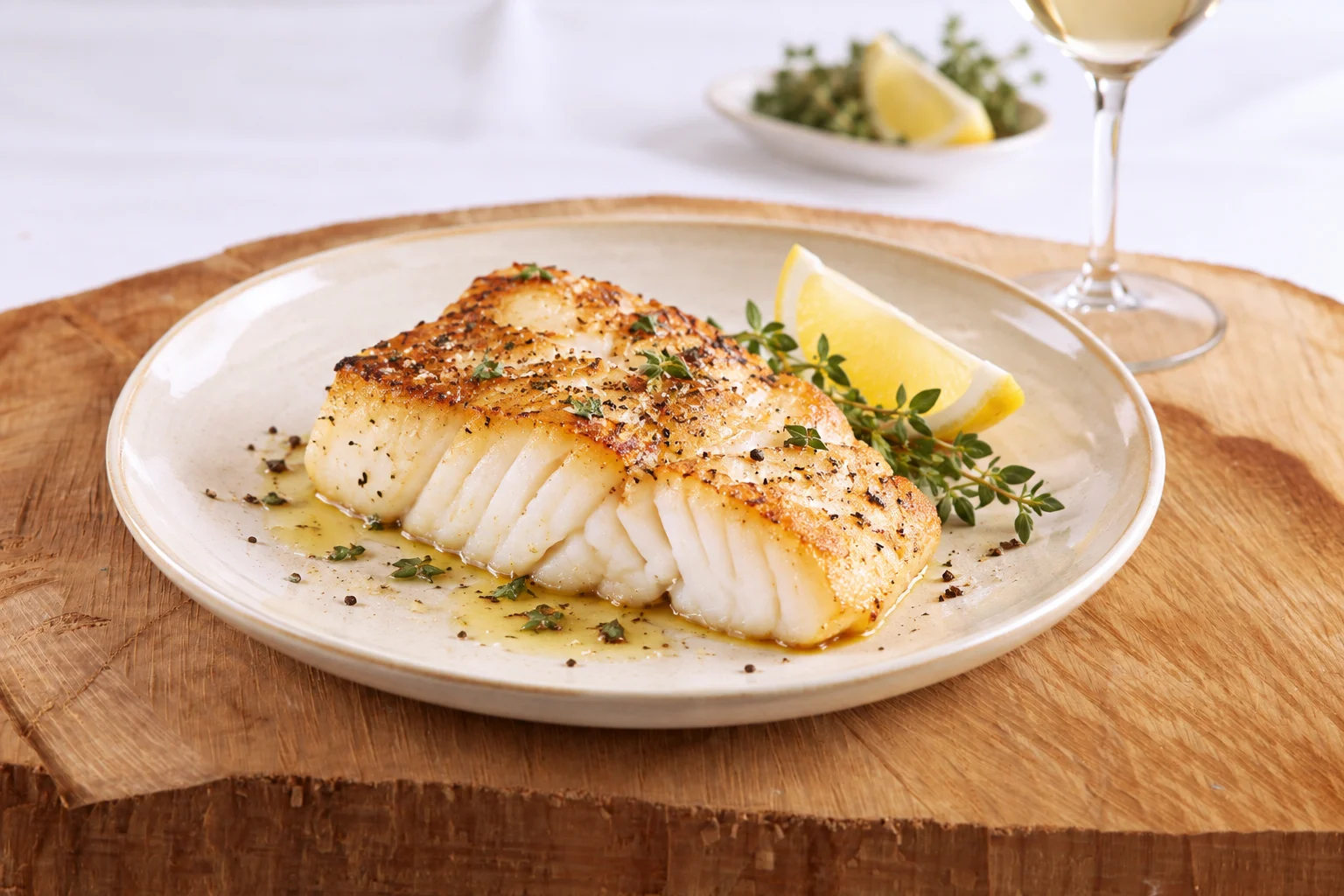
5. Grilled sea bass with fennel and lemon
The juicy texture of the fish and the anise-like freshness of fennel complement the elegance and citrus-driven aromas of this Grüner Veltliner. The wine enhances the delicate flavor of the fish without dominating it.
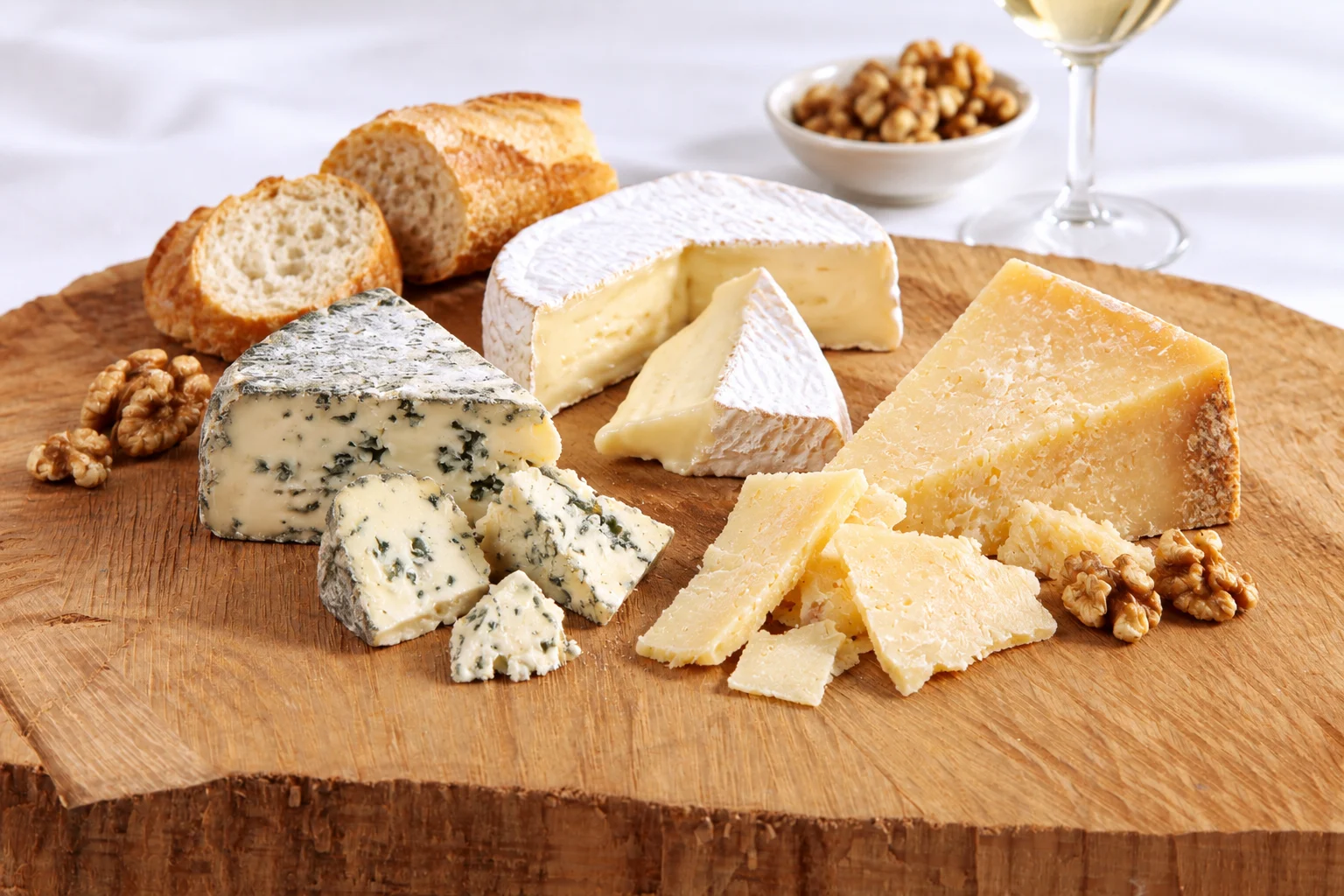
6. Soft mold cheeses such as brie or camembert
The fresh acidity and spicy notes provide a refreshing contrast to the creamy texture and briny tones of the cheese, keeping the whole beautifully balanced.
Character
The wine
- 100%
Origin
Bottle
Wine features
James Suckling
Score
93
Avg Price (ex-tax)
$ 27
Stift Göttweig Grüner Veltliner Kremstal Ried Gottschelle EL 2024
Tuesday, Sep 09, 2025
Color
White
Country
Austria
Region
Danube
Vintage
2024
Download Shelftalker
Chopped herbs like parsley and rosemary on the nose, plus yellow fruit and fennel. It’s medium- to full-bodied, bright and juicy, with lovely herbal freshness. Very approachable and persistent. Drink now or hold.
Claire Nesbitt
Deputy Tasting Editor
Lorem ipsum dolor sit amet, consectetur adipiscing elit. Sed do eiusmod tempor incididunt ut labore et dolore magna aliqua...
Vinous
Score
90
Drinking Window
2023 - 2030
From: 2022 Wachau and Lower Austria: An Overshadowed Vintage Worth Exploring (Feb 2024)
The 2022 Grüner Veltliner Gottschelle, grown on a site of calcareous loess, opens with gentle yeast notes imbued with lemon and chervil. The palate is soft and ripe but slender, showing herbal savoriness mixed with stone fruit roundness and juiciness. This is mellow yet bright, with a lovely finish. (Bone-dry)
- By Anne Krebiehl MW on November 2023
The Benedictine Stift Göttweig has been making wine since 1083. However, the estate as it currently exists dates back to 2006 when the monastery's long lease of vineyards and cellar ran out, and they were looking for another long-term lessee. A group of locals headed by Fritz Miesbauer—who also runs the municipal wine estate of the town of Krems, Weingut Stadt Krems—won the lease, and now the same team runs the estate (Miesbauer, cellarmaster Peter Rethaller and viticulturist Jürgen Peter). There are 30 hectares of vineyards, mostly on the right bank of the Danube, except for the Pfaffenberg in Krems. Plantings are split into 75% Grüner Veltliner and 15% Riesling, with the remaining 10% taken up by Pinot Noir, Zweigelt and Chardonnay. The wines are made in the Stadt Krems cellar in the same clean-cut, precise style that allows for both fruit- and site-expression. Riesling is made exclusively in stainless steel. During my visit, I tasted the 2022 Grüner Veltliners, Rieslings and Rosé, and one Pinot Noir from 2021.
Lorem ipsum dolor sit amet, consectetur adipiscing elit. Sed do eiusmod tempor incididunt ut labore et dolore magna aliqua...
93
Review
93 Falstaff
93 James Suckling
92 Gault Millau
Lorem ipsum dolor sit amet, consectetur adipiscing elit. Sed do eiusmod tempor incididunt ut labore et dolore magna aliqua...
Exclusive Content
Sign in to unlock professional wine reviews from world-renowned critics
Weingut Stift Göttweig is known as one of the oldest wineries in Austria. Stift Göttweig was founded as a Benedictine abbey in 1083 by Altmann of Passau (also known as Saint Altmann). Since that time, the Abbey has always played an important role in the development of wine production in the Wachau Valley.
On the south bank of the Danube opposite the city of Krems at 449 meters above sea level, Stift Göttweig is located amidst the rolling countryside. Because of this location and the abbey, the winery is also called the Austrian Montecassino. The Benedictines were responsible for the administration until 1988 and then the property was rented out until 2005. Since 2006, winegrower Fritz Miesbauer and his team have been reliving the history of the Stift Göttweig estate.
The atmospheric currents emanating from the Dunkelsteiner forest and the warmer Pannonian air create a special microclimate on the Göttweigerberg. The combination of these air currents and the natural humidity in the Danube region provide balanced conditions that allow the grapes to grow optimally. In addition to the special microclimate, the soil composition is also very varied. The composition of chalky clay, gravel, loess and sand in combination with the microclimate ensure that the special nuances of the terroir are reflected in the wines.
The 26 hectares of vineyards that Weingut Stift Göttweig owns are divided into different grape varieties namely: 60% Grüner Veltliner, 30% Riesling, 4% Chardonnay and 6% Pinot Noir. After the harvest, the grapes go to the wine cellar located in the aforementioned Krems where the harvest is processed into the beautiful wines that Weingut Stift Göttweig has to offer.

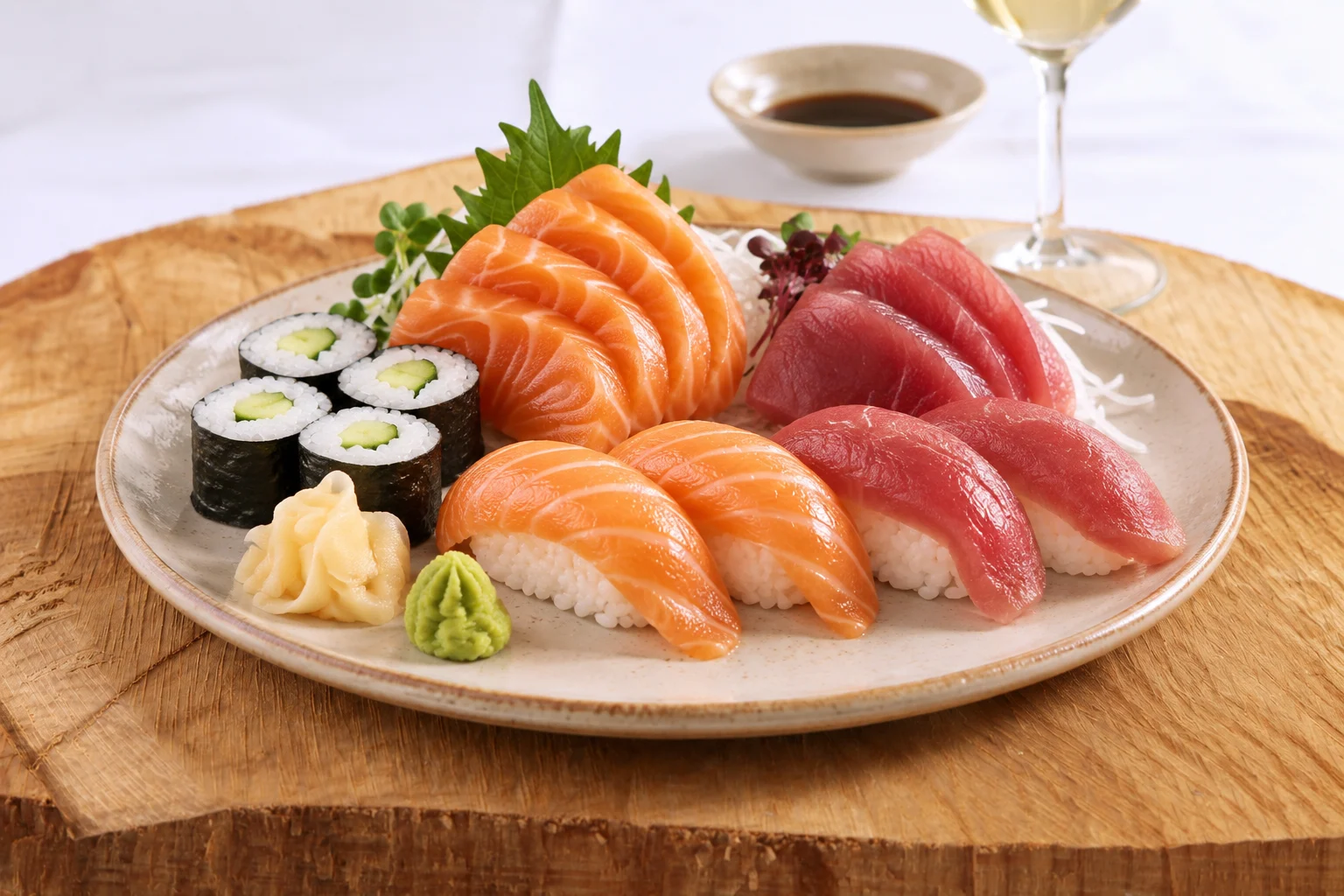
Deze elegante Grüner Veltliner toont frisse citrus en steenfruit, een verfijnde kruiden- en witte peperigheid met een subtiele gistigheid en kalkachtige mineraliteit, medium- tot vol van body maar bone-dry en levendig van zuur. Daardoor snijdt de wijn prachtig door het vet van gerechten zoals een klassieke Wiener schnitzel met aardappelsalade, terwijl zijn kruidigheid en citrustonen perfect aansluiten bij gegrilde zeebaars met venkel en citroen, asperges met gepocheerd ei en mosterd-dressing of lichte Aziatische bereidingen zoals sashimi; ook romige paddenstoelenrisotto en zachte schimmelkaas krijgen door de frisse zuren en minerale ondertoon extra balans. Kies bij bereidingen voor eenvoudige, zuivere smaken en korte garingen — denk aan grillen of sauteren met citroen en verse kruiden, lichte vinaigrettes of een subtiele dashi of soja-accent — zodat de elegante complexiteit van de Gottschelle echt tot zijn recht komt.
Choose a category to discover dishes that pair well with this wine.
Do you already have a dish in mind?
Let Sommy find wines to pair with your meal.
Discover Wine Trivia
Sign in to unlock fascinating facts about this wine and expand your knowledge.
Sign In