

2024 Sadie Family Palladius

| Type of Wine | White |
|---|---|
| Country | |
| Region | |
| Appellation | Swartland |
| Winery | |
| Vintage | 2024 |
| Grape | , , , , , |
| Content (Alc) | Standard (0.75 ltr) (13.5%) |
| Drink window | 2027 - 2052 |
Ordering in bulk? Log in to request a quote
In stock
15 items available
Notities
Foto
Proefnotities
Heb je deze wijn geproefd?
Bewaar je beoordeling en aantekeningen.
Bewaar je beoordeling en aantekeningen.
Heb je deze wijn geproefd?
Log in om je proefnotitie op te slaan.
Log in om je proefnotitie op te slaan.
Log inHoe wil je je wijn beoordelen?
Max 5 MB. JPG, PNG, WebP.
Hoe smaakt het?
Klik op wat het beste past. Alles is optioneel.
Welke geuren en smaken herken je?
Klik op alles wat je herkent. Dit is optioneel.
Uiterlijk
Neus
Aroma's (neus)
Smaak
Smaken (mond)
Afdronk
Wijngegevens
Automatisch ingevuld vanuit productgegevens.
Persoonlijke gegevens
Palladius is the flagship white wine from the Sadie Family. It's a blend of 17 vineyards in Paardeberg: 13 vineyards with granite subsoil and 4 vineyards with sandstone. It's a blend of, hold on to your hat: Chenin Blanc, Garnacha Blanca, Marsanne, Palomino, Roussanne, Verdello, and a touch of Viognier. Everything is hand-picked and pressed in an authentic traditional press, after which the juice is transferred directly to concrete (concrete eggs) and amphorae, after which the wine is allowed to mature on its lees. Afterward, the wine is transferred to large, used oak barrels to minimize the influence of the wood. Fermentation is carried out exclusively with indigenous yeasts and without additives. Fermentation stops spontaneously (sometimes only after 20 months). After two years, the wine is bottled without fining or filtering.
The Palladius is pale gold in color. The nose is youthful with a significant underlying mineral essence beneath the aromas of waxy citrus blossom, lemongrass and honeycomb, melon, and yellow apple peel. Medium-bodied, elegant, and complex, at 13.5% alcohol, the wine is majestic on the palate, possessing mineral tension, a waxy and textural mouthfeel, and a superb phenolic bitterness that will keep this top-tier gourmet wine great for many years to come. Parker concludes his review with: " The wine glides to an impeccable, long-lingering, and spicy finish with persistent elements of citrus and soft notions of sautéed almonds. I might have to finish the glass."
FACT: In the "Attachments" tab, you'll find the official fact sheet for this fine wine. We'll automatically send it to you when you order it. The wine is stored in our climate-controlled Wine Warehouse, and if you pick it up, you'll often receive a nice discount . You'll see your discount immediately when you select "Pick up" at checkout. We're located in Dordrecht, just off the A16 motorway, with ample parking. Click here for our address.
| Type of Wine | White |
|---|---|
| Country | South Africa |
| Region | Western Cape |
| Appellation | Swartland |
| Winery | Sadie Family |
| Grape | Chenin Blanc, Garnacha, Grenache, Palomino, Roussanne, Viognier |
| Biological certified | No |
| Natural wine | No |
| Vegan | No |
| Vintage | 2024 |
| Drinking as of | 2027 |
| Drinking till | 2052 |
| Alcohol % | 13.5 |
| Alcohol free/low | No |
| Content | Standard (0.75 ltr) |
| Oak aging | Yes |
| Sparkling | No |
| Dessert wine | No |
| Closure | Cork |
| Parker rating | 98 |
| James Suckling rating | 97 |
| Vinous rating | 95 |
| Tasting Profiles | Bloemig, Complex, Mineraal, Rond, Steenfruit, Wit fruit |
| Drink moments | Iets te vieren, Indruk maken, Lekker luxe |
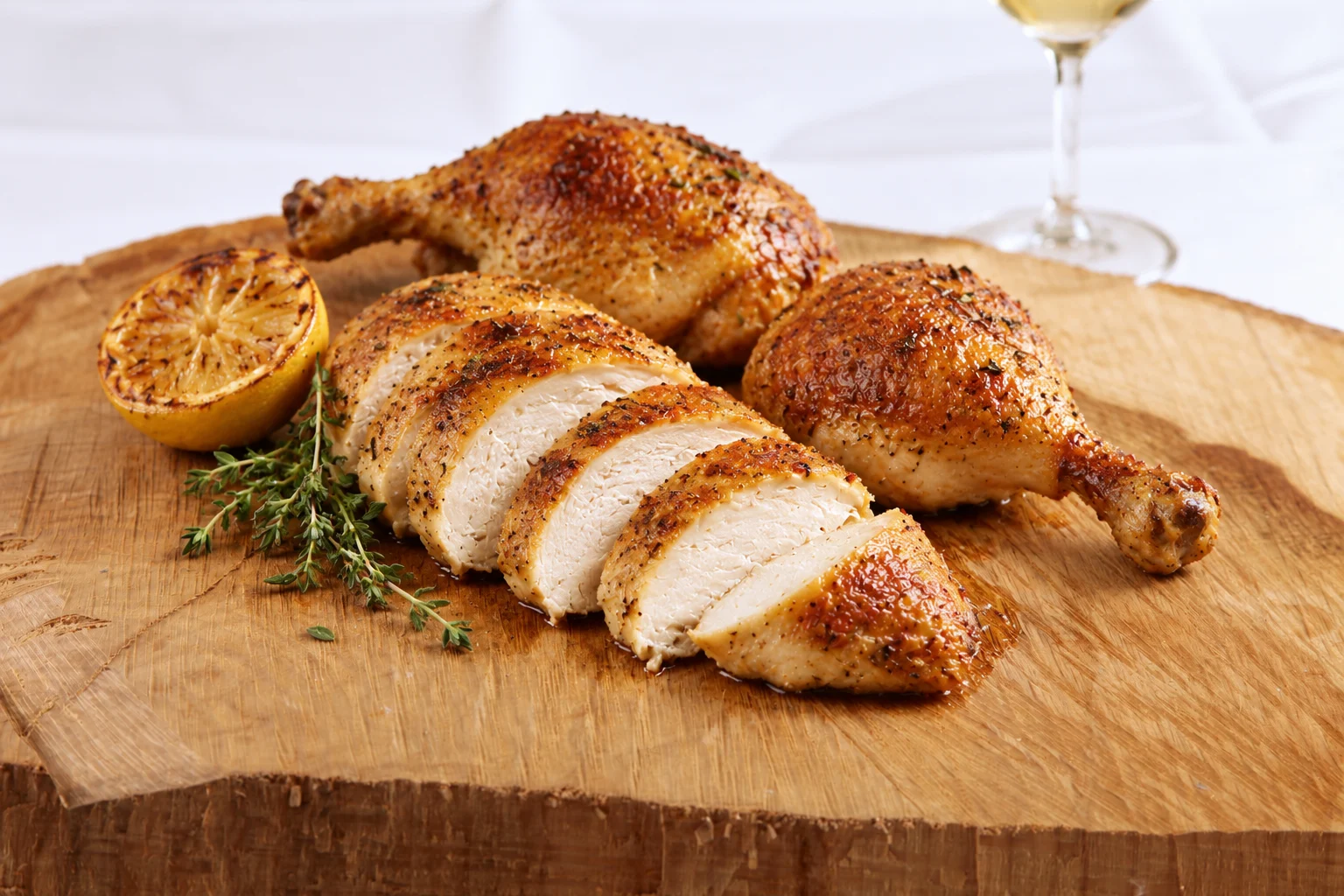
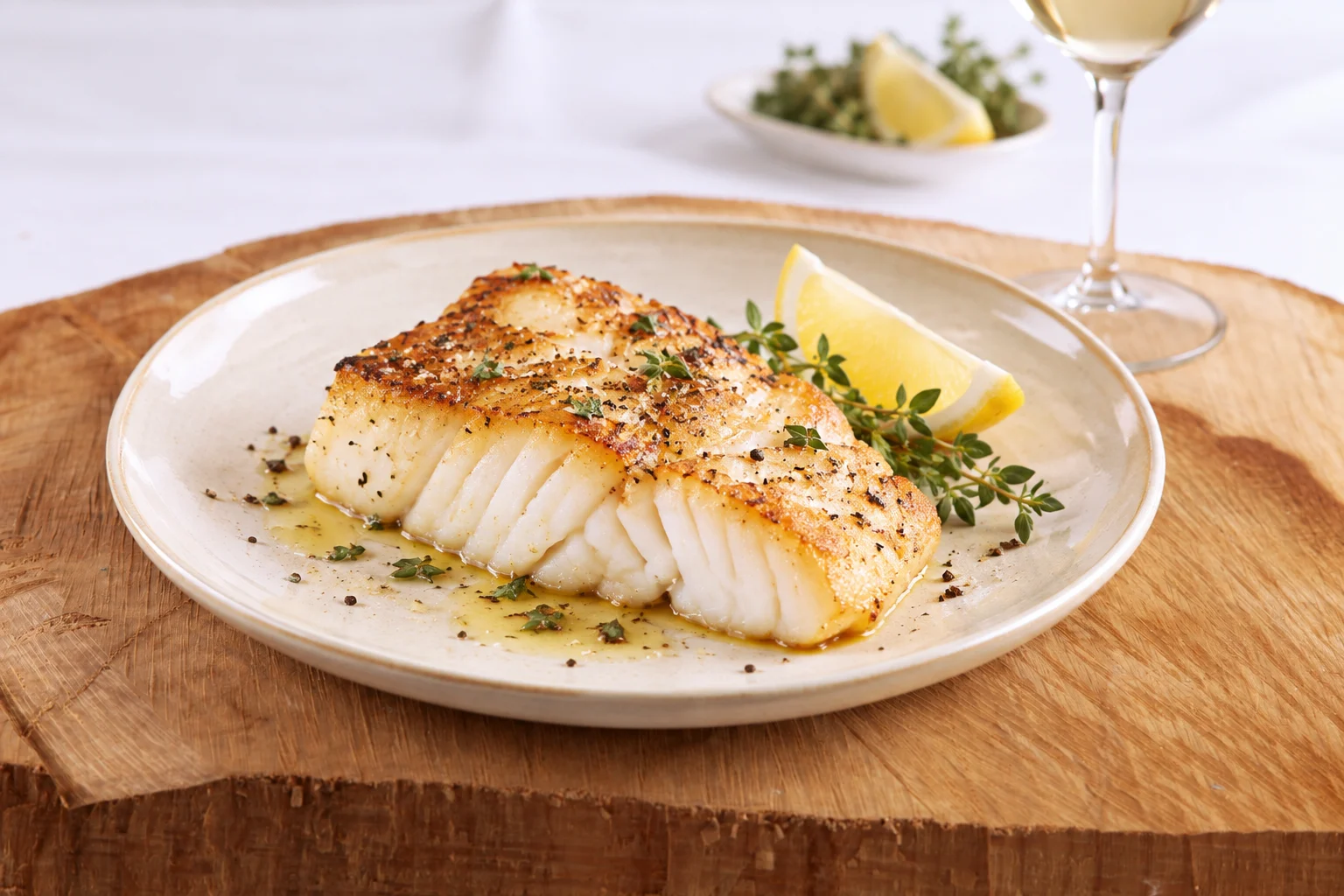
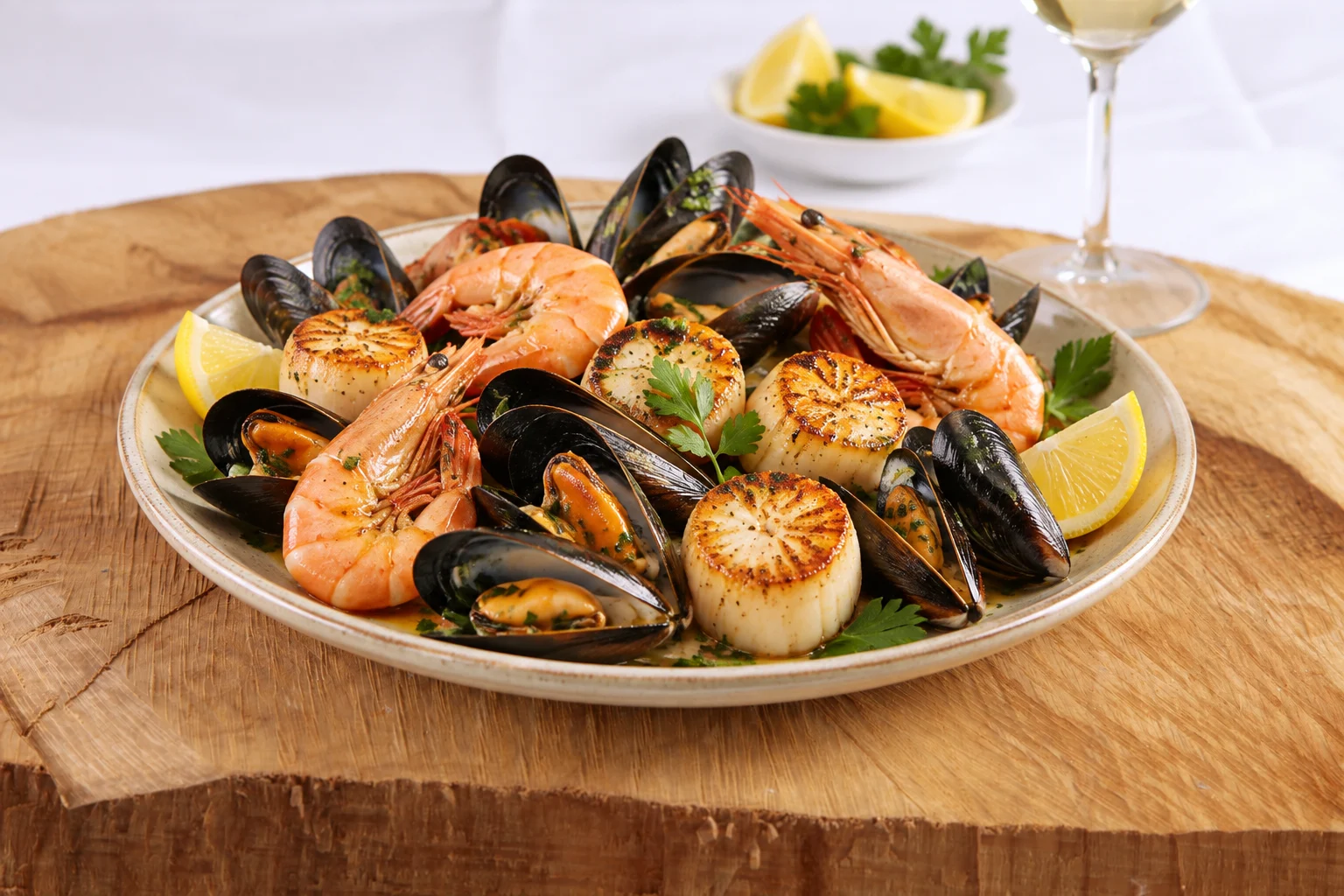
| Sommy Pairing Beschrijving | Deze Palladius toont een complex palet van steenfruit en gele appel, citroencitrus en bloemen, met crèmige pastilletonen, een subtiele honing- en amandelnoot, saliene mineraliteit en een wasachtige, zijdezachte textuur die door fijne kruiden- en saffraannuances wordt aangezet. Dankzij die combinatie van frisse zuren, rijke textuur en ziltige mineraliteit vult de wijn gevogelte en witte vis aan zonder te overheersen, tilt hij schelp- en schaaldieren naar een hoger niveau en snijdt hij door de romigheid van kazen zonder te zwaar te worden. Extra geslaagd zijn bereidingen als langzaam geroosterde kip met citroen en kruiden, boter- of olie-gepoêerde zeebaars, gestoomde venusschelpen of kreeft met een lichte citroenboter en romige kazen zoals jonge Comté of ricotta; ook gerechten met een subtiele kruiden- of notensmaak halen het beste uit deze wijn. |
Parker
The Wine Advocate
RP 98
Reviewed by:
Monica Larner
Release Price:
$131
Drink Date:
2026 - 2045
I am a white wine fanatic, and this very special wine blew me away. The Sadie Family's 2022 Swartland Palladius is a blend of 11 grapes from 17 distinct vineyard sites with old vines. The grapes used are Chenin Blanc, Grenache Blanc, Clairette Blanche, Viognier, Verdelho, Roussanne, Marsanne, Semillon Gris, Sémillon, Palomino and Colombard. The various vineyards are located in Paardeberg, Piketberg and Saint Helena Bay. "This is the most complex wine and difficult to make," says Eben Sadie. "A white wine needs to achieve more than a red."
Made with blends and co-ferments, the Palladius presents challenges during harvest, as the fruit begins to come in at various stages and the tanks begin to fill. It sees 12 months in amphorae and concrete, plus 12 months in old foudre. It presents a spectacular collection of stone fruit aromas, lemon blossom, pastry cream filling, saffron and light spice. The Palladius is silky, textured and has enough structure for long cellar aging. This is indeed a star of the Southern Hemisphere.
Founded in 1999 by Eben Sadie, The Sadie Family estate in the Swartland is celebrated across the world for its commitment to terroir-driven wines made with minimal intervention. Eben Sadie is a pioneer in organic and biodynamic farming across different soils, including granite, slate, alluvial and weathered sandstone.
"The geological pull is what brought me here," says Eben Sadie, who works with 38 varieties (experimental and non) across 54 vineyard sites.
I visited The Sadie Family twice last year. On my first visit in January, a large off-the-grid winery was under the last phase of construction. On my second visit in October, I saw the finished results. The two flagship wines are the red blend Columella and the white blend Palladius. The portfolio includes world-class expressions (with some of the best Chenin Blanc made anywhere) in the Old Vine Series.
Eben Sadie does not care for trellised vines. "We need to scale away from the sun, not toward it," he says. The goblet system is the world's oldest training system, going back 7,000 or 8,000 years, he explains, and suddenly trellising was introduced a mere 140 years ago. Vertical shoot positioning (or VSP) attracts more solar radiation, he says.
The Sadie Family is a Robert Parker Wine Advocate Green Emblem recipient (since 2021) for its commitment to sustainability and its environmental stewardship.
The winemaking formula usually sees 35% whole-bunch fruit and 65% destemmed fruit. Aging is always in old foudre, with the youngest wood being eight years old. Fermentations are executed with extreme care. "We used to make wine like coffee, now we make it like tea," says Eben Sadie.
Published: Jun 05, 2025
Lorem ipsum dolor sit amet, consectetur adipiscing elit. Sed do eiusmod tempor incididunt ut labore et dolore magna aliqua...
James Suckling
Score
97
Vintage
2023
Very fresh and exciting, showing lemon curd, wild thyme, white pepper, sliced apple, pear, clove and crushed stone aromas. It’s layered and creamy, complex, with a full body and wonderful freshness brought by mineral and very subtle herbal undertones. Long, salty and structured. A blend of 14 varietals. Drink or hold.
Claire Nesbitt
Deputy Tasting Editor
Lorem ipsum dolor sit amet, consectetur adipiscing elit. Sed do eiusmod tempor incididunt ut labore et dolore magna aliqua...
Vinous
95
Drinking Window
2028 - 2050
From: Day by Day: South Africa in 2025 (Oct 2025)
For the first time, the Palladius includes 20% of fruit from limestone soils on the west coast, which Sadie feels made the wine leaner and more minerally. "It was the thing that was missing," he remarked. There are now 14 varieties in this blend. The 2023 offers pressed yellow flowers and light walnut and hazelnut scents in the background. The palate is well balanced with a slightly honeyed texture on the entry. Wonderful depth, edgy, a little more acidity than the '22, with a long, quite saline finish. Give this three or four years in bottle if you can.
- By Neal Martin, August 2025
Lorem ipsum dolor sit amet, consectetur adipiscing elit. Sed do eiusmod tempor incididunt ut labore et dolore magna aliqua...
Exclusive Content
Sign in to unlock professional wine reviews from world-renowned critics
After years of work in Priorat and the founding of Terroir al Limit, Eben Sadie has returned to his roots. To put it in his own words: "A winemaker should make wines in his region of origin. Where he should know the terroir best." The wine world has some heroes, and Eben Sadie is one of them.
Eben graduated as an oenologist in Elsenburg (South Africa). There he became integrated by the vine: a plant that offers so much diversity, 5000 varieties all over the world. Sadie traveled the world for 8 years, working both in companies that make 6 million liters of wine annually and in companies that only produce 6 barrels. He ended up in Germany, France, Spain, Austria, Oregon and California, before returning to his native South Africa. There he is now counted among the new guard winemakers who want to give the New World a better reputation.
He settled in Swartland (1999), a new wine region for South Africa. At the same time, he resolutely broke with the New World custom of making wines from a single grape variety: he chose blends of complementary grape varieties. He based the reason for this on a sober analysis: "All over the world, wines from different grape varieties are made in a Mediterranean, southern climate, while wines from a single grape variety mainly occur in a continental, more northern climate.
Most countries there enjoy a Mediterranean climate, but they still started making wines from one grape variety: Cabernet Sauvignon, Merlot, Chardonnay and so on. This was successful in the beginning, because it was new and because the grape variety was strongly placed in the foreground. But you don't make really great wines with that. As a result, the New World scores well in the lower price ranges, but is not seen as a supplier of great wines. I want to change that."
Sadie immediately put his vision into practice. He planted the grape varieties that give the best results in the southern Rhône region: Syrah, Grenache and Mourvèdre. 43 ha spread over 48 different plots, biodynamically treated and processed. He also managed to discover numerous old vineyards, restore them and give them a new lease of life (Ouwingerd series). And just like in the time of Terroir al Limit, he gave the wines individuality and provided them with his own signature, that of refinement.
The Swartland region extends north of Cape Town, between Durbanville and Piketberg, inland from the Atlantic Ocean, with Malmesbury in the middle. The region has a very stable climate, which means that a very consistent quality can be achieved every year. All grapes come from non-irrigated vineyards located in the Swartland region. Eben Sadie is a wine philosopher in many ways. As a result, he uses many old techniques in combination with experiments.
For example, he ferments parts of his wine in large concrete 'eggs', Stöckinger foeders, amphorae and he uses wooden barrels that have not been toasted. He has also started an experiment with fermenting in jars made from the soil around the winery and buried during the fermentation. This technique is very old and originates from the Balkan region.
Deze Palladius toont een complex palet van steenfruit en gele appel, citroencitrus en bloemen, met crèmige pastilletonen, een subtiele honing- en amandelnoot, saliene mineraliteit en een wasachtige, zijdezachte textuur die door fijne kruiden- en saffraannuances wordt aangezet. Dankzij die combinatie van frisse zuren, rijke textuur en ziltige mineraliteit vult de wijn gevogelte en witte vis aan zonder te overheersen, tilt hij schelp- en schaaldieren naar een hoger niveau en snijdt hij door de romigheid van kazen zonder te zwaar te worden. Extra geslaagd zijn bereidingen als langzaam geroosterde kip met citroen en kruiden, boter- of olie-gepoêerde zeebaars, gestoomde venusschelpen of kreeft met een lichte citroenboter en romige kazen zoals jonge Comté of ricotta; ook gerechten met een subtiele kruiden- of notensmaak halen het beste uit deze wijn.
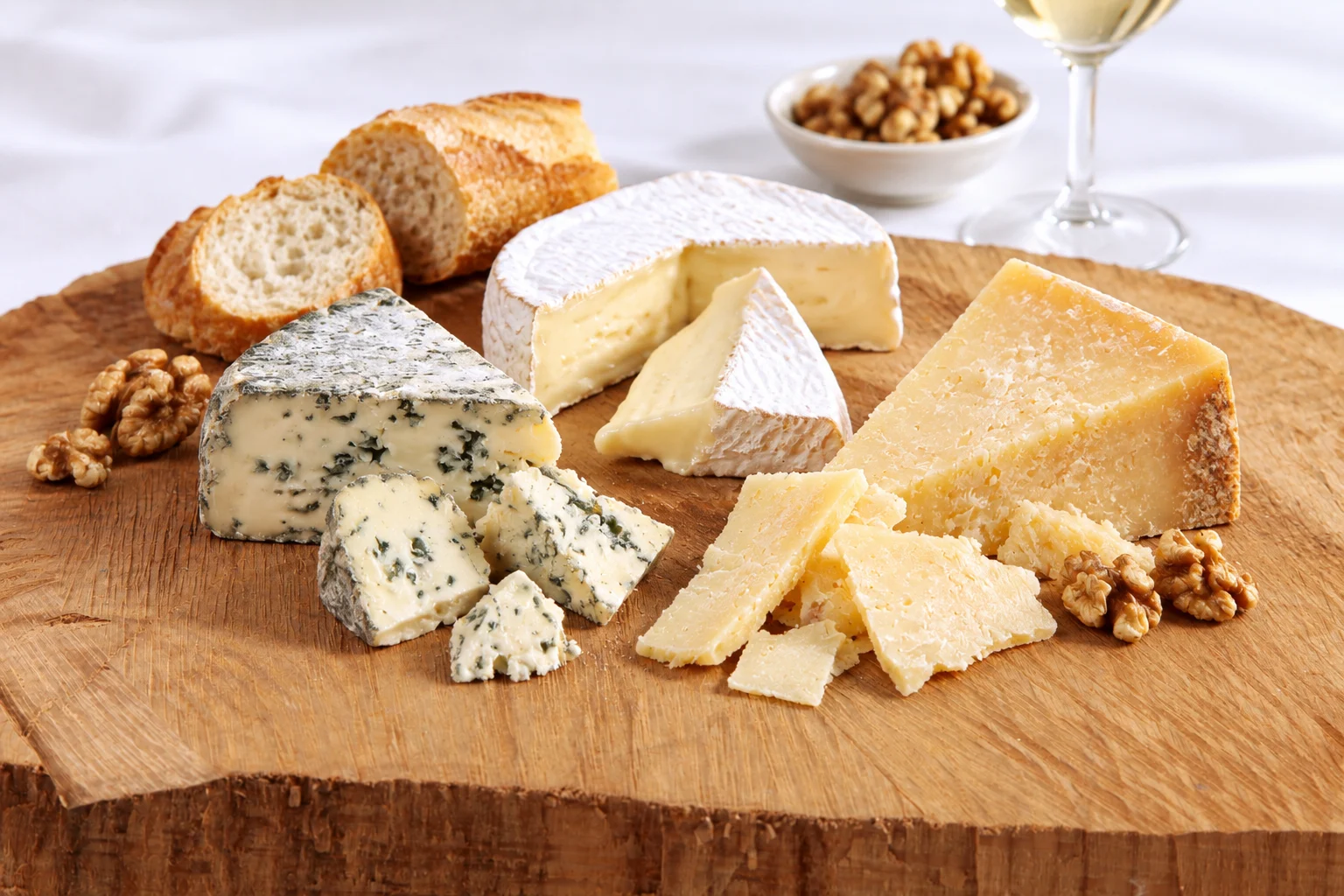
Choose a category to discover dishes that pair well with this wine.
Do you already have a dish in mind?
Let Sommy find wines to pair with your meal.
Discover Wine Trivia
Sign in to unlock fascinating facts about this wine and expand your knowledge.
Sign In