

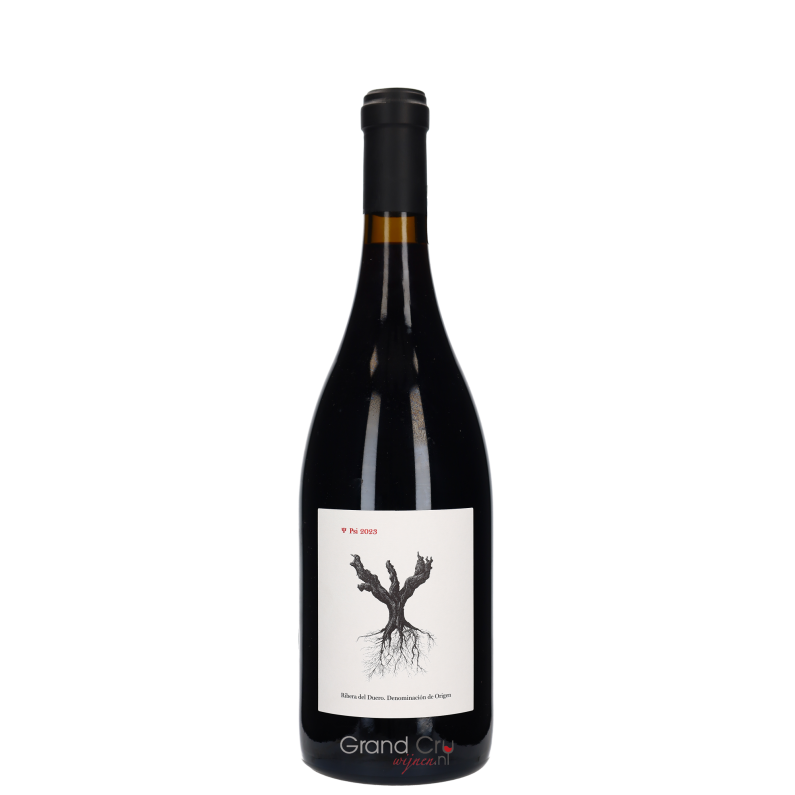
2023 Dominio de Pingus PSI
How does this wine taste?
How full and heavy the wine feels in your mouth, like the difference between skimmed milk and cream. More alcohol, sugar and oak ageing make a wine fuller.
The drying, grippy feel on your gums and tongue, as with strong tea. It comes from the skins and seeds of black grapes and from oak, and softens with age.
How much sugar you taste, from dry to sweet. Fruity is not the same as sweet: a dry wine can taste of ripe fruit.
How fresh and juicy the wine is: acidity makes your mouth water. High acidity tastes lively and refreshing, low acidity soft and round.
What we taste What you taste Click a taste for what it means
The bars follow how sommeliers taste (WSET): body, tannin, sweetness and acidity, each from low to high.
Body: powerful. Like most red wines from ; 14% alcohol.
Tannin: firm. From ; aged in oak.
Sweetness: dry. Red wine from is almost always dry.
Acidity: medium. from the warm climate of .
Aromas: earthy notes, dark fruit and red fruit, typical of
Nothing noted for this wine yet. What do you smell, and how long does the taste linger?
Have you tasted this wine?
Save your rating and notes.
Save your rating and notes.
Have you tasted this wine?
Log in to save your tasting note.
Log in to save your tasting note.
Log inThe PSI is a wine from the renowned winemaker Peter Sisseck, who is also known for the cult wines Pingus and Flor de Pingus. Peter Sisseck's famous bodega Dominio de Pingus in Ribera del Duero is going to give its wines significantly less oak. He believes that those who overdo it suffer from winemaker's laziness. PSI are, therefore, also the initials of Peter Sisseck.
His position is that the healthier the vineyard and the better the management, the less wood aging is necessary. During Wijnwijs.eu's visit to one of the top wine boutiques in Brazil, the same vision was expressed. Sisseck had previously noticed that new oak caused reduction in the barrel for wine from a specific plot. Unripe tannins began to absorb oxygen. The bodega intends to avoid this in the future by drastically reducing wood usage. Less wood, but considerably more expensive, as Dominio de Pingus currently uses the Taransaud T5, which costs 1,200 euros. Almost twice as expensive as the usual 225-liter barriques.
In the glass, the wine has a deep, fresh red color. The PSI is a robust wine with Tempranillo expression of the highest level: class, fruit, soft, sunny. Different structure from the other wines of this estate, in a less ripe style. Firm and fleshy opening with lots of fruit that is initially somewhat weighed down by the tannins. A wine that needs a lot of aeration at the start. Fleshy finish with a nod to the authentic Ribera style of yesteryear. A great glass of wine, but then again, it is from Sisseck.
FUN FACT: The wine is stored in our climate-controlled Wine Warehouse, and if you come to pick up the wine, you will also receive a nice discount. You will see your discount immediately when you select "Pick up" on the Checkout page. We are located almost next to the main road with ample parking. Click here for our address.
Character
The wine
- 100%
Origin
Bottle
Wine features
Parker
The Wine Advocate
RP (93-94)
Reviewed by:
Luis Gutiérrez
Release Price:
$40
Drink Date:
2026 - 2034
Tasted just before bottling, so a sample of the final blend, the 2023 PSI is juicy, ripe and approachable. It is a little showier and headier, despite having similar alcohol to the bottled 2022 (perhaps a tad higher, but not quite reaching 14%), and it feels a little riper, with peachy notes and some decayed flowers. It has abundant tannins and feels like it's in need of some more time in bottle. This is usually the case for PSI: the tannins need time. They are resolved quite quickly, but it does need a bit of time. It should be bottled in May 2025.
I visited the Pingus vineyards, which I had not seen for a while. The place was difficult to recognize. So much work has been put into the vineyards that they are very different. He now has 53 hectares of vineyards in the village of La Horra, in Barroso and San Cristobal, the original Pingus lieux-dits plus a couple more, the five hectares of Pingus plus all the plots planted and purchased, used for Flor de Pingus.
He also started purchasing old vineyards used for PSI; he owns 90 hectares of the 200 used. He has also planted five hectares of Garnacha in the village of Peñaranda del Duero, as there's hardly any Garnacha in the zone.
As the 2022s were not yet bottled last year, we first tasted the bottled 2022s and later barrel samples of the 2023s and 2024s. 2022 was warm and dry but still with reserves from 2020 and 2021. It was a year to watch excess ripeness, leaving a little more yield. They started harvesting on September 5 and finished PSI on the 25th. The wines finished around 14% alcohol or even a little lower (PSI has 13.8% alcohol). The wines were bottled in late June or early July. The wines deliver beyond expectations; they are rounder and gentler wines that are more fruit-driven, peachy and ripe but with freshness with energy.
They started bottling the 2023 Flor de Pingus the same day of my visit. They are bottling the 2023s a little earlier. It was a year when he was really scared because of the accumulated drought. He noticed that the plants with an individual stick behaved better, so from that year, he started putting sticks in all the Pingus vineyards. It was warm and dry, and the wines are more fruit-driven; they are less powerful and less concentrated (from stress?), juicier and less tannic than the 2022s. The wines are more floral and fragrant, in some cases a little lighter but, in the case of the 2023 Pingus, with breathtaking elegance. They are a triumph over the very dry and adverse conditions of the year.
Finally, 2024 was a very challenging year, with big frost in April and a rainy end of the season. The wines feel a little bit like 2014, better than the 2017s. In challenging years, Pingus shows its head well above the rest.
Published: Jun 19, 2025
Lorem ipsum dolor sit amet, consectetur adipiscing elit. Sed do eiusmod tempor incididunt ut labore et dolore magna aliqua...
Vinous
(92-94)
Drinking Window
2025 - 2040
From: Duero: From Ribera to Toro via Rueda (And a Few Other Detours) (Jun 2025)
The 2023 PSI brings together fruit from 12 villages, mostly Gumiel de Mercado and Villatuelda in the Soria sector of Ribera del Duero. The project began in 2007 with the recovery of neglected vineyards, now totaling 200 hectares across about 700 parcels, 25% of which are estate-owned. Garnet colored, it opens with pine and herbal notes, then red fruit—cherry and a touch of plum. The palate shows fine-grained tannins, a midweight texture and detailed fruit. The bottle will reveal the Soria character in the interplay of fine tannins and acidity.
- By Joaquín Hidalgo on June 2025
Pingus can be difficult to taste, given its price and rarity, but it is the very definition modernity and elegance in the Duero. Peter Sisseck’s philosophy is built around respect for balance in old vines and picking just as the grapes become crunchy. In the winery, Sisseck has refined his use of aging vessels and formats in pursuit of vibrant fruit, floral aromatics and supple, delicate tannins. Sisseck explained, “Precision is the most difficult word in Ribera. Tempranillo is a hard variety to manage if elegance is what you’re looking for.” A steadfast dry-farmer, Sisseck manages the Burgalesa clay soils with painstaking care, ultimately yielding a truly singular wine.
Lorem ipsum dolor sit amet, consectetur adipiscing elit. Sed do eiusmod tempor incididunt ut labore et dolore magna aliqua...
Exclusive Content
Sign in to unlock professional wine reviews from world-renowned critics
A Dane who conquered Spain with one of the most iconic wines ever: that’s how the story of Dominio de Pingus begins.
The history of Dominio de Pingus
Peter Sisseck, born in Denmark, arrived in Ribera del Duero in the early 1990s. He worked as an oenologist at Hacienda Monasterio and discovered the huge potential of the local Tinto Fino grape. In 1995 he made his first wine in a small garage in Quintanilla de Onésimo. It was named Pingus, after his Danish childhood nickname. What started as a small experiment quickly grew into a legend. When influential American wine critic Robert Parker tasted it, Pingus became world-famous overnight.
The winemaker Peter Sisseck
Sisseck is considered one of the most influential winemakers in Spain, even though he originally comes from Copenhagen. Before moving to Ribera del Duero, he gained experience in Bordeaux and California. That international background shaped his approach: respect for tradition combined with a sharp eye for detail and innovation. He works meticulously in the vineyards, strongly believes in biodynamic principles, and always sets the bar extremely high. This perfectionism explains why even his so-called ‘second wine’, Flor de Pingus, is sought after all over the world. His name is inseparable from quality and from redefining Ribera del Duero as a leading wine region.
Where does the name Pingus come from?
The name Pingus was Peter Sisseck’s childhood nickname in Denmark. Friends and family used it casually, without any special meaning. When he made his first own wine, he deliberately chose this nickname. It gave his project a personal and distinctive identity.
The vineyards and old vines
From the very beginning, Sisseck focused on old Tinto Fino vines. In Ribera del Duero these are becoming rare. Back in 1990 there were thousands of hectares of old vines, but today only a fraction remains. The vineyards for Pingus are located around the village of La Horra and consist of tiny plots. Some vines are more than 80 years old, surviving even before the phylloxera crisis. These old vines yield little fruit, but produce grapes of remarkable intensity and concentration.
The different wines of Pingus
Pingus itself comes from two special plots in La Horra: Barroso and San Cristóbal. The soils combine gravel, sand, clay, and limestone, creating a unique balance. Production is extremely limited, around 6,000 bottles a year.
Flor de Pingus is his second wine, made from sixteen plots around La Horra and Roa. Still largely old vines, complemented by younger plantings. Production is bigger, but still small compared to the demand.
Psi was launched in 2007 together with Pablo Rubio. This project is about working with local growers who own old vineyards. The idea is to make wines that stay true to Ribera del Duero’s traditions, showing balance and purity rather than just power. Psi is vinified in cement tanks and large oak casks, giving a fresher and more approachable style.
Climate and altitude in Ribera del Duero
The climate in Ribera del Duero is harshly continental. Summers are hot, winters cold, and the temperature swings between day and night are extreme. The vineyards sit high, between 700 and 920 meters. This altitude brings cooler nights, helping the grapes ripen slowly and maintain freshness. That’s why Pingus wines combine power with elegance and tension.
Interesting facts about Pingus
- The very first Pingus was literally made in a garage – a classic ‘garagiste’ story.
- Every grape for Pingus is destemmed by hand, one by one.
- Yields are extremely low: often only 11 hectoliters per hectare.
- Pingus was one of the first great names in Spain to embrace biodynamics.
- Because of its scarcity, Pingus bottles have become collectors’ items worldwide.
Order Dominio de Pingus online?
At Grandcruwijnen you can find the wines of Dominio de Pingus in our climate-controlled Wine Warehouse, ensuring perfect storage. Ordering is easy online. If you choose ‘Pick up’ at checkout, you’ll immediately see the discount for collection in Dordrecht.
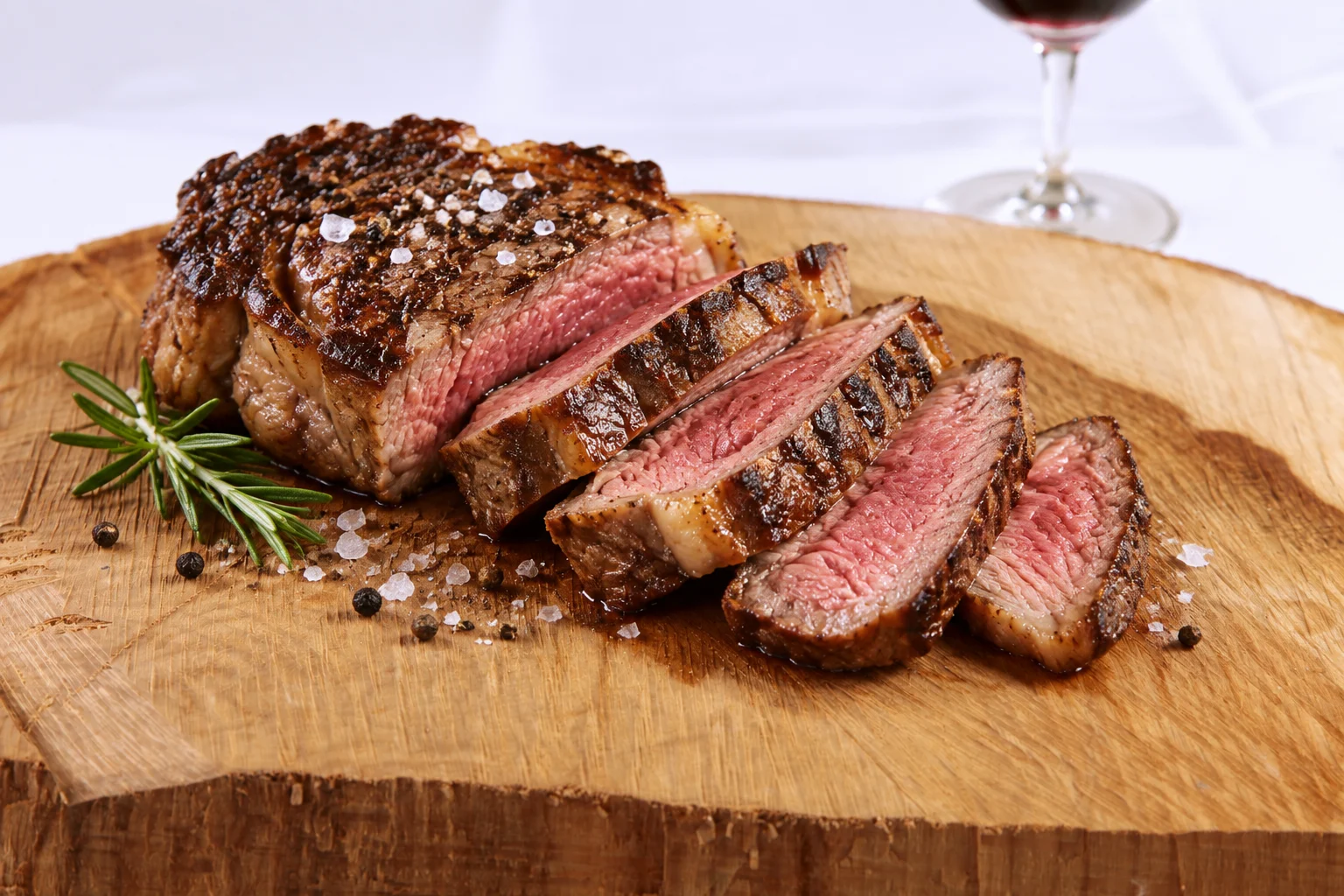
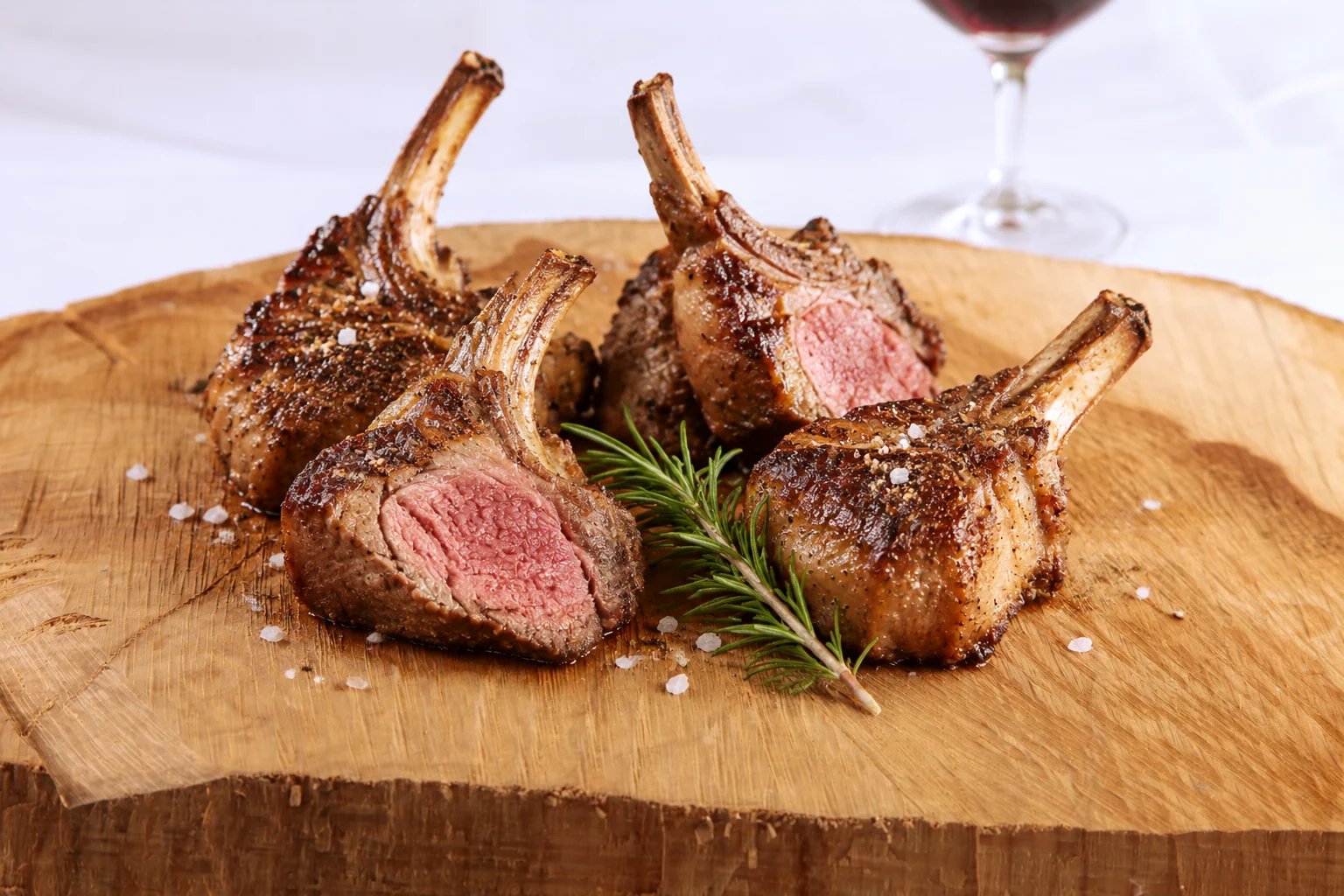
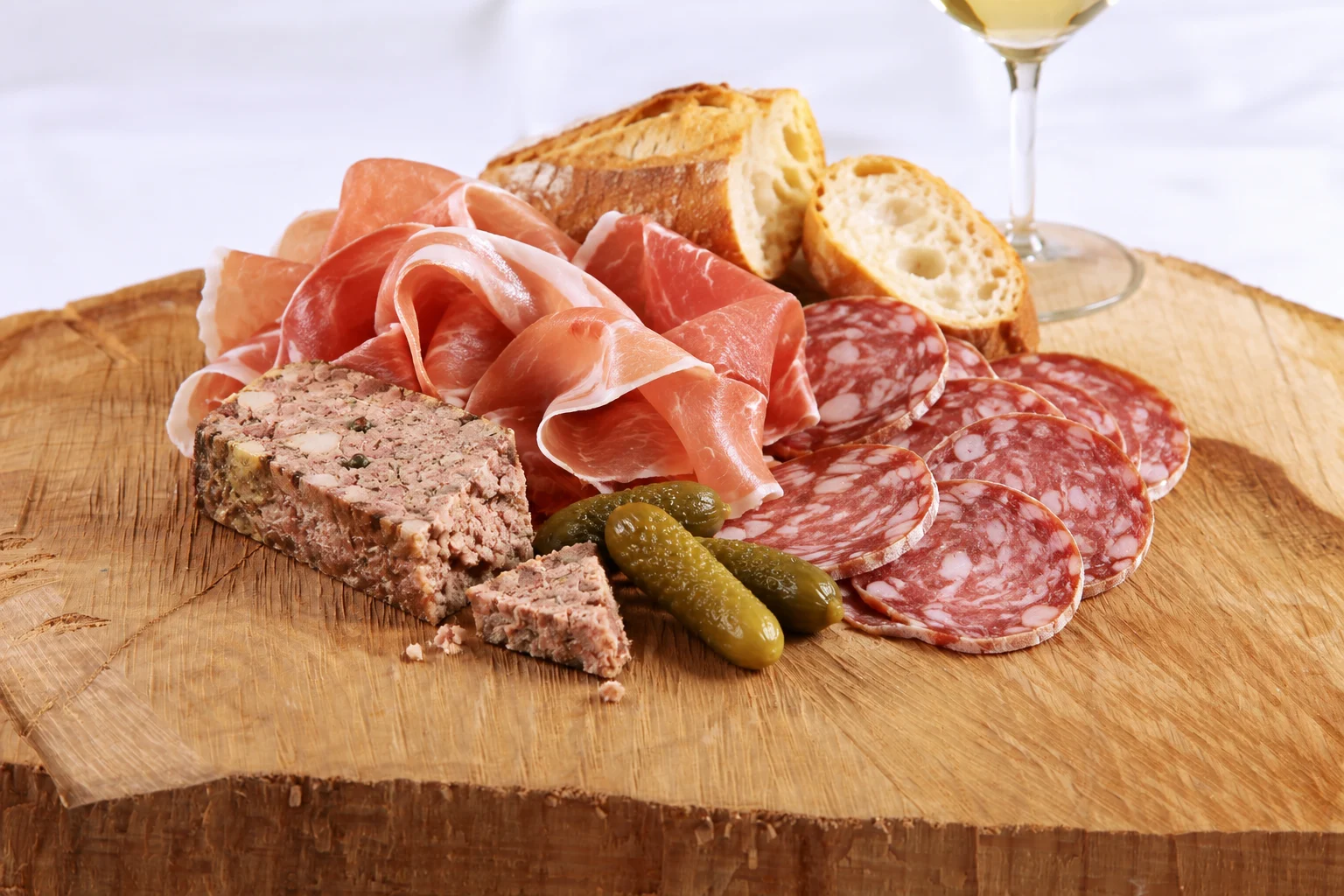
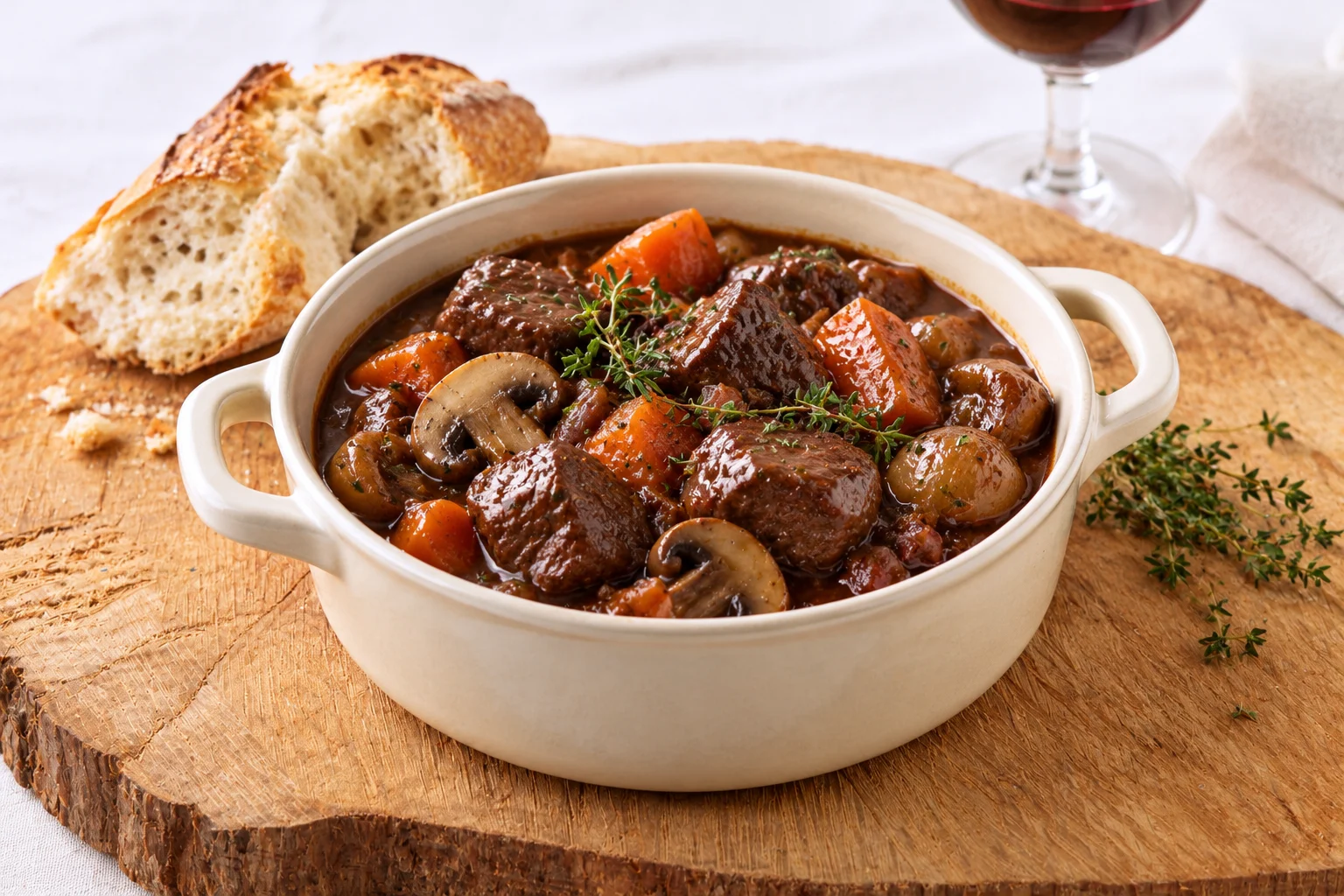
De 2023 Dominio de Pingus PSI toont sappige rijpheid met helder rood fruit zoals kers en pruim, bloemige ondertonen en fijngegranuleerde tannines die samen met frisse zuren voor elegantie en grip zorgen. Daardoor past hij fantastisch bij rundvlees, lam, charcuterie en stoofschotels: de tannines snijden door vet en geven structuur bij gegrild of geroosterd vlees, terwijl de fruitigheid en zuren het rijke, umami-karakter van gestoofd vlees en droge worsten in balans brengen. Bereidingswijzen die extra goed werken zijn kort en heet grillen of schroeien voor sappige biefstukken, langzaam en laag sudderen bij stoofpotten en braadstukken om de smaken te verdiepen, en kruidige of kruidenkorstjes bij lam die de bloemige en kruidige nuances van de wijn accentueren.
Choose a category to discover dishes that pair well with this wine.
Do you already have a dish in mind?
Let Sommy find wines to pair with your meal.
Discover Wine Trivia
Sign in to unlock fascinating facts about this wine and expand your knowledge.
Sign In