

2023 Château Margaux Pavillon Blanc
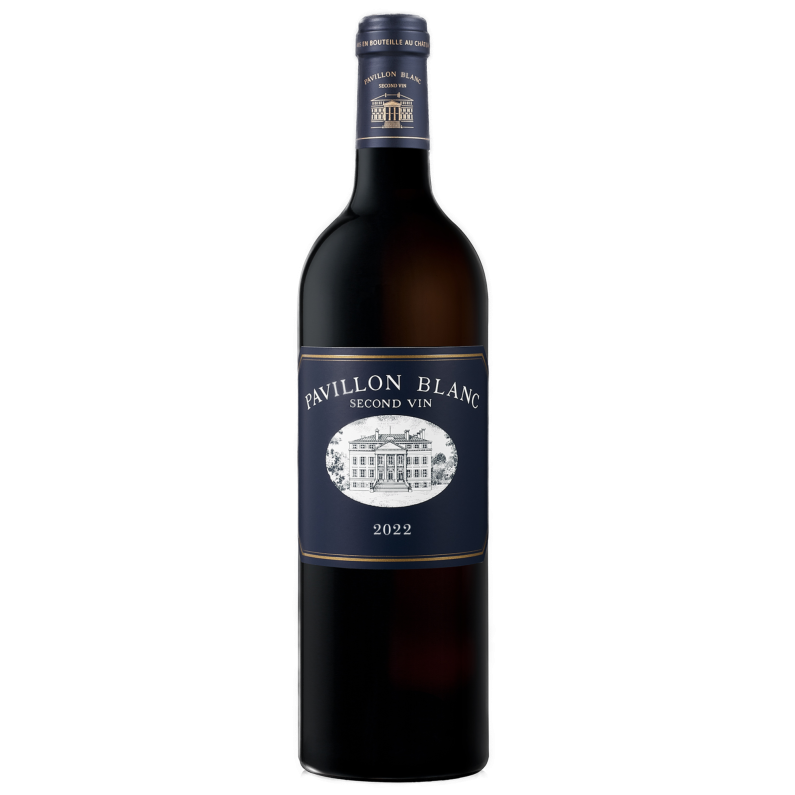
De specificaties zoals vermeld bij de wijn (o.a. wijnjaar) en in de titel zijn leidend en er kunnen geen rechten worden ontleend aan de afbeelding die wordt getoond. Lees meer in onze Frequenty asked questions
How does this wine taste?
How full and heavy the wine feels in your mouth, like the difference between skimmed milk and cream. More alcohol, sugar and oak ageing make a wine fuller.
How much sugar you taste, from dry to sweet. Fruity is not the same as sweet: a dry wine can taste of ripe fruit.
How fresh and juicy the wine is: acidity makes your mouth water. High acidity tastes lively and refreshing, low acidity soft and round.
What we taste What you taste Click a taste for what it means
The bars follow how sommeliers taste (WSET): body, tannin, sweetness and acidity, each from low to high.
Body: full-bodied. 13.5% alcohol.
Acidity: high. From .
Aromas: green notes, tropical fruit and orchard fruit, typical of
Nothing noted for this wine yet. What do you smell, and how long does the taste linger?
Have you tasted this wine?
Save your rating and notes.
Save your rating and notes.
Have you tasted this wine?
Log in to save your tasting note.
Log in to save your tasting note.
Log inSince the early 18th century, Château Margaux has been producing an exceptional and unique white wine. Historically known as Château Margaux Vin Blanc de Sauvignon, it was given its current name Pavillon Blanc du Château Margaux in 1920. In its quest for excellence, the estate now selects less than half of the harvest for blending Pavillon Blanc du Château Margaux. Drastic selection is made possible through extensive understanding of the soil and leads to optimal ripeness, harvesting and refinement of winemaking and maturation techniques. This rigorous work has not only improved the quality of Pavillon Blanc du Château Margaux, but also resulted in a second selection of such high quality that the estate decided to bottle it from the 2022 vintage.
Made from 100% Sauvignon Blanc, like Pavillon Blanc du Château Margaux, and produced from the estate's historic vines, Pavillon Blanc Second Vin will be appreciated in its youth and will age harmoniously for at least twenty years. The 11-hectare vineyard is composed exclusively of Sauvignon Blanc, with old vines (50 years old) on clay and limestone soils that generate very low yields (15 to 20 hl/ha). Only 8,000 bottles were produced for this first vintage.
FACT: In the tab 'Attachments' you will find the official fact sheet of this beautiful wine. We will automatically send you this when you order this wine. The wine is in our conditioned Wine Warehouse and if you come to pick up the wine you will often also receive a nice discount. You will see your discount immediately when you choose 'Pick up' on the checkout page. We are located in Dordrecht with plenty of parking. Click here for our address.
Character
The wine
- 100%
Origin
Bottle
Wine features
Parker
RP (93-95)
Reviewed by: Yohan Castaing
Drink Date: 2025 - 2055
The 2023 Pavillon Blanc from Château Margaux, harvested during the morning hours of the August 23-30 heatwave, possesses a deep, complex bouquet of spring flowers, lemon oil, ripe orchard fruits, lemongrass and sweet gooseberries, followed by a medium to full-bodied, round and concentrated palate that's animated by lively acids, concluding with a long, taut, delicately phenolic finish. This bottling amounts to only 45% of the entire crop, the rest being relegated to a second wine.
Published: Apr 26, 2024
Lorem ipsum dolor sit amet, consectetur adipiscing elit. Sed do eiusmod tempor incididunt ut labore et dolore magna aliqua...
Vinous
(92-94)
From: Bordeaux at the Crossroads: 2023 En Primeur (April 2024)
The 2023 Pavillon Blanc is quite powerful in this vintage, marked by a combination of creamy, textured fruit, bright acids and an almost phenolic feel that adds pseudo-tannic structure. I imagine the 2023 will need a few years in bottle. Pavillon Blanc is usually more immediate and racier, but the 2023 looks like more of a long-distance runner. Lemon confit, almond and white flowers unfurl in the glass.
- By Antonio Galloni on April 2024
Lorem ipsum dolor sit amet, consectetur adipiscing elit. Sed do eiusmod tempor incididunt ut labore et dolore magna aliqua...
Exclusive Content
Sign in to unlock professional wine reviews from world-renowned critics
- Premier Grand Cru Classé en 1855
Château Margaux is one of those names in the wine world that instantly sparks the imagination. A stately château, centuries of history, and wines that rank among the very best of Bordeaux.
History of Château Margaux
The roots of Château Margaux go back to the Middle Ages, when the estate was still known as Lamothe. In the 16th century, the Lestonnac family began transforming the land into a vineyard with serious ambition. Over the centuries, ownership changed hands many times, but the reputation steadily grew. In the early 19th century, the Marquis de la Colonilla built the current château, a refined neo-Palladian building that still dominates the skyline of Margaux today.
In 1855, Château Margaux was classified as Premier Grand Cru Classé, the highest ranking in the famous Bordeaux classification. Yet the estate also faced harder times. In the 1970s its reputation began to fade, until Greek businessman André Mentzelopoulos revived it. Since then, Château Margaux has remained tied to his family and is now run by his daughter Corinne and her children.
Location and terroir of Château Margaux
The estate lies in the Médoc, on the left bank of the Gironde, within the Margaux AOC. This appellation is known for elegant and refined red wines. The soil at Château Margaux is distinctive: deep layers of gravel with touches of clay and limestone. The gravel provides excellent drainage, forcing the vines to root deeply. This results in grapes with great concentration and tension, the foundation of the estate’s renowned wines.
Grape varieties of Château Margaux
As is typical in the Médoc, Cabernet Sauvignon takes the lead. Around three-quarters of the vineyards are planted with it. Merlot makes up about twenty percent, with smaller plots of Petit Verdot and Cabernet Franc. This blend gives the wines both power and finesse. For whites there’s a rare exception: Pavillon Blanc, made entirely from Sauvignon Blanc, grown on a smaller plot next to the red vineyards.
Château Margaux wine styles
The most famous wine is of course the Grand Vin de Château Margaux. Then there is Pavillon Rouge, the second wine often made from younger vines or parcels that don’t make it into the first selection. More recently, a third label has been added: Margaux du Château Margaux. For white wine lovers there is Pavillon Blanc, praised for its freshness and long ageing potential.
Winemaking combines tradition and modern technique. The red wines age for about one and a half to two years in new French oak, giving them depth and complexity. The white wine is aged for a shorter time, preserving its lively character. A special detail: Château Margaux even has its own cooperage, giving them full control over the quality of their barrels.
Interesting facts
- Thomas Jefferson, the third president of the United States, praised Château Margaux in the 18th century as one of the finest wines of Bordeaux.
- The château itself is a listed historical monument and is often described as one of the most beautiful wine estates in France.
- In 2015, a new tasting and research building was unveiled, designed by British architect Norman Foster, blending tradition and innovation.
Order Château Margaux online?
At Grandcruwijnen you can safely order Château Margaux. The wines are stored in a conditioned Wine Warehouse to ensure perfect preservation. If you select ‘Pick up’ during checkout, you’ll instantly see a discount. Convenient and cost-effective.
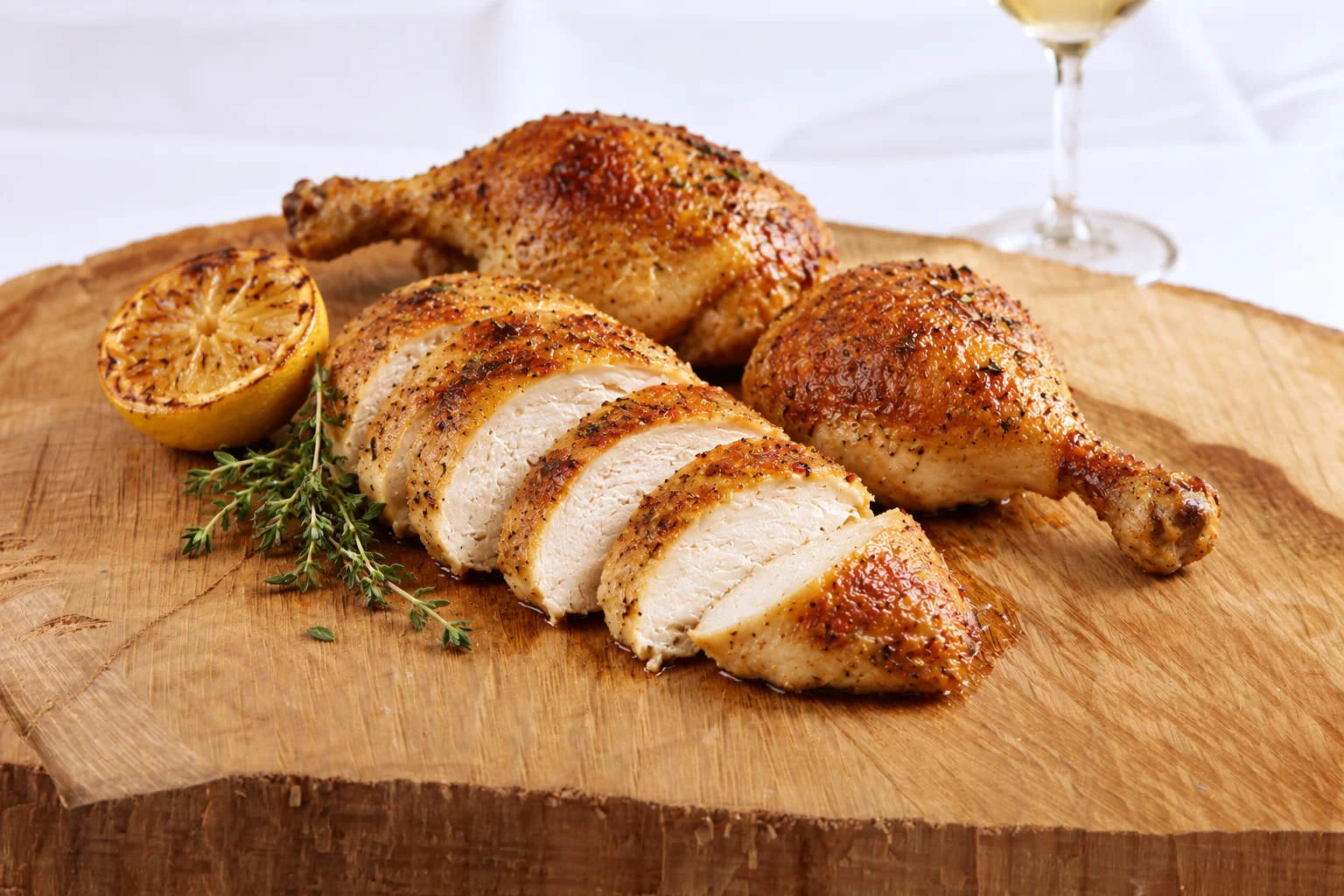
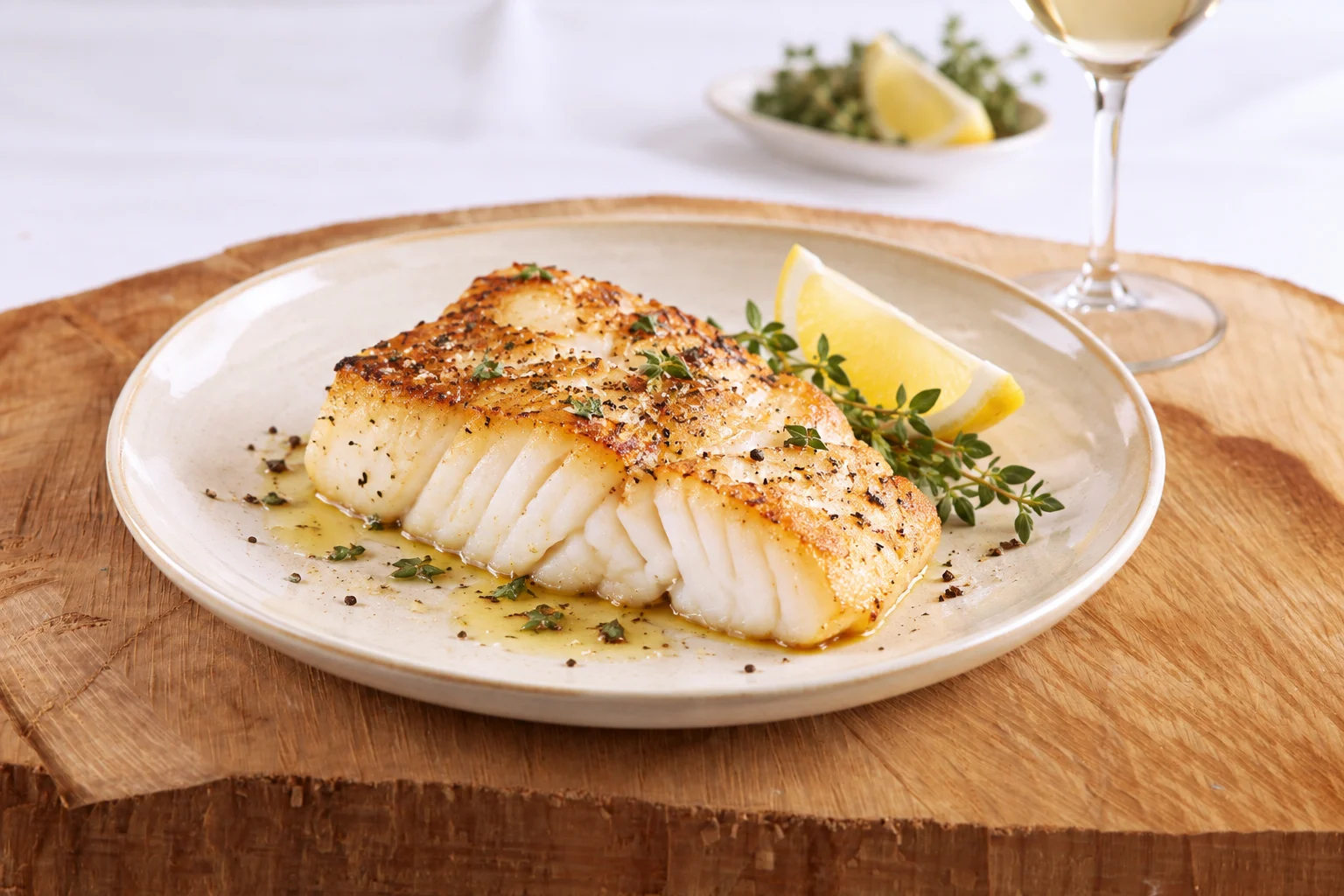
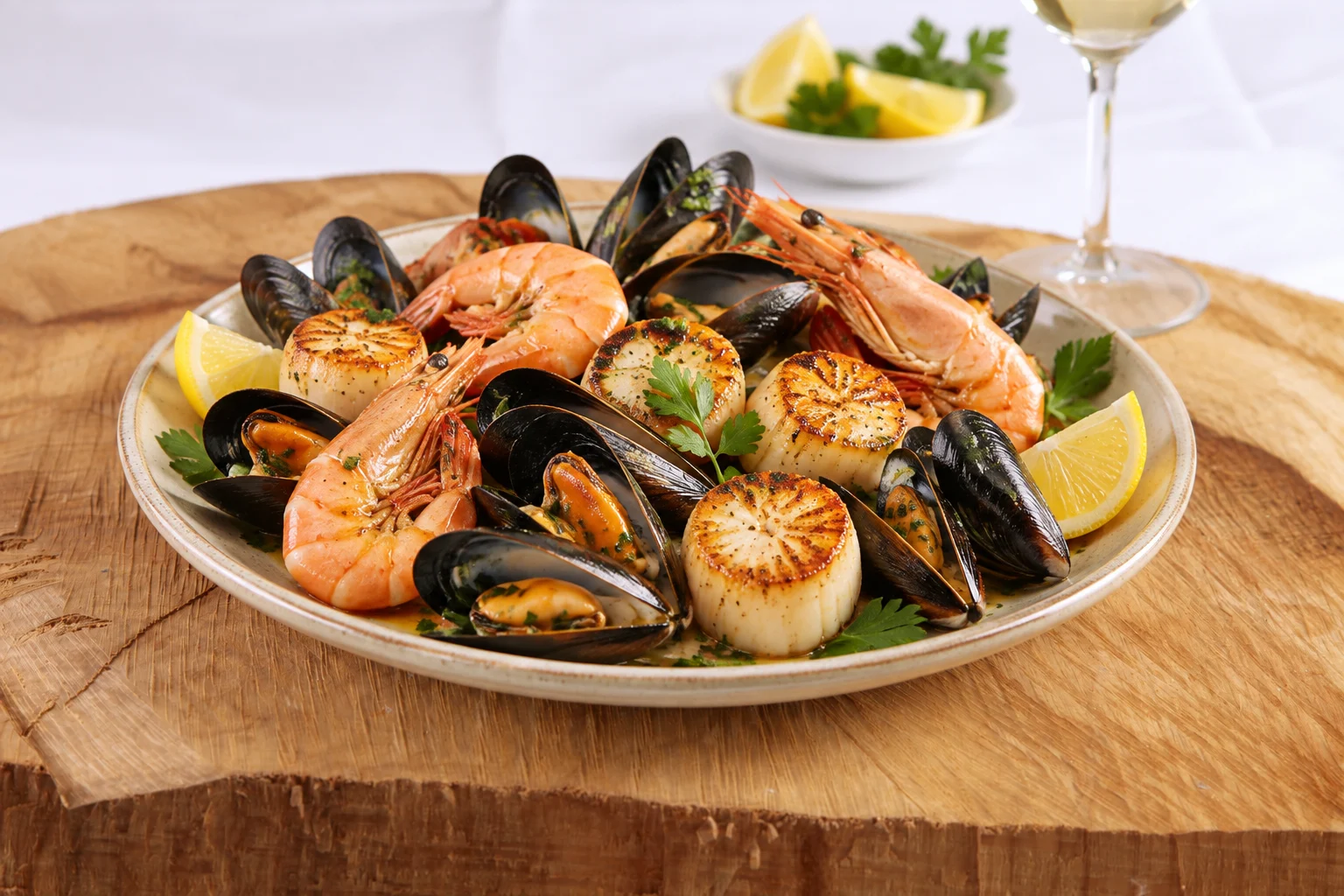
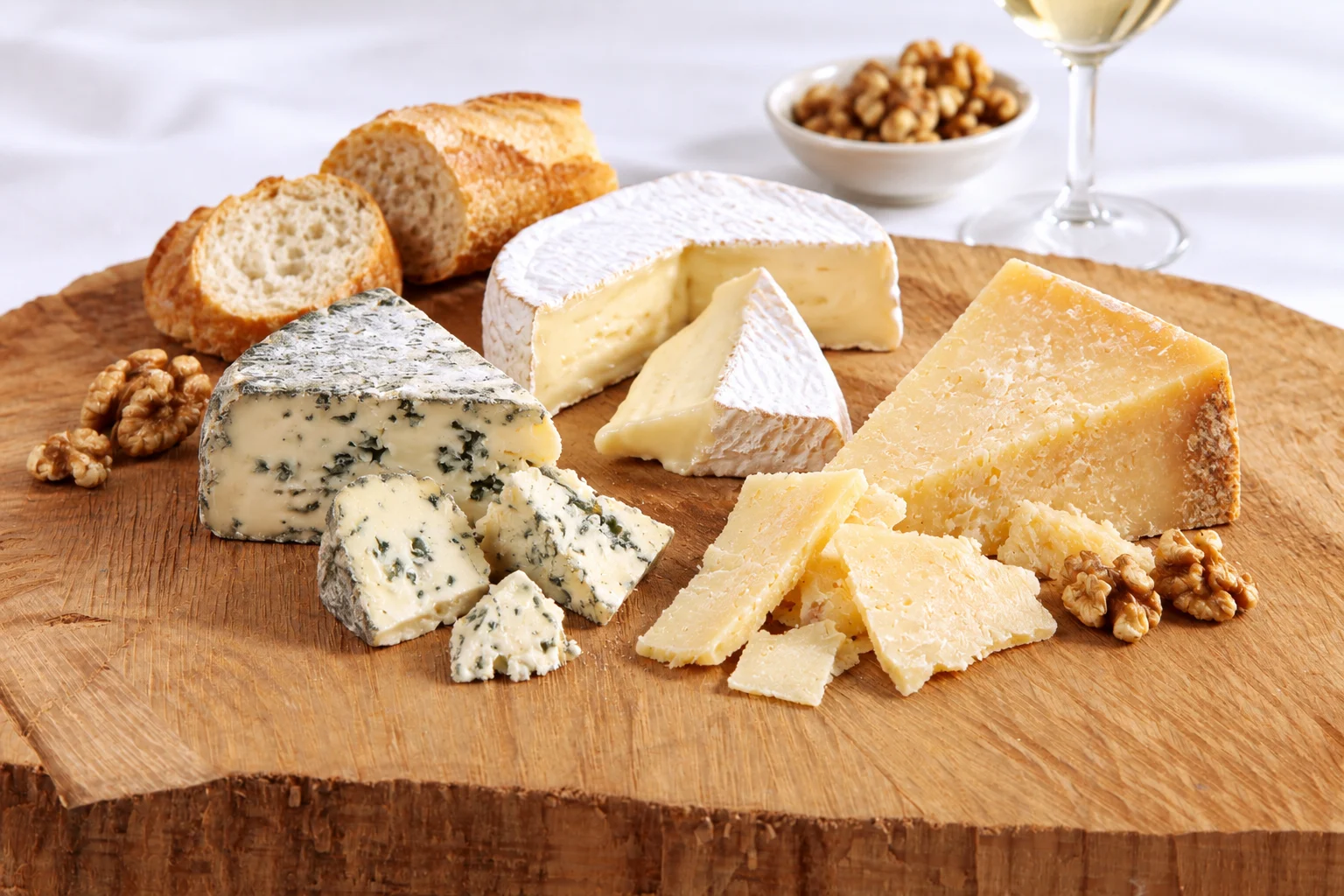
De 2023 Château Margaux Pavillon Blanc toont een verfijnd, rijk smaakpalet van lente- bloemen, citroenolie, confit lemon en rijp steenfruit met lemongrass en zoete kruisbes, ondersteund door een romige textuur, levendige zuren en een taut, licht fenolische afdronk. Daardoor vormt hij een uitstekende partner voor gevogelte, witte vis, schelpdieren en kazen omdat de frisse zuurgraad en subtiele bitterheid vetten snijden en de rijkdom van boter- of roomsausjes in evenwicht brengen, terwijl de florale en citrusnoten de delicate smaken van zeevruchten en gevogelte versterken. Kies voor bereidingen als gegrilde of licht gebraden kip met citroen en kruiden, in boter gepocheerde kreeft of licht aangebraden coquilles, geroosterde zeebaars met amandelkrokant of frisse geitenkaas en jonge Comté om de combinatie extra te laten schitteren.
Choose a category to discover dishes that pair well with this wine.
Do you already have a dish in mind?
Let Sommy find wines to pair with your meal.
Discover Wine Trivia
Sign in to unlock fascinating facts about this wine and expand your knowledge.
Sign In