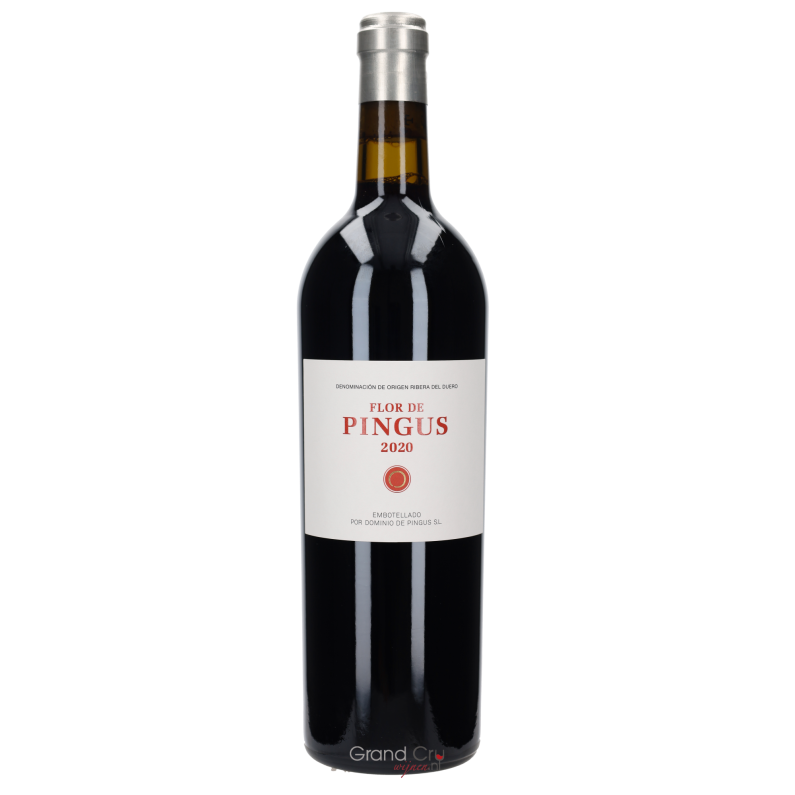
2020 Pingus Flor de Pingus
De specificaties zoals vermeld bij de wijn (o.a. wijnjaar) en in de titel zijn leidend en er kunnen geen rechten worden ontleend aan de afbeelding die wordt getoond. Lees meer in onze Frequenty asked questions
| Type of Wine | |
|---|---|
| Country | Spain |
| Region | |
| Appellation | |
| Winery | |
| Vintage | 2020 |
| Grape | |
| Content (Alc) | Standard (0.75 ltr) (14%) |
| Drink window | 2024 - 2034 |
Ordering in bulk? Log in to request a quote
Low Stock
Only 5 left
Notities
Foto
Proefnotities
Heb je deze wijn geproefd?
Bewaar je beoordeling en aantekeningen.
Heb je deze wijn geproefd?
Log in om je proefnotitie op te slaan.
Log inHoe wil je je wijn beoordelen?
Max 5 MB. JPG, PNG, WebP.
Hoe smaakt het?
Klik op wat het beste past. Alles is optioneel.
Welke geuren en smaken herken je?
Klik op alles wat je herkent. Dit is optioneel.
Uiterlijk
Neus
Aroma's (neus)
Smaak
Smaken (mond)
Afdronk
Wijngegevens
Automatisch ingevuld vanuit productgegevens.
Persoonlijke gegevens
100% Tinto Fino. Vinification and élevage 20 months in new French oak The wine Flor de Pingus is the 2nd wine of the legendary Pingus. The Flor de Pingus of the famous winemaker Peter Sisseck comes from 16 different plots around La Horra and Roa. The plots for these wines are located in the heart of Ribera del Duero, at an altitude between 700 and 850 meters and as befits this top wine grown in an organic way, so no poison or artificial fertilizer. Very deep and young in colour. Sultry, ripe fruit (blueberry, blackberry) and beautiful notes of coffee, cocoa and leather and surprisingly balanced for its age. The wine is very deep and young in color. Sultry, packed ripe red currant type blueberry, blackberries. Also coffee, fine smoky touch of wood to a limited extent, cocoa and leather. Concentrated start with lots of everything. Ripe tannin structure. Decant in its first 5 years of life. Pour into a large wine glass at 18°C. The 2020 has received no less than (95-96)/100 Parker points
| Type of Wine | Red |
|---|---|
| Country | Spain |
| Region | Castilla y Leon |
| Appellation | Ribera del Duero |
| Winery | Dominio de Pingus |
| Grape | Tempranillo |
| Biological certified | No |
| Natural wine | No |
| Vegan | No |
| Vintage | 2020 |
| Drinking as of | 2024 |
| Drinking till | 2034 |
| Alcohol % | 14 |
| Alcohol free/low | No |
| Content | Standard (0.75 ltr) |
| Oak aging | Yes |
| Sparkling | No |
| Dessert wine | No |
| Closure | Cork |
| Parker rating | 96 |
| James Suckling rating | 94 |
| Tasting Profiles | Aromatisch, Complex, Donker fruit, Houtgerijpt, Rijk, Tannines |
| Drink moments | Cadeau!, Indruk maken, Lekker luxe |
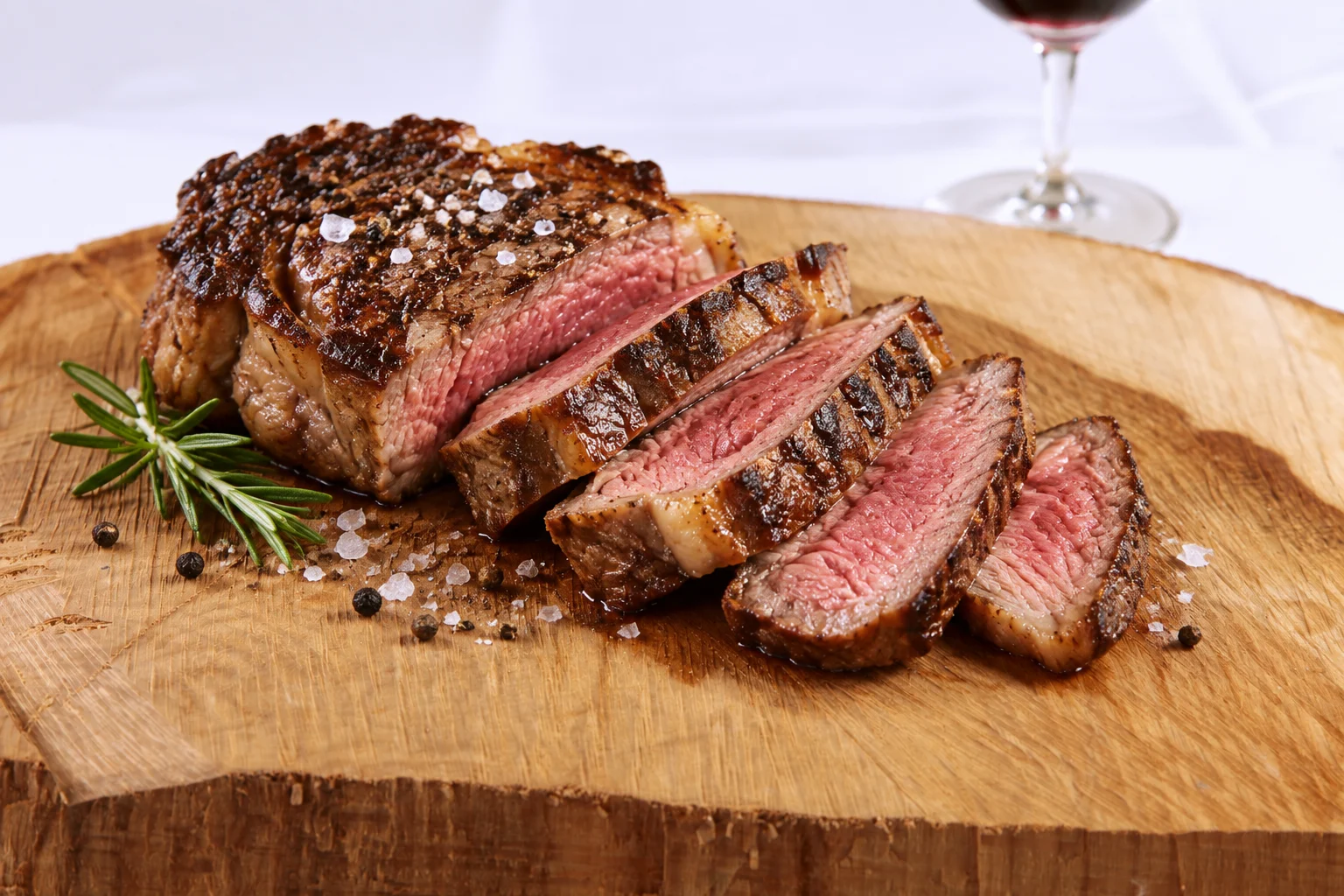
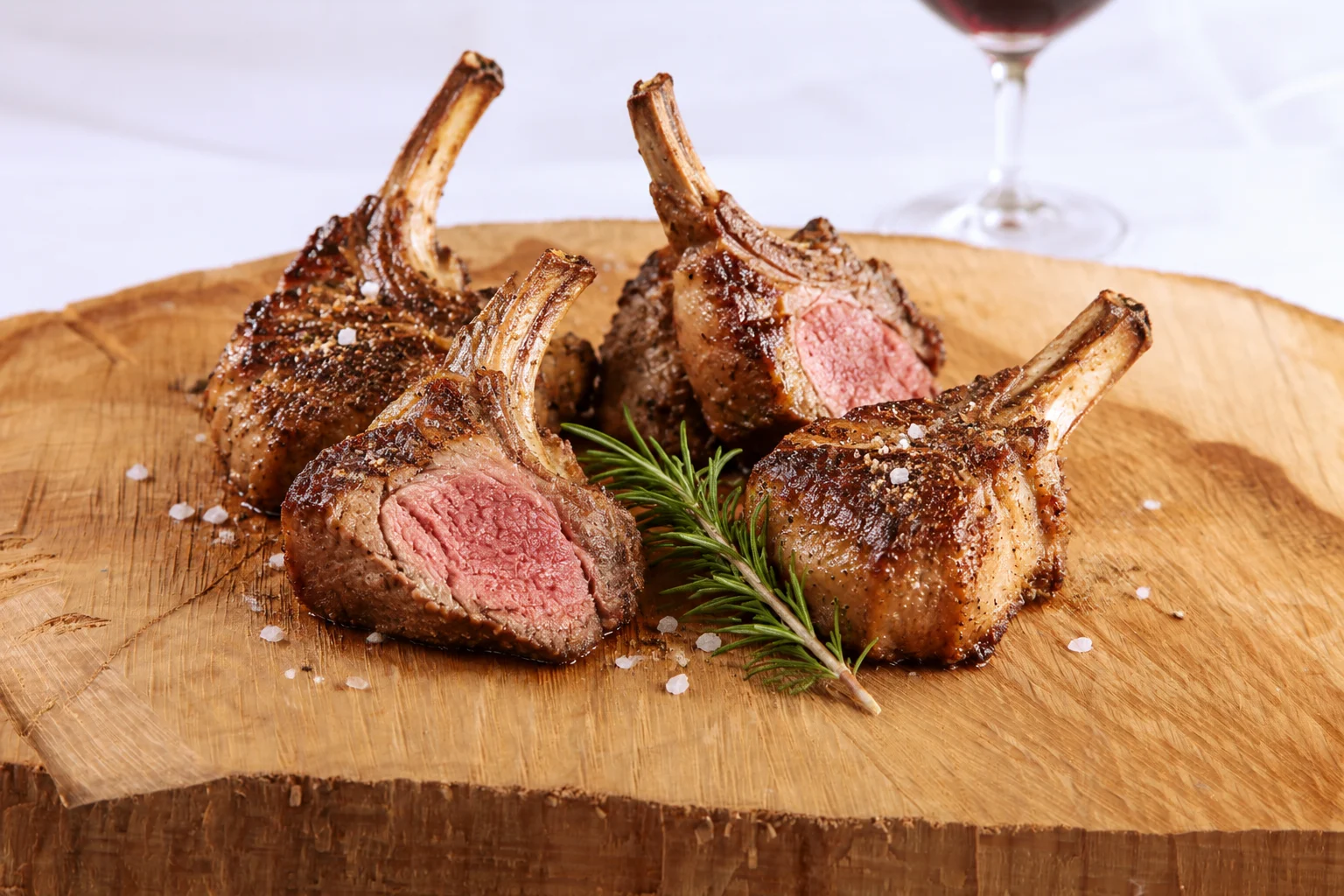
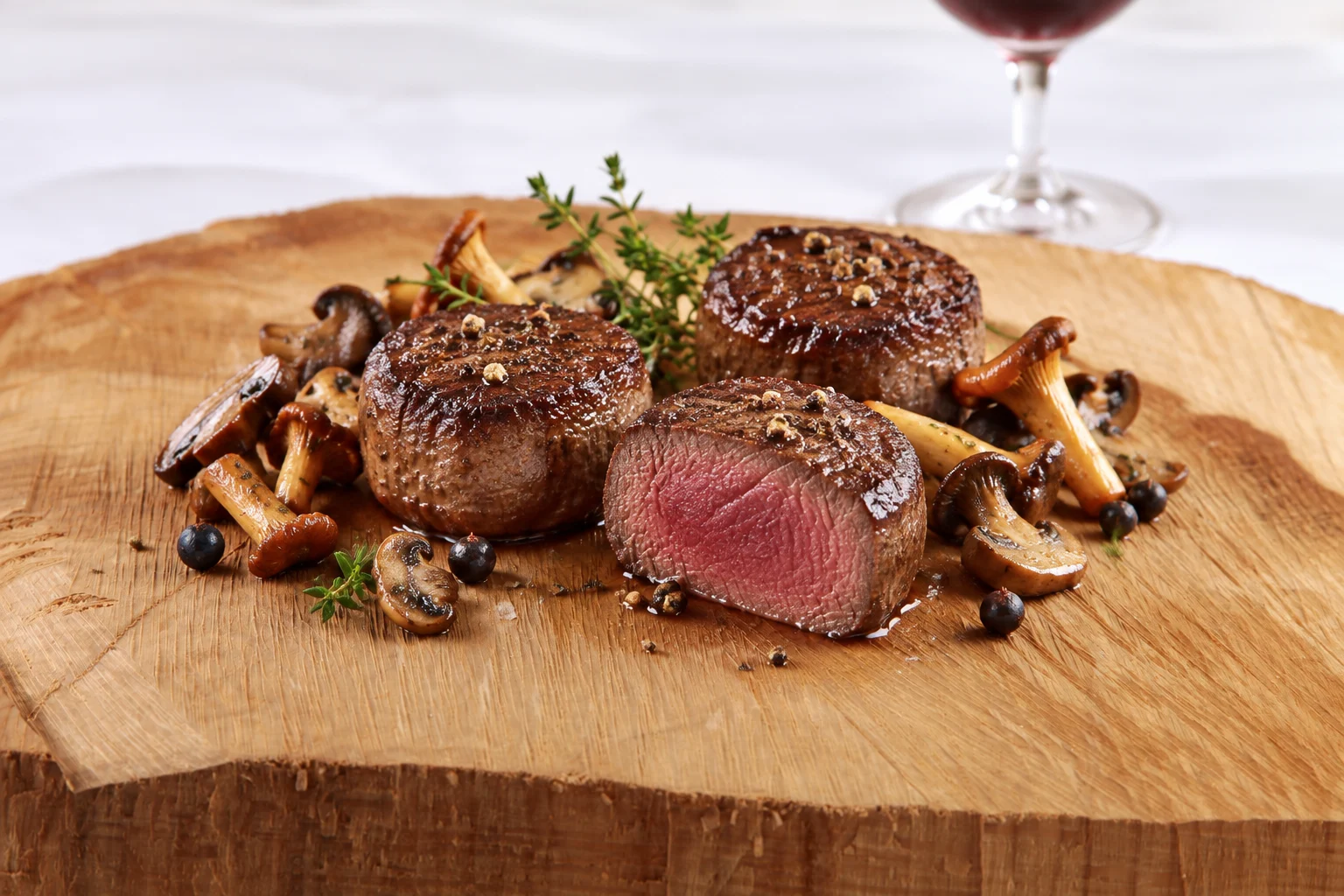
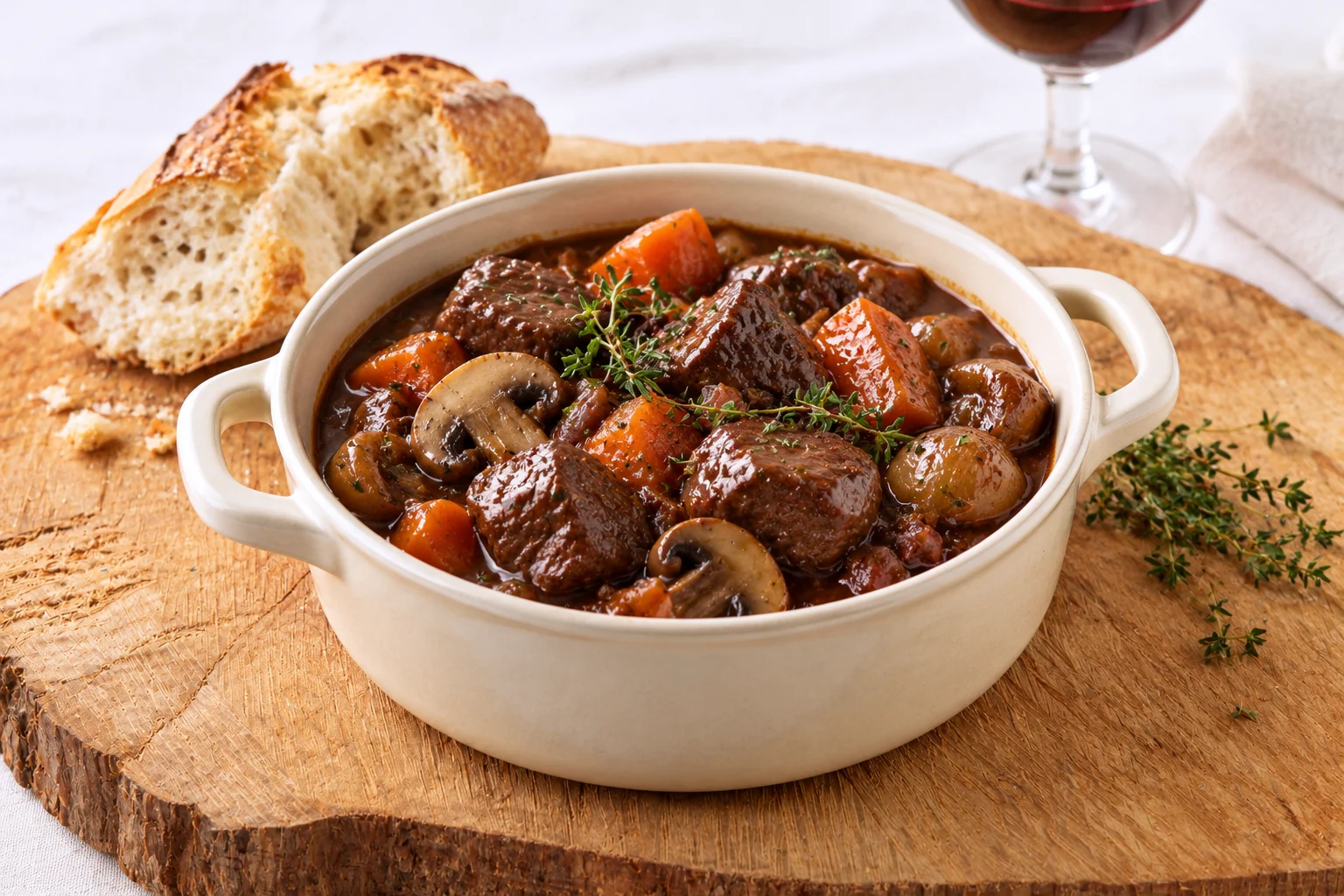
| Sommy Pairing Beschrijving | De 2020 Flor de Pingus opent met een smoky, bloemig boeket van viooltjes en donkere bessenvruchten, gevolgd door tonen van cacao, koffie en licht leder, met een geconcentreerde aanzet en rijpe, fijne tannines die voor lengte en structuur zorgen. Dankzij die fris-rijpe fruitigheid en stevige, maar elegante tannines vormt deze Ribera del Duero een perfecte tegenhanger voor rijke runder- en lamsschotels, wild en krachtige kazen; de houttonen en concentratie staan ook uitstekend naast gegrild vlees van de barbecue. Bereidingen met langzaam gegaard of gegrild vlees, zoals langzaam gegaarde sukadelappen, lamsbout uit de oven met rozemarijn of gemarineerde entrecote van de grill, tillen de wijn naar zijn beste niveau, en decanteren in de eerste vijf levensjaren helpt de complexiteit nog beter vrij te geven. |
Parker
Rating
(95 - 96)
Release Price
$95
Drink Date
2022 - 2029
Reviewed by
Luis Gutiérrez
Issue Date
29th Oct 2021
Source
Issue 257 End of October 2021, The Wine Advocate
The sample I tasted of the 2020 Flor de Pingus was from a single barrique, so perhaps not 100% representative of what the final blend might be. But it feels really harmonious and elegant, with contained ripeness and very nice integration of the oak. The nose is super aromatic and floral, and the wine is perfumed and showy. The palate is surprisingly powerful, with some tannins that need polishing. It's going to need some more time in barrel. There will be some 110,000 bottles that they expect to bottle in July 2022.
I tasted the bottled 2019s from Pingus, a great vintage that follows the path of 2016 and 2018 (and continued by 2020). 2020 saw similar yields as 2019, both lower than 2018. 2018 was more challenging, and 2019 was a sunny year when they harvested early to keep the freshness. Sisseck compares 2019 with 2015, a very ripe year; but they managed to get fresher wine in 2019, and the wine overdelivered for their expectations. The bottled 2019 Pingus is truly outstanding. They thought of bottling it earlier but finally did a longer élevage. 2020 is also a warm and ripe year but with more finesse than 2019. As I saw last year, the wines age in oak vats and oak barrels, not only in barrel, and the integration of the oak is getting better and better.
Lorem ipsum dolor sit amet, consectetur adipiscing elit. Sed do eiusmod tempor incididunt ut labore et dolore magna aliqua...
James Suckling
Lorem ipsum dolor sit amet, consectetur adipiscing elit. Sed do eiusmod tempor incididunt ut labore et dolore magna aliqua...
Exclusive Content
Sign in to unlock professional wine reviews from world-renowned critics
A Dane who conquered Spain with one of the most iconic wines ever: that’s how the story of Dominio de Pingus begins.
The history of Dominio de Pingus
Peter Sisseck, born in Denmark, arrived in Ribera del Duero in the early 1990s. He worked as an oenologist at Hacienda Monasterio and discovered the huge potential of the local Tinto Fino grape. In 1995 he made his first wine in a small garage in Quintanilla de Onésimo. It was named Pingus, after his Danish childhood nickname. What started as a small experiment quickly grew into a legend. When influential American wine critic Robert Parker tasted it, Pingus became world-famous overnight.
The winemaker Peter Sisseck
Sisseck is considered one of the most influential winemakers in Spain, even though he originally comes from Copenhagen. Before moving to Ribera del Duero, he gained experience in Bordeaux and California. That international background shaped his approach: respect for tradition combined with a sharp eye for detail and innovation. He works meticulously in the vineyards, strongly believes in biodynamic principles, and always sets the bar extremely high. This perfectionism explains why even his so-called ‘second wine’, Flor de Pingus, is sought after all over the world. His name is inseparable from quality and from redefining Ribera del Duero as a leading wine region.
Where does the name Pingus come from?
The name Pingus was Peter Sisseck’s childhood nickname in Denmark. Friends and family used it casually, without any special meaning. When he made his first own wine, he deliberately chose this nickname. It gave his project a personal and distinctive identity.
The vineyards and old vines
From the very beginning, Sisseck focused on old Tinto Fino vines. In Ribera del Duero these are becoming rare. Back in 1990 there were thousands of hectares of old vines, but today only a fraction remains. The vineyards for Pingus are located around the village of La Horra and consist of tiny plots. Some vines are more than 80 years old, surviving even before the phylloxera crisis. These old vines yield little fruit, but produce grapes of remarkable intensity and concentration.
The different wines of Pingus
Pingus itself comes from two special plots in La Horra: Barroso and San Cristóbal. The soils combine gravel, sand, clay, and limestone, creating a unique balance. Production is extremely limited, around 6,000 bottles a year.
Flor de Pingus is his second wine, made from sixteen plots around La Horra and Roa. Still largely old vines, complemented by younger plantings. Production is bigger, but still small compared to the demand.
Psi was launched in 2007 together with Pablo Rubio. This project is about working with local growers who own old vineyards. The idea is to make wines that stay true to Ribera del Duero’s traditions, showing balance and purity rather than just power. Psi is vinified in cement tanks and large oak casks, giving a fresher and more approachable style.
Climate and altitude in Ribera del Duero
The climate in Ribera del Duero is harshly continental. Summers are hot, winters cold, and the temperature swings between day and night are extreme. The vineyards sit high, between 700 and 920 meters. This altitude brings cooler nights, helping the grapes ripen slowly and maintain freshness. That’s why Pingus wines combine power with elegance and tension.
Interesting facts about Pingus
- The very first Pingus was literally made in a garage – a classic ‘garagiste’ story.
- Every grape for Pingus is destemmed by hand, one by one.
- Yields are extremely low: often only 11 hectoliters per hectare.
- Pingus was one of the first great names in Spain to embrace biodynamics.
- Because of its scarcity, Pingus bottles have become collectors’ items worldwide.
Order Dominio de Pingus online?
At Grandcruwijnen you can find the wines of Dominio de Pingus in our climate-controlled Wine Warehouse, ensuring perfect storage. Ordering is easy online. If you choose ‘Pick up’ at checkout, you’ll immediately see the discount for collection in Dordrecht.

De 2020 Flor de Pingus opent met een smoky, bloemig boeket van viooltjes en donkere bessenvruchten, gevolgd door tonen van cacao, koffie en licht leder, met een geconcentreerde aanzet en rijpe, fijne tannines die voor lengte en structuur zorgen. Dankzij die fris-rijpe fruitigheid en stevige, maar elegante tannines vormt deze Ribera del Duero een perfecte tegenhanger voor rijke runder- en lamsschotels, wild en krachtige kazen; de houttonen en concentratie staan ook uitstekend naast gegrild vlees van de barbecue. Bereidingen met langzaam gegaard of gegrild vlees, zoals langzaam gegaarde sukadelappen, lamsbout uit de oven met rozemarijn of gemarineerde entrecote van de grill, tillen de wijn naar zijn beste niveau, en decanteren in de eerste vijf levensjaren helpt de complexiteit nog beter vrij te geven.
Choose a category to discover dishes that pair well with this wine.
Do you already have a dish in mind?
Let Sommy find wines to pair with your meal.