

2020 Nin-Ortiz Selma de Nin Blanco

De specificaties zoals vermeld bij de wijn (o.a. wijnjaar) en in de titel zijn leidend en er kunnen geen rechten worden ontleend aan de afbeelding die wordt getoond. Lees meer in onze Frequenty asked questions
Ordering in bulk? Log in to request a quote
Low Stock
Only 1 left
How does this wine taste?
How full and heavy the wine feels in your mouth, like the difference between skimmed milk and cream. More alcohol, sugar and oak ageing make a wine fuller.
The drying, grippy feel on your gums and tongue, as with strong tea. It comes from the skins and seeds of black grapes and from oak, and softens with age.
How much sugar you taste, from dry to sweet. Fruity is not the same as sweet: a dry wine can taste of ripe fruit.
How fresh and juicy the wine is: acidity makes your mouth water. High acidity tastes lively and refreshing, low acidity soft and round.
What we taste What you taste Click a taste for what it means
The bars follow how sommeliers taste (WSET): body, tannin, sweetness and acidity, each from low to high.
Body: medium-bodied. Like most red wines from ; 12% alcohol.
Tannin: fairly smooth. Aged in oak.
Sweetness: dry. Red wine from is almost always dry.
Acidity: fairly high. The warm climate of .
Nothing noted for this wine yet. What do you smell, and how long does the taste linger?
Have you tasted this wine?
Save your rating and notes.
Save your rating and notes.
Have you tasted this wine?
Log in to save your tasting note.
Log in to save your tasting note.
Log inEster Nin and Carles Ortiz are the proud owners of this tiny wine estate with vineyards in Porrera, Torroja, and Gratallops. Ester is an oenologist and biologist, originally from the upper Penedès region, in El Pla de Manlleu. Carles, along with his mules Negret and Max, is in charge of the vineyard. Ester is best known for her work as an oenologist at Clos Erasmus in Gratallops and for NUN, the premium white wine from Enric Soler in the Penedès, the first vintages of which she vinified. She is a firm believer in biodynamics in all her projects.
The Selma has a beautiful nose with floral and herbal notes, somewhat reminiscent of a Savagnin from the Jura. It's a complex and unusual blend of 25% Roussanne, Marsanne, Parellada Montonega, and Chenin Blanc, aged for 12 months in 225- and 300-liter oak barrels and two years in bottle. It has clean and elegant flavors, subtle and elegant, with a long finish. Only 2,350 bottles of the 2020 vintage were produced, and all bottles are numbered.
Character
The wine
Origin
Bottle
Wine features
Parker
The Wine Advocate
RP 95
Reviewed by:
Luis Gutiérrez
Release Price:
$100
Drink Date:
2024 - 2030
The 2020 Selma has a beautiful nose with notes of flowers and spice that somewhat reminds me of a Savagnin from Jura. It's a complex and unusual blend of 25% each Roussanne, Marsanne, Parellada Montonega and Chenin Blanc that matured in 225- and 300-liter oak barrels for 12 months and was kept in bottle for two years. It's tasty, with clean and elegant flavors, subtle and elegant, with a long finish. I found it really impressive. 2,350 bottles produced. It was bottled in January 2022.
Carles Ortiz and Ester Nin produce 30,000 bottles, 100% of them with grapes from their own vineyards. All of their vineyards are certified organic and biodynamic, but they still don't have the certification for the wines.
2021 was an atypical year, with a big snowstorm in January, a cooler year but not as much as 2013, 2010 or 2018, and they said it was a more Mediterranean version of 2020. They harvested late, the alcohol was lower (they had some difficulties to achieve the minimum alcohol required by the appellation in some wines), and the wines are fresher but the ripeness was good (looking at the polyphenols and so on).
There will be a new Garnacha from young vines in La Coma d'en Romeu. They have been planting small plots (and replacing dead vines) in their old vineyards, a trend that I see in many producers as they have to get ready for the future; if you want old vines in 50 years from now, you have to plant them now! They are also extremely worried about the lack of water and have dug a well in their Planetes vineyard that gives them very little water, but at least it's something.
Unfortunately, Cariñena Blanca, the white mutation of Cariñena, is still not approved by the Priorat appellation, mainly because it's a grape that delivers wines with moderate alcohol—a blessing in the warm climate, a grape resistant to drought and pat for the climate change—usually below what the appellation requires (13% for whites). They had applied for an exception to this rule for the wines produced with Cariñena Blanca to be allowed at 12.5% alcohol, but it was rejected. So, after 11 vintages, their white is still an experimental wine.
Published: May 16, 2024
Lorem ipsum dolor sit amet, consectetur adipiscing elit. Sed do eiusmod tempor incididunt ut labore et dolore magna aliqua...
Vinous
94
Drinking Window
2025 - 2030
From: From Revolution to Evolution: The Garnatxas and Cariñenas of Priorat & Montsant (Nov 2024)
The 2020 Selma is a blend of Roussanne, Marsanne, Parellada, Montonega and Chenin Blanc, all sourced from Pla de Manlleu. Aged for one year in barrel and two months in bottle, this white wine reveals a core of green apple along with notes of white peach and acacia. Dry and bold, the ample palate contrasts with a talc-like texture and a delicate mouthfeel. Intense and rich, this is a savory white wine that captures the essence of Penedès.
- By Joaquín Hidalgo on November 2024
Ester Nin and Carles Ortiz began work on a winery in Porrera in 2018, built in the heart of an amphitheater created by their biodynamically farmed vineyard. This project continues a story that began in 2004 when Nin, a student of Josep Lluis Pérez, crafted Nit de Nin for the first time. In 2008, Nin and Ortiz launched Planetes de Nin. The two work the vineyard by hand and harvest early. “We harvest when the pH reaches 3.2,” Ortiz tells me, giving a clear idea of the house style, which combines vigor with nimbleness. The Nin Ortiz wines are ethereal, energetic Garnatxas that seem rather countercultural today. Familia Nin Ortiz is a member of the Renaissance des Appellations, a group of biodynamic wineries that campaign for diversity and a greater expression of terroir.
Lorem ipsum dolor sit amet, consectetur adipiscing elit. Sed do eiusmod tempor incididunt ut labore et dolore magna aliqua...
Exclusive Content
Sign in to unlock professional wine reviews from world-renowned critics
Ester Nin and Carles Ortiz are the proud owners of this tiny wine estate with vineyards in Porrera and Torroja, and Gratallops. Ester is an oenologist and biologist originally from the higher part of the Penedès, in El Pla de Manlleu. Carles is in charge of the vineyard, along with his mules Negret and Max. Ester is best known for her work as an oenologist of Clos Erasmus in Gratallops and of NUN, the top white wine of Enric Soler in the Penedès, of which she vinified the first vintages. In all her projects, she resolutely opts for biodynamics.
In 2004, she bought a small plot of land with just over 1 ha of vineyard, Mas d'en Caçador: a steep slope high above the road from Porrera to Torroja. 2004 was also the first harvest of its own wine (barely one barrique), the Nit de Nin, which immediately gained cult status and monster scores. In the early years, it was just Garnatxa and Carinyena. For the Nit de Nin this is 60% Garnatxa Peluda and for the Planetes 70% Garnatxa País. The Garnatxa Peluda is mixed with old Carinyena planted on steep slopes (costers). The Planetes vineyards (5 ha) consist of 4 ha Garnatxa on terraces and 1ha Carinyena on a steep slope. The new canes that have been planted are clones that have taken themselves from old Carinyena. In the meantime, several almost extinct cépages have been added to the portfolio. The native white Montanega, which is a variant of the Parellada, for the Terra Vermella. Ester's other white crown jewel is the Selma de Nin, originating from Penedès, more specifically the village of Selma, where an elevated parcel of the family is bombarded with Chenin Blanc, Roussanne, Marsanne, and Xarello.
All vineyards are biodynamically worked with the help of two mules and are located on pure llicorella (slate) spread over:
Mas d'en Caçador, three small vineyards on steep slopes (costers), with orientation north-east, north-west, between 400 and 650 m altitudes. This is one of the highest vineyards in Priorat, seen from the road between Porrera and Torroja.
Planetes: llicorella with a lot of iron oxide called ferral, much harder than regular llicorella. The new vineyards (between 5 and 13 years old) are planted on terraces and part on old 'costers' (Carinyena), visible from the road between Falset and Porrera.
Coma d'en Romeu: Grand cru vineyard covered with 75 years old Garnacha at an altitude of 350 m. Ilicorella and southern orientation.
La Rodeda: Located near Mas d'en Cacador with 80-year-old Garnatxa Peluda at an altitude of 700 m. Here too llicorella is the main soil component.
Selma de Nin: Located at an altitude of 750 meters with a limestone subsoil and a limited amount of clay.
Terra Vermella: The "red grounds" is the literal translation of the name of this white wine. The subsoil here consists mainly of ferruginous clay mixed with stones at an altitude of 550 m.
Only indigenous yeasts are used with an absolute minimum of sulfur. An extensive selection, in which all the overripe grapes are removed, ensures elegant and mineral wines. One page a day, manual and gentle. Then 18 months élevage in French oak barrels, 1/3 new.
The Planetes is selected in the same way. Fermentation and élevage for 12 to 14 months take place in 3000-liter French oak conical foeders and partly in Nit de Nin barriques from the previous year. Over the years, Ester has been omitting more and more barrique in favor of amphorae and large foeders. In the meantime, the couple has managed to build a small, functional bodega integrated into the vineyards. The harvest year 2020 is the first vintage that was vinified here.
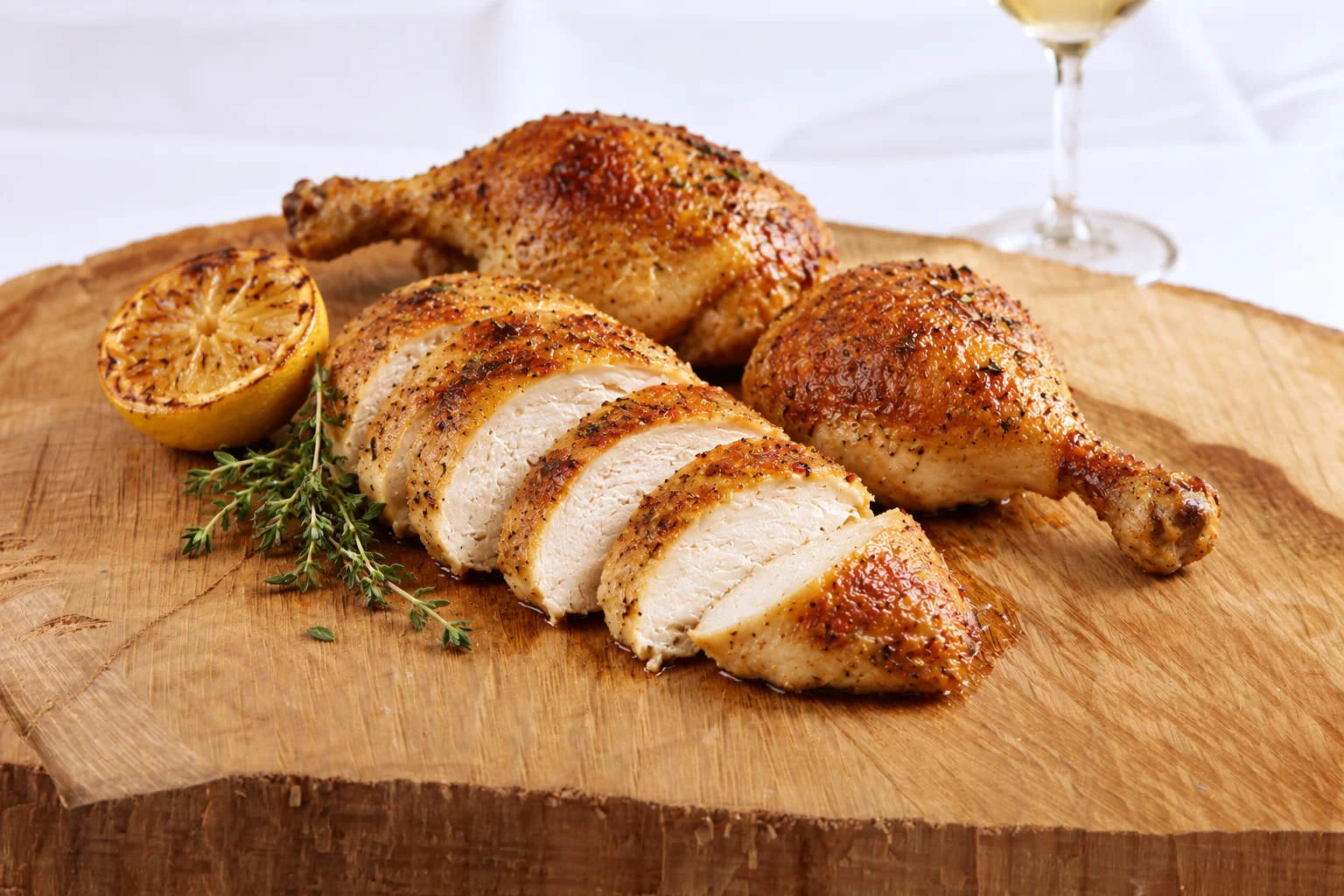
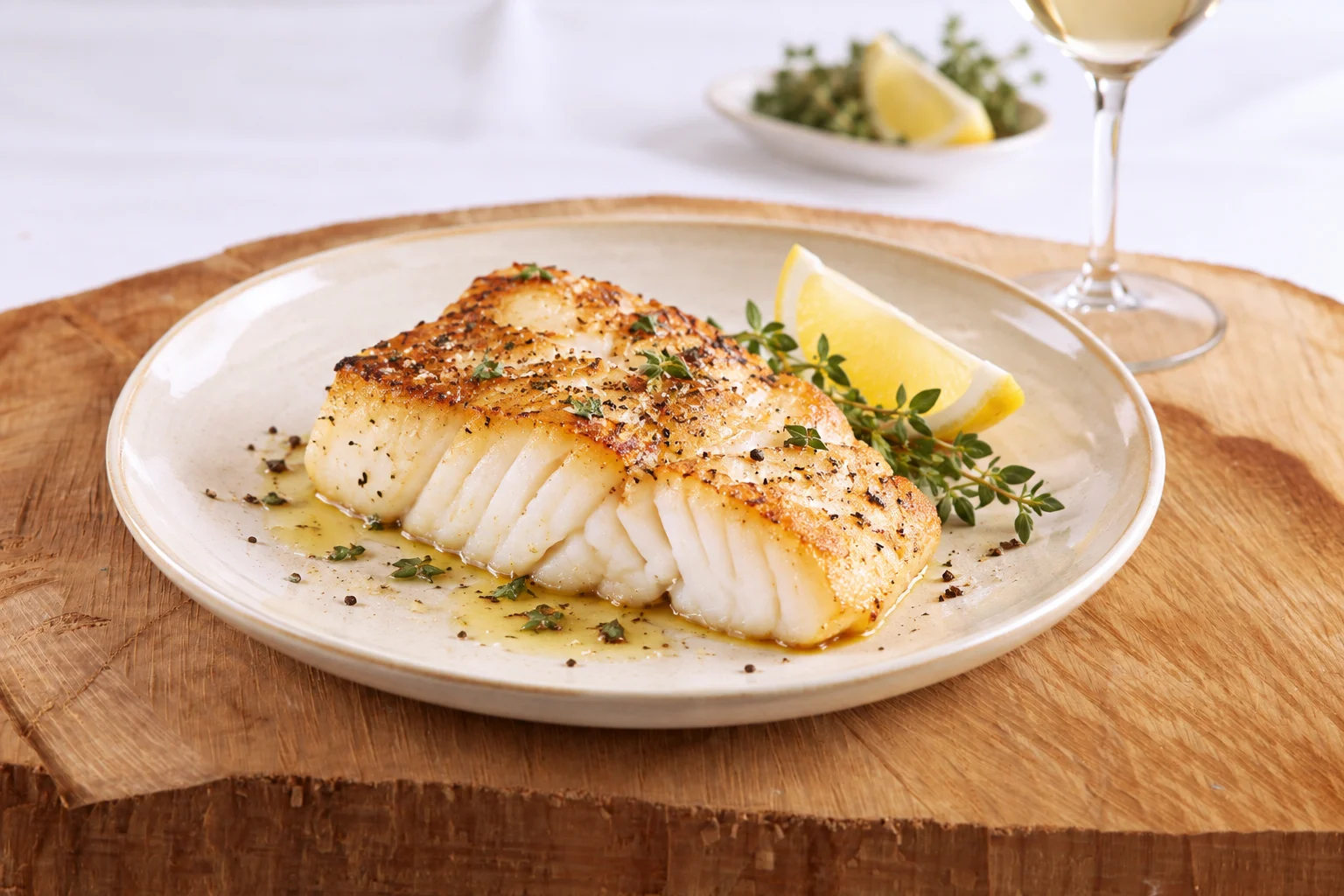
Deze Selma 2020 opent met bloemen en kruiden en toont frisse groene appel en witte perzik, onderlegd met subtiele eik en een kieskeurige, talc-achtige textuur die in een lange, ziltige afdronk uitmondt. Daardoor werkt hij uitstekend bij gevogelte en witte vis omdat de frisse zuren en het zijdezachte mondgevoel vetten snijden en delicate smaken benadrukken, bij schelpen en schaaldieren omdat de minerale en kruidige tonen de zeevruchten complementeren en bij kazen en vegetarische gerechten omdat de wijn zowel frisse als rijke elementen aankan. Bereidingen die extra goed werken zijn bijvoorbeeld geroosterde kip met kruiden en beurre blanc, licht gegrilde zeebaars of coquilles, botergepochte garnalen of romige paddenstoelentofoe en rijpe, niet te krachtige kazen met een vleugje honing of citroen.
Choose a category to discover dishes that pair well with this wine.
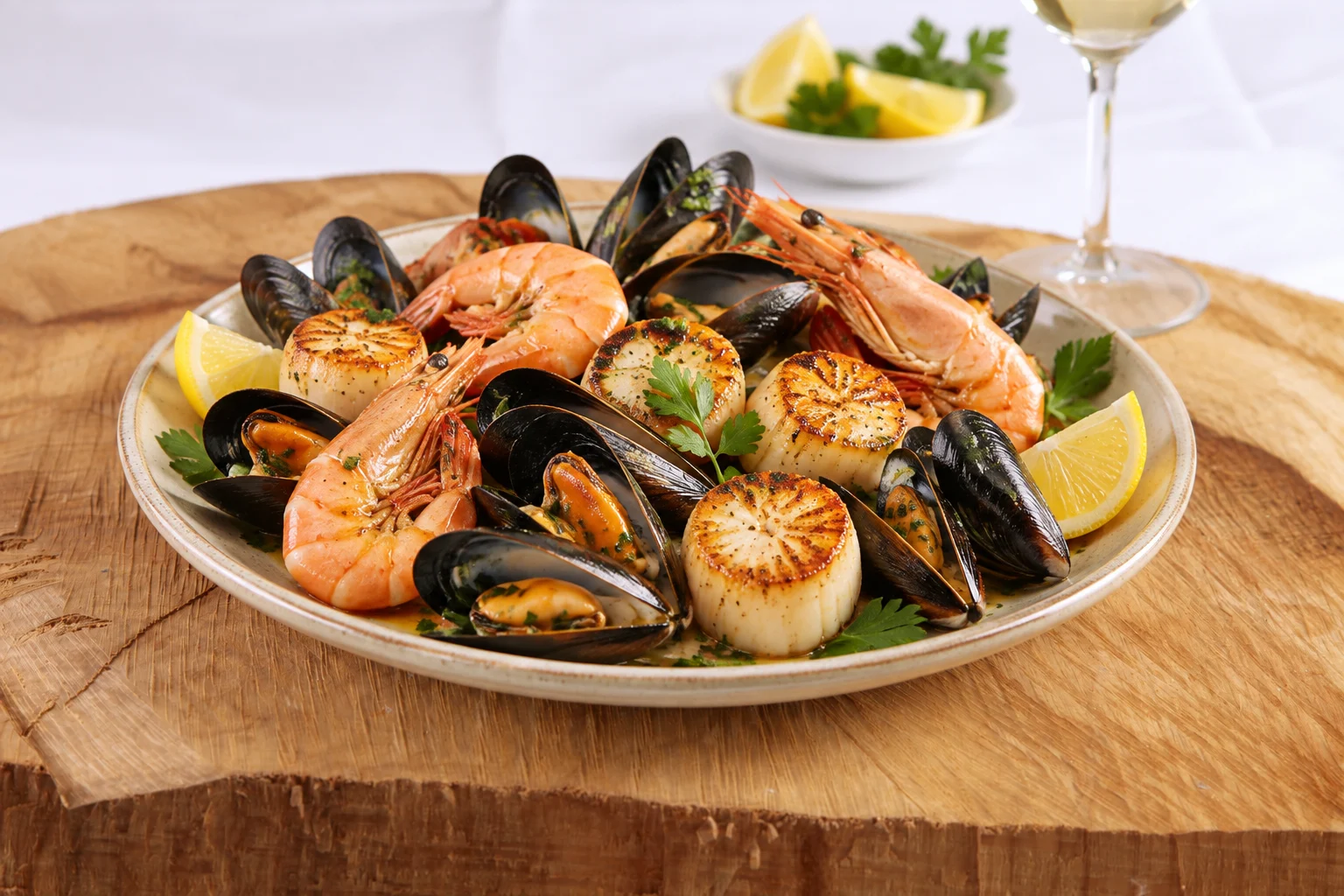
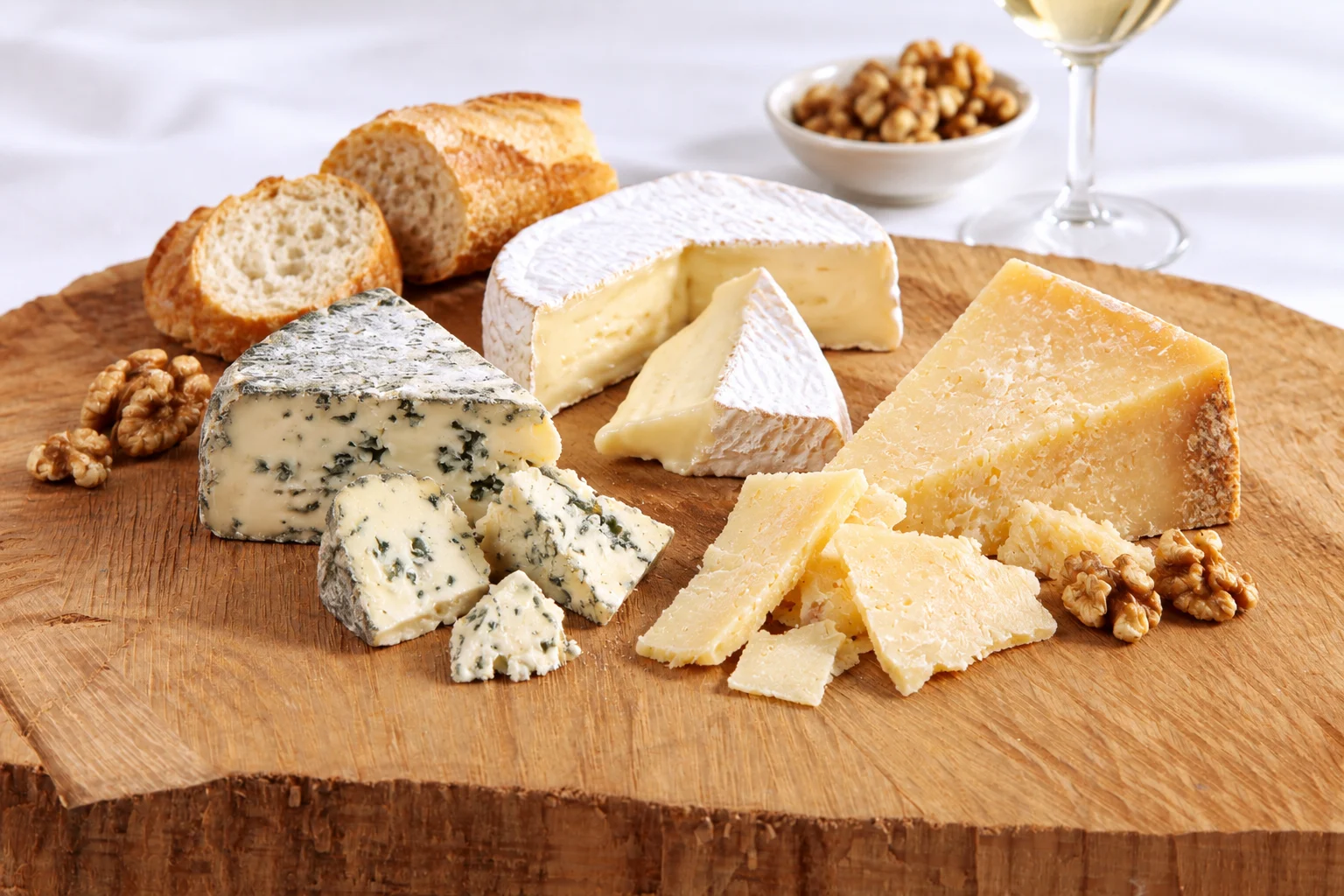
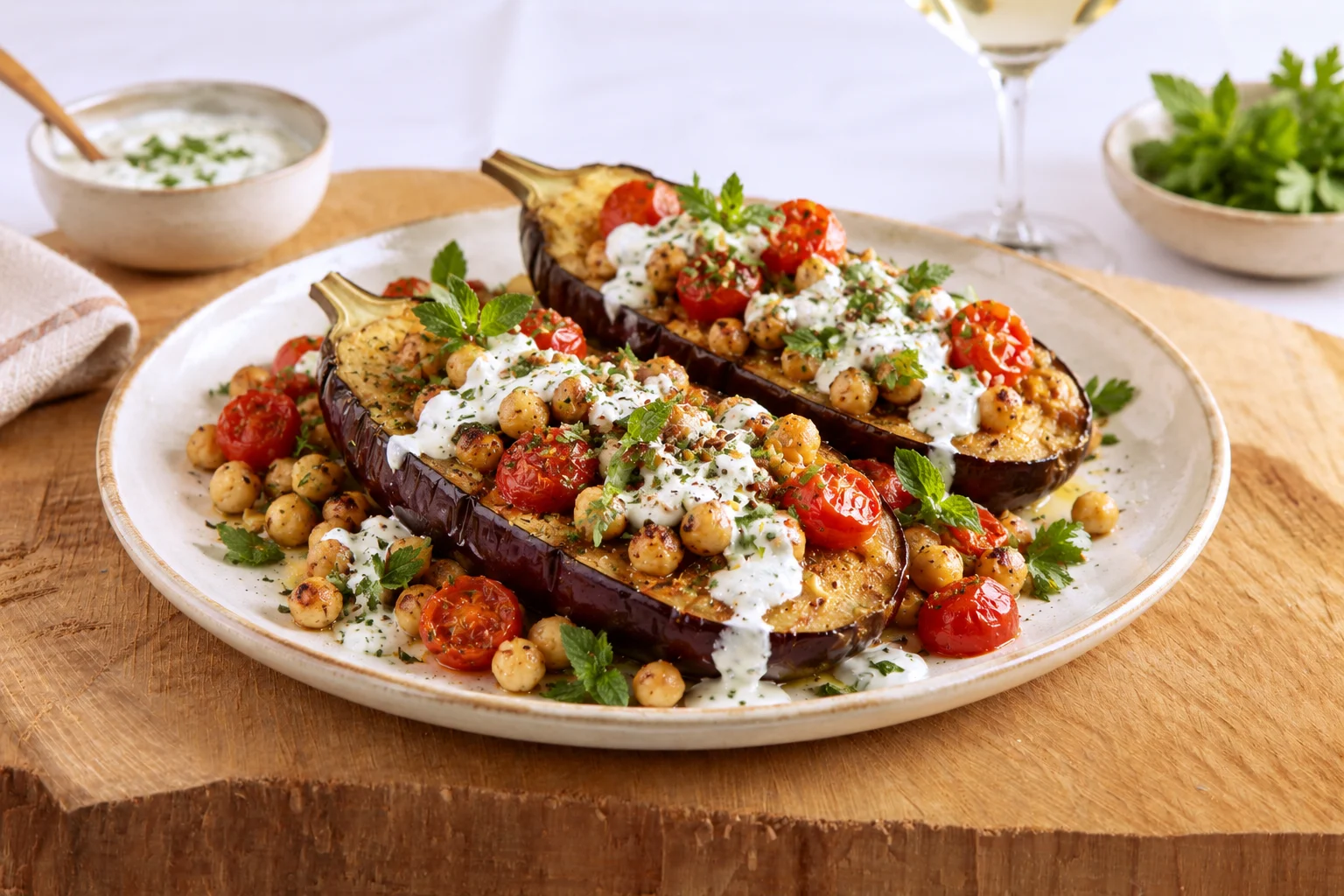
Do you already have a dish in mind?
Let Sommy find wines to pair with your meal.
Discover Wine Trivia
Sign in to unlock fascinating facts about this wine and expand your knowledge.
Sign In