

2019 Dominio de Pingus Pingus
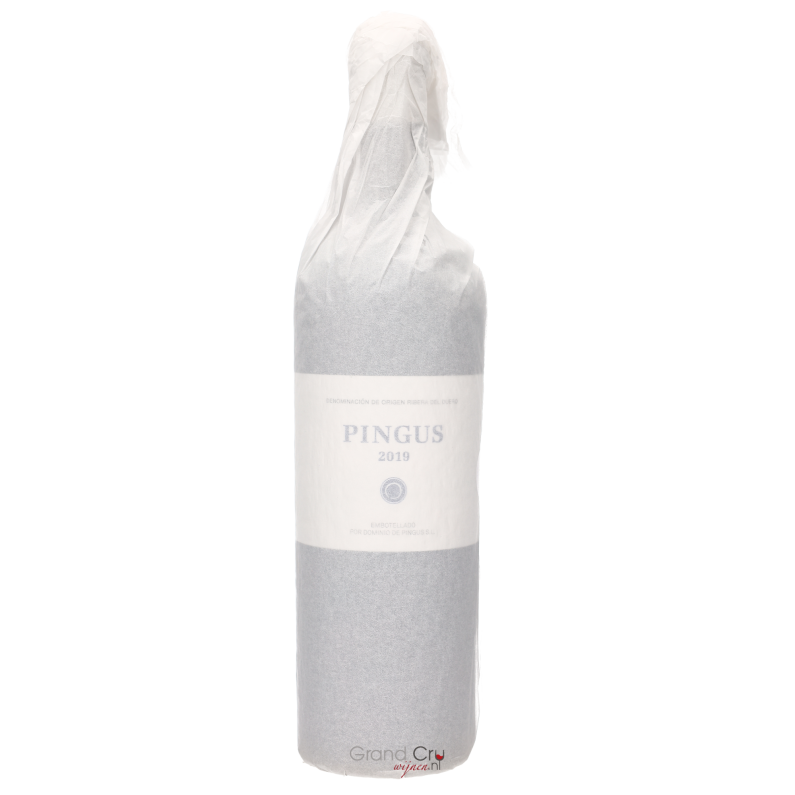
De specificaties zoals vermeld bij de wijn (o.a. wijnjaar) en in de titel zijn leidend en er kunnen geen rechten worden ontleend aan de afbeelding die wordt getoond. Lees meer in onze Frequenty asked questions
How does this wine taste?
How full and heavy the wine feels in your mouth, like the difference between skimmed milk and cream. More alcohol, sugar and oak ageing make a wine fuller.
The drying, grippy feel on your gums and tongue, as with strong tea. It comes from the skins and seeds of black grapes and from oak, and softens with age.
How much sugar you taste, from dry to sweet. Fruity is not the same as sweet: a dry wine can taste of ripe fruit.
How fresh and juicy the wine is: acidity makes your mouth water. High acidity tastes lively and refreshing, low acidity soft and round.
What we taste What you taste Click a taste for what it means
The bars follow how sommeliers taste (WSET): body, tannin, sweetness and acidity, each from low to high.
Body: powerful. Like most red wines from ; 14.5% alcohol.
Tannin: tannic. From ; aged in oak.
Sweetness: dry. Red wine from is almost always dry.
Acidity: medium. from the warm climate of .
Aromas: earthy notes, dark fruit and red fruit, typical of
Nothing noted for this wine yet. What do you smell, and how long does the taste linger?
Have you tasted this wine?
Save your rating and notes.
Save your rating and notes.
Have you tasted this wine?
Log in to save your tasting note.
Log in to save your tasting note.
Log inThe Wine Advocate
RP 99
Reviewed by:
Luis Gutierrez
Release Price:
$1080
Drink Date:
2023 - 2035
I tasted the bottled 2019 Pingus two weeks after bottling. Even at this early stage and after the operation, the wine is super harmonious and elegant. They really outdid themselves here and produced an amazingly fresh, aromatic and harmonious wine in a warm vintage. It's incredibly textured, with refined, very fine-grained and chalky tannins. It's very balanced, and there's no excess of anything; it has 14% alcohol, perfect ripeness and a velvety mouthfeel. It gets more floral with time in the glass, getting nuanced and really interesting. It delivers what the barrel sample promised one year ago, when the wine already surprised me. I think the word that best describes this wine is precision—it's clean, focused, balanced and delineated. Bravo! 7,900 bottles produced. It was bottled in September 2021.
I tasted the bottled 2019s from Pingus, a great vintage that follows the path of 2016 and 2018 (and continued by 2020). 2020 saw similar yields as 2019, both lower than 2018. 2018 was more challenging, and 2019 was a sunny year when they harvested early to keep the freshness. Sisseck compares 2019 with 2015, a very ripe year; but they managed to get fresher wine in 2019, and the wine overdelivered for their expectations. The bottled 2019 Pingus is truly outstanding. They thought of bottling it earlier but finally did a longer élevage. 2020 is also a warm and ripe year but with more finesse than 2019. As I saw last year, the wines age in oak barrels and oak barrels, not only in barrel, and the integration of the oak is getting better and better.
Published:
Character
The wine
- 100%
Origin
Bottle
Wine features
Parker
I tasted the bottled 2019 Pingus two weeks after bottling. Even at this early stage and after the operation, the wine is super harmonious and elegant. They really outdid themselves here and produced an amazingly fresh, aromatic and harmonious wine in a warm vintage. It's incredibly textured, with refined, very fine-grained and chalky tannins. It's very balanced, and there's no excess of anything; it has 14% alcohol, perfect ripeness and a velvety mouthfeel. It gets more floral with time in the glass, getting nuanced and really interesting. It delivers what the barrel sample promised one year ago, when the wine already surprised me. I think the word that best describes this wine is precision—it's clean, focused, balanced and delineated. Bravo! 7,900 bottles produced. It was bottled in September 2021.
I tasted the bottled 2019s from Pingus, a great vintage that follows the path of 2016 and 2018 (and continued by 2020). 2020 saw similar yields as 2019, both lower than 2018. 2018 was more challenging, and 2019 was a sunny year when they harvested early to keep the freshness. Sisseck compares 2019 with 2015, a very ripe year; but they managed to get fresher wine in 2019, and the wine overdelivered for their expectations. The bottled 2019 Pingus is truly outstanding. They thought of bottling it earlier but finally did a longer élevage. 2020 is also a warm and ripe year but with more finesse than 2019. As I saw last year, the wines age in oak vats and oak barrels, not only in barrel, and the integration of the oak is getting better and better.
Published:
Lorem ipsum dolor sit amet, consectetur adipiscing elit. Sed do eiusmod tempor incididunt ut labore et dolore magna aliqua...
James Suckling
Dominio de Pingus Ribera del Duero Pingus 2019
Thursday, February 3, 2022
CountrySpain
RegionCastilla y León
Vintage2019
CHECK PRICE
DOWNLOAD SHELFTALKER
Score
99
Ripe-berry, black-cherry, black-mushroom and violet aromas. Some stone and dry-earth undertones. Full-bodied and very long with and extremely fine, silky texture and a finish that goes on for minutes. The depth and texture of this wine is truly breathtaking. Another world-class Pingus. Try after 2025, when the tannins will have softened and the wine will be opening up.
Lorem ipsum dolor sit amet, consectetur adipiscing elit. Sed do eiusmod tempor incididunt ut labore et dolore magna aliqua...
Exclusive Content
Sign in to unlock professional wine reviews from world-renowned critics
A Dane who conquered Spain with one of the most iconic wines ever: that’s how the story of Dominio de Pingus begins.
The history of Dominio de Pingus
Peter Sisseck, born in Denmark, arrived in Ribera del Duero in the early 1990s. He worked as an oenologist at Hacienda Monasterio and discovered the huge potential of the local Tinto Fino grape. In 1995 he made his first wine in a small garage in Quintanilla de Onésimo. It was named Pingus, after his Danish childhood nickname. What started as a small experiment quickly grew into a legend. When influential American wine critic Robert Parker tasted it, Pingus became world-famous overnight.
The winemaker Peter Sisseck
Sisseck is considered one of the most influential winemakers in Spain, even though he originally comes from Copenhagen. Before moving to Ribera del Duero, he gained experience in Bordeaux and California. That international background shaped his approach: respect for tradition combined with a sharp eye for detail and innovation. He works meticulously in the vineyards, strongly believes in biodynamic principles, and always sets the bar extremely high. This perfectionism explains why even his so-called ‘second wine’, Flor de Pingus, is sought after all over the world. His name is inseparable from quality and from redefining Ribera del Duero as a leading wine region.
Where does the name Pingus come from?
The name Pingus was Peter Sisseck’s childhood nickname in Denmark. Friends and family used it casually, without any special meaning. When he made his first own wine, he deliberately chose this nickname. It gave his project a personal and distinctive identity.
The vineyards and old vines
From the very beginning, Sisseck focused on old Tinto Fino vines. In Ribera del Duero these are becoming rare. Back in 1990 there were thousands of hectares of old vines, but today only a fraction remains. The vineyards for Pingus are located around the village of La Horra and consist of tiny plots. Some vines are more than 80 years old, surviving even before the phylloxera crisis. These old vines yield little fruit, but produce grapes of remarkable intensity and concentration.
The different wines of Pingus
Pingus itself comes from two special plots in La Horra: Barroso and San Cristóbal. The soils combine gravel, sand, clay, and limestone, creating a unique balance. Production is extremely limited, around 6,000 bottles a year.
Flor de Pingus is his second wine, made from sixteen plots around La Horra and Roa. Still largely old vines, complemented by younger plantings. Production is bigger, but still small compared to the demand.
Psi was launched in 2007 together with Pablo Rubio. This project is about working with local growers who own old vineyards. The idea is to make wines that stay true to Ribera del Duero’s traditions, showing balance and purity rather than just power. Psi is vinified in cement tanks and large oak casks, giving a fresher and more approachable style.
Climate and altitude in Ribera del Duero
The climate in Ribera del Duero is harshly continental. Summers are hot, winters cold, and the temperature swings between day and night are extreme. The vineyards sit high, between 700 and 920 meters. This altitude brings cooler nights, helping the grapes ripen slowly and maintain freshness. That’s why Pingus wines combine power with elegance and tension.
Interesting facts about Pingus
- The very first Pingus was literally made in a garage – a classic ‘garagiste’ story.
- Every grape for Pingus is destemmed by hand, one by one.
- Yields are extremely low: often only 11 hectoliters per hectare.
- Pingus was one of the first great names in Spain to embrace biodynamics.
- Because of its scarcity, Pingus bottles have become collectors’ items worldwide.
Order Dominio de Pingus online?
At Grandcruwijnen you can find the wines of Dominio de Pingus in our climate-controlled Wine Warehouse, ensuring perfect storage. Ordering is easy online. If you choose ‘Pick up’ at checkout, you’ll immediately see the discount for collection in Dordrecht.
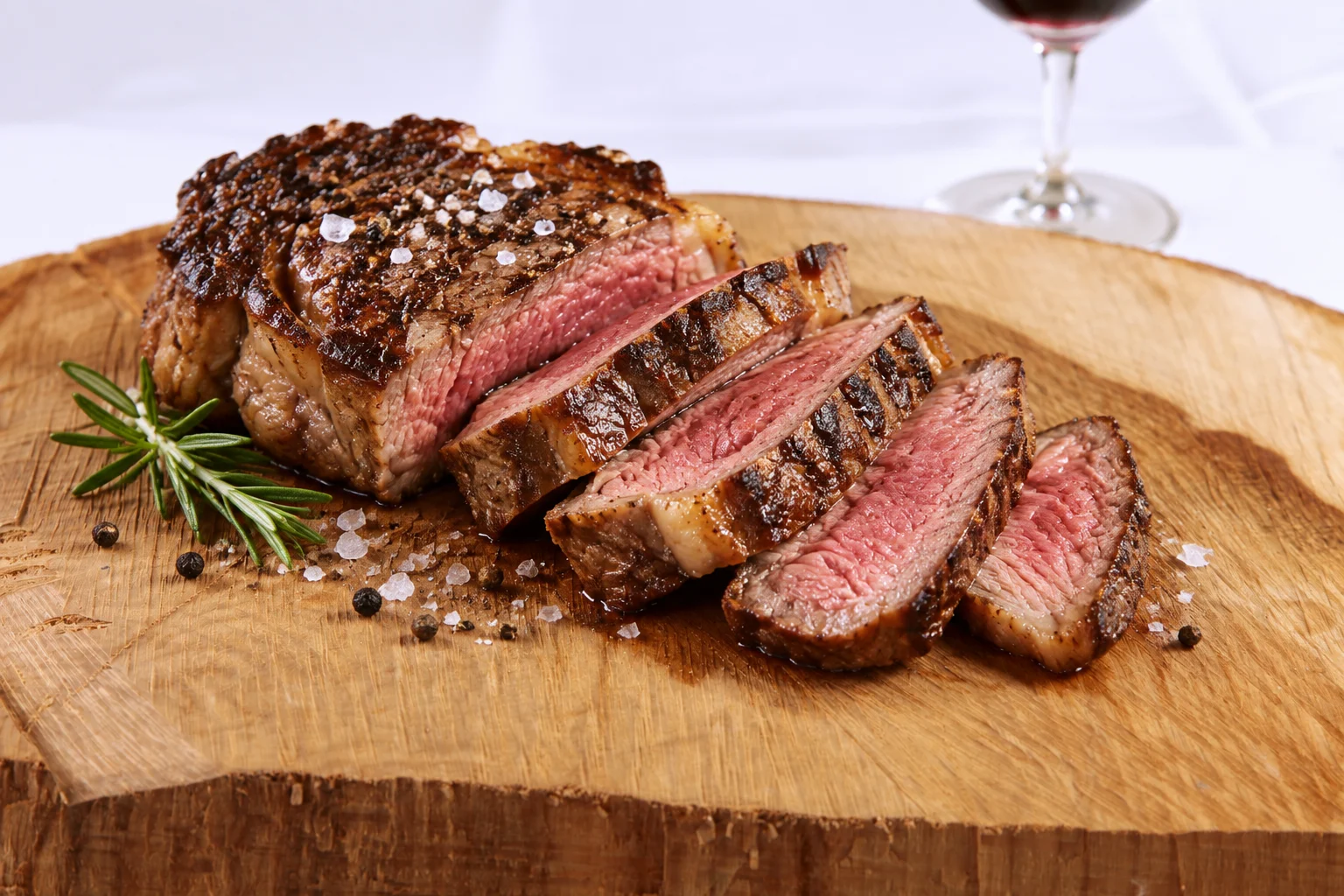
Deze 2019 Pingus toont geconcentreerde zwarte kers en braambes, violette en aardse paddenstoeltonen, fijnkorrelige, kalkachtige tannines en een fluwelige, precieze structuur met geïntegreerde houttonen en een elegante frisheid. Dankzij die diepe fruitexpressie en strakke tannines snijdt de wijn mooi door het vet van rund, lam en wild en complimenteert hij aardse sauzen en paddenstoelen, terwijl zijn lengte en finesse even goed opgaan met gerijpte kazen; denk aan gegrild côte de boeuf medium-rare, langzaam gegaard lamsbout met rozemarijn of hertendrager in een jeneverbessensaus en een plateau van oude Manchego of belegen cheddar voor een feestelijke match.
Choose a category to discover dishes that pair well with this wine.
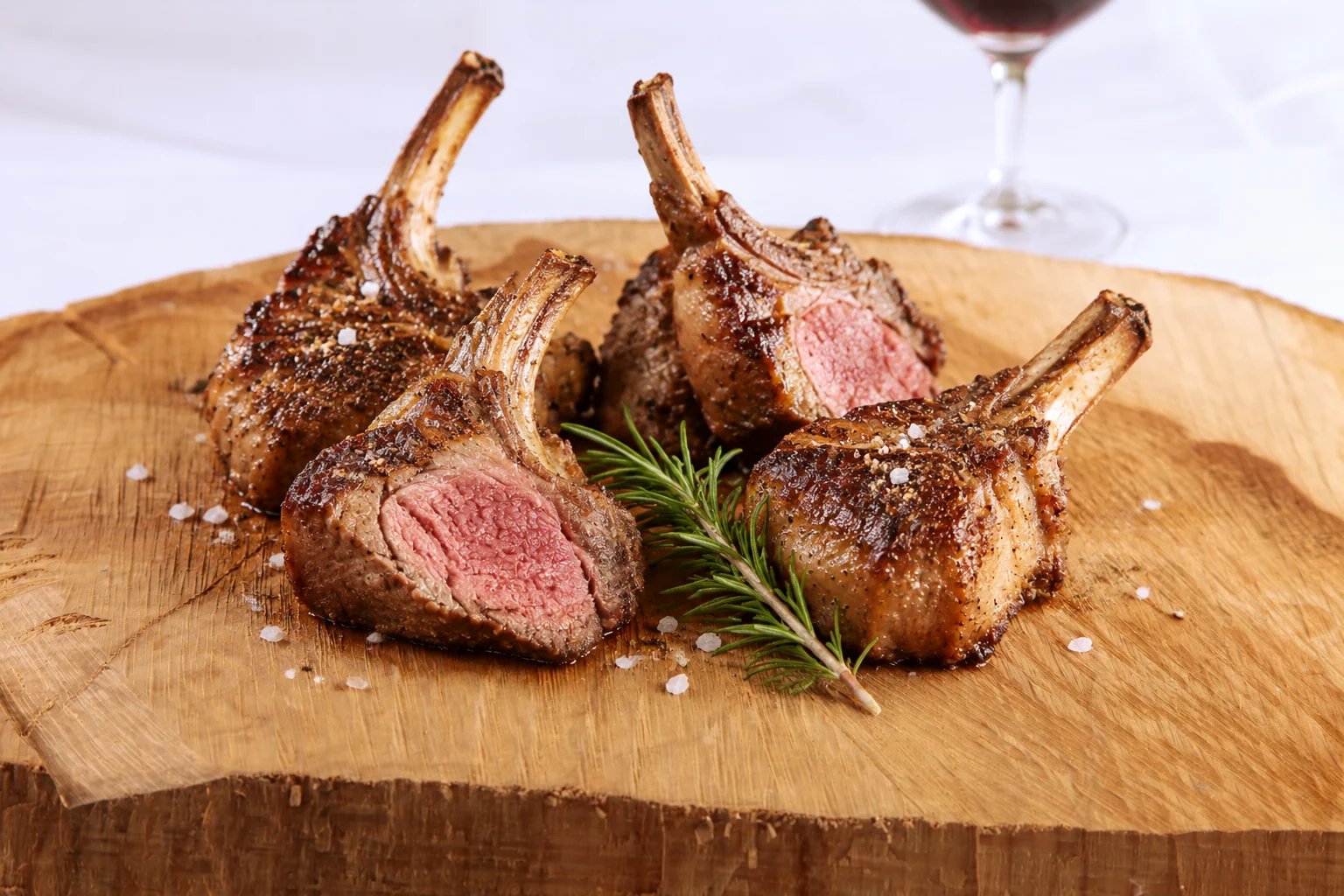
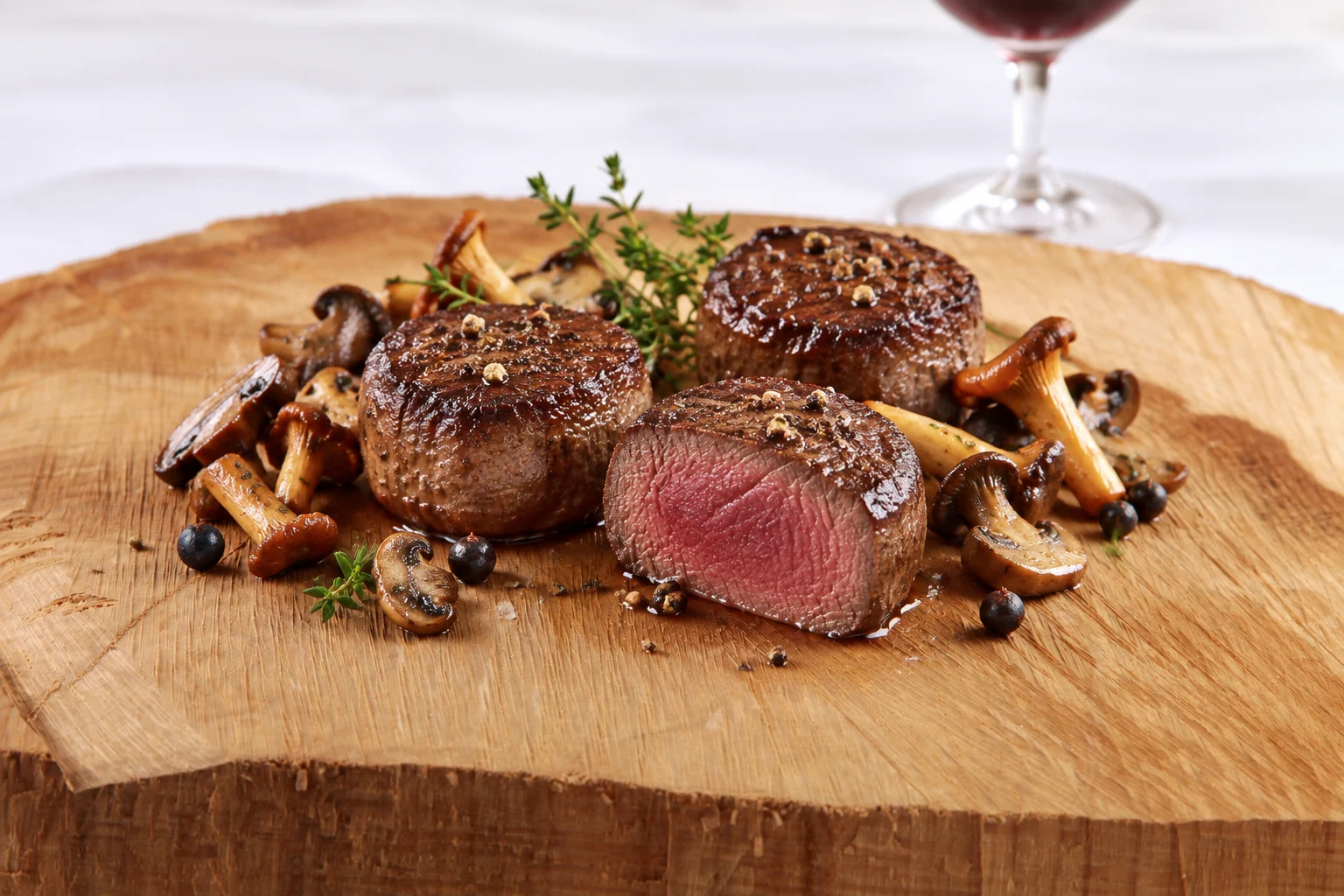
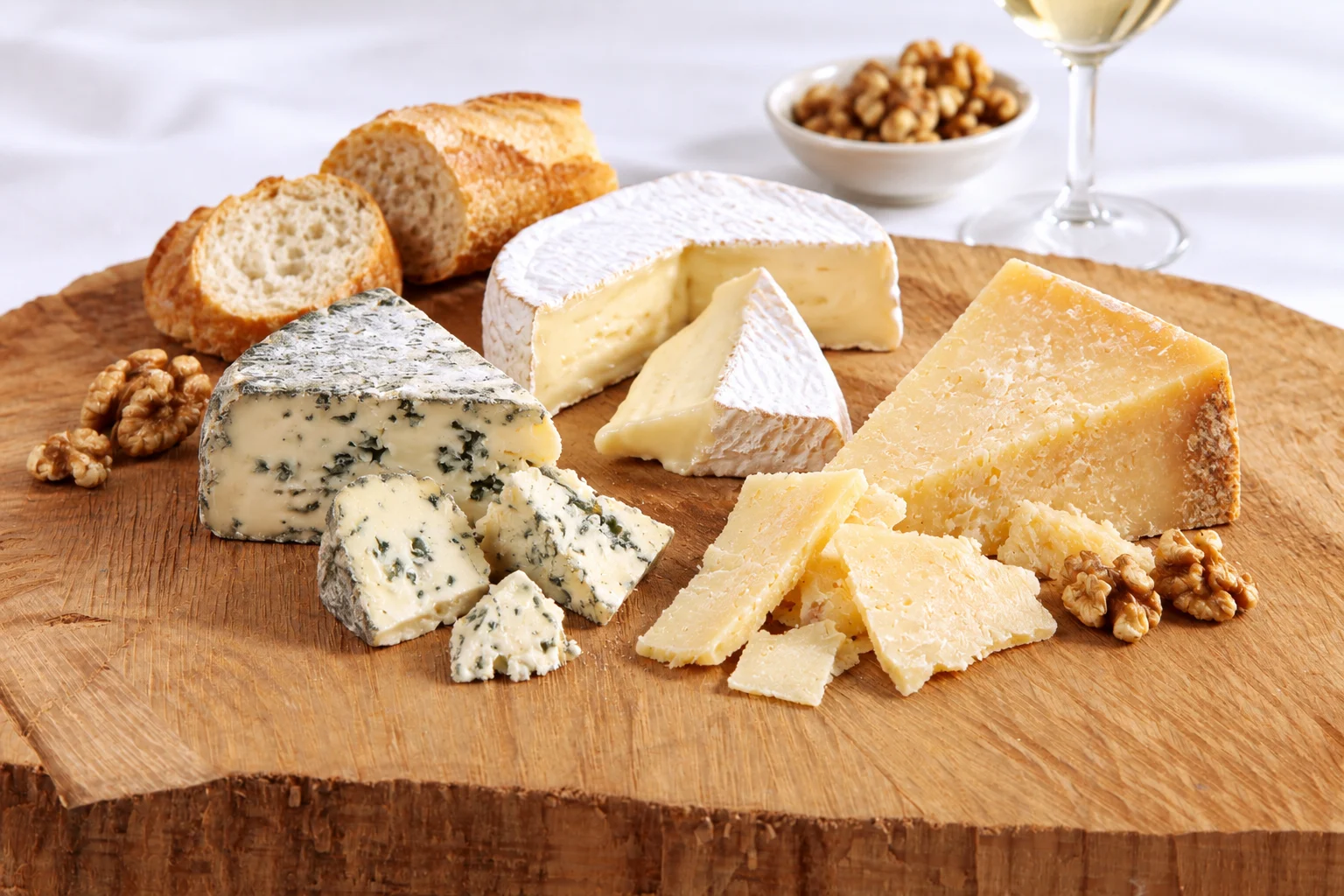
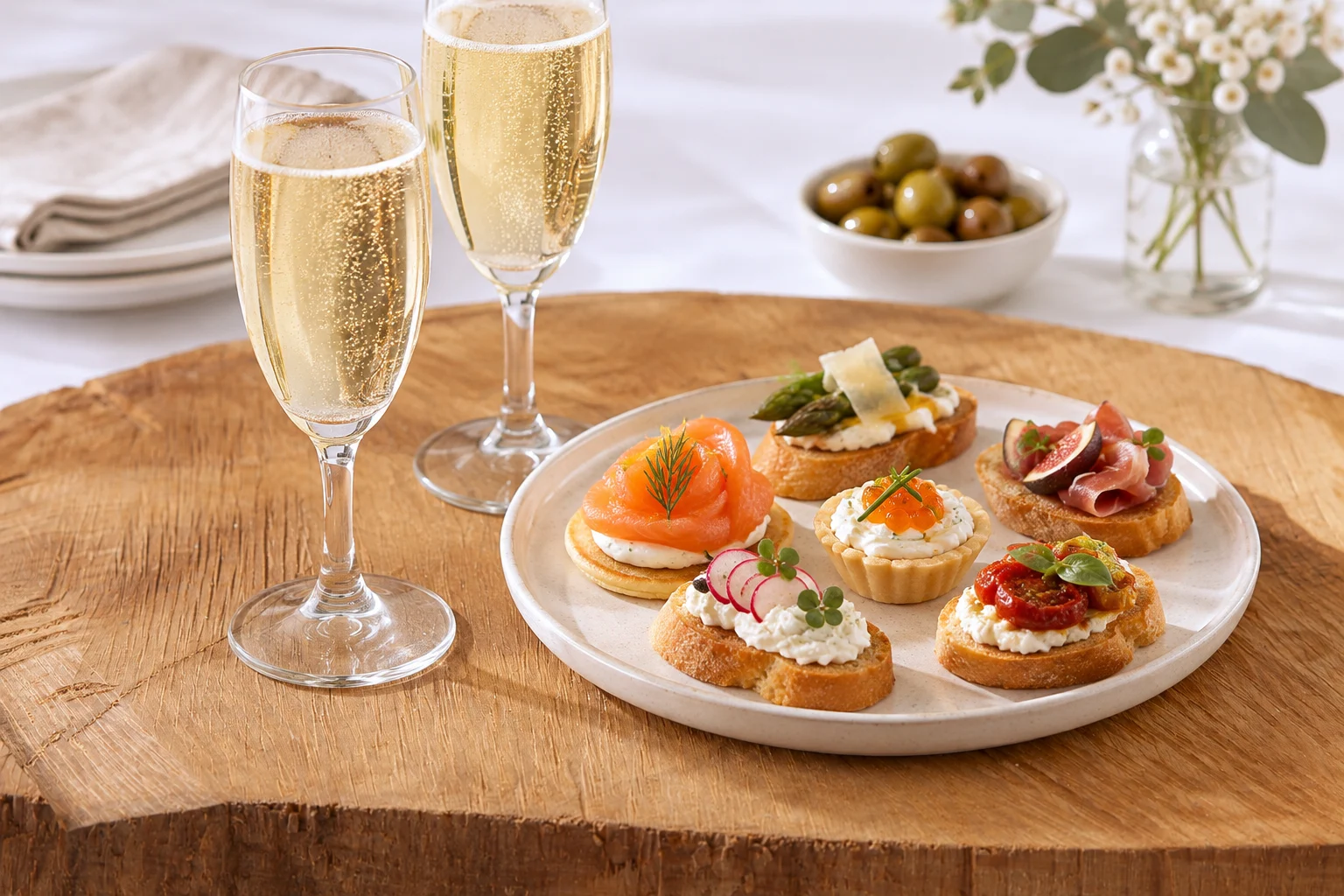
Do you already have a dish in mind?
Let Sommy find wines to pair with your meal.