

2024 Domaine Marc Colin & Fils Chassagne-Montrachet Cuvée Margot
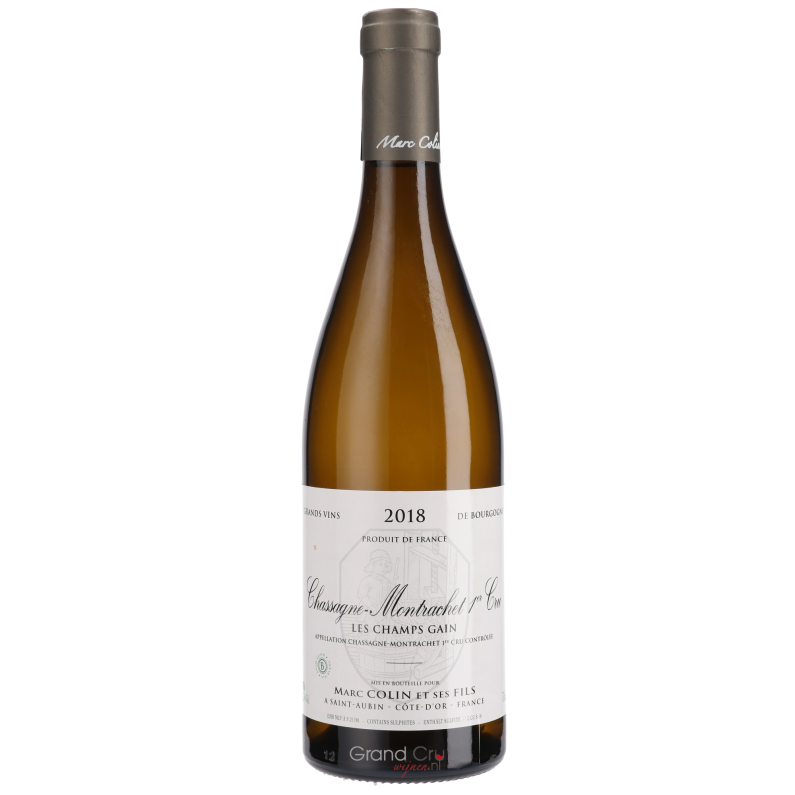
De specificaties zoals vermeld bij de wijn (o.a. wijnjaar) en in de titel zijn leidend en er kunnen geen rechten worden ontleend aan de afbeelding die wordt getoond. Lees meer in onze Frequenty asked questions
Ordering in bulk? Log in to request a quote
Out of Stock
Currently unavailable
Nothing noted for this wine yet. What do you smell, and how long does the taste linger?
Have you tasted this wine?
Save your rating and notes.
Save your rating and notes.
Have you tasted this wine?
Log in to save your tasting note.
Log in to save your tasting note.
Log inSome of the world's finest white wines are produced in Puligny-Montrachet. The most famous, and arguably the finest, comes from the Le Montrachet vineyard. Half of this vineyard lies within Puligny and the other half within the commune of Chassagne. Besides Le Montrachet, Puligny is also home to the Grands Crus Chevalier-Montrachet, Batard-Montrachet, and Bienvenues-Batard-Montrachet. Puligny wines are exceptionally refined, with beautiful nuances and a high degree of complexity.
Relaxing in the glass with aromas of peach, blossom, white flowers, ripe pears, and beeswax, the Chassagne-Montrachet 1er Cru Vide Bourse is medium to full-bodied, opulent, and enveloping, with a fleshy core of fruit, lively acidity, and a long, salty finish. As usual, the Chassagne-Montrachet 1er Cru Vide Bourse is one of the more gastronomic wines in the range, begging for refined (fish) dishes.
The wine has been awarded 94 Parker Points, and Marc Colin is considered one of Burgundy's best producers. Neal Martin's statement in the Wine Advocate is telling : "Okay, I'm going to say it. Shoot me if I'm wrong. Domaine Marc Colin is currently making some of the greatest white wines in Burgundy."
Character
The wine
- 100%
Origin
Bottle
Wine features
Parker
From four parcels of 40- to 50-year-old vines on the Puligny side with limestone soils, the 2024 Chassagne-Montrachet Cuvée Margot lifts from the glass with aromas of pear, yellow apple and white peach mingled with freshly baked bread, followed by a medium- to full-bodied and textural yet saline palate with a crisp core of fruit and vibrant acids.
In 2024, Damien Colin began the harvest relatively late, on September 14, and it concluded on September 22. While he lost some 5% to 10% of the crop to frost that affected vineyards in Saint-Aubin, the principal cause of low yields—as for many growers—was intense mildew pressure throughout the season. Average yields stood at around 35 hectoliters per hectare for the whites, with lower-than-average pH levels and wines reaching, for the most part, between 11% and 11.5% potential alcohol at harvest. Nevertheless, he chose not to chaptalize, in pursuit of greater freshness. Despite these challenges, the wines largely belie the difficulties of the year. Pure and incisive, they are immediately legible, with each appellation clearly articulated by site and by its de facto hierarchy. From a stylistic standpoint, they inhabit a middle ground between 2011 and 2014.
Named after Damien’s father, Marc Colin, the domaine—now at 12 hectares—is devoted primarily to Chardonnay, with smaller holdings of Aligoté and Pinot Noir. Viticulture follows organic principles, with the sole exception being treatments against mildew. Producing numerous small-volume cuvées allows for parcel-by-parcel vinification, and these limited quantities also make extended élevage feasible. The grapes go to the press uncrushed, and he adds little sulfur dioxide at harvest.
Foudres are out of the picture, with Damien Colin finding most coopers' 228-liter barrels more adapted to vinifying smaller quantities. Barrels are generally reused for around seven years. Percentages of new oak are modest—typically 10% to 20%, with Tonnellerie François Frères as the principal cooper. After 11 months in barrel, the wines are transferred to tank for a further six months, spending two winters on the lees. There is no lees-stirring, no fining and no filtration.
The estate continues to rank among the Côte de Beaune’s more discreet yet consistently rewarding sources of white Burgundy.
Lorem ipsum dolor sit amet, consectetur adipiscing elit. Sed do eiusmod tempor incididunt ut labore et dolore magna aliqua...
Vinous
From: Burgundy 2024: One Battle After Another (Jan 2026)
The 2024 Chassagne-Montrachet Village Margot comes from three parcels. It has an enticing, quite stony bouquet that is nicely defined and focused, with just a very small reduction here. The palate is well balanced with a bright entry. Citrus lemon, orange pith and light mango notes, fine depth with a weightier finish than expected. Drink over the next decade.
- By Neal Martin, January 2026
Damien Colin greeted me at the Domaine Marc Colin winery in the village of Gamay. “It was a very difficult season due to the mildew, and before that, we lost 5 to 10% of our volume in Saint-Aubin due to a little frost. One plot of Village Cru was completely wiped out. It was a long season,” he explained. “We started the harvest on September 19 with maturity around 11% to 12% natural alcohol. I did not chaptalise the wines because I wanted to preserve their freshness. The yield was around 38 hl/ha for the whites and 25 hl/ha for the reds. The wines are currently in tank and I will bottle them in January or February. The vintage is a very pleasant surprise because I thought the wines would be weak and vegetal, but they are not. They are quite fine and elegant. It is a traditional vintage, comparable to those before global warming. It is a vintage for Burgundy lovers, as the terroir is very readable.”
Like his siblings PYCM and Joseph Colin, Damien Colin has set the bar high in recent years. The 2024s reflect the vagaries of the growing season so that, within each appellation, some cuvées have their noses in front of others. That is a strength rather than a weakness, as each wine translates the nuances of its terroir. Keep a look out for the superb Puligny Le Trezin and Saint-Aubin Les Castets, which punch well above their respective weights. Of course, if you really want to splash out, there is Colin's killer Montrachet, but the Bâtard-Montrachet might be a tad easier to get a hold of and inflict less damage on your bank account.
Lorem ipsum dolor sit amet, consectetur adipiscing elit. Sed do eiusmod tempor incididunt ut labore et dolore magna aliqua...
Exclusive Content
Sign in to unlock professional wine reviews from world-renowned critics
Marc Colin comes from a wine family in Burgundy with a strong reputation. Together with his two sons, he manages a domain of 20 hectares located in the village of Saint-Aubin in the Côte de Beaune.
Marc Colin's production
He exclusively owns top appellations: Montrachet, Bâtard-Montrachet, Premier Cru vineyards in Chassagne-Montrachet, Puligny-Montrachet, Saint-Aubin and Pernand-Vergelesses. This is very exceptional. This domaine is known for its quality, yet Colin sees an opportunity to continually improve this. That is why he is receiving increasingly favorable reviews in the international press. Colin's wines excel in purity and combine power with elegance. Perhaps a bit shy in their youth, but with enormous storage potential. Traditionally minded, he vinifies his wines with a remarkable intuition for nature. Although he is open to innovation, he sticks to a traditional style and strives for optimal freshness in his white wines and avoids the wood-dominated Chardonnay type. He is the most awarded winegrower from St-Aubin and owner of Restaurant Le Chassagne, which has 1 Michelin star.
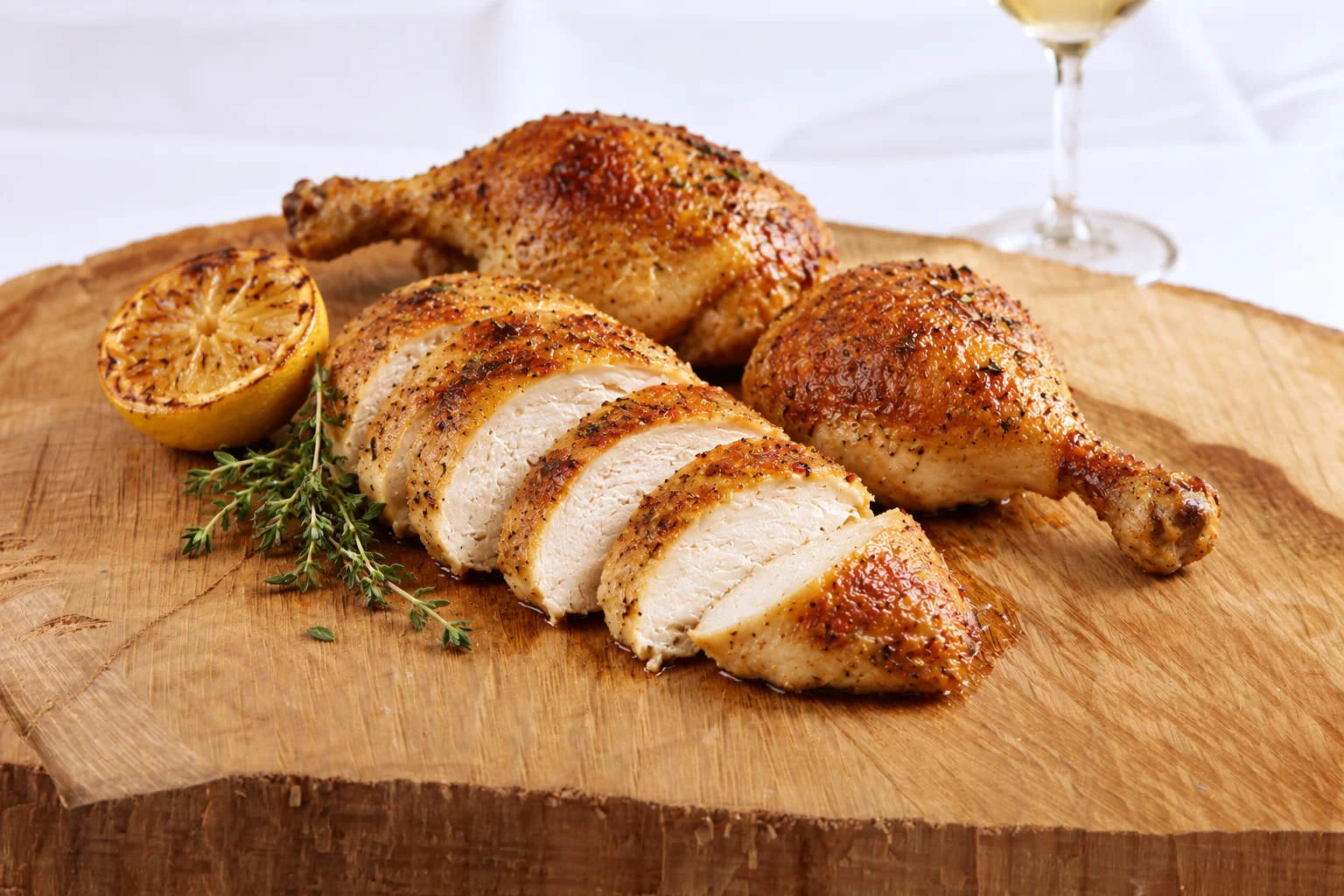
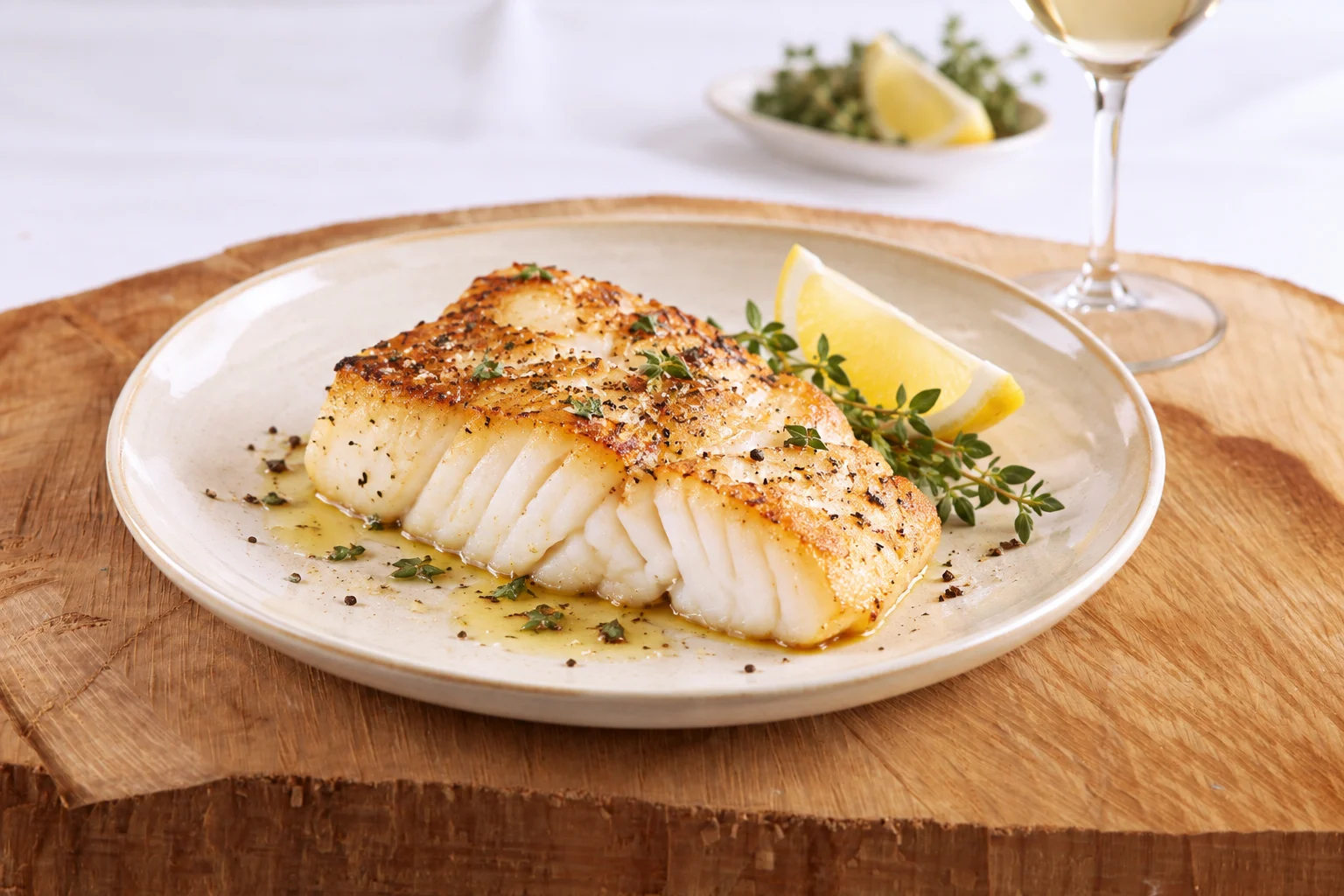
De 2024 Domaine Marc Colin & Fils Chassagne-Montrachet Cuvée Margot toont heldere tonen van peer, gele appel en witte perzik, aangevuld met citrusschil, een subtiele broodachtige toets en een fijne zilte mineraliteit die de mondtextuur draagt. Dankzij de frisse zuren, de ziltige structuur en het voelbare maar elegante gewicht sluit deze Chardonnay uitstekend aan bij gevogelte, delicate witte vis, coquilles en romige risotto’s omdat hij zowel verfrist als tegen rijke sauzen kan opboksen zonder te overheersen. Kies bij vis voor licht gegrild of op de huid gebakken bereidingen en bij schelp- en schaaldieren voor kort aangebrachte sautés of lichtroomsausjes; bij kip of kalf kun je de smaak nog verrijken met een lichte jus, geroosterde kruiden of een paddenstoelenrisotto om de textuur en het rijpe fruit van de wijn extra tot hun recht te laten komen.
Choose a category to discover dishes that pair well with this wine.
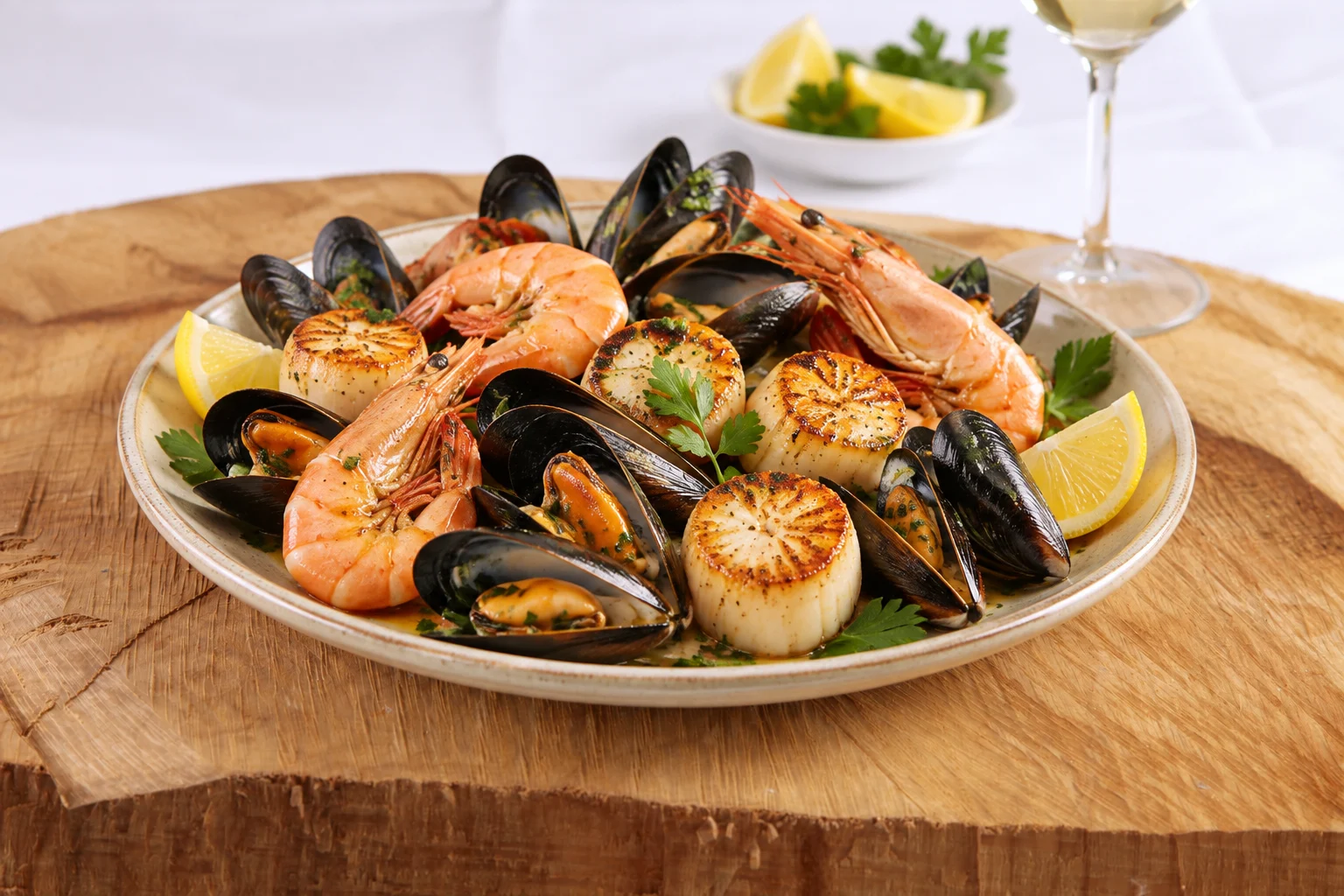
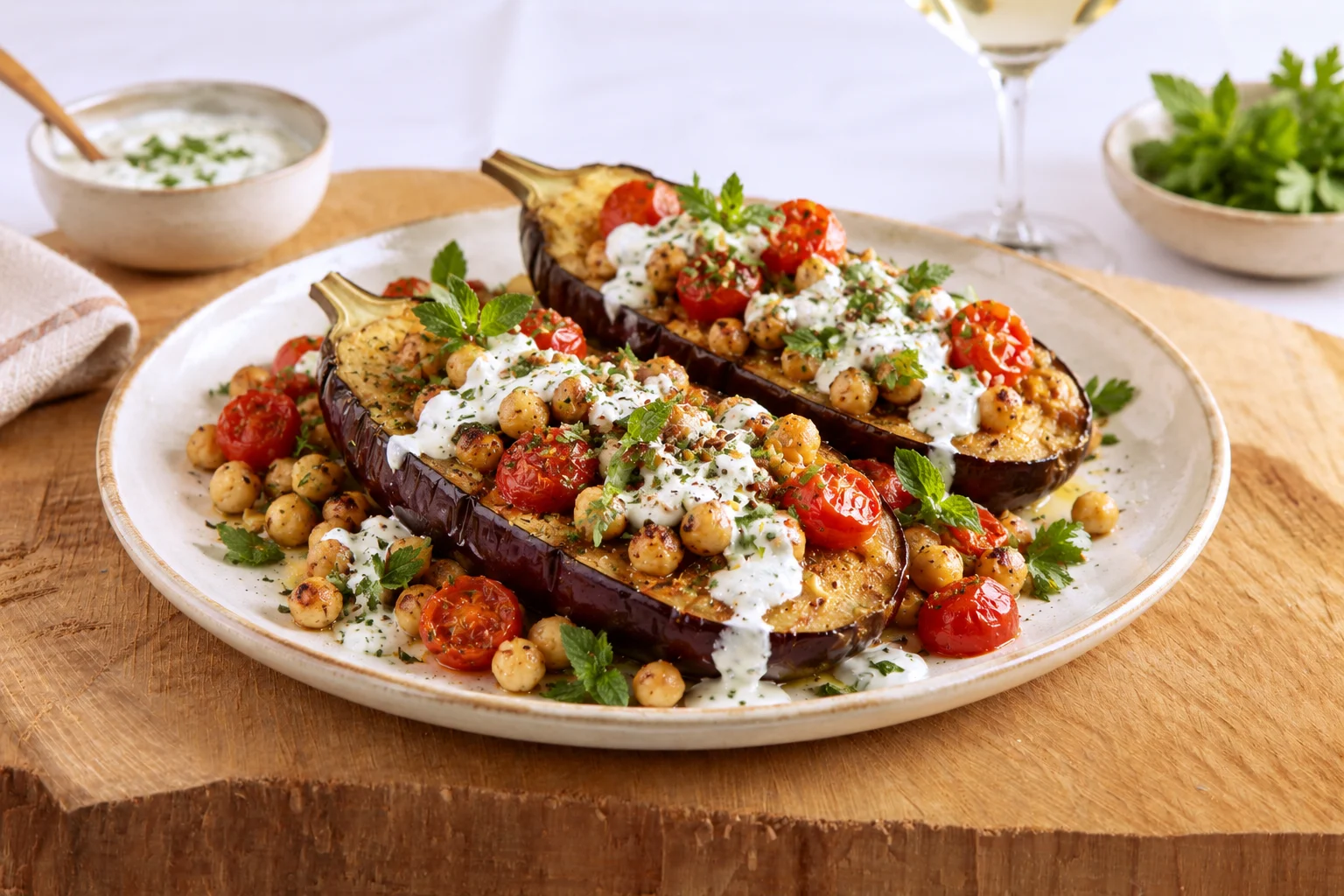
Do you already have a dish in mind?
Let Sommy find wines to pair with your meal.
Discover Wine Trivia
Sign in to unlock fascinating facts about this wine and expand your knowledge.
Sign In