

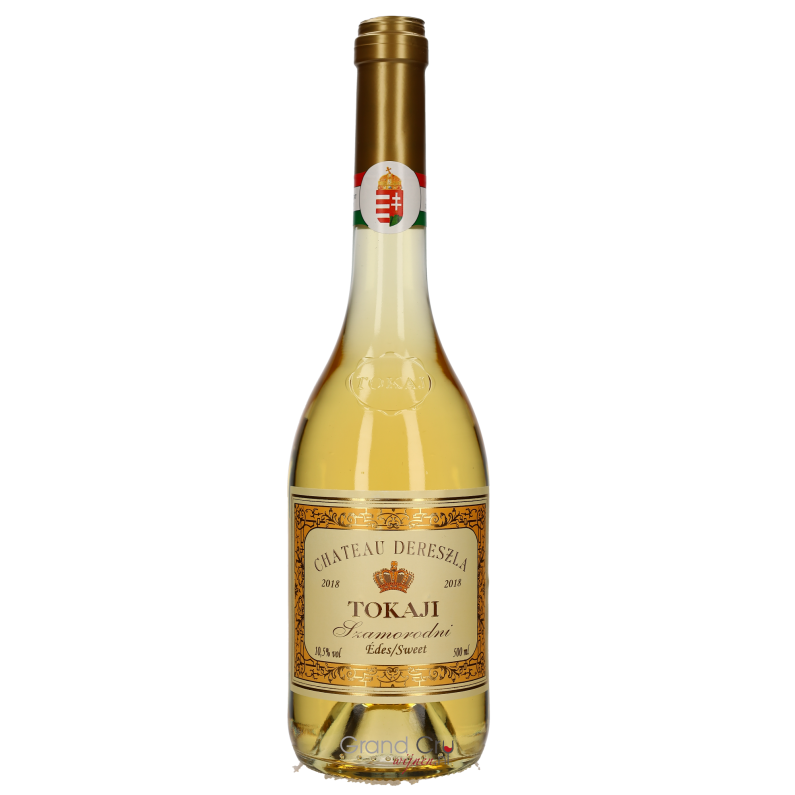
2018 Château Dereszla Szamorodni
How does this wine taste?
How full and heavy the wine feels in your mouth, like the difference between skimmed milk and cream. More alcohol, sugar and oak ageing make a wine fuller.
How much sugar you taste, from dry to sweet. Fruity is not the same as sweet: a dry wine can taste of ripe fruit.
How fresh and juicy the wine is: acidity makes your mouth water. High acidity tastes lively and refreshing, low acidity soft and round.
What we taste What you taste Click a taste for what it means
The bars follow how sommeliers taste (WSET): body, tannin, sweetness and acidity, each from low to high.
Body: medium-bodied. From ; 10.5% alcohol.
Sweetness: very sweet. is known for very sweet dessert wine.
Acidity: high. from the temperate climate of .
Aromas: stone fruit and orchard fruit, typical of
Nothing noted for this wine yet. What do you smell, and how long does the taste linger?
Have you tasted this wine?
Save your rating and notes.
Save your rating and notes.
Have you tasted this wine?
Log in to save your tasting note.
Log in to save your tasting note.
Log inWinery Château Dereszla
Château Dereszla is a historic estate in Tokaj-Hegyalja with a history dating back to the 18th century. The winery combines modern techniques with traditional methods and is known for both its sweet and dry wines. The cellars are a UNESCO World Heritage Site and form an important part of the Tokaj tradition.
Region, climate and location
Tokaj is located in northeastern Hungary and is characterized by a unique microclimate. Warm late summers and humid mornings create ideal conditions for botrytis, also known as noble rot. This process concentrates sugars and aromas in the grapes and forms the basis for the region's characteristic sweet wines.
Vineyards and grape varieties
Szamorodni is made from grapes that are both healthy and affected by botrytis. The blend typically consists of local grape varieties such as Furmint and Hárslevelű, sometimes supplemented with other traditional varieties. This combination ensures complexity and balance.
Harvest, vinification and aging
The grapes are harvested all at once, including the berries affected by botrytis. After fermentation, the wine often ages in oak barrels, where it develops slowly and acquires its characteristic aromas. During aging, a slight oxidative influence may occur, which contributes to the complexity and depth of the wine.
Color, smell and taste
The wine has a deep golden yellow color. The nose reveals rich aromas of honey, dried apricots, orange peel, and nuts, complemented by a light spiciness.
On the palate, the wine is full and layered, with a beautiful balance between sweetness and fresh acidity. The structure is round and soft, with a long, complex finish in which notes of dried fruit and honey linger. This is a very fine dessert wine. Somewhat comparable to a Tokaji, but with less sugar. The price-quality ratio is excellent.
Development and drinking window
This Szamorodni can be drunk young or aged further in the bottle. The expected drinking window is between 2024 and 2035, during which the wine gains complexity.
Summary of professional reviews
Szamorodni wines from Tokaj are known for their balance between sweetness, freshness, and oxidative complexity. This wine offers a classic style with rich aromas and a long finish, suitable for lovers of characterful sweet wines.
Wine & Food Pairing and Discount
If available, you will find the official factsheet and additional information in the 'Attachments' tab. The wine is stored in our climate-controlled Wine Warehouse. When picking up in Dordrecht, you often receive an extra discount, visible at checkout.
Character
The wine
- 100%
Origin
Bottle
Wine features
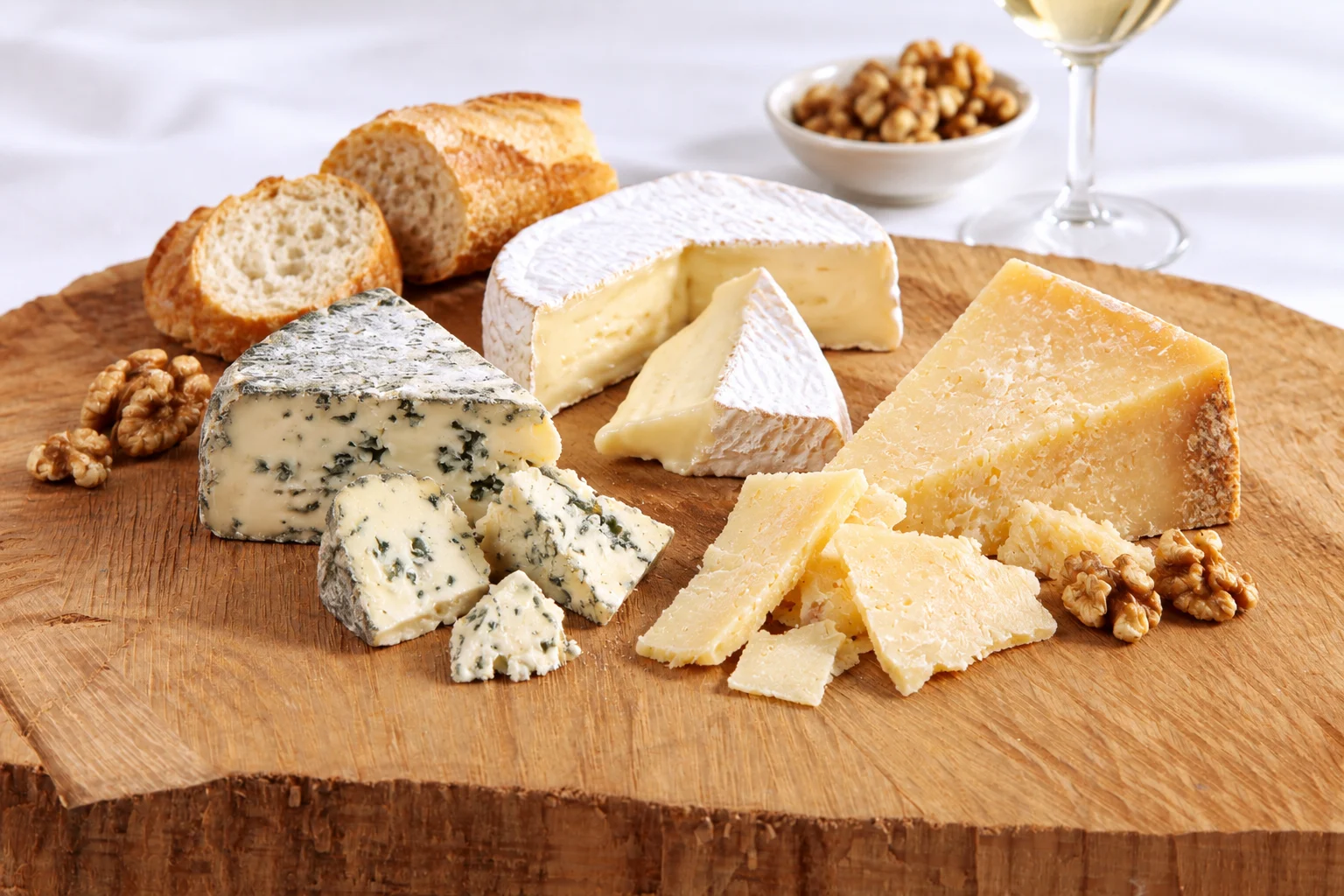
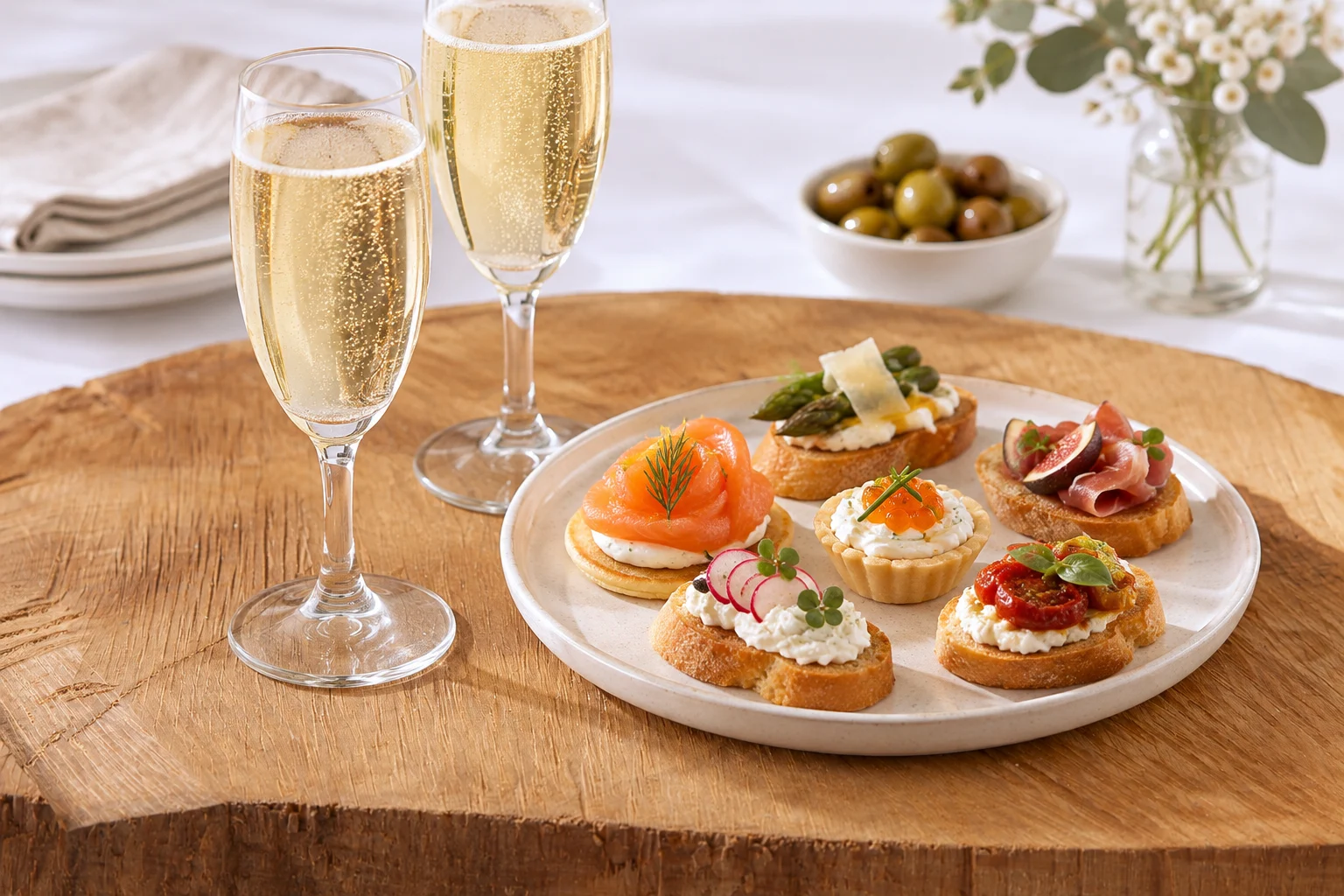
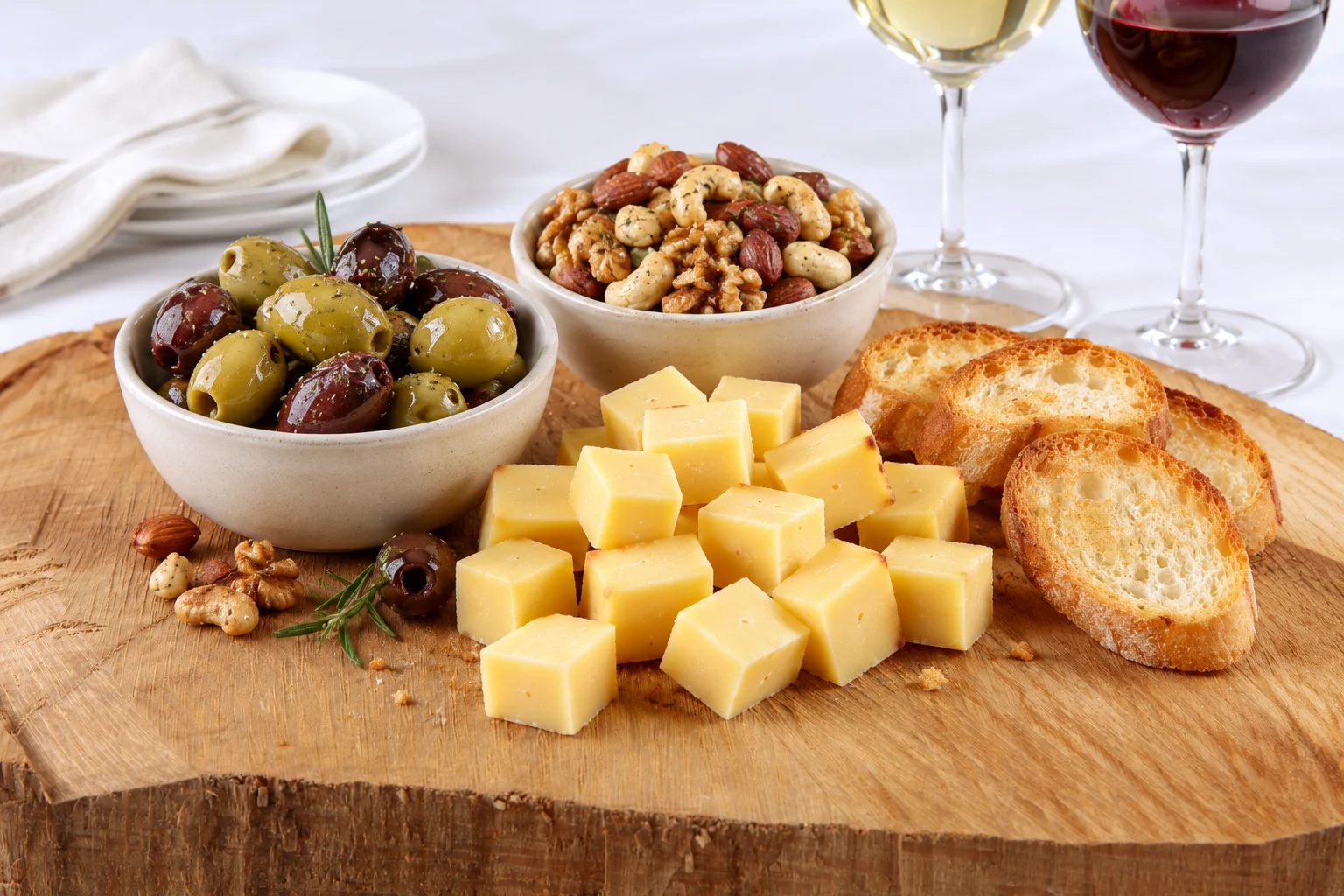
Rijke aroma’s van honing, gedroogde abrikoos, sinaasappelschil, noten en een lichte kruidigheid, gecombineerd met een zachte zoetheid en frisse zuurgraad, vormen het smaakprofiel van deze Szamorodni. Daardoor werkt hij prachtig bij kaas en borrelhapjes omdat de zoet-frisse balans zoute en umami-rijke kazen zoals blauw en oude kaas temperen en bij feestelijke gerechten of desserts de rijke, geconcentreerde fruit- en honingtonen versterken. Serveer licht gekoeld en combineer met licht gekaramelliseerde of geroosterde vruchten, geroosterde noten of romige kazen zoals triple cream, en bij desserts doen amandel- of abrikozengebakjes en een stukje foie gras het ook uitstekend.
Choose a category to discover dishes that pair well with this wine.
Do you already have a dish in mind?
Let Sommy find wines to pair with your meal.
Discover Wine Trivia
Sign in to unlock fascinating facts about this wine and expand your knowledge.
Sign In