

2018 Château Clerc Milon Pauillac Grand Cru Classé

How does this wine taste?
How full and heavy the wine feels in your mouth, like the difference between skimmed milk and cream. More alcohol, sugar and oak ageing make a wine fuller.
The drying, grippy feel on your gums and tongue, as with strong tea. It comes from the skins and seeds of black grapes and from oak, and softens with age.
How much sugar you taste, from dry to sweet. Fruity is not the same as sweet: a dry wine can taste of ripe fruit.
How fresh and juicy the wine is: acidity makes your mouth water. High acidity tastes lively and refreshing, low acidity soft and round.
What we taste What you taste Click a taste for what it means
The bars follow how sommeliers taste (WSET): body, tannin, sweetness and acidity, each from low to high.
Body: powerful. Fuller than most red wines from ; 14.5% alcohol.
Tannin: firm. Aged in oak.
Sweetness: dry. Red wine from is almost always dry.
Acidity: medium. The temperate climate of .
Nothing noted for this wine yet. What do you smell, and how long does the taste linger?
Have you tasted this wine?
Save your rating and notes.
Save your rating and notes.
Have you tasted this wine?
Log in to save your tasting note.
Log in to save your tasting note.
Log inCharacter
The wine
Origin
Bottle
Wine features
- Cinquième Grand Cru Classé en 1855
Château Clerc Milon is located in the northeast of the Pauillac appellation, on the beautiful Mousset ridge overlooking the Gironde. The winery has some 41 hectares of vines planted on a gentle slope that promotes both natural drainage and exposure to sunlight, while the nearby river creates a microclimate that protects the vines from spring frost, reduces the risk of hail and cooling in the summer. The soil consists of sandy gravel and clay-limestone. The vineyard is planted with 5 typical varieties of the region: Cabernet Sauvignon (50%), Merlot (37%), Cabernet Franc (10%), Petit Verdot (2%) and Carmenere (1%). The average age of the vines is 53 years, probably one of the highest in the Medoc. The density of the vines is high, varying between 8,500 and 10,000 vines per hectare, depending on the plot.
A legendary terroir, prestigious neighbours, a providential encounter: these factors mark the history and success of Château Clerc Milon. The terroir is in Pauillac, where some of the world's best wines are made. Its illustrious neighbors are Mouton and Lafite, whose nearby vines can be seen from the Château's terrace.
Winery Clerc Milon uses environmentally friendly, integrated viticultural techniques, which limit the use of pesticides to an absolute minimum. In the vineyard itself, the careful monitoring and strict plot selection are comparable to those of Mouton Rothschild. The winery makes, among other things, the great red Château Clerc Milon wine, with considerable potential for aging. The wine has a particularly successful association with the gravelly and claystone terroirs, and with Cabernet Sauvignon and Merlot. The wine is powerful, tannic, fruity and harmoniously full-bodied and shows all the typical elegance of the best Pauillac wines.
Château Clerc Milon was part of Mr. Lafite's vast estates in the 18th century, and was sold in the Revolution as a "national asset". The Clerc family then acquired it and joined that of the Pauillac hamlet of Milon where it was located. In 1970, Baron Philippe de Rothschild took over Château Clerc Milon because he was very convinced of the wine's potential. The estate was only 16.5 hectares, just over half of its original size. Baron Philippe de Rothschild had a long reign (1922-1988). He was a man of culture (poet) and a man of action. He was marked by a series of important decisions, some of which would revolutionize, stamped by his constant personal dedication, spirit of independence and visionary genius within the world of wine.
In 1983, the label Château Clerc Milon was illustrated with a drawing of a pair of dancers made of precious stones. The drawing is a sumptuous work by a 17th-century goldsmith, which is also exhibited in the Museum at the neighboring winery Château Mouton Rothschild.
Over the years, the winery was expanded further and further. In 2011, among other things, with the commissioning of a 3,600 m² complex consisting of a semi-underground walking hall, a cellar, reception and tasting rooms.
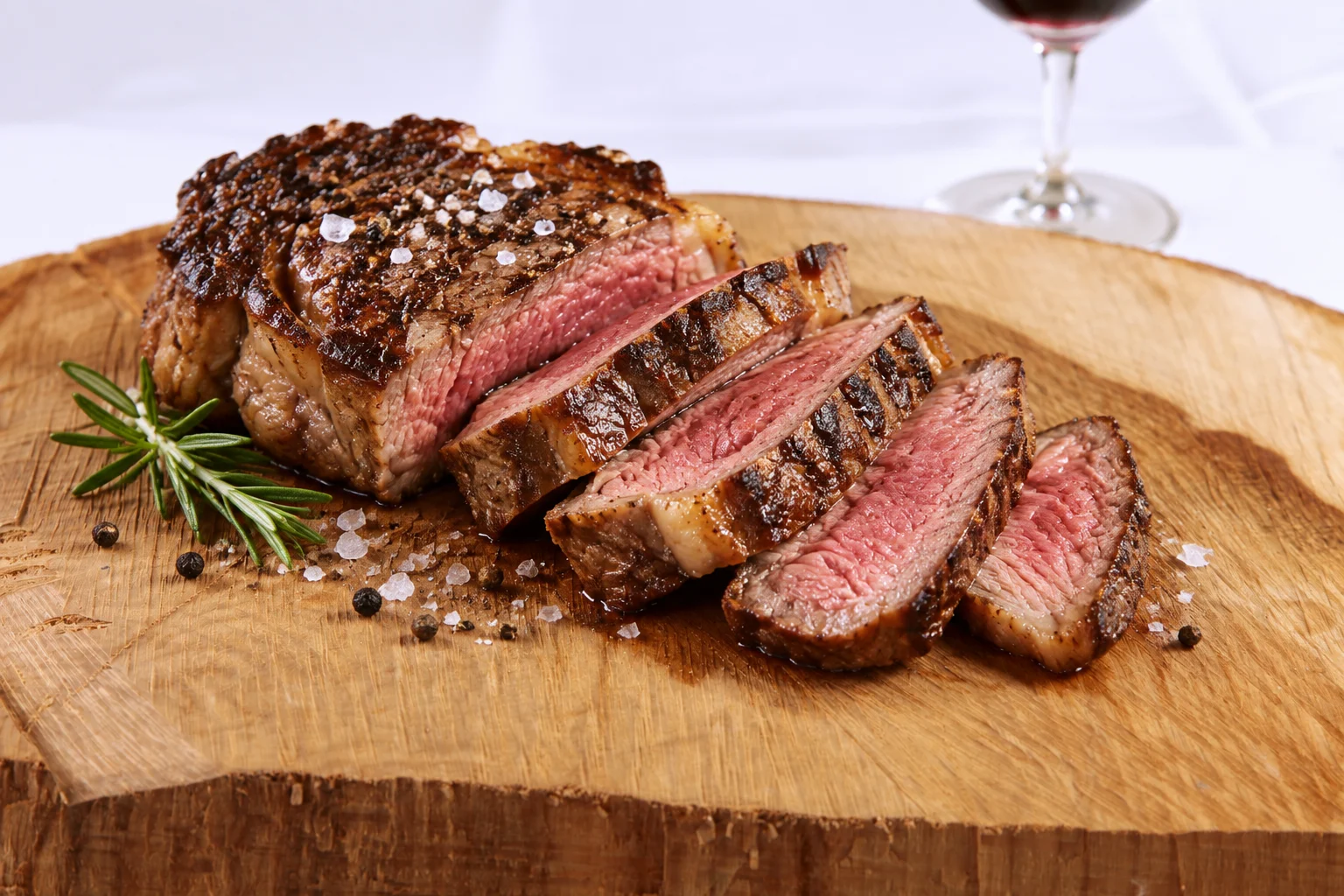
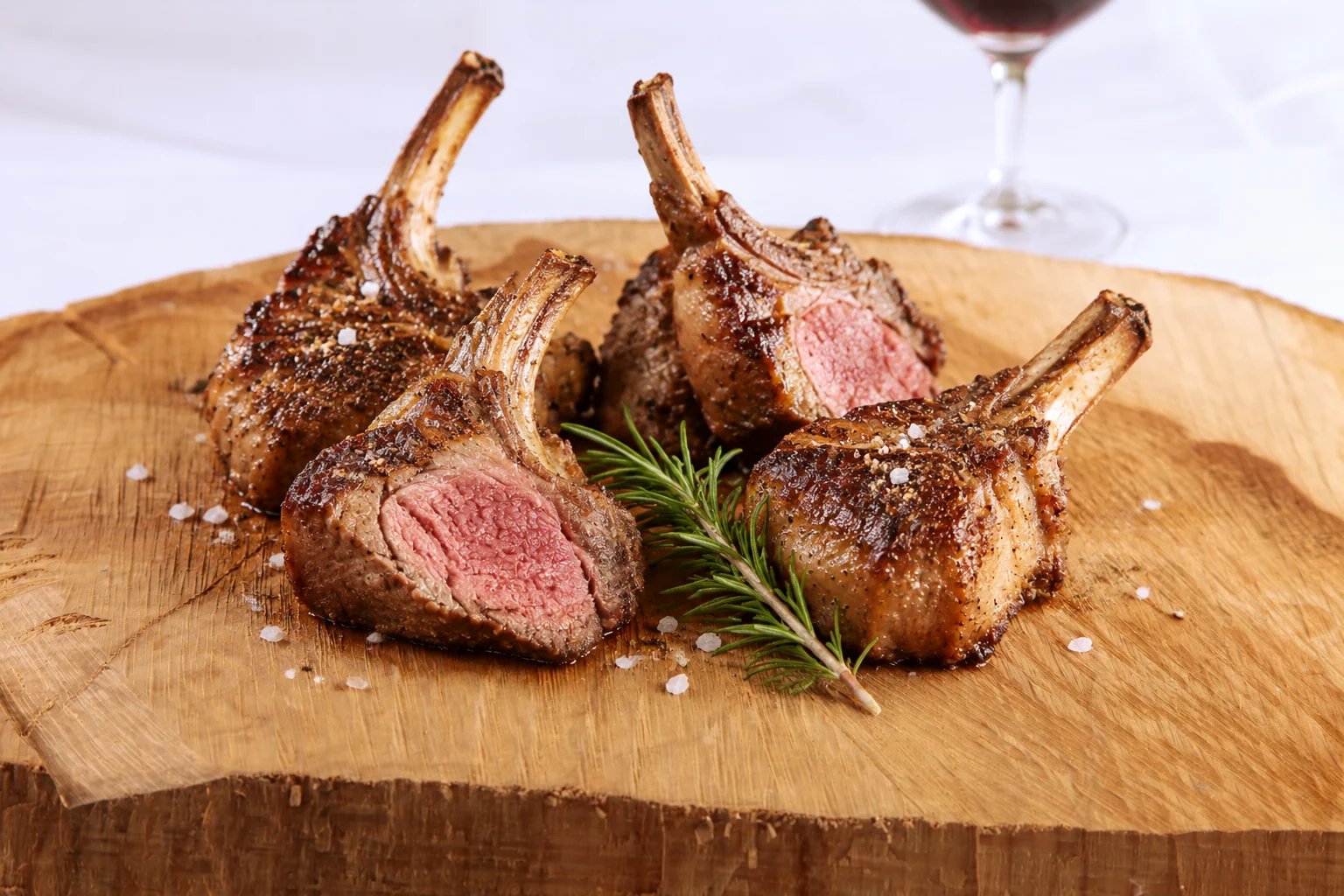
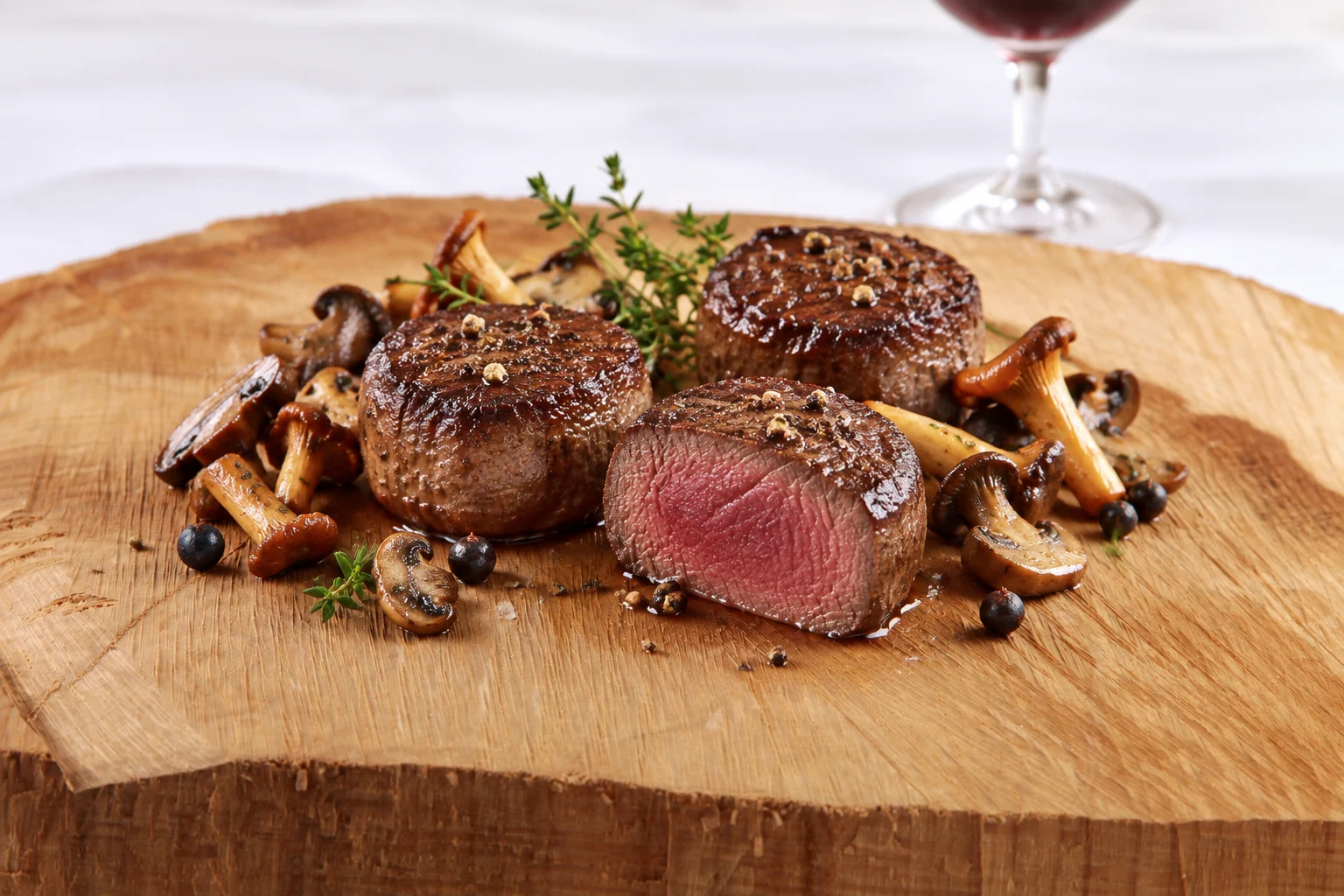
Rijke aroma's van zwarte bes, viooltjes en zoethout met onderliggende tonen van peper en pure chocolade geven deze Pauillac een volle, geconcentreerde smaak met stevige maar zijdezachte tannines en een lange, frisse afdronk. Daardoor sluit de wijn prachtig aan bij rundvlees, lam, wild en rijpere kazen omdat de tannines en het donkere fruit de structuur en smaken van rood vlees en hartige kazen dragen, terwijl het frisse einde vetten en sausjes reinigt. Gerechtbereidingen met geroosterd of langzaam gegaard vlees, zoals een gegrilde entrecote met peperkorst, langzaam gegaard lamsbout of een wildstoofpot met kruiden en een reductie van rode wijn werken extra goed om de complexe fruit- en kruidenaroma's van deze wijn te benadrukken.
Choose a category to discover dishes that pair well with this wine.
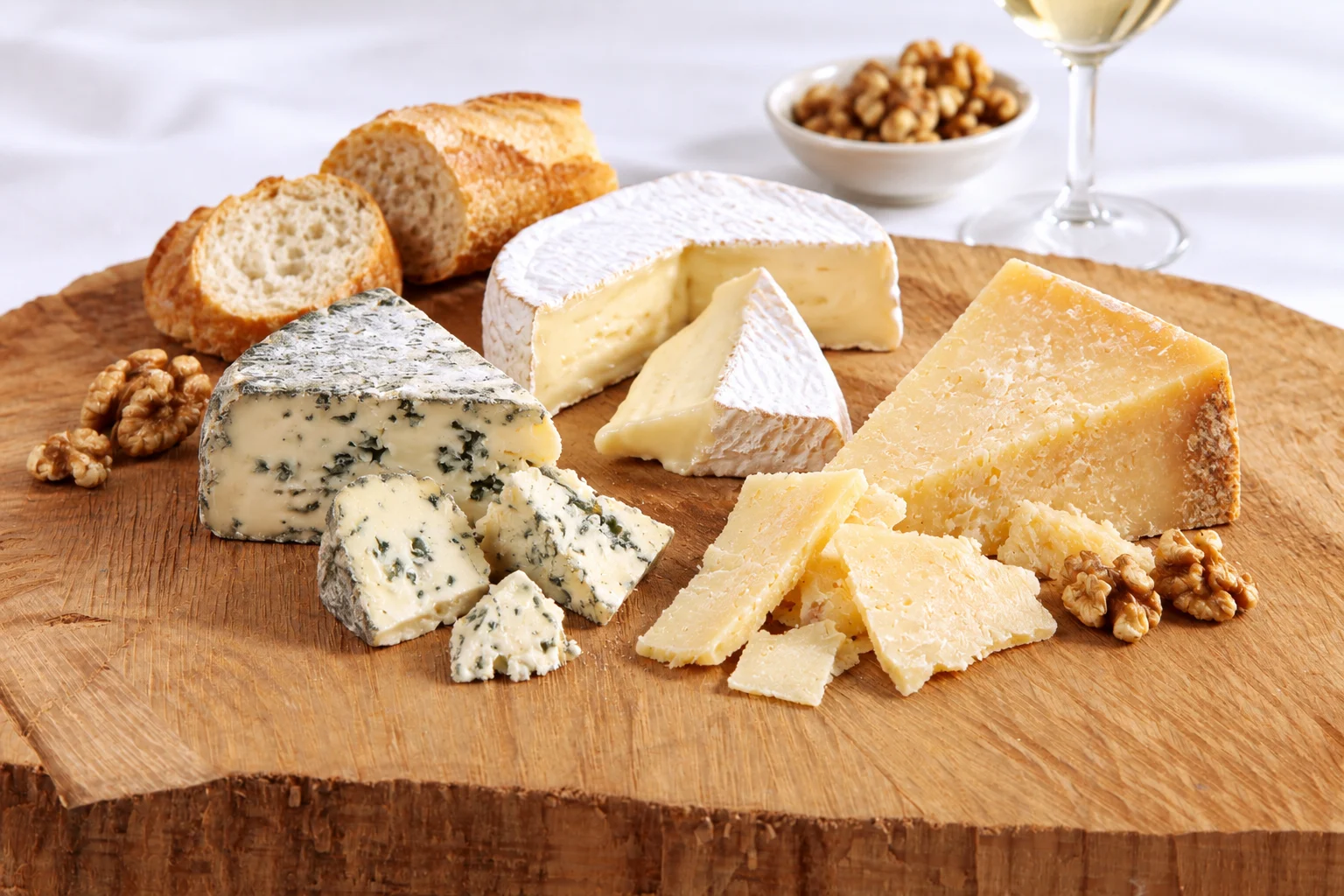
Do you already have a dish in mind?
Let Sommy find wines to pair with your meal.
Discover Wine Trivia
Sign in to unlock fascinating facts about this wine and expand your knowledge.
Sign In