

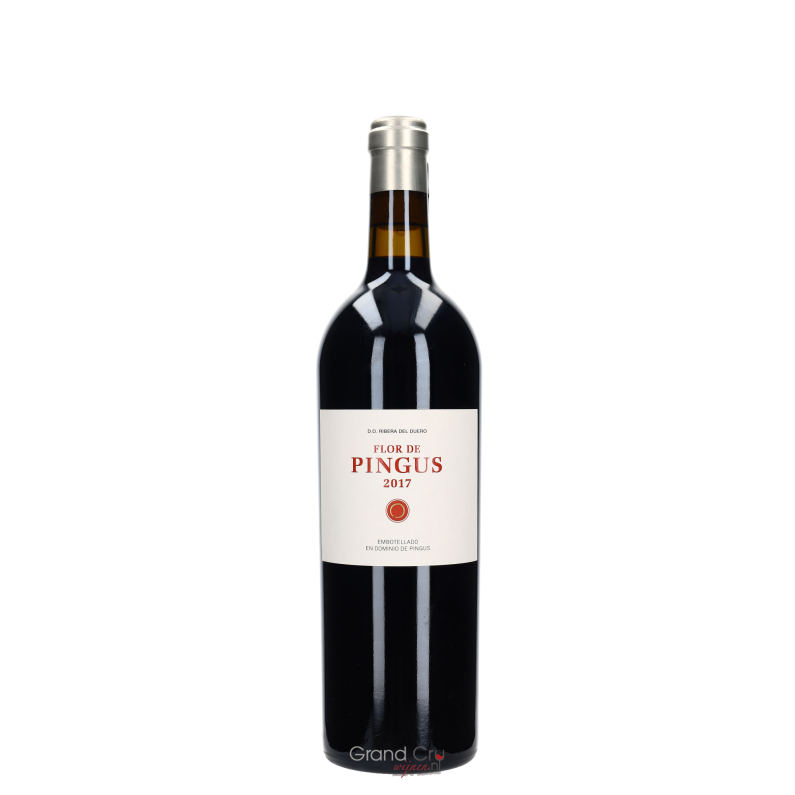
2017 Pingus Flor de Pingus
How does this wine taste?
How full and heavy the wine feels in your mouth, like the difference between skimmed milk and cream. More alcohol, sugar and oak ageing make a wine fuller.
The drying, grippy feel on your gums and tongue, as with strong tea. It comes from the skins and seeds of black grapes and from oak, and softens with age.
How much sugar you taste, from dry to sweet. Fruity is not the same as sweet: a dry wine can taste of ripe fruit.
How fresh and juicy the wine is: acidity makes your mouth water. High acidity tastes lively and refreshing, low acidity soft and round.
What we taste What you taste Click a taste for what it means
The bars follow how sommeliers taste (WSET): body, tannin, sweetness and acidity, each from low to high.
Body: powerful. Like most red wines from ; 14% alcohol.
Tannin: firm. From ; aged in oak.
Sweetness: dry. Red wine from is almost always dry.
Acidity: medium. from the warm climate of .
Aromas: earthy notes, dark fruit and red fruit, typical of
Nothing noted for this wine yet. What do you smell, and how long does the taste linger?
Have you tasted this wine?
Save your rating and notes.
Save your rating and notes.
Have you tasted this wine?
Log in to save your tasting note.
Log in to save your tasting note.
Log in100% Tinto Fino. Vinification and élevage 20 months on new French oak The wine Flor de Pingus is the 2nd wine of the legendary Pingus. The Flor de Pingus of the famous winemaker Peter Sisseck comes from 16 different plots around La Horra and Roa. The plots for these wines are located in the heart of Ribera del Duero, at an altitude between 700 and 850 meters and, as befits this top wine, cultivated organically, so no poison or fertilizers. Z
Very deep and young in color. Sultry, ripe fruit (blueberry, blackberry) and beautiful tones of coffee, cocoa and leather and already surprisingly balanced for its age. The wine is very deep and young in color. Sultry, packs of ripe red berry type blueberry, blackberry. Furthermore coffee, fine smoky wood touch in limited measure, cocoa and leather. Concentrated attack with a lot of everything. Ripe tannin structure. Decant in its first 5 years of life. Pour into a large wine glass at 18°C.
FACT: The wine is in our conditioned Wine Warehouse and if you come to pick up the wine you will often also receive a nice discount . You will see your discount immediately when you choose 'Pick up' on the checkout page. We are located in Dordrecht almost next to the A16 with plenty of parking. Click here for our address.
Character
The wine
- 100%
Origin
Bottle
Wine features
Parker
Because of very low yields and a warm and dry season, the 2017 Flor de Pingus was produced from very concentrated grapes with lots of tannin, so they had to do a very soft vinification and an extended élevage, being very careful not to dry out the wine. So, they used less new oak barrels, and the wine was alternatively in barrique and stainless steel, trying to polish the tannins and keep the juiciness and avoid excessive tannins. So, the wine is polished, more than it usually is. It's ripe but without the perfect ripeness of a great vintage. It has character, in a somehow more baroque way. Peter Sisseck compared it to other vintages finished in seven: 1997, 2007. They only produced some 60,000 bottles, when the normal production should have been around 100,000 bottles, which means they lost some 40% of the crop because of the frost. It was bottled in July 2019, later than in other vintages.
I had a calm and slow tasting of three vintages of the three wines produced by Peter Sisseck, giving the wines time in the glass to open up and express themselves. 2016, 2017 and 2018 are very different vintages. 2016 saw a good crop with lots of freshness, and the wines have great precision and elegance. 2017 was a dry and warm year marked by frost that made them lose between 25% and 40% of their grapes (they could buy other grapes to compensate the volume of PSI). And 2018 was a year with good rains in the winter, a classical year with high yields (the effect of the frost) and a warm summer that resulted in a very good year. The question is still up in the air if 2018 has the magic of a year like 2016 or not, but it's closer in style to 2016.
Lorem ipsum dolor sit amet, consectetur adipiscing elit. Sed do eiusmod tempor incididunt ut labore et dolore magna aliqua...
James Suckling
Score
94-95
Avg Price (ex-tax)
$ 118
Dominio de Pingus Ribera del Duero Flor de Pingus 2017
Friday, Jun 28, 2019
Color
Red
Country
Spain
Region
Castilla y León
Vintage
2017
A chunky and pretty young wine with blueberries and blackberries and chocolate. Chewy tannins that are polished and fresh. Full-bodied. Round and sexy. Shows lots of potential.
Lorem ipsum dolor sit amet, consectetur adipiscing elit. Sed do eiusmod tempor incididunt ut labore et dolore magna aliqua...
Vinous
2017 Flor de Pingus
Producer: Dominio de Pingus
Release Price: $99
Color: Red
94
Drinking Window: 2024 - 2034
Josh Raynolds, January 2021
Inky, bright-rimmed ruby. Intensely perfumed aromas of ripe dark berries, cherry preserves, vanilla, pipe tobacco and candied flowers, with a spicy flourish adding lift. Stains the palate with concentrated black and blue fruit, floral pastille and spicecake flavors that become more lively as the wine opens up. The floral and cherry notes carry through the strikingly long, sweet, youthfully tannic finish, which features a hint of candied licorice.
Lorem ipsum dolor sit amet, consectetur adipiscing elit. Sed do eiusmod tempor incididunt ut labore et dolore magna aliqua...
Exclusive Content
Sign in to unlock professional wine reviews from world-renowned critics
A Dane who conquered Spain with one of the most iconic wines ever: that’s how the story of Dominio de Pingus begins.
The history of Dominio de Pingus
Peter Sisseck, born in Denmark, arrived in Ribera del Duero in the early 1990s. He worked as an oenologist at Hacienda Monasterio and discovered the huge potential of the local Tinto Fino grape. In 1995 he made his first wine in a small garage in Quintanilla de Onésimo. It was named Pingus, after his Danish childhood nickname. What started as a small experiment quickly grew into a legend. When influential American wine critic Robert Parker tasted it, Pingus became world-famous overnight.
The winemaker Peter Sisseck
Sisseck is considered one of the most influential winemakers in Spain, even though he originally comes from Copenhagen. Before moving to Ribera del Duero, he gained experience in Bordeaux and California. That international background shaped his approach: respect for tradition combined with a sharp eye for detail and innovation. He works meticulously in the vineyards, strongly believes in biodynamic principles, and always sets the bar extremely high. This perfectionism explains why even his so-called ‘second wine’, Flor de Pingus, is sought after all over the world. His name is inseparable from quality and from redefining Ribera del Duero as a leading wine region.
Where does the name Pingus come from?
The name Pingus was Peter Sisseck’s childhood nickname in Denmark. Friends and family used it casually, without any special meaning. When he made his first own wine, he deliberately chose this nickname. It gave his project a personal and distinctive identity.
The vineyards and old vines
From the very beginning, Sisseck focused on old Tinto Fino vines. In Ribera del Duero these are becoming rare. Back in 1990 there were thousands of hectares of old vines, but today only a fraction remains. The vineyards for Pingus are located around the village of La Horra and consist of tiny plots. Some vines are more than 80 years old, surviving even before the phylloxera crisis. These old vines yield little fruit, but produce grapes of remarkable intensity and concentration.
The different wines of Pingus
Pingus itself comes from two special plots in La Horra: Barroso and San Cristóbal. The soils combine gravel, sand, clay, and limestone, creating a unique balance. Production is extremely limited, around 6,000 bottles a year.
Flor de Pingus is his second wine, made from sixteen plots around La Horra and Roa. Still largely old vines, complemented by younger plantings. Production is bigger, but still small compared to the demand.
Psi was launched in 2007 together with Pablo Rubio. This project is about working with local growers who own old vineyards. The idea is to make wines that stay true to Ribera del Duero’s traditions, showing balance and purity rather than just power. Psi is vinified in cement tanks and large oak casks, giving a fresher and more approachable style.
Climate and altitude in Ribera del Duero
The climate in Ribera del Duero is harshly continental. Summers are hot, winters cold, and the temperature swings between day and night are extreme. The vineyards sit high, between 700 and 920 meters. This altitude brings cooler nights, helping the grapes ripen slowly and maintain freshness. That’s why Pingus wines combine power with elegance and tension.
Interesting facts about Pingus
- The very first Pingus was literally made in a garage – a classic ‘garagiste’ story.
- Every grape for Pingus is destemmed by hand, one by one.
- Yields are extremely low: often only 11 hectoliters per hectare.
- Pingus was one of the first great names in Spain to embrace biodynamics.
- Because of its scarcity, Pingus bottles have become collectors’ items worldwide.
Order Dominio de Pingus online?
At Grandcruwijnen you can find the wines of Dominio de Pingus in our climate-controlled Wine Warehouse, ensuring perfect storage. Ordering is easy online. If you choose ‘Pick up’ at checkout, you’ll immediately see the discount for collection in Dordrecht.
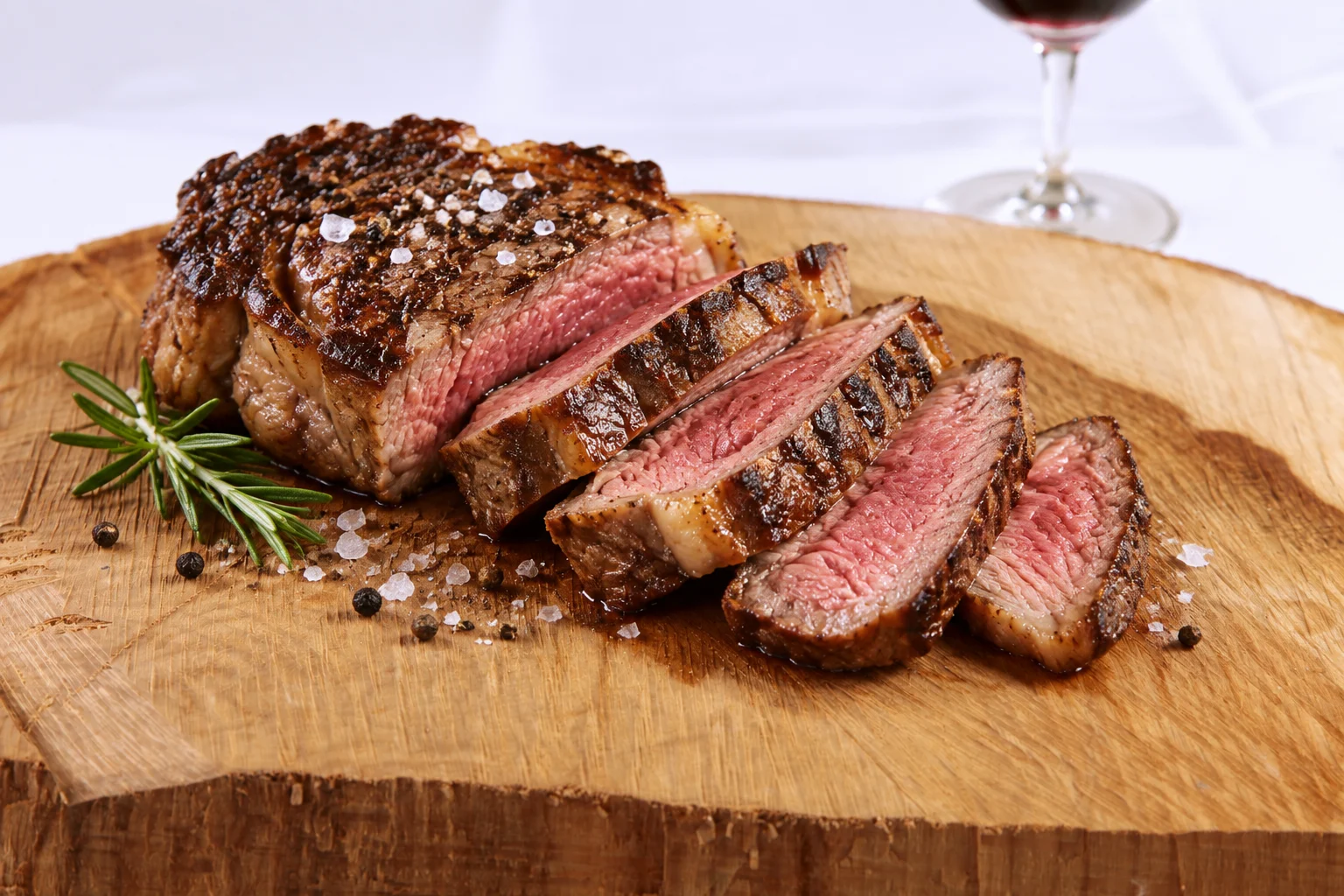
Deze Flor de Pingus 2017 toont een geconcentreerd maar gepolijst profiel van rijpe donkere bessen, bramen en kersen naast bloemige en vanille- en cacaotonen, met fijne, aanwezige tannines en een lange, kruidige afdronk. Door die rijke fruitconcentratie en gestructureerde tannines vormt hij een perfecte begeleider van rundvlees, lam, wild en stoofschotels omdat het vet en de umami van deze gerechten de tannines zacht maakt en de sausachtige sappen de fruitige zoetheid oproepen; extra goed werken gegrild vlees met een blauwe korst of barbecuesaus, langzaam gegaarde stoofvleesgerechten zoals short ribs of een kruidig geroosterd lamsbout, en decanteren voor het opdienen versterkt de openbloeiende aromatiek.
Choose a category to discover dishes that pair well with this wine.
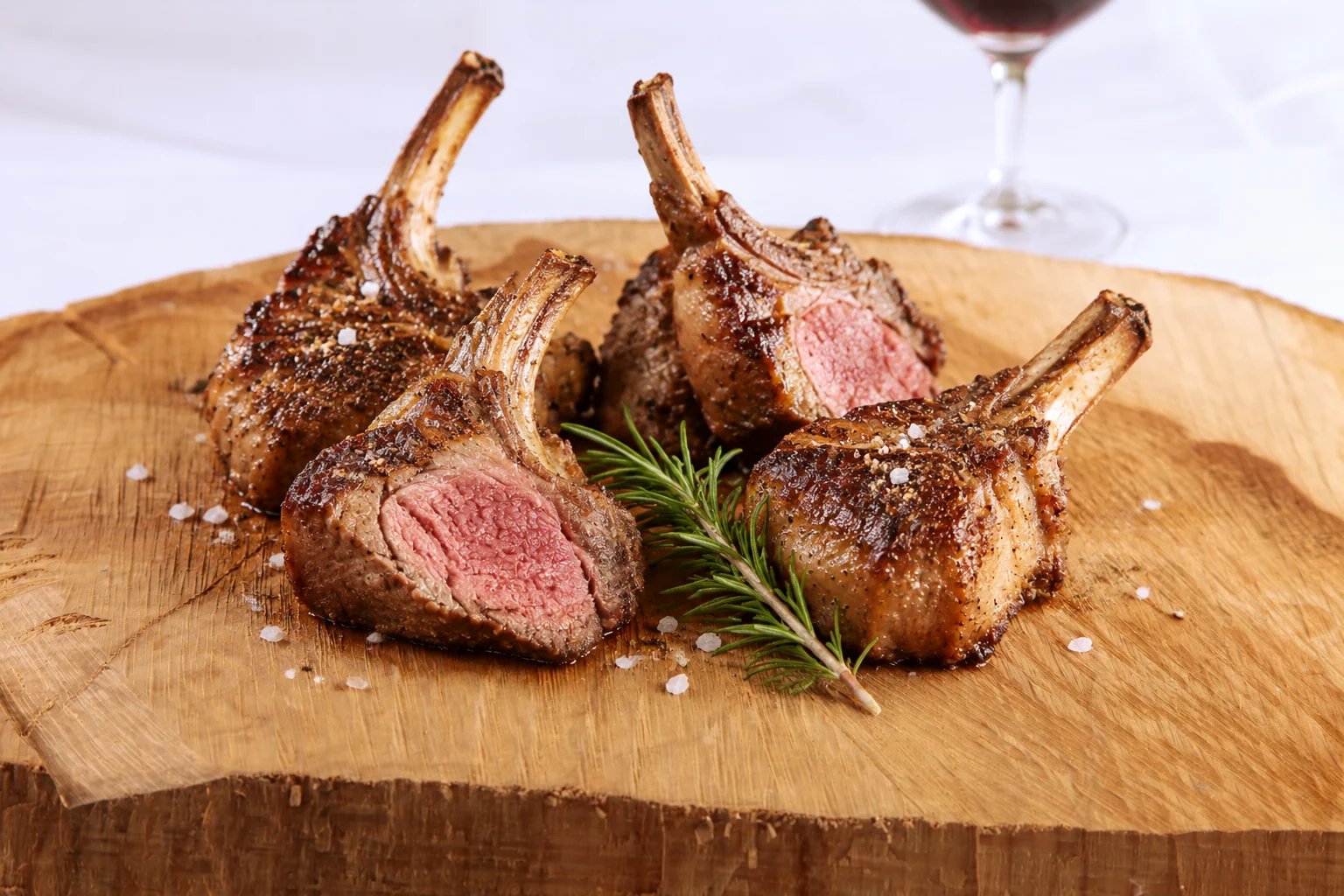
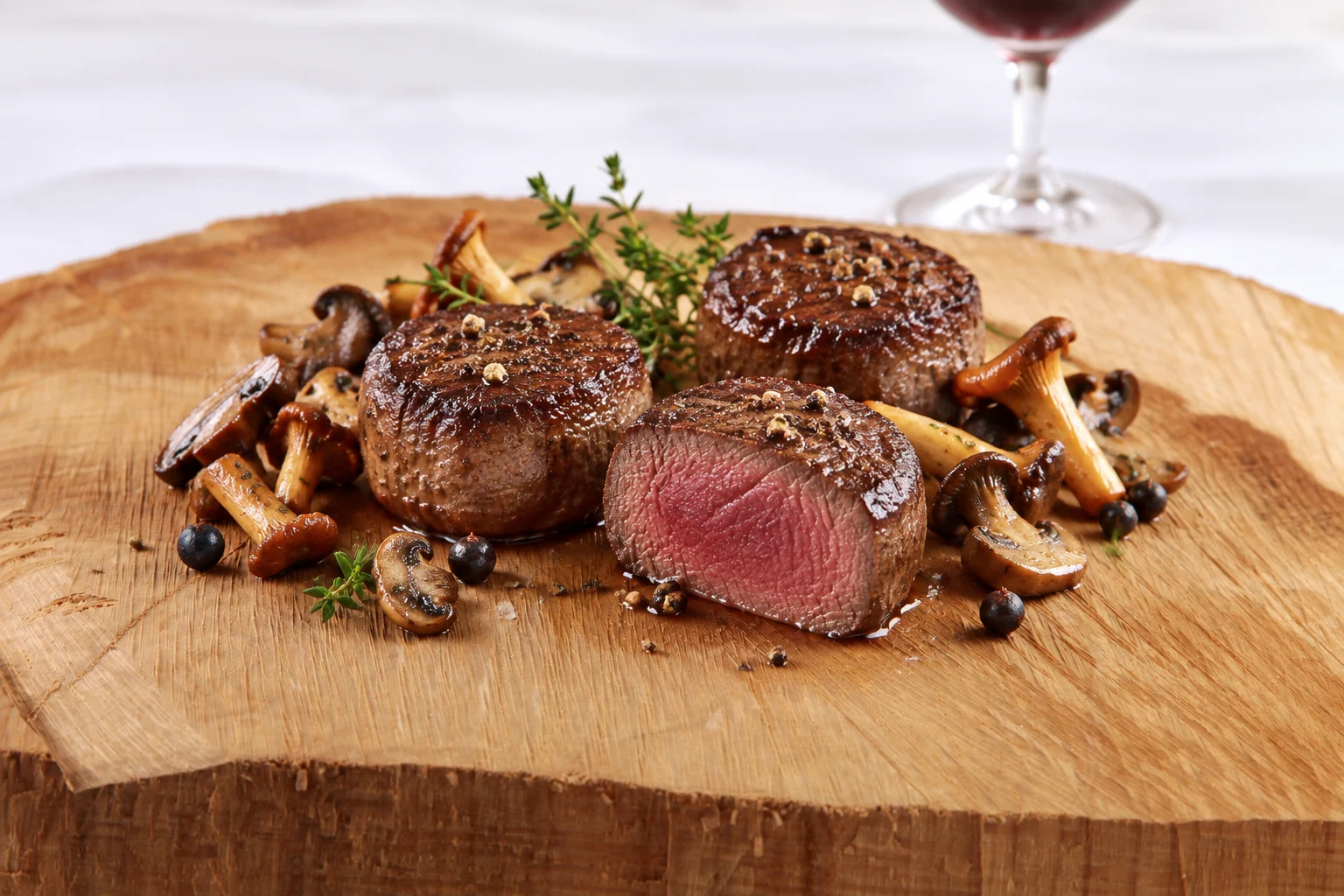
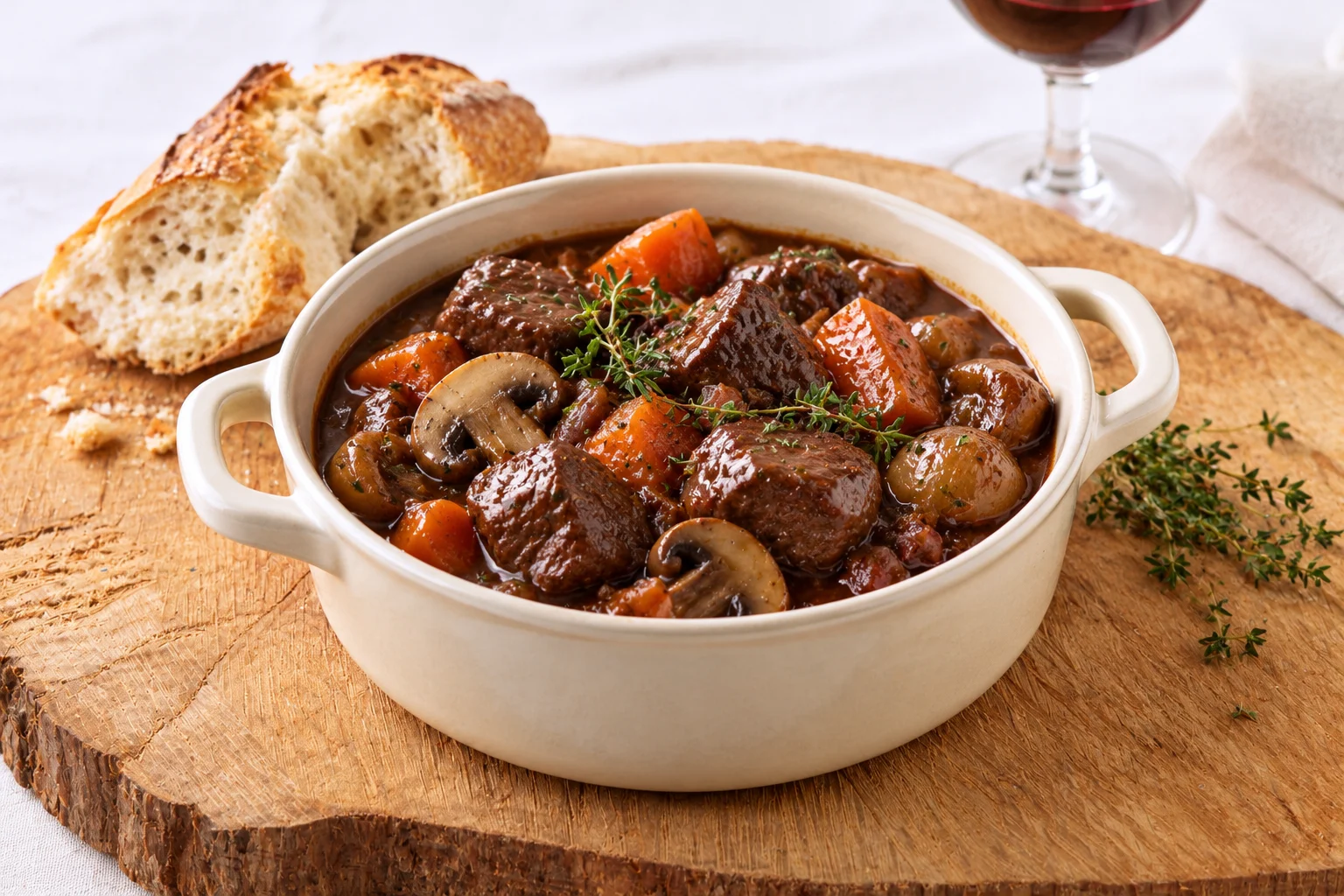
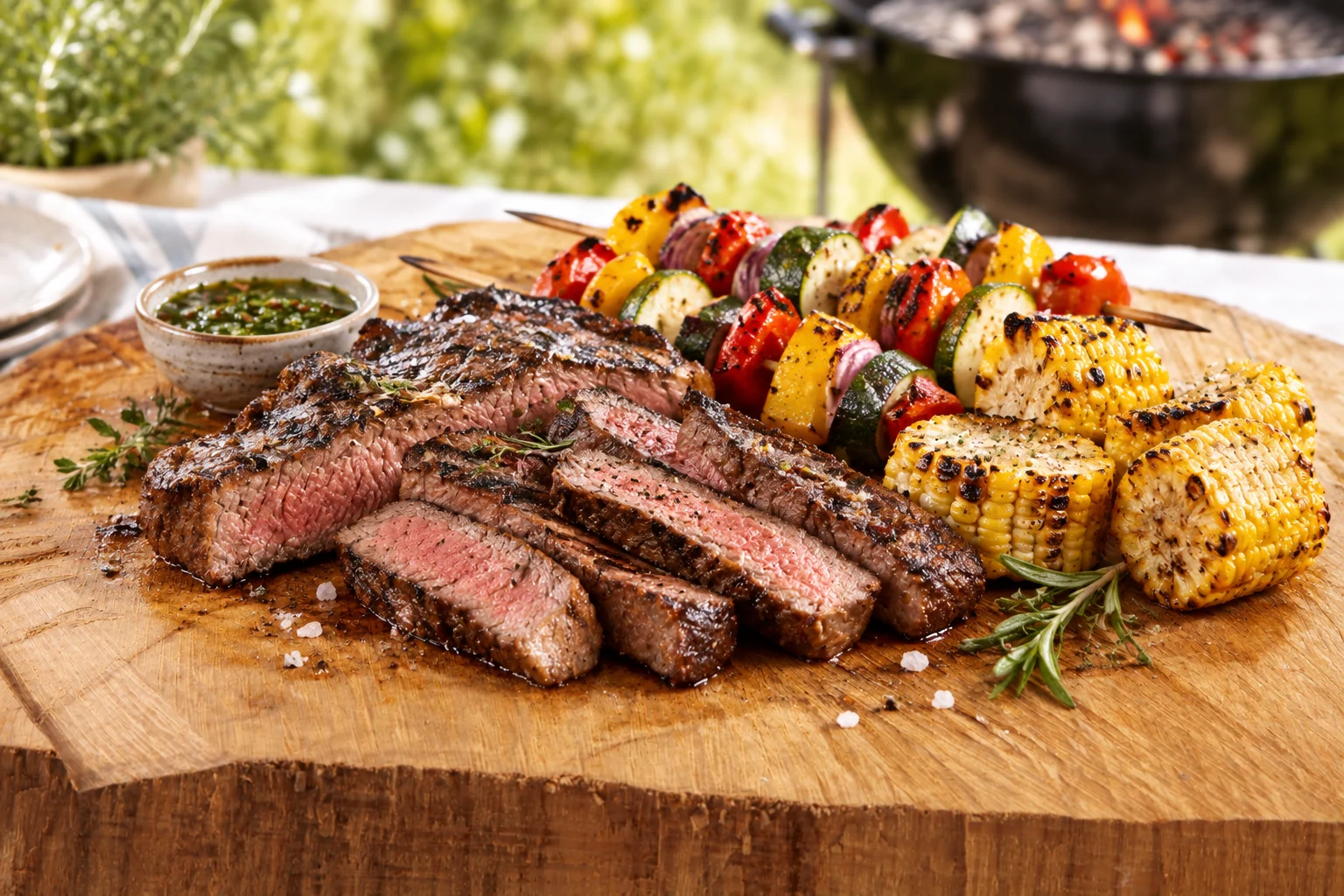
Do you already have a dish in mind?
Let Sommy find wines to pair with your meal.
Discover Wine Trivia
Sign in to unlock fascinating facts about this wine and expand your knowledge.
Sign In