

2017 Jean-Claude Ramonet Bienvenues-Bâtard-Montrachet Grand Cru
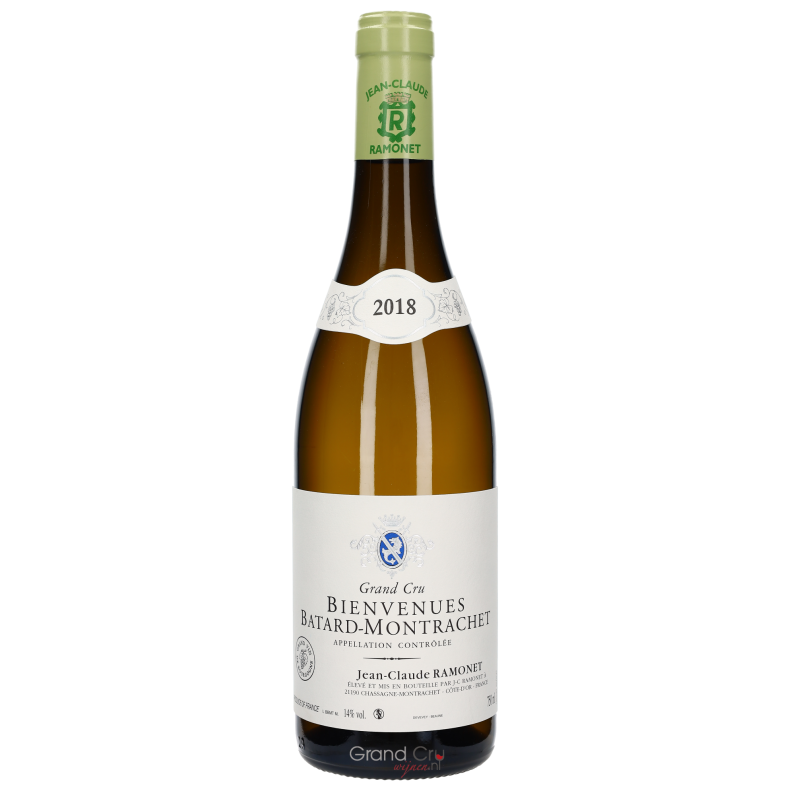
De specificaties zoals vermeld bij de wijn (o.a. wijnjaar) en in de titel zijn leidend en er kunnen geen rechten worden ontleend aan de afbeelding die wordt getoond. Lees meer in onze Frequenty asked questions
How does this wine taste?
How full and heavy the wine feels in your mouth, like the difference between skimmed milk and cream. More alcohol, sugar and oak ageing make a wine fuller.
How much sugar you taste, from dry to sweet. Fruity is not the same as sweet: a dry wine can taste of ripe fruit.
How fresh and juicy the wine is: acidity makes your mouth water. High acidity tastes lively and refreshing, low acidity soft and round.
What we taste What you taste Click a taste for what it means
The bars follow how sommeliers taste (WSET): body, tannin, sweetness and acidity, each from low to high.
Body: full-bodied. Like most white wines from Côte de Beaune; 14% alcohol.
Acidity: fairly high. from the fairly cool climate of .
Aromas: stone fruit, tropical fruit and orchard fruit, typical of
Nothing noted for this wine yet. What do you smell, and how long does the taste linger?
Have you tasted this wine?
Save your rating and notes.
Save your rating and notes.
Have you tasted this wine?
Log in to save your tasting note.
Log in to save your tasting note.
Log inThe Jean-Claude Ramonet winery and the Chassagne-Montrachet region
Domaine Jean-Claude Ramonet is one of the absolute top white Burgundy producers. Based in Chassagne-Montrachet, the estate has been active since the 1930s and is now in the hands of the third generation of the family. With a focus on Chardonnay in prestigious appellations such as Le Montrachet, Bâtard-Montrachet and Bienvenues-Bâtard-Montrachet, Ramonet has built a reputation for wines with minerality, tension and aging potential. The vineyards benefit from chalky soils and a cool continental climate, ideal for slow, aromatic ripening.
The location and status of Bienvenues-Bâtard-Montrachet Grand Cru
The Bienvenues-Bâtard-Montrachet vineyard is one of the smallest and most refined Grand Crus in Burgundy. Located directly south of the legendary Le Montrachet, this parcel shares the unique terroir of clay-limestone soils, with a slightly softer exposure. Wines from this Grand Cru are known for their refined balance between power, freshness and aromatic complexity.
Grapes, harvest and vinification of the 2018 Bienvenues-Bâtard-Montrachet
2018 was a warm and dry year in Burgundy, with early flowering and a sunny, healthy harvest. The Chardonnay for this Grand Cru was hand-picked and rigorously selected. After soft pressing, the juice was transferred to French oak barrels, of which approximately 20 to 30% new wood. Alcoholic fermentation took place in the barrel, followed by malolactic conversion and maturation on the fine lees for approximately 15 months. Ramonet opts for a subtle use of wood to optimally express the terroir.
Color, smell and taste of 2018 Jean-Claude Ramonet Bienvenues-Bâtard-Montrachet
The wine presents itself in bright golden yellow with green glints. The nose is delicate and intense, with aromas of citrus, white flowers, almond, wet stone and a light smokiness. In the mouth refined and powerful at the same time, with a velvety structure, fresh acidity and notes of ripe pear, lime, roasted hazelnut and subtle wood. The long, mineral finish makes this wine a classic Grand Cru.
Would you like to order wines from 2018 Jean-Claude Ramonet Bienvenues-Bâtard-Montrachet online?
The 2018 Jean-Claude Ramonet Bienvenues-Bâtard-Montrachet Grand Cru is stored in our conditioned Wine Warehouse. When collecting, you often benefit from an extra discount, which is immediately visible when you choose 'Collect' during checkout. Our collection point is located in Dordrecht, close to the A16 and has ample parking. Click here for our address .
Would you like to read the opinion of international wine journalists such as Robert Parker, James Suckling or Vinous? These reviews are available via the links next to the product image. Free access for customers of Grandcruwijnen.
Need help choosing a wine to go with your meal? Click here for our exclusive Sommelier . This service is available free of charge to all our customers.
Wine and food pairings with 2018 Jean-Claude Ramonet Bienvenues-Bâtard-Montrachet
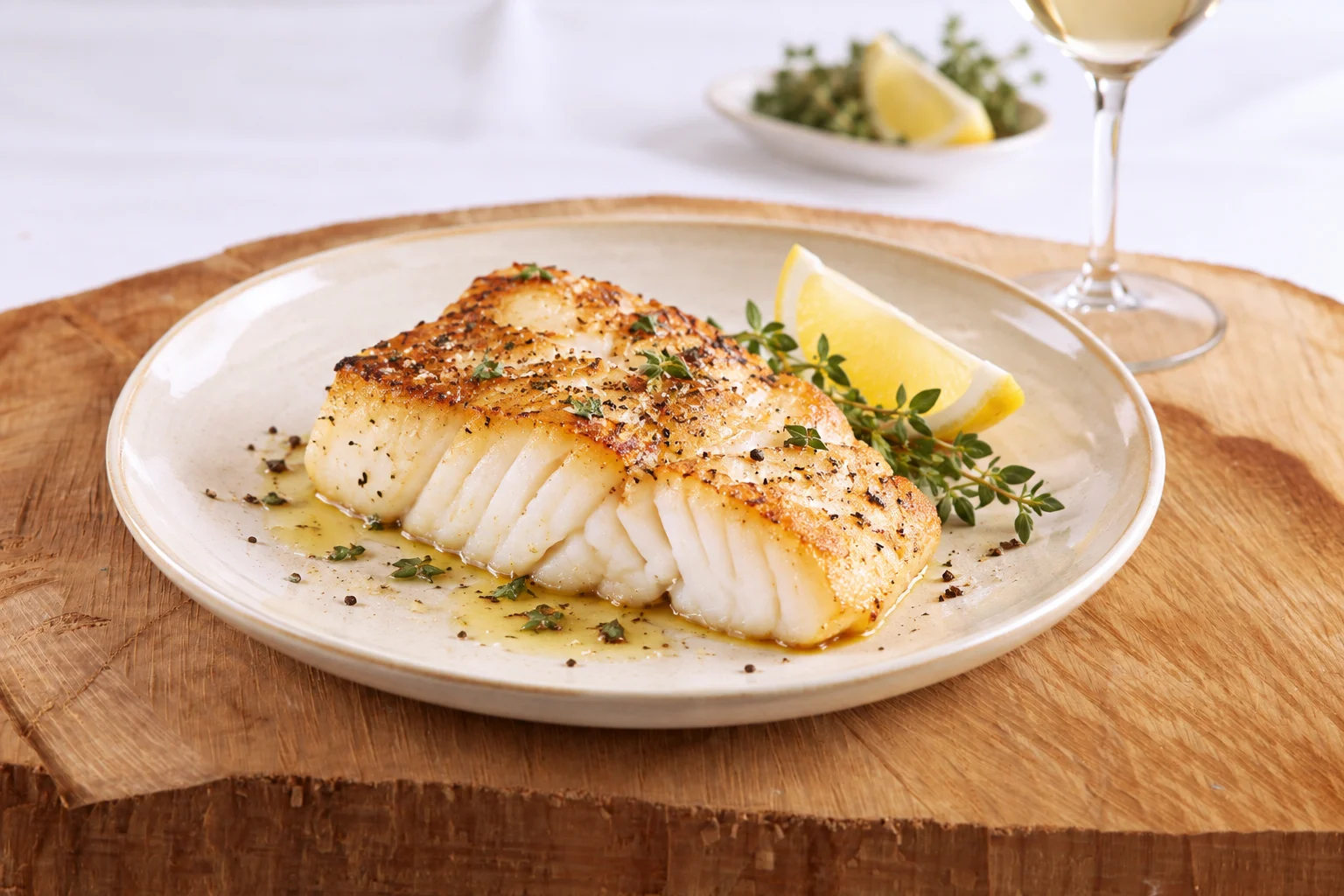
Pan-fried sole with lemon butter and capers: The freshness of the sauce and the saltiness of the fish harmonise with the fine acidity of the wine.
Classic lobster with saffron risotto: A rich and refined dish that beautifully complements the structure and intensity of the wine.
Creamy risotto with green asparagus and Parmesan cheese: The creaminess and vegetal notes are enhanced by the fresh minerality of the wine.
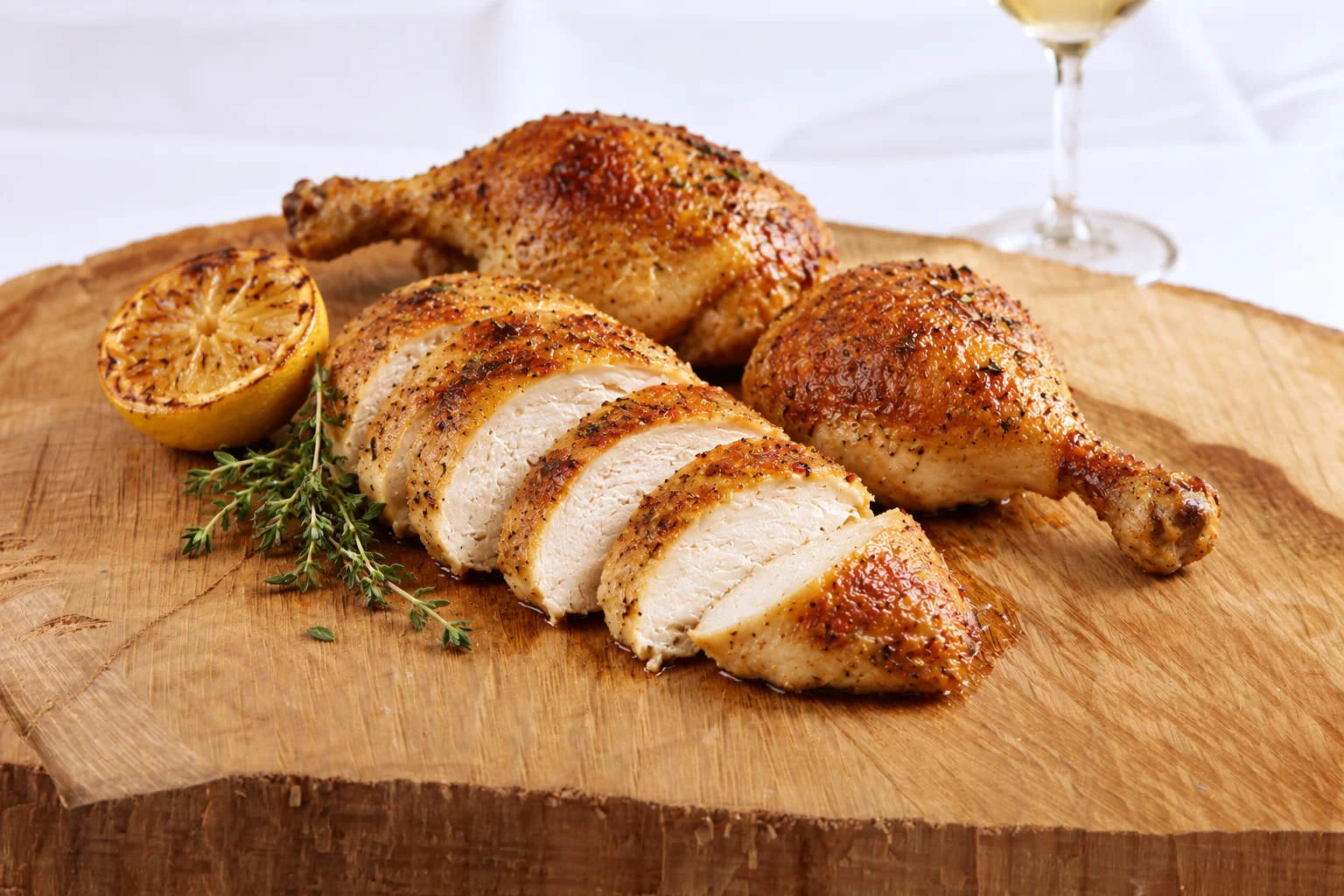
Roasted chicken with tarragon and candied lemon: Aromatic herbs and citrus notes combine beautifully with the elegant profile of the wine.
Poached eggs with beurre blanc and green beans: A soft, creamy dish that harmonizes with the fat and clean acidity of the wine.
Pasta with truffle cream sauce and pecorino: The deep flavours of truffle and cheese find a beautiful balance with the freshness and length of this Grand Cru.
Character
The wine
- 100%
Origin
Bottle
Wine features
Parker
The Wine Advocate
RP 94
Reviewed by:
William Kelley
Release Price:
NA
Drink Date:
2022 - 2045
Aromas of pastry cream, fresh pears, Meyer lemon and white flowers introduce Ramonet's 2017 Bienvenues-Bâtard-Montrachet Grand Cru, a full-bodied, deep and textural wine that's concentrated but incisive, with good structural tension and a long, chalky finish. Representing something of a hypothetical blend of the domaine's 2015 and 2014 vintages in this climat, it's well worth seeking out.
The 2017 vintage has turned out very well indeed at Domaine Ramonet, and gets my nod as the finest set of wines produced at this historic Chassagne-Montrachet reference point since 2014. Ramonet's 2017s are a bit more giving than the 2014s, with more exuberant fruit tones, and some cuvées are surprisingly ripe and sun-kissed in personality. Among the premiers crus, this year's Morgeot, Vergers and Ruchottes are all quite rich wines, a reminder that 2017 was ultimately what the French call a "solaire" vintage. By contrast, however, the 2017 Champ Canet and Caillerets are both beautifully tensile. All the domaine's grands crus are brilliant, and the Montrachet itself is without question one of the wines of the vintage. But all the nuances are parsed in the accompanying tasting notes. Readers looking for more information about this important estate are directed to my article on Domaine Ramonet published in the Interim End of January 2018 issue of The Wine Advocate. Tasting notes on some Ramonet wines back to the 1960s will also be published in the next—and imminent—installment of Up From the Cellar.
Published: Jan 09, 2020
Lorem ipsum dolor sit amet, consectetur adipiscing elit. Sed do eiusmod tempor incididunt ut labore et dolore magna aliqua...
Vinous
From: 2017 White Burgundy: Quantity, Quality and Great Charm (Sep 2018)
Reticent but pure aromas of white peach and hazelnut enlivened by a lemony high note. Fine-grained, silky, concentrated grand cru with excellent lemony acidity giving shape to the mid-palate and extending the long, perfumed, classically dry finish. Terrific potential here.
- By Stephen Tanzer, June 2018
Lorem ipsum dolor sit amet, consectetur adipiscing elit. Sed do eiusmod tempor incididunt ut labore et dolore magna aliqua...
Exclusive Content
Sign in to unlock professional wine reviews from world-renowned critics
Noël and Jean-Claude Ramonet are the third generation to manage the grand winery of Ramonet, with the mission of maintaining its wonderfully built reputation. Grandfather Pierre is said to have arrived in Burgundy in the late 1920s with nothing more than his knapsack. After years of buying grapes and making wine from them, he was gradually able to buy vineyards in his chosen village of Chassagne. The ultimate highlight in 1978 was the purchase of a plot of land from Le Montrachet, and paid in cash too!
Pierre Ramonet died in 1994 at the age of 88. But its echo lives in the wines, in the capable hands of his grandsons Noël and Jean-Claude who have continued its reputation since 1984 (under the strict command of the grandfather). The original Ramonets came from Bresse on the other side of the Saône from Chalon. In the 19th century, a branch settled in Beaune, where they were millers. The mill went bankrupt and one of them, Claude, moved to Chassagne, where he became a Tacheron, a vineyard worker who is paid by the amount of land he farms. Claude had three children; a daughter who married Georges Bachelet (hence the current domain Bachelet-Ramonet) and two sons, Pierre, born in 1906 and Claude (1914). Pierre married Lucie Prudhon (for a time the wine was sold as Domaine Ramonet-Prudhon). They had only one son, André (1934), father of Noël and Jean-Claude.
Today they own 17 hectares. In the Chassagne the very beautiful premiers crus Ruchottes, Morgeots, Caillerets, Clos-de-la-Boudriotte, Clos-Saint-Jean, Chaumées and Vergers, but also Bâtard and Bienvenues. Recently, Ramonet has been able to expand in Saint-Aubin (Les Charmois) and Puligny-Montrachet (Champ-Canet and a very beautiful villages). The average age of the vines is 60 years and the yields per hectare are very low. Depending on the quality, the wines are aged between 12 and 15 months in a mix of new and used oak barrels (generally 30% new oak). Long maturation on the yeast tracks, light filtering and only occasional batonnage. The Ramonet brothers have remained true winegrowers, just like their grandfather, but the distribution of their wines is being fought over the world. In theory, Noël is responsible for the wine cellars and Jean Claude for the vineyards.
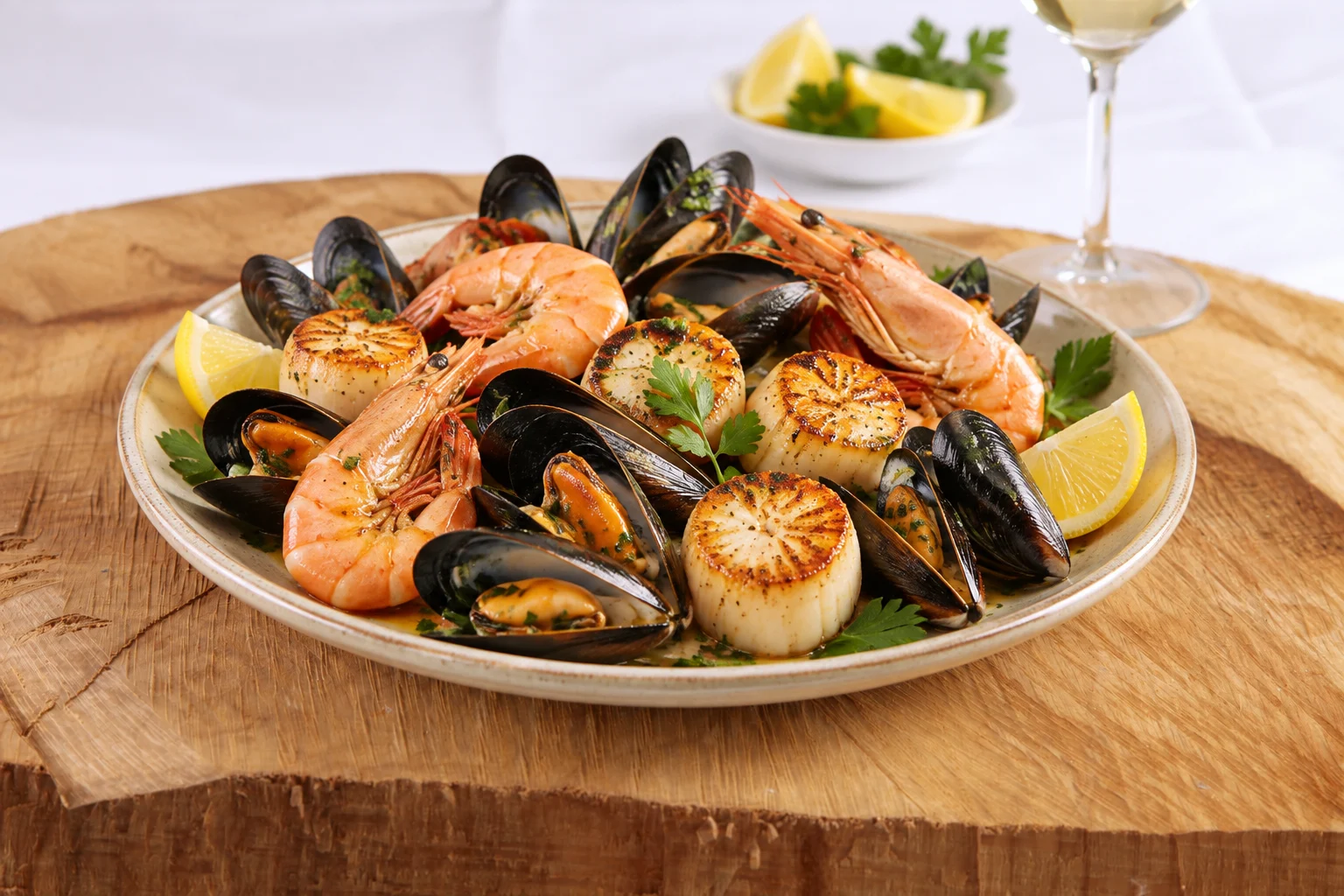
Deze 2017 Bienvenues-Bâtard-Montrachet toont rijke aroma's van verse peer, Meyer‑citroen, banketbakkersroom en witte bloemen met een volle, textuurrijke mond, frisse citruszuren en een lange, kalkachtige afdronk. Daardoor sluit hij prachtig aan bij gevogelte, witte vis en schelpdieren omdat de frisse zuurgraad de rijkdom balanceert en de fijne mineraliteit sauces en zeevruchten accentueert; denk aan tarbot of zeetong in een lichte botersaus, kreeft of coquilles kort gebakken met een scheutje citroen en peterselie, of gevogelte met een romige morillesaus om de volle textuur en complexiteit van de wijn te versterken.
Choose a category to discover dishes that pair well with this wine.
Do you already have a dish in mind?
Let Sommy find wines to pair with your meal.
Discover Wine Trivia
Sign in to unlock fascinating facts about this wine and expand your knowledge.
Sign In