

2017 Château Beausejour Héritiers Duffau-Lagarrosse

How does this wine taste?
How full and heavy the wine feels in your mouth, like the difference between skimmed milk and cream. More alcohol, sugar and oak ageing make a wine fuller.
The drying, grippy feel on your gums and tongue, as with strong tea. It comes from the skins and seeds of black grapes and from oak, and softens with age.
How much sugar you taste, from dry to sweet. Fruity is not the same as sweet: a dry wine can taste of ripe fruit.
How fresh and juicy the wine is: acidity makes your mouth water. High acidity tastes lively and refreshing, low acidity soft and round.
What we taste What you taste Click a taste for what it means
The bars follow how sommeliers taste (WSET): body, tannin, sweetness and acidity, each from low to high.
Body: full-bodied. Like most red wines from Libournais; 13.5% alcohol.
Tannin: firm. Aged in oak.
Sweetness: dry. Red wine from is almost always dry.
Acidity: medium. The temperate climate of .
Nothing noted for this wine yet. What do you smell, and how long does the taste linger?
Have you tasted this wine?
Save your rating and notes.
Save your rating and notes.
Have you tasted this wine?
Log in to save your tasting note.
Log in to save your tasting note.
Log inDeep garnet purple in colour, the 2017 Beauséjour (Duffau Lagarrosse) is slightly closed and reveals hints of bright, cheerful black cherries, blackcurrants and wild blueberries, with very serious notes of preserved plums, licorice and mocha in the background, and a touch of fragrant earth. Medium to full bodied, with a firm structure of ripe tannins and seamless freshness supporting the subdued, earthy layers, ending in a long and mineral finish. This wine has excellent aging potential but will need time to fully enjoy it!
About Château Beauséjour
Château Beauséjour was founded in the 19th century and has a long tradition in wine growing. The winery was purchased in 1847 by Pierre-Paulin Ducarpe, who later left it to his cousin, Mr. Duffau-Lagarrosse. Hence the double name Beauséjour (Duffau Lagarrosse).
Location: The winery is located on the limestone plateau of Saint-Émilion, a region known for its excellent wine-growing terroir. The winery overlooks the picturesque town of Saint-Émilion, a UNESCO World Heritage Site. Château Beauséjour covers approximately 6.5 hectares of vineyards. The vineyards are planted with classic Bordeaux grape varieties, mainly Merlot (approximately 81%), followed by Cabernet Franc (16%) and a small percentage of Cabernet Sauvignon (3%). The vineyards are located on limestone and clay soils, which are ideal for the production of powerful and complex wines. The unique terroir contributes to the minerality and depth of the wines.
FACT: In the 'Attachments' tab you will find the official fact sheet of this beautiful wine. We will send this to you automatically when you order this wine. The wine is stored in our conditioned Wine Warehouse and when you pick up the wine you will often receive a nice discount . You will see your discount immediately when you choose 'Collect' on the checkout page. We are located in Dordrecht almost next to the A16 with plenty of parking. Click here for our address.
Character
The wine
Origin
Bottle
Wine features
Parker
The Wine Advocate
RP (94-96)
Reviewed by:
Lisa Perrotti-Brown
Release Price:
NA
Drink Date:
N/A
Deep garnet-purple colored, the 2017 Beauséjour (Duffau Lagarrosse) is slightly closed, revealing glimpses at bright, cheery black cherries, black berries and wild blueberries with very serious preserved plums, licorice and mocha in the background and a waft of fragrant soil. Medium to full-bodied, it has a firm frame of ripe tannins and seamless freshness supporting the subdued, earthy layers, finishing long and minerally. It should be wonderfully long-lived but will need time to enjoy!
Published: Apr 27, 2018
Lorem ipsum dolor sit amet, consectetur adipiscing elit. Sed do eiusmod tempor incididunt ut labore et dolore magna aliqua...
James Suckling
CHÂTEAU BEAUSÉJOUR DUFFAU-LAGARROSSE ST.-EMILION 2017
Sunday, December 20, 2020
CountryFrance
RegionBordeaux
Vintage2017
CHECK PRICE
DOWNLOAD SHELFTALKER
Score
96
This has a very attractive, ripe black-fruit nose with toasted spices, violets and dark-stone notes. Iodine and cedar, too. The palate is powerful and has quite intense flavors of blackberries and blueberries with a super rich and ripe frame of tannin that carries long and expands the finish in impressive style. Very long. Try from 2025.
Lorem ipsum dolor sit amet, consectetur adipiscing elit. Sed do eiusmod tempor incididunt ut labore et dolore magna aliqua...
Vinous
96
Drinking Window
2027 - 2047
From: 2017 Bordeaux – Mirror, Mirror on The Wall… (Mar 2020)
The 2017 Beauséjour Héritiers Duffau-Lagarrosse is powerful and backward, with huge tannins wrapped around a core of black cherry, smoke, charcoal, licorice, blackberry jam and graphite. Exotic and rich in the glass, the 2017 needs time to soften, but it is immensely promising, not to mention utterly captivating. Tasted three times.
- By Antonio Galloni on December 2020
Lorem ipsum dolor sit amet, consectetur adipiscing elit. Sed do eiusmod tempor incididunt ut labore et dolore magna aliqua...
Exclusive Content
Sign in to unlock professional wine reviews from world-renowned critics
- Premier Grand Cru Classé B de Saint-Émilion
Château Beauséjour was founded in the 19th century and has a long tradition in wine growing. The winery was purchased in 1847 by Pierre-Paulin Ducarpe, who later left it to his cousin, Mr. Duffau-Lagarrosse. Hence the double name Beauséjour (Duffau Lagarrosse).
Location: The winery is located on the limestone plateau of Saint-Émilion, a region known for its excellent wine-growing terroir. The winery overlooks the picturesque town of Saint-Émilion, a UNESCO World Heritage Site. Château Beauséjour covers approximately 6.5 hectares of vineyards. The vineyards are planted with classic Bordeaux grape varieties, mainly Merlot (approximately 81%), followed by Cabernet Franc (16%) and a small percentage of Cabernet Sauvignon (3%). The vineyards are located on limestone and clay soils, which are ideal for the production of powerful and complex wines. The unique terroir contributes to the minerality and depth of the wine
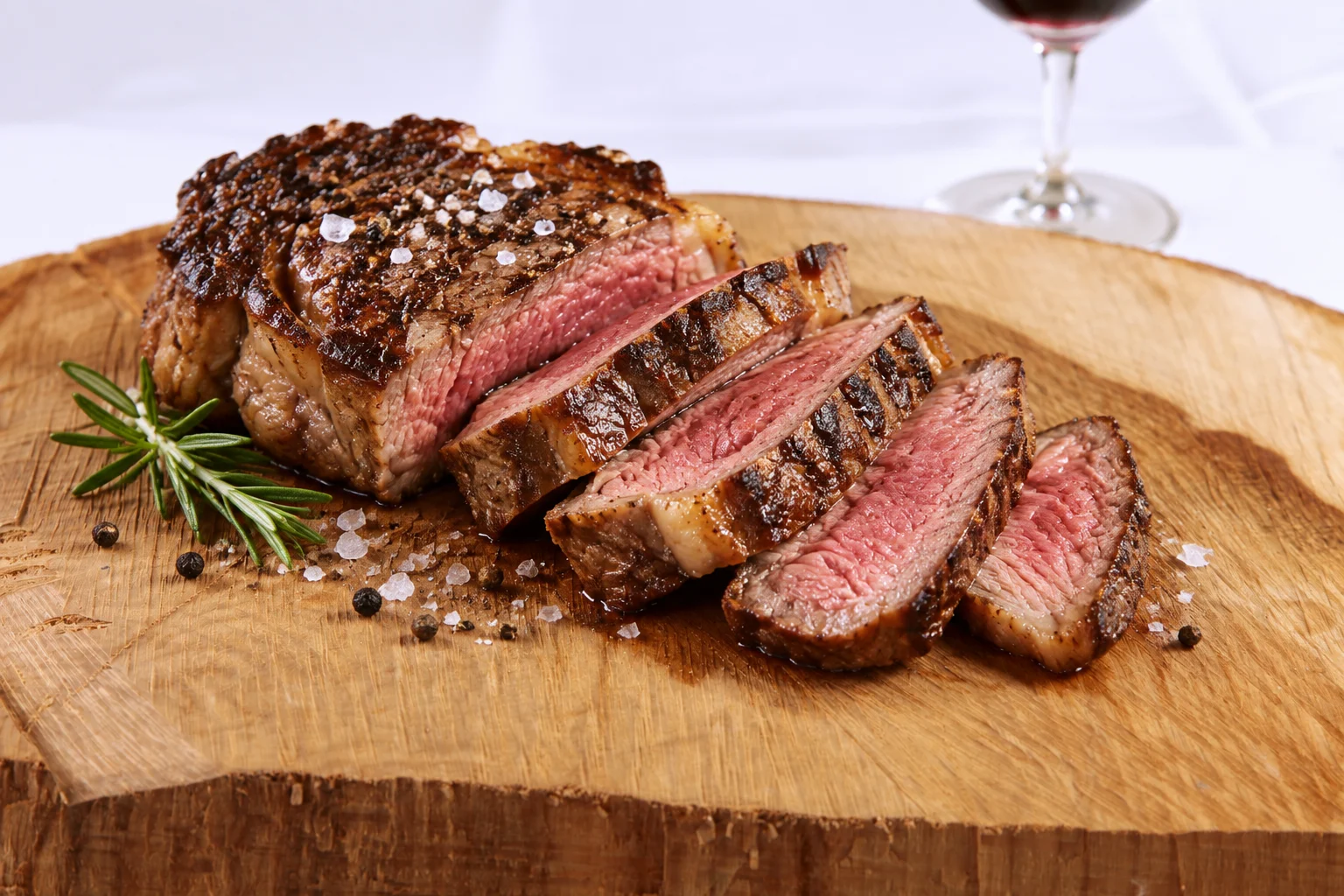
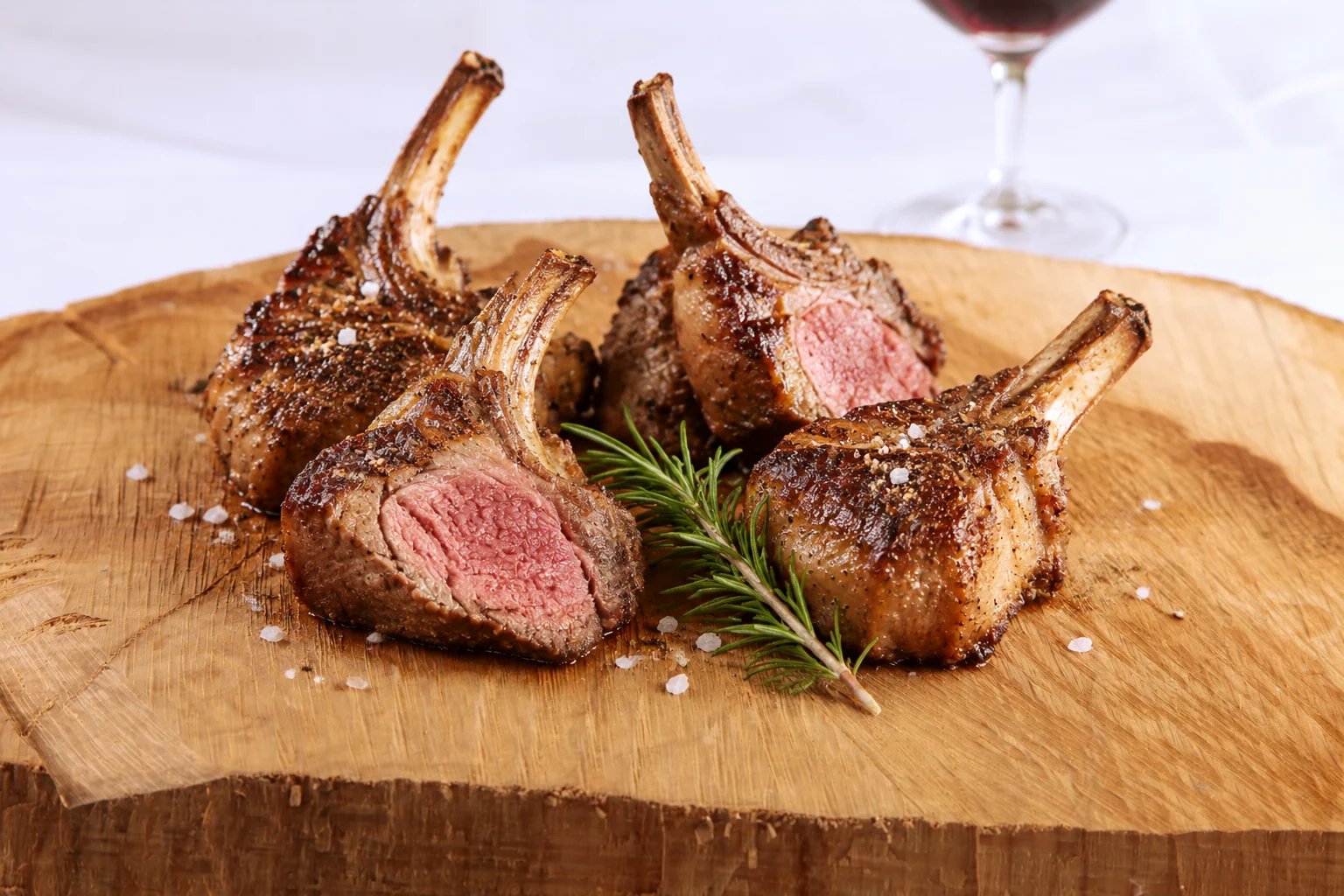
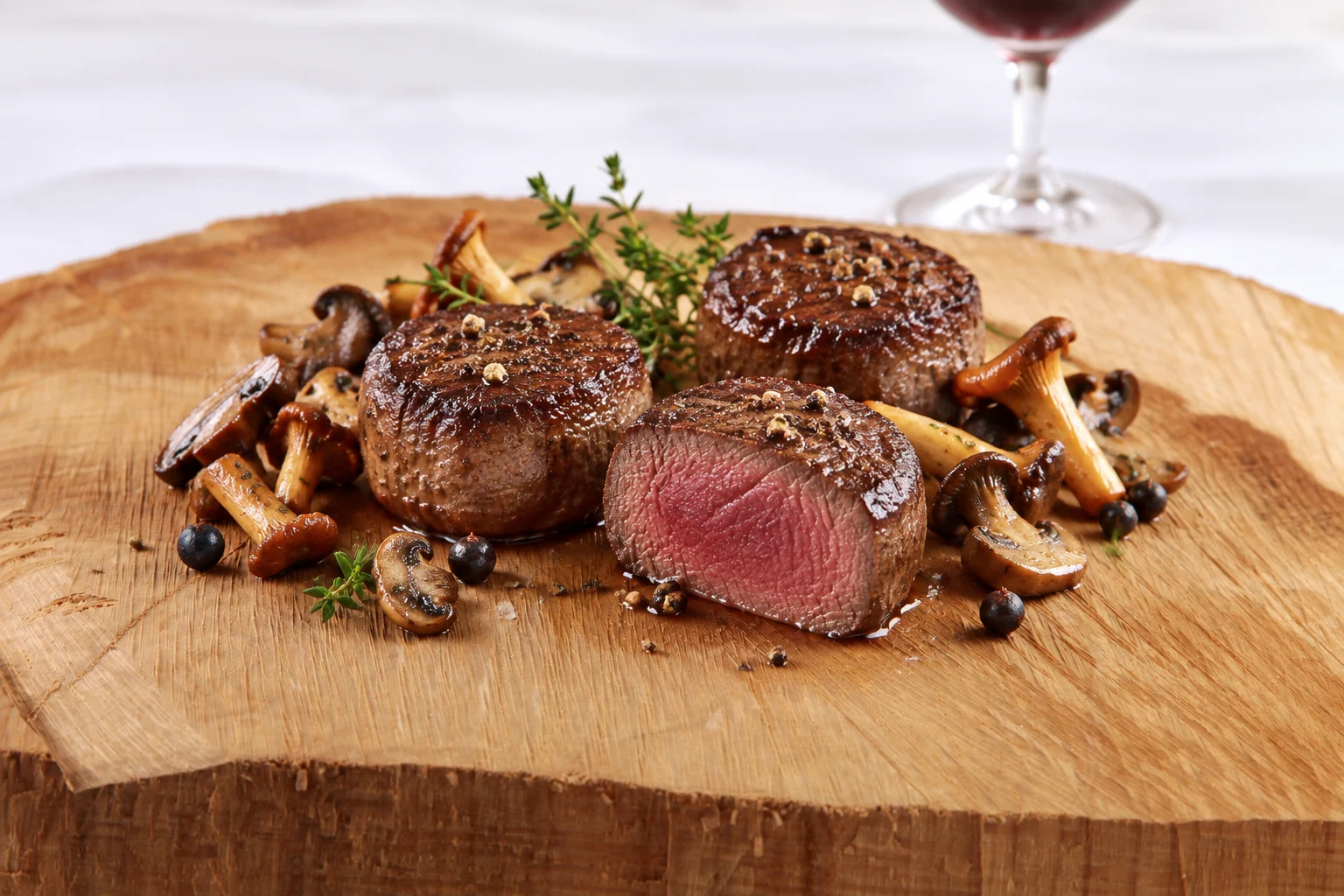
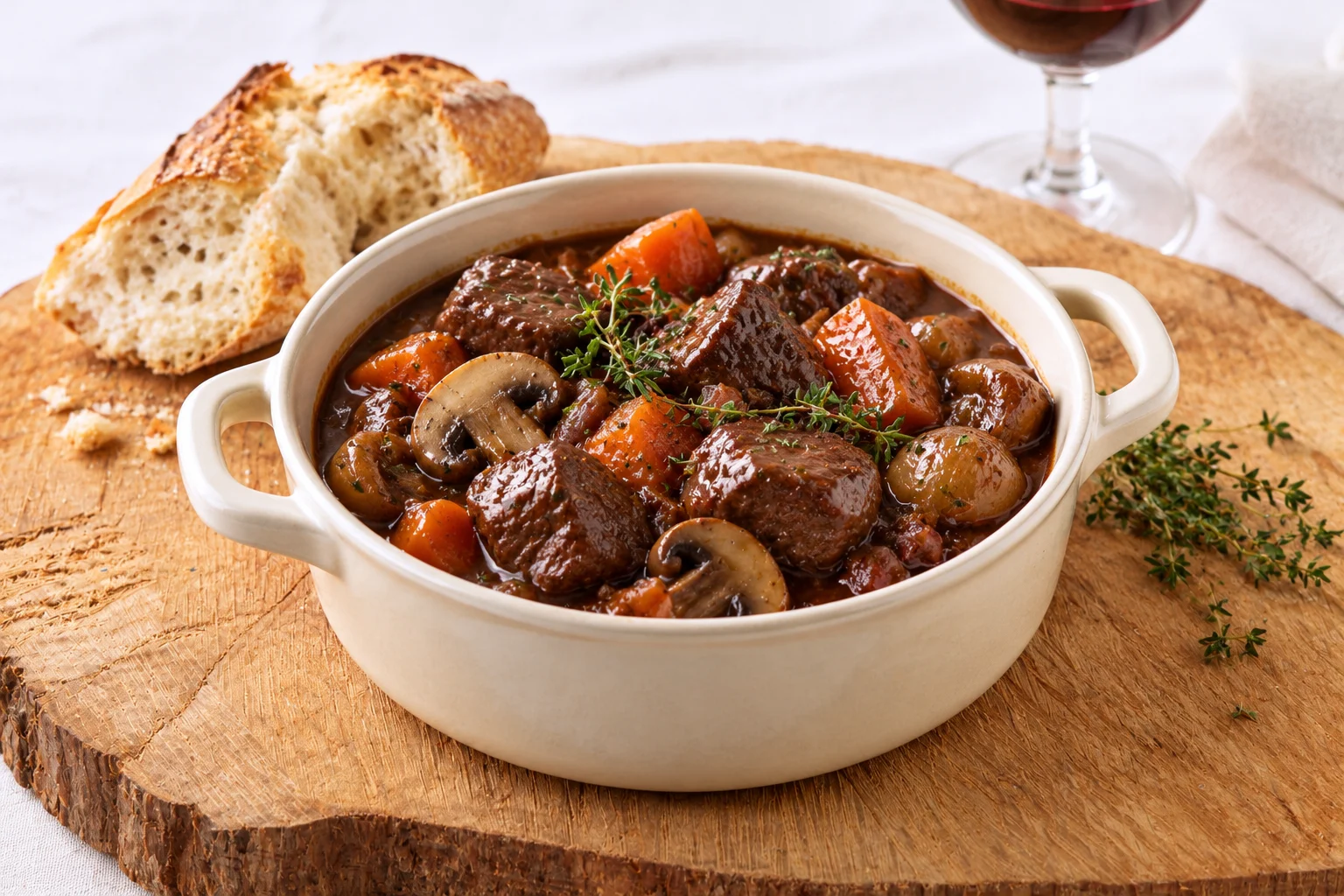
Deze indrukwekkende Saint-Émilion presenteert zich met rijpe zwarte kers, braam en wilde bosbes, ondersteund door geconserveerde pruim, drop, mokka en een subtiele grafietachtige mineraliteit, terwijl stevige maar rijpe tannines en frisse zuurgraad de medium- tot volle body dragen. Door die diepe fruitconcentratie, de aardse tonen en de stevige tannines sluit de wijn prachtig aan bij rundvlees, lam, wild en rijke stoofschotels: de tannines snijden door vet en geven structuur naast de krachtige smaken. Kies voor gegrild of geroosterd vlees met een roodwijssaus, kruidige lamsbout of een langzaam gegaarde runderstoof met paddenstoelen en kruidige jus; ook wild met een jeneverbes- of portreductie en licht geroosterde wortelgroenten accentueert de complexe, minerale afronding van de wijn.
Choose a category to discover dishes that pair well with this wine.
Do you already have a dish in mind?
Let Sommy find wines to pair with your meal.
Discover Wine Trivia
Sign in to unlock fascinating facts about this wine and expand your knowledge.
Sign In