

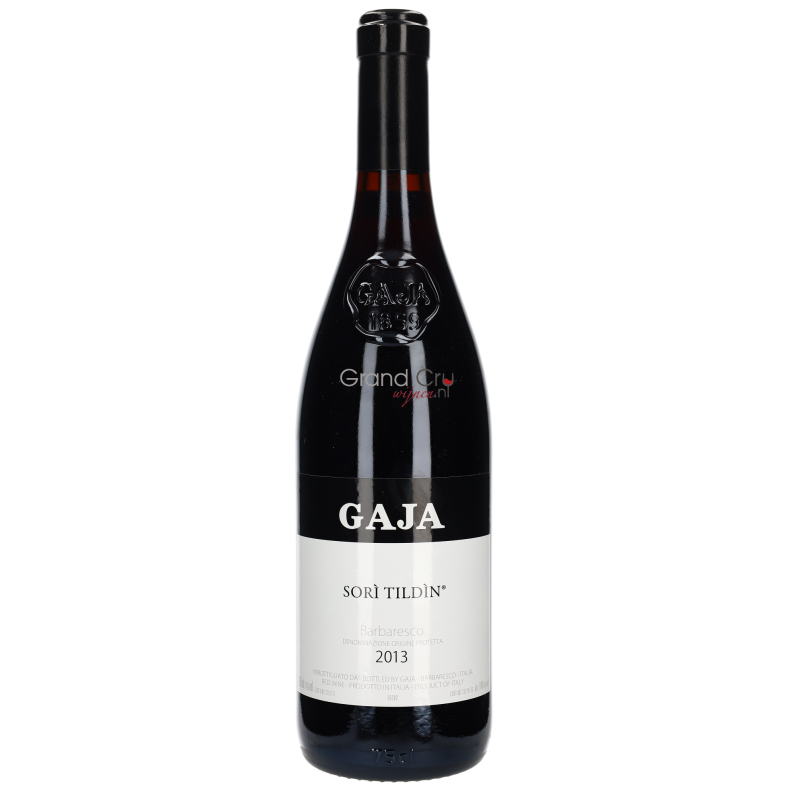
2013 Gaja Sorì Tildìn
How does this wine taste?
How full and heavy the wine feels in your mouth, like the difference between skimmed milk and cream. More alcohol, sugar and oak ageing make a wine fuller.
The drying, grippy feel on your gums and tongue, as with strong tea. It comes from the skins and seeds of black grapes and from oak, and softens with age.
How much sugar you taste, from dry to sweet. Fruity is not the same as sweet: a dry wine can taste of ripe fruit.
How fresh and juicy the wine is: acidity makes your mouth water. High acidity tastes lively and refreshing, low acidity soft and round.
What we taste What you taste Click a taste for what it means
The bars follow how sommeliers taste (WSET): body, tannin, sweetness and acidity, each from low to high.
Body: full-bodied. Like most red wines from ; 14% alcohol.
Tannin: firm. From ; aged in oak.
Sweetness: dry. Red wine from is almost always dry.
Acidity: high. from the temperate climate of .
Aromas: earthy notes, flowers and spice, typical of
Made: in , aged at least 26 months, 9 of them in wood
Nothing noted for this wine yet. What do you smell, and how long does the taste linger?
Have you tasted this wine?
Save your rating and notes.
Save your rating and notes.
Have you tasted this wine?
Log in to save your tasting note.
Log in to save your tasting note.
Log inGaja Winery
Gaja is one of Italy's most influential wineries and played a key role in Barbaresco's international reputation. Founded in 1859 in the village of Barbaresco, the estate, under the leadership of Angelo Gaja, became one of Piedmont's most iconic names. Through stricter vineyard selection, lower yields, and meticulous vinification, Gaja significantly raised the bar for Nebbiolo. Today, the estate is led by the new generation of Gaia, Rossana, and Giovanni Gaja, but the focus remains the same: crafting wines that express the character of Barbaresco's finest vineyards in the purest way possible.
2013 Gaja Barbaresco Sorì Tildìn
Sorì Tildìn is one of Gaja's three renowned single-vineyard Barbarescos, located directly above the Costa Russi vineyard at an altitude of approximately 260 meters. The vineyard is known for Nebbiolo with refinement, aromatic complexity, and remarkably precise structure. The vines average around 45 years of age and grow on calcareous clay and marl soils that impart both elegance and concentration.
A new phase for the Gaja crus
The 2013 vintage marks a significant moment for the Gaja estate. For the first time, the historic Cru wines Sorì Tildìn, Sorì San Lorenzo, and Costa Russi are being re-released as Barbaresco DOCG, produced entirely from 100% Nebbiolo. In previous vintages, a small percentage of Barbera was added. This change emphasizes the pure character of the vineyards and marks a new phase in the estate's history.
The 2013 vintage
The 2013 vintage is considered a classic and structured vintage in Piedmont. The relatively cool growing season and long aging resulted in Nebbiolo with a distinct tannic structure, fresh acidity, and high aromatic precision. This type of vintage produces wines with excellent aging potential and a pronounced terroir expression.
Color, smell and taste
The wine has a bright ruby red color with light garnet hues. The nose is highly refined, with aromas of strawberry, red cherry, and floral notes, complemented by walnut, porcini, and mountain herbs. As the wine opens, notes of mint, lavender, licorice, and subtle woody notes emerge.
Elegant and precisely structured on the palate. The tannins are taut yet beautifully integrated, giving the wine structure and length. The fruit remains clear and pure with notes of cherry, berry, and spicy accents. The balance between freshness, aromatic complexity, and structure creates a long, refined finish typical of great Nebbiolo from Barbaresco.
Reviews and reputation
This vintage received 97 points from James Suckling, who praised the wine for its refined structure, aromatic complexity, and long finish. Antonio Galloni also awarded it 97 points, describing it as a beautifully sculpted and precise Nebbiolo with notes of cherry, mint, lavender, and licorice. The Wine Advocate awarded it 95+ points, highlighting the elegant structure and rich aromatic layering of this cru.
Storage capacity
Thanks to its structure and fresh acidity, this Barbaresco has excellent aging potential. The wine develops slowly and can continue to refine over several decades. The optimal drinking window is expected to be between approximately 2023 and 2043.
Wine-Food and Discount
If available, you'll find the official fact sheet and additional information about this fine wine in the "Attachments" tab. We'll automatically send you this information when you order this wine. The wine is stored in our climate-controlled Wine Warehouse, and if you pick it up, you'll often receive a nice discount. You'll see your discount immediately when you select "Pick up" at the checkout page. We're located in Dordrecht, right next to the A16 motorway, with ample parking. Click here for our address.
You can read the full wine reviews from Parker, Suckling, Vinous, and Wine Spectator, among others. Need advice on finding the perfect wine to pair with your dish? Click here for our exclusive Sommelier. Free for Grand Cru customers. In the "Food" tab, you'll find advice on what to consider for the perfect wine-food pairing and several dish suggestions from our Sommelier.
Character
The wine
- 100%
Origin
Bottle
Wine features
Parker
The Wine Advocate
RP 95+
Reviewed by:
Monica Larner
Release Price:
NA
Drink Date:
2018 - 2045
The 2013 Barbaresco Sorì Tildìn sees fruit sourced from a vineyard site located directly above Costa Russi. This fruit is harvested at 260 meters above sea level, while the latter is located 30 meters lower in elevation. The age of the vines is slightly younger as well, with 45-years-old being the average age. That subtle change in vineyard location does much to shape the generosity and bounty of the bouquet. There is a distinct softness and roundness here that comes forth as dark cherry, pressed blackberry and plum, with tobacco and leather in a supporting role. This Barbaresco stands on solid feet with tight textural richness that comes exclusively from the Nebbiolo grape. Breaking with past tradition, Barbaresco Sorì Tildìn is made with a single variety.
Lorem ipsum dolor sit amet, consectetur adipiscing elit. Sed do eiusmod tempor incididunt ut labore et dolore magna aliqua...
James Suckling
Score
97
Avg Price (ex-tax)
$ 500
Gaja Barbaresco Sorì Tildìn 2013
Friday, Jul 29, 2016
Color
Red
Country
Italy
Region
Piedmont
Vintage
2013
Download Shelftalker
The perfumes are fabulous here with strawberry, walnut and porcini mushrooms. Mountain herbs. Full body, tight and integrated tannins and a long finish. Refined and beautiful. Hard not to drink now.
Lorem ipsum dolor sit amet, consectetur adipiscing elit. Sed do eiusmod tempor incididunt ut labore et dolore magna aliqua...
Vinous
97
Drinking Window
2023 - 2043
From: Barbaresco: Worlds Apart (Oct 2016)
As always, the Sorì Tildìn is a wine of nuance and delineation above all else. Beautifully sculpted and precise, the 2013 offers up a compelling interplay of dark red cherry, mint, lavender and licorice. A subtle accent of French oak adds nuance without detracting from the wine's translucent personality and overall energy. At the same time, it is hard for the mind not to wander a bit and imagine what the wine might have tasted like had it been made more along the lines of the Costa Russi, especially given this site's inherent finesse. But back to the present. The 2013 Sorì Tildìn is another drop-dead gorgeous beauty from Gaja.
- By Antonio Galloni on August 2016
This is a compelling set of new releases from Gaja. Over the last few years, the winery has been in a state of transition as Angelo and Lucia Gaja have gradually handed over control to their children Gaia, Rossana and, more recently, Giovanni. One of the first and most significant developments has been a move towards more sustainable farming, a shift that has been under way for a number of years, partly in response to climate change. But there is more to what is happening at Gaja than just farming. The style of the wines has also changed, in some ways subtly and some ways much more dramatically. Readers will see that in these new releases. The triple flagships Costa Russi, Sorì Tildìn and Sorì San Lorenzo are once again being bottled as Barbarescos, a move that will be continued when Conteisa and Sperss are released as Barolos next year. More importantly than what is on the label, though, the wines are quite different in style. Gaja skipped the 2012 vintage entirely for single-vineyard wines in both Barbaresco and Barolo, so the 2013s represent a sort of re-boot. The Barbaresco and Costa Russi are super-classic, with bright Nebbiolo color and very little, if any, French oak influence. The Sorì Tildìn and Sorì San Lorenzo, while more restrained than in the past, are a bit darker and show subtle but noticeable French oak inflections. Either way, the 2013 Barbarescos are fabulous. I found the whites less convincing this year. Those wines appear to be works in progress as the younger generation takes over. These are exciting times at Gaja, that much is obvious. Also tasted: 2015 Rossj-Bass, 2015 Alteni di Brassica, 2014 Chardonnay Gaia & Rey.
Lorem ipsum dolor sit amet, consectetur adipiscing elit. Sed do eiusmod tempor incididunt ut labore et dolore magna aliqua...
Exclusive Content
Sign in to unlock professional wine reviews from world-renowned critics
The history of winery Gaja starts in 1859, the year in which Giovanni Gaja, a local grape grower in Barbaresco, Piemonte, founded a wine company under his own name. A generation later, it is Angelo, grandfather of the current owner, who continues to make wine with the same determination as his father. He is supported in this by Clotilde Rey with whom he marries in 1905. They teach their scion Giovanni named after his grandfather so that as a winemaker you should not make any concessions; nothing should be at the expense of the quality of the wine.
In 1961 Giovannis son Angelo works in the family business. After graduating as an economist from the University of Turin and graduating from the School of Viticulture & Oenology in Alba, the young Angelo left abroad for an internship at wine farms in Bordeaux, Burgundy, along the Rin and in California. Full of fresh ideas, he had now returned to his native Piemonte. When Angelo Gaja took over his parents' company in 1970, he asked his old classmate and winemaker Guido Rivella to assist him. Together they implement a number of revolutionary changes for the region. For example, they sometimes reduce yields per hectare by up to half the number of liters allowed, they experiment with vinification methods, the planting of new - both red and white - grape varieties and pioneering ripening techniques. The results are astonishing and Gaja conquers the world with his beautiful Barbaresco's - the company's flagship.
The nebbiolo grapes for the Barbaresco of Gaja traditionally came from different vineyards. Angelos' father, grandfather and his father did just that before. Although young Angelo would not end this tradition, he launched a new line of Barbaresco's from a single vineyard. Interest in these experimental single vinyard wines became more and more popular. As a proponent of a dynamic, purely quality-oriented wine culture, the brilliant winemaker decides from 1996 to completely break with what he considers to be a conservative and restrictive Italian designation of origin. Only his traditional Barbaresco is still on the market as a prestigious DOCG. He deliberately 'declassifies' all other red single vineyard wines into regional Langhe Nebbiolo DOC. These are the Sorì San Lorenzo, the Sorì Tildìn and the Costa Russi. Gajas Barolo Sperss also underwent the same name change. With the exception of the Dagromis Barolo DOCG, Sito Moresco and Conteisa de Langhe also bear DOC. Langhe DOC is also on the label of his white toppers from Piemonte, the Rossj-Bass, Alteni di Brassica and Gaia & Rey. After all, for Gaja the abbreviation does not guarantee good quality of a wine but the name of the producer.
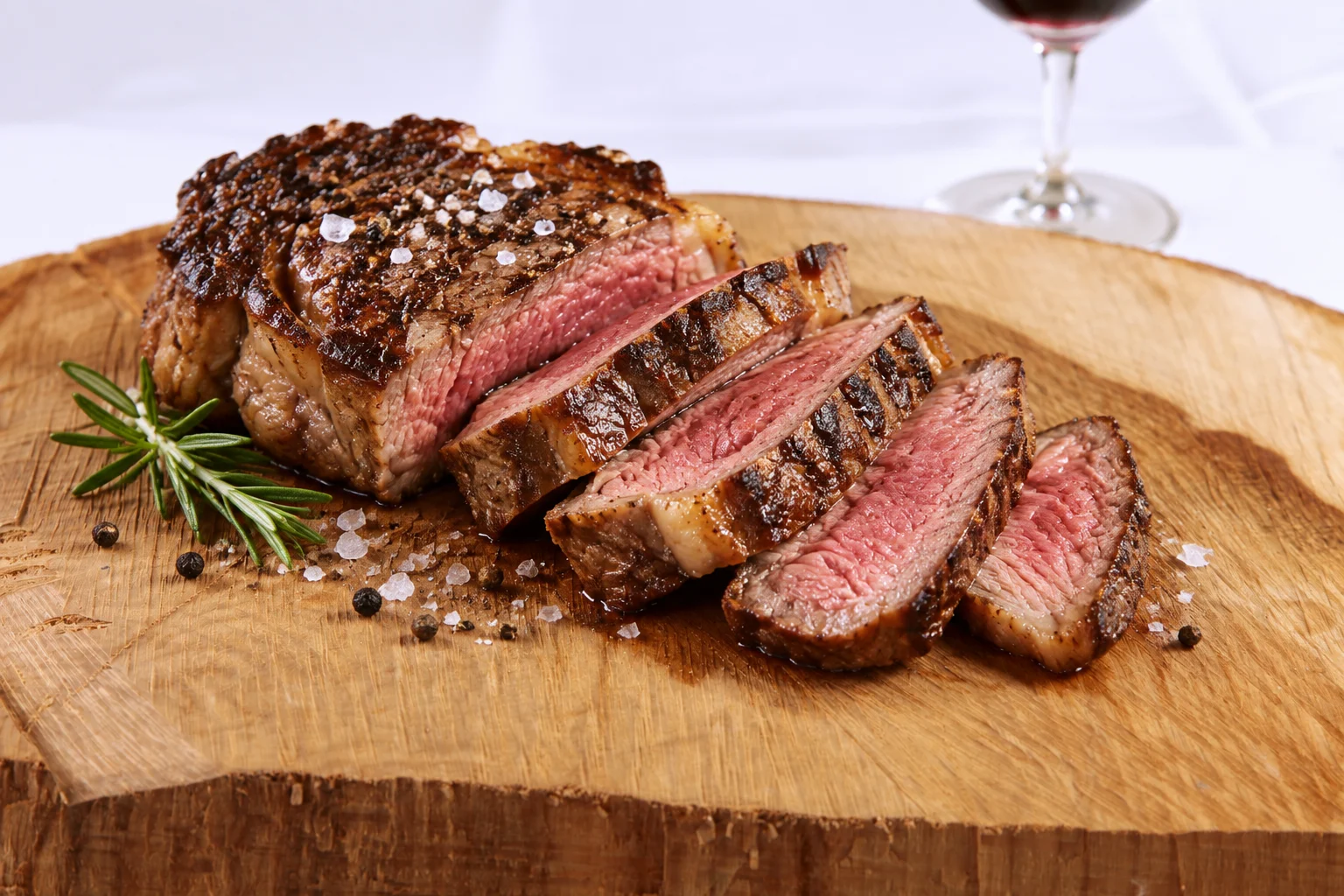
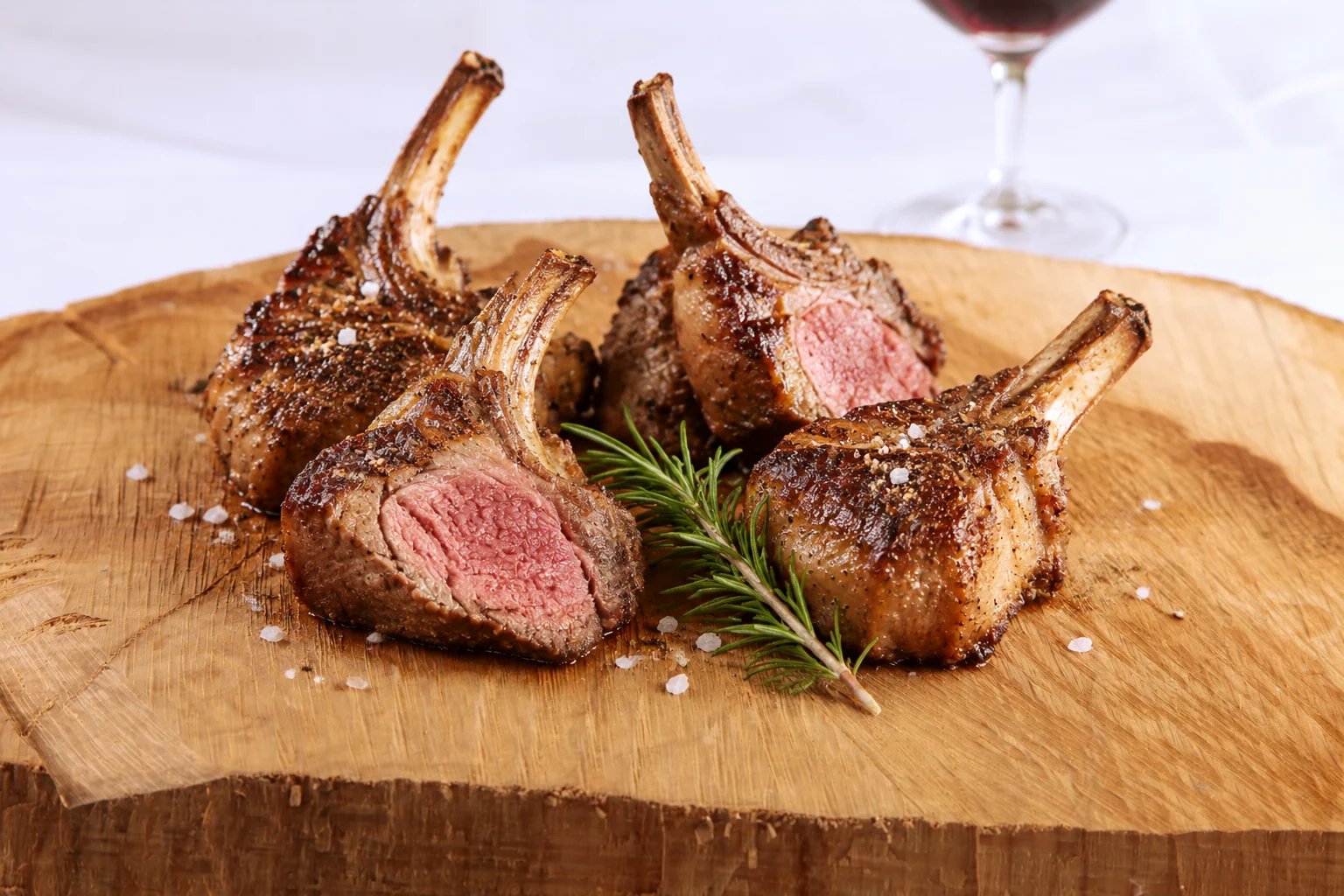
Deze Barbaresco toont een verfijnde mix van donker rood en zwart fruit zoals kers, pruim en bramen, omgeven door tonen van tabak, leer, munt, lavendel, porcini en een subtiele vanille-achtige eik, met strakke tannines en frisse zuurgraad die voor lengte en structuur zorgen. Daardoor werkt de wijn uitstekend bij rundvlees, lam, wild, stevige kazen en rijke stoofschotels: de tannines en zuurgraad snijden door vet en bindweefsel, terwijl de aardse en kruidige aroma’s de umami van paddenstoelen en geroosterd vlees versterken. Vooral gegrild of medium-rare gebraden stukken vlees, langzaam gestoofde runder- of lamschotels, of gerechten met een porcini- of kruidenjus en een krokant kruidenkorst passen bijzonder goed bij deze Sorì Tildìn.
Choose a category to discover dishes that pair well with this wine.
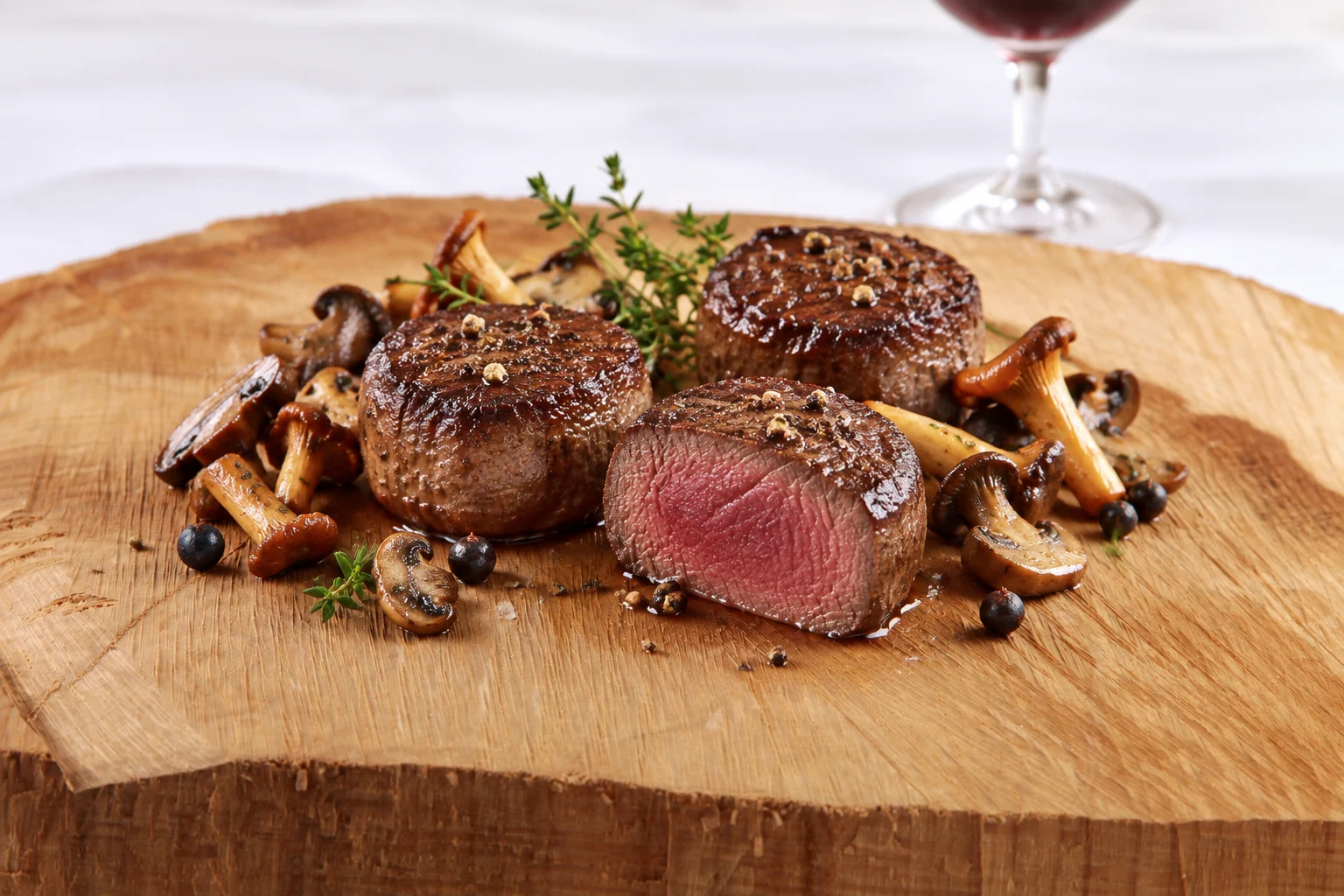
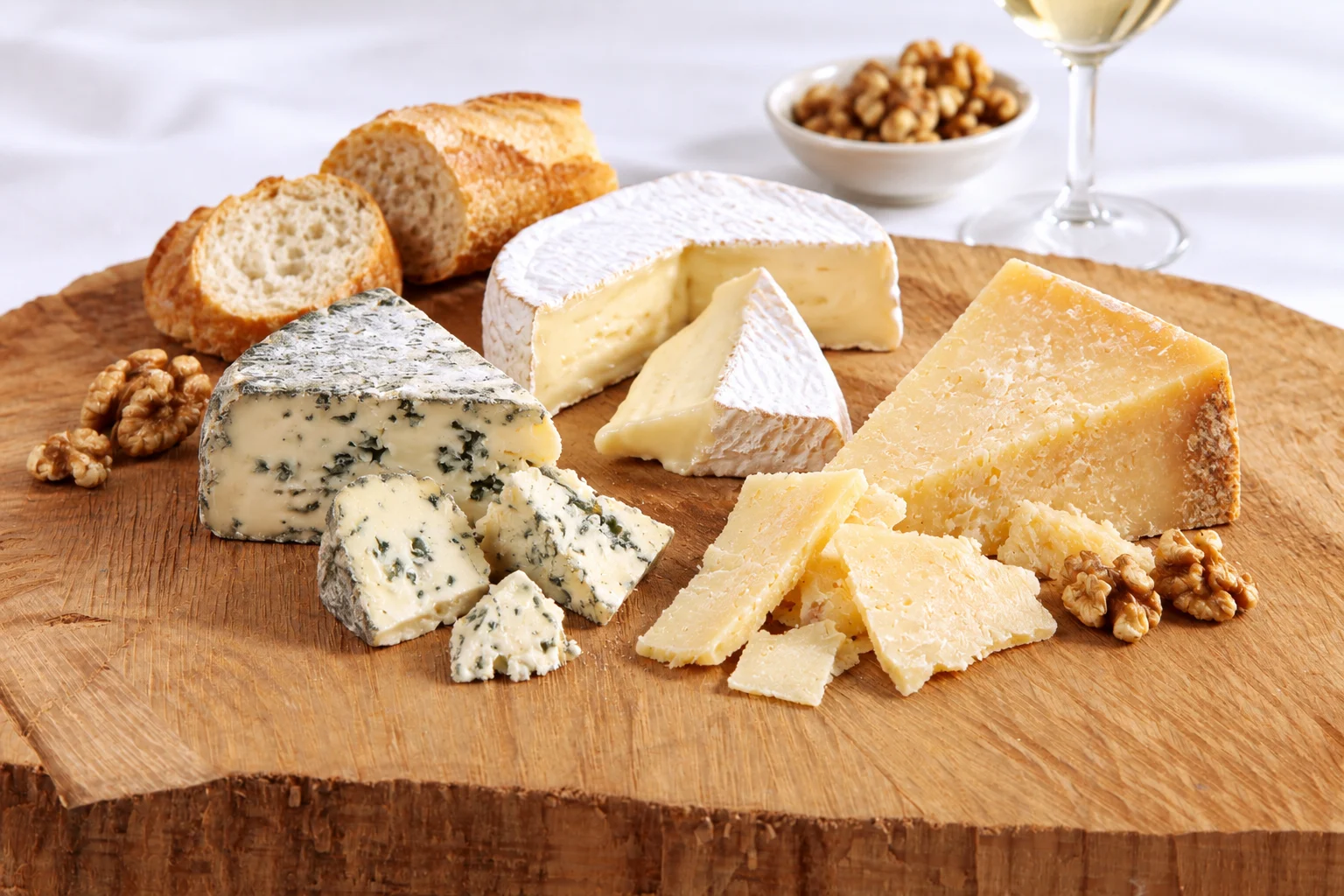
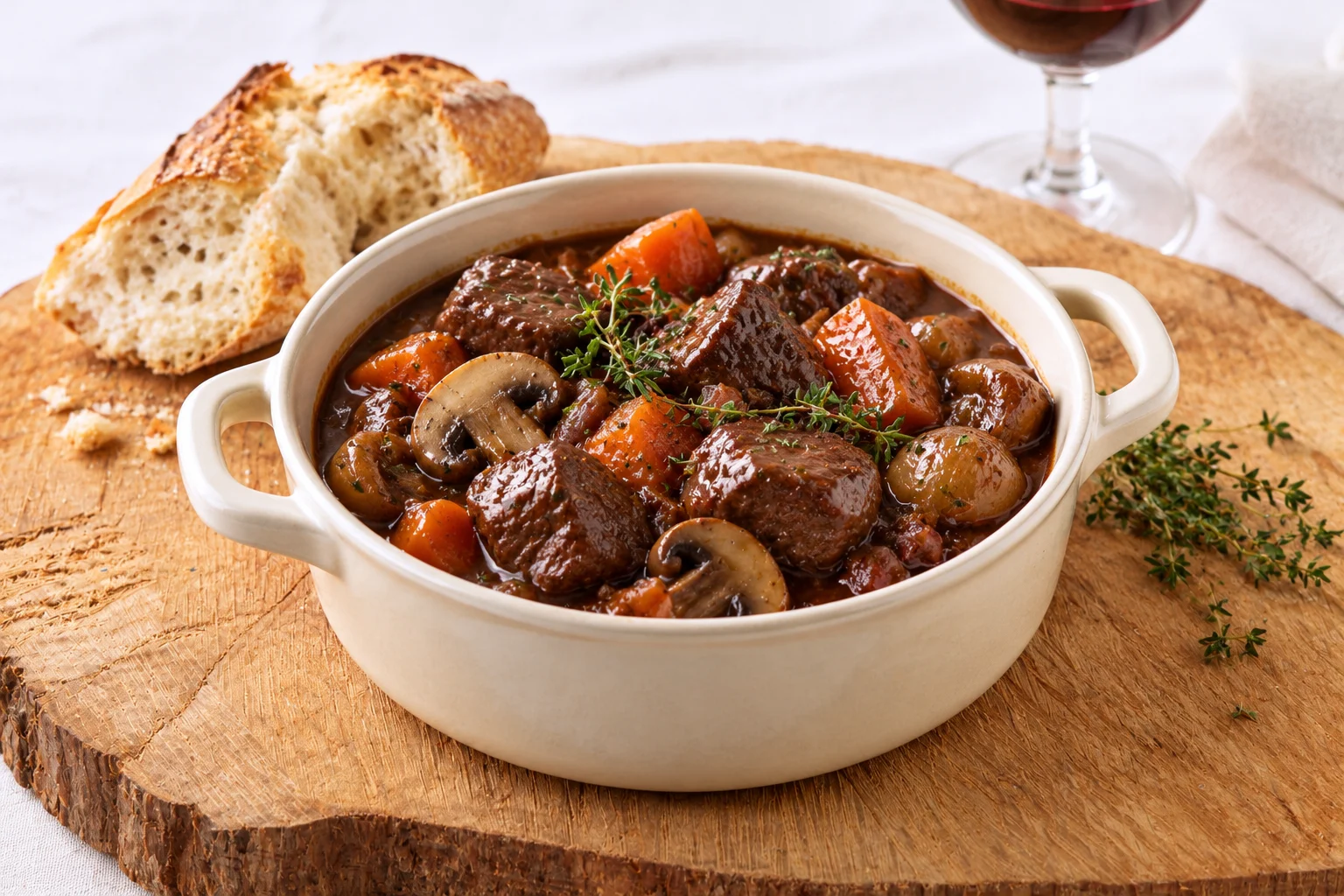
Do you already have a dish in mind?
Let Sommy find wines to pair with your meal.
Discover Wine Trivia
Sign in to unlock fascinating facts about this wine and expand your knowledge.
Sign In