

2009 Champagne Philipponnat Extra Brut Clos des Goisses Magnum
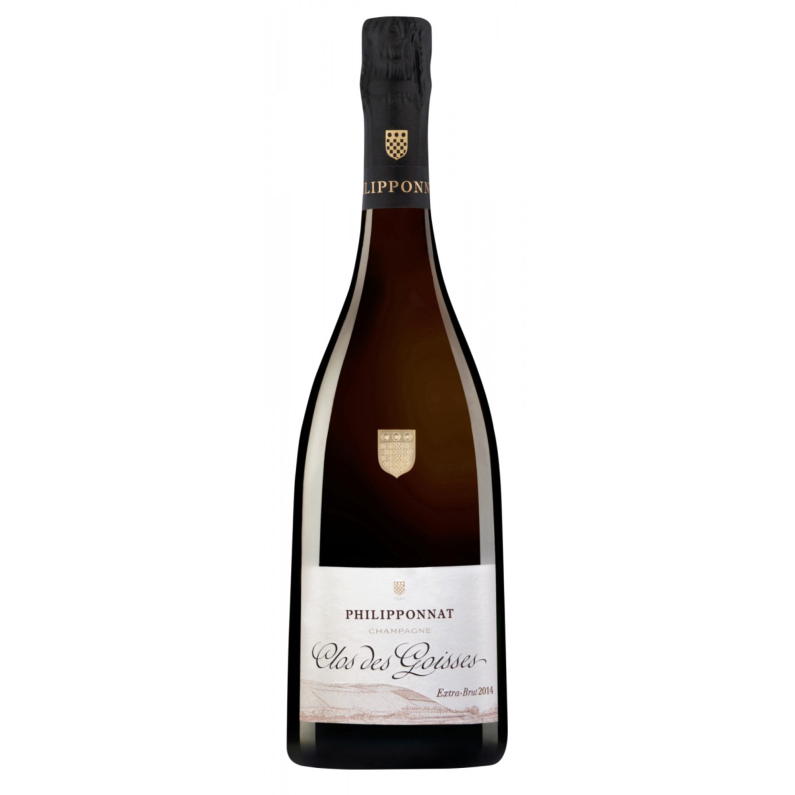
De specificaties zoals vermeld bij de wijn (o.a. wijnjaar) en in de titel zijn leidend en er kunnen geen rechten worden ontleend aan de afbeelding die wordt getoond. Lees meer in onze Frequenty asked questions
Ordering in bulk? Log in to request a quote
Low Stock
Only 1 left
How does this wine taste?
How full and heavy the wine feels in your mouth, like the difference between skimmed milk and cream. More alcohol, sugar and oak ageing make a wine fuller.
How much sugar you taste, from dry to sweet. Fruity is not the same as sweet: a dry wine can taste of ripe fruit.
How fresh and juicy the wine is: acidity makes your mouth water. High acidity tastes lively and refreshing, low acidity soft and round.
What we taste What you taste Click a taste for what it means
The bars follow how sommeliers taste (WSET): body, tannin, sweetness and acidity, each from low to high.
Body: full-bodied. 12.5% alcohol.
Sweetness: extra brut. At most 6 g/l sugar.
Acidity: fairly high. 71% and 29% from the cool climate of Champagne.
Aromas: earthy notes, flowers and red fruit, typical of
Made: in , with a second fermentation in the bottle, as a millésime aged at least 3 years
Nothing noted for this wine yet. What do you smell, and how long does the taste linger?
Have you tasted this wine?
Save your rating and notes.
Save your rating and notes.
Have you tasted this wine?
Log in to save your tasting note.
Log in to save your tasting note.
Log inThe 5.83 hectare vineyard, protected by walls (called a Clos), is one of the few 'clos' in the region and the oldest and steepest in Champagne. It is perfectly exposed, facing south, on the best slope of Mareuil-sur-Ay. It is a truly exceptional terroir where the chalky rock is very close to the surface. Clos des Goisses is the first clos and the first terroir to be vinified and blended separately. It is unique and immediately recognisable due to its extremely steep slope. The slope reaches an angle of 45°, hence the origin of its name: in the local dialect, “Goisses” means a very steep slope.
Partial vinification (64%) in wooden barrels leads to greater complexity without premature oxidation. There is no malolactic fermentation, allowing the natural acidity of the wine to compensate for the powerful character of the terroir. The wine remains on its lees (sur lie) for eight years in bottle, also called second fermentation or “prise de mousse”, at a constant temperature of 12°C in the historic cellars of the house in Mareuil-sur-Ay. The very low dosage (4.25 g/litre) gives full expression to the vinosity and minerality of this exceptional vineyard.
The 2009 Extra Brut Clos des Goisses presents itself magnificently, unfolding in the glass with aromas of warm bread, fresh peach, ripe citrus, candied lemon and fresh pastries. On the palate it is full, deep and layered, with a textural attack that develops into a muscular, tight core that is multi-dimensional and intensely mineral, finishing with a long finish. Only 20,000 bottles were produced—in other words, half of the legal yield. This is a serious, structured Clos des Goisses that will benefit from extended bottle age. Clos des Goisses is a very fine wine before it becomes a very fine Champagne. It is a perfect and memorable match for strong-flavored dishes. In a few years it will pair perfectly with fish or lobster and soft cheeses. Bottles often benefit from being decanted into a carafe. This champagne has matured in the cellar for many years and is only released when it is fully mature, but it can still be kept for decades and will continue to develop beautifully under the right conditions.
FACT : The wine is in our conditioned Wine Warehouse and if you come to pick up the wine you will often also receive a nice discount. You will see the possible discount immediately if you choose Pick up on the Checkout page. We are located almost next to the Rijksweg with plenty of parking. Click here for address.
Character
The wine
- 71%
- 29%
Origin
Bottle
Wine features
Parker
The Wine Advocate
RP 96+
Reviewed by:
William Kelley
Release Price:
NA
Drink Date:
2022 - 2055
The 2009 Extra Brut Clos des Goisses is showing brilliantly, unfurling in the glass with aromas of warm bread, fresh peach, ripe citrus fruit, lemon confit and fresh pastry. On the palate, it's full-bodied, deep and layered, with a textural attack that segues into a muscular, tight-knit core that's multidimensional and intensely mineral, concluding with a long finish. Only 20,000 bottles were produced—in other words, half the legal yield. This is a serious, structured Clos des Goisses that transcends the vintage's tendency to facility, and it will merit and reward extended bottle age.
Charles Philipponnat took the reins at this historic house in Mareuil-sur-Ay in 1999, initiating a remarkable renaissance that continues to this day. The flagship wine remains the Clos des Goisses, first produced in 1935: this steep, south-facing site is one of Champagne's ripest terroirs and produces what is arguably the region's longest-lived wine; it's the source of many of the greatest old Champagnes that I've ever tasted. And I suspect his experience with the Clos des Goisses informs Charles Philipponnat's pursuit of elevated maturity, his decision to generally block malolactic fermentation and his minimalist approach to dosage. Recent years have seen a new series of lieu-dit bottlings from within the Clos des Goisses, taking the idea of terroir Champagne that this house pioneered back in 1935 even further. And my visit this spring was the occasion to become acquainted with the new "L.V."—or "Long Vieillissement"—range, which formalizes Philipponnat's already extant late-disgorgement program. Every year from now on we will witness a new, 25-year-old L.V. release. I intend to make this important house the subject of a more extensive essay in the near future, but for now, all these recent releases come warmly recommended.
Lorem ipsum dolor sit amet, consectetur adipiscing elit. Sed do eiusmod tempor incididunt ut labore et dolore magna aliqua...
Exclusive Content
Sign in to unlock professional wine reviews from world-renowned critics
The history of the Philipponnat family in Champagne goes back to no less than 1697. In the centuries that followed, the family was active in making Champagne for many years. The traditional Champagne House Philipponnat was finally founded in 1910 by Auguste and Pierre Philipponnat. They managed to get hold of beautiful historic cellars, which originated in the 18th century. The house is located in Mareuil-sur-Ay, five kilometers east of Epernay, in the heart of the Champagne region.
The cool cellars are the perfect place for the Champagnes to mature on the yeast cells, giving the wine complexity and fine bubbles. Philipponnat wines undergo a bottle aging of at least two years, but usually even three years. In the case of the Millésimé, this period is even longer. The wine of the Clos des Goisses is even stored in the cellar for years, so that it can keep its fresh and complex character for years.
Philipponnat has a total of 17 hectares of vineyards, all with Grand Cru status. In addition, grapes are purchased from first-class producers in the area. We only work with suppliers who guarantee perfect quality grapes and with whom Philipponnat maintains a long-term relationship. The production is 500,000 bottles per year. The wines mainly use pinot – noir – grapes, which give the wines breadth and complexity.
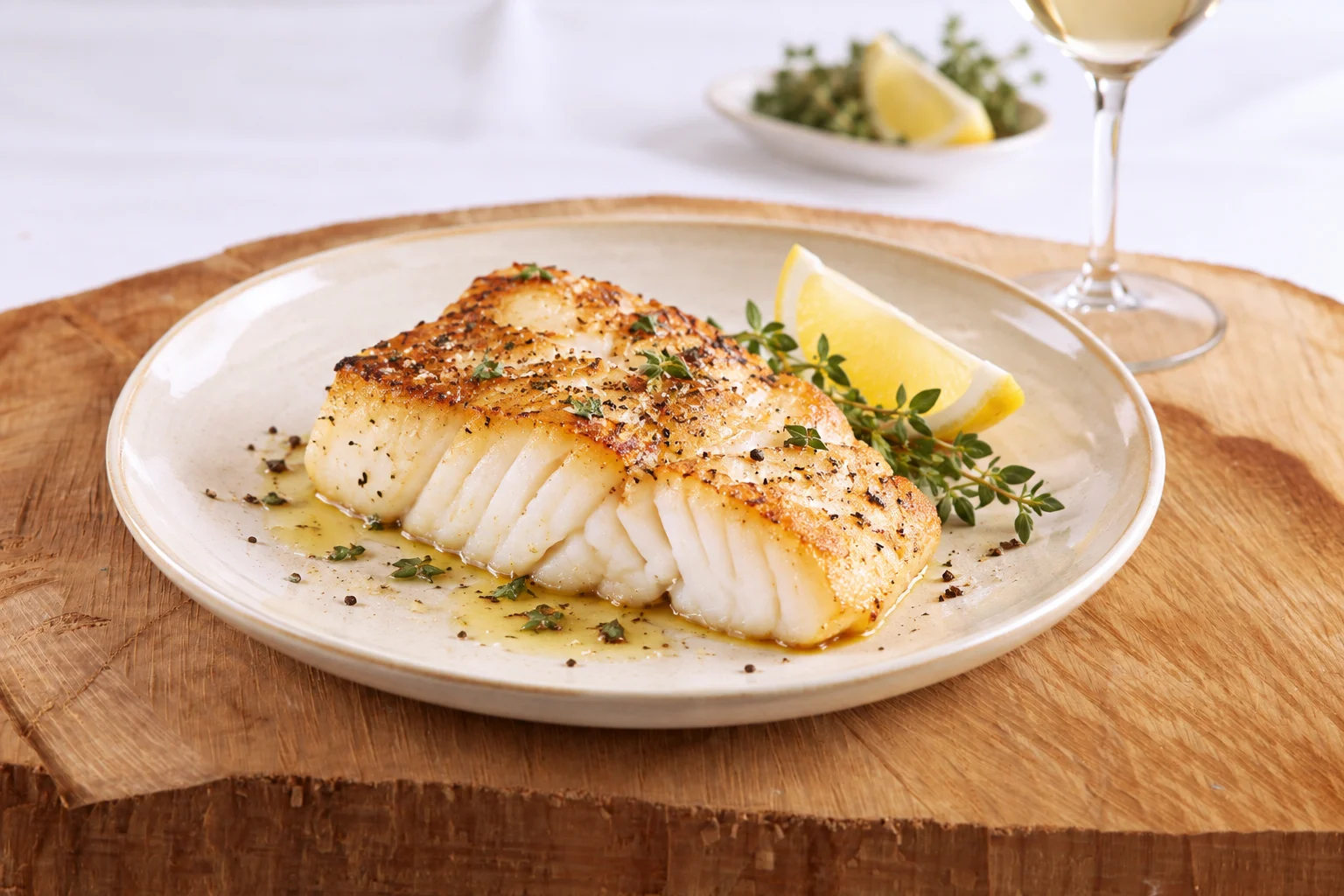
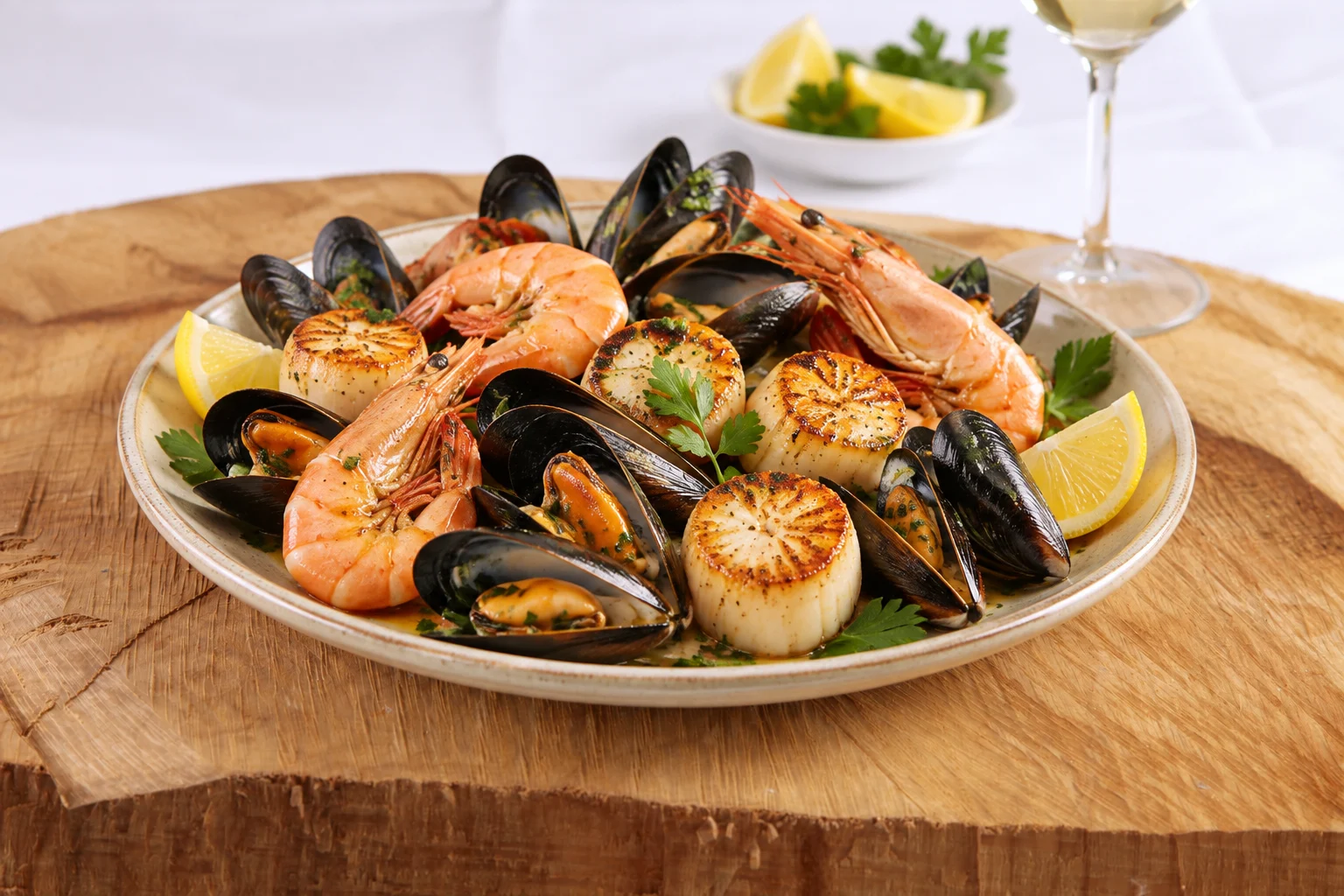
Deze 2009 Philipponnat Clos des Goisses Extra Brut presenteert zich met warme broodtonen, rijpe perzik en gekonfijte citroen naast een volle, gelaagde structuur en een krachtige, zilt-minerale afdronk die elegant wordt gehouden door strakke zuren. Daardoor vormt hij een perfecte partner voor witte vis en delicate schaaldieren omdat hij vet en rijkdom snijdt en accentueert, voor zachte kazen omdat hij de romigheid fris balanceert, en voor feestelijke momenten of borrelhapjes vanwege zijn diepe complexiteit; bereidingen als licht gegrilde of in boter gegaarde kreeft, gestoomde of in de oven gepofte vis met een vleug citroen en verse kruiden, of romige kazenschotels en fijn gesneden sashimi werken bijzonder goed met deze champagne.
Choose a category to discover dishes that pair well with this wine.
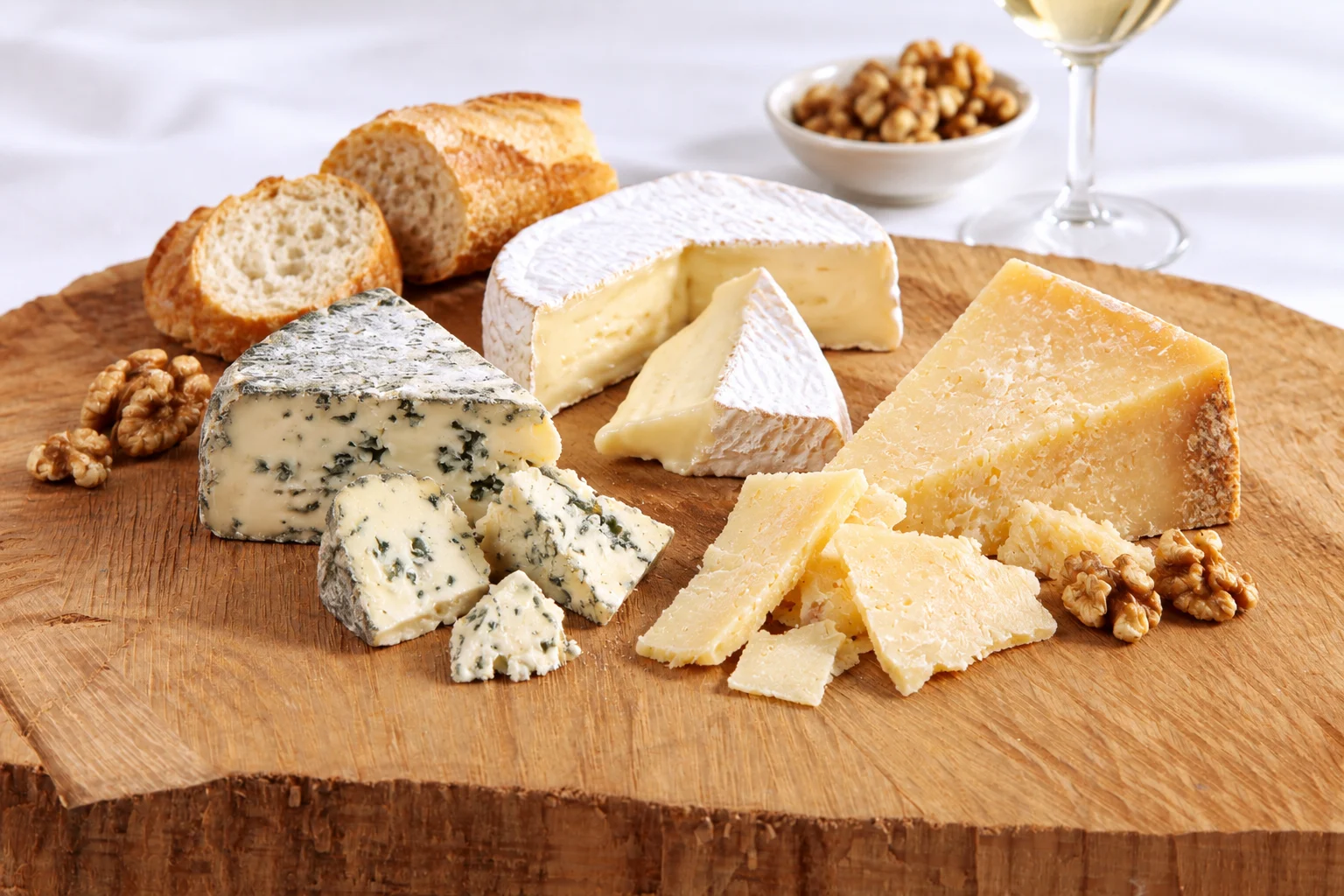
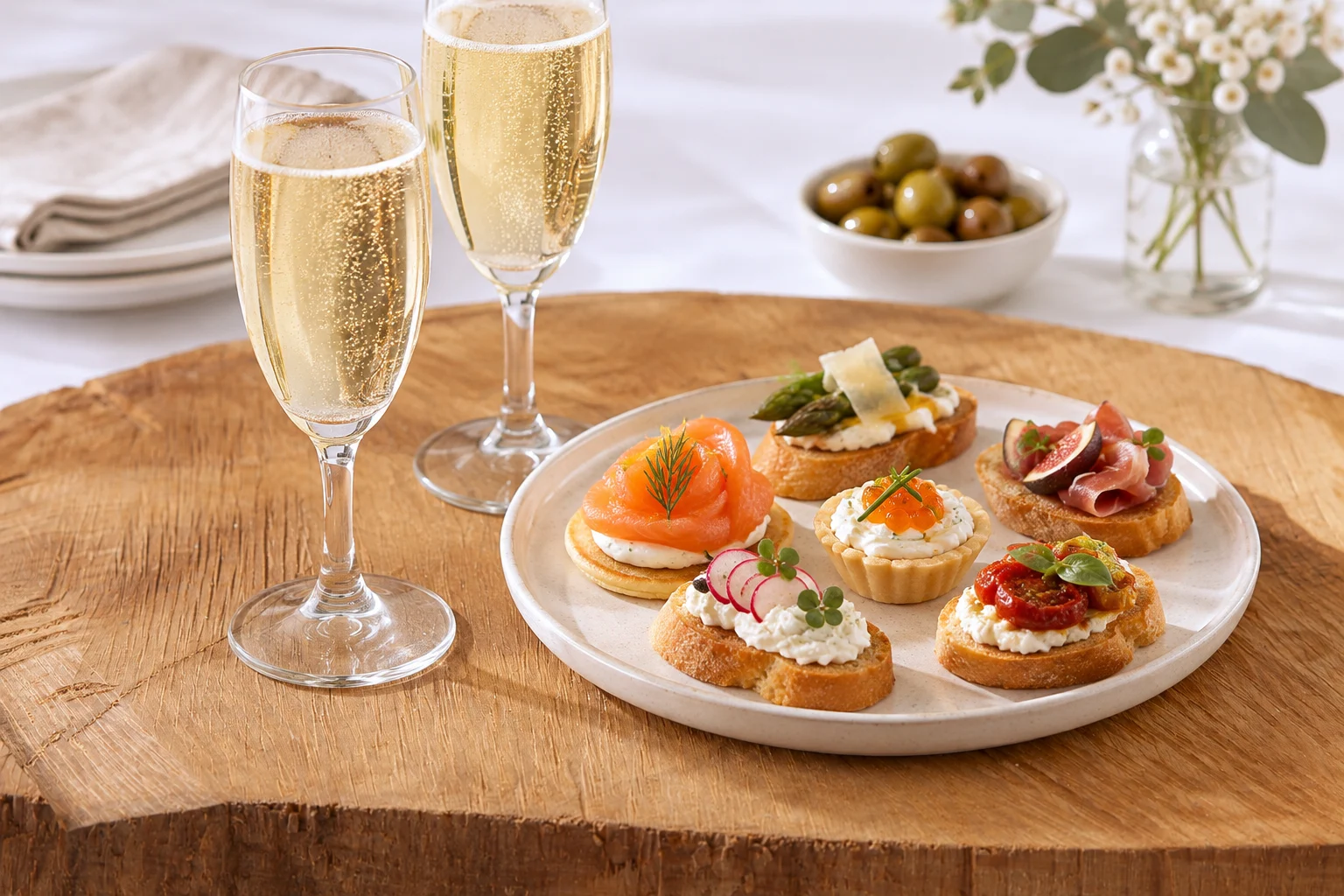
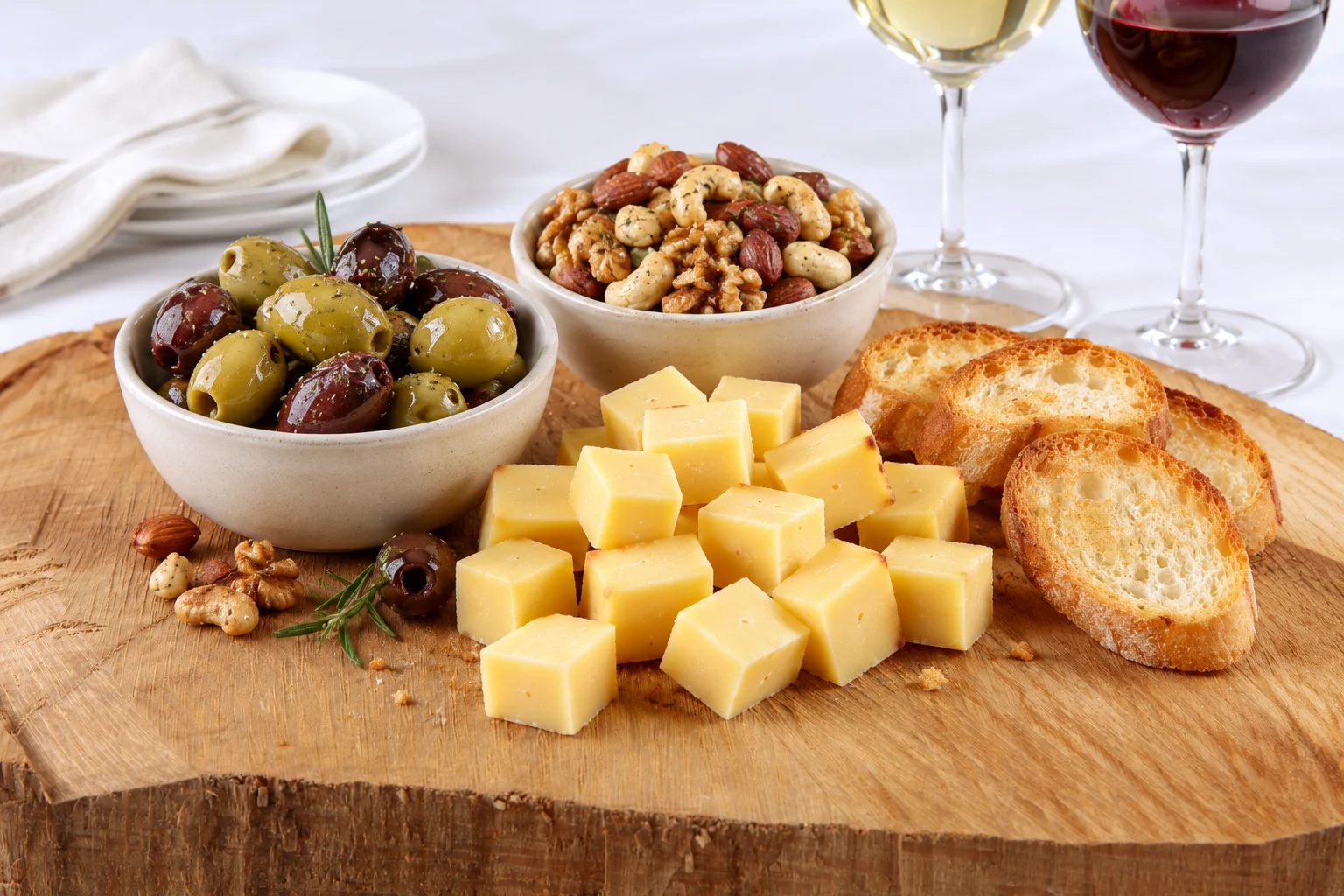
Do you already have a dish in mind?
Let Sommy find wines to pair with your meal.
Discover Wine Trivia
Sign in to unlock fascinating facts about this wine and expand your knowledge.
Sign In

+ 3 more attachments