

1998 Champagne Louis Roederer Rosé Late Release Vignoble de la Rivière
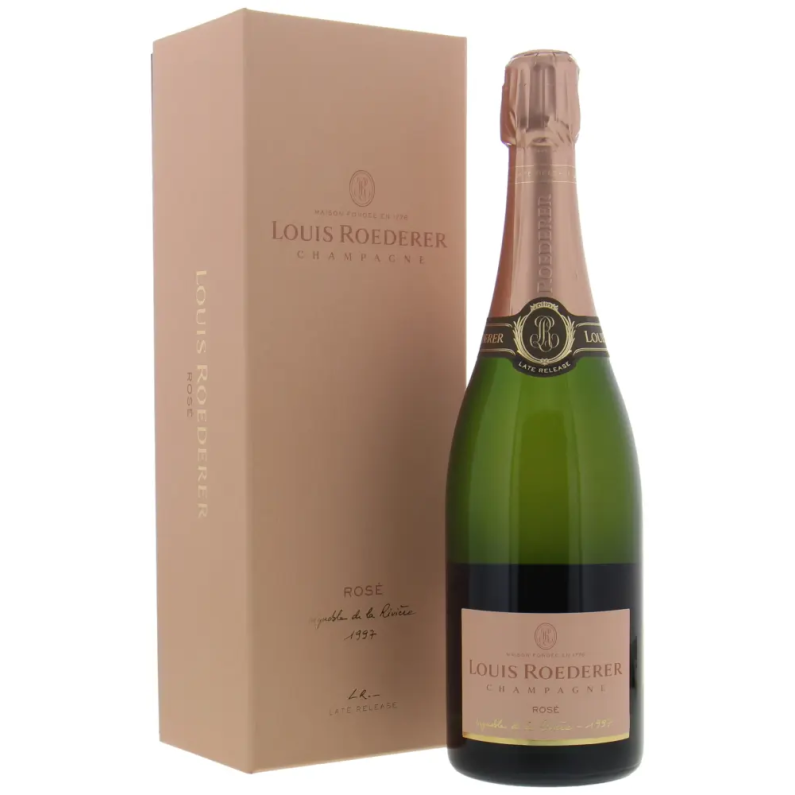
De specificaties zoals vermeld bij de wijn (o.a. wijnjaar) en in de titel zijn leidend en er kunnen geen rechten worden ontleend aan de afbeelding die wordt getoond. Lees meer in onze Frequenty asked questions
| Type of Wine | |
|---|---|
| Country | France |
| Region | |
| Appellation | Champagne |
| Winery | |
| Vintage | 1998 |
| Grape | , |
| Content (Alc) | Standard (0.75 ltr) (12%) |
| Drink window | 2020 - 2040 |
Ordering in bulk? Log in to request a quote
Low Stock
Only 2 left
Notities
Foto
Proefnotities
Heb je deze wijn geproefd?
Bewaar je beoordeling en aantekeningen.
Bewaar je beoordeling en aantekeningen.
Heb je deze wijn geproefd?
Log in om je proefnotitie op te slaan.
Log in om je proefnotitie op te slaan.
Log inHoe wil je je wijn beoordelen?
Max 5 MB. JPG, PNG, WebP.
Hoe smaakt het?
Klik op wat het beste past. Alles is optioneel.
Welke geuren en smaken herken je?
Klik op alles wat je herkent. Dit is optioneel.
Uiterlijk
Neus
Aroma's (neus)
Smaak
Smaken (mond)
Afdronk
Wijngegevens
Automatisch ingevuld vanuit productgegevens.
Persoonlijke gegevens
The House of Louis Roederer and its long tradition of long-term maturation
Louis Roederer is one of the most prestigious Champagne houses, known for its meticulous focus on quality, precision, and extended aging. Founded in the 19th century, the family business recognized early on that exceptional Champagnes are born from exceptional vineyards. Therefore, unlike many other houses, Roederer chose to own and manage a significant portion of its own vineyards. This vision remains one of the cornerstones of the house's style to this day.
Another crucial pillar is the art of aging. Louis Roederer is known for his vast cellar reserves and his ability to allow Champagnes to evolve for decades before release. This Late Release Rosé 1998 is a prime example. It spent many years on its lees, was only disgorged in 2009, and then continued to age in the cellars until its release. This makes this Champagne unique in its complexity and depth.
The terroir of the Vignobles de la Rivière
This rosé is made with grapes from vineyards along the Marne Valley, known for their chalky soils and perfect conditions for Pinot Noir. These vineyards benefit from a unique microclimate where warmth, sunshine, and good drainage ensure optimal grape ripeness. The combination of limestone and light clay layers allows for exceptionally precise expression of fruit, minerality, and tension.
The character of the Marne vineyards gives this rosé both power and finesse. Pinot Noir develops an intense aromatic profile, while Chardonnay provides tension, freshness, and length. In a warm and balanced vintage like 1998, this results in a Champagne with a broad flavor palette and impressive structure.
The grapes: Pinot Noir and Chardonnay in perfect balance
The 1998 Late Release Rosé is blended from 64 percent Pinot Noir and 36 percent Chardonnay. The Pinot Noir forms the heart of the wine, providing structure, depth, and red fruit notes. The Chardonnay offers tension, minerality, and elegance. The interplay of these two grapes produces a Champagne that is both powerful and refined, with a precise balance of fruit, acidity, and texture.
This rosé is prepared using a classic maceration technique, with a portion of Chardonnay added to the Pinot Noir maceration. This not only creates a remarkable color intensity but also an aromatic refinement typical of Louis Roederer's style.
Vinification and long-term maturation
After the 1998 harvest, the grapes were vinified with great attention to delicate extraction. The combination of maceration and subsequent long lees maturation resulted in a rich and layered Champagne. The wine underwent its second fermentation in the bottle, after which it rested for many years in the cellars. This bottle was only disgorged on November 18, 2009, and received a dosage of eight grams per liter, which provides a subtle rounding of the aromatic profile.
After disgorgement, the wine rested for several years in the cellars. This unusually long aging period adds extra depth, complexity, and refinement. It is this combination of long rest and carefully crafted structure that makes the Late Release Rosé 1998 so special.
Color, aroma and taste of the Late Release Rosé 1998
The Champagne displays a subtle amber-pink hue with coppery reflections that reveal its long maturation. The nose is rich and complex, with aromas of red fruit, raspberry, almond, brioche, and delicate spice. There are also nuances of citrus zest, slightly smoky notes, and chalky minerality. The aroma is deep and refined, with a distinct maturity.
On the palate, the wine is full, round, and elegant. The texture is satiny, while the acidity still offers freshness and tension. The palate reveals layers of ripe red fruit, orange peel, dried flowers, almond, and a subtle bitterness that adds complexity. The minerality is bright and makes the long, dry finish particularly refined. The mousse is fine and delicate, befitting a Champagne with such a long bottle age.
A wine aged for more than 15 years: how does it develop?
This Champagne is over fifteen years old and has undergone impressive evolution over that time. The aromas have deepened, the structure has softened, and the mousse has acquired a refined elegance. Yet, the wine remains remarkably vibrant. It's unique to see how a rosé Champagne matures into a wine that displays both intense maturity and clear tension. Upon opening, it's always a surprise to see how far the wine has developed and whether its riper notes have deepened or, conversely, fully opened up. This is precisely what makes older Champagnes so fascinating for connoisseurs.
Would you like to order Louis Roederer wines online?
If available, you'll find the official fact sheet and additional information about this fine wine in the "Attachments" tab. We'll automatically send you this information when you order this wine. The wine is stored in our climate-controlled Wine Warehouse, and if you pick it up, you'll often receive a nice discount. You'll see your discount immediately when you select "Pick up" at the checkout page. We're located in Dordrecht, right next to the A16 motorway, with ample parking.
You can read the full wine reviews from Parker, Suckling, Vinous, and Wine Spectator, among others.
Need advice on finding the perfect wine to pair with your dish? Click on our exclusive Sommelier. Free for Grand Cru customers.
Wine and food pairings
- Tuna tartare with sesame and lime. The saltiness and freshness complement the vibrant acidity perfectly.
- Veal fillet with a light citrus sauce. The refined texture of the meat complements the soft mousse.
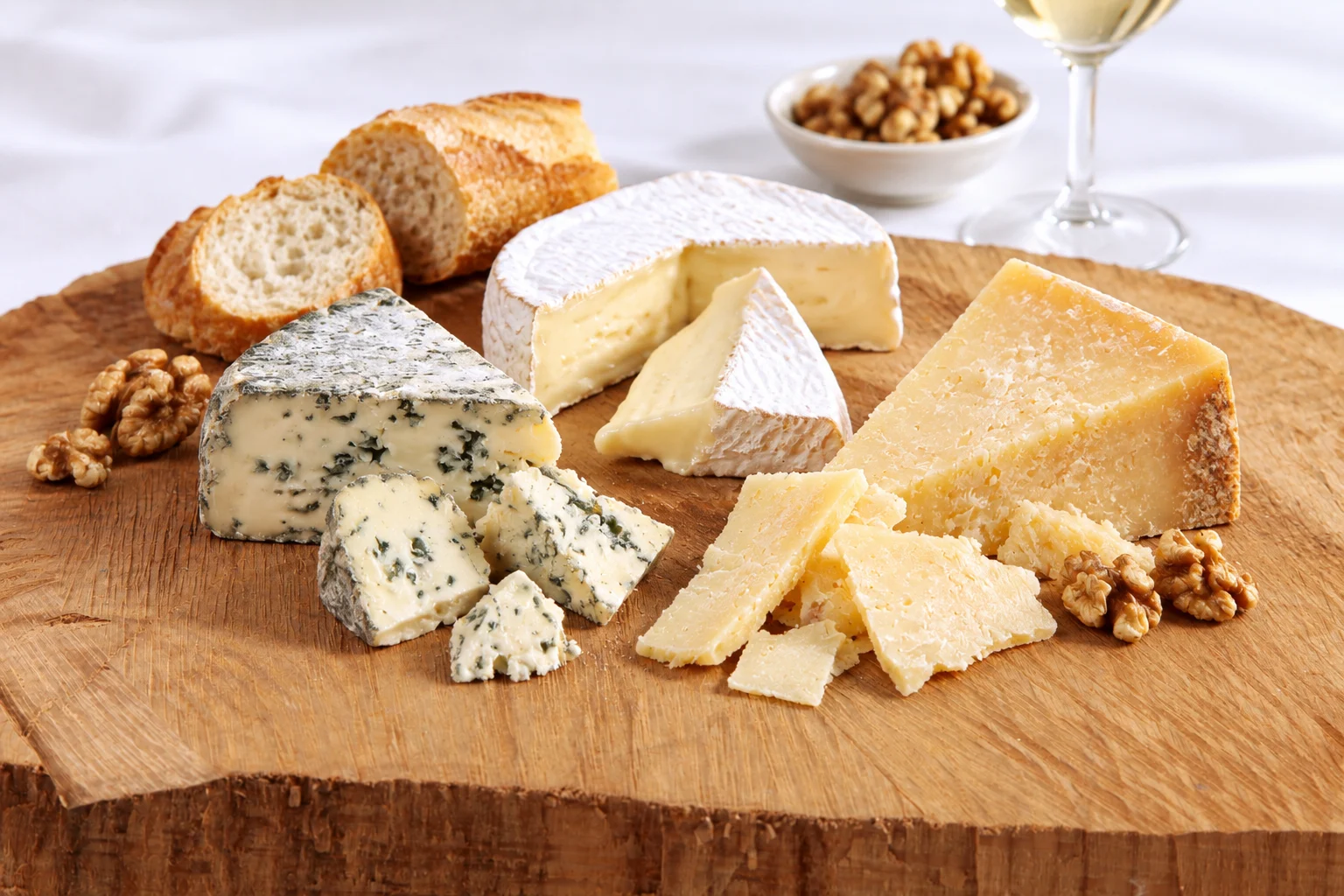
- Mature Comté with almond. The ripe nuttiness enhances the complexity of the Champagne.
- Sea bass with grapefruit and fresh herbs. The citrus notes make it refined and refreshing.
- Lightly roasted duck breast with raspberry glaze. The fruity depth of the rosé is a perfect partner.
| Type of Wine | Rosé |
|---|---|
| Country | France |
| Region | Champagne |
| Appellation | Champagne |
| Icons | Icon France |
| Winery | Louis Roederer |
| Grape | Chardonnay, Pinot Noir |
| Biological certified | No |
| Natural wine | No |
| Vegan | No |
| Vintage | 1998 |
| Drinking as of | 2020 |
| Drinking till | 2040 |
| Alcohol % | 12 |
| Alcohol free/low | No |
| Content | Standard (0.75 ltr) |
| Oak aging | Yes |
| Sparkling | Yes |
| Dessert wine | No |
| Closure | Cork |
| Tasting Profiles | Complex, Droog, Mineraal, Rond, Rood fruit, Vol |
| Drink moments | Iets te vieren, Indruk maken, Lekker luxe |
| Sommy Pairing Beschrijving | Deze rosé uit 1998 toont rijp rood fruit en framboos naast sinaasappelschil, amandel, brioche en een kalkachtige mineraliteit, met een fijne mousse en frisse zuren die de rijke textuur elegant dragen. Dankzij die combinatie snijdt de wijn door vette of umami-rijke soorten heen en versterkt hij ziltige en citrusachtige smaken, waardoor hij perfect samengaat met tonijntartaar, gegrilde of kort aangebakken tonijn, zeebaars met grapefruit en lichte kruiden, geroosterde eend met frambozenglacé en gerijpte kazen zoals Comté. Extra goede resultaten bereik je met bereidingen waarin citrus of licht zoutende elementen aanwezig zijn, bijvoorbeeld tonijn tartaar met limoen en sesam, zeebaars gegrilld en afgewerkt met verse kruiden of licht geroosterde eendenborst met een compote van rood fruit. |
100/100
No written review available.
Louis Roederer is a prestigious champagne producer based in the Champagne region of France. The House of Louis Roederer is known for its commitment to quality, traditional winemaking methods and its signature cuvée, Cristal.
History of Louis Roederer
Louis Roederer was founded in 1776 by a German wine merchant named Louis Roederer. The house started as a wine shop and became involved in the production of Champagne in the early 19th century. In 1827, Louis Roederer's cousin, Adolphe Roederer, took over the business. Adolphe played a crucial role in the expansion and growth of this producer. He traveled extensively to build relationships with European courts, including the Russian Imperial Court. In 1876, Louis Roederer created the iconic Cristal Champagne. It was originally produced exclusively for the Russian Tsars and was presented in a crystal clear bottle, which is the origin of the name 'Cristal'. Louis Roederer remained a family business for many years. However, in 1932 the Rouzaud family, relatives of the Roederer family, took over the house. The Rouzaud family owns and manages Louis Roederer to this day. Like many companies in Champagne, Louis Roederer faced challenges during the World Wars, including damage to their cellars. Despite these difficulties, they persevered and continued to produce exceptional champagne. Louis Roederer has a long history of producing high quality champagnes. They are known for their traditional winemaking methods, including hand harvesting, fermentation in oak barrels and long-term aging in cellars.
Cristal
One of the most famous Champagnes produced by Louis Roederer is Cristal. Created in 1876, Cristal is a prestigious and luxurious cuvée originally produced for the Russian Tsars. It is typically a blend of Chardonnay and Pinot Noir grapes with Chardonnay as the dominant grape variety. They are known for their exceptional quality, elegance and aging potential. It is known for its fine, persistent bubbles, a rich and creamy texture and a harmonious balance of flavors and aromas. Cristal is highly regarded by wine critics and collectors worldwide. It consistently receives high ratings and is considered one of the best Champagnes available. Bottles of Cristal are often collected and aged for special occasions. The clear crystal bottle in which Cristal was originally presented was changed to a conventional bottle design in the early 20th century. This change was made to protect the taste and quality of the wine, as the clear glass was found to be sensitive to light exposure. Today, Cristal is usually bottled in an elegant, clear glass bottle with gold packaging.
Louis Roederer's vineyards
Louis Roederer owns and manages vineyards in the best Champagne crus, including the Grand Cru vineyards of Verzenay, Verzy and Ay, among others. These vineyards supply the grapes for their exceptional wines.
Assortment by Louis Roederer
In addition to Cristal, Louis Roederer produces a range of other champagnes, including Brut Premier, Vintage Brut, Rosé and Blanc de Blancs. These wines suit a wide range of preferences and occasions. Louis Roederer's Champagnes have received critical acclaim from wine critics and publications around the world and are considered some of the finest Champagnes produced in the region.
Deze rosé uit 1998 toont rijp rood fruit en framboos naast sinaasappelschil, amandel, brioche en een kalkachtige mineraliteit, met een fijne mousse en frisse zuren die de rijke textuur elegant dragen. Dankzij die combinatie snijdt de wijn door vette of umami-rijke soorten heen en versterkt hij ziltige en citrusachtige smaken, waardoor hij perfect samengaat met tonijntartaar, gegrilde of kort aangebakken tonijn, zeebaars met grapefruit en lichte kruiden, geroosterde eend met frambozenglacé en gerijpte kazen zoals Comté. Extra goede resultaten bereik je met bereidingen waarin citrus of licht zoutende elementen aanwezig zijn, bijvoorbeeld tonijn tartaar met limoen en sesam, zeebaars gegrilld en afgewerkt met verse kruiden of licht geroosterde eendenborst met een compote van rood fruit.
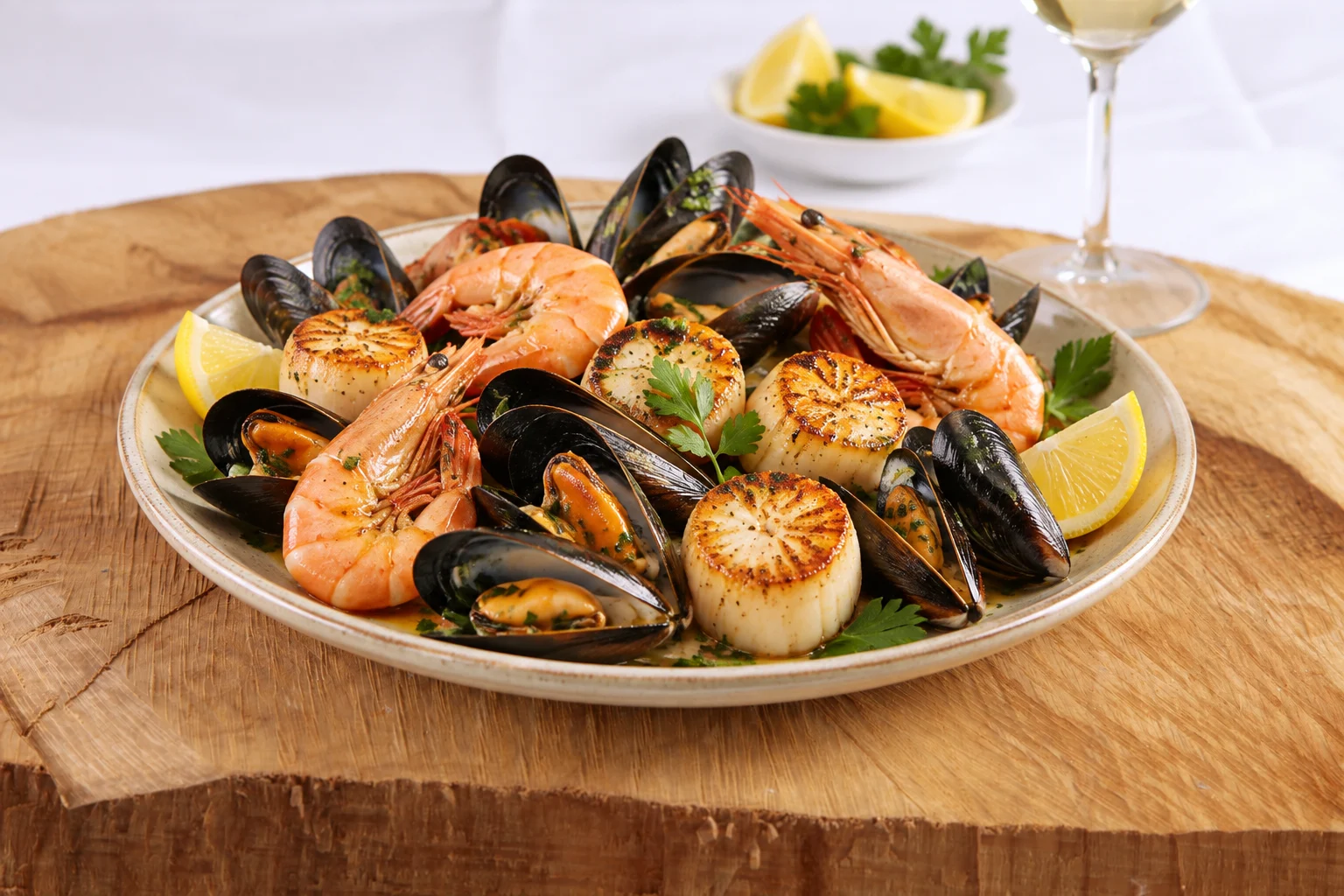
Choose a category to discover dishes that pair well with this wine.
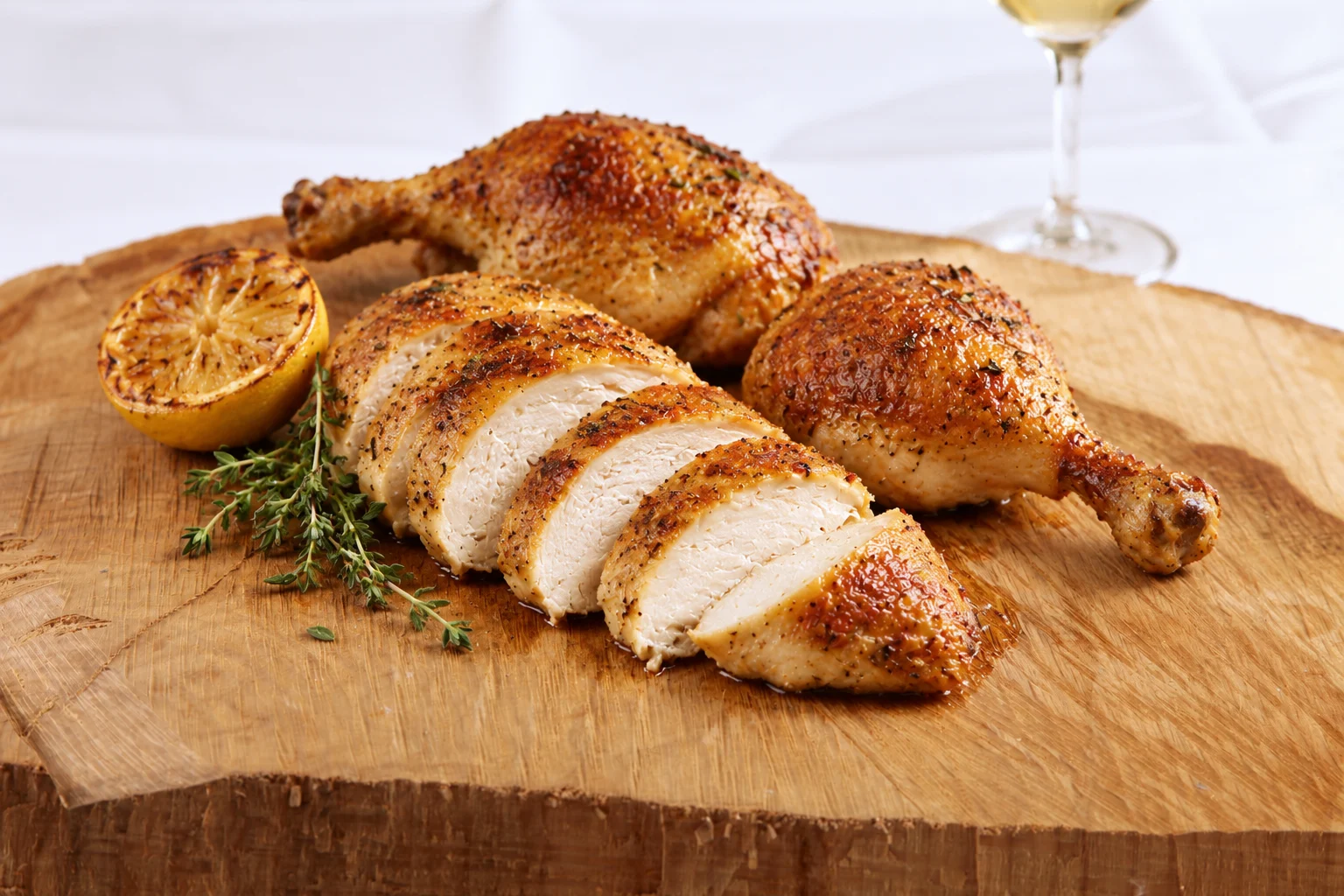
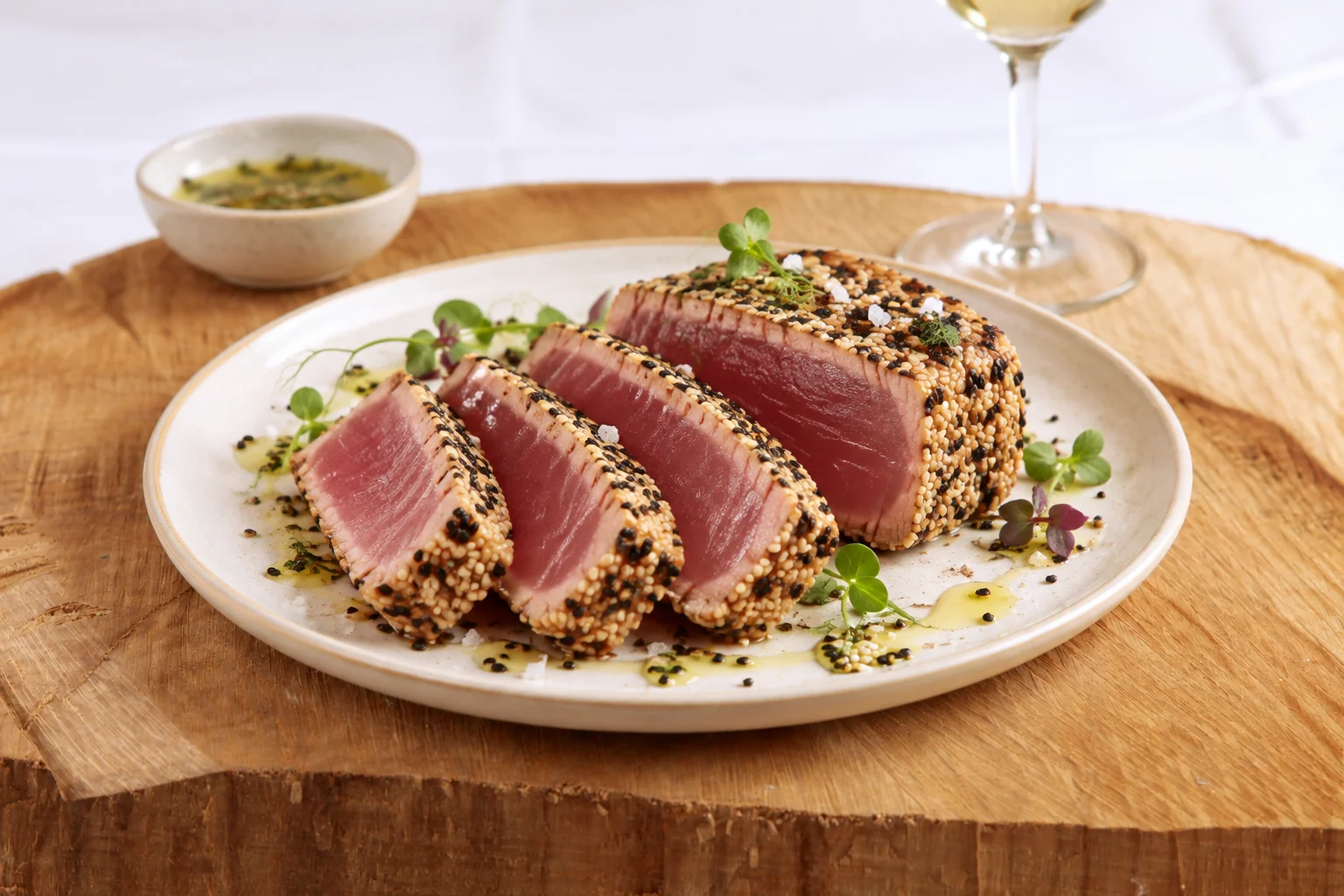
Do you already have a dish in mind?
Let Sommy find wines to pair with your meal.
Discover Wine Trivia
Sign in to unlock fascinating facts about this wine and expand your knowledge.
Sign In