

Equipo Navazos La Bota de Oloroso Nº 116 Montilla

De specificaties zoals vermeld bij de wijn (o.a. wijnjaar) en in de titel zijn leidend en er kunnen geen rechten worden ontleend aan de afbeelding die wordt getoond. Lees meer in onze Frequenty asked questions
How does this wine taste?
How full and heavy the wine feels in your mouth, like the difference between skimmed milk and cream. More alcohol, sugar and oak ageing make a wine fuller.
How much sugar you taste, from dry to sweet. Fruity is not the same as sweet: a dry wine can taste of ripe fruit.
How fresh and juicy the wine is: acidity makes your mouth water. High acidity tastes lively and refreshing, low acidity soft and round.
What we taste What you taste Click a taste for what it means
The bars follow how sommeliers taste (WSET): body, tannin, sweetness and acidity, each from low to high.
Body: powerful. A fortified wine.
Sweetness: dry. Oloroso is always dry.
Acidity: medium. From .
Aromas: orchard fruit, typical of
Made: oloroso ages with air, without a layer of yeast
Nothing noted for this wine yet. What do you smell, and how long does the taste linger?
Have you tasted this wine?
Save your rating and notes.
Save your rating and notes.
Have you tasted this wine?
Log in to save your tasting note.
Log in to save your tasting note.
Log inWith release number 74 we go back the same solera in Montilla where release number 46 came from namely Pérez Barquero, where Rafael Cordoba, co-owner of Pérez Barquero, has been managing the vineyards and vines with exceptional care for decades. He is a master at obtaining truly excellent musts, both yema (first pressing) and color (second press). With this second pressing, locally called "vino de coloro", the expert winemaker Juan Márquez produces their Olorososo. La Bota de Oloroso # 74 "Montilla" comes from the same solera as number 46 but is now used again in a very small edition so this wine is five years older than its predecessor, La Bota de Oloroso nº 46 and means that the La Bota de Oloroso nº 74 is around 30 years old
Drink it in small glasses (riesling or white wine) in small quantities and cool (around 12º / 13ºC), to soften the intensity of its powerful structure. The complex scent of this Oloroso is powerful and refined with notes of orange, licorice, pepper, and dark chocolate. In the mouth the wine is powerful, persistent and with a surprising acidity.
94/100 Parker
Character
The wine
- 100%
Origin
Bottle
Wine features
Parker
The NV La Bota de Oloroso 116 Montilla follows the wines numbered 74 and 46, from four barrels they selected. It's another textbook example of the category, perhaps a little drier and more vertical, with Pedro Ximenez aromas and hints of peaches, varnish and hazelnuts. It comes from a solera of Pedro Ximénez wines from the cellars of Pérez-Barquero in Montilla that has been aged oxidatively for an average of 30 years. I find finesse, velvet and glycerin in this wine, which makes it closer to the character of a Palo Cortado. This summer 2022 bottling is 3,000 bottles.
Equipo Navazos keeps churning out bottlings of incredible wines of high-quality sherries. I had not tasted their wines for a while, so there were a lot of wines to taste. During the pandemic years, they celebrated their 15th anniversary and 100th new wine (either with a new name or a new vintage). I have now tasted up to their 118th wine... They have been really influential, almost inventing and recovering styles and a type of project that others are now following. They have also branched into more spirits, vermouth and even vinegar, which I didn't taste!
Lorem ipsum dolor sit amet, consectetur adipiscing elit. Sed do eiusmod tempor incididunt ut labore et dolore magna aliqua...
Exclusive Content
Sign in to unlock professional wine reviews from world-renowned critics
Equipo Navazos makes sherry trendy again. Jesús Barquín is a prophet and he believes in sherry. Under the name Equipo Navazos, he and his close friend Eduardo Ojeda are responsible for a recent - albeit modest - revival of attention to sherry. Recently he was in Amsterdam to spread his happy message. We listened and tasted with him. Every time Jesús Barquín has to explain again how and especially why he got so addicted to sherry. He is a professor at the University of Granada in the field of criminology. Besides his work, he is a great wine lover and he writes about wine. For example, he co-authored the book about Rioja that appeared in the prestigious series The Finest Wines of… and last year a book by him and Peter Liem about sherry was published. He is therefore a connoisseur and lover of Spanish wines in general and sherry in particular.
The first barrel
In Andalusia, its residential area, Jesús Barquín regularly visits the cellars where the barrels of sherry are kept. During one of those visits in 2005, he tastes an older amontillado from a certain barrel that he clearly likes better than the same wine from other barrels. That barrel has to be emptied soon to store new wine, the owner says. Jesús then decides to approach a number of wine friends with the proposal to buy the barrel and bottle the contents themselves for private use. The label of this first bottling under the name La Bota de Amontillado no.1 stated in large letters not for sale.
Barquín not only makes his about forty wine friends very happy with it, he also draws the attention of writing colleagues at home and abroad. Jesús: “The first bottling was purely for private use. We did not want to compete with the existing wine trade. But when a second bottling also received a lot of publicity, we decided in consultation with producers and traders to offer the sherries we selected for sale. That benefits the entire sherry business. ”
Greedy
The wines selected by Jesús and Eduardo are marketed under the name Equipo Navazos. In addition to a name, each new bottling also receives a number. But what is most striking: the bottles are flying out the door! And that for sherry, a wine that has been in the dark for years with a gigantic image problem. Why are the wines of Equipo Navazo so very hip and popular? Jesús: “Because they are so good. We bottle the best the sherry area has to offer. Many people think that we are only treasure hunters, treasure hunters who know their way around the warehouses of small and large sherry houses and select the treasures to bottle there. But that is not true. Or rather: no longer true. Indeed, we only select what we find interesting, but then we treat the wine in our own way: we bottle it straight from the barrel, with as little filtration as possible, for example. That is very important for the taste. Our fino can therefore also be much more yellow than usual.
Moreover, we are currently also in the middle of the process of making our own wine from purchased grapes. Our wines range from a sparkling wine and a Florpower - un fortified 'sherry' of 100% palomino fino - to our own version of the PX. ” When making wine yourself, Jesús benefits greatly from the input of Eduardo Ojeda. He is production director at Grupo Estévez, which includes the bodegas La Guita in Sanlúcar and Valdespino in Jerez.
The Florpower 2010 is one of the last releases and is already completely sold out, says Barquín proudly, but fortunately he brought a few bottles for this tasting. Limited availability is one of the secrets of Equipo Navazos' success; each edition contains only 3 to 6 thousand bottles. The stuff is almost impossible to get and that makes many wine lovers worldwide very greedy.
Niepoort method
Incidentally, the idea to release a non-fortified sherry does not come from Equipo Navazos himself, but from another wine celebrity: Dirk van der Niepoort. He came to Andalusia to make the first edition of the Navazos Niepoort in 2008. A wine made according to the classic method - in large, not quite full barrels, so that the flor has the opportunity to grow - but without adding alcohol. The idea that an alcohol percentage of 15% is necessary for the flor to thrive is dismissed by Jesús as nonsensical. Old books show that fortifying the wine was only applied much later.
The low-alcoholic Niepoort Navazos turned out to be a fresh, crispy sherry with a lot of character and quickly became popular. Why then a second non-fortified wine under the name Florpower? Jesús: “This is called spreading risk. Due to an unexpected temperature change in the summer of 2009, the flor suddenly disappeared and the wrong bacteria got the upper hand. We were able to use only ten of the forty barrels of young wine. In 2010 we chose to make a part according to the 'Niepoort method', with grapes from Jerez and a fermentation and long stay in barrels, and another part in a new way. The Florpower comes from grapes from Sanlúcar de Barrameda and of the 32 months that it has been under the flor it has only 8 on barrel. The rest of the time it matures on stainless steel tanks. They have become two wines that are so different that it is justified to release them side by side. ”
Top wine
Is what Equipo Navazos only creating a lot of fuss about? In other words: is the old wine in new bottles, or is the hype justified? The latter is certainly the case. What they bring is really the crème de la crème of what the sherry area has to offer. We may have to admit that we hardly remember what top wines from this area can taste like. Taste a La Bota 42 Manzanilla or a La Bota 37 Amontillado and try to remember which wine comes close to these two wines in complexity and taste finesse. Then you automatically come up with wines with a world reputation.
A note about the prices. Indeed, Equipo Navazos wines are not cheap. A quote from Jancis Roberson in this regard: 'They are not cheap. But then nor is Grand Cru Burgundy. " In other words, it is just what you compare them to. In the top wine category they are still cheap!
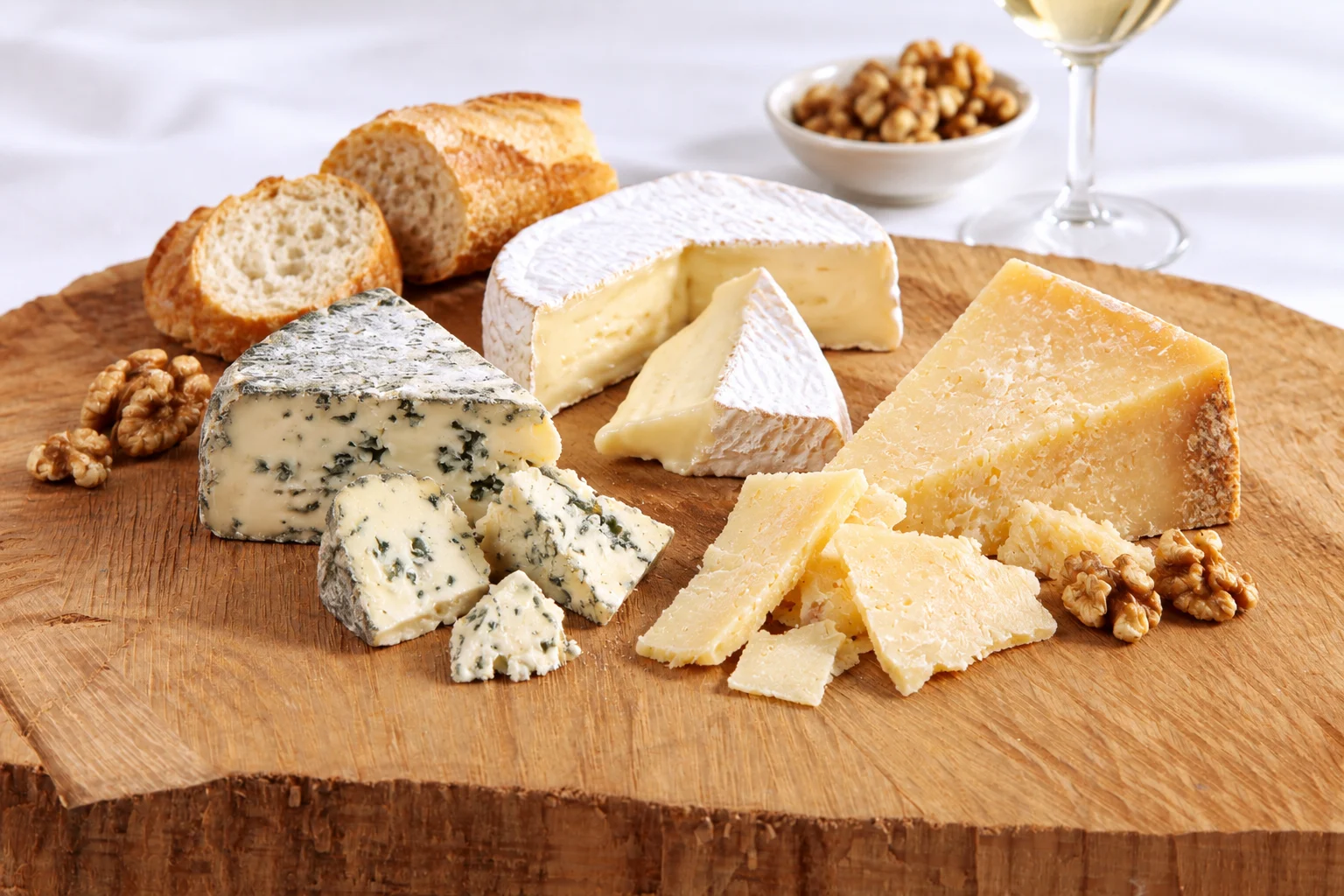
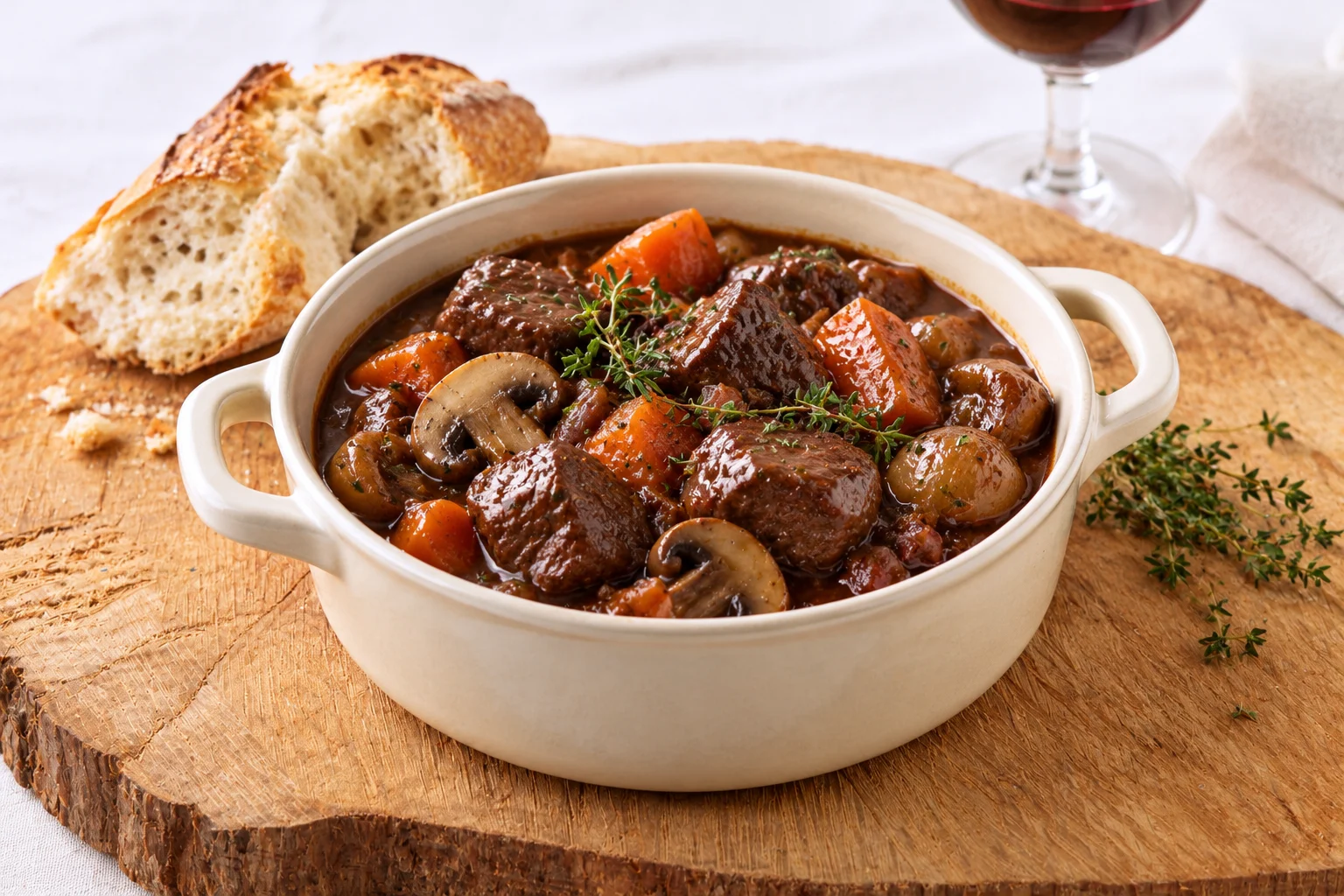
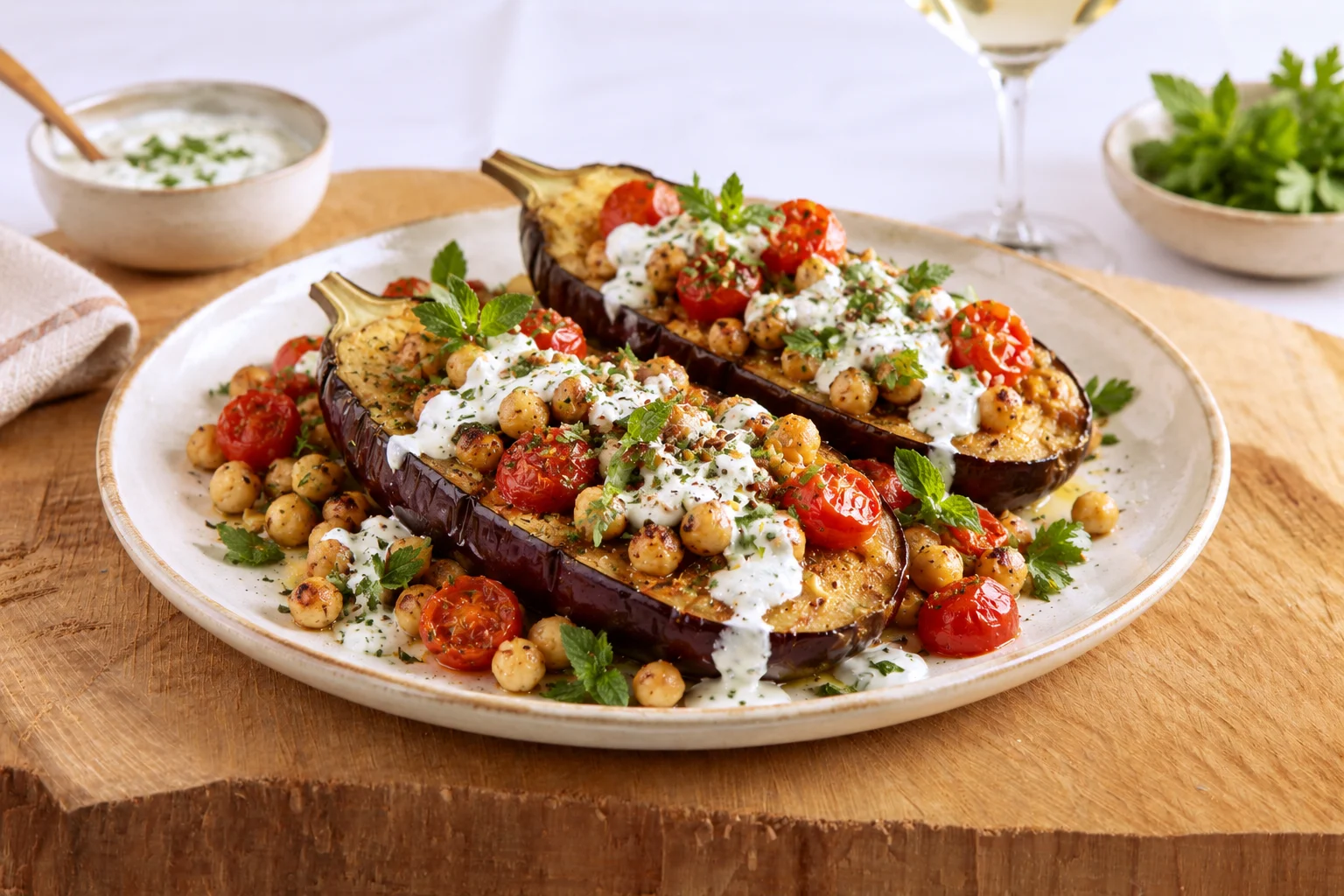
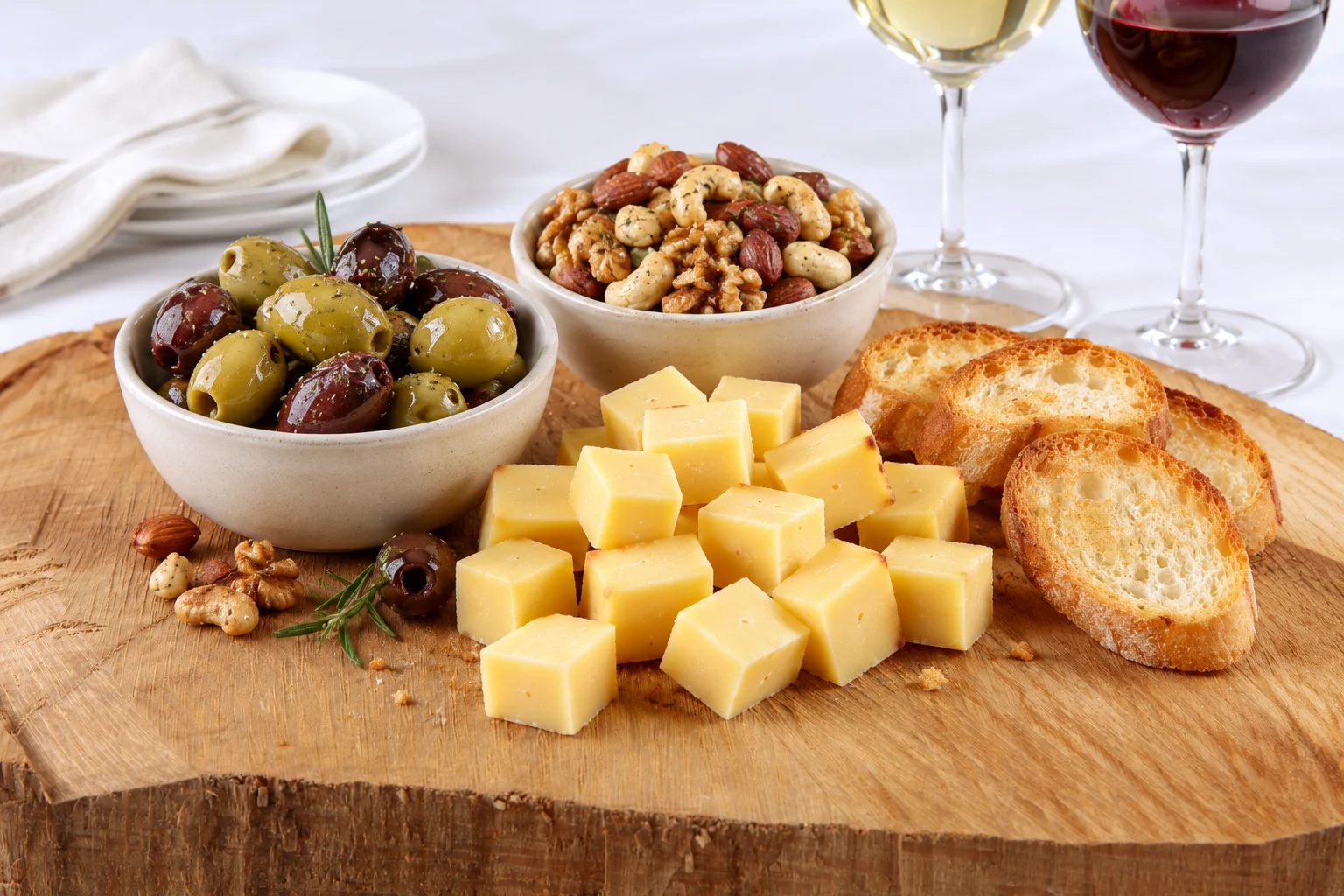
Equipo Navazos La Bota de Oloroso Nº 116 “Montilla” toont een intens, droog profiel met geroosterde hazelnoten, rijp steenfruit en subtiele vernisachtige tonen, een fluwelige glycerinerijke textuur en een strakke, lange afdronk. Daardoor sluit hij perfect aan bij oude harde kazen en borrelhapjes omdat de notige en hartige accenten de zoutheid en complexiteit van gerijpte kazen en charcuterie versterken, en bij stoofschotels en vegetarische gerechten met umami omdat de oxidatieve rijping tegenwicht biedt aan rijke, geconcentreerde sauzen. Kies voor krachtige bereidingen zoals een langzaam gestoofd rundvlees in rode wijn of tomaat, een risotto met gebakken paddenstoelen of geroosterde wortel en gekarameliseerde ui, of serveer hem bij een plank met oude Manchego en geroosterde noten om de beste combinatie te ervaren.
Choose a category to discover dishes that pair well with this wine.
Do you already have a dish in mind?
Let Sommy find wines to pair with your meal.
Discover Wine Trivia
Sign in to unlock fascinating facts about this wine and expand your knowledge.
Sign In