

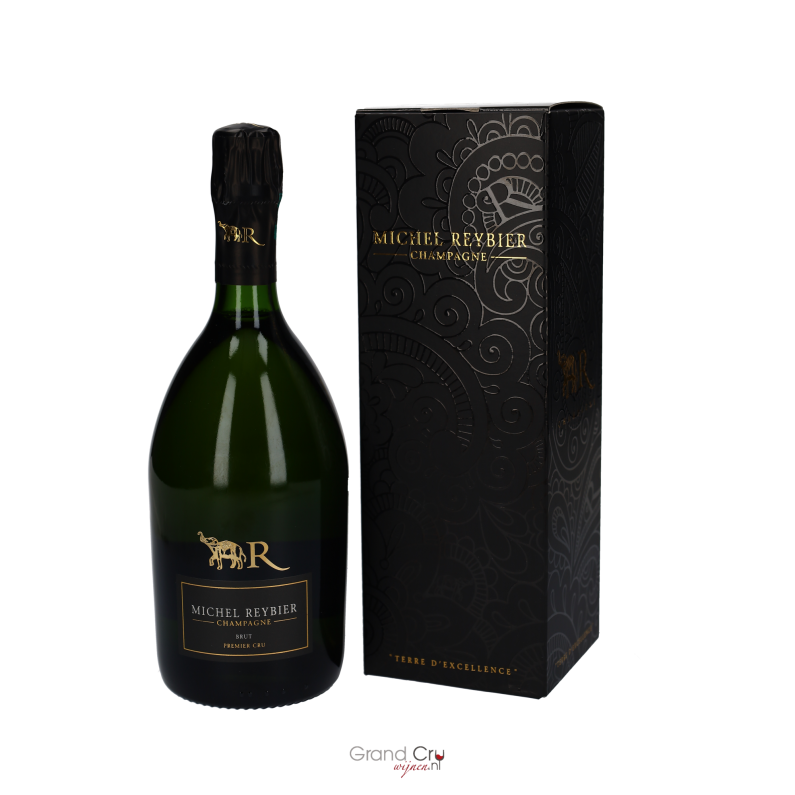
Champagne Michel Reybier Brut Premier Cru
How does this wine taste?
How full and heavy the wine feels in your mouth, like the difference between skimmed milk and cream. More alcohol, sugar and oak ageing make a wine fuller.
How much sugar you taste, from dry to sweet. Fruity is not the same as sweet: a dry wine can taste of ripe fruit.
How fresh and juicy the wine is: acidity makes your mouth water. High acidity tastes lively and refreshing, low acidity soft and round.
What we taste What you taste Click a taste for what it means
The bars follow how sommeliers taste (WSET): body, tannin, sweetness and acidity, each from low to high.
Sweetness: brut. At most 12 g/l sugar.
Acidity: high. The cool climate of Champagne.
Made: in , with a second fermentation in the bottle, aged at least 15 months
Nothing noted for this wine yet. What do you smell, and how long does the taste linger?
Have you tasted this wine?
Save your rating and notes.
Save your rating and notes.
Have you tasted this wine?
Log in to save your tasting note.
Log in to save your tasting note.
Log inConnoisseurs may recognize the golden symbol (the elephant) of Cos D'Estournel on the bottle. There is certainly a reason for this, because the owner, Michel Reybier, is a French entrepreneur who has owned the prestigious Château Cos d'Estournel in Bordeaux since 2000. In addition to his involvement in the wine industry, Reybier has invested in the luxury hotel sector, with properties such as La Réserve in Geneva, Paris and Ramatuelle. His investments also extend to the medical sector, with involvement in institutions such as Genolier Swiss Medical Network and Nescens, a brand focused on anti-aging and well-being.
He has his own champagne of 70% Chardonnay and 30% Pinot Noir from only 1er Cru vineyards and he makes this in very small quantities and it is mainly served at his Resorts and Wellness locations and given the target group and exclusivity this is of excellent quality.
The Champagne Michel Reybier Brut Premier Cru is a refined sparkling wine characterized by a brilliant golden color and a mineral and fruity bouquet. The palate is tender and gastronomic, with subtle hints of toast, a remarkable fullness and a refined, lively dosage.
Character
The wine
Origin
Bottle
Wine features
- Deuxième Grand Cru Classé en 1855
Château Cos d'Estournel is a winery in the Saint-Estèphe appellation in the Bordeaux region of France. It is also the name of the red wine produced by this property. The wine produced here was classified as one of fifteen Deuxièmes Crus (Second Growths) in the original Bordeaux Wine Official Classification of 1855.
Château Cos d'Estournel produces the eponymous grand vin, the second wine since the 1994 vintage, Les Pagodes de Cos from the estate's younger vines, as well as Château Marbuzet from fruit from nearby plots. The property is adjacent to Château Lafite-Rothschild in the neighboring commune of Pauillac. The name Cos refers to a "mound of pebbles" in the Gascon dialect and the name Cos d'Estournel was given in 1810 by Louis-Gaspard d'Estournel.
The estate has changed hands several times throughout its history, beginning in 1852 when it was purchased by English banker Charles Cecil Martyns. In 1869 it was sold to the Spanish Errazu family, only to be sold again 20 years later, in 1889, to the Hostein family from Bordeaux. Through his marriage to Marie-Thérèse Hostein, Louis-Victor Charmolue, who also owned Château Montrose, acquired control of Cos d'Estournel in 1894. In 1917 it was sold to Fernand Ginestet. The chateau has remained in the Ginestet family ever since, becoming part of Domaines Prats in 1970, the combined property of the Ginestet and Prats families, and controlled by Bruno Prats.
In June 2008, it was announced that Michel Reybier, the current owner of Cos d'Estournel, has purchased Napa winery Chateau Montelena. However, in November 2008, this agreement was canceled, the termination of the transaction by Chateau Montelena allegedly due to the fact that Reybier Investments had "been unable to meet its obligations". From an estate of 100 hectares, the vineyard area extends over 70 hectares (170 acres), divided into 30 parcels, mainly composed of the grape varieties 60% Cabernet Sauvignon and 40% Merlot, with a small cultivation of Cabernet Franc and Petit verdot that seems participate too little in modern production. Annual production is typically 32,000 cases.
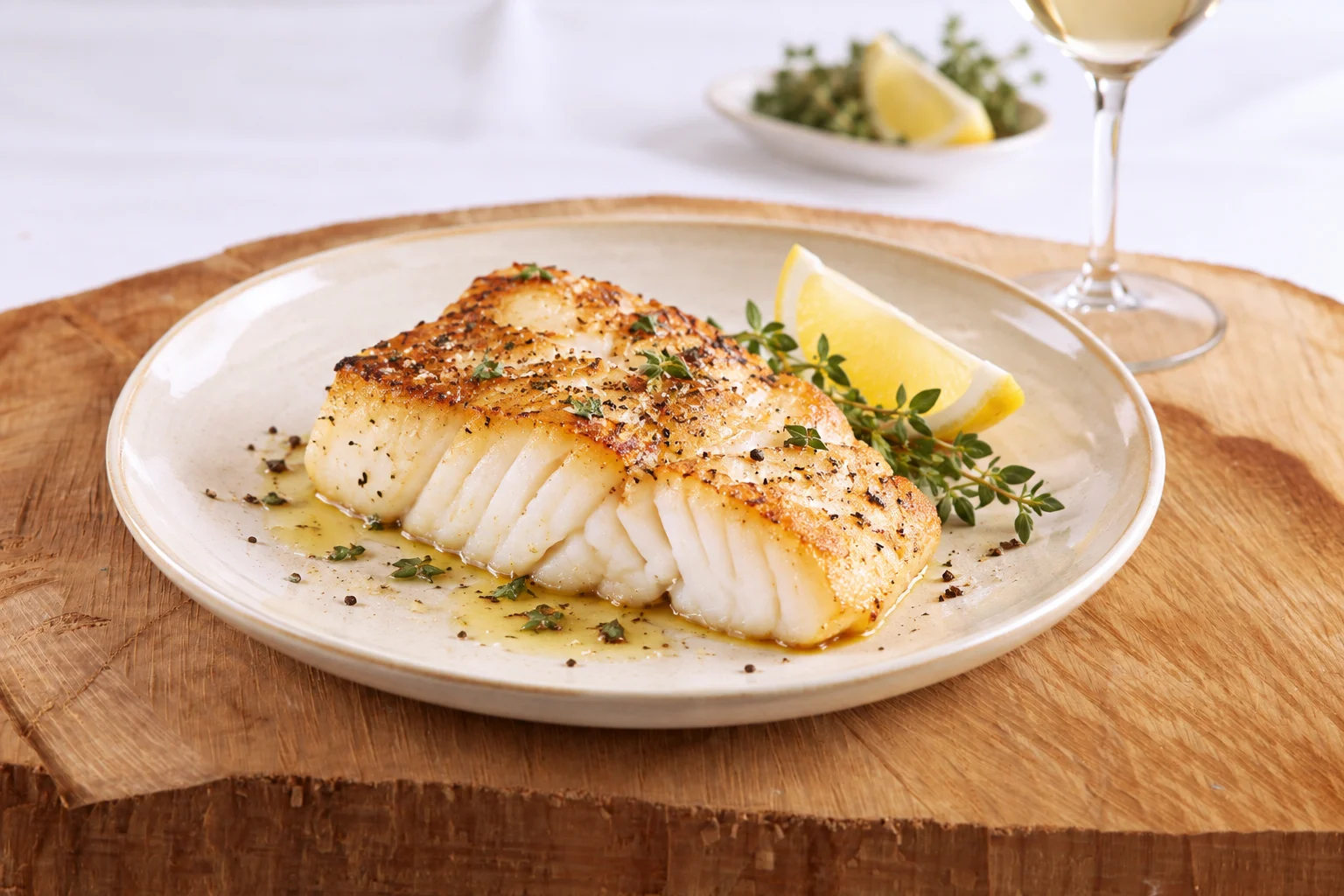
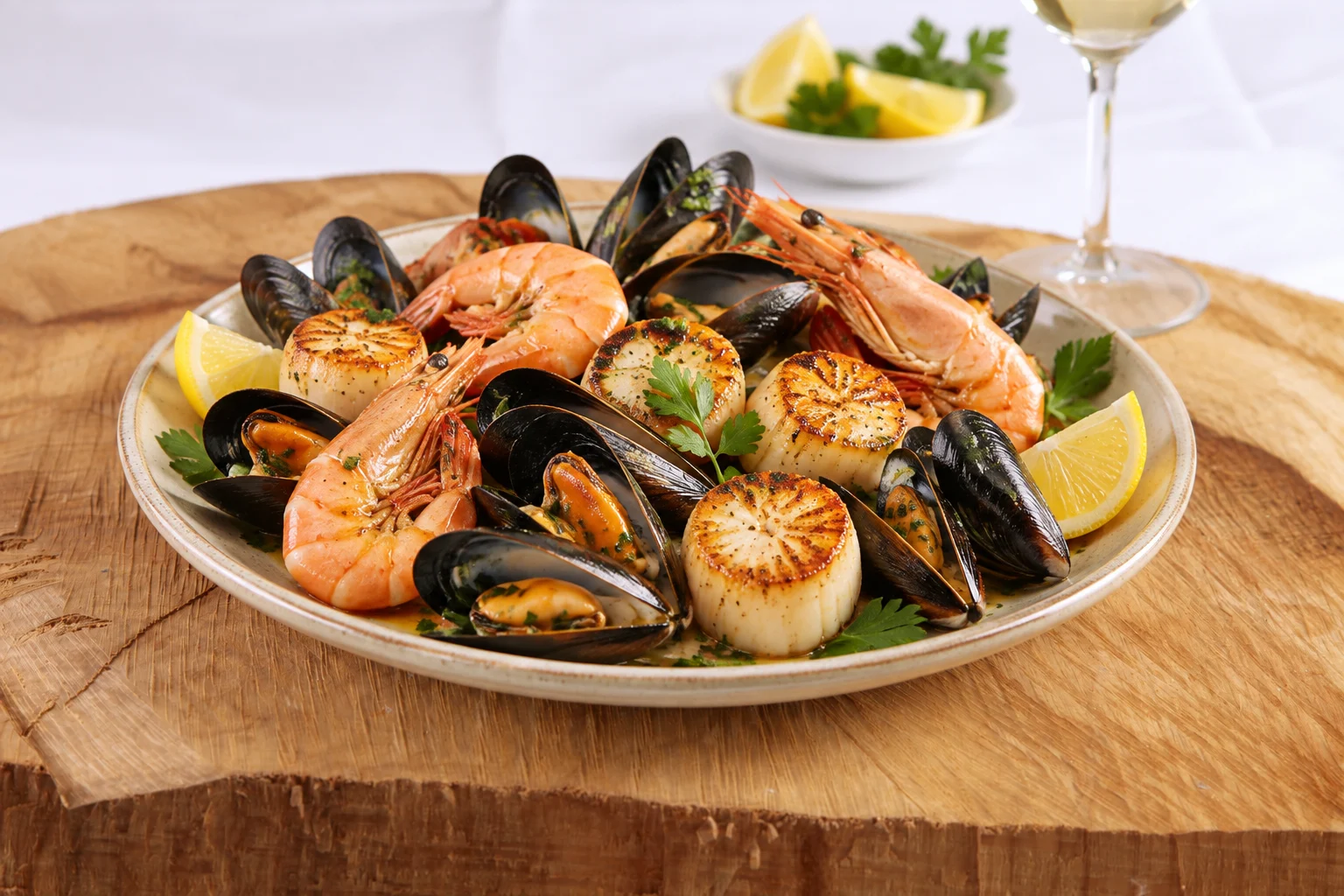
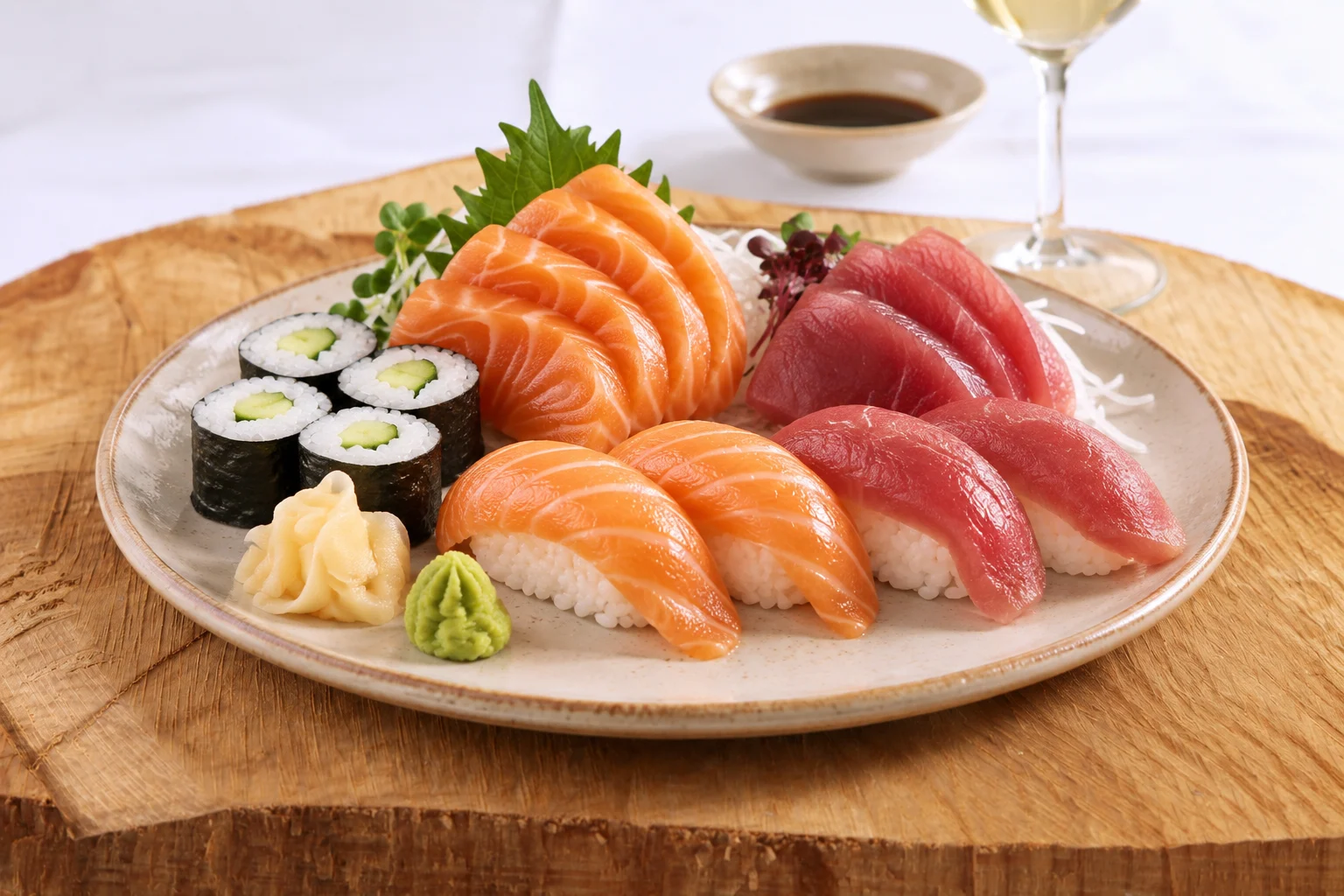
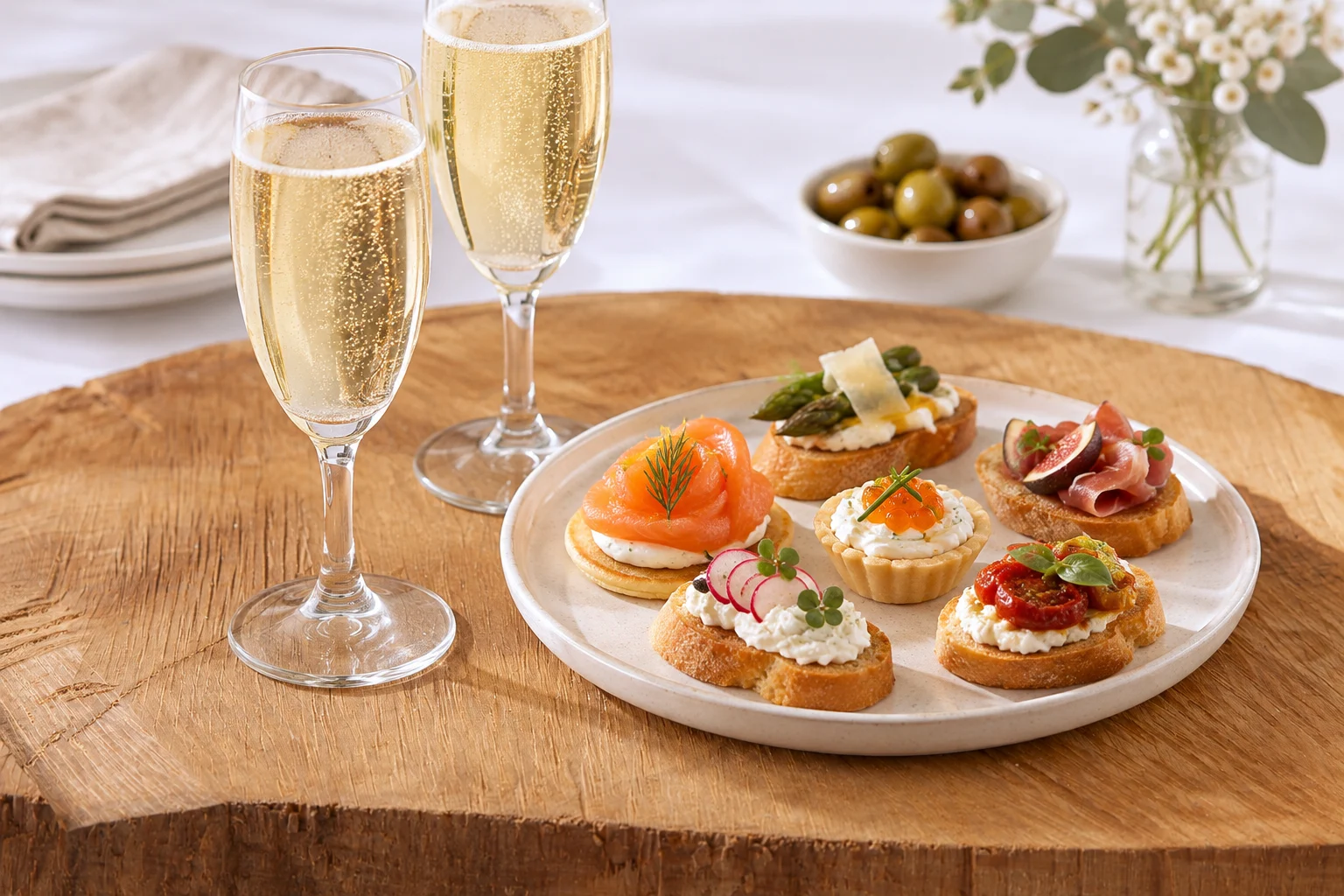
Deze Champagne toont een verfijnd smaakpalet van frisse citrustoetsen en witte steenfruit met een elegante minerale backbone, subtiele toast- en briochetonen van rijping en een zachte, volle mond dankzij de chardonnay-rijke cuvée aangevuld met structuur en roodfruitaanduidingen van pinot noir. Dankzij die frisse zuurgraad, minerale precisie en lichte briocheachtige ronding snijdt hij mooi door de zilte en delicate smaken van witte vis, schelpdieren en sashimi en speelt hij feestelijk mee bij borrelhapjes zonder te overheersen. Bereidingen als zacht gestoomde of licht gegrilde vis, oesters en coquilles naturel of met een dunne jus van citroen en boter, sashimi of ceviche en krokant tempura of lichte room- of beurre blanc-sauzen accentueren zijn finesse het best.
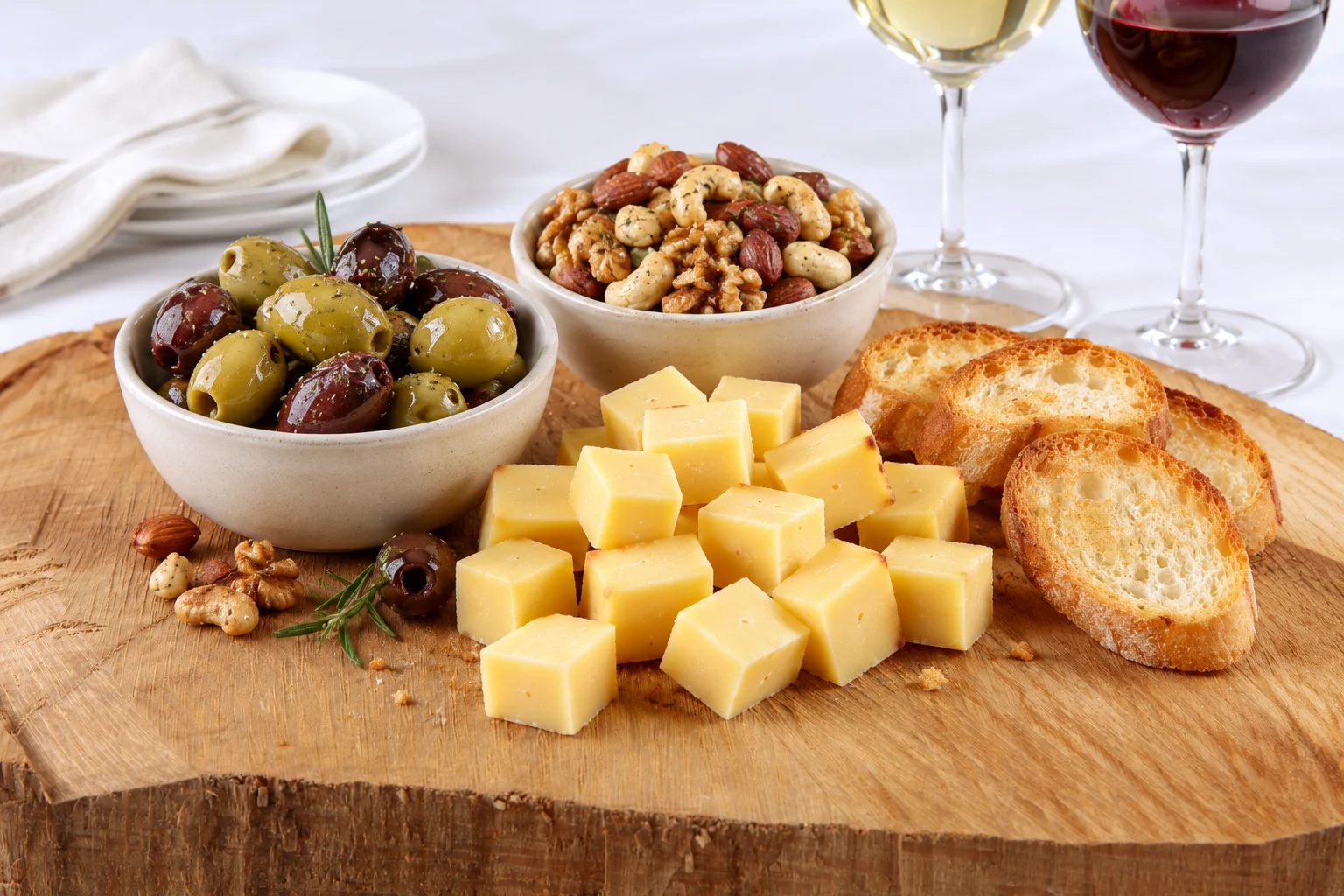
Choose a category to discover dishes that pair well with this wine.
Do you already have a dish in mind?
Let Sommy find wines to pair with your meal.
Discover Wine Trivia
Sign in to unlock fascinating facts about this wine and expand your knowledge.
Sign In