

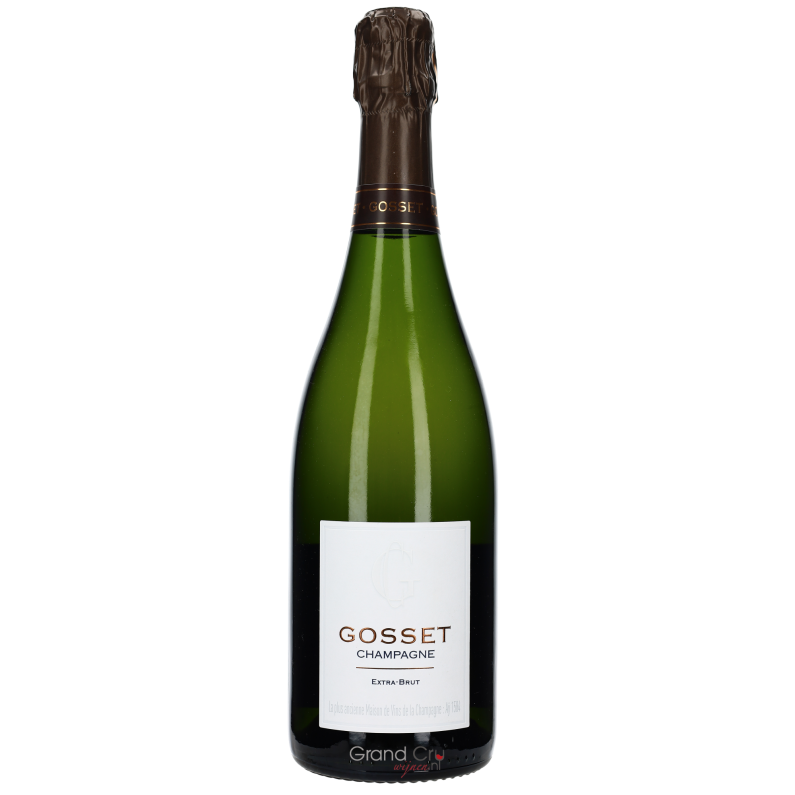
Champagne Gosset Extra Brut
How does this wine taste?
How full and heavy the wine feels in your mouth, like the difference between skimmed milk and cream. More alcohol, sugar and oak ageing make a wine fuller.
How much sugar you taste, from dry to sweet. Fruity is not the same as sweet: a dry wine can taste of ripe fruit.
How fresh and juicy the wine is: acidity makes your mouth water. High acidity tastes lively and refreshing, low acidity soft and round.
What we taste What you taste Click a taste for what it means
The bars follow how sommeliers taste (WSET): body, tannin, sweetness and acidity, each from low to high.
Sweetness: extra brut. At most 6 g/l sugar.
Acidity: fairly high. from the cool climate of .
Aromas: stone fruit, tropical fruit and orchard fruit, typical of
Made: in , with a second fermentation in the bottle, aged at least 15 months
Nothing noted for this wine yet. What do you smell, and how long does the taste linger?
Have you tasted this wine?
Save your rating and notes.
Save your rating and notes.
Have you tasted this wine?
Log in to save your tasting note.
Log in to save your tasting note.
Log inIn 1584, Pierre Gosset, alderman of Aÿ and winegrower, mainly produced red, silent wines with the harvest from his own vineyards. This makes Gosset the oldest winery in Champagne. However, in the 18th century, the production of still wines made in and around Aÿ changed to bubbles. Malolactic fermentation is carefully avoided in order to preserve the malic acid, which provides the natural fruity aromas. ("échelle des crus").
The Gosset Extra Brut is made from the typical champagne grapes Chardonnay, Pinot Noir Pinot Meunier. In the ghlas this dry champagne is light yellow with a fine sparkle. In the nose we smell frisse floral tones which are later followed by hints of ripe pear and exotic fruit. A frisse attack on the mouth , tight and pleasantly dry. Wide with in the background mineral accents and a hint of spices.
Character
The wine
- 100%
Origin
Bottle
Wine features
In 1584, Pierre Gosset, alderman of Aÿ and winegrower, mainly made red, still wines with the harvest from his own vineyards. This makes Gosset the oldest winery in Champagne. At that time, champagne as we know it did not yet exist. Gosset sold a still, mostly red wine made from the grapes from its own vineyards. Champagne and wine from Beaune in Burgundy competed for the favor of the French kings at the time. When, thanks to the invention of Dom Pérignon, sparkling champagne could be made and sold in bottles, the house of Gosset also became involved in the production of white sparkling champagne. And in the 18th century the production of still wines made in and around Aÿ changed to bubbles. Malolactic fermentation is carefully avoided in order to preserve the malic acid, which provides the natural fruity aromas. Gosset assembles the best Crus of the Marne district (Grand Crus and Premier Crus), with an average classification of 95% on the official Cru scale ("échelle des crus").
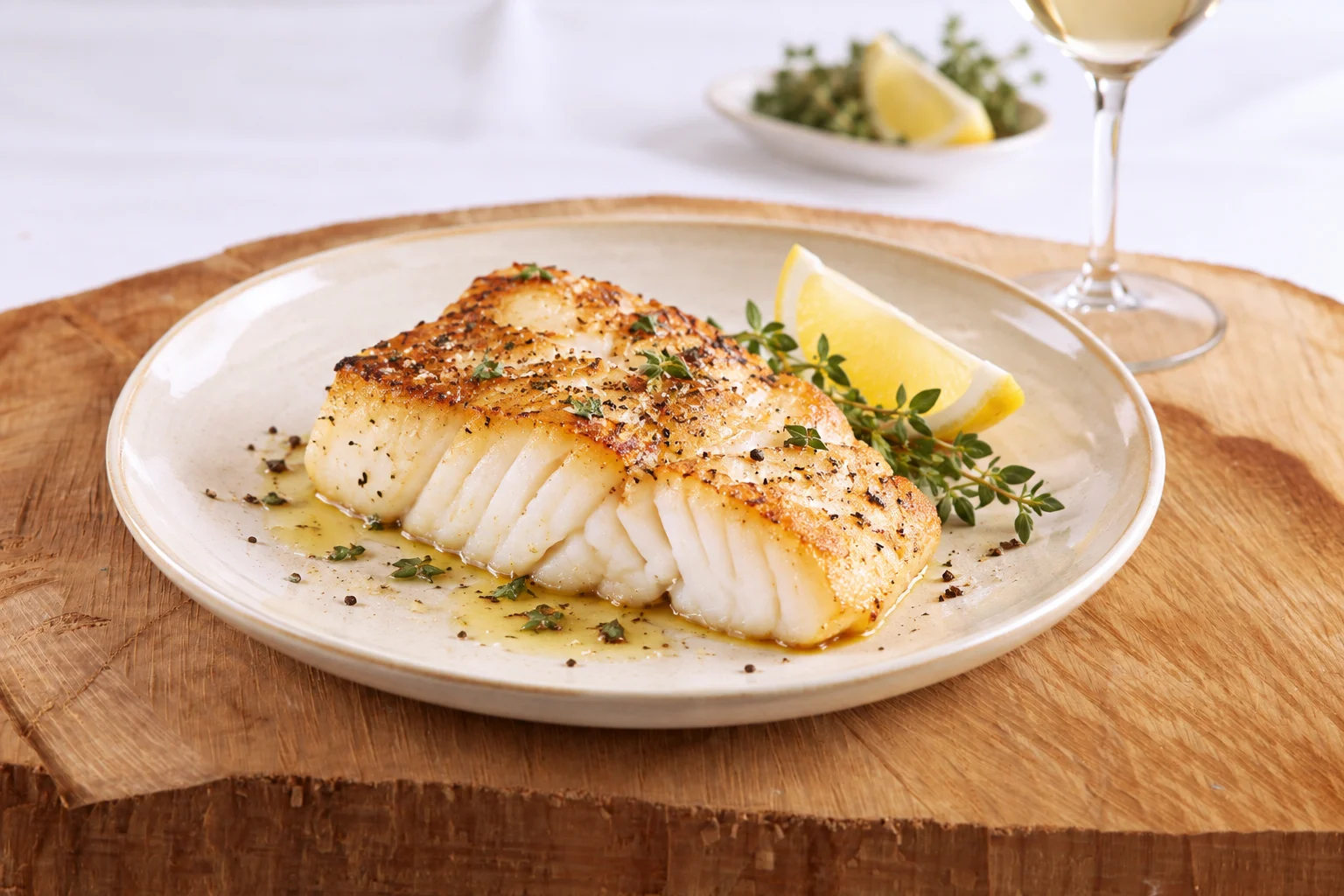
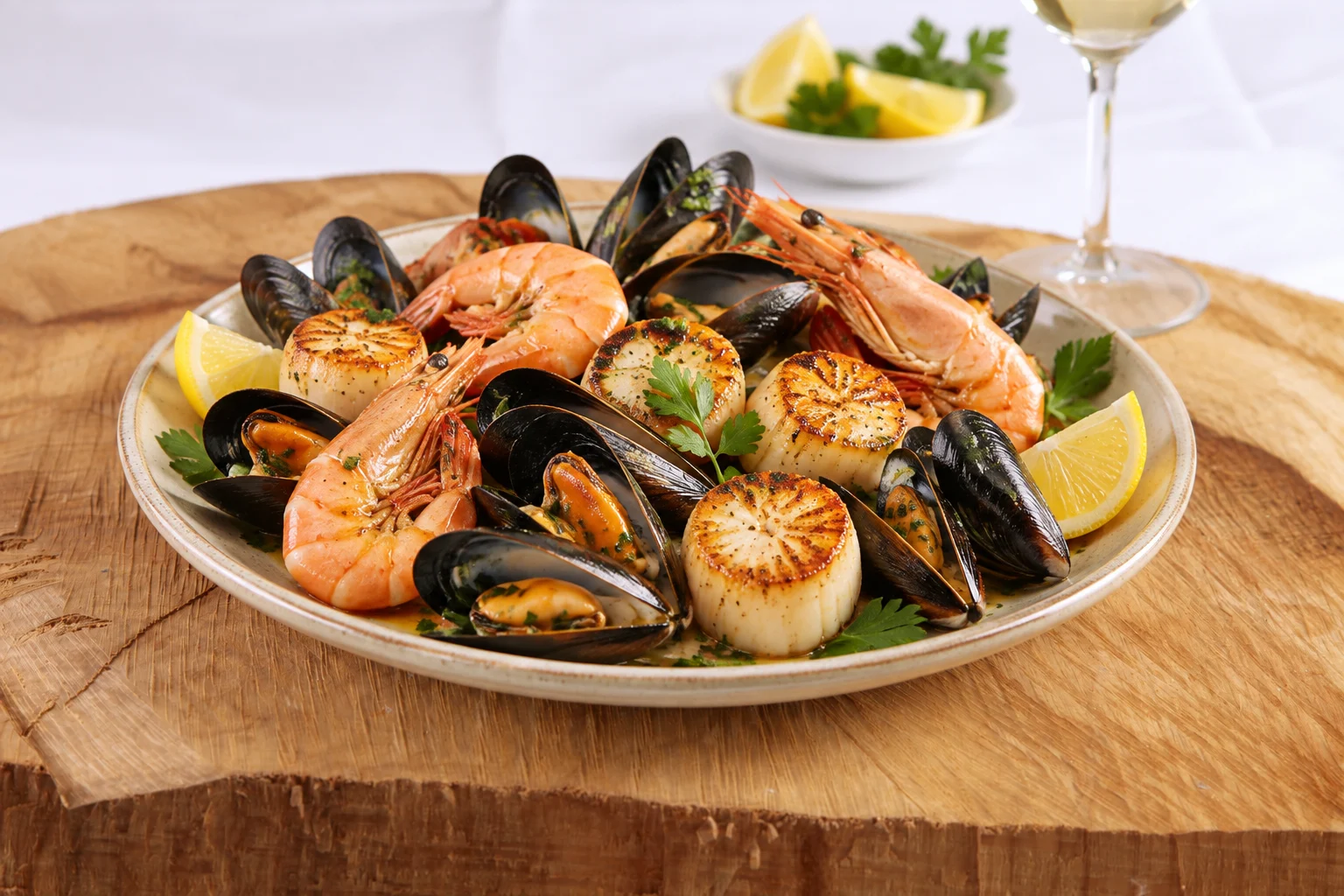
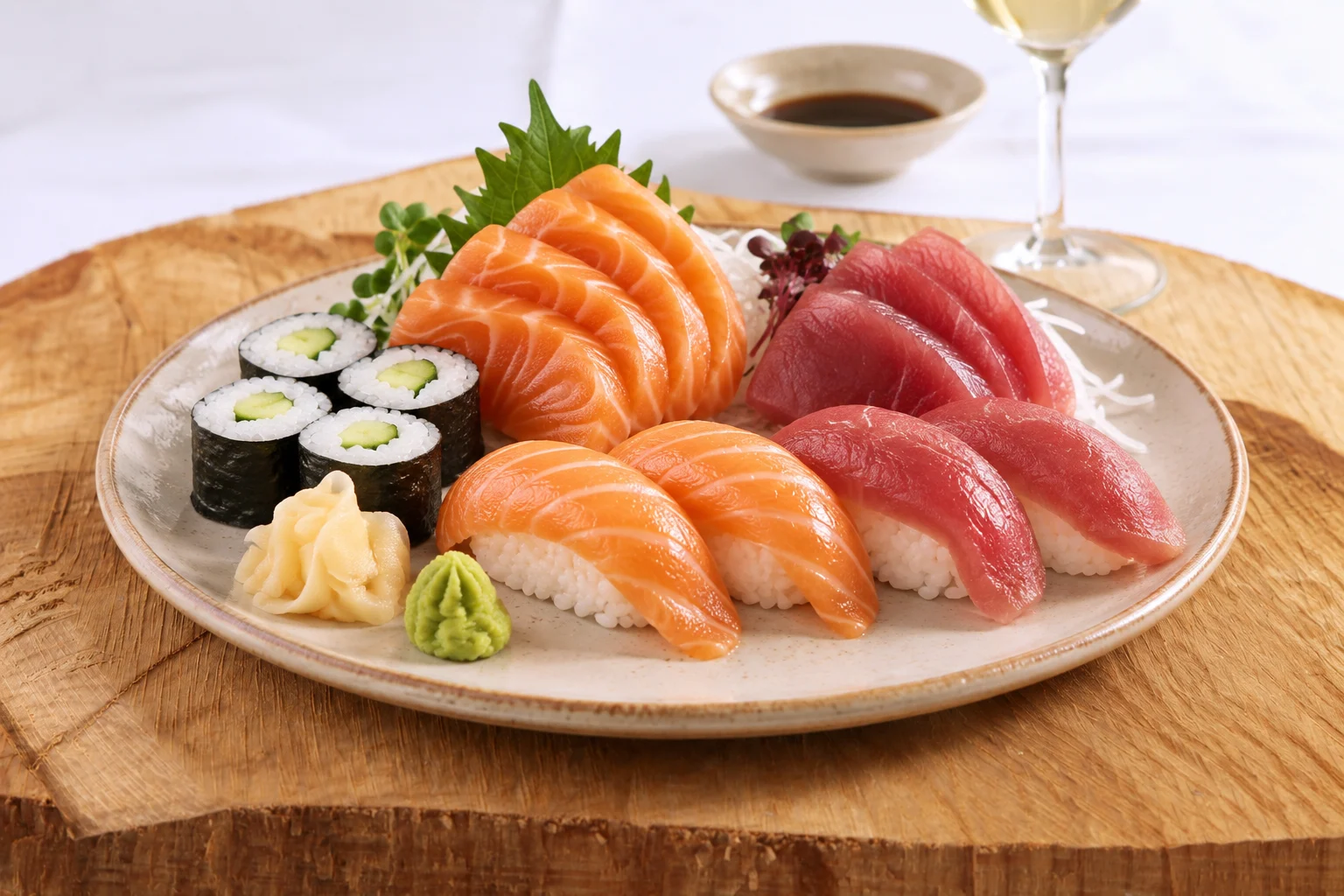
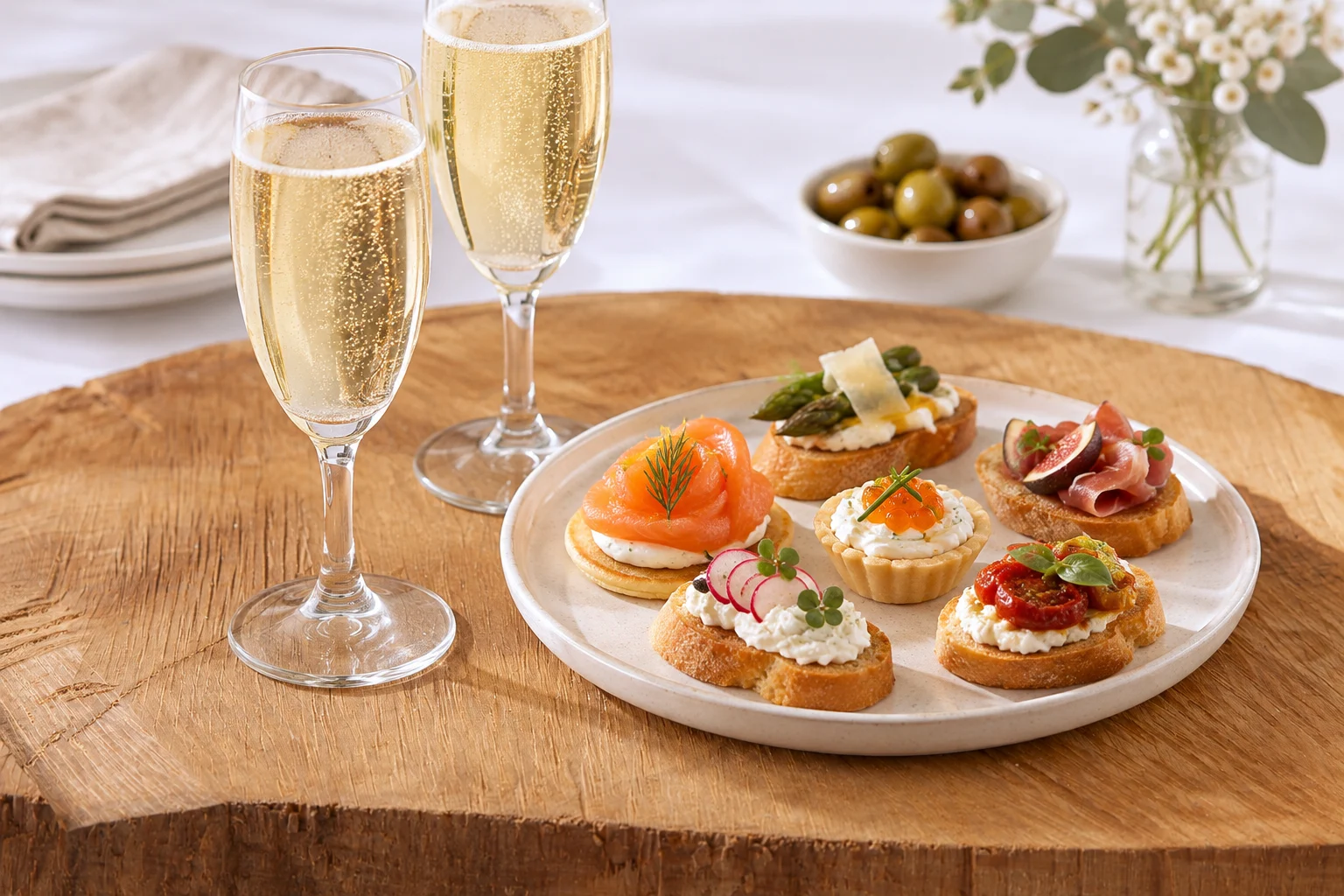
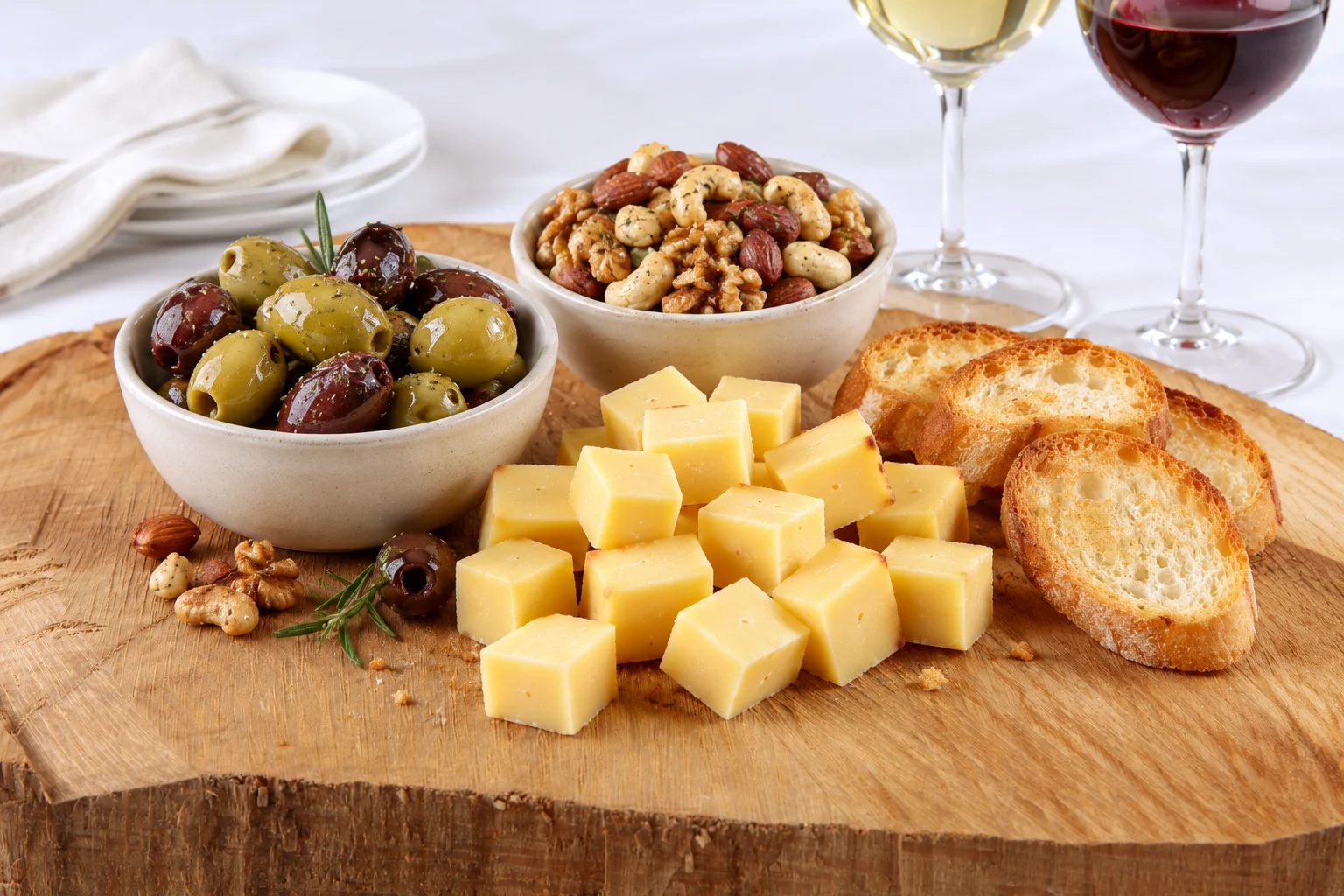
Gosset Extra Brut presenteert zich met frisse, florale tonen en rijpe peer naast exotisch fruit, een strakke, droge aanzet en subtiele minerale en kruidige accenten die de verfijning van Chardonnay en de klassieke Champagne-blend weerspiegelen. Dankzij die frisse zuren, fijne pareling en droge afdronk werkt hij fantastisch bij witte vis, schelpdieren, sushi en bij borrelhapjes; vooral gerechten met een lichte bereiding zoals gegrilde zeebaars met citroen, gekookte kreeft of sashimi met sojasaus krijgen extra elan door de bubbels en de minerale frisheid.
Choose a category to discover dishes that pair well with this wine.
Do you already have a dish in mind?
Let Sommy find wines to pair with your meal.
Discover Wine Trivia
Sign in to unlock fascinating facts about this wine and expand your knowledge.
Sign In